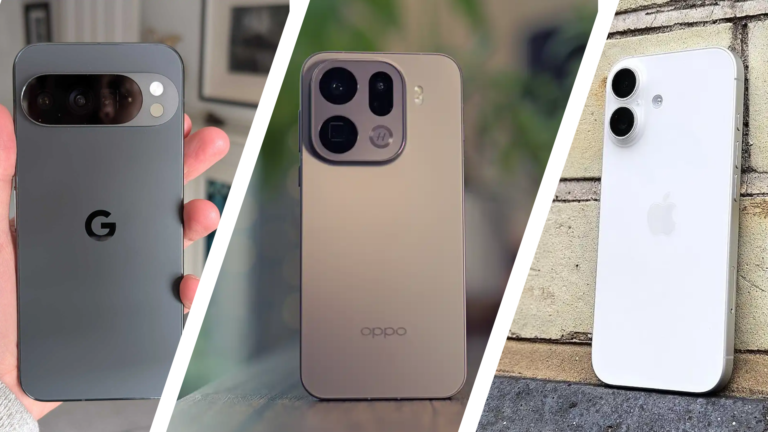
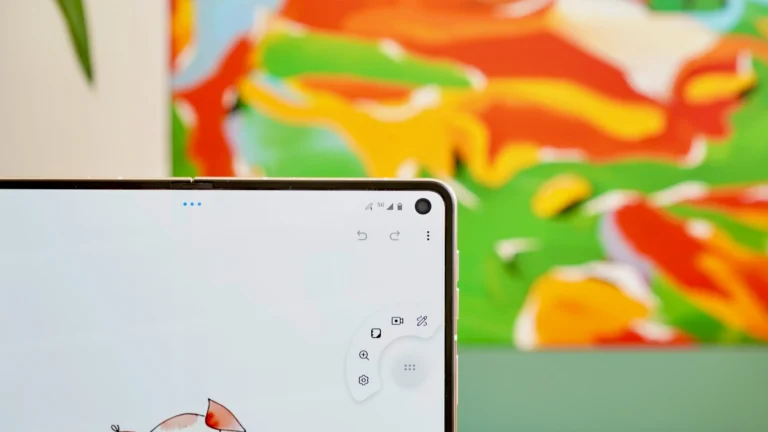
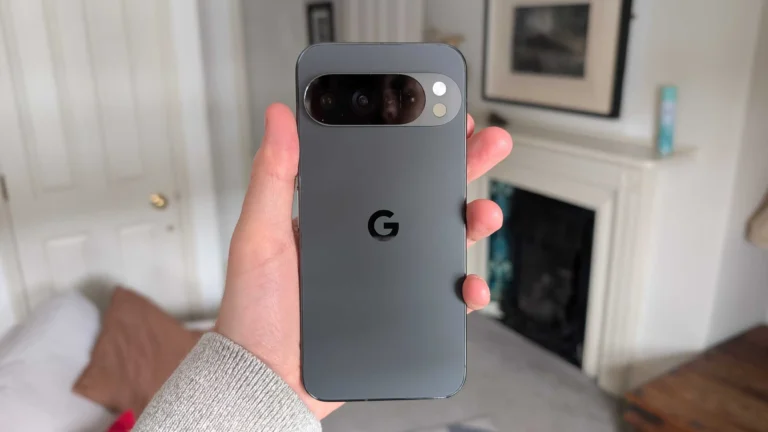
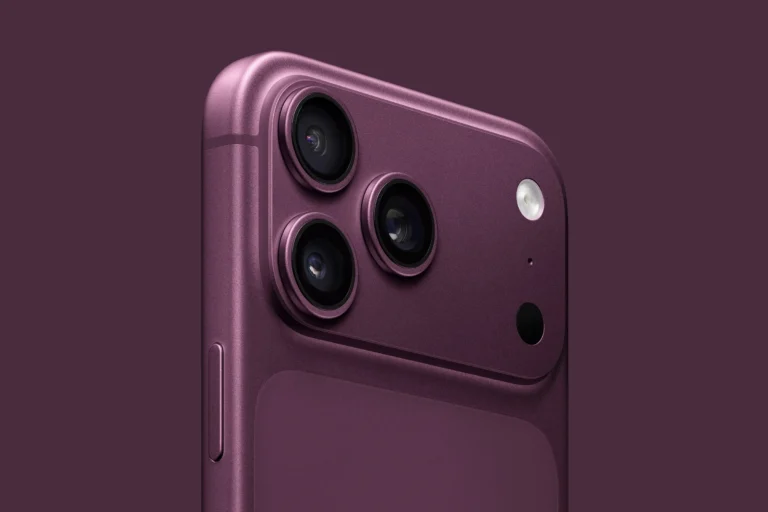
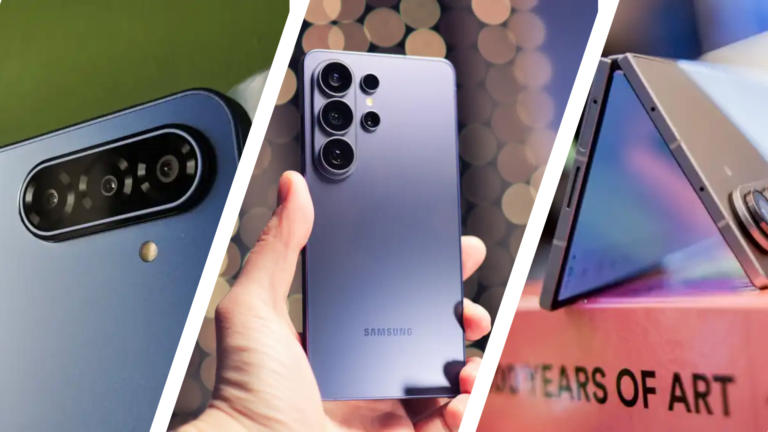
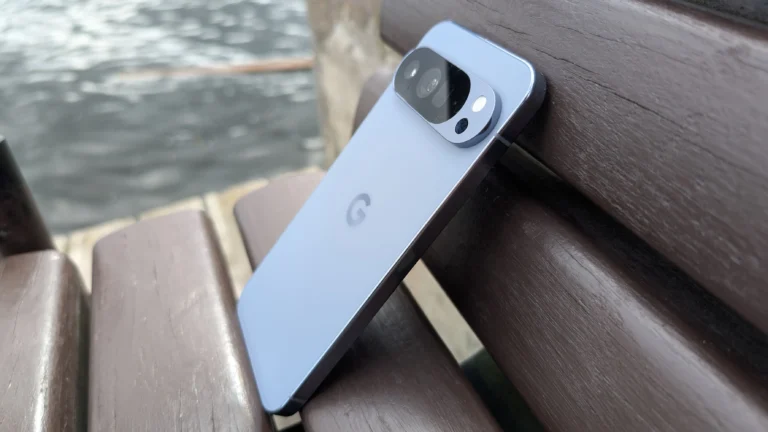
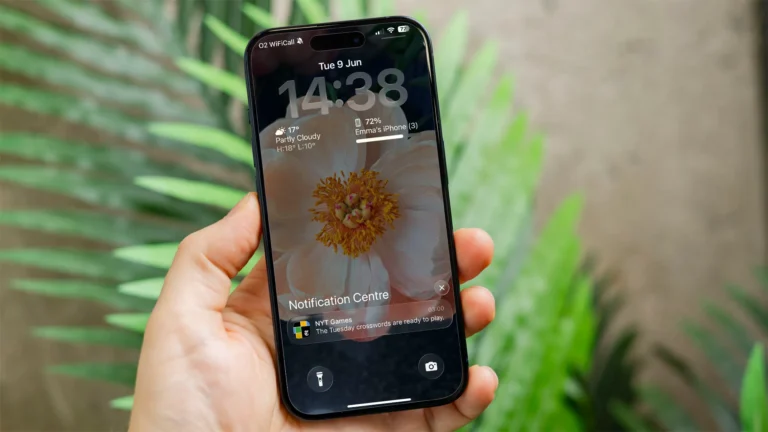
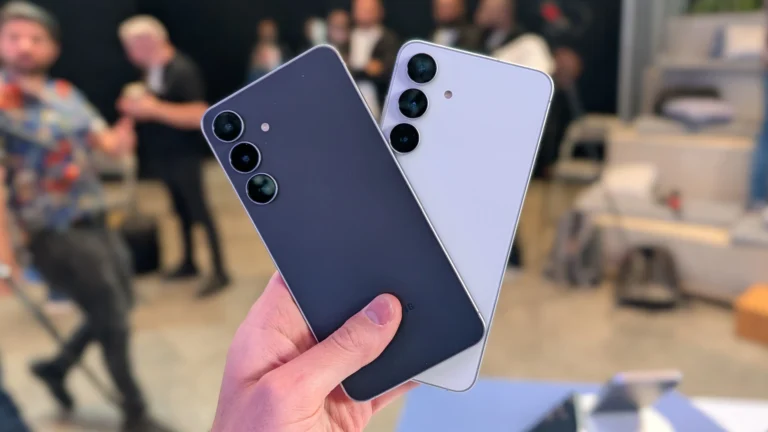
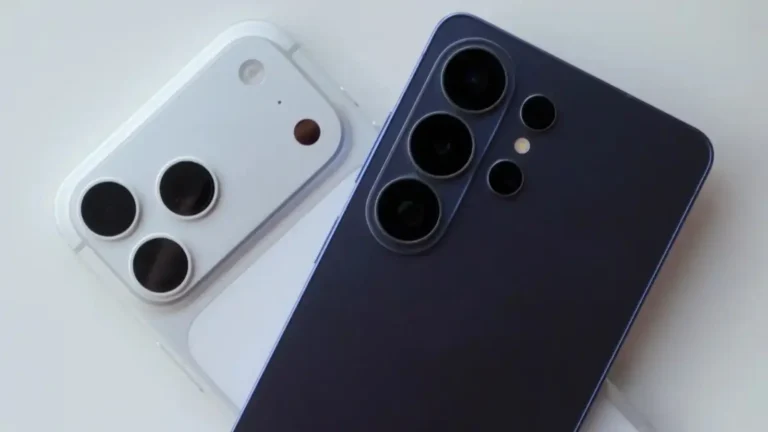
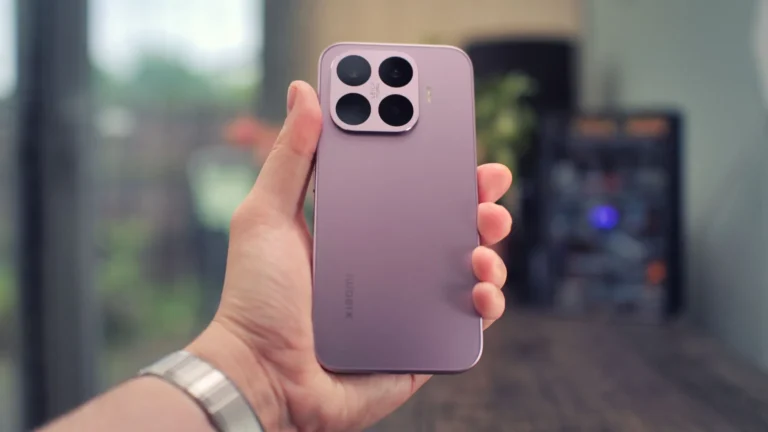
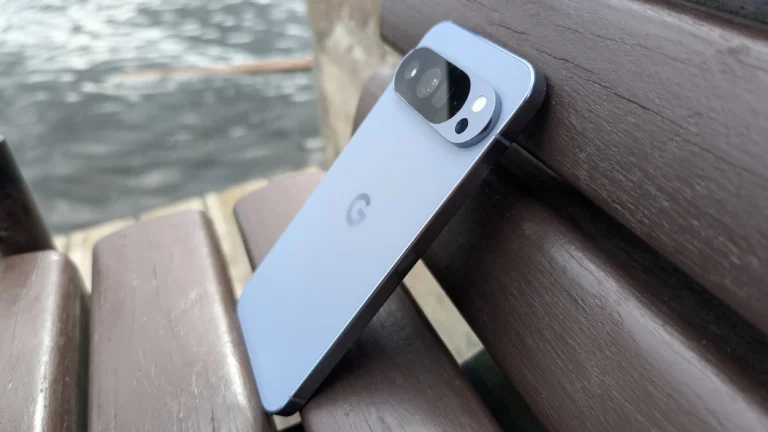
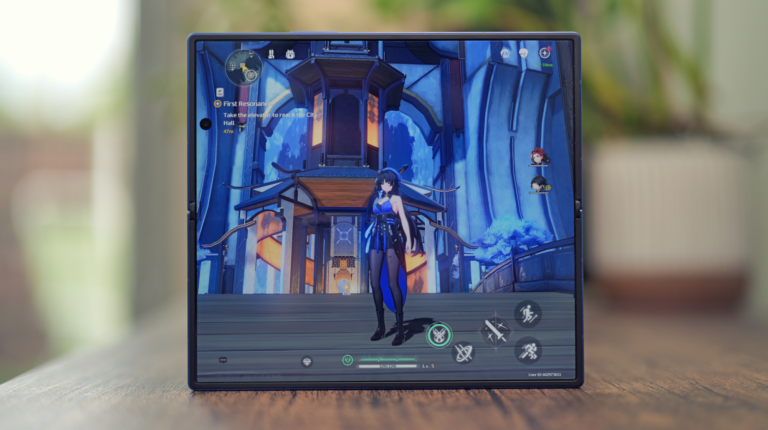
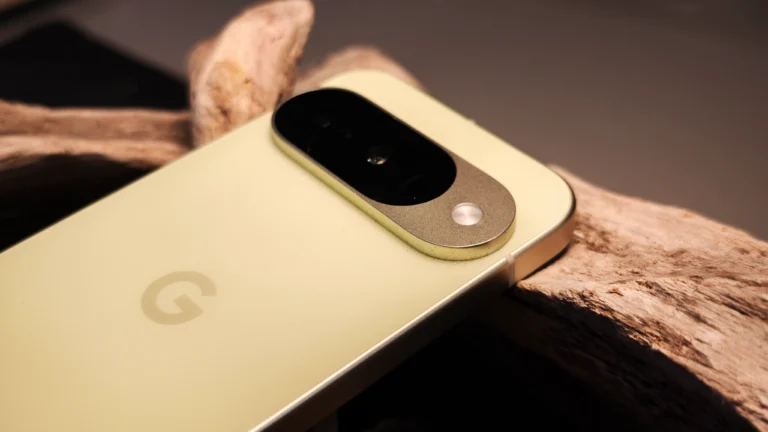
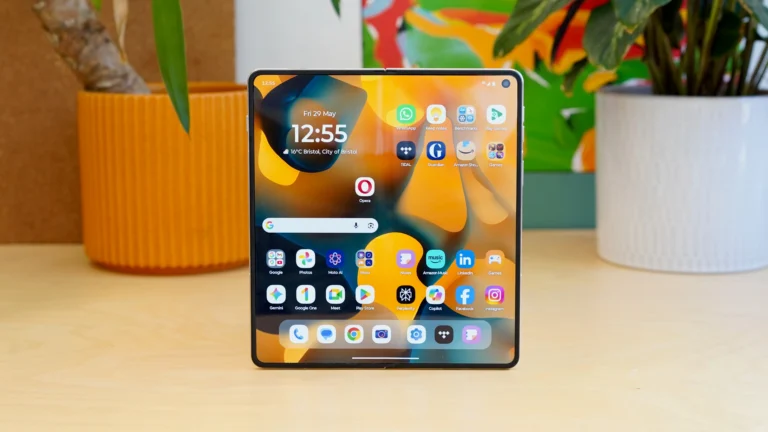
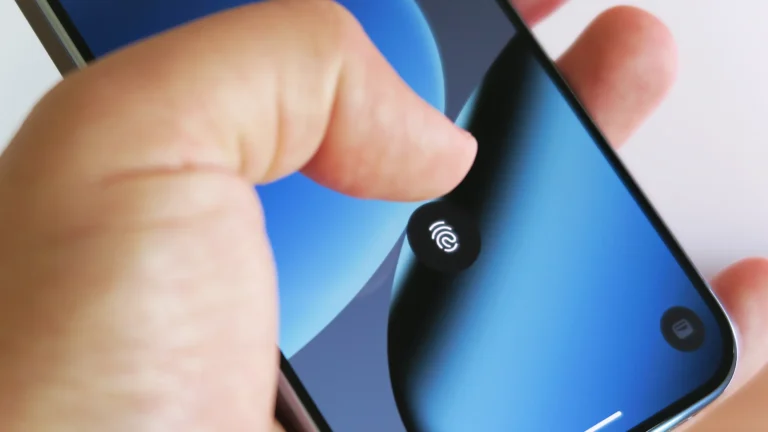
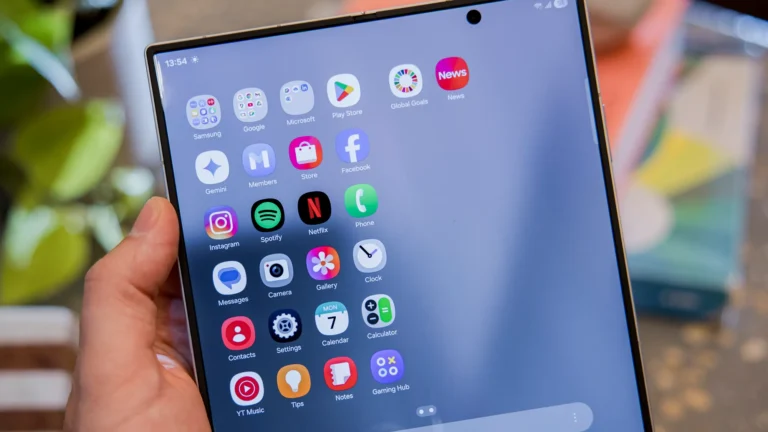
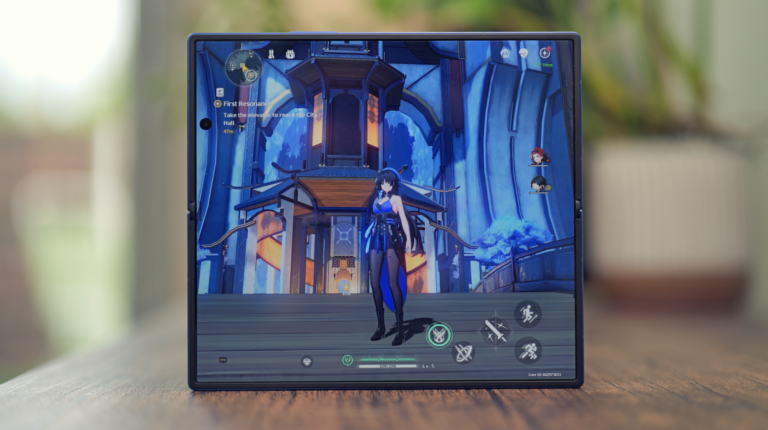
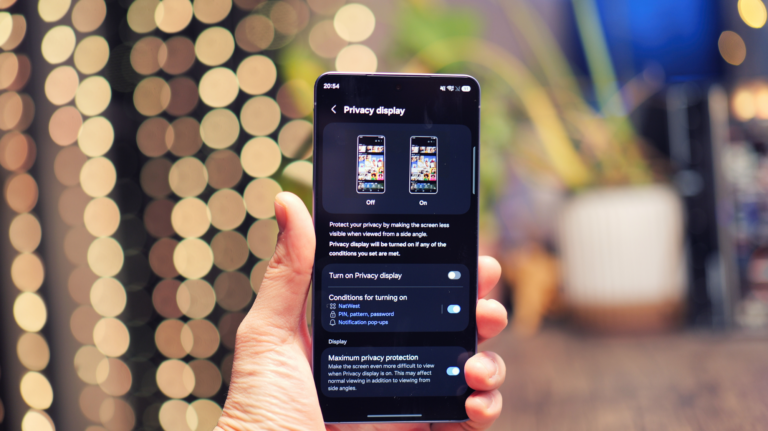
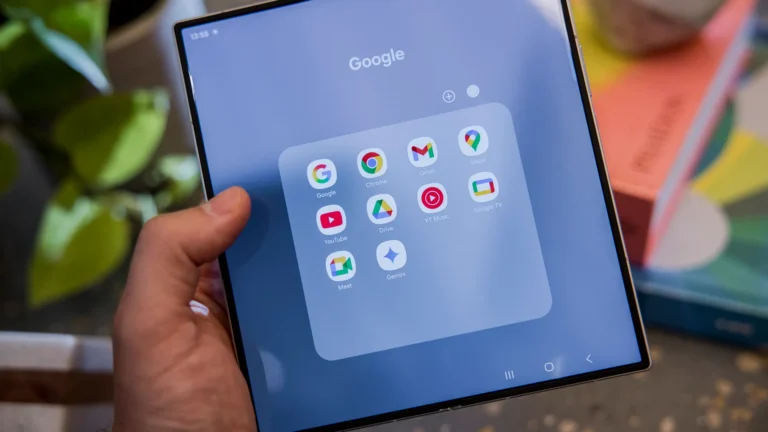
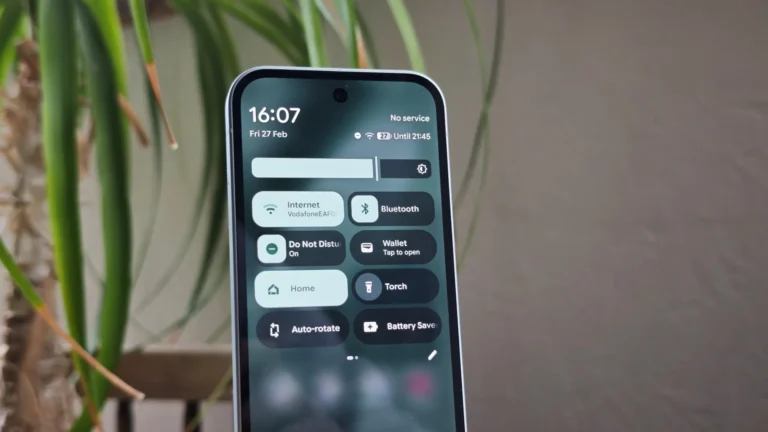
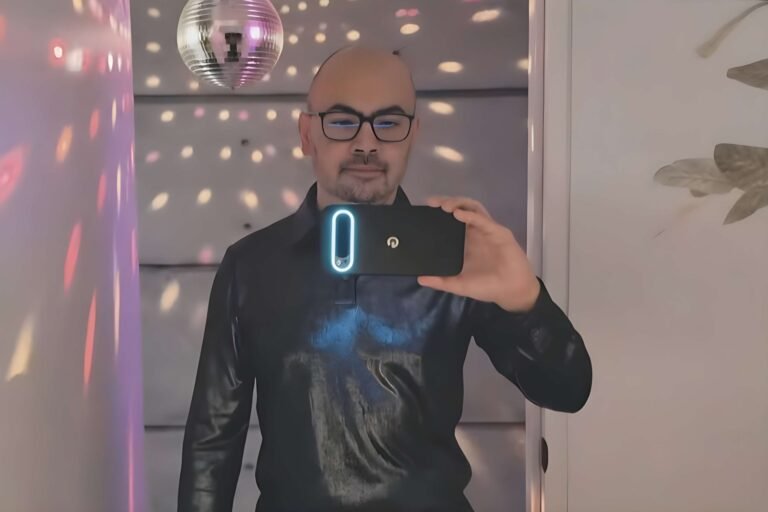
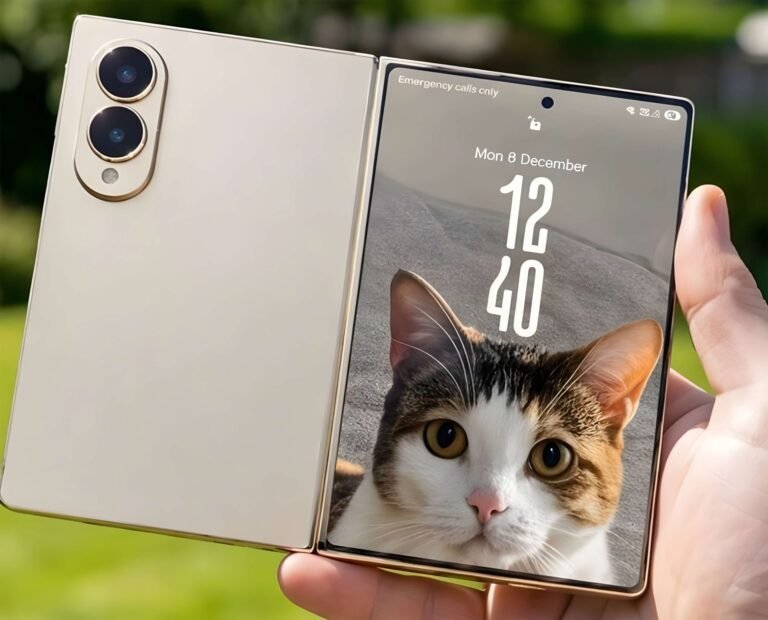
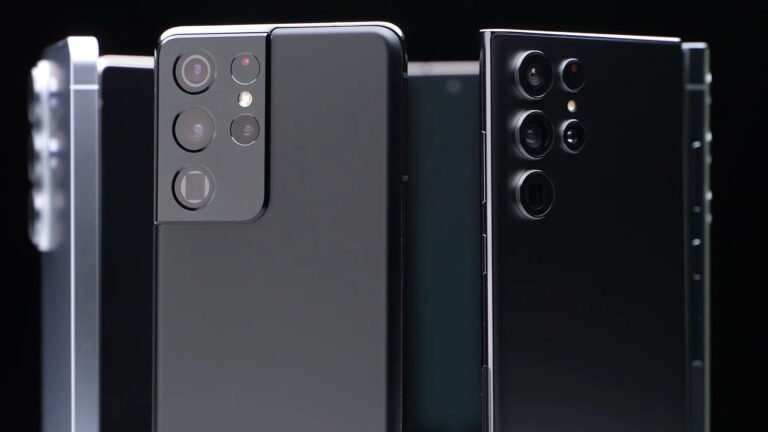
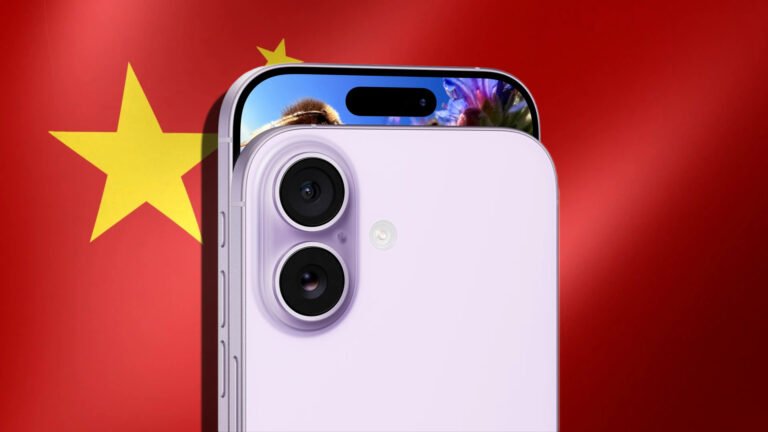
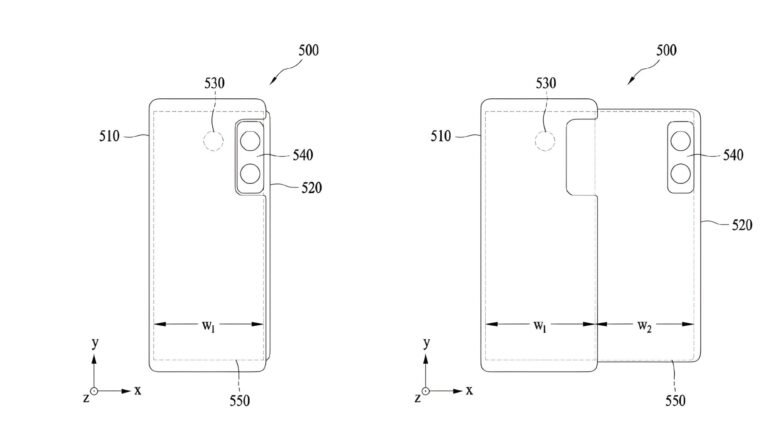
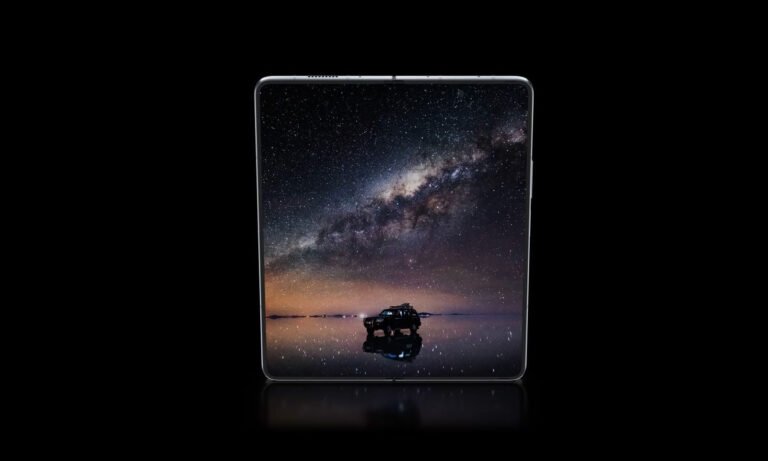
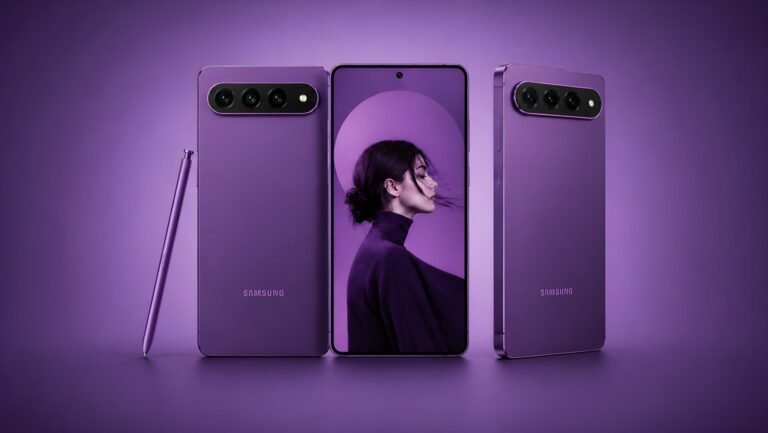
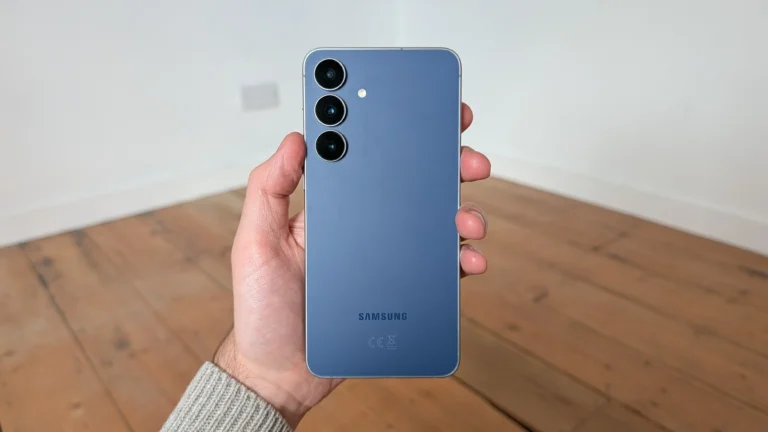
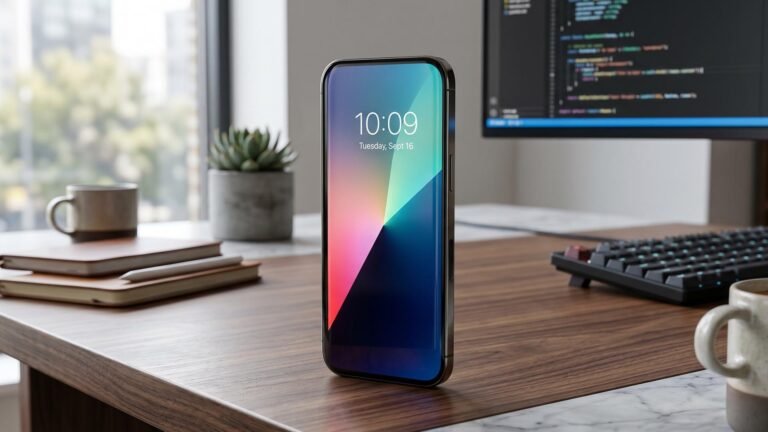
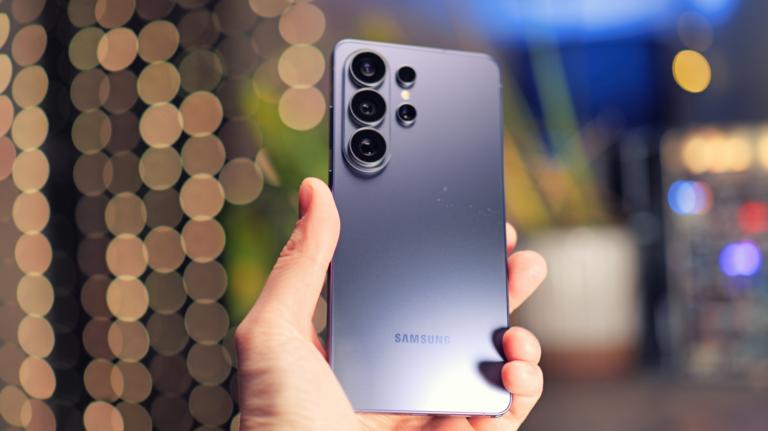
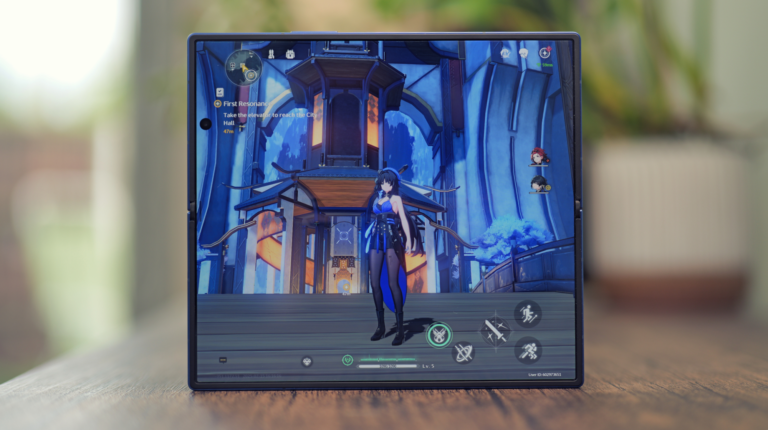
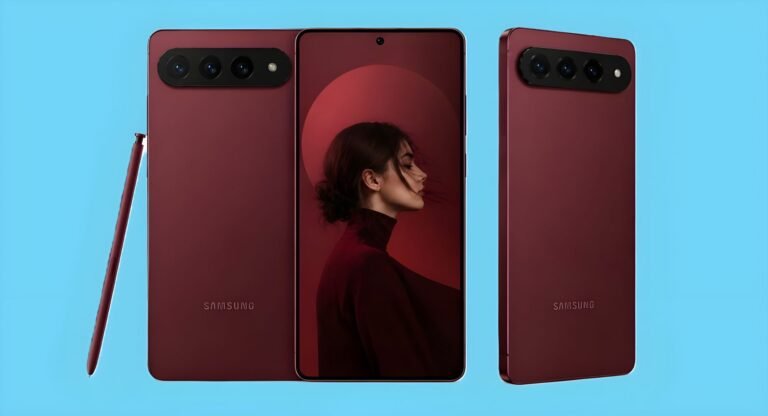
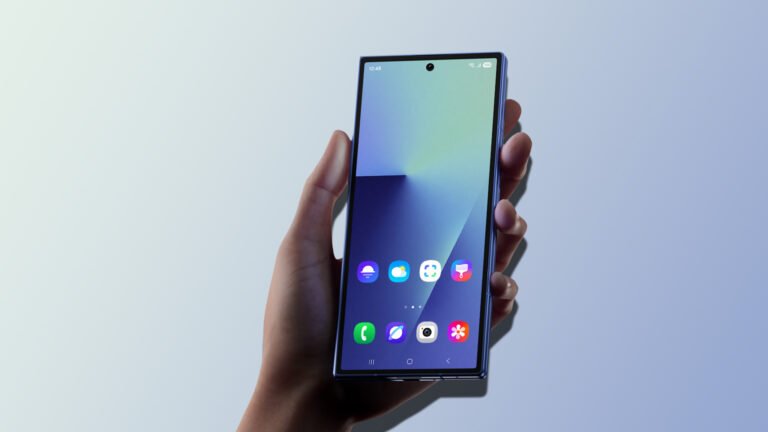
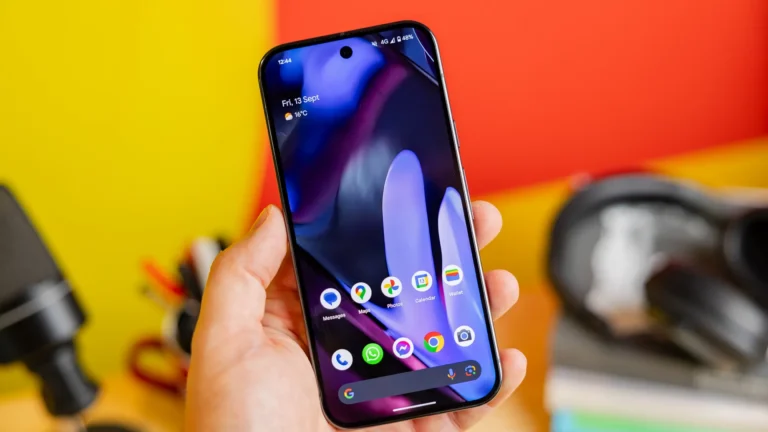
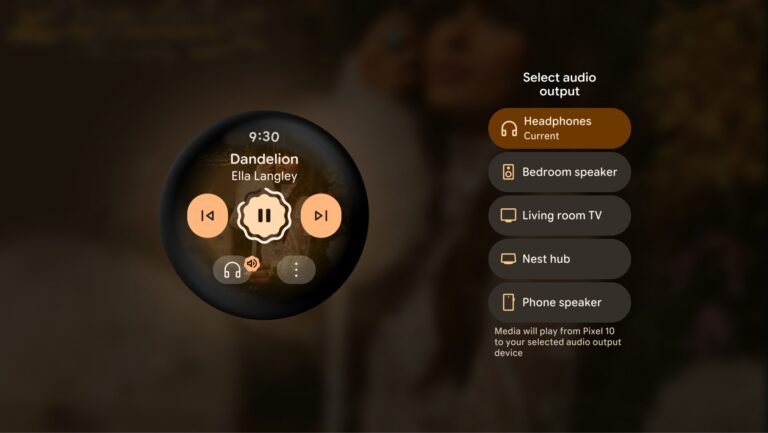
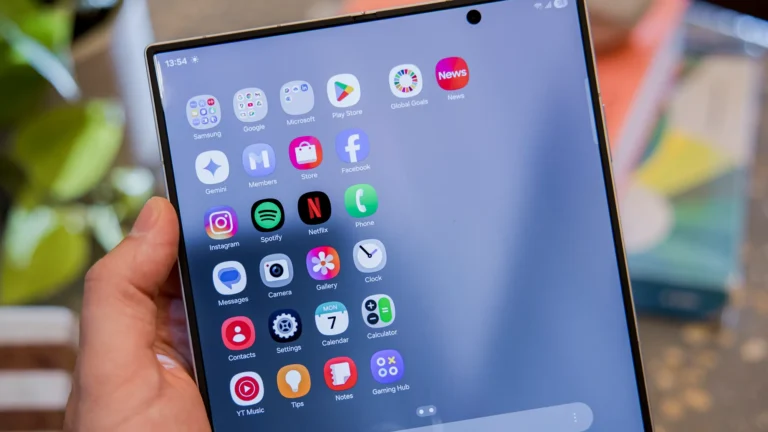
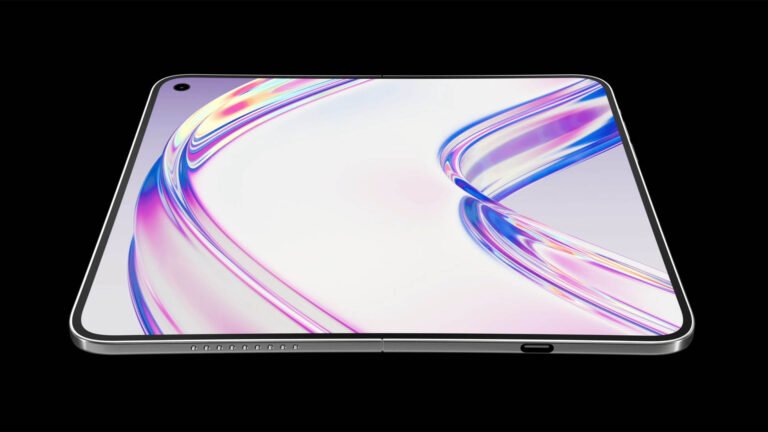
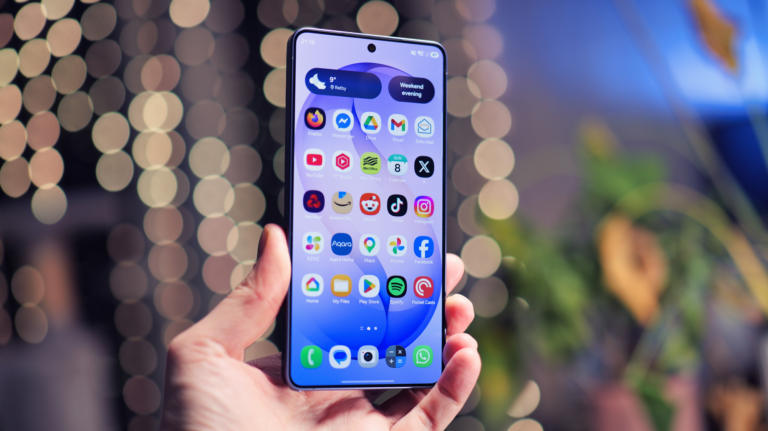
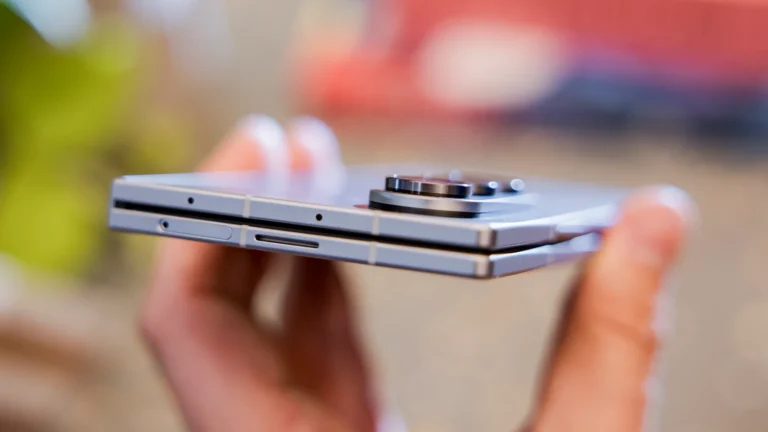
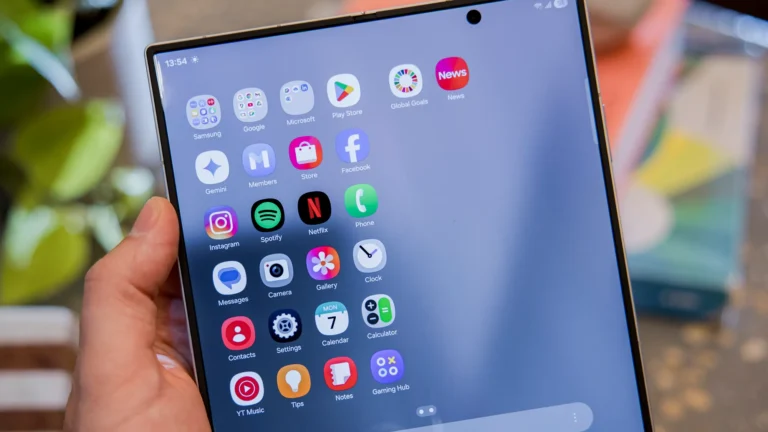
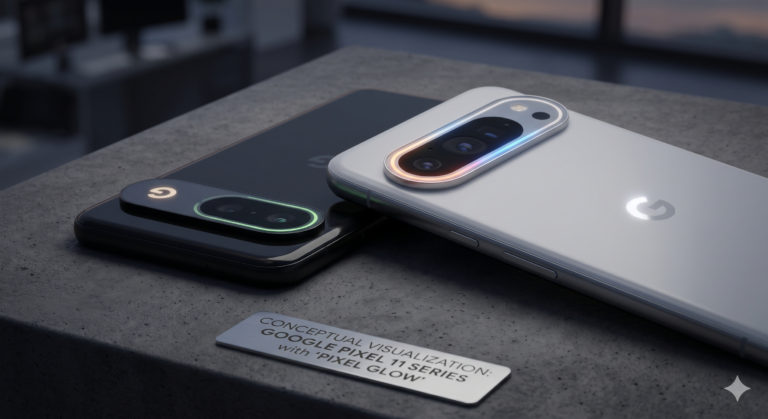
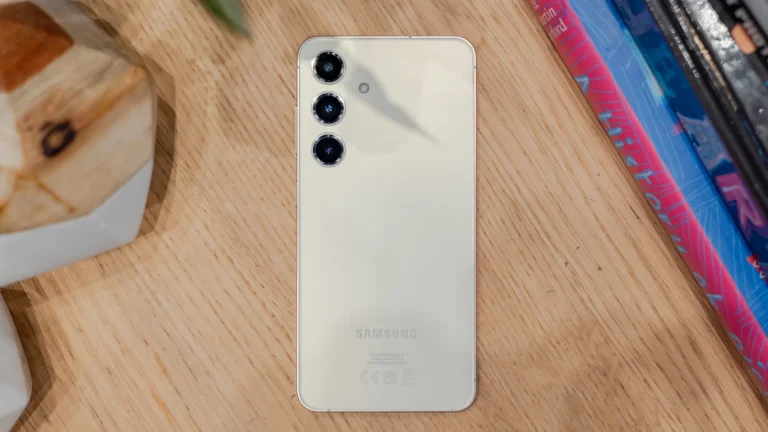
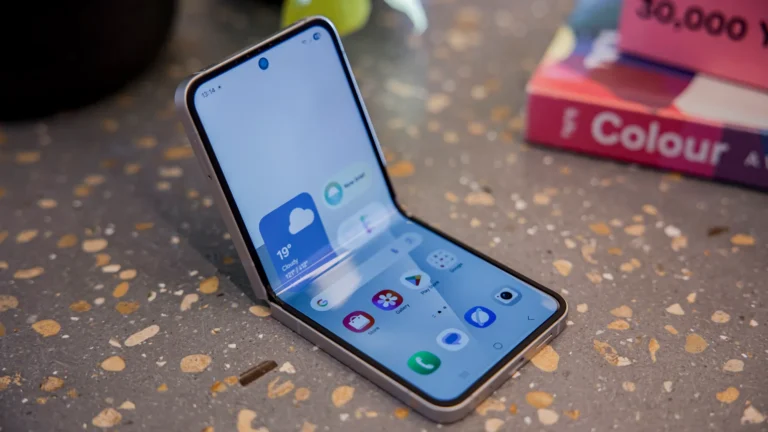
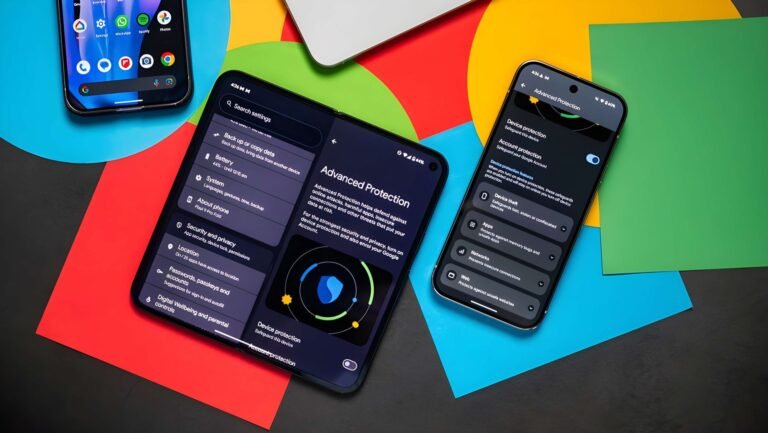
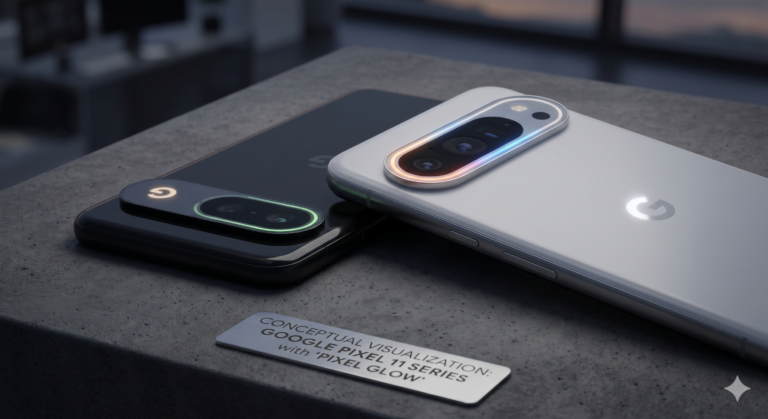
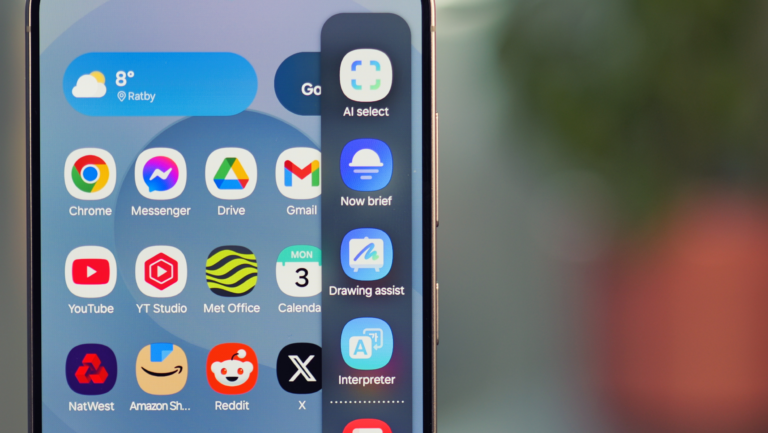
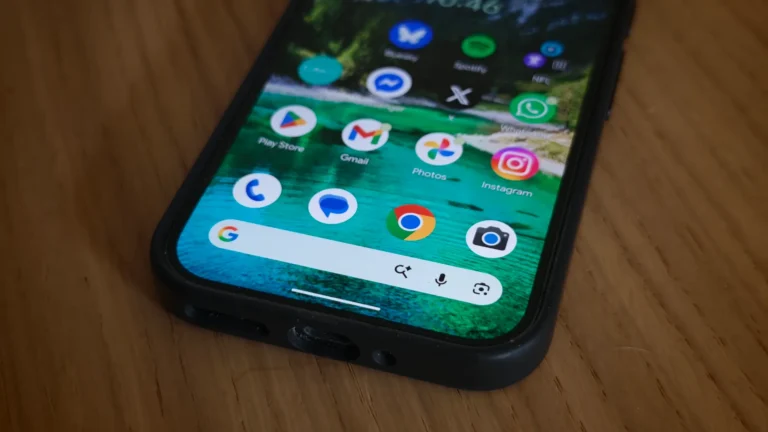
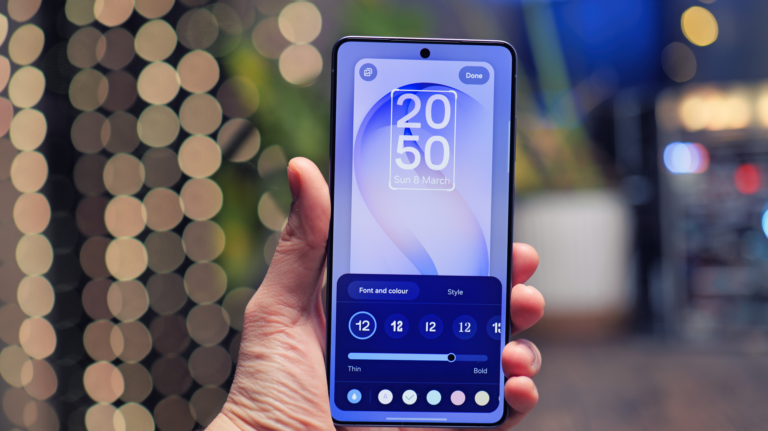
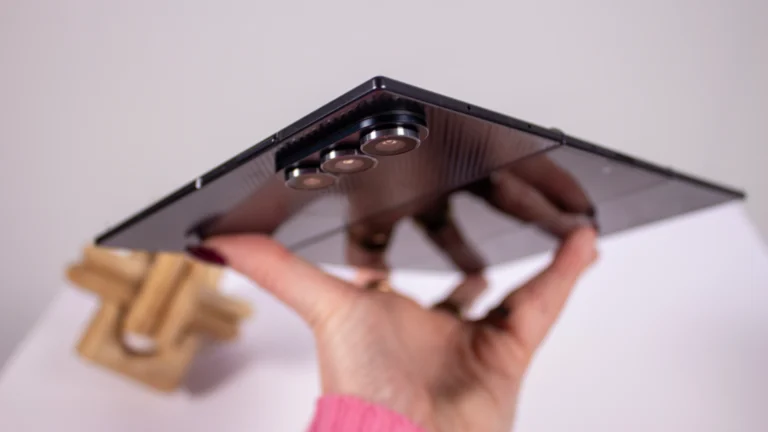
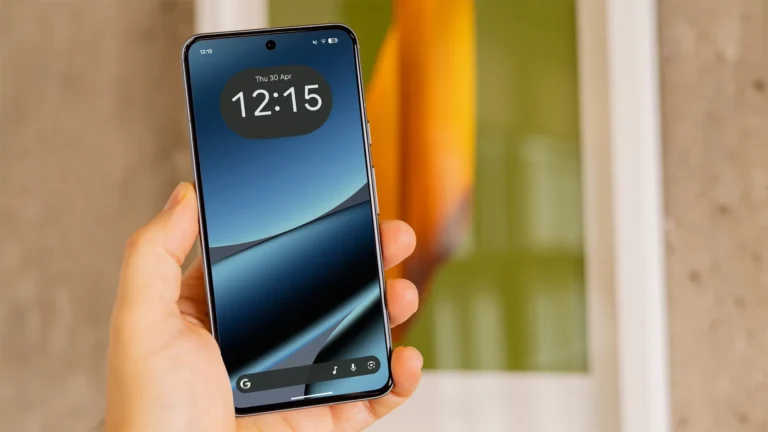
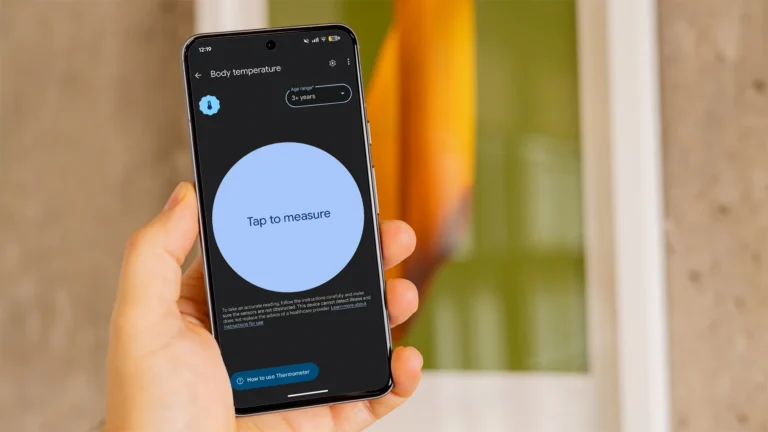
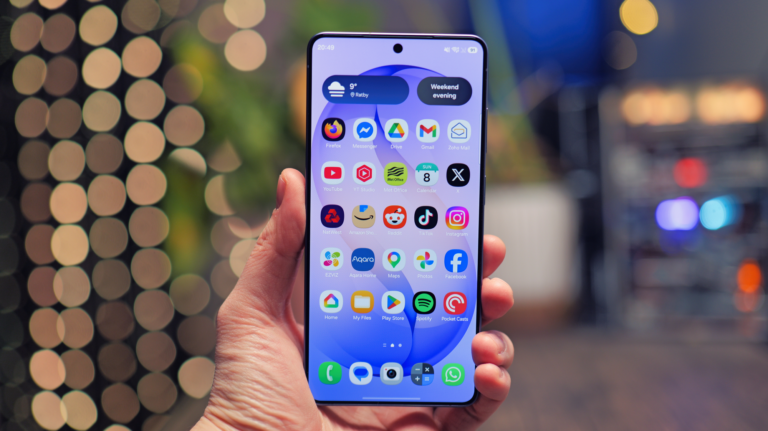
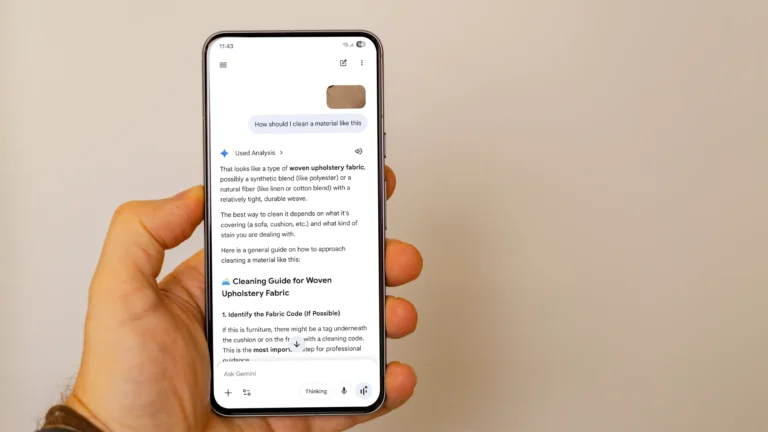
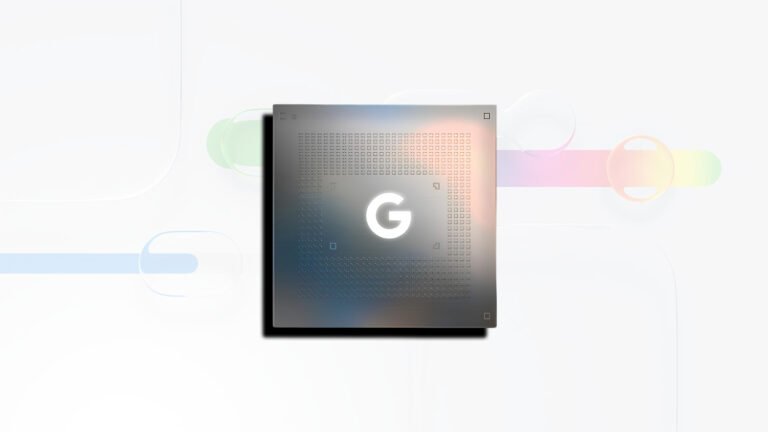
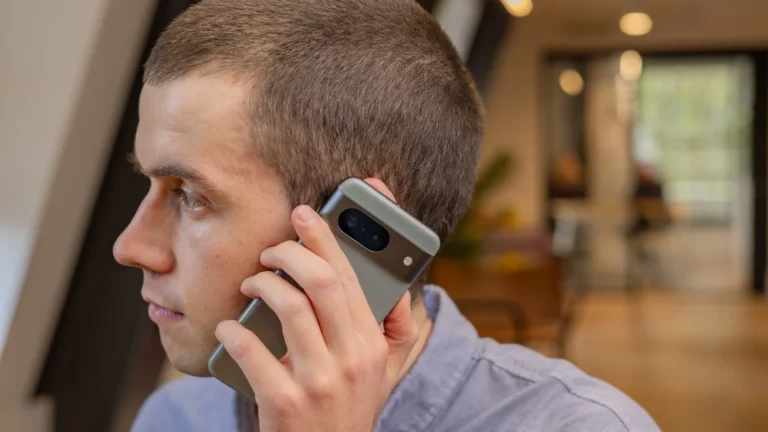
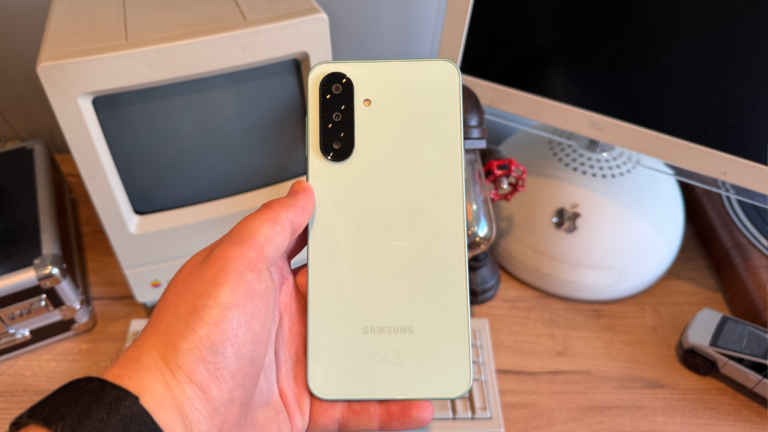
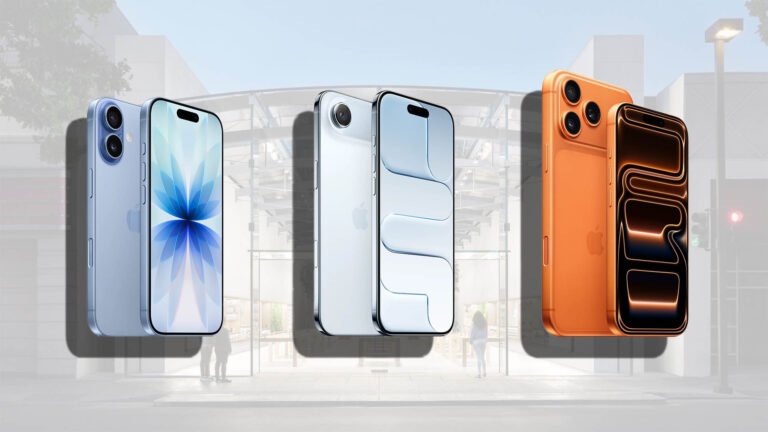
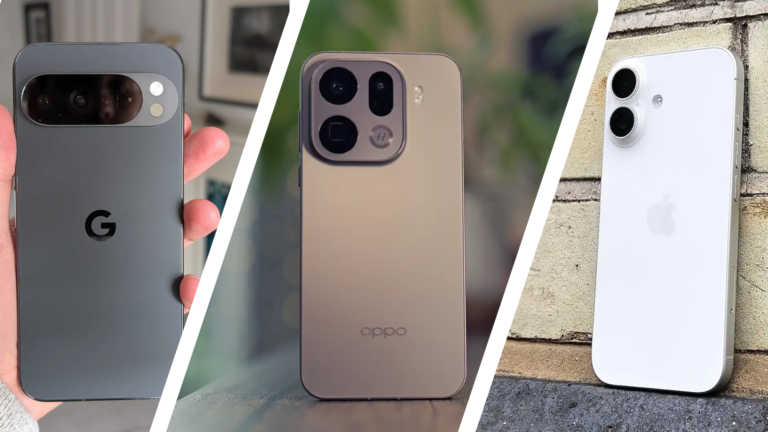
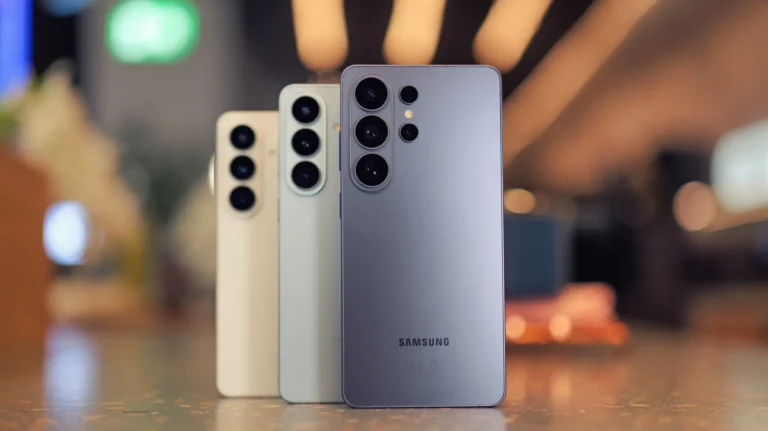
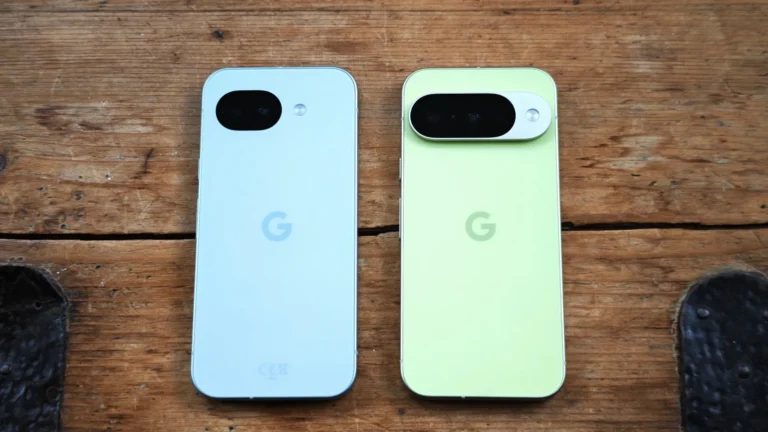
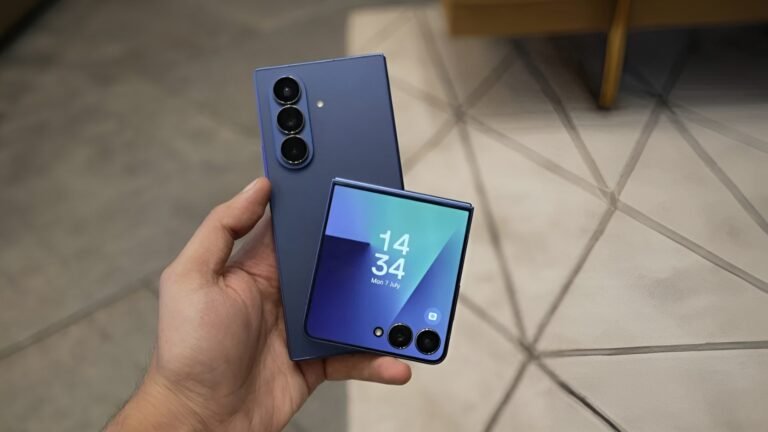
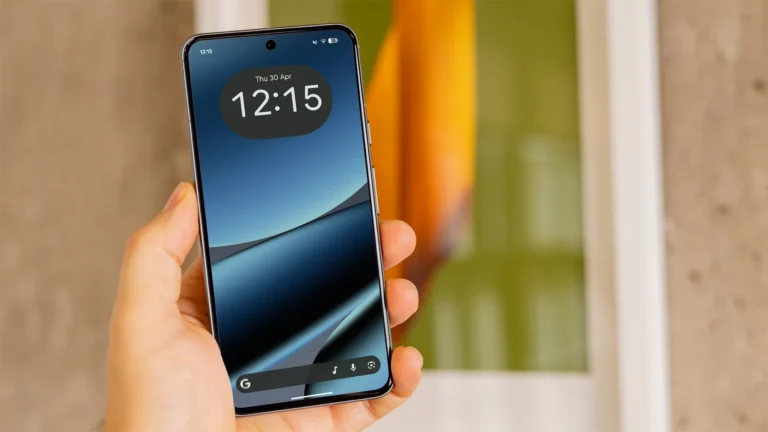
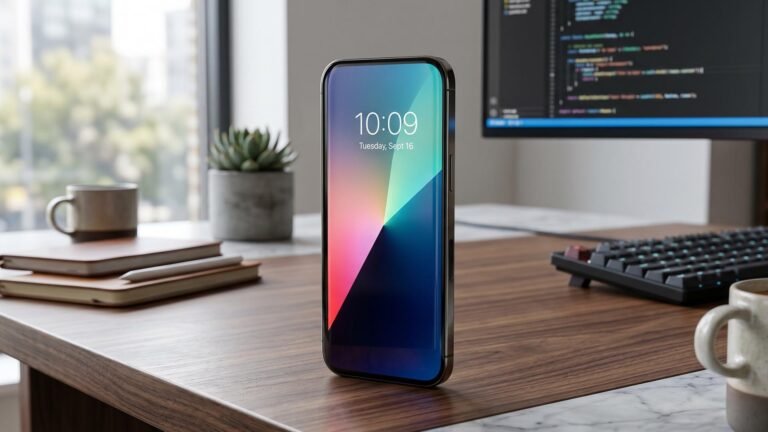
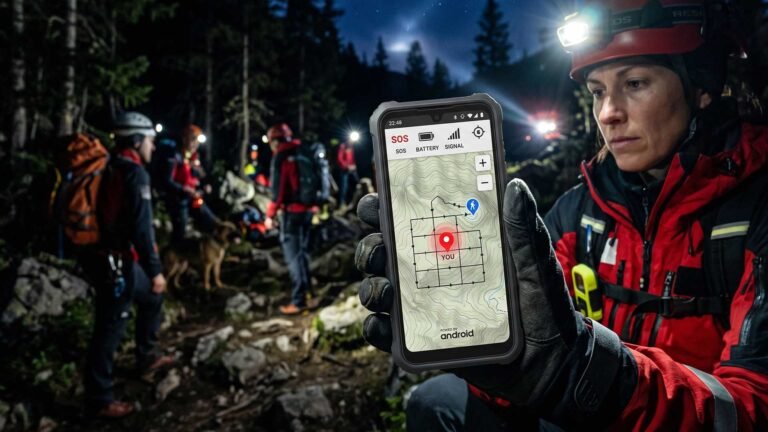
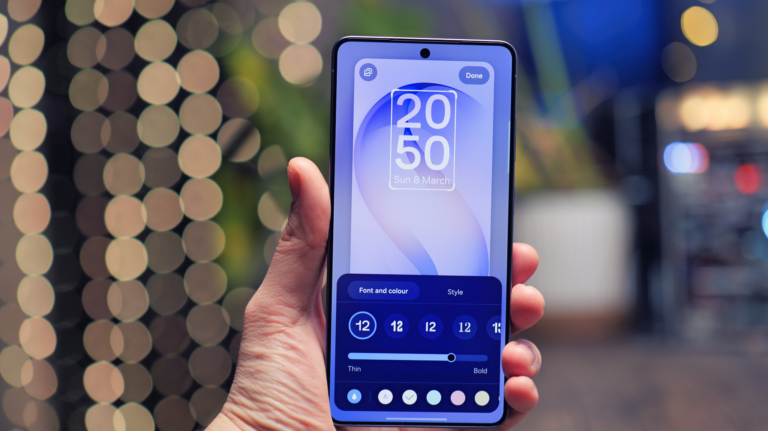
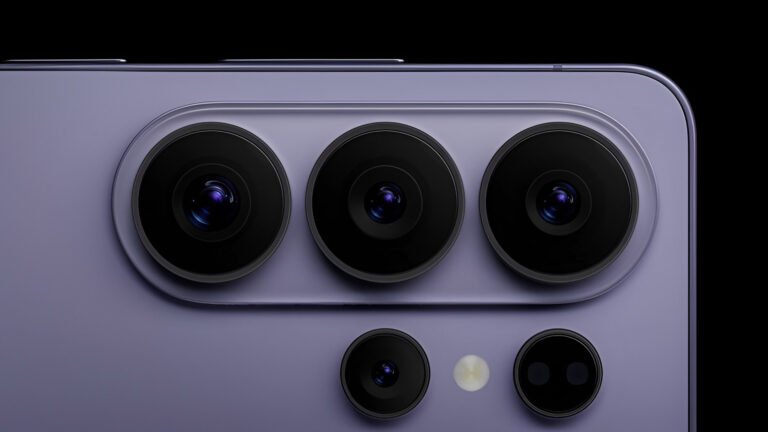
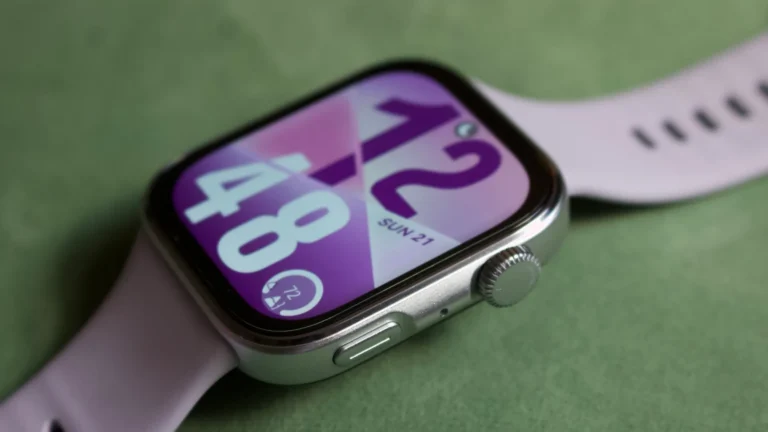
Why I Switched from Pixel 10 Pro XL to Galaxy Z Fold 7: 3 Key Reasons and How Pixel 11 Can Improve in the UK
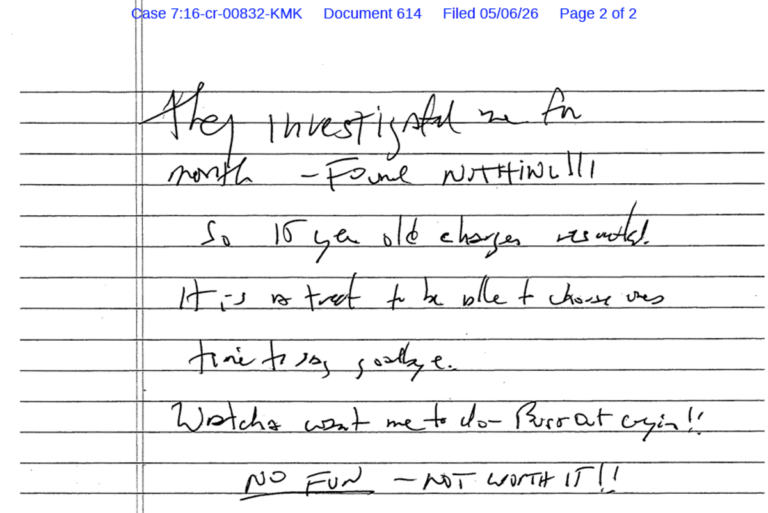
Unpacking Drake’s Perplexing Behaviour: Why the Hip-Hop Icon Insists on Portraying Himself as a Loser
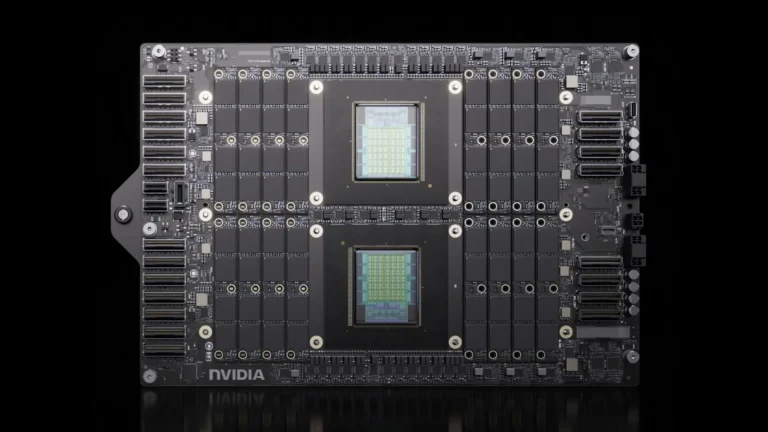
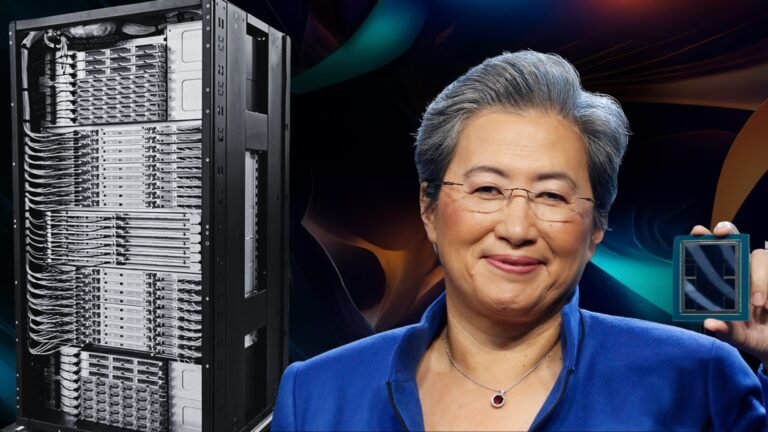
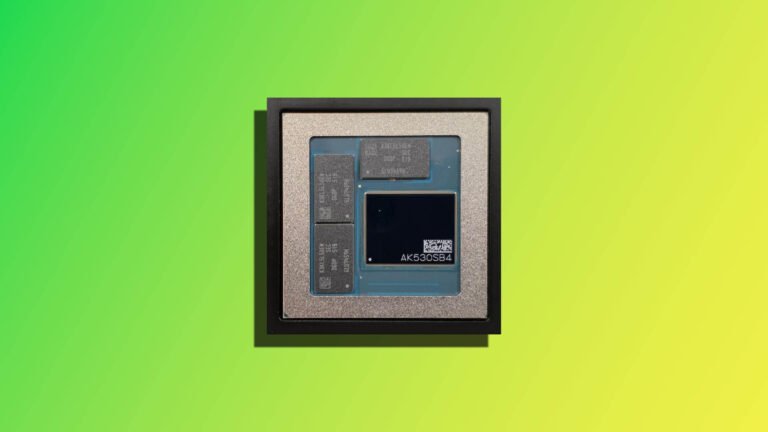
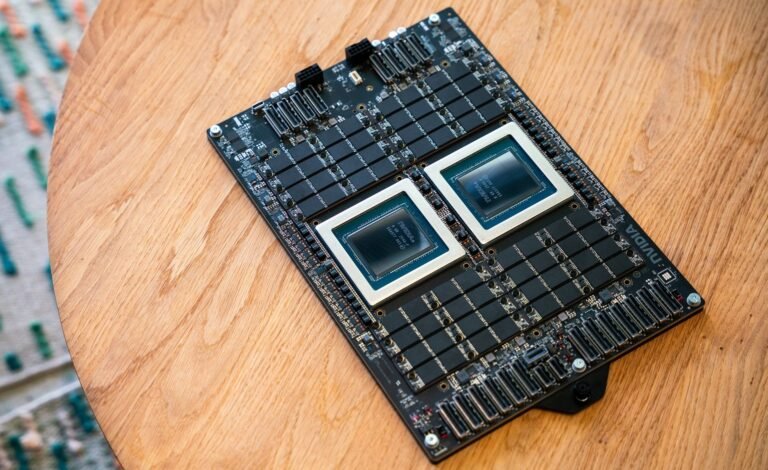
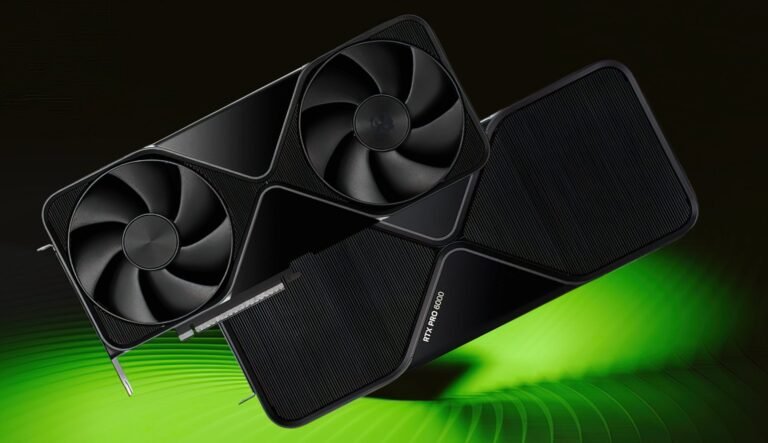
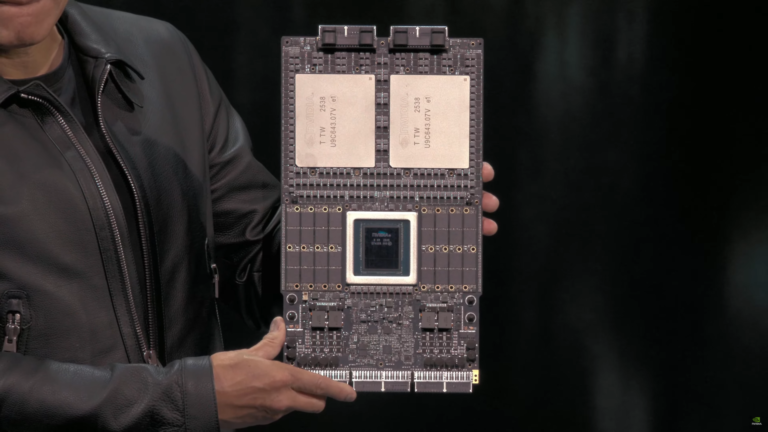
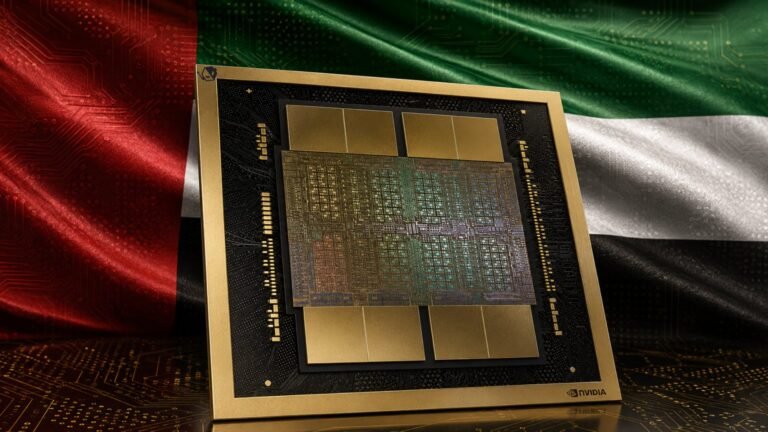
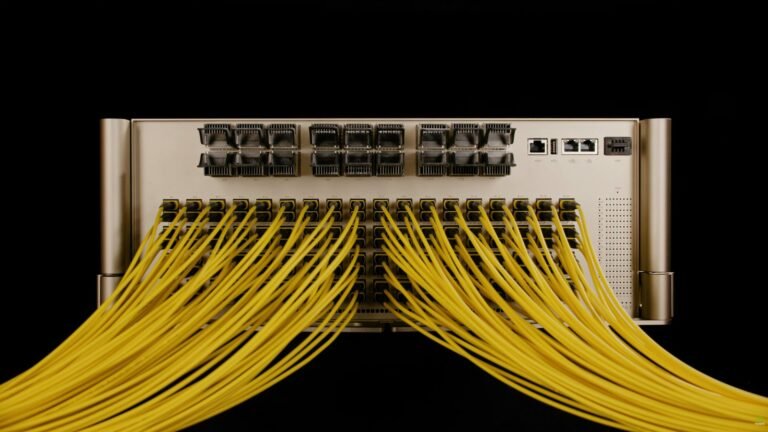
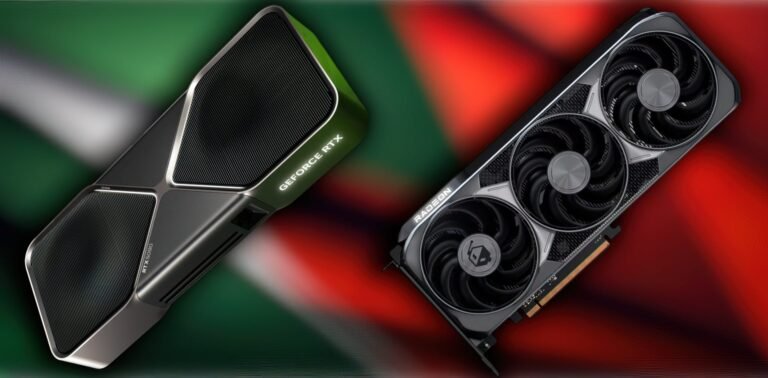
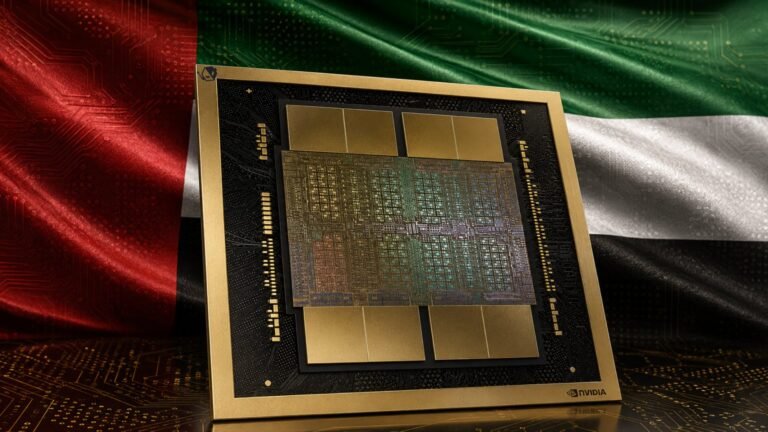
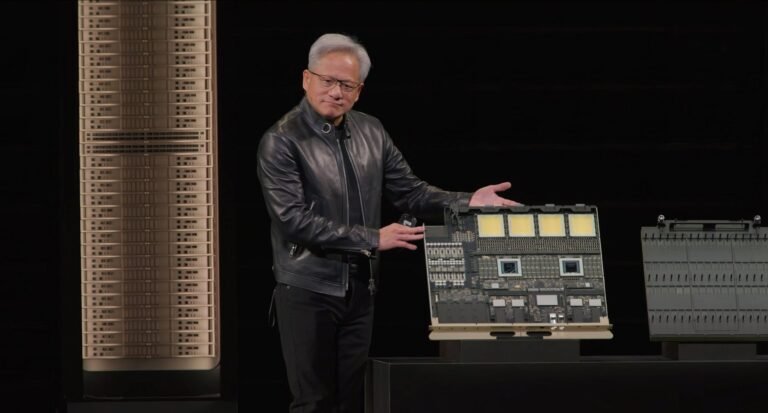
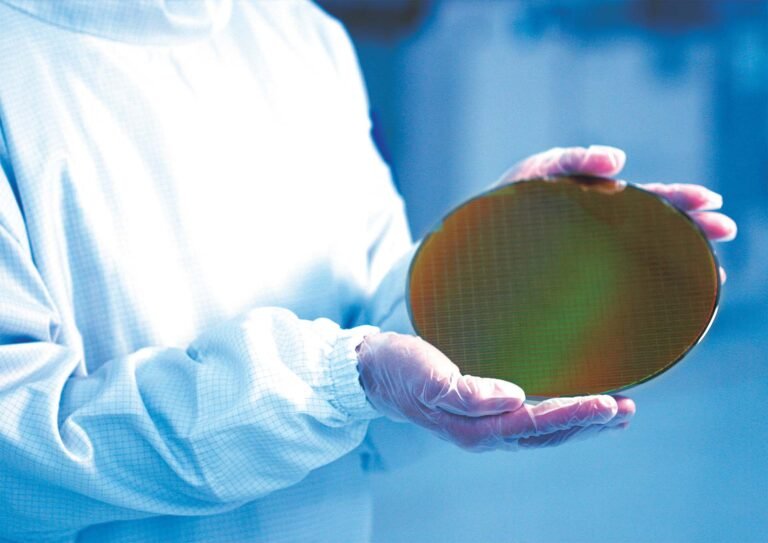
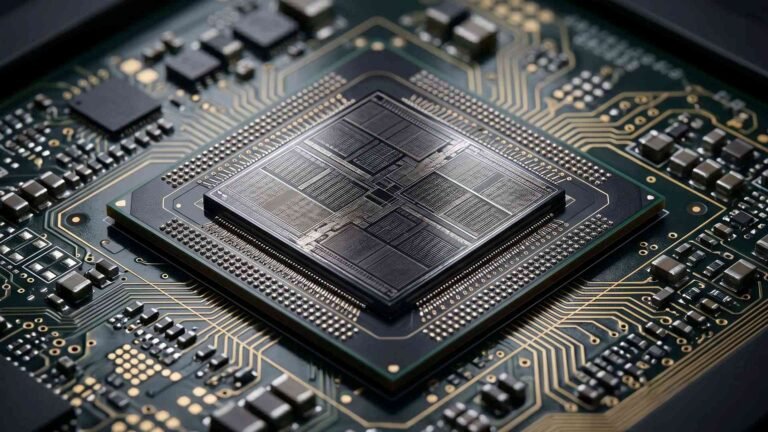
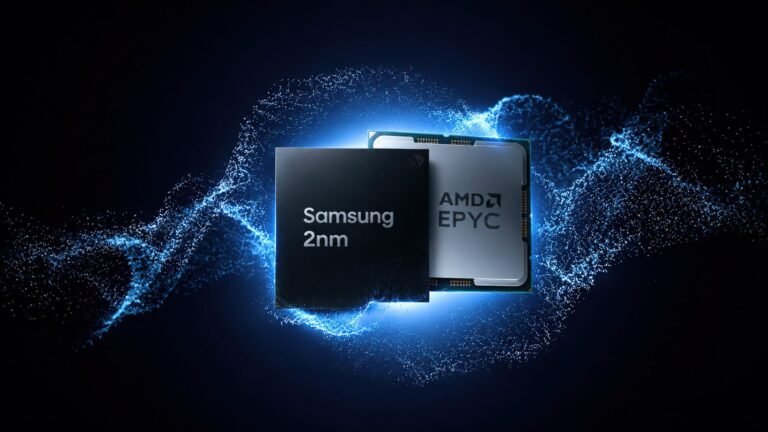
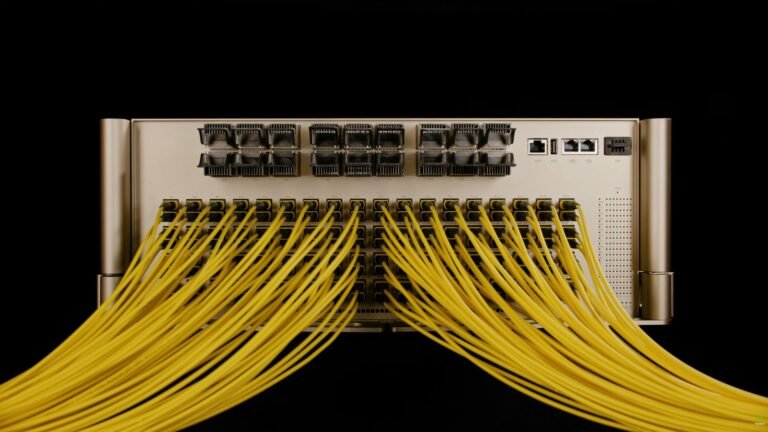
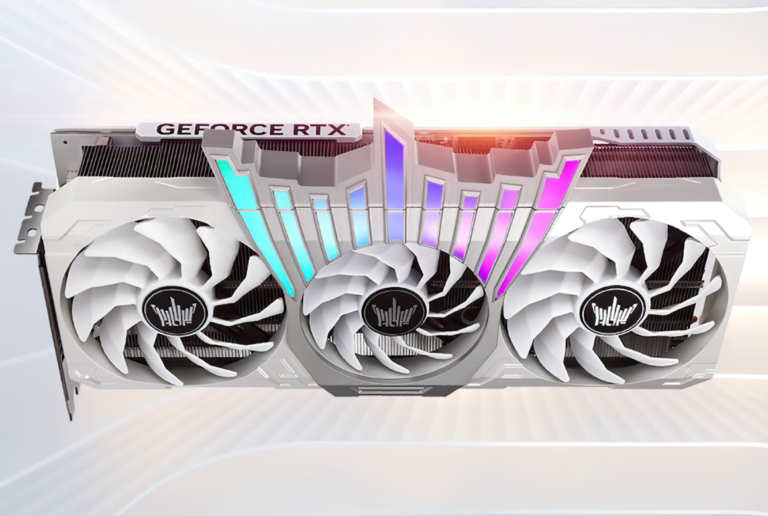
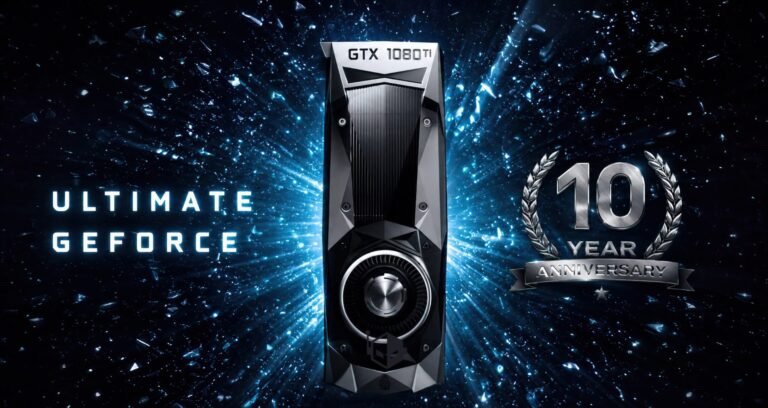
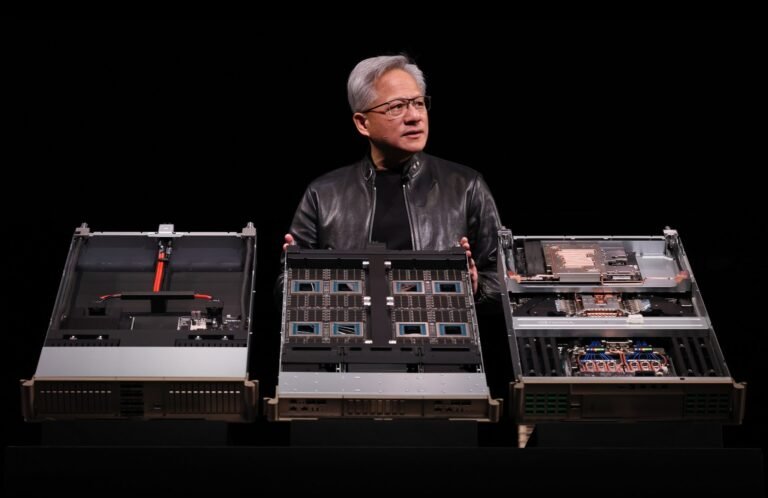
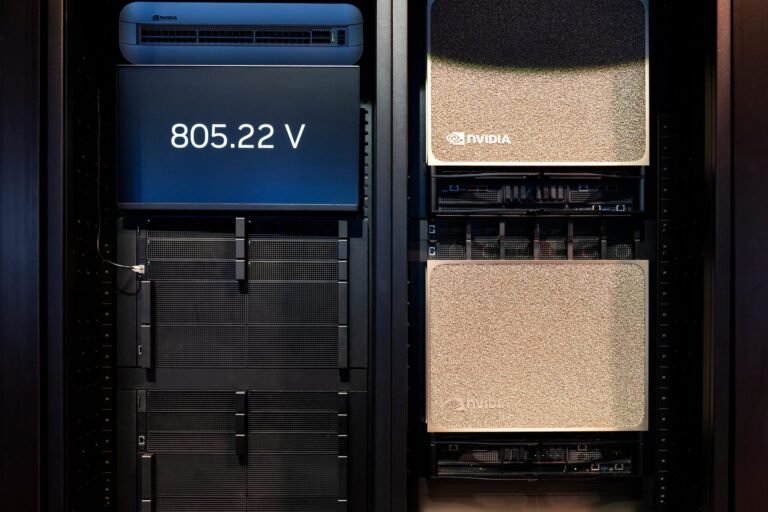
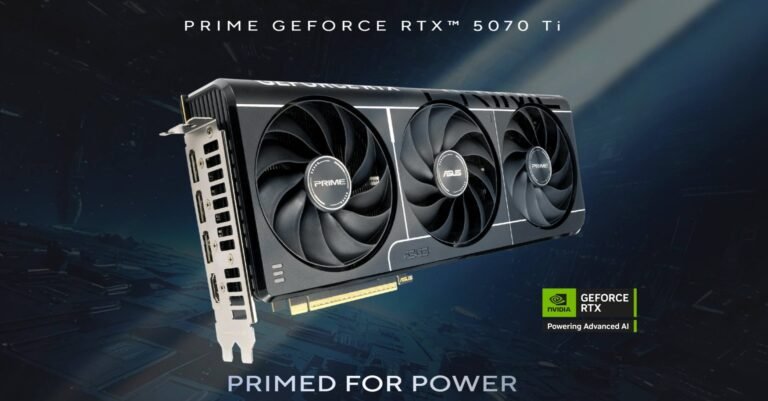
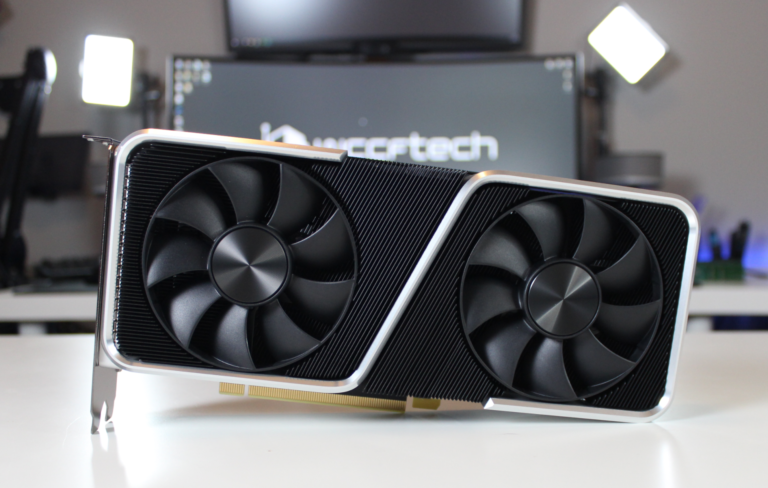
NVIDIA Accelerates Co-Packaged Optics Development in the UK, Drains Foxconn’s Supply Ahead of Schedule