Chernobyl Exclusion Zone Teeming with Wildlife
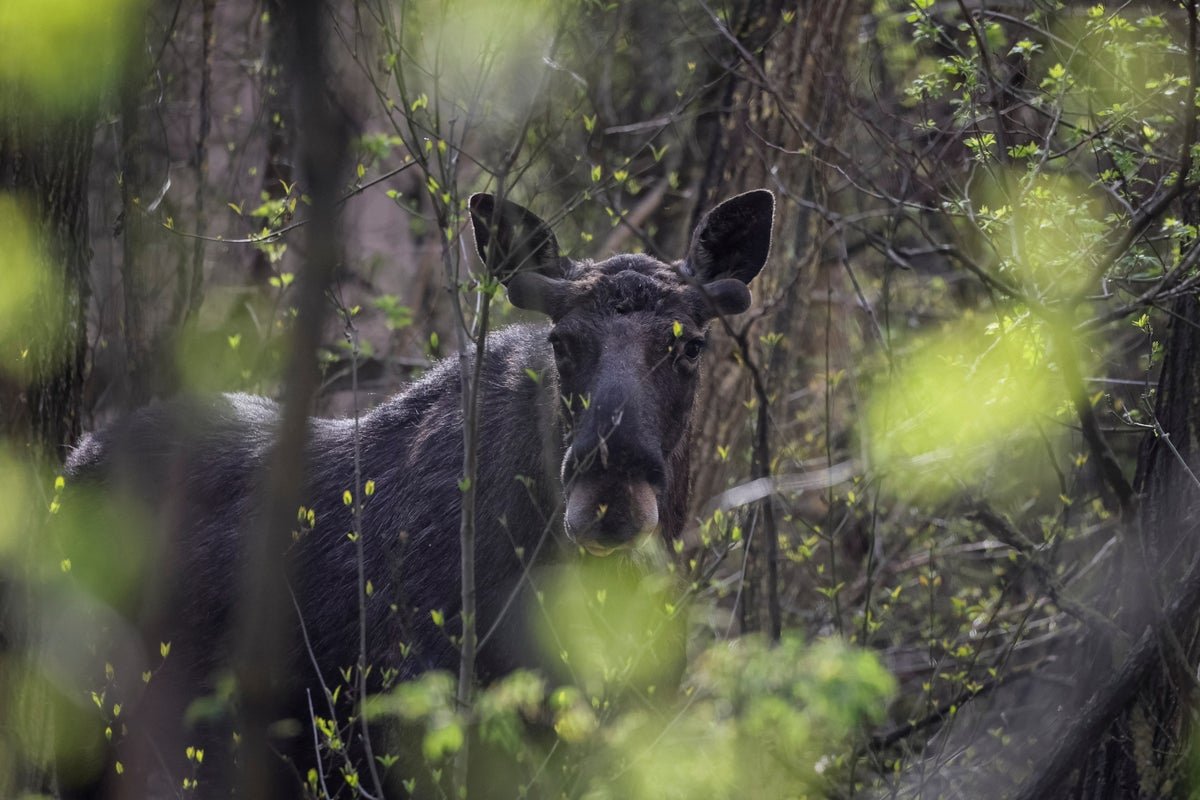
Wildlife Thrives in Chernobyl Exclusion Zone
The Chernobyl exclusion zone, once a barren and desolate area, is now home to a plethora of wildlife, surpassing that of Ukraine’s nature reserves. This remarkable discovery has been made possible through a recent study, which analysed the area’s unique ecosystem. The findings are a testament to nature’s resilience and ability to thrive in the most unlikely of environments. The area’s transformation is a fascinating topic of discussion.
The study, which was conducted over several years, revealed that the exclusion zone is now inhabited by a diverse range of species, including wolves, bears, and eagles. The area’s lack of human activity has allowed these species to flourish, free from the pressures of human behaviour and habitat destruction. The results of the study are a significant breakthrough in our understanding of the impact of human activity on the environment.
The Chernobyl disaster, which occurred in 1986, was one of the worst nuclear accidents in history, resulting in the displacement of thousands of people and the creation of the exclusion zone. However, in the years since the disaster, the area has undergone a remarkable transformation, with the wildlife population growing exponentially. The area’s unique ecosystem is now being studied by scientists, who are working to analyse the effects of the disaster on the environment.
The discovery of the thriving wildlife in the exclusion zone is a beacon of hope for conservation efforts, highlighting the importance of preserving natural habitats and allowing ecosystems to recover from human impact. The study’s findings are a significant contribution to the field of conservation biology, and will likely have a lasting impact on our understanding of the natural world. The area’s wildlife is now being protected and preserved, ensuring the long-term survival of the species that inhabit it.
The Chernobyl exclusion zone is a unique and fascinating place, full of surprises and contradictions. Despite the devastation caused by the nuclear disaster, the area has been transformed into a thriving ecosystem, teeming with life and colour. The area’s story is one of hope and resilience, and serves as a reminder of the importance of preserving our natural world. The area’s future is now looking bright, with conservation efforts in place to protect the wildlife and the environment.
The study’s findings have significant implications for conservation efforts, highlighting the importance of preserving natural habitats and allowing ecosystems to recover from human impact. The results of the study will likely be used to inform conservation policies and practices, and will contribute to the development of new strategies for preserving the natural world. The area’s wildlife is now being protected and preserved, ensuring the long-term survival of the species that inhabit it. The study’s findings are a significant breakthrough in our understanding of the natural world.
The Chernobyl exclusion zone is a remarkable example of the natural world’s ability to recover from disaster, and serves as a reminder of the importance of preserving our environment. The area’s unique ecosystem is now being studied by scientists, who are working to analyse the effects of the disaster on the environment. The area’s story is one of hope and resilience, and highlights the importance of conservation efforts. The area’s future is now looking bright, with conservation efforts in place to protect the wildlife and the environment.
The study’s findings are a significant contribution to the field of conservation biology, and will likely have a lasting impact on our understanding of the natural world. The results of the study will likely be used to inform conservation policies and practices, and will contribute to the development of new strategies for preserving the natural world. The area’s wildlife is now being protected and preserved, ensuring the long-term survival of the species that inhabit it. The study’s findings are a significant breakthrough in our understanding of the natural world.
The Chernobyl exclusion zone is a fascinating topic of discussion, with its unique ecosystem and thriving wildlife population. The area’s story is one of hope and resilience, and serves as a reminder of the importance of preserving our natural world. The area’s future is now looking bright, with conservation efforts in place to protect the wildlife and the environment. The study’s findings are a significant contribution to the field of conservation biology, and will likely have a lasting impact on our understanding of the natural world.