UK Bans US Journalists: Free Speech Under Fire
Free Speech in the UK: A Delicate Balance
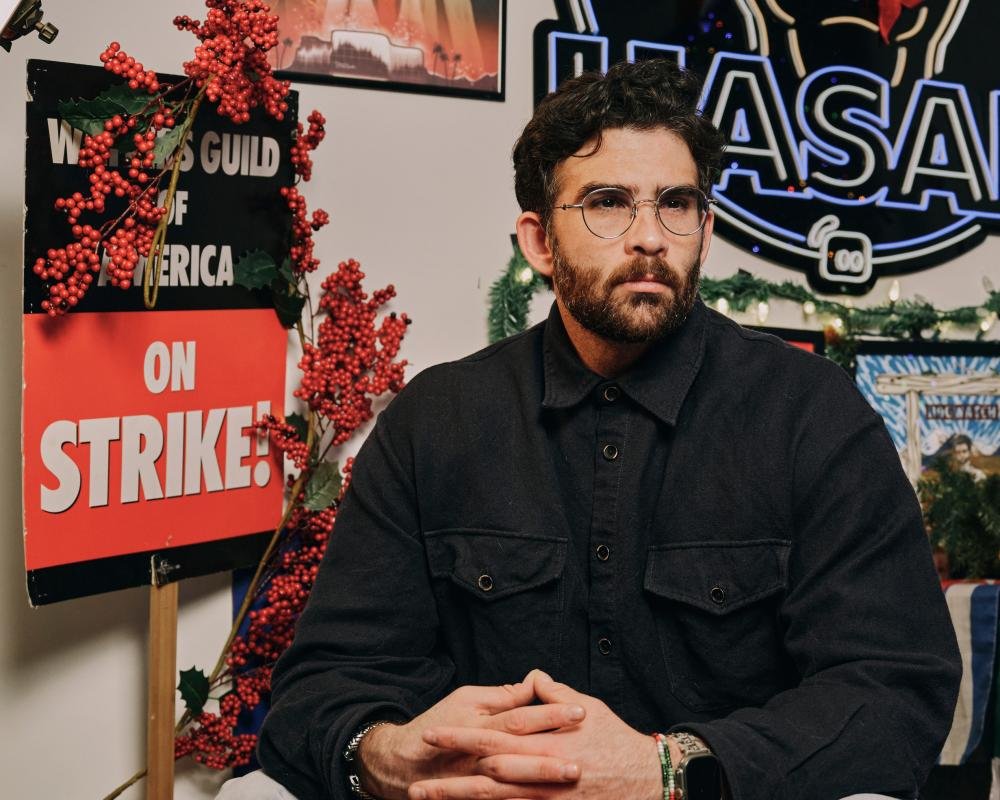
The UK’s recent decision to ban two prominent US journalists, Hasan Piker and Cenk Uygur, has sparked intense debate about free speech and its limitations. The ban has been met with widespread criticism from free speech activists, who argue that it undermines the principles of open discussion and intellectual freedom. As the UK government navigates the complexities of balancing free speech with national security concerns, it is essential to examine the implications of this decision. The ban has been perceived as a threat to the fundamental right to express opinions and ideas, and its consequences are likely to be far-reaching.
The UK has long been a bastion of free speech, with a rich history of fostering open debate and intellectual discourse. However, the rise of social media and the increasing polarisation of public opinion have created new challenges for policymakers. The government must analyse the impact of its decisions on the delicate balance between free speech and national security, and consider the potential consequences of restricting the flow of ideas and information. By doing so, it can ensure that the UK remains a beacon of intellectual freedom and open discussion.
Free speech activists argue that the ban on Piker and Uygur is a clear example of the government’s attempts to restrict the flow of ideas and information. The decision has been seen as a form of censorship, and its implications are likely to be felt across the media landscape. As the UK continues to navigate the complexities of free speech, it is essential to consider the potential consequences of such decisions and to ensure that the principles of open discussion and intellectual freedom are protected. The government must be careful not to undermine the very foundations of a free and open society, and must instead work to foster an environment that encourages the exchange of ideas and opinions.
The ban on Piker and Uygur is not an isolated incident, but rather part of a broader trend of restricting free speech in the UK. The government has been accused of using legislation to silence dissenting voices and to restrict the flow of information. This has serious implications for the health of democracy, as a free and independent media is essential for holding those in power to account. The UK must be careful not to follow in the footsteps of other countries that have restricted free speech, and must instead work to protect and promote the principles of open discussion and intellectual freedom.
As the debate around free speech continues to unfold, it is essential to consider the potential consequences of restricting the flow of ideas and information. The UK government must be careful not to undermine the very foundations of a free and open society, and must instead work to foster an environment that encourages the exchange of ideas and opinions. By doing so, it can ensure that the UK remains a beacon of intellectual freedom and open discussion, and that the principles of free speech are protected for generations to come. The government must analyse the impact of its decisions and consider the potential consequences of its actions, and must work to find a balance between free speech and national security concerns.
The implications of the ban on Piker and Uygur are likely to be far-reaching, and will be felt across the media landscape. The decision has been seen as a form of censorship, and its consequences are likely to be felt for years to come. As the UK continues to navigate the complexities of free speech, it is essential to consider the potential consequences of such decisions and to ensure that the principles of open discussion and intellectual freedom are protected. The government must be careful not to restrict the flow of ideas and information, and must instead work to foster an environment that encourages the exchange of ideas and opinions.
In conclusion, the UK’s decision to ban Piker and Uygur has sparked intense debate about free speech and its limitations. The ban has been met with widespread criticism from free speech activists, who argue that it undermines the principles of open discussion and intellectual freedom. As the UK government navigates the complexities of balancing free speech with national security concerns, it is essential to examine the implications of this decision and to consider the potential consequences of restricting the flow of ideas and information. By doing so, it can ensure that the UK remains a beacon of intellectual freedom and open discussion, and that the principles of free speech are protected for generations to come.