Amazon’s Potential Return to the UK Smartphone Market: A Nightmare Scenario
Amazon’s Potential Return to the UK Smartphone Market: A Nightmare Scenario
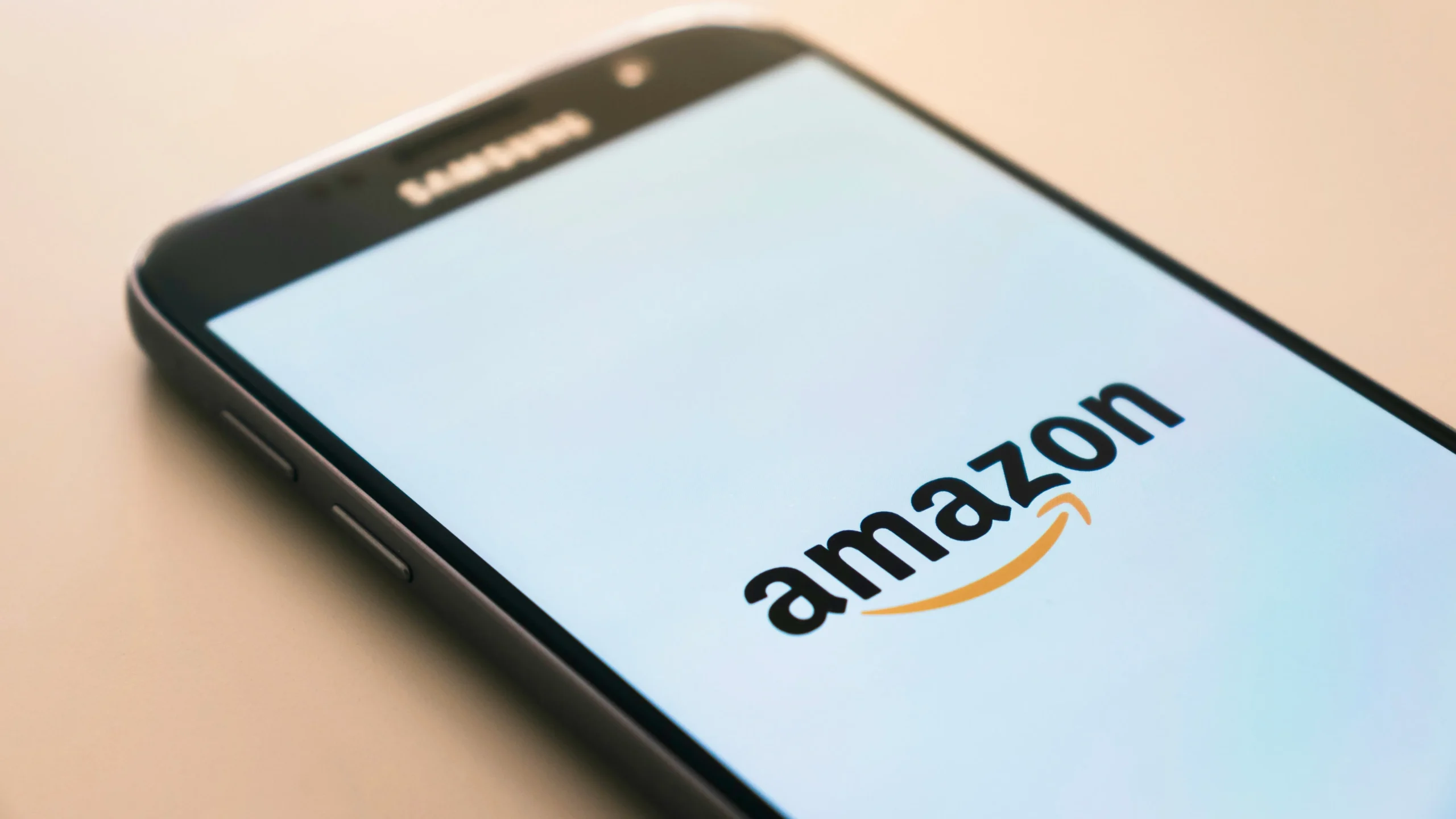
As the UK smartphone market continues to evolve, the possibility of Amazon re-entering the scene has sparked concern among tech enthusiasts. The company’s previous attempt, the Amazon Fire Phone, was met with disappointment and ultimately cancelled after just a year. With Amazon’s Head of Devices and Services, Panos Panay, refusing to rule out a new Amazon phone, the question remains: what would an Amazon smartphone look like in the UK market?
The answer, unfortunately, is likely to be a heavily subsidised yet cheap-feeling handset, plagued by ads and a cluttered UI. The modern-day experience of using the Amazon website, with its inaccurate search results and prioritisation of paying third-party sellers, does not bode well for a potential Amazon phone. As a user of Amazon Prime Video, I can attest to the frustration of excessive ads and a lack of stability, which would likely be exacerbated in a smartphone format.
Factor in the company’s general direction of travel in recent years, and it’s difficult to imagine an Amazon smartphone that prioritises user experience over profit. The UK smartphone market is already crowded, with established players offering high-quality devices with minimal ads. An Amazon phone would need to significantly improve upon its predecessors and competitors to succeed, a feat that seems unlikely given the company’s track record.
As a user, the thought of an Amazon phone is a terrifying vision of a heavily subsidised device, pushed into millions of pairs of hands through a deceptively affordable retail price. The phone would likely be designed to claw back that subsidised upfront cost through a steady drip of maddening ads, prioritising upselling over fluidity or stability. This would result in a frustrating user experience, with ads interrupting movies and TV shows, and a cluttered UI that prioritises product purchases over ease of use.
Perhaps I’m being unfair, given Amazon’s extensive experience in the hardware business. However, the company’s recent focus on profit over user experience does not inspire confidence. As the UK smartphone market continues to evolve, it’s essential to consider the potential implications of an Amazon phone on the industry as a whole. With the rise of ad-supported devices, the line between free and paid services is becoming increasingly blurred, and an Amazon phone would only serve to further muddy the waters.
In conclusion, the possibility of an Amazon smartphone in the UK market is a nightmare scenario that would likely result in a heavily subsidised, ad-plagued device with a cluttered UI. As a user, I can only hope that Panos Panay’s mealy-mouthed no actually means no on the Amazon smartphone question, and that the company will focus on improving its existing services rather than expanding into new, potentially disastrous territories.
The UK smartphone market is already crowded, with established players offering high-quality devices with minimal ads. An Amazon phone would need to significantly improve upon its predecessors and competitors to succeed, a feat that seems unlikely given the company’s track record. As the industry continues to evolve, it’s essential to consider the potential implications of an Amazon phone on the UK market and the user experience as a whole.
With the rise of ad-supported devices, the line between free and paid services is becoming increasingly blurred, and an Amazon phone would only serve to further muddy the waters. As a user, I can only hope that the company will focus on improving its existing services rather than expanding into new, potentially disastrous territories. The UK smartphone market deserves better than a heavily subsidised, ad-plagued device with a cluttered UI, and I can only hope that Amazon will prioritize user experience over profit in its future endeavors.
In the end, the possibility of an Amazon smartphone in the UK market is a reminder that the tech industry is constantly evolving, and that companies must prioritize user experience and quality in order to succeed. As the UK market continues to grow and change, it’s essential to consider the potential implications of new devices and services on the industry as a whole, and to demand better from companies like Amazon.