Revolutionising Typing in the UK with Android 17’s AI-Powered Rambler
Is Android 17’s Rambler the Future of Typing in the UK?
For over 150 years, the fundamental way we type has remained unchanged, but a revolution is surely imminent. Many consumer-focused AI tools operate on a time-saving premise, but what about writing a longer piece? AI can’t help if you want to compose it yourself.
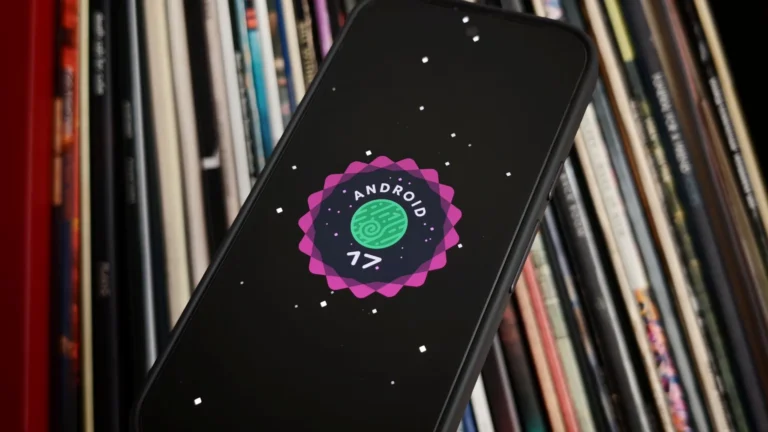
A Victorian typewriter is functionally identical to the virtual smartphone keyboard of 2026, aside from a few emojis, of course. But with the introduction of Android 17’s Rambler feature, things are about to change.
Voice typing has been around for more than three decades, but its accuracy varies hugely, ranging from producing the occasional typo to a wildly inaccurate transcript. Making sense of it and editing it down to a logical piece of writing often takes longer than just typing it out yourself.
However, with Rambler, Google’s ‘Gemini Intelligence’ AI agents are set to revolutionise the way we type in the UK. The new-look mode is designed to actually interpret what you’re saying, rather than merely transcribing it.
In a Google demo, it was impressively agile, allowing the speaker to remove an item from the shopping list they’d just made, simply by saying they didn’t actually need it. In another example, it turned a rambling response into a coherent reply.
Historically, AI hasn’t exactly proven itself to be flawless at deciding what is and isn’t relevant. But with Rambler, voice-based edits should be much easier, enabling you to transform the structure of text and add emojis, resulting in a much more polished result.
The Rambler feature has another advantage for bilinguals in the UK. Google says it can automatically recognise when you switch languages, seamlessly continuing its transcription in the new language. Presumably, it will support all 70+ languages that Gemini runs on, though Google has yet to confirm this.
It’s not hard to see the potential impact that such a huge upgrade to voice-to-text abilities could have in the UK. If accurate, it’d take a lot of the pain out of typing out a long message or email, without having to hand over any of your creative abilities to generative AI.
Rambler could also be a game-changing accessibility feature, allowing blind or visually impaired people in the UK to be confident that their messages and emails accurately convey what they’re trying to say.
Perhaps – eventually – it could even replace regular typing as people’s go-to method for creating written text in the UK. Could I see myself using it instead of a keyboard to write articles? Absolutely! But that would depend upon it having a very high degree of accuracy, which we just can’t confirm at this stage.
While Rambler – and more widely, Gemini Intelligence – is set to arrive this summer, its initial rollout will be incredibly limited. Google says that Gemini Intelligence will only be available on the “most advanced Android devices” – in other words, ones with the latest chipsets and Neural Processing Units (NPUs), which can handle all that AI computation.
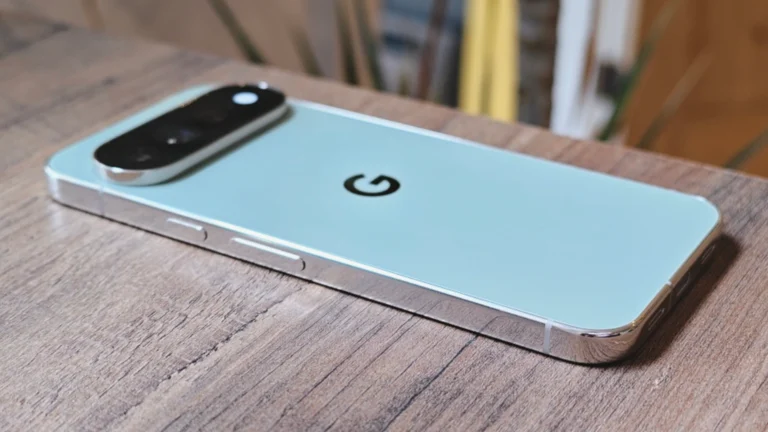
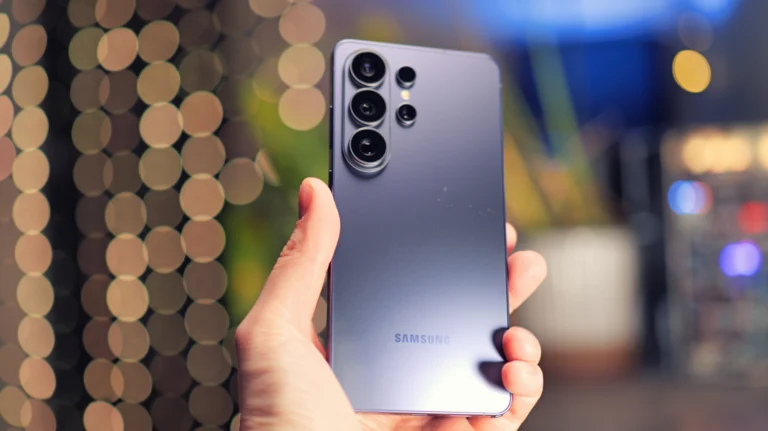
Initially, Rambler will only be compatible with Samsung Galaxy and Google Pixel flagships, and even then, perhaps only with the latest generation. Google says it’s trying to roll out the feature “as broadly as possible”, but if you have a budget or mid-range phone, you might be waiting a long while.