Greenland’s Status: A Delicate Matter for Denmark and the US
Understanding the Complex Relationship Between Greenland and Denmark
The US secretary of state, Marco Rubio, has sparked a diplomatic debate by stating that Greenland is part of Denmark, at least for the time being. This assertion has significant implications for international relations and global politics. The statement was made in a recent address, where Rubio highlighted the complexities of the situation. Greenland’s unique cultural and geographical context must be considered.
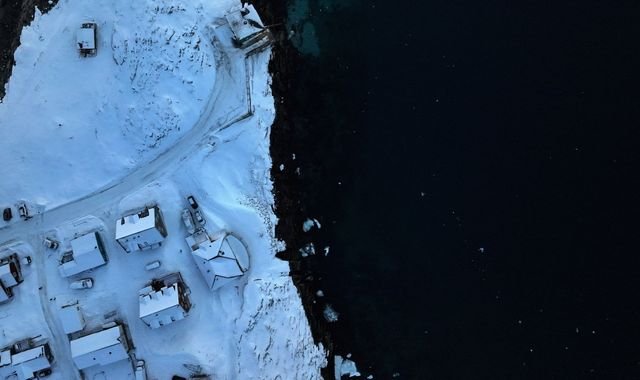
Greenland, an autonomous territory within the Kingdom of Denmark, has a distinct Inuit culture and a vast, icy landscape. The island’s strategic location in the North Atlantic makes it a crucial player in regional affairs. Denmark’s sovereignty over Greenland is a longstanding arrangement, with the Danish government responsible for the territory’s defence and foreign affairs. However, Greenland has been gradually gaining more autonomy in recent years.
The US has significant interests in the region, particularly in terms of national security and trade. The North Atlantic Treaty Organisation (NATO) also plays a vital role in maintaining regional stability. As the Arctic region becomes increasingly important due to climate change, the US and other nations are taking a closer look at their relationships with Greenland and Denmark. The territory’s natural resources, including fish, oil, and gas, make it an attractive location for investment.
Rubio’s statement has been met with a mixture of reactions from Danish and Greenlandic officials. While some have welcomed the acknowledgement of Denmark’s sovereignty, others have expressed concerns about the potential implications for Greenland’s autonomy. The situation is complex, with multiple factors at play, including historical, cultural, and economic considerations. As the situation continues to evolve, it is essential to analyse the developments carefully and consider the potential consequences.
The relationship between Greenland, Denmark, and the US is multifaceted and influenced by various factors, including history, culture, and politics. The three nations have a long history of cooperation, but there are also areas of tension and competition. As the world becomes increasingly interconnected, it is crucial to understand the complexities of international relationships and the impact of global events on local communities.
In conclusion, the statement by Marco Rubio has highlighted the need for a nuanced understanding of the relationship between Greenland, Denmark, and the US. The situation is delicate, with multiple stakeholders and interests involved. As the world watches the developments unfold, it is essential to consider the historical, cultural, and economic context of the region. By doing so, we can gain a deeper understanding of the complexities at play and the potential implications for the future.