NVIDIA Faces Challenge in UK as AI Engineers Prioritise Custom ASICs Over GPUs
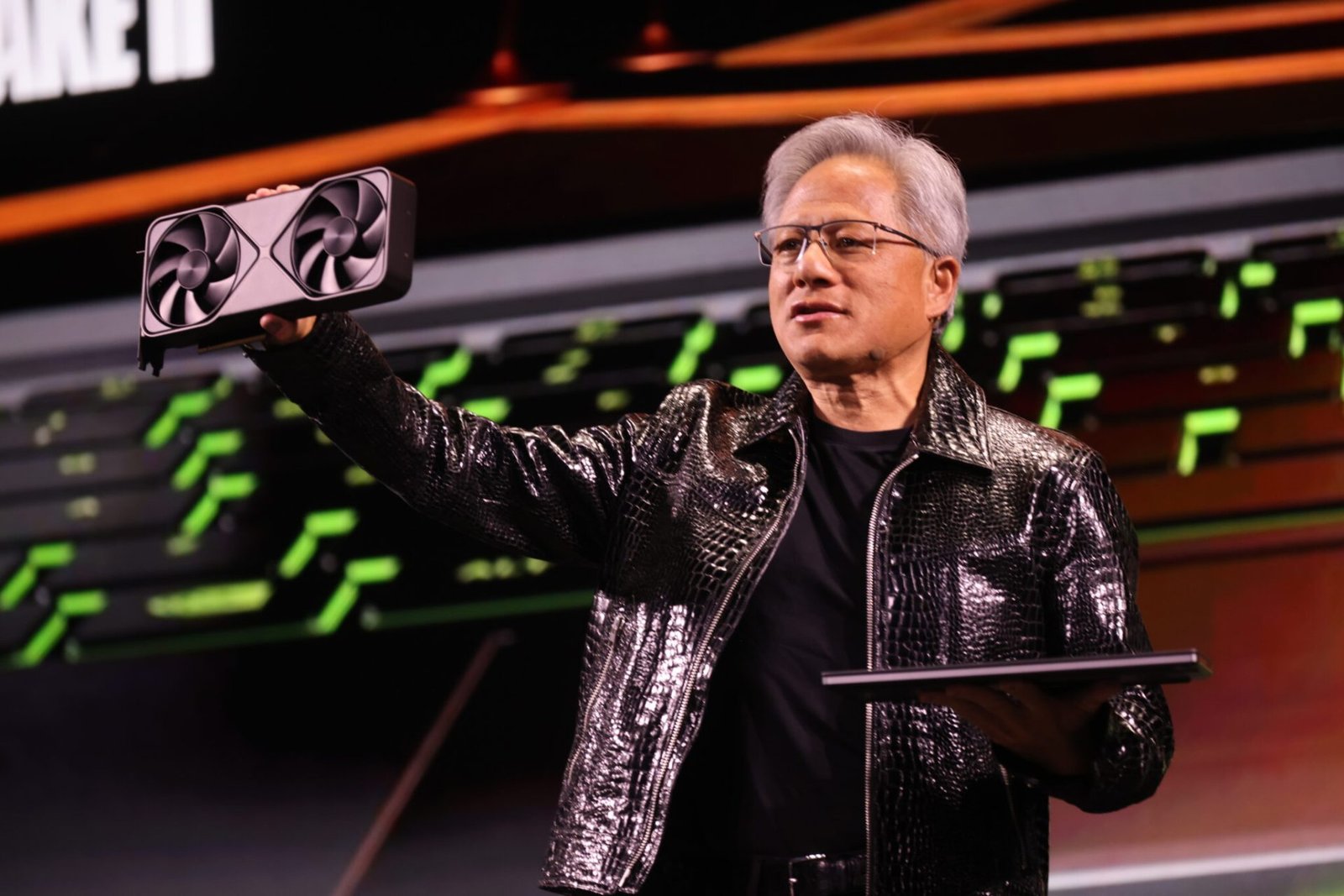
NVIDIA’s Struggle to Convince AI Engineers in the UK
NVIDIA, the renowned AI GPU giant, is losing ground with AI engineers in the UK due to rising concerns over cooling and power costs. Despite their chips offering superior total cost of ownership, analysts from Evercore ISI warn that AI engineers are not impressed.
The primary focus of AI engineers has shifted towards custom ASICs, which are gaining popularity among hyperscalers. NVIDIA CEO Jensen Huang has defended his firm’s AI chip price points, citing better performance efficiency compared to peers.
However, AI engineers in the UK are now considering other crucial metrics, such as the cost of cooling the chips. Power consumption and cooling costs have become essential factors in deciding which products to use. As a result, NVIDIA’s AI chip costs are being reassessed.
The Evercore report highlights the importance of power consumption and cooling in determining NVIDIA’s AI chip costs. With the increasing demand for custom ASICs, NVIDIA faces a significant challenge in the UK market. The company must adapt to the changing needs of AI engineers and hyperscalers to remain competitive.
The shift towards custom ASICs is driven by the need for more efficient and cost-effective solutions. AI engineers in the UK are analysing the total cost of ownership, including cooling and power costs, to make informed decisions. As the demand for custom ASICs continues to grow, NVIDIA must innovate and improve its products to meet the evolving needs of the market.
In the UK, the trend towards custom ASICs is expected to continue, with hyperscalers leading the way. NVIDIA must respond to this challenge by developing more efficient and cost-effective AI chips. The company’s ability to adapt to the changing market landscape will be crucial in determining its future success.
The UK market is highly competitive, with several players vying for market share. NVIDIA’s struggle to convince AI engineers is a significant challenge, and the company must take immediate action to address the concerns of its customers. By prioritising innovation and customer needs, NVIDIA can regain its position as a leading provider of AI chips in the UK.
The future of AI chips in the UK is uncertain, with custom ASICs gaining traction. NVIDIA must navigate this changing landscape and develop products that meet the evolving needs of AI engineers and hyperscalers. The company’s success will depend on its ability to innovate and adapt to the shifting market dynamics.
In conclusion, NVIDIA faces a significant challenge in the UK as AI engineers prioritise custom ASICs over GPUs. The company must respond to this trend by developing more efficient and cost-effective AI chips. By prioritising innovation and customer needs, NVIDIA can regain its position as a leading provider of AI chips in the UK and remain competitive in the market.