Uncovering the Truth: Do Computer Chips Really Slow Down with Age in the UK?
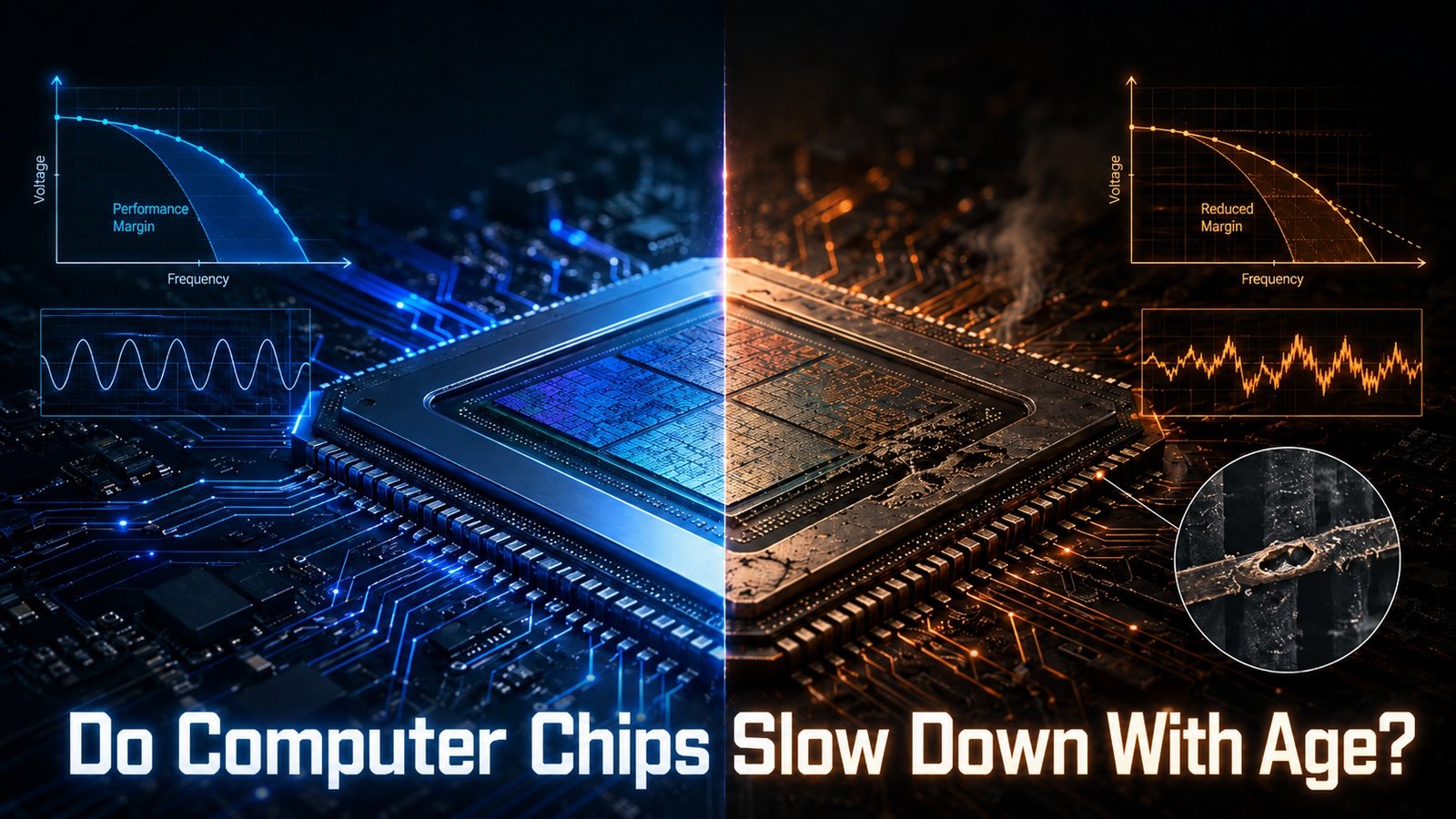
Do Computer Chips Actually Get Slower With Age? The Real Science Behind Silicon Aging in the UK
Computer enthusiasts have long debated whether computer chips genuinely slow down as they age. The answer, however, is more complex than a simple yes or no. In most cases, if an older PC feels slower, the culprit is likely to be accumulated dust, dried-out thermal interface material, or background apps, rather than the chip itself.
As technology advances, newer games and software demand more from our computers, which can lead to a perceived slowdown. Moreover, operating system updates and security patches can also contribute to this phenomenon. But what about silicon aging, the actual process of computer chips deteriorating over time?
Silicon aging refers to the gradual degradation of a computer chip’s performance due to various factors, including temperature fluctuations, voltage changes, and radiation exposure. While this process does occur, its impact on modern computer chips is relatively minor. In fact, most chips are designed to withstand the rigors of daily use and can last for many years without significant performance degradation.
So, the next time you notice your old PC slowing down, don’t immediately blame the computer chip. Instead, take a closer look at the other potential culprits, such as dust buildup, outdated software, or insufficient cooling. By addressing these issues, you can breathe new life into your old computer and keep it running smoothly for years to come.
In conclusion, while computer chips do undergo a process of aging, it’s not the primary cause of slowdowns in most cases. By understanding the real science behind silicon aging and addressing other potential issues, you can keep your computer running at its best, even as it ages.