Beat the Heat: Should You Walk Your Dog in a Heatwave?
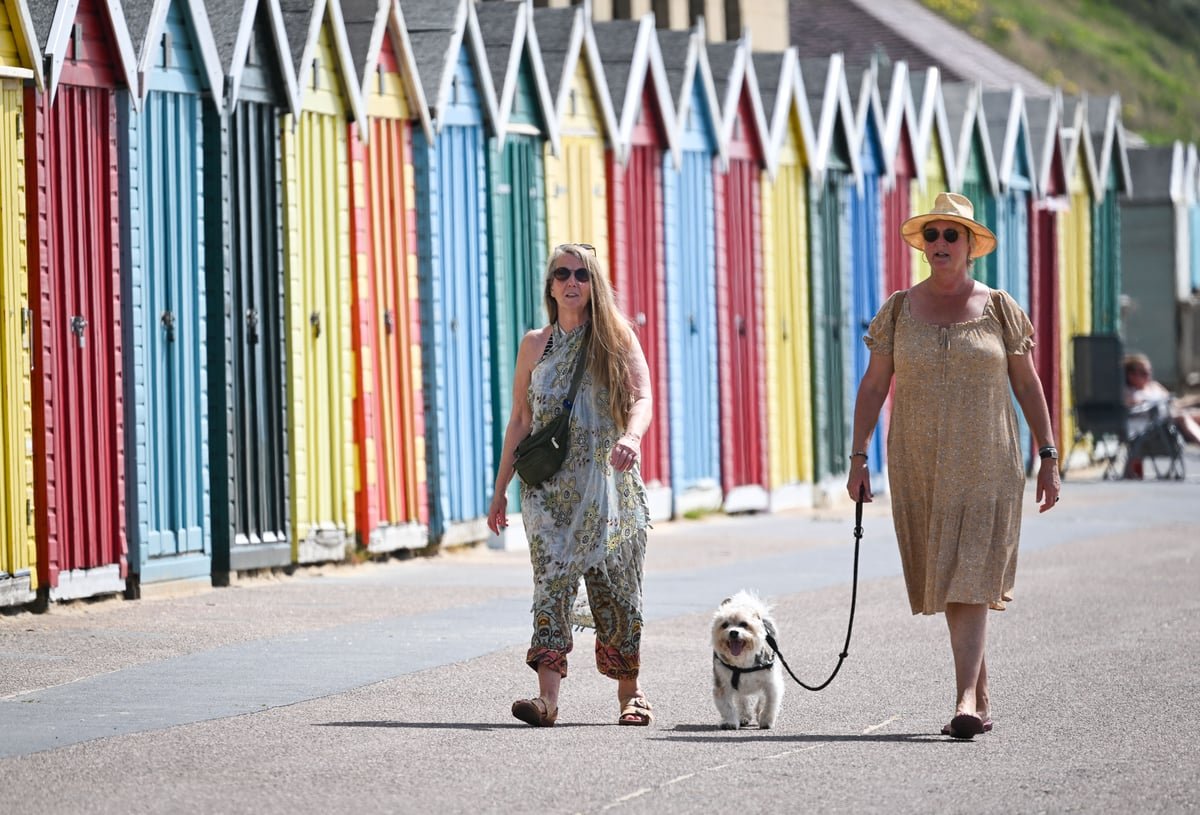
Heatwave Dog Walking: A Guide to Keeping Your Pet Safe
As the UK experiences a heatwave, many dog owners are wondering whether it’s safe to walk their dogs. The seven-second test is a simple way to determine if it’s too hot for your furry friend. This test involves placing the back of your hand on the pavement for seven seconds. If it’s too hot for your hand, it’s too hot for your dog’s paws.
Dogs can quickly become overheated, especially in extreme temperatures. Their behaviour can change dramatically, and they may exhibit signs of heat stress, such as panting, drooling, and lethargy. It’s essential to analyse the weather forecast and plan your walks accordingly.
If you must walk your dog during a heatwave, make sure to take necessary precautions. Choose shaded areas, avoid walking during the hottest part of the day, and provide plenty of water for your dog to drink. You can also consider walking your dog in the early morning or evening when the temperature is cooler.
It’s also crucial to be aware of the signs of heat stroke in dogs. These can include vomiting, diarrhoea, and collapse. If you suspect your dog has heat stroke, seek veterinary attention immediately. By taking these simple steps, you can help keep your dog safe and healthy during a heatwave.
In addition to the seven-second test, there are other ways to keep your dog cool. You can provide a cool, damp cloth for your dog to lie on, or use a cooling pad specifically designed for dogs. These can be especially helpful for dogs that are prone to overheating.
Furthermore, it’s essential to consider your dog’s individual needs and health status. Dogs with certain medical conditions, such as heart disease, may be more susceptible to heat stress. Similarly, dogs with thick coats may be more prone to overheating. By taking your dog’s unique needs into account, you can help ensure their safety and well-being.
In conclusion, walking your dog in a heatwave requires careful consideration and planning. By using the seven-second test, taking necessary precautions, and being aware of the signs of heat stress, you can help keep your dog safe and healthy. Remember to always prioritize your dog’s well-being and adjust your walking routine accordingly.