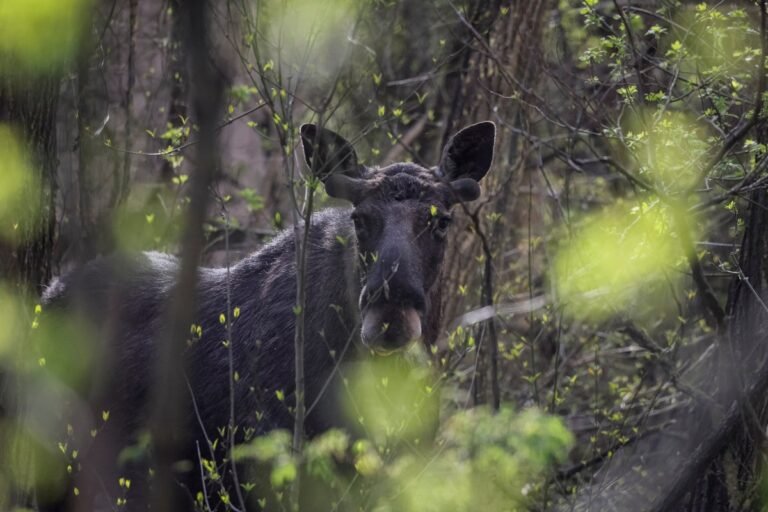
Chernobyl Exclusion Zone Teems with Wildlife, Surpassing Ukrainian Nature Reserves
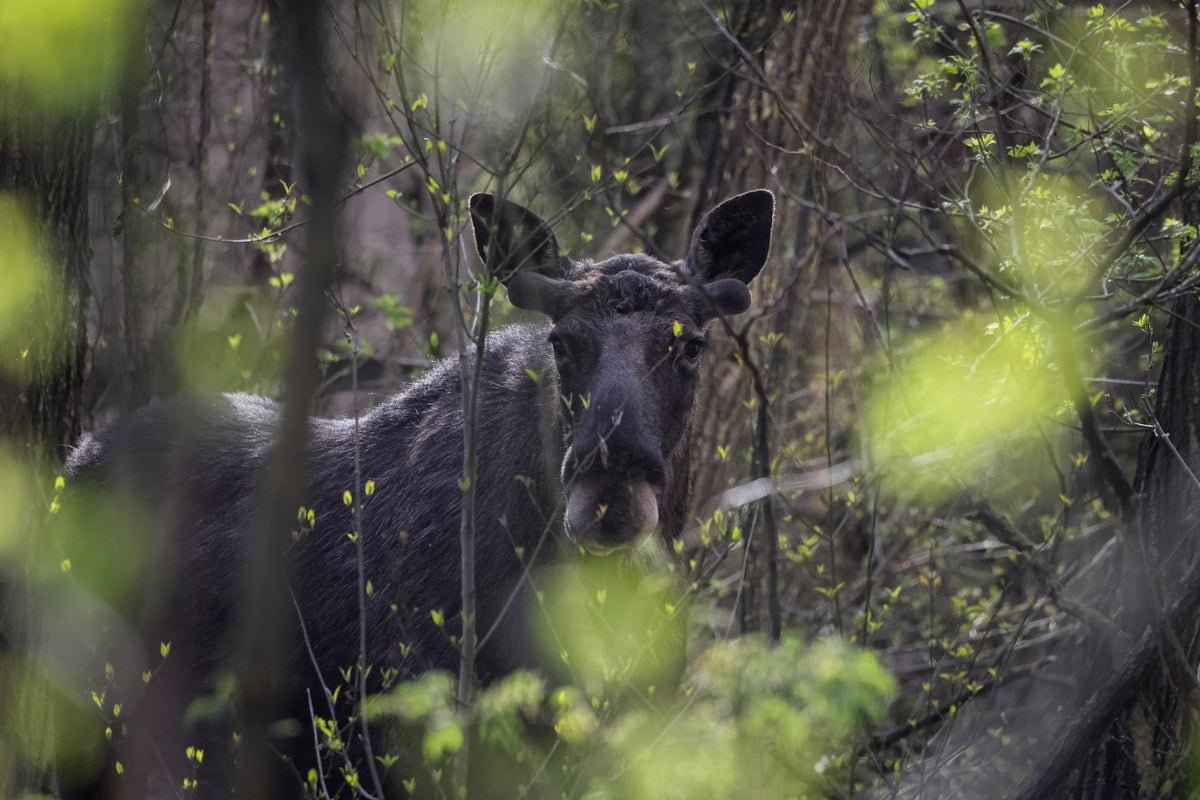
Wildlife Thrives in Chernobyl Exclusion Zone
Research has revealed a surprising trend in the Chernobyl exclusion zone, where wildlife is now more abundant than in Ukraine’s nature reserves. This finding has left many scientists and conservationists intrigued. The area, once devastated by the nuclear disaster, has become an unlikely haven for various species. The behaviour of these animals in this unique environment is being closely analysed.
The exclusion zone, spanning over 2,600 square kilometres, was initially thought to be uninhabitable due to high radiation levels. However, the lack of human activity has allowed wildlife to flourish, with some species even adapting to the harsh conditions. The colour and vibrancy of nature in this area are a testament to the resilience of the natural world. As scientists continue to study this phenomenon, they are beginning to unravel the secrets behind the zone’s unexpected transformation.
One of the primary reasons for this surge in wildlife is the absence of human disturbance, allowing animals to roam freely without fear of persecution or habitat destruction. The Chernobyl disaster, although catastrophic for human inhabitants, has inadvertently created a sanctuary for the local wildlife. This unusual conservation success story highlights the complex relationship between human activity and the natural world. By analysing the data collected from the exclusion zone, researchers can gain valuable insights into the impact of human behaviour on the environment.
The diversity of species in the Chernobyl exclusion zone is remarkable, with everything from wolves and bears to eagles and lynxes calling this area home. The zone’s unique conditions have also led to the development of some fascinating adaptations, as animals learn to survive and thrive in this radiation-rich environment. As the world continues to urbanise and natural habitats are destroyed, the Chernobyl exclusion zone serves as a poignant reminder of the importance of preserving our planet’s precious wildlife.
Despite the challenges posed by the nuclear disaster, the Chernobyl exclusion zone has become an unlikely symbol of hope for conservation efforts. The area’s transformation from a barren wasteland to a thriving ecosystem is a powerful testament to the natural world’s capacity for renewal and growth. As researchers continue to study and learn from this unique environment, they are reminded of the intricate balance between human activity and the environment, and the need to adopt sustainable practices to preserve the beauty and wonder of the natural world.