Chernobyl Exclusion Zone Teems with Wildlife, Defying Expectations
Wildlife Thrives in Chernobyl Exclusion Zone
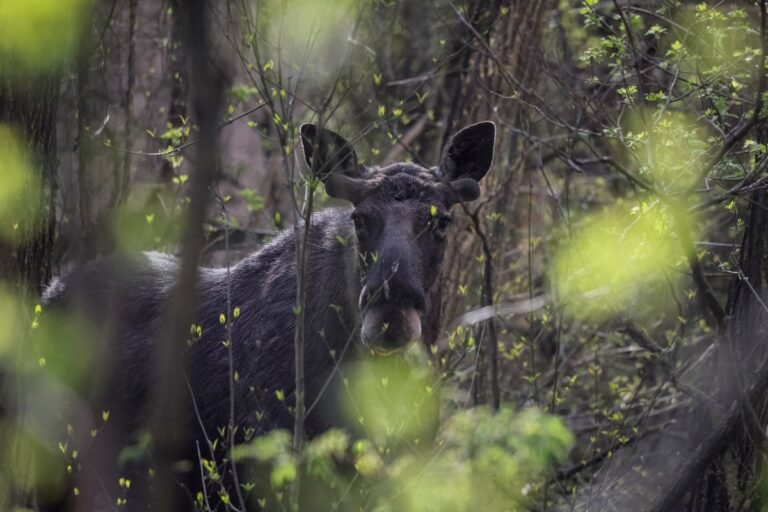
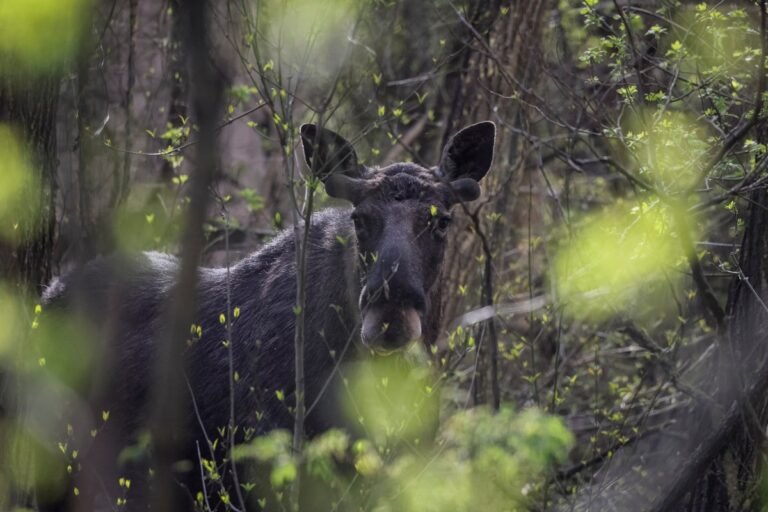
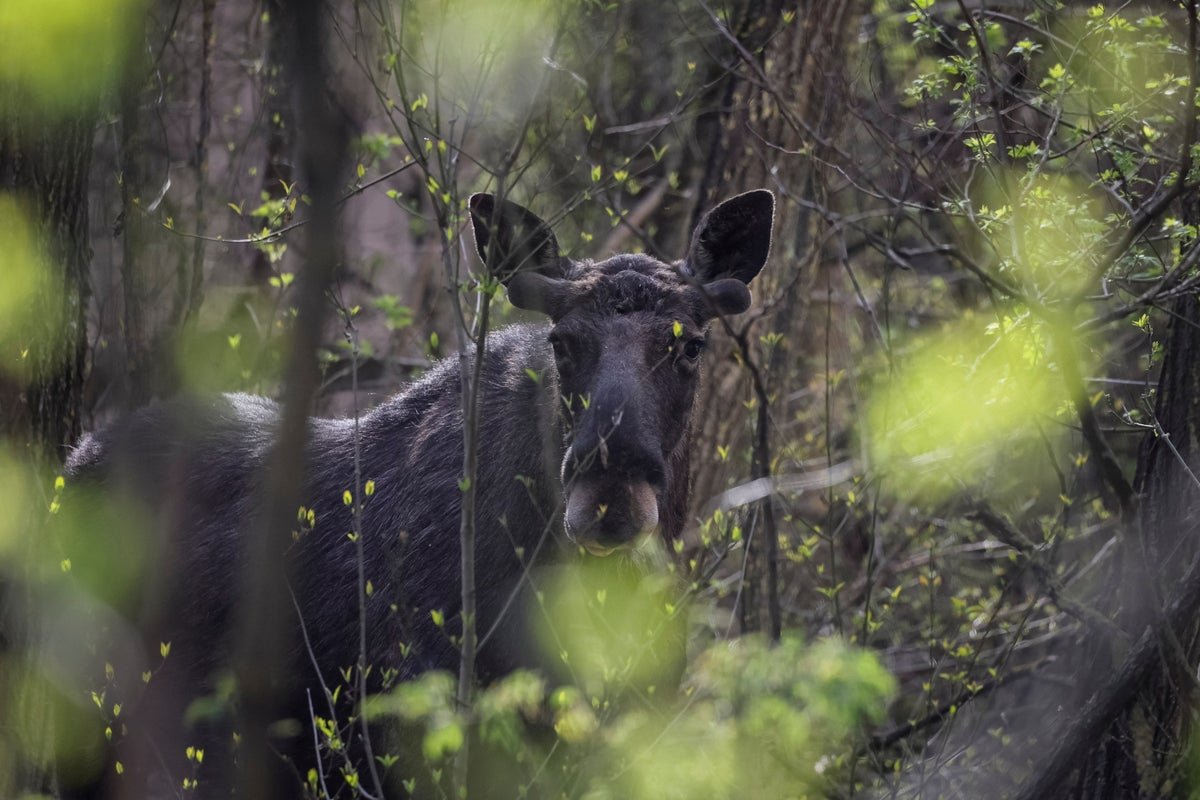
The Chernobyl exclusion zone, once a barren and desolate landscape, is now home to a surprising array of wildlife. A recent study has found that this area has a higher concentration of wildlife than Ukraine’s nature reserves. This unexpected discovery has left scientists and conservationists alike fascinated and eager to learn more. The exclusion zone’s unique circumstances have created an unintended sanctuary for various species.
The Chernobyl disaster, which occurred in 1986, led to the evacuation of the surrounding area due to high levels of radiation. However, in the absence of human activity, wildlife has begun to flourish. The study found that the exclusion zone is now inhabited by a diverse range of animals, including wolves, bears, and lynx. This phenomenon has sparked interest in the scientific community, with many seeking to analyse the behaviour of these animals in this unusual environment.
One of the primary reasons for the increase in wildlife is the lack of human disturbance. The exclusion zone, which covers an area of approximately 2,600 square kilometres, has been largely untouched by human activity for over three decades. This has allowed animals to roam freely, without the threat of hunting, pollution, or habitat destruction. As a result, the colour and vibrancy of the natural world have been preserved, making the exclusion zone an attractive destination for wildlife enthusiasts and scientists alike.
The study’s findings have significant implications for conservation efforts. By analysing the behaviour and habitats of the animals in the exclusion zone, scientists can gain valuable insights into the impact of human activity on the environment. This knowledge can be used to inform conservation strategies and protect vulnerable species. Furthermore, the exclusion zone’s unique circumstances provide a rare opportunity to study the effects of radiation on wildlife, which could lead to a better understanding of the long-term consequences of nuclear disasters.
In conclusion, the Chernobyl exclusion zone has become an unlikely haven for wildlife. The study’s findings highlight the importance of preserving natural habitats and the need to re-evaluate our relationship with the environment. As we continue to analyse and learn from this unique ecosystem, we may uncover new and innovative ways to protect and conserve our planet’s precious wildlife.