NVIDIA Discontinues Jetson Modules in the UK Due to Memory Shortages
NVIDIA’s Jetson Modules Discontinued in the UK: Understanding the Impact
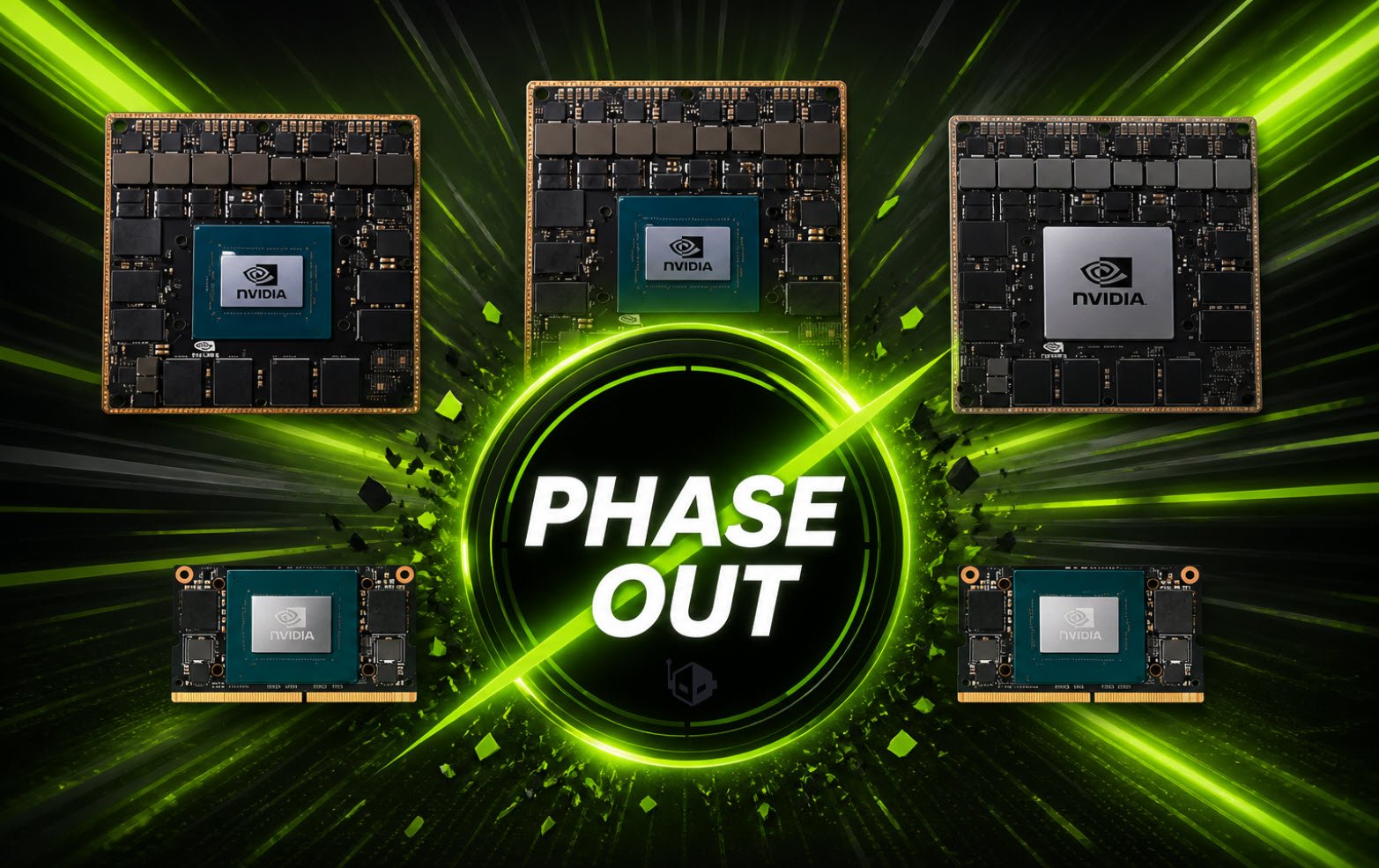
NVIDIA is discontinuing its older Jetson developer modules due to rising prices and shortages of LPDDR4 memory in the UK. This decision affects various Single-Board Computers (SBCs) designed for robotics and Edge AI workloads. The Jetson modules are compact, embedded platforms that resemble NVIDIA’s version of Raspberry Pi solutions.
The models that have been affected by this phase-out include the older Jetson modules with LPDDR4 memory. As a result of the memory shortages and increasing prices, NVIDIA’s partners are now focusing on newer models with more efficient memory configurations. This change is expected to improve the overall performance and reduce production costs in the long run.
The NVIDIA Jetson modules are widely used in various applications, including robotics, autonomous vehicles, and smart cities. The discontinuation of the older modules may cause some disruption to these projects, but it also presents an opportunity to upgrade to more advanced and efficient technologies. The UK market, in particular, is expected to be affected by this change, as many companies rely on these modules for their AI and robotics projects.
In light of the current memory shortages and rising prices, the discontinuation of the older Jetson modules is a necessary step for NVIDIA to take. The company is committed to providing its customers with the most advanced and efficient technologies, and this change is expected to benefit the industry as a whole. As the demand for AI and robotics continues to grow in the UK, NVIDIA is well-positioned to meet this demand with its newer and more advanced Jetson modules.
The impact of the memory shortages and rising prices is not limited to NVIDIA’s Jetson modules. Many other SBCs and embedded platforms are also affected, and companies are being forced to re-evaluate their production plans and supply chains. The UK market is particularly vulnerable to these changes, as many companies rely on these technologies for their operations.
Despite the challenges posed by the memory shortages and rising prices, the future of AI and robotics in the UK looks promising. With the advent of newer and more advanced technologies, companies are expected to develop more innovative and efficient solutions. NVIDIA’s discontinuation of the older Jetson modules is a step in the right direction, and it is expected to drive growth and innovation in the industry.
The UK is home to a thriving AI and robotics ecosystem, with many companies and research institutions working on cutting-edge projects. The discontinuation of the older Jetson modules is expected to have a positive impact on this ecosystem, as companies will be forced to upgrade to more advanced and efficient technologies. This, in turn, is expected to drive innovation and growth in the industry, and the UK is well-positioned to become a leader in AI and robotics.
In conclusion, the discontinuation of NVIDIA’s older Jetson modules is a necessary step for the company to take. The memory shortages and rising prices have made it difficult for the company to continue producing these modules, and the change is expected to benefit the industry as a whole. As the UK market continues to grow and evolve, NVIDIA is well-positioned to meet the demand for AI and robotics technologies with its newer and more advanced Jetson modules.
The future of AI and robotics in the UK is exciting, and the discontinuation of the older Jetson modules is just the beginning. As companies continue to innovate and develop new technologies, the industry is expected to grow and evolve rapidly. NVIDIA’s commitment to providing its customers with the most advanced and efficient technologies is expected to drive this growth, and the UK is poised to become a leader in the field.
With the discontinuation of the older Jetson modules, NVIDIA is sending a clear message to the industry. The company is committed to innovation and efficiency, and it is willing to make tough decisions to ensure that its customers have access to the best technologies available. This commitment is expected to pay off in the long run, as the UK market continues to grow and evolve.
The impact of the discontinuation of the older Jetson modules will be felt across the industry, but it is expected to be positive in the long run. As companies upgrade to more advanced and efficient technologies, the industry is expected to grow and innovate rapidly. The UK market is poised to become a leader in AI and robotics, and NVIDIA’s commitment to innovation and efficiency is expected to drive this growth.