TikTokification of the UK: A Growing Concern
The TikTokification of the UK: A Threat to Our Wellbeing
The rise of short-form video content has taken the UK by storm, with many platforms incorporating TikTok-style features into their services. This trend, known as TikTokification, has raised concerns about its impact on our mental health and attention span.
Research has shown that excessive consumption of short-form video can lead to increased levels of depression, anxiety, and loneliness. Moreover, it can also affect our cognitive abilities, making it difficult to focus and engage in deep conversations.
The UK government’s decision to ban social media for under-16s is a step in the right direction, but it may not be enough to mitigate the effects of TikTokification. With many companies embracing short-form video, it’s becoming increasingly difficult to avoid this type of content.
From YouTube to BBC Sport, and from Netflix to Spotify, it seems like every platform is jumping on the short-form video bandwagon. This trend is not only affecting our mental health but also changing the way we consume information and entertainment.
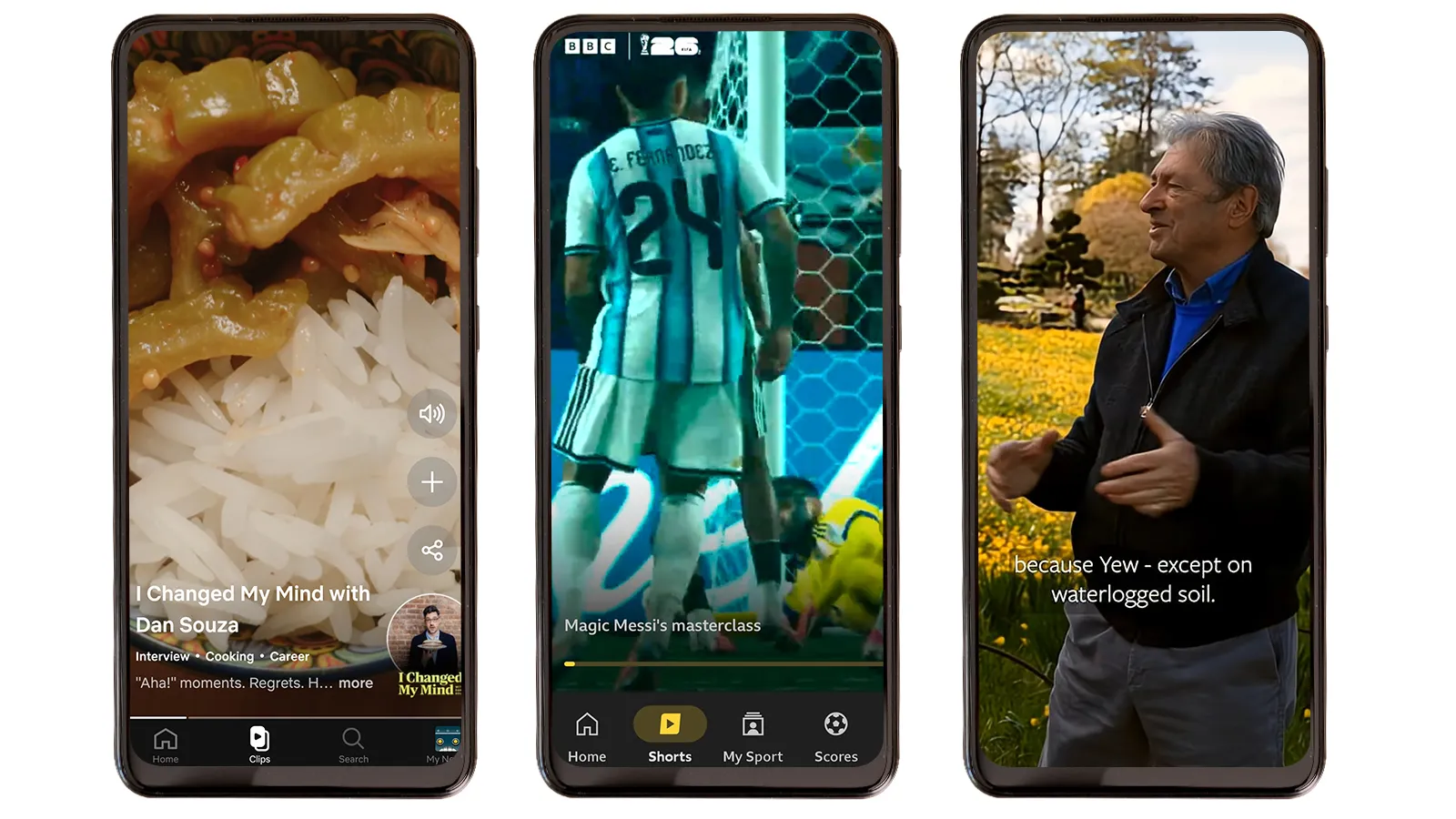
The BBC’s introduction of ‘Shorts’ on its Sport app is a prime example of TikTokification in action. This feature allows users to access short-form video content with just one tap, making it easy to get sucked into a never-ending loop of videos.
Other companies, such as Netflix and Prime Video, have also introduced similar features, such as ‘Clips’ and ‘Previews’. These features are designed to keep us engaged and watching more content, but they can also have a negative impact on our attention span and mental health.
The Royal Horticultural Society’s app is another example of how short-form video is being used to engage users. While the content may be interesting and informative, it can also be a significant distraction, making it difficult to focus on other tasks.
It’s not just the individual platforms that are embracing TikTokification; it’s also the way we consume information and entertainment as a whole. With the rise of short-form video, we’re seeing a shift away from traditional forms of entertainment, such as reading and watching films, and towards a more fast-paced and addictive form of consumption.
This trend is not only affecting our mental health but also changing the way we interact with each other and with the world around us. It’s making us more isolated and less engaged, and it’s also affecting our ability to focus and think critically.
In conclusion, the TikTokification of the UK is a growing concern that needs to be addressed. While it may seem like a harmless trend, it has the potential to have a significant impact on our mental health, attention span, and cognitive abilities. It’s time for us to take a step back and think about the kind of content we’re consuming and how it’s affecting our lives.