Oura Ring 5 Review: The Slimmest Smart Ring for UK Users – Features, Battery, and Price
Oura Ring 5 Review: The Slimmest Smart Ring for UK Users
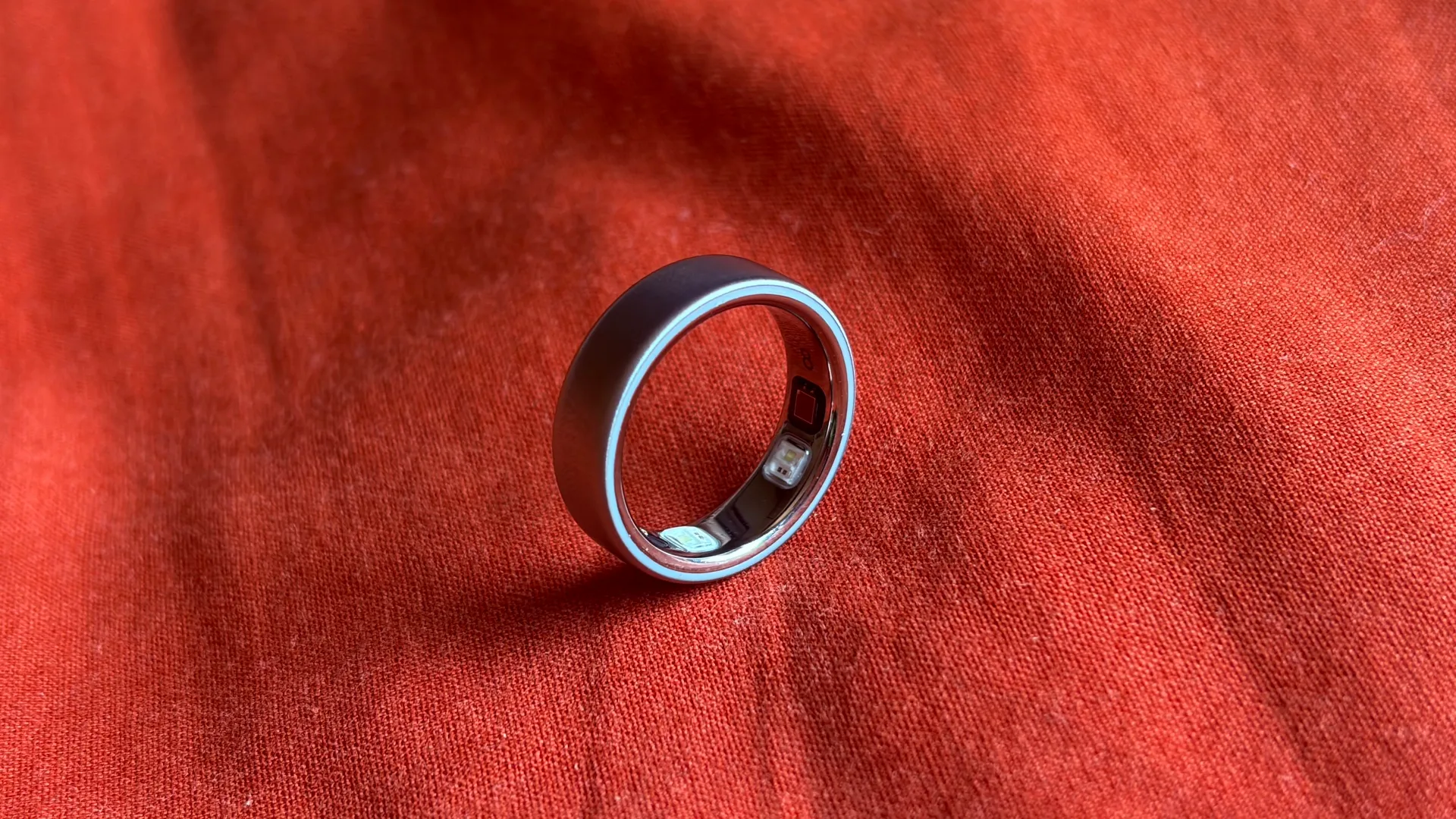
The Oura Ring 5 arrives as a surprisingly compact update to the market‑leading Oura Ring line. At roughly 40 % smaller than the Ring 4, the new titanium band measures just 6.09 mm in width and can weigh as little as 2 g, making it feel almost weightless on the finger. Despite the reduction in size, Oura promises no compromise on performance, with battery life still quoted at six to nine days and the same suite of health sensors.
Designwise, the Ring 5 retains the premium feel of its predecessor. It is offered in six finishes – brushed silver, black, gold, stealth (matte black), deep rose and a standard silver – all applied to a hardened PVD coating that improves scratch resistance. While the earlier Ring 4 Ceramic Edition remains the most scuff‑proof option, the new coating is a noticeable step up for the titanium model. Sizing is unchanged from the Ring 4 range, covering sizes 6 to 13, and a free sizing kit is still available to ensure a perfect fit.
Inside the ring, Oura has kept the same sensor layout – two photodetectors, two sets of triple LEDs, a temperature sensor and an accelerometer – but has refined the hardware to boost accuracy. The device tracks steps, exercise, heart rate, sleep, stress and temperature, feeding the data into the Oura companion app, which continues to be the benchmark for smart‑ring analytics. The app provides daily readiness scores, sleep stage breakdowns and a symptom radar that can flag early signs of illness. New features such as Health Radar are rolling out first to US users, with blood‑pressure trend monitoring slated for later releases.
One notable change is the subscription model. While basic metrics remain free, full access to Oura’s insights requires a monthly fee of £5.99 or an annual payment of £69.99. This mirrors the pricing structure of many health‑tech platforms, but it does add an ongoing cost that potential buyers must consider.
Battery performance remains impressive for a ring of this size. Oura claims up to nine days of use on a single charge, and real‑world testing shows the device can comfortably last a week when the optional blood‑oxygen sensor is disabled. Charging is still performed via a dock‑style charger that takes about 80 minutes for a full charge. An optional portable charging case, sold separately for £99, can replenish the ring up to five times and is useful for travellers.
Pricing in the UK starts at £399 for the base titanium model and can rise to £499 for premium finishes. This represents a £50 increase over the Ring 4, plus the subscription cost. Compared with alternatives such as the Fitbit Air (£84) or the RingConn Gen 2 (£418.60), the Oura Ring sits at the high end of the market, though it still undercuts the Ultrahuman Ring Pro (£419) and the Samsung Galaxy Ring (£399).
For UK shoppers, the Ring 5 is available through Oura’s official store, Amazon UK, Currys and John Lewis. The older Ring 4 remains on sale for £349‑£399 and often appears in promotional events like Amazon Prime Day, offering a cheaper entry point for those satisfied with the larger form factor.
Should you upgrade? If you already own a Ring 4 and are happy with its size, style and performance, the Ring 5 may not be essential, especially as most new software features will be back‑ported to the older model. However, if a more discreet, lighter ring is a priority, the Ring 5 delivers that without sacrificing the core Oura experience.
Overall, the Oura Ring 5 solidifies Oura’s position as the benchmark for smart rings. Its refined design, reliable sensor suite and robust app ecosystem make it a compelling choice for health‑conscious UK consumers, provided the subscription cost fits within your budget.