Why the Nothing Phone (4b) ‘downgrade’ Might Be Its Biggest Strength for UK Buyers
Nothing Phone (4b): A Budget ‘Downgrade’ That Could Be Its Greatest Asset in the UK
Nothing has confirmed that it is launching a brand‑new line of budget phones, and the company’s recent social media hints have begun to outline its strategy. While the news is mixed, there are enough positive signs to suggest the brand is moving in the right direction for the UK market.
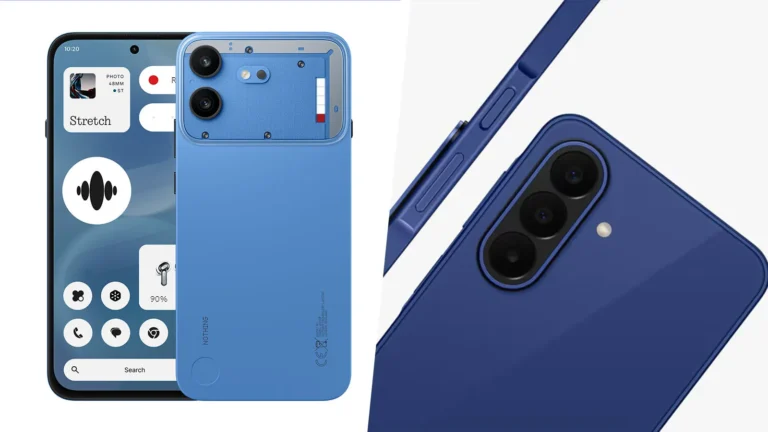
The first piece of disappointing news is that the CMF Phone 3 Pro will not appear in 2026 as previously rumoured. Co‑founder Akis Evangelidis announced on X that “we’ve decided not to launch a new CMF phone this year”. This is a setback because the CMF Phone 2 Pro currently sits at the top of the budget‑phone leaderboard.
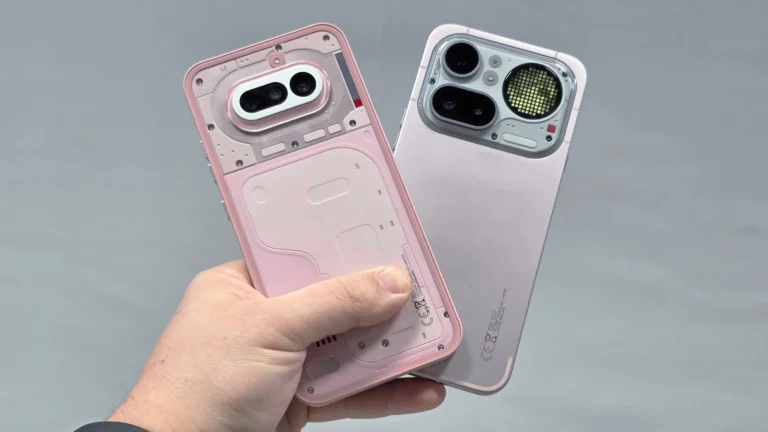
Enter the Nothing Phone (4b), which is set to sit below the Phone (4a) as the most affordable handset in the Nothing portfolio. Evangelidis explained that the new naming scheme uses numbers for generations and letters for product segments, aiming for a clear hierarchy that avoids an overload of suffixes as the line expands.
This approach makes sense. It has always seemed odd that a five‑year‑old upstart like Nothing would consider a sub‑brand for cheaper devices before the core brand had fully cemented its reputation. Consolidating everything under a single, recognisable roof should help UK consumers understand where each model sits, provided the company retains the distinctive CMF hardware that set its earlier phones apart.
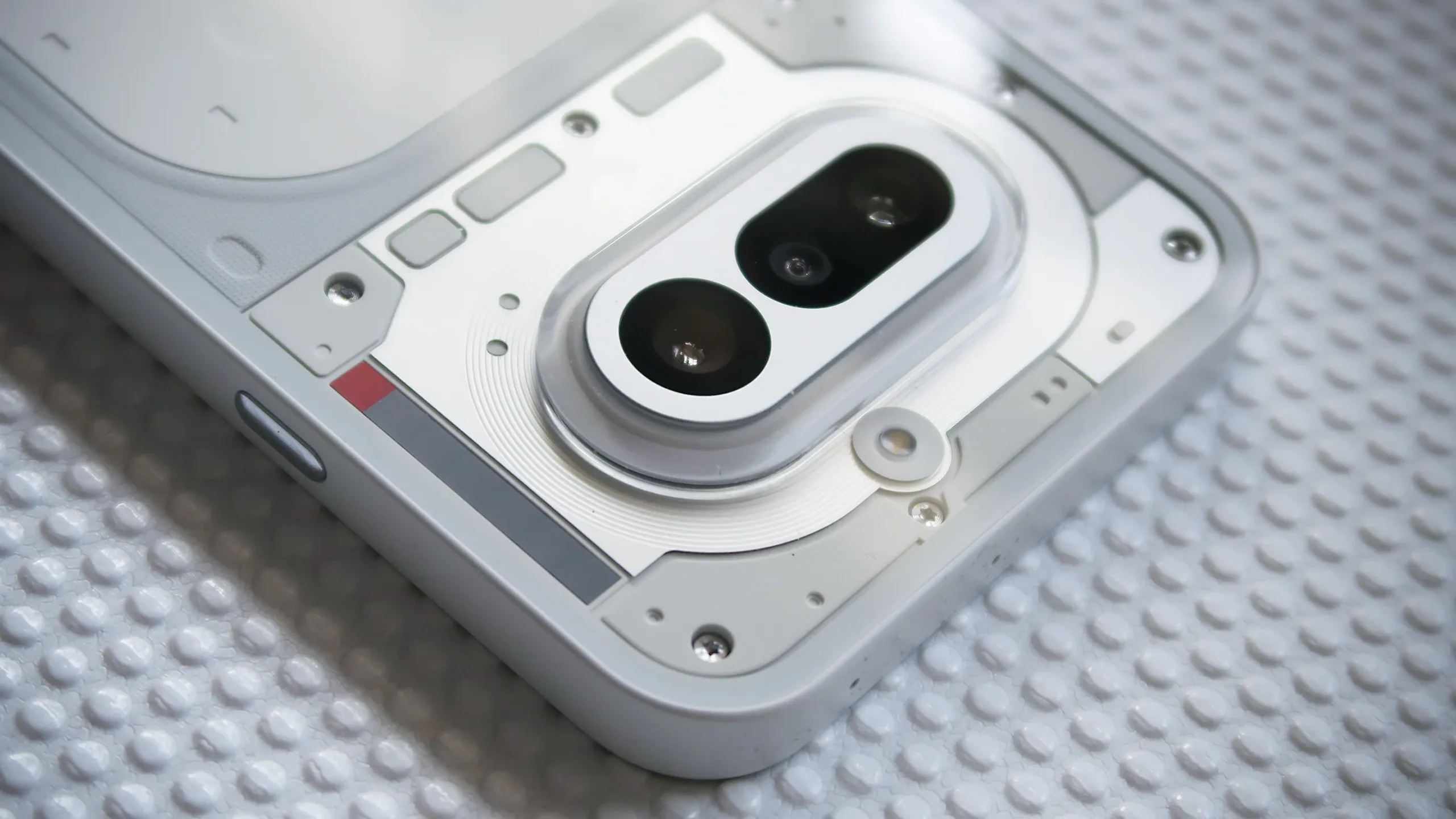
A further glimpse of the Phone (4b) emerged from Nothing’s India account, where a designer’s sketch revealed a basic, semi‑transparent aesthetic that mirrors the brand’s signature look. The drawing is simple, but it confirms that the iconic see‑through back will continue.
The most striking feature of the sketch is the decision to equip the phone with a single rear camera sensor. Critics may label this a step backwards, especially when compared with the triple‑camera array on the CMF Phone 2 Pro. However, the reality of sub‑£300 phones is that many manufacturers add ultra‑wide or macro lenses that rarely get used, simply to tick a box.
From a cost‑cutting perspective, a single high‑quality sensor makes sense, particularly as memory prices continue to climb. If the lone sensor delivers sharp images and robust processing—enough to allow 2× digital zoom without a noticeable loss in quality—then the compromise is justified.
Apple’s iPhone Air faced similar criticism for its single‑camera setup, but the company highlighted an often‑overlooked truth: most users never engage secondary lenses, and when they do, they are usually indifferent to whether the zoom is optical or digital, as long as the result looks good on social media.
This insight is even more relevant for budget‑phone buyers in the UK. A “good enough” camera that produces share‑worthy photos is preferable to a collection of mediocre lenses that add cost without real benefit.
While the absence of a CMF Phone 3 Pro is disappointing, Nothing’s decision to streamline its offering with the Phone (4b) could pay dividends. Execution and pricing will ultimately decide the phone’s fate, but the concept of a simplified, affordable device that retains the brand’s design language is compelling.
For UK consumers seeking a stylish, affordable handset that doesn’t waste money on unnecessary hardware, the Nothing Phone (4b) might just prove to be the brand’s strongest move yet.