Samsung to Revolutionise UK Mobile Devices with AI-Powered HBM Chips
Transforming Mobile Devices into AI Powerhouses
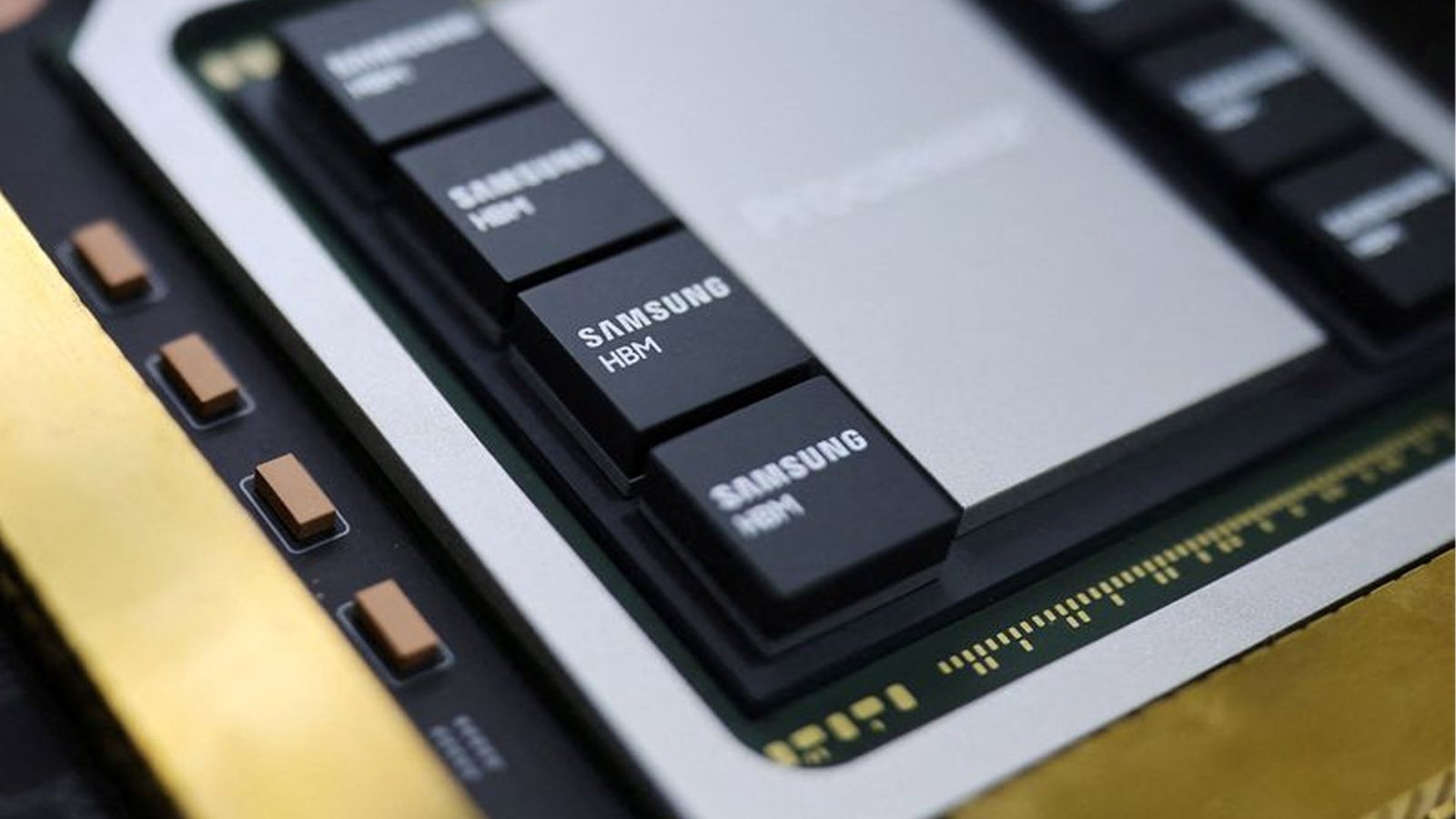
Samsung is set to transform the smartphone and tablet landscape in the UK with its innovative High-Bandwidth Memory (HBM) chips. By employing a unique packaging technology, the company aims to make these devices compatible with ultra-fast DRAM chips, thereby turbocharging them into on-device AI powerhouses. This move is expected to revolutionise the mobile industry, enabling faster and more efficient processing of complex tasks. With the ongoing shortage of traditional mobile DRAM, Samsung is poised to capitalise on the market demand.
The Korean giant’s objective is to develop HBM technology that is tailor-made for smartphones and tablets, overcoming the limitations of traditional mobile DRAM. Unlike traditional mobile DRAM, which utilises copper wire bonding, Samsung’s new technology will enable faster data transfer rates and lower power consumption. This will not only enhance the overall performance of mobile devices but also enable the development of more sophisticated AI-powered applications.
The potential applications of this technology are vast, ranging from enhanced camera capabilities to more efficient language processing. With the ability to process complex tasks on-device, users can expect faster and more secure processing of sensitive information. Moreover, the reduced reliance on cloud-based processing will enable users to enjoy a more seamless and responsive mobile experience, even in areas with limited internet connectivity.
As the UK mobile market continues to evolve, Samsung’s innovative HBM technology is set to play a pivotal role in shaping the future of mobile devices. With its commitment to developing cutting-edge technology, Samsung is poised to maintain its position as a leader in the global mobile industry. As the demand for AI-powered devices continues to grow, Samsung’s HBM technology is expected to be at the forefront of this revolution, transforming the way we interact with our mobile devices.
The development of HBM technology for mobile devices is a complex process, requiring significant investment in research and development. However, the potential rewards are substantial, with the global mobile market expected to continue growing in the coming years. As Samsung continues to push the boundaries of innovation, the company is expected to reap significant benefits, both in terms of market share and revenue growth.
In conclusion, Samsung’s innovative HBM technology is set to revolutionise the UK mobile industry, enabling the development of faster, more efficient, and more secure mobile devices. With its commitment to innovation and customer satisfaction, Samsung is poised to maintain its position as a leader in the global mobile market, driving growth and innovation in the years to come. The future of mobile devices looks bright, and Samsung’s HBM technology is at the forefront of this exciting new era.
As the UK mobile market continues to evolve, it will be interesting to see how Samsung’s HBM technology is received by consumers and businesses alike. With its potential to transform the mobile landscape, this technology is expected to have a significant impact on the way we live and work. Whether you’re a mobile enthusiast or a business leader, Samsung’s HBM technology is definitely worth keeping an eye on in the coming months and years.
The implications of Samsung’s HBM technology are far-reaching, with potential applications in a wide range of industries, from healthcare to finance. As the technology continues to evolve, we can expect to see new and innovative uses for AI-powered mobile devices, enabling greater efficiency, productivity, and convenience. With Samsung at the forefront of this revolution, the future of mobile devices looks exciting and full of possibilities.
In the UK, the demand for AI-powered mobile devices is expected to grow significantly in the coming years, driven by the increasing need for faster and more efficient processing of complex tasks. As Samsung’s HBM technology becomes more widely available, we can expect to see a significant shift in the way mobile devices are used, with a greater emphasis on AI-powered applications and services. This will not only enhance the user experience but also enable businesses to develop more innovative and effective solutions.
Overall, Samsung’s innovative HBM technology is set to transform the UK mobile industry, enabling the development of faster, more efficient, and more secure mobile devices. With its commitment to innovation and customer satisfaction, Samsung is poised to maintain its position as a leader in the global mobile market, driving growth and innovation in the years to come. As the demand for AI-powered devices continues to grow, Samsung’s HBM technology is expected to play a pivotal role in shaping the future of mobile devices.