Activists Face Terrorism Charges for £1m Defence Factory Raid
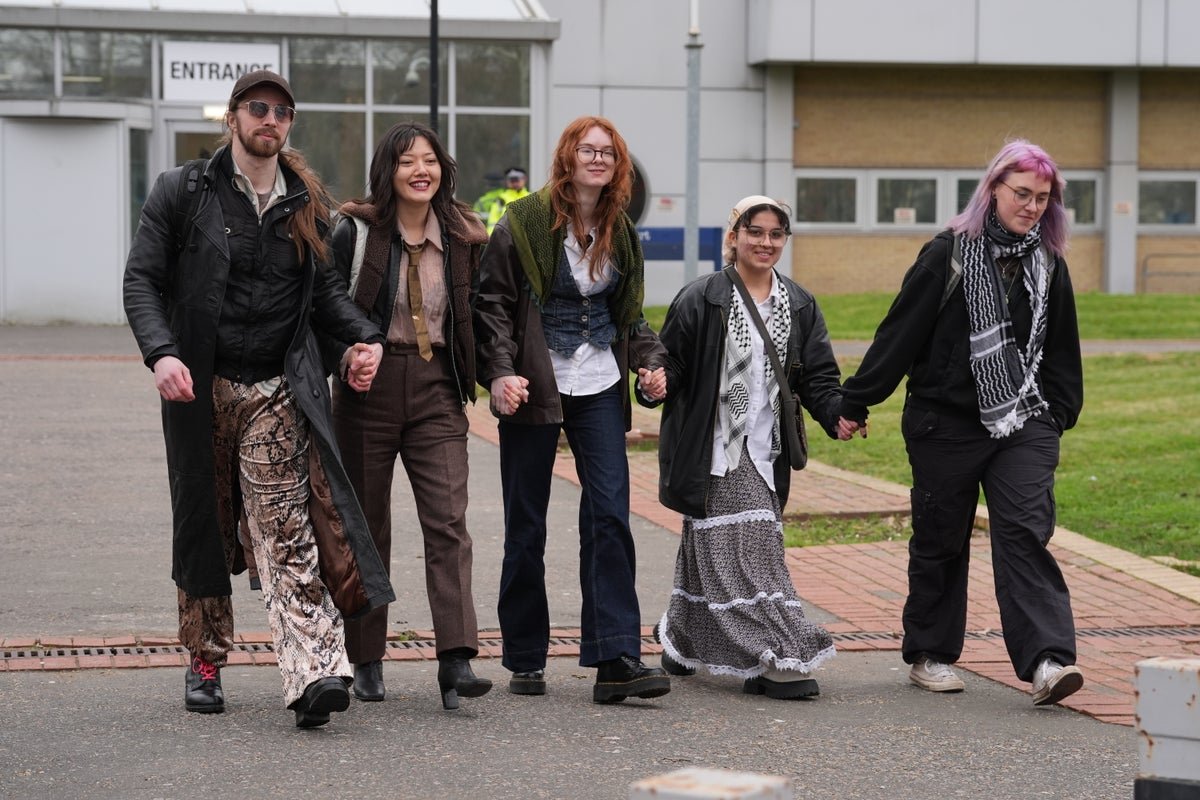
Palestine Action Activists in the Dock for £1m Defence Factory Raid
Palestine Action activists are facing potential terrorism charges following a £1m raid on a defence factory. The activists, who are known for their protests against the arms trade, could be sentenced as terrorists if found guilty. This has sparked concerns about the erosion of civil liberties and the right to peaceful protest. The defence factory has been the target of previous protests due to its alleged links to human rights abuses.
The raid, which resulted in £1m worth of damage, has been condemned by the authorities and the factory owners. However, the activists argue that their actions were necessary to draw attention to the factory’s alleged complicity in human rights abuses. The case has sparked a heated debate about the balance between security and civil liberties. As the trial continues, many are watching with bated breath to see how the court will rule.
The implications of this case are far-reaching, with potential consequences for the future of peaceful protest in the UK. If the activists are found guilty of terrorism charges, it could set a chilling precedent for future protests. The right to peaceful protest is a fundamental aspect of any democratic society, and many are concerned that this case could erode that right. The activists’ lawyers argue that their clients’ actions were peaceful and non-violent, and that the terrorism charges are an overreach of the law.
The case has also sparked a wider debate about the UK’s arms trade and its links to human rights abuses. Many are calling for greater transparency and accountability in the arms trade, and for the government to take a stronger stance against human rights abuses. As the trial continues, it is likely that these issues will come under increasing scrutiny. The defence factory at the centre of the case has been accused of supplying arms to countries with poor human rights records, and many are demanding that the government take action to prevent such sales in the future.
The Palestine Action activists are known for their creative and non-violent protests, which have included occupations, blockades, and other forms of direct action. Their actions have drawn attention to the issue of the arms trade and its links to human rights abuses, and have helped to build a movement for change. However, the terrorism charges against them have raised concerns that the government is trying to silence dissent and stifle peaceful protest. The case is a test of the UK’s commitment to democracy and human rights, and the outcome will be closely watched by activists and civil liberties groups around the world.
The UK’s terrorism laws have been widely criticised for being overly broad and vague, and for being used to target peaceful protesters and activists. The laws have been used to prosecute activists for a range of activities, from protesting outside factories to occupying government buildings. Many are concerned that the laws are being used to silence dissent and stifle peaceful protest, rather than to prevent genuine terrorism. The case of the Palestine Action activists will be an important test of these laws, and will help to determine whether they are being used fairly and proportionately.
The trial is ongoing, and it is unclear what the outcome will be. However, one thing is certain: the case will have significant implications for the future of peaceful protest in the UK. If the activists are found guilty of terrorism charges, it could set a chilling precedent for future protests and undermine the right to peaceful protest. On the other hand, if the activists are acquitted, it could be seen as a victory for civil liberties and the right to protest. Either way, the case will be closely watched by activists, civil liberties groups, and the wider public.