Museum Sparks Debate with Trigger Warning on Classic Janet and John Book
Trigger Warnings in Children’s Literature: A New Era of Sensitivity
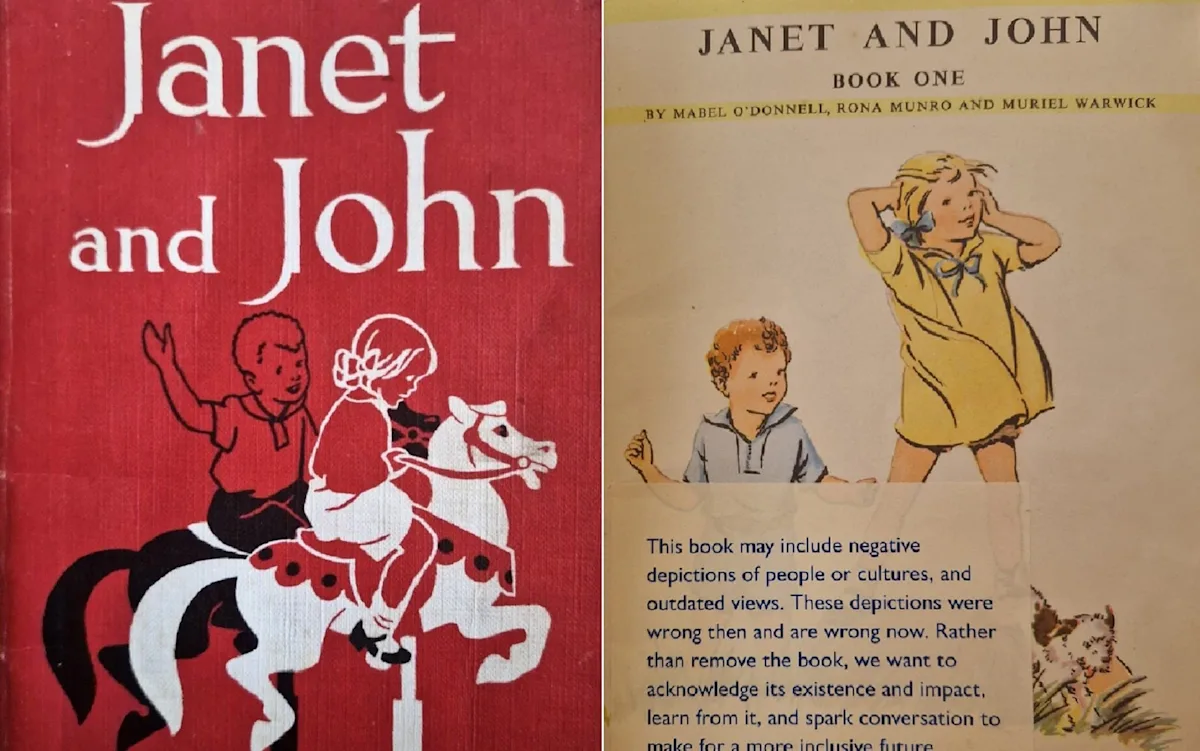
The museum’s decision to add a trigger warning to the classic Janet and John children’s book has sparked a heated debate about the role of sensitivity in literature. The warning, which alerts readers to potentially distressing content, has been met with both praise and criticism. Some argue that it is a necessary step in protecting vulnerable readers, while others see it as an overreaction. The book, which has been a staple of children’s education for decades, tells the story of two siblings and their everyday adventures.
Proponents of the trigger warning argue that it is essential in today’s society, where children are increasingly exposed to sensitive topics. They claim that the warning provides a necessary layer of protection for young readers who may be struggling with difficult emotions or experiences. On the other hand, critics argue that the warning is an example of overzealous political correctness, which could stifle free speech and creativity in literature.
The museum’s decision has also raised questions about the balance between sensitivity and censorship. While some argue that the warning is a necessary step in promoting inclusivity and diversity, others see it as a form of censorship that undermines the book’s original message. The debate highlights the complexities of navigating sensitive topics in children’s literature and the need for a nuanced approach that balances protection with creative freedom.
As the debate continues, it is essential to consider the potential impact of trigger warnings on children’s literature. Will they become a standard feature of children’s books, or will they be reserved for specific cases? Only time will tell, but one thing is certain – the discussion surrounding trigger warnings in children’s literature is far from over. The museum’s decision has sparked a vital conversation about the role of sensitivity in literature and the need for a thoughtful approach to protecting vulnerable readers.
The Janet and John book, which was first published in the 1940s, has been a beloved classic for generations of children. The story, which follows the everyday adventures of two siblings, has been translated into numerous languages and has sold millions of copies worldwide. The book’s enduring popularity is a testament to its timeless appeal and the power of children’s literature to captivate and inspire young readers.
However, the book has also been criticised for its outdated language and stereotypes. Some argue that the book’s depiction of women and minority groups is problematic and perpetuates negative attitudes. The museum’s decision to add a trigger warning to the book has been seen as a response to these criticisms, and an attempt to acknowledge the book’s limitations while still preserving its cultural significance.
In conclusion, the debate surrounding the trigger warning on the Janet and John book highlights the complexities of navigating sensitive topics in children’s literature. While some argue that the warning is necessary to protect vulnerable readers, others see it as an overreaction that undermines the book’s original message. As the discussion continues, it is essential to consider the potential impact of trigger warnings on children’s literature and the need for a thoughtful approach to balancing protection with creative freedom.
The museum’s decision has also sparked a wider conversation about the role of museums in promoting sensitivity and inclusivity. As institutions that preserve and showcase cultural artefacts, museums have a responsibility to promote diversity and challenge negative attitudes. The addition of trigger warnings to museum exhibits and publications is just one example of the ways in which museums can promote sensitivity and inclusivity.
Ultimately, the debate surrounding the trigger warning on the Janet and John book serves as a reminder of the power of children’s literature to shape our attitudes and perceptions. As we navigate the complexities of sensitivity and censorship, it is essential to remember the importance of promoting diversity, inclusivity, and creative freedom in all forms of literature. By engaging in open and respectful dialogue, we can work towards creating a more inclusive and sensitive literary landscape that reflects the diversity of our society.
The museum’s decision to add a trigger warning to the Janet and John book is just one example of the ways in which cultural institutions are responding to the changing needs of their audiences. As we move forward, it will be interesting to see how other institutions respond to the challenge of promoting sensitivity and inclusivity in their exhibits and publications. One thing is certain – the conversation surrounding trigger warnings in children’s literature is far from over, and will continue to evolve as our society becomes increasingly diverse and complex.