NVIDIA CEO Jensen Huang Draws Line on China Access to Advanced AI Chips in the UK
NVIDIA’s Stance on China: A Hard Line on Advanced AI Chips
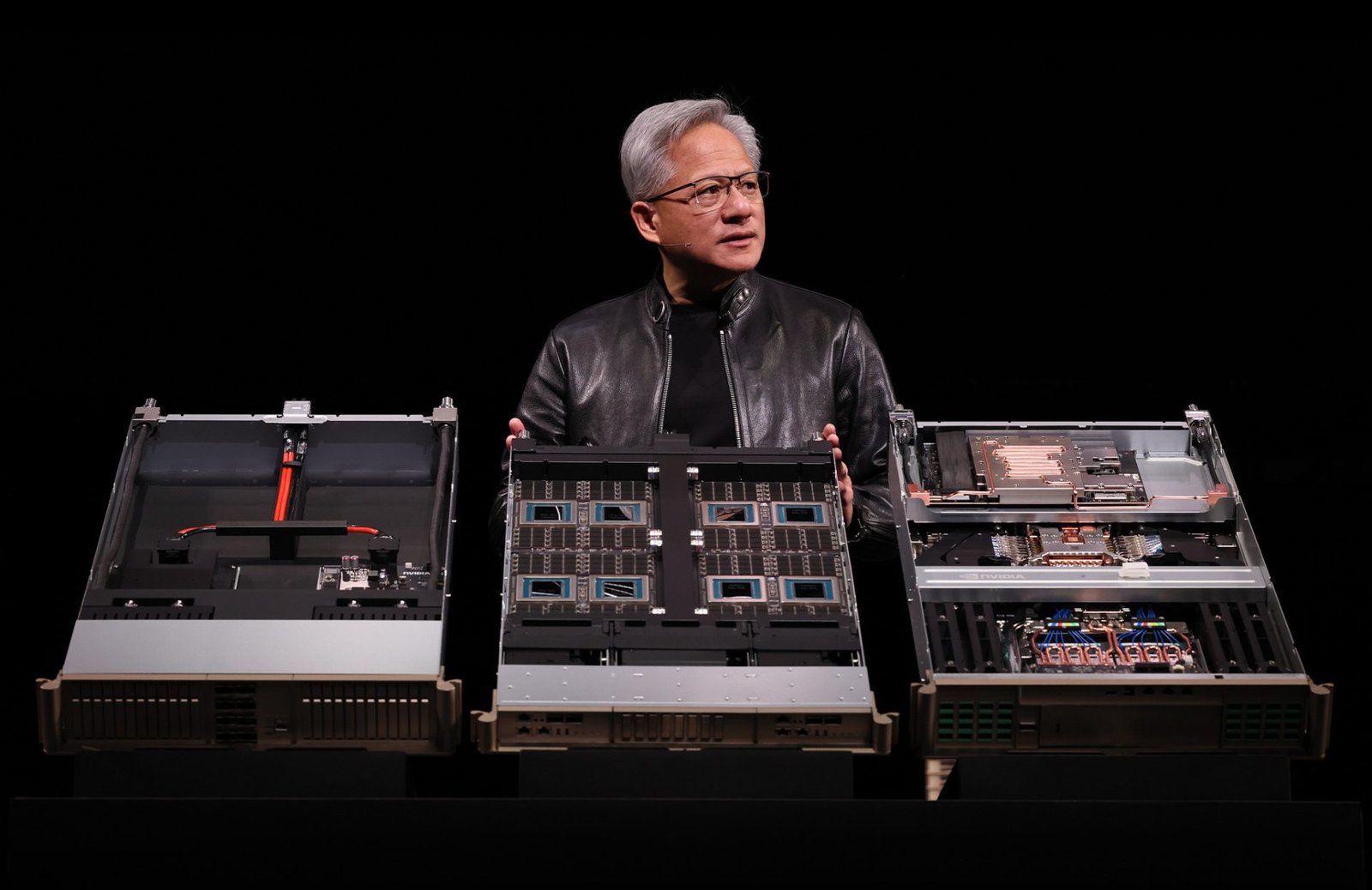
NVIDIA’s CEO, Jensen Huang, has made it clear that China will not have access to the company’s most advanced AI chips, including Blackwell and Rubin. This decision is in line with the US AI policy shift towards China, which has been ongoing since the Hopper generation of chips.
The export controls have restricted NVIDIA from selling its bleeding-edge chips to Chinese firms, and this ban has now been extended to the Blackwell generation. This move reaffirms the US-first policy, with Huang stating that the company’s most advanced AI chips are not for China.
The implications of this decision are significant, as it highlights the increasingly complex landscape of global technology markets. While NVIDIA’s stance on China is clear, the company still wants US firms to compete in global markets. This balance between national interests and global competition will be crucial in the coming years.
The Blackwell and Rubin AI chips are at the forefront of technological innovation, and their restricted access will undoubtedly impact China’s ability to develop its AI capabilities. However, this move also underscores the importance of international cooperation and the need for companies to navigate complex geopolitical landscapes.
As the UK continues to navigate its own relationship with China, NVIDIA’s decision serves as a reminder of the delicate balance between national security and global economic interests. The company’s stance on China is a clear indication of the increasingly complex world of international trade and technology.
The US AI policy shift towards China has significant implications for the global technology industry. As companies like NVIDIA navigate this complex landscape, they must also consider the potential consequences of their actions on the global stage. The restricted access to advanced AI chips will likely have far-reaching impacts on the development of AI capabilities in China.
In the UK, this decision will be closely watched, as the country seeks to establish its own position on the global technology stage. The balance between national interests and global cooperation will be crucial in the coming years, as companies like NVIDIA continue to shape the future of the technology industry.
The future of AI development in China remains uncertain, as the country grapples with the implications of restricted access to advanced AI chips. However, this move also presents opportunities for other countries, like the UK, to establish themselves as leaders in the global technology industry.
As the global technology landscape continues to evolve, companies like NVIDIA will play a crucial role in shaping the future of AI development. The company’s stance on China serves as a reminder of the importance of international cooperation and the need for companies to navigate complex geopolitical landscapes.
The restricted access to advanced AI chips will likely have significant impacts on the global technology industry. As companies navigate this complex landscape, they must also consider the potential consequences of their actions on the global stage. The future of AI development in China and beyond will be shaped by the decisions of companies like NVIDIA.