Ultrahuman Ring Pro Review: UK Take on the Premium Smart Ring
Ultrahuman Ring Pro Review – The UK Perspective
The Ultrahuman Ring Pro arrives as the latest offering from a brand that has long been at odds with Oura. After the temporary US ban on its earlier ring, Ultrahuman returns with a refreshed sensor suite, a faster dual‑core processor and a markedly longer battery life. The Ring Air remains on sale as a cheaper alternative, but the Pro is positioned as the flagship for anyone wanting the best the company can provide.
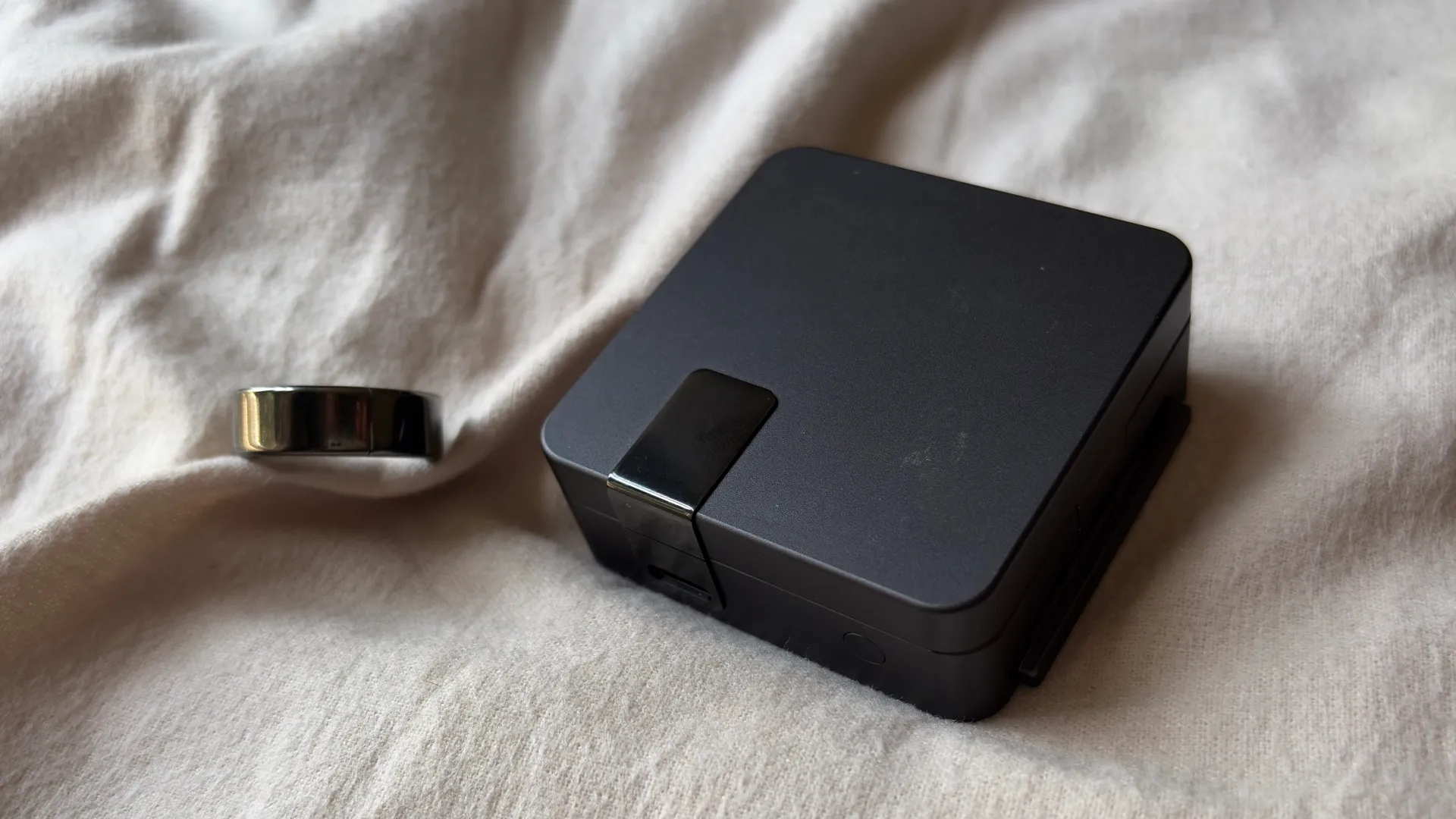
Design and build quality have been upgraded. The Pro is available in bionic gold, space silver, aster black and raw titanium, each finished with a PVD coating that resists scratches – a noticeable improvement over previous Ultrahuman models. The core of the ring is titanium, giving it a solid feel while keeping the weight between 3.3 and 4.8 g. It ships in sizes 5‑14, is waterproof to 100 metres and feels snug without the tendency to roll around the finger that some earlier smart rings exhibited.
Compared with the slimmer Ring Air, the Pro is thicker and heavier, more akin to the Oura Ring 5 in size. However, the added bulk brings a charging case that mirrors Oura’s robust metal design. The case supports wireless charging, a ‘find my case’ function and can store up to a year’s worth of ring data. An emergency‑release feature allows the ring to be cut away easily if swelling occurs, offering peace of mind for occasional users.
On the tracking side, the Pro mirrors the Air’s capabilities – heart rate, sleep, stress, temperature and step count – but the optical sensors have been redesigned for clearer signals. This redesign appears linked to the ongoing patent dispute with Oura. The companion app is polished, rivaling Oura’s own software in visual appeal and ease of use. Initial calibration takes around two weeks; during this period heart‑rate readings can be erratic, but once stabilised the data aligns well with other trackers, especially resting heart rate and HRV metrics.
Step counts tend to run slightly lower than those recorded by competing devices, yet sleep tracking is among the strongest in the market. The Pro delivers reliable sleep duration, stage breakdowns and even estimates the time it took to fall asleep. Unique to Ultrahuman is the presentation of complex data in digestible formats – brain‑age scores, cumulative sleep debt and brain‑waste clearance metrics are all displayed in an engaging way.
PowerPlugs are optional software add‑ons that expand the ring’s functionality. Most are free, such as the parent‑focused plug that monitors cumulative rest. Some, like migraine insights or Tesla data sync, require a monthly subscription, but the core experience remains subscription‑free.
Battery life is a standout feature. The Pro can last up to 15 days on a single charge, a jump from the Air’s 4‑6 day window. Users can select between Turbo (all sensors active, ~12 days), Normal and Chill modes (sleep‑focused, >15 days). The included charging case adds roughly another 45 days of power, and a brief audio cue confirms proper placement. A full charge from 0 % to 100 % takes under an hour.
Pricing in the UK places the Pro at £429 (US $479) at launch, positioning it above the Oura Ring 5’s entry model (£399) and the Samsung Galaxy Ring (£399). While the cost is steep, the device remains subscription‑free, unlike some rivals that lock essential features behind recurring fees.
Should you buy the Ultrahuman Ring Pro? If you already own the Ring Air and are satisfied with its performance, the Pro’s larger battery and sturdier build may justify the upgrade. However, the premium price means you’ll want to weigh it against cheaper, subscription‑free alternatives. For users who value Ultrahuman’s distinctive software insights and are comfortable with a slightly bulkier ring, the Pro offers a compelling overall package.