Google mandates foldable support for Android apps starting 2027 to improve user experience
Google mandates foldable support for Android apps
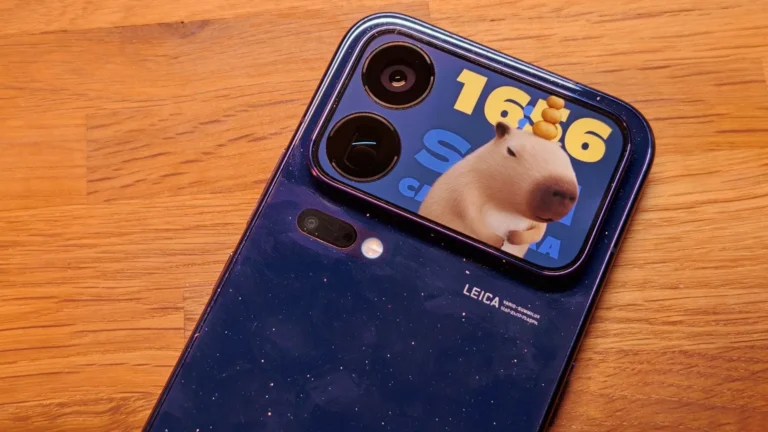
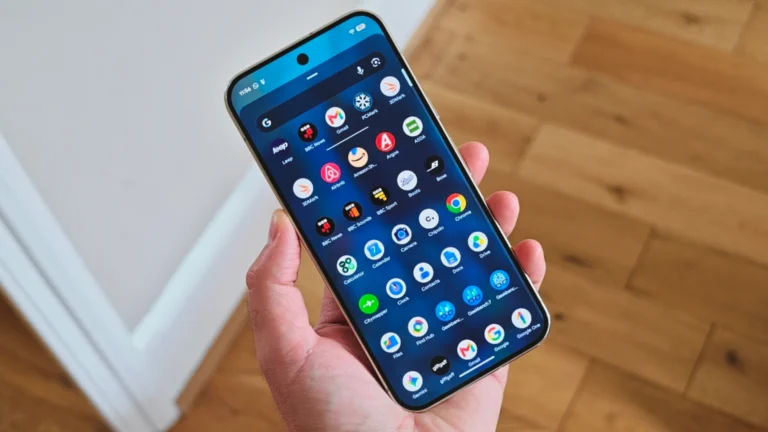
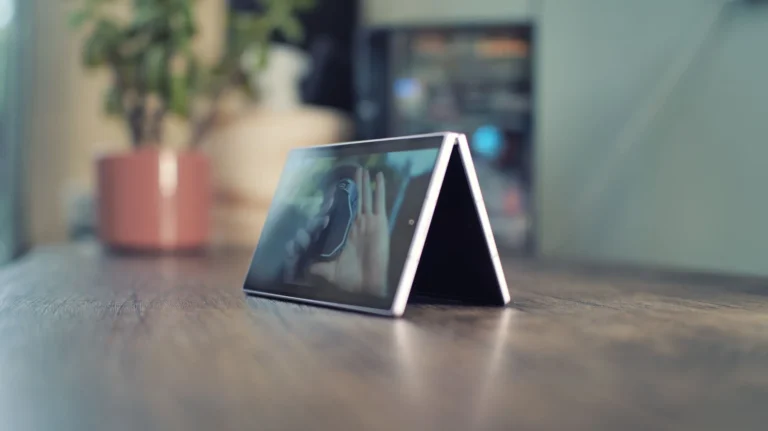
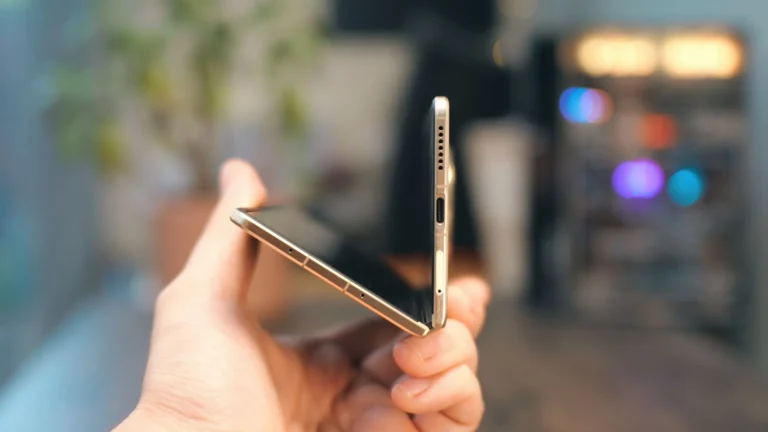
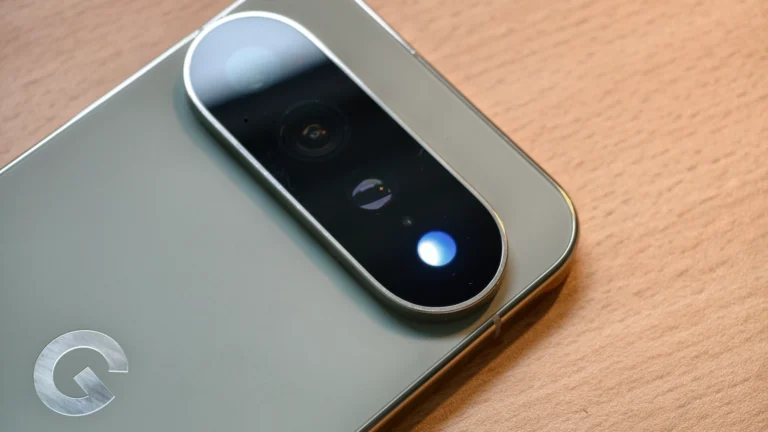
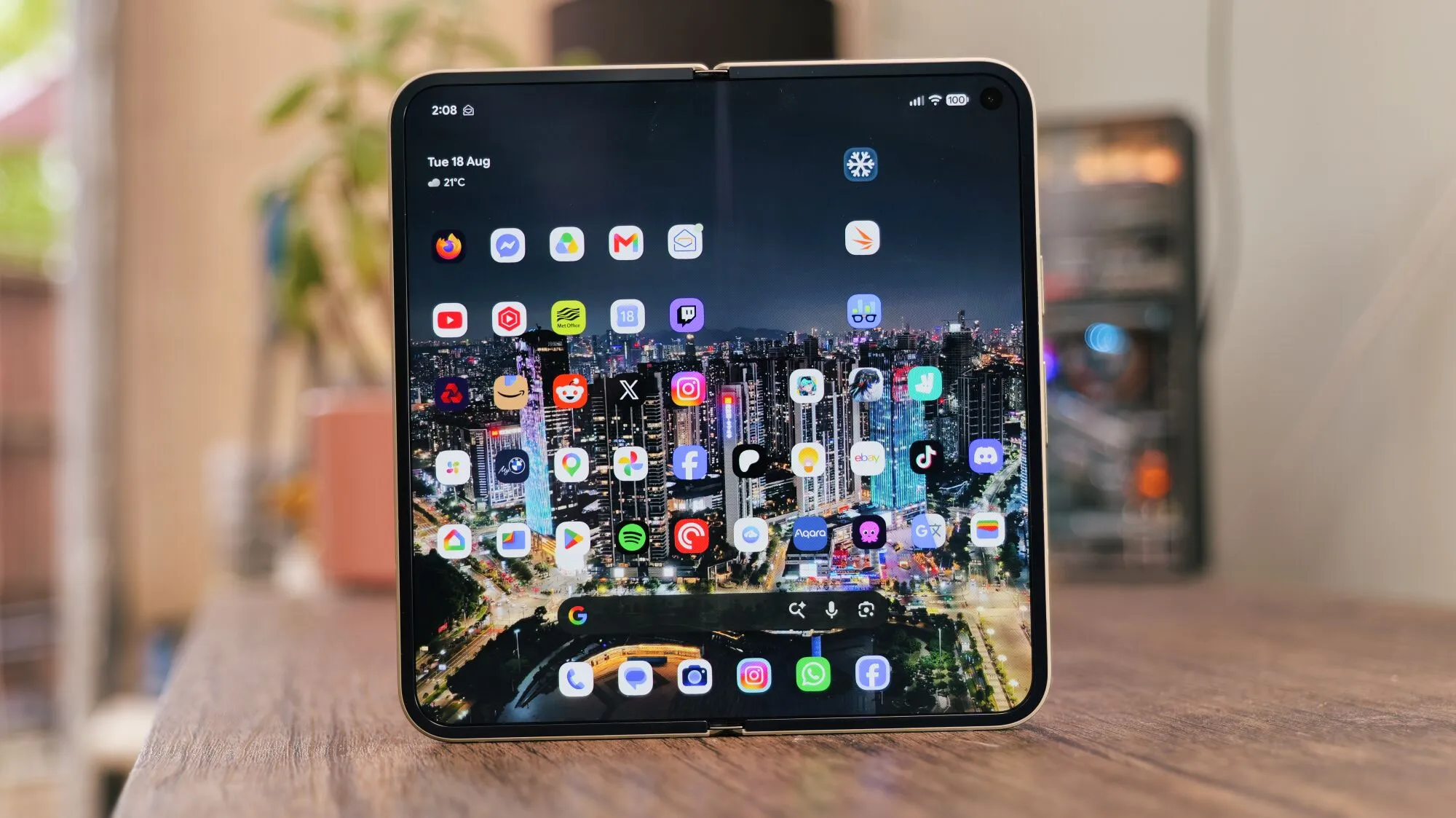
Google has announced that starting in early 2027 every Android app submitted to Google Play must meet a baseline level of foldable compatibility. The move is designed to prevent the kind of fragmented experience seen on the Apple iPhone 15 Duo, where many popular apps still struggle to adapt to the dual‑screen form factor. By making foldable support a non‑negotiable requirement, Google hopes to give owners of devices such as the Samsung Galaxy Z Fold5, Samsung Galaxy Z Flip4, and the newly released Google Pixel Fold a consistent experience across the ecosystem.
What the new adaptive requirements entail
Developers will need to certify their apps as Adaptive ready, the third tier in Google Play’s quality ladder. An Adaptive ready app must be able to run full‑screen on any device, even if the layout is not perfectly optimised for every aspect ratio. The app also has to preserve its state when the device is opened or closed, support multi‑window mode, and recognise external input devices such as keyboards, mice, trackpads, and styluses. In addition, developers are required to upload screenshots that show how the app looks on a foldable device, providing users with a clear visual cue that the app has been tested on a Samsung Galaxy Z Fold5 or a Google Pixel Fold.
Timeline and exceptions for games
The rollout begins in April 2027 for all productivity and utility apps. Games receive a short grace period until August 2027, reflecting the extra effort needed to redesign UI elements for multiple screen configurations. This staggered schedule gives studios time to implement responsive layouts, dynamic scaling, and controller support that works whether the device is folded or unfolded.
Why Google is pushing hard on foldables
The foldable market has grown rapidly since the launch of the Samsung Galaxy Z Fold5 and the more affordable Samsung Galaxy Z Flip4. Consumers are willing to pay a premium for a device that can transform from a pocket‑size phone to a small tablet. However, the value proposition collapses if core apps such as Instagram, WhatsApp, or Microsoft Teams fail to resize correctly. Google’s policy aims to protect that investment and to keep Android ahead of the competition, especially after the mixed reception of third‑party app support on the iPhone 15 Duo.
Impact on developers and users
For developers, the new rules mean updating layout files, testing on at least one foldable device, and adding the required screenshots to the Play Store listing. Google has provided a set of testing tools in Android Studio that simulate fold and unfold events, making the transition smoother. Users, on the other hand, will notice fewer glitches when switching between folded and unfolded states, and they will be able to enjoy a seamless experience on devices like the Google Pixel Fold, Samsung Galaxy Z Fold5, or even future models that may appear later this decade.
Looking ahead
As the foldable form factor matures, we can expect more accessories such as the Apple Watch Series 10 and the iPad Air M2 to integrate with these devices, offering cross‑device continuity and expanded productivity scenarios. Google’s decisive stance on foldable app support signals that the company views this segment as a core pillar of Android’s future, ensuring that developers and users alike benefit from a more reliable and polished ecosystem.