Why the Xiaomi 18 Pro Max Rear Display Is a Game‑Changer for Smartphone Users
Introduction
Xiaomi unveiled its new flagship line at a Paris event this week, and the spotlight fell on the Xiaomi 18 Pro Max. For the first time the company launched the Pro models globally at the same time as the Chinese release, cutting the usual six‑month gap. This shift in timing and strategy signals that Xiaomi is ready to compete head‑to‑head with the Samsung Galaxy S26, Google Pixel 11 Pro and even the Apple iPhone 16 series in markets outside China.
Rear OLED screen – a bold new direction
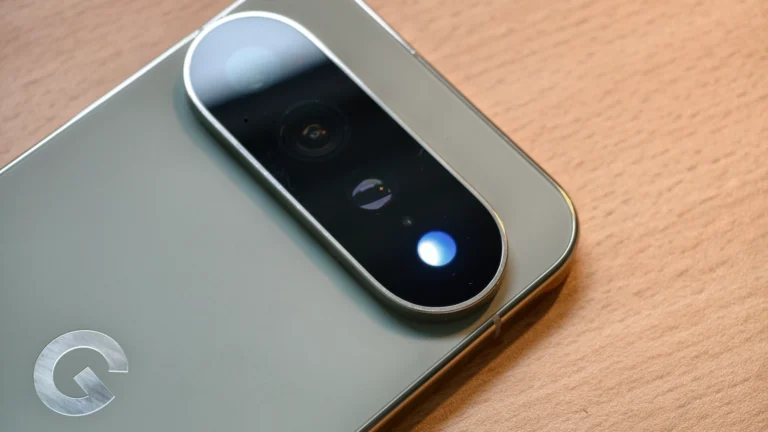
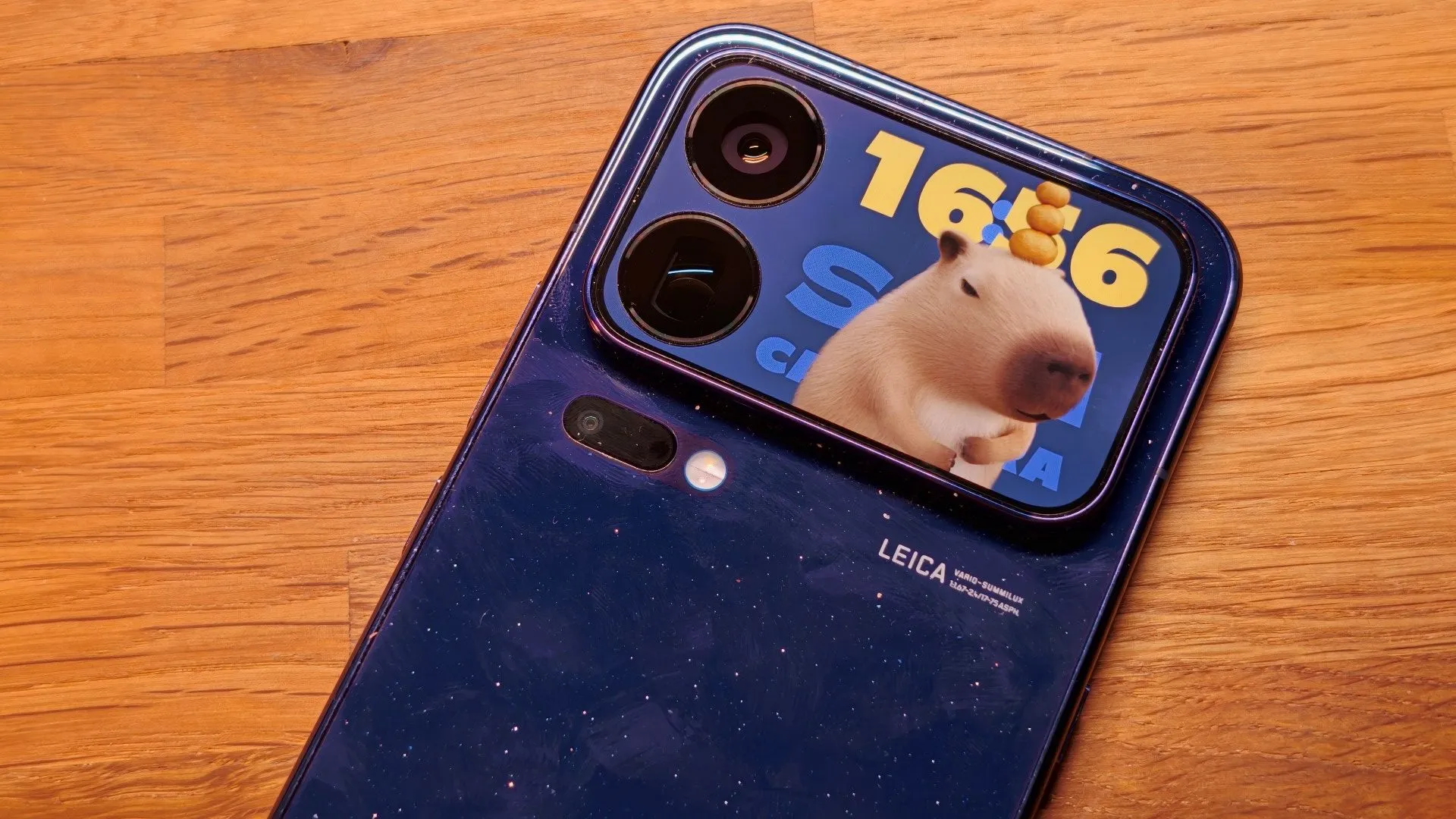
Unlike the Pixel 11 Pro which only added a tiny notification light called HiLight, or the Samsung Galaxy S26 which omitted Qi2 magnets, Xiaomi equipped the 18 Pro Max with a full‑size 2.9‑inch OLED panel on the back of the camera module. The earlier Mi 11 Ultra in 2021 featured a miniature display, but the 18 Pro Max’s screen covers the entire camera housing, offering a usable interface rather than a novelty.
Practical benefits for everyday use
During the past two weeks I have been testing the China‑spec version of the Xiaomi 18 Pro Max. The rear screen provides a sweet spot between visibility and distraction. It is large enough to show a clock, calendar events or incoming notifications, yet small enough that it does not tempt you to stare at it for hours. When I place the phone in a simple wooden stand on my desk, the back display faces me, delivering quick glances at upcoming meetings without unlocking the main screen.
Swiping down reveals recent alerts, while swiping up opens pre‑installed apps such as Desk Calendar and Upcoming Events. I also installed a tiny fidget game called Keycap Press, which offers a brief stress‑relief break without pulling me away from work.
Customization and AI integration
The settings menu on the rear panel is surprisingly deep. Users can choose from animated wallpapers, animal‑themed designs, or personal photos that scroll as you swipe. Live updates for music playback, weather, or fitness stats can be toggled on or off. Xiaomi’s AI assistant can generate custom app cards for the rear screen; after signing into a Xiaomi account I asked for a simple reward system for my three‑year‑old, and the AI produced a functional star‑earning app within minutes. Up to twenty AI‑generated cards are free each month.
Comparison with other manufacturers
While Samsung and Google have focused on refining front‑facing features, Xiaomi is betting on the rear display to differentiate its Android flagship lineup. Honor has already confirmed that its upcoming 700 series will adopt a similar rear screen, suggesting the concept may spread across the Android ecosystem. Apple, however, appears unlikely to add a rear panel to the iPhone 16 or future models in the near term.
Will the rear screen catch on?
Innovation in smartphones has slowed, making the Xiaomi 18 Pro Max’s back display feel fresh. For users who want to reduce overall screen time, the rear panel acts as a dedicated mini‑screen for essential information, keeping the primary display free for immersive tasks. Whether other brands will follow suit remains to be seen, but the combination of productivity‑focused features and playful AI tools gives the Xiaomi 18 Pro Max a compelling reason to stand out in a crowded market.
Conclusion
In my experience the Xiaomi 18 Pro Max rear display is more than a gimmick; it is a practical addition that can improve workflow, provide quick glances at data, and even serve as a tiny gaming console. If you are considering a flagship upgrade and value both innovation and efficiency, the Xiaomi 18 Pro Max deserves serious consideration.