Xiaomi 18 Pro Review: Best Dual-Screen iPhone Alternative for 2024
Xiaomi 18 Pro Arrives Globally as Serious iPhone Challenger
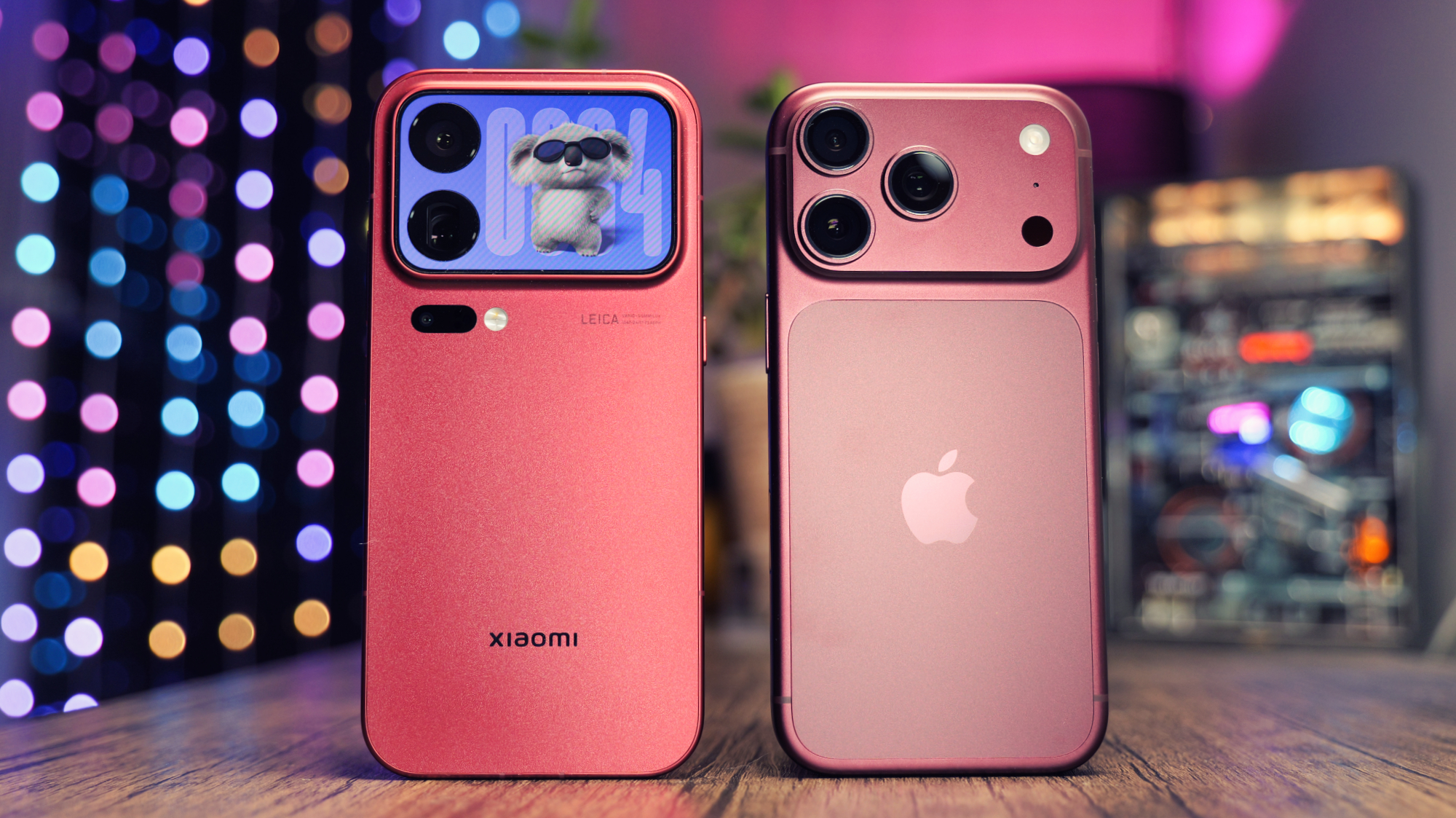
The Xiaomi 18 Pro has finally broken out of its Chinese exclusivity and landed in European and North American markets, positioning itself as a legitimate alternative for iPhone 17e and iPhone 17 users seeking something different. This flagship device arrives with a striking Liquid Glass finish, a centered punch-hole front camera, and its headline feature: a fully functional secondary AMOLED display on the rear panel. At a price point that undercuts the Samsung Galaxy S25 while matching its premium build quality, the Xiaomi 18 Pro demands attention from anyone considering an ecosystem switch.
Design and Build Quality That Rivals Apple’s Best
From the moment you hold the Xiaomi 18 Pro, the attention to detail is evident. The Liquid Glass back panel creates depth and color shifts that rival the iPhone 17’s ceramic shield finish, while the aluminum frame provides reassuring rigidity. The front display curves subtly at the edges, offering a near-bezel-less experience that feels modern and premium. At 6.73 inches, the primary LTPO AMOLED panel delivers 120Hz adaptive refresh rates, 3000 nits peak brightness, and 1440p resolution – specifications that match or exceed the iPhone 17 Pro’s Super Retina XDR display.
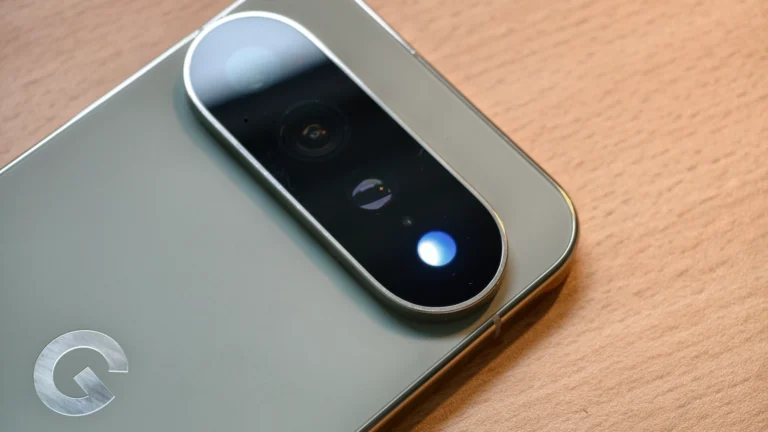
The device feels substantial without being heavy, weighing 212 grams with a 8.49mm profile. IP68 water and dust resistance means it can survive accidental submersion, while Gorilla Glass Victus 3 protects both front and rear surfaces. The camera module protrudes slightly but houses the innovative secondary display rather than just lenses, making the bump feel purposeful rather than purely aesthetic.
Software Experience: iOS Familiarity Meets Android Flexibility
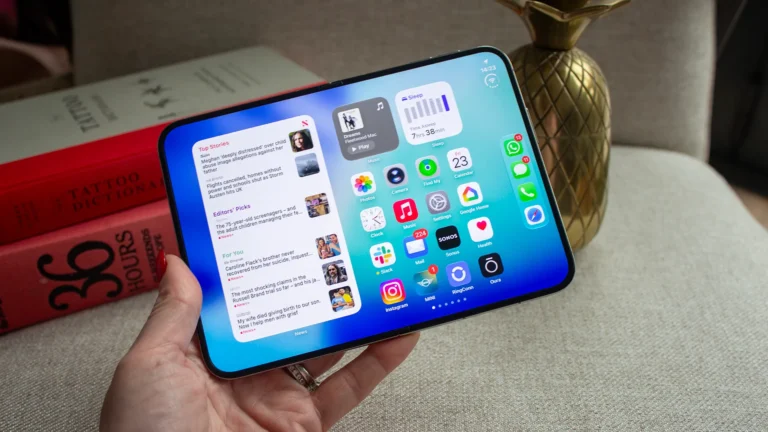
Xiaomi has clearly studied iOS user behaviors when designing HyperOS 2.0. The Dynamic Island-style widget surrounding the front punch-hole camera provides live activity tracking for music, timers, ride-sharing apps, and sports scores – functioning nearly identically to Apple’s implementation. Swiping down from the top-right corner reveals a Control Center replica complete with connectivity toggles, brightness and volume sliders, and media playback controls arranged in the familiar iOS grid layout.
Muscle memory transfers almost perfectly for longtime iPhone users. The haptic feedback engine delivers precise, crisp vibrations that mimic Apple’s Taptic Engine quality. Even the settings menu organization borrows from iOS logic, grouping related options under intuitive categories. However, unlike iOS, HyperOS 2.0 retains Android’s deep customization: icon packs, third-party launchers, split-screen multitasking, and file system access remain available for power users who want them.
The Dual-Screen Innovation: More Than a Gimmick
The 6.8-inch rear AMOLED display is the Xiaomi 18 Pro’s defining feature. Unlike foldable phones that compromise durability for screen real estate, this secondary panel is always accessible, always on, and protected by the same Gorilla Glass Victus 3 as the main display. It serves multiple practical purposes: a high-resolution viewfinder for the superior rear cameras when taking selfies, a notification dashboard that keeps the main screen clutter-free, a widget canvas for weather, calendar, and smart home controls, and even a teleprompter mode for content creators recording video.
During calls, the rear screen can display contact info, call duration, and mute controls without waking the primary display – a genuine battery saver. The always-on functionality supports customizable clock styles, notification previews, and music controls at a fraction of the power draw of lighting the main panel. For productivity, the dual-screen setup enables unique workflows: reference a document on the rear while taking notes on the front, or use the rear as a secondary monitor when connected to a desktop via USB-C DisplayPort output.
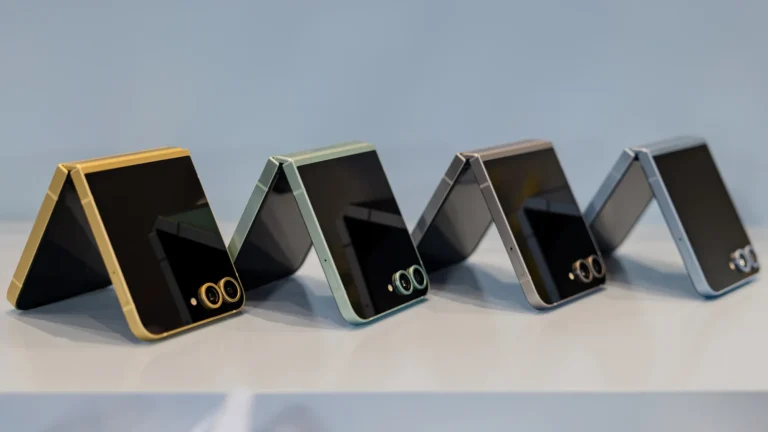
Competitors like the Samsung Galaxy S25 have explored foldable secondary displays, but Xiaomi’s approach avoids hinge mechanisms, crease lines, and durability concerns. The rear panel is simply always there, ready to use, adding zero complexity to the device’s structural integrity.
Camera System: 200MP Dual Sensors Challenge Computational Photography
The rear camera array features two 200-megapixel sensors – a primary 1/1.3-inch f/1.6 lens with OIS and an ultra-wide 1/1.5-inch f/1.9 module. This dual-200MP approach differs fundamentally from Apple’s 48MP main + 12MP ultra-wide strategy on the iPhone 17 Pro. Xiaomi’s larger individual pixel sizes (1.28μm after 16-in-1 binning) capture significantly more light, producing cleaner low-light images with less aggressive noise reduction that can smear fine detail.
Daylight performance is exceptional, with the 200MP mode resolving textures – individual leaves, fabric weaves, distant signage – that the iPhone 17’s 48MP sensor simply cannot match. The ultra-wide sensor maintains consistent color science and dynamic range with the primary, avoiding the quality drop-off common on competing phones. Video capabilities include 8K/30fps and 4K/120fps with Dolby Vision HDR, while the secondary screen enables vlogging-grade self-filming using the superior rear optics.
The 32MP front camera benefits from the rear display’s framing assistance, but even without it, HyperOS 2.0’s portrait engine produces natural skin tones and accurate edge detection. Xiaomi has resisted the oversharpening and excessive smoothing that plagues many Android selfie cameras, delivering results that feel more ‘pro camera’ than ‘phone selfie’.
Performance, Battery, and Charging: Flagship Foundations
Under the hood, the Snapdragon 8 Gen 4 processor paired with 16GB LPDDR5X RAM and UFS 4.0 storage (256GB base, 512GB/1TB options) delivers performance that trades blows with the A18 Pro in real-world usage. Gaming at 120fps in Genshin Impact remains stable for extended sessions thanks to a vapor chamber cooling system that’s 40% larger than the previous generation. The 5,400mAh silicon-carbon battery provides genuine two-day life for moderate users, while 120W wired and 50W wireless charging can refill the tank in 18 and 45 minutes respectively – speeds that make iPhone’s 30W wired feel pedestrian.
Notably, Xiaomi includes the 120W charger in the box, a practice Apple abandoned years ago. Reverse wireless charging at 10W can top up accessories like the Rogbid GeoX2S Outdoor Smartwatch or wireless earbuds on the go.
Cross-Platform Sharing: Bridging the Blue Bubble Divide
One of the biggest friction points for iPhone switchers is losing seamless file sharing with friends and family who remain on iOS. Xiaomi’s Mi Share implementation solves this elegantly: it uses Wi-Fi Direct to create an ad-hoc connection with nearby iPhones, enabling AirDrop-compatible transfers of photos, videos, documents, and even large ProRes files without cloud intermediaries or quality compression. The transfer appears in iOS’s native share sheet, so recipients don’t need a special app or account.
This works bidirectionally – iPhone users can send to the Xiaomi 18 Pro just as easily. Combined with the familiar Control Center interface, the psychological barrier of ‘losing easy sharing’ virtually disappears. For families and friend groups with mixed ecosystems, this feature alone could justify the switch.
Price and Value: Undercutting the Establishment
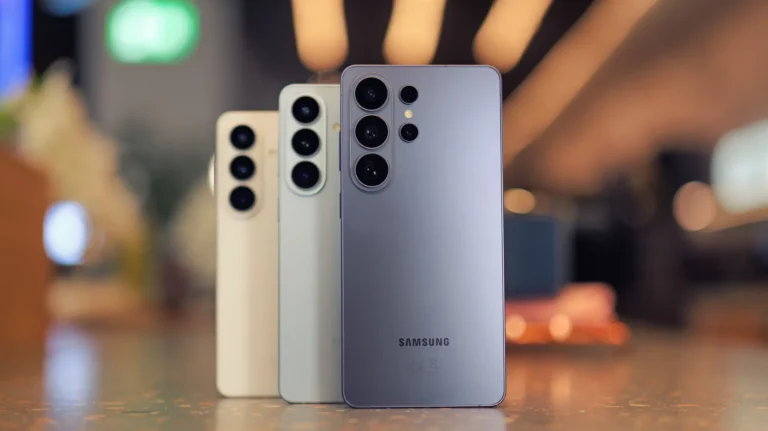
At €999 / $999 for the 256GB model, the Xiaomi 18 Pro undercuts the Samsung Galaxy S25 (€1,099 / $1,099) and iPhone 17 Pro (€1,199 / $1,199) while offering the unique dual-screen hardware. The 512GB model at €1,099 / $1,099 matches the S25’s base price but doubles storage. Color options include Obsidian Black, Moonlight Silver, and a striking Titanium Blue that shifts between navy and teal under different lighting.
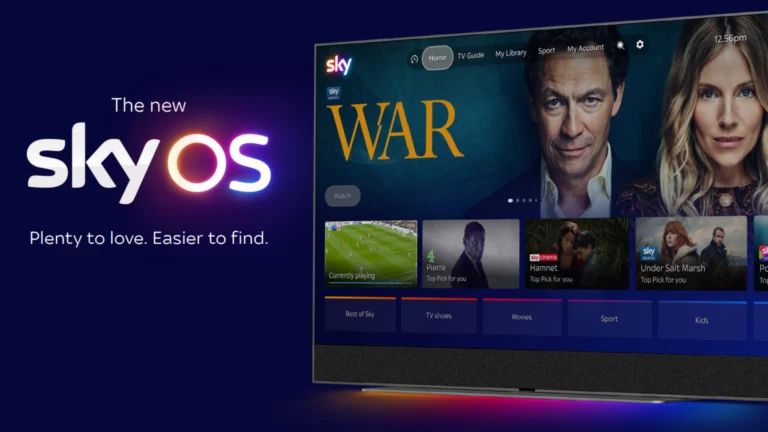
Trade-in programs for recent iPhones offer competitive values, and Xiaomi’s two-year warranty with accidental damage protection (in select regions) adds peace of mind. For users already invested in the Sky ecosystem, the phone integrates with Sky Glass and Sky Stream for seamless content casting and remote control functionality.
Who Should Buy the Xiaomi 18 Pro
This phone targets three distinct user profiles. First, iPhone users curious about Android but intimidated by the learning curve – the iOS-inspired UI elements make the transition nearly frictionless. Second, content creators and power users who will genuinely utilize the dual-screen for vlogging, multitasking, and productivity workflows impossible on single-display phones. Third, value-conscious flagship buyers who want maximum hardware per dollar without compromising build quality or camera performance.
It’s less ideal for users deeply locked into Apple’s proprietary ecosystem (iMessage, FaceTime, AirDrop with non-Mi Share phones, Apple Watch dependency) or those who prioritize five-plus years of guaranteed OS updates – Xiaomi promises three major Android versions and four years of security patches, which trails Apple’s seven-year commitment.
Final Verdict: The Gap Has Narrowed
The Xiaomi 18 Pro represents a genuine inflection point in the smartphone landscape. Its dual-screen innovation isn’t a gimmick but a practical productivity tool, its camera hardware surpasses the iPhone 17 Pro in raw capability, and its software thoughtfully bridges the iOS-Android divide. At $999, it forces a reevaluation of what a flagship should cost and what features it should include.
For the first time in years, switching from iPhone doesn’t feel like a compromise – it feels like an upgrade in specific, tangible ways. Whether you keep an iPhone as a secondary device or commit fully to Android, the Xiaomi 18 Pro proves the choice is now about preference, not limitation. As Samsung’s next flagship rumors swirl, Xiaomi has set a remarkably high bar for 2024’s premium smartphone conversation.
FAQ
Does the Xiaomi 18 Pro work with Apple Watch?
No, the Xiaomi 18 Pro does not support Apple Watch pairing. Apple Watch requires an iPhone for setup and core functionality. Users switching from iPhone would need to replace their Apple Watch with a Wear OS alternative like the Pixel Watch 3 or Samsung Galaxy Watch 7.
Can the rear screen be disabled to save battery?
Yes, the secondary display can be completely turned off or set to only activate for specific functions like camera viewfinder or notifications. HyperOS 2.0 includes granular per-app controls for rear screen behavior, and an always-on mode consumes approximately 3-5% battery per day.
Will Mi Share work with older iPhone models?
Mi Share’s AirDrop-compatible protocol works with any iPhone running iOS 14 or later, covering iPhone 8 and newer models. The feature uses Wi-Fi Direct and standard iOS share sheet integration, requiring no app installation on the receiving iPhone.