DDR6 Memory Standard Delivers 50 Percent More Bandwidth Than DDR5
DDR6 Architecture Breakthrough
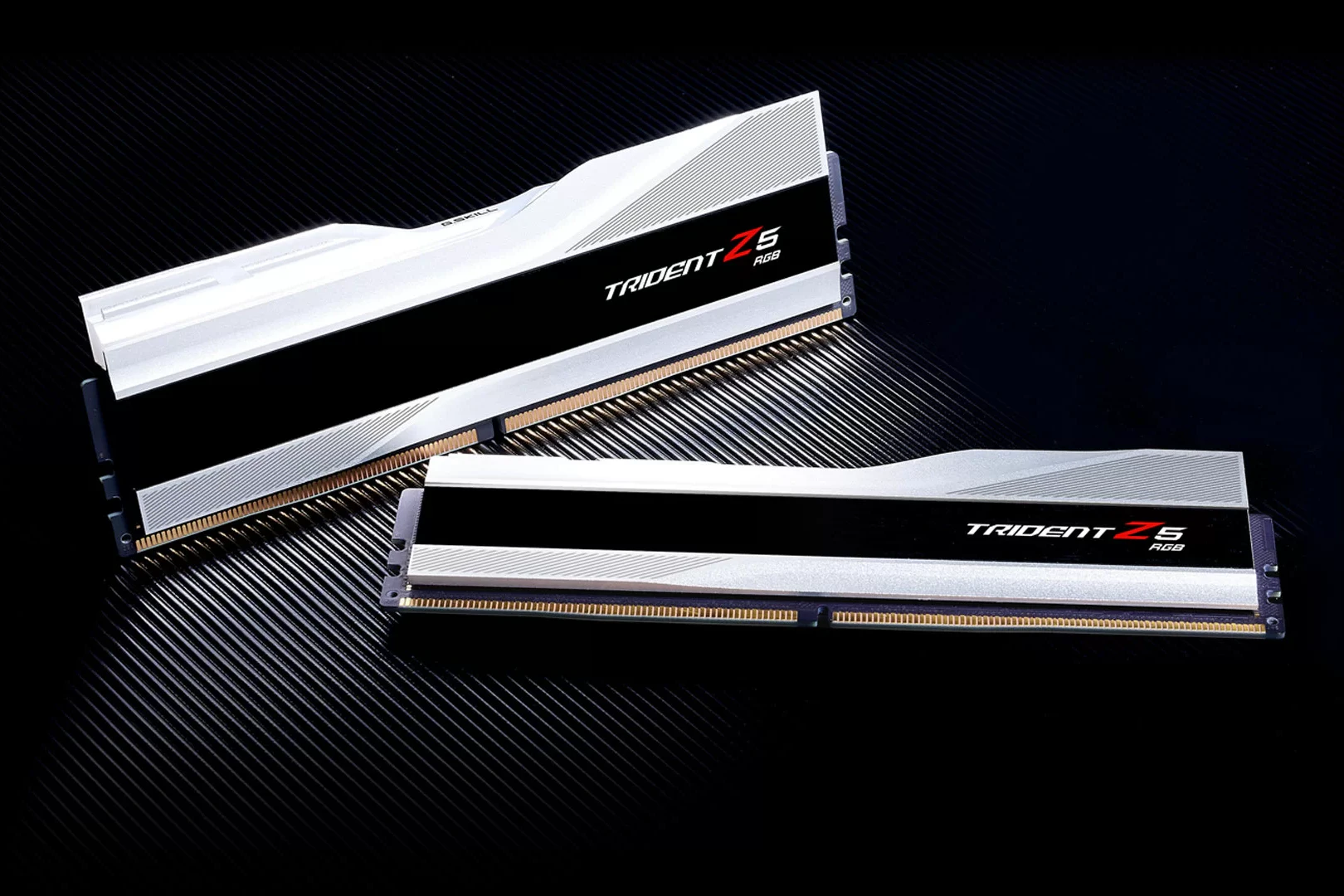
The next generation of system memory is taking shape with DDR6 promising over 50 percent more bandwidth than its predecessor DDR5. This leap comes from a fundamentally wider 50 percent expanded data bus combined with significantly higher transfer rates. Major memory manufacturers including Samsung, Micron, and SK Hynix are already sampling early DDR6 modules to key partners preparing next-generation platforms.
Bandwidth Gains and Transfer Rates
DDR6 achieves its bandwidth advantage through a dual approach. The data bus width expands from 64 bits to 96 bits per channel, a 50 percent increase that directly multiplies throughput. Simultaneously, transfer rates are targeting 12,800 MT/s initially with a roadmap extending to 17,000 MT/s and beyond. This compares to DDR5 typical speeds of 4,800 to 8,400 MT/s. For workloads on platforms like the upcoming Intel Core Ultra 300 series processors and AMD Ryzen 10000 series CPUs, this translates to substantially higher memory throughput for compute-intensive applications.
Compact Module Design
Beyond raw speed, DDR6 introduces more compact module form factors. The new standard enables smaller DIMM and SO-DIMM designs through advanced packaging technologies and higher DRAM die densities. This space savings is crucial for thin-and-light laptops such as the Dell XPS 16 2026 refresh and the anticipated MacBook Pro M5 models where motherboard real estate is at a premium. Server platforms like the Dell PowerEdge R770 and HPE ProLiant DL380 Gen12 will also benefit from higher capacity per slot.
Power Efficiency Improvements
Power efficiency receives significant attention in the DDR6 specification. Operating voltage drops further from DDR5 1.1V to a target of 0.9V for standard modules, with low-power variants pushing even lower. Enhanced power management features include more granular clock gating and improved self-refresh modes. These improvements directly benefit AI accelerators like the NVIDIA GB200 Blackwell GPU and AMD MI350 series where memory power constitutes a growing portion of total system power.
AI Server and Data Center Impact
AI training and inference clusters stand among the primary beneficiaries of DDR6 bandwidth gains. Large language model training on platforms such as NVIDIA DGX B200 systems and Google TPU v6 pods requires massive memory bandwidth to feed thousands of compute cores. The 50 percent wider bus combined with higher frequencies reduces memory bottlenecks that currently limit scaling efficiency. Cloud providers including AWS, Microsoft Azure, and Google Cloud are already qualifying DDR6 for next-generation instance types targeting generative AI workloads.
Consumer PC Timeline
Mainstream consumer adoption follows the server and workstation lead by approximately 12 to 18 months. Intel Arrow Lake and AMD Zen 6 architectures expected in late 2025 through 2026 will introduce DDR6 support first in enthusiast and workstation segments. Gaming laptops like the ASUS ROG Zephyrus G16 2026 and desktop platforms using Intel Z990 and AMD X870 chipsets will bring DDR6 to high-end consumers. Mainstream adoption in systems like the HP Spectre x360 2026 and Lenovo ThinkPad X1 Carbon Gen 13 will follow in 2027.
Industry Adoption Roadmap
JEDEC standardization continues with final specification publication targeted for late 2025. Samsung has demonstrated 12,800 MT/s DDR6 modules using 12nm process technology. Micron is sampling 16Gb and 24Gb density dies to partners. SK Hynix plans volume production readiness by early 2026. The ecosystem including motherboard vendors ASUS, MSI, Gigabyte, and ASRock are validating signal integrity on next-generation platforms. This coordinated rollout ensures DDR6 reaches AI servers first, followed by workstations, then mainstream PCs through 2027.