Don’t Buy a New Phone in 2026
Why You Shouldn’t Buy a New Phone in 2026
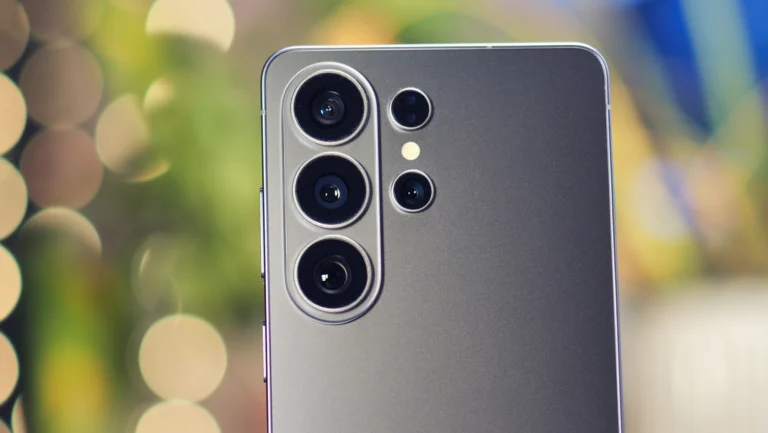
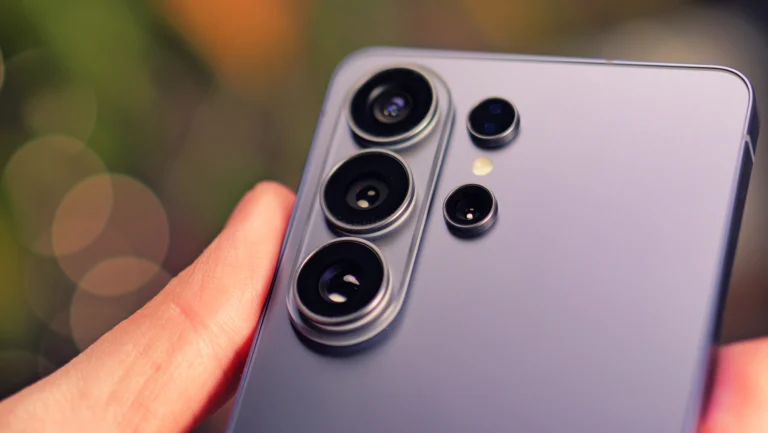
Please don’t buy a new phone in 2026. We’re already halfway through 2026, and some of you may be waiting for the perfect opportunity to buy a new smartphone. Given the many new announcements, I can well understand why you might be tempted to snap up a top-of-the-range model like the Samsung Galaxy S26 Ultra or the Google Pixel 10 Pro XL. But personally, I don’t think that’s a good idea.
The price is too high. There are people for whom a new device simply has to cost a fortune, as it has to be a sort of status symbol. I’ve never been one of those people. For me, the value for money has to be right above all else, and that’s certainly not the case with many of the newly released smartphones, such as the Apple iPhone 15 Pro or the Samsung Galaxy S25.
The Current Memory Crisis
The current memory crisis is doing its bit to drive up the cost of new devices even further. Or it’s leading manufacturers to simply install less RAM, following the example set by companies like Microsoft. At the end of the day, it’s your decision what you want to do with your money. But don’t complain when, in a few months’ time, the latest flagship model is already on your doorstep, offering nothing more than AI features and a 0.3 per cent performance boost.
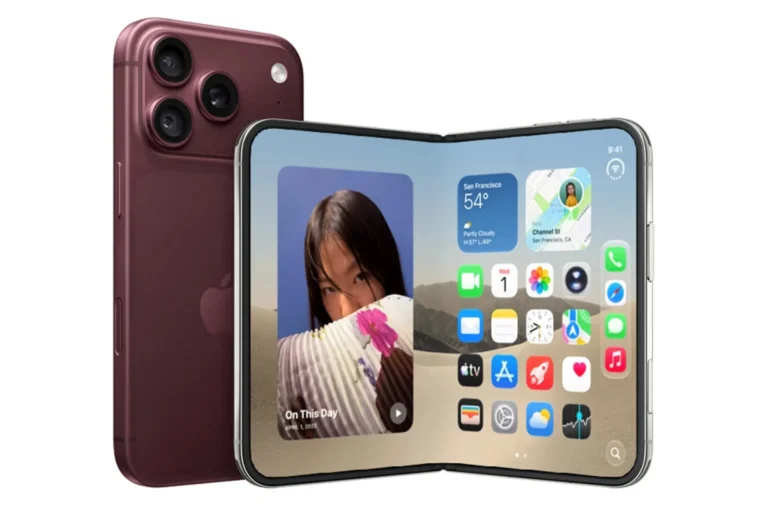
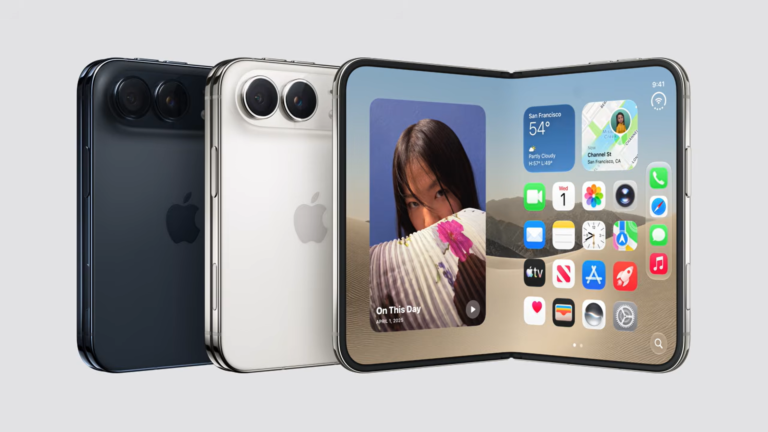
Even our colleagues at Macworld, who usually celebrate every new Apple device, advise giving the upcoming iPhone Ultra a miss. Take their advice and wait for genuine innovations instead. It’s equally worrying when a tech CEO publicly says the best time to buy a phone was yesterday. Memory is now the most expensive component in a smartphone, more expensive than the processor, more expensive than the display, and can account for more than 50% of the total hardware bill.
Old Smartphones Last Longer
Ever since the EU decided that smartphone and tablet manufacturers must provide updates for their devices for five years and supply spare parts for up to seven years, there’s really no longer any reason to buy a new mobile every two years. A device launched in 2025 will, in any case, continue to receive new features and security updates until 2030. So why start eyeing up the next, more expensive model just yet? There’s no need to rush, as your current smartphone will continue to perform well in the future, whether it’s a Samsung Galaxy S24, an Apple iPhone 14 Pro, or a Google Pixel 9 Pro.
Of course, we’d all like our devices to receive the next major Android update as well. As long as that’s the case, you don’t need to worry about missing out on anything. But is that alone worth so much money? I’d say: no. Everything’s getting more expensive at the moment – whether it’s housing, petrol, food or travel. And having a great new smartphone should be the least of your worries, as long as yours isn’t broken.
A Better Option
So my recommendation is: stick with your current device for as long as you can. Or at least until the prices of storage media have stabilised again. Because everything new coming onto the market in 2026 will be affected by this. I can’t say for certain whether things will improve in 2027. The developments fuelled by the hype surrounding artificial intelligence are simply too unpredictable for that. At some point, manufacturers will realise that a new generation of smartphones every year only makes our problems worse.
There are, of course, exceptions. If your current smartphone breaks down or the battery life is no longer acceptable, you don’t have to put up with it. However, a new device should genuinely feel like something new, rather than a minor improvement that’s only really noticeable on paper. It’s best to take a look at the devices that have come onto the market over the last two years and have performed well in our reviews, or a budget device as a stop gap, such as the Samsung Galaxy A54 or the Google Pixel 6a. These are often available at a decent discount and will give you many years of enjoyment. That’s a promise.