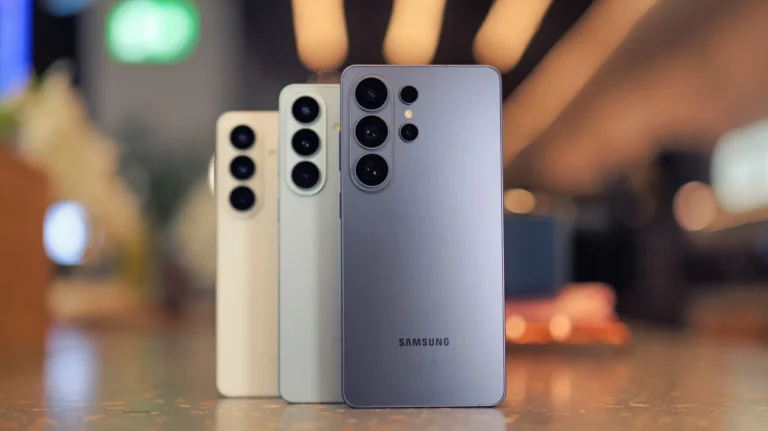
Why Google Pixel 11’s Call for Me Feature Might Not Live Up to Expectations
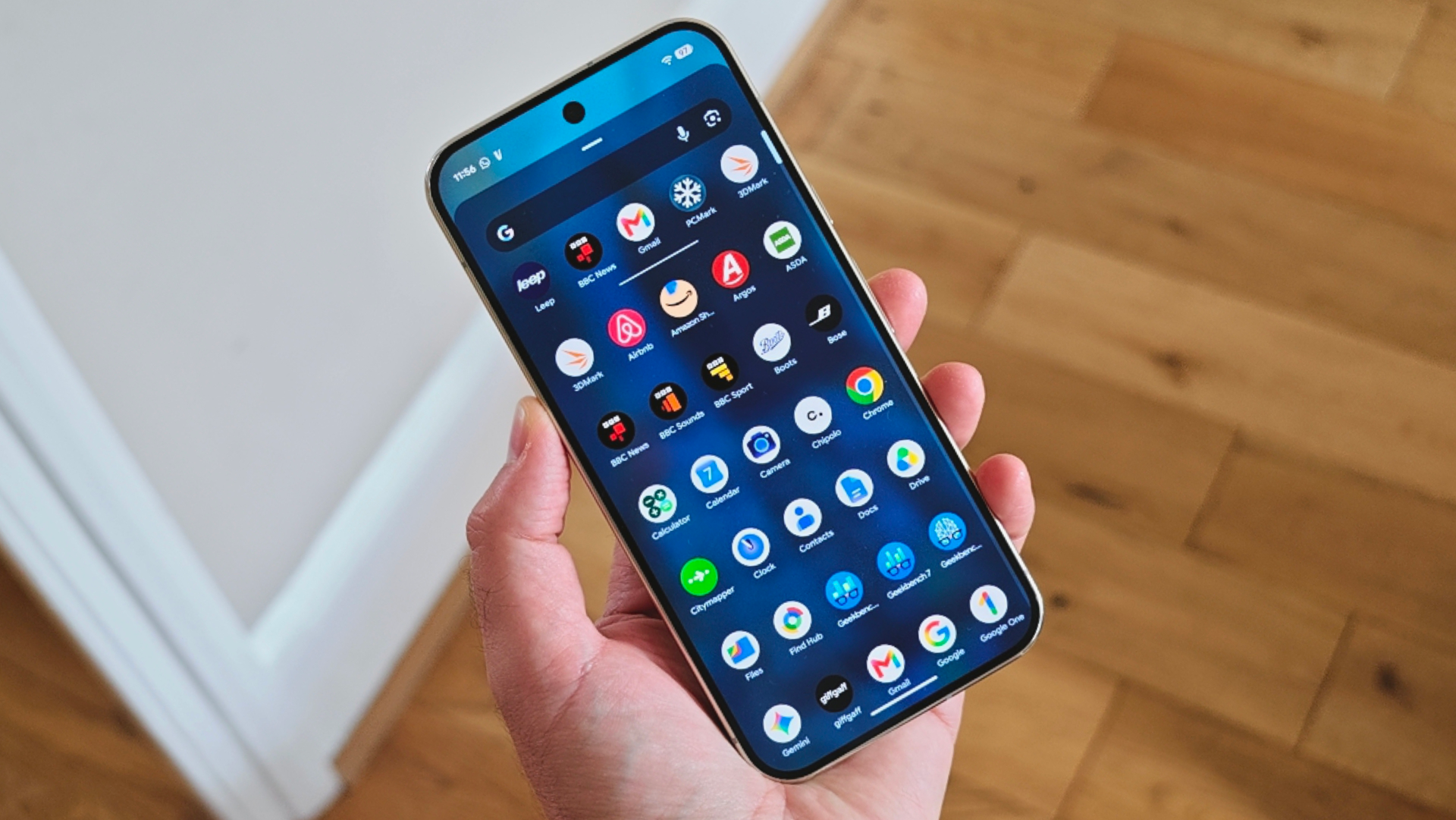
Introducing Call for Me on the Pixel 11
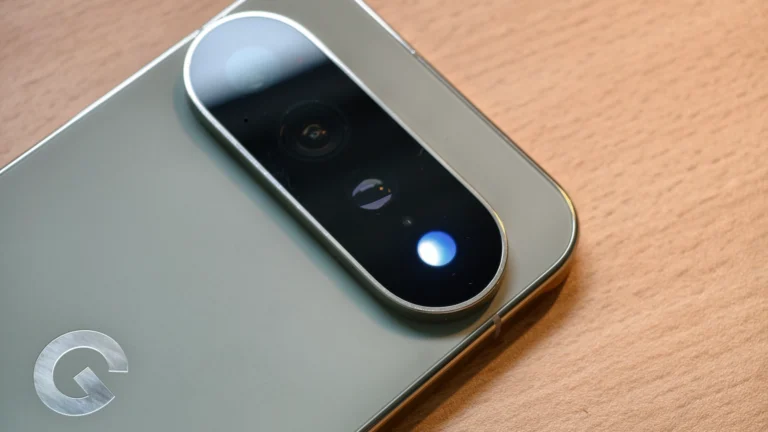
Google is testing a new AI‑driven service called Call for Me on the Pixel 11. The idea is simple: Gemini AI picks up the phone, speaks to a business, and handles routine tasks such as booking a table or moving a dentist appointment. For Gen Z users who dread phone conversations, the promise sounds appealing.
How the feature works in theory
When you ask the Pixel 11 to arrange a reservation, the phone launches a voice call, introduces itself as a Google assistant, and follows a scripted dialogue. The AI can access your calendar, suggest open slots, and even confirm the new time. In a perfect world this would free you from hold music and awkward small talk.
Why real‑world calls are different
Human operators are accustomed to hearing a live voice, not a polished synthetic one. Even with the most advanced text‑to‑speech, the conversation can feel stilted. Staff members often hang up when they suspect a robot, especially given the rise of call scams. A quick disconnect protects them, but it also means the AI fails to complete the task.
Potential for being blocked
Repeated interactions with a robotic caller could lead businesses to block the number entirely. That defeats the purpose of a convenience feature and could even cause you to miss important calls from real people. The Pixel 11 already includes Call Screen, which successfully blocks spam by announcing “Hi, I’m Call Assist by Google” and then hanging up. Call for Me would face the opposite outcome.
Complexities beyond simple scheduling
Many appointments require more than a date and time. A GP surgery may ask for your date of birth, while a dentist might request payment details over the phone. Handing over such sensitive data to an AI raises privacy red flags. Gemini itself admits it can make mistakes, so trusting it with personal identifiers feels risky.
Comparisons with other devices
Other flagship phones are also experimenting with AI assistants. The Samsung Galaxy S25 offers a Bixby voice scheduler, and the Apple iPhone 16 includes Siri shortcuts for calls. However, none of these have a dedicated “call on my behalf” mode. Even the Apple Watch Series 10 can trigger a call, but the user still speaks directly.
Existing Pixel tools that already help
The Pixel line already provides Hold for Me, which silences hold music while you wait. This feature improves the call experience without handing over the conversation to an AI. For most users, combining Hold for Me with Call Screen offers a balanced approach to reducing annoyance while keeping control.
Privacy and error concerns
Beyond the risk of being blocked, there is the question of data handling. Gemini would need access to your contacts, calendar, and possibly payment information. Any breach could expose a wealth of personal details. Moreover, if the AI misinterprets a date or repeats the wrong time, you could end up with a missed appointment and a frustrated service provider.
Should we rely on AI for phone etiquette?
Phone calls, uncomfortable as they may be, serve as a form of adulting. They teach negotiation, tone, and the ability to handle unexpected responses. Outsourcing these interactions to an AI might erode those skills, leaving users even more anxious when a real call is unavoidable.
Conclusion: Proceed with caution
While the concept of Call for Me on the Pixel 11 is innovative, the practical hurdles are significant. Privacy, potential blocking, and the inherent limitations of current AI voice technology suggest that the feature may remain a niche experiment rather than a mainstream solution. Users should weigh the convenience against the risks before enabling the service, especially if they rely on devices like the iPad Air M2 for sensitive work that demands strict privacy.