Why Motorola Signature 27 Might Be the Phone of the Year in 2026
Introduction
When I first heard about Apple iPhone Duo I dismissed it as another pricey foldable that would never fit my usage style. The price tag alone, especially outside the United States, makes it a hard sell for most consumers. Yet the buzz around the device reminded me that the smartphone market is still looking for a breakthrough. In the midst of that chatter the upcoming Motorola Signature 27 has quietly emerged as a contender that could actually win my daily loyalty.
Motorola’s Recent Wins
2026 has been a tough year for flagship phones. Component shortages have pushed many premium models into the luxury price bracket, and genuine innovation feels scarce. Motorola, however, managed to stand out with the Razr Fold, a device that blended nostalgic design cues with a functional camera system. That foldable built on the legacy of the original Motorola Signature, a slim device that impressed me early in the year with its clean software and surprisingly capable camera for such a thin chassis. While the original Signature may not collect awards, it earned a spot on my personal shortlist thanks to its distinctive look and affordable pricing.
What Sets the Signature 27 Apart
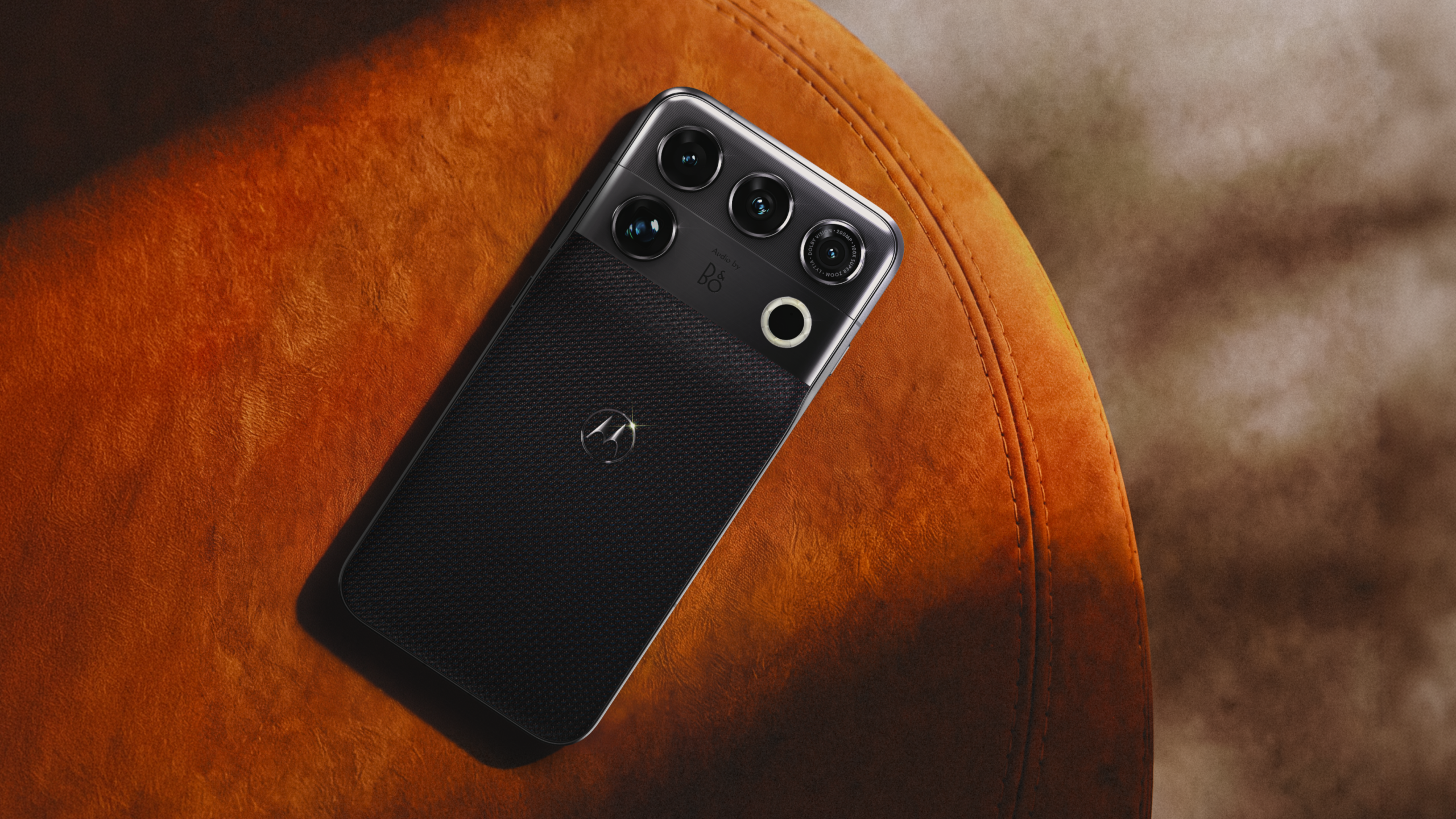
The upcoming Signature 27 takes the best of its predecessor and pushes it further. Its design is bold yet refined, featuring Pantone colour accents and a soft‑touch Tactical Weave finish that replaces the fragile glass found on most flagships. The chassis meets MIL‑STD‑810H military‑grade standards, meaning it can survive drops, dust and temperature extremes without a case. Under the hood, Motorola is expected to equip the phone with Qualcomm Snapdragon 8 Elite Extreme Gen 6, the chipset that will define high‑end Android performance for the next year. Unlike previous models that settled for a lower‑tier variant, this top‑tier chip is paired with an enlarged ArcticMesh cooling system, roughly forty percent larger than the previous generation, promising sustained speed during heavy tasks.
The camera array looks equally ambitious. A new 50MP Sony LYTIA 910 main sensor joins a 200MP periscope telephoto lens, and rumours suggest a secondary telephoto module for flexible zoom options. This setup could give the Signature 27 an edge over Samsung Galaxy S26, which is rumored to lose one of its telephoto lenses in the next Ultra iteration. Audio is another highlight, thanks to a partnership with Bang & Olufsen. The phone will feature multiple sound‑mode presets tuned for music, movies and gaming, and at least one stereo speaker is integrated beneath the rear cover, using the chassis material itself to radiate sound.
How It Compares to Competitors
When stacked against other 2026 releases the Signature 27 feels refreshing. Google Pixel 11 Pro feels like an incremental upgrade to the Pixel 10 Pro, adding a light bar but little else. Apple iPhone 18 Pro follows the same pattern as the iPhone 17 Pro, offering marginal camera tweaks at a higher price. Samsung Galaxy S26 continues the trend of pricier flagships with modest design changes. Even ambitious rivals such as Xiaomi 18 Pro, Honor Magic 9 Pro Max and Oppo Find X10 push hardware limits but require significant UI overhauls to feel distinct. In contrast, Motorola delivers a cohesive package: a striking design, a robust build, a top‑tier Snapdragon, and premium audio, all at a price point that feels more reasonable than most of its high‑end peers.
Final Thoughts
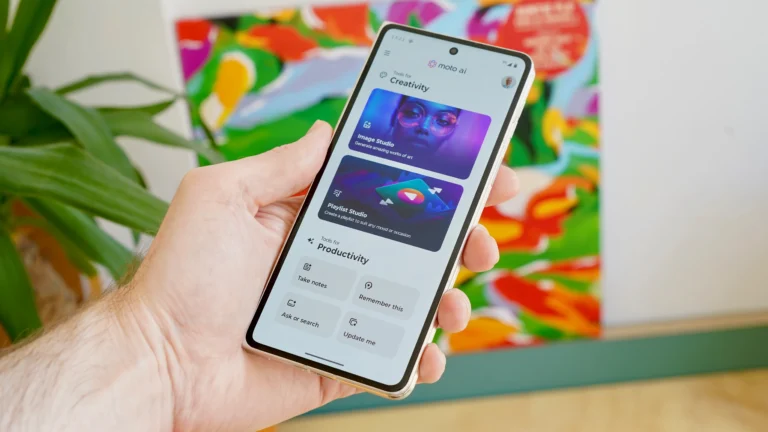
I am not ready to place a pre‑order for the Motorola Signature 27 just yet. I need hands‑on testing to confirm real‑world performance, especially regarding the new AI features that Motorola has hinted at but not fully refined. Pricing will also be a decisive factor; I expect it to sit above the original Signature but hopefully below the inflated costs of the iPhone Duo and Samsung Galaxy S26. If Motorola can streamline its AI approach and keep the price competitive, the Signature 27 could easily become the phone I look forward to using most in the final quarter of 2026.