Luna Band Review: Affordable Subscription‑Free Fitbit Air Rival with Polished App
Overview
The Luna Band arrives as a screenless fitness tracker positioned against the Fitbit Air, Garmin Cirqa, Amazfit Helio Strap and Polar Strap. Priced at £129/$149 it promises a subscription‑free experience, a polished companion app and a lightweight design that fits comfortably on the wrist.
Design and Build
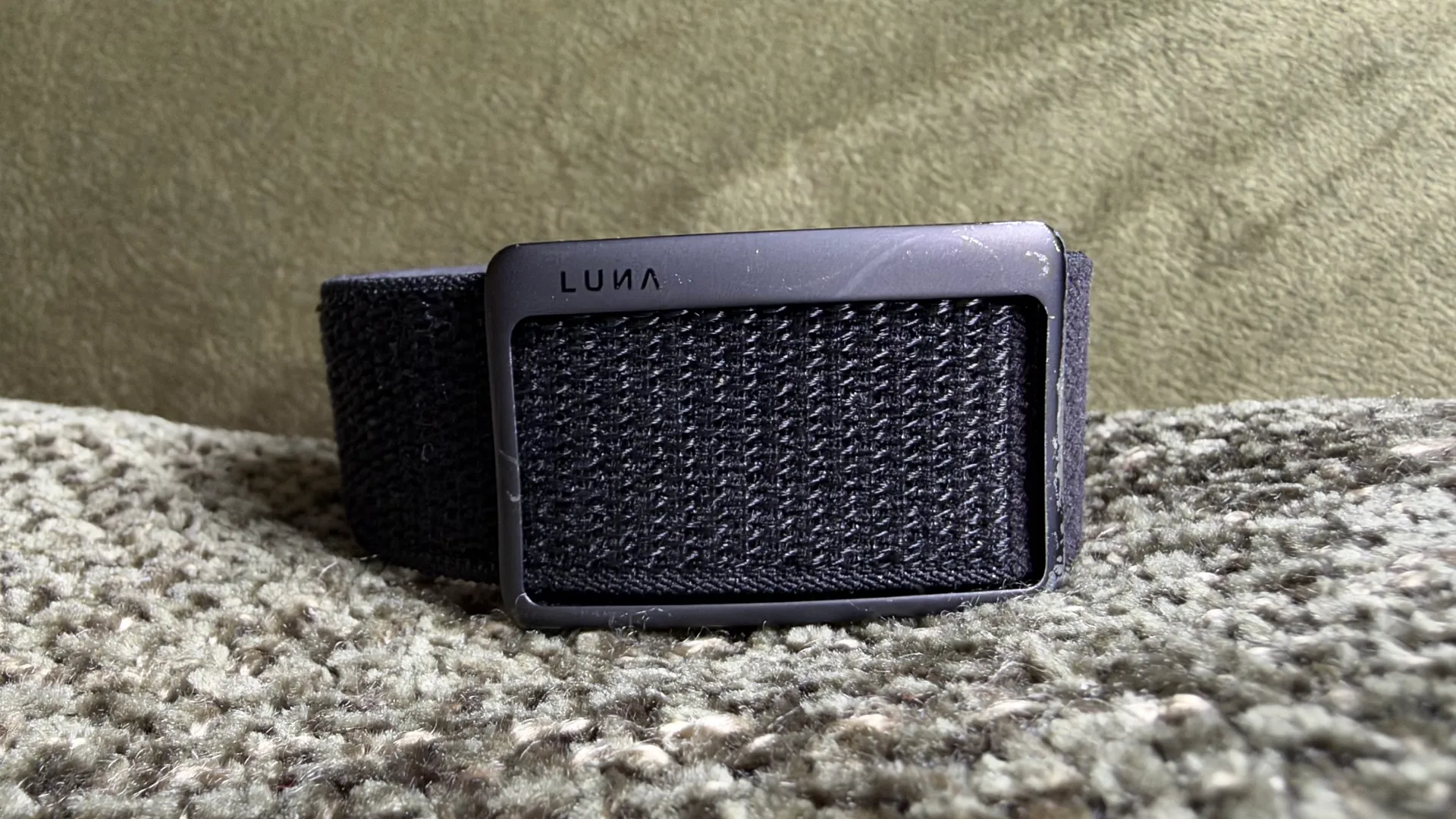
The band uses a nylon strap with a Velcro closure that holds a metal‑buckle sensor module. It ships in black, green and beige, with two strap sizes and optional colour options. At 24g the Luna Band feels as light as a Whoop strap and lighter than the Garmin Cirqa, making it suitable for all‑day wear and sleep monitoring.
There are no physical buttons; a tap on the sensor lights a single LED that indicates battery status, while a subtle vibration warns of low charge. Early use shows the metal buckle can scuff quickly, a drawback compared with the more durable finishes on the Apple Watch Series 10 or Samsung Galaxy S25 accessories.
Health Tracking Features
Inside the band are an optical PPG heart‑rate sensor, accelerometer, gyroscope, skin‑temperature sensor and SpO2 sensor. The data feeds into a dedicated Luna app that integrates with Apple Health and Google Fit. The app offers an app store for add‑ons such as calorie tracking or cycle monitoring, though many are still marked as ‘coming soon’.
The interface displays a circular recovery‑activity‑sleep balance graphic, a stress dial and detailed health tabs. It feels reminiscent of the Ultrahuman ring app, providing glanceable yet insightful metrics like heart‑rate variability, abnormal heart‑rate alerts and a calculated fitness age.
Performance and Accuracy
Sleep tracking captures duration, stages, resting heart rate and respiratory rate. In side‑by‑side tests with an Oura Ring 5 and Garmin devices, the Luna Band reported similar sleep duration and stage distribution, offering useful guidance when sleep targets are missed.
Daytime heart‑rate monitoring aligns with Garmin and Oura, though average values tend to sit slightly higher. SpO2 data was not visible during testing. Step counts matched other trackers, while distance measurements were close but not identical.
Automatic activity detection reliably identified walks and even a half‑marathon run. Manual workouts can be started from the app, using the phone’s GPS for outdoor accuracy. Heart‑rate readings during high‑intensity sessions compared well with a chest strap, but lower‑intensity workouts showed a modest over‑estimate.
Battery Life and Charging
The Luna Band delivers up to ten days of battery life, a few days more than the Fitbit Air and on par with the Garmin Cirqa. A full charge takes about sixty minutes using the proprietary USB‑C charger that clips to the rear of the device. Battery level is indicated by the LED and a low‑battery vibration, with a phone notification prompting a recharge.
Pricing and Verdict
At £129/$149 the Luna Band sits between the cheaper Fitbit Air (£84/$99) and the pricier Garmin Cirqa (£179/$179). All costs are upfront; there is no hidden subscription fee, a clear advantage over Whoop’s recurring model.
Overall the Luna Band offers solid health tracking, a well‑designed app and comfortable wear. Its design lacks the premium feel of the Apple Watch Series 10 or the sleek metal of the Whoop strap, and the buckle’s early scuffing is a concern. For users seeking an affordable, subscription‑free tracker with a strong software experience, the Luna Band is a compelling choice.