Make Privacy Screens Optional on the Samsung Galaxy S27 Ultra for Consumer Freedom
Privacy Screens Are One of the Few Real Innovations
In a market where most smartphone upgrades amount to a few extra nits or a marginally higher megapixel count, privacy screens stand out as a genuinely new hardware feature. They let you shield your content from prying eyes on a crowded train or in a coffee shop, and the technology has finally moved from an aftermarket sticker to an integrated part of the display.
Built‑In Privacy on Samsung Galaxy S26 Ultra and Competitors
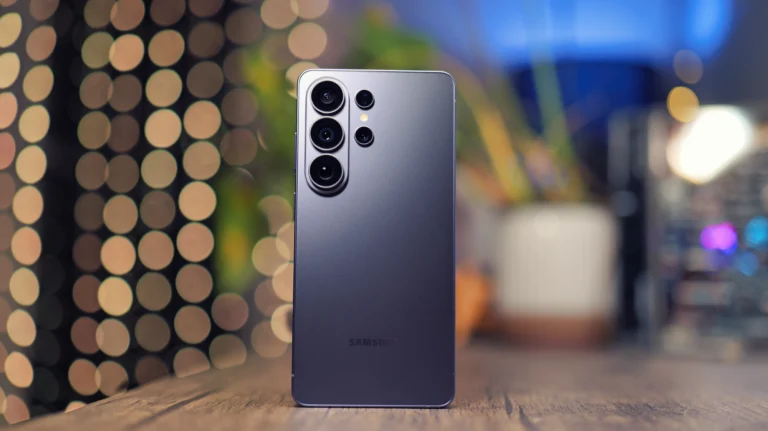
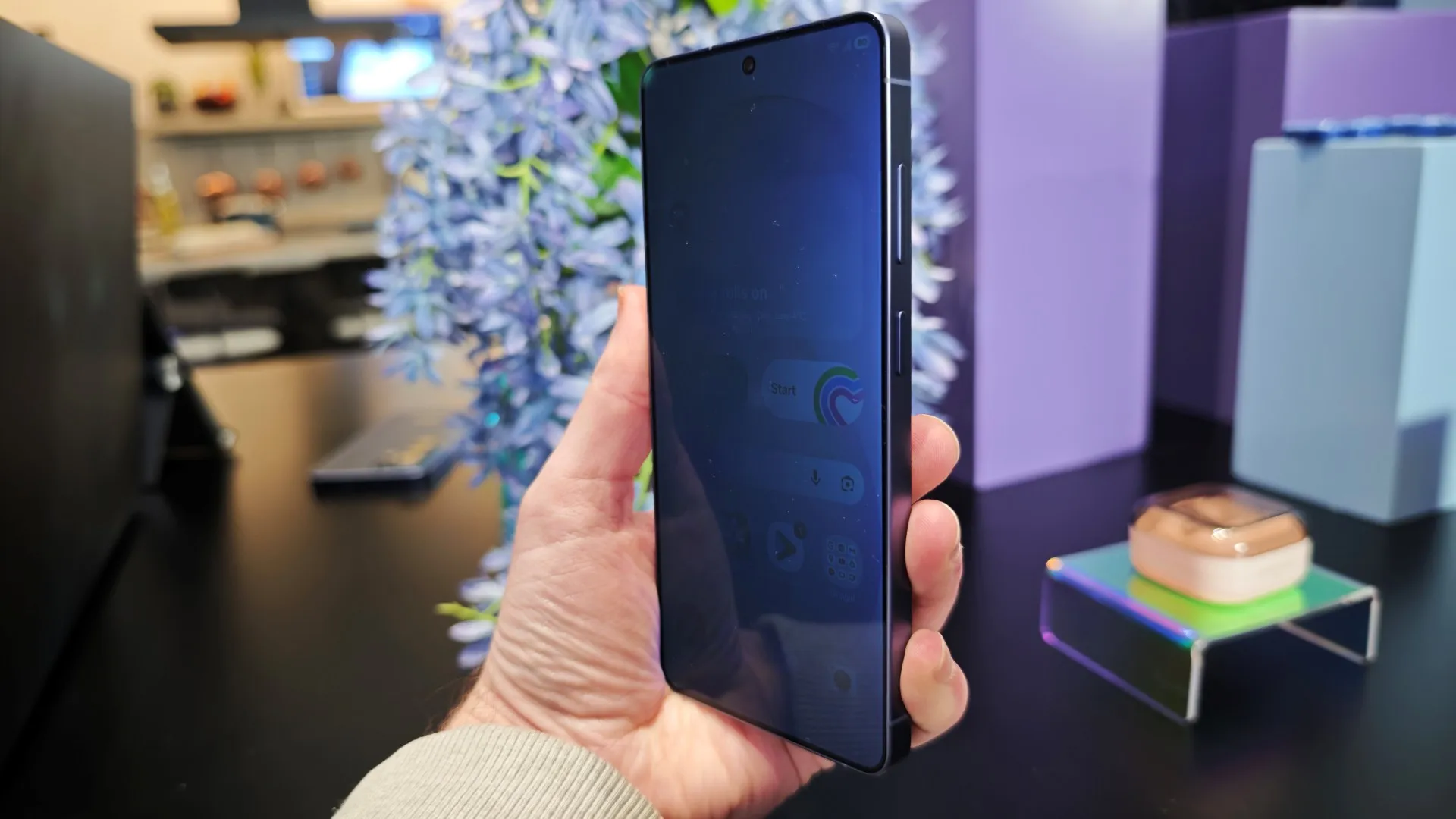
The Samsung Galaxy S26 Ultra was the first flagship to ship with a privacy display baked directly into the panel. Xiaomi followed suit with its 18 Pro series, offering a similar on‑screen solution that can hide specific sections of the screen for notifications or floating apps. Seeing the effect live at the Galaxy S26 pre‑briefing in London made me think that true hardware‑level privacy could finally become mainstream.
Why the Current Implementation Falls Short
Despite the wow factor, early adopters reported a noticeable dip in overall display quality even when the privacy mode was turned off. Users described lower peak brightness, narrower viewing angles, and fuzzy text that made reading uncomfortable. Some even experienced eye strain after a short period of use. The root cause is that altering the way pixels emit light inevitably introduces trade‑offs, and the current generation of panels has not yet mastered the balance.
Offer Privacy as an Optional Extra
The simplest solution would be to give consumers a choice at the point of purchase. Samsung could produce the upcoming Galaxy S27 Ultra in two variants: one with a conventional AMOLED panel and another with the privacy‑enabled panel. Retailers would then list both models side by side, allowing shoppers to pay a premium only if they value the added privacy. This approach adds only a modest increase in manufacturing complexity while preserving the brand’s reputation for choice.
Consumer Choice Is Already the Norm
Tech companies routinely ship multiple configurations of the same device. For example, the Xiaomi Redmi Pad 2 Pro is sold in a Matte Glass Display version for users who prefer reduced glare, and Apple offers the iPhone 15 Pro in both standard and higher‑capacity battery models for different market needs. Providing a privacy‑screen option for the Galaxy S27 Ultra would simply extend this well‑established practice to a new feature set.
Looking Ahead to the Galaxy S27 Ultra
If Samsung embraces an optional privacy display, the Galaxy S27 Ultra could set a new standard for consumer‑centric design. Users who travel frequently or work with sensitive data would benefit from the built‑in protection, while those who prioritize brightness and colour accuracy could stick with a traditional panel. Until the engineering challenges are fully resolved, offering a choice is the most pragmatic path forward and would likely win applause from both reviewers and everyday users.