Why Built‑In Privacy Screens Should Remain an Optional Smartphone Feature
Privacy Screens Arrive Built In
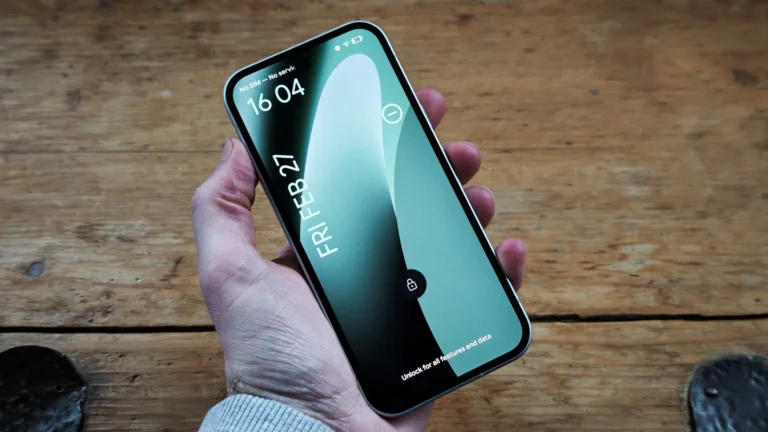
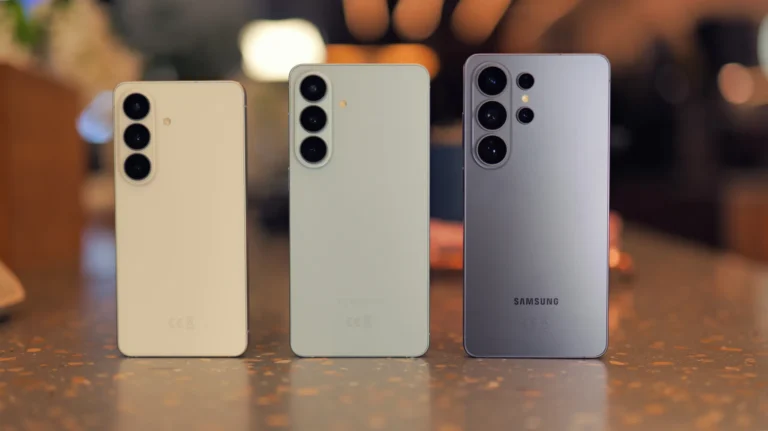
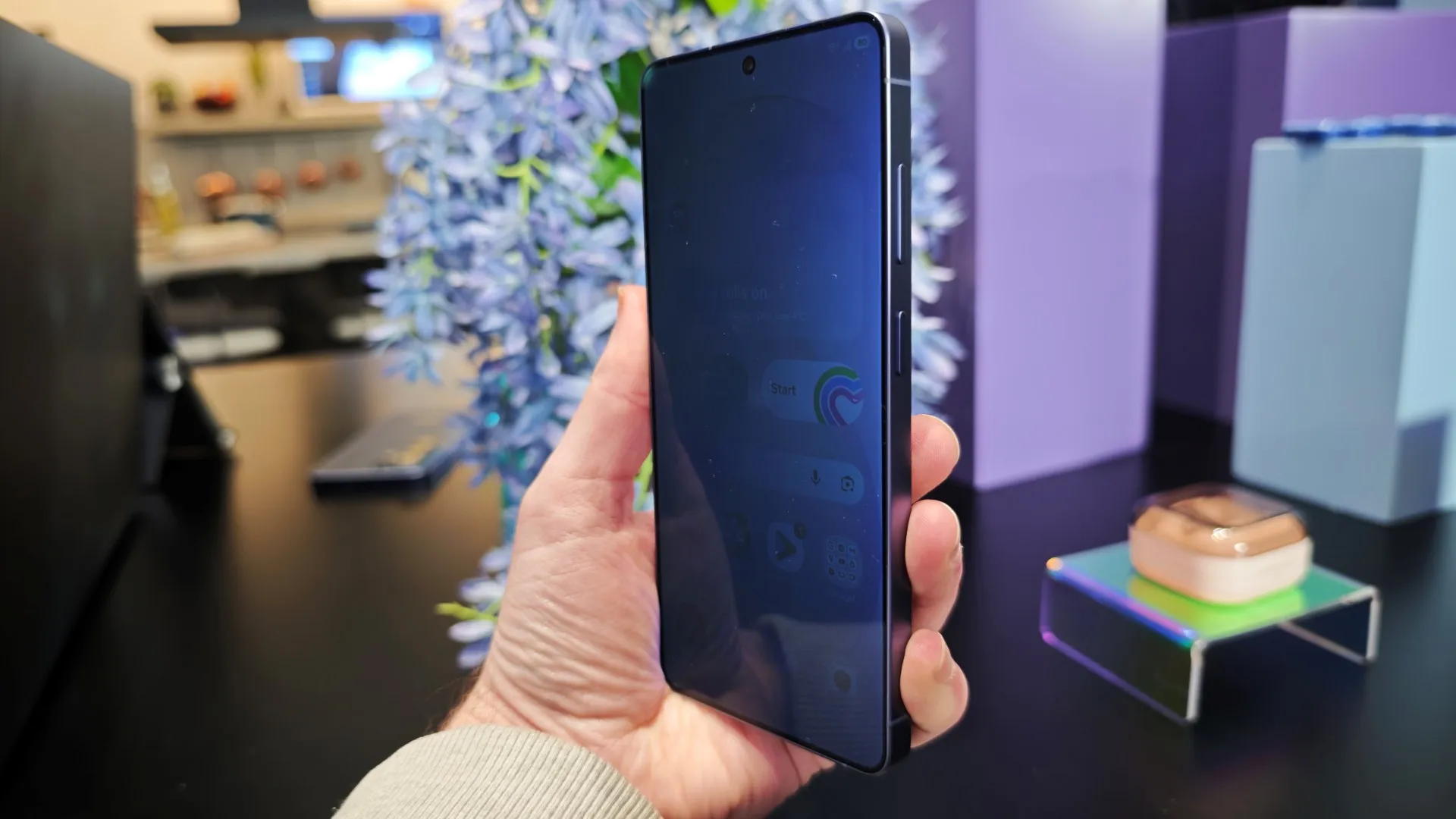
Smartphone makers have finally moved privacy screens from aftermarket stickers to a native part of the display. Samsung introduced the feature with the Galaxy S26 Ultra, and Xiaomi followed with its 18 Pro series. The technology narrows the viewing angle so that only the person holding the phone can see the content, while anyone sitting beside you on a train or in a coffee shop sees a darkened panel. Some implementations even allow a specific region of the screen – such as a notification bar or a floating app – to stay private while the rest of the display works normally.
What Users Are Experiencing
Early adopters of the Galaxy S26 Ultra reported that the privacy mode is impressive when active, but the trade‑offs appear even when the feature is turned off. Reviewers noted lower peak brightness, reduced colour vibrancy, and narrower viewing angles that make the screen look washed out from the side. Text can appear slightly fuzzy, and a few users said the display caused eye strain after prolonged use. Similar complaints have surfaced for the Xiaomi 18 Pro, suggesting that the underlying panel design still needs refinement.
Why Optional Privacy Displays Make Sense
The engineering challenge lies in altering the way pixels emit light, which inevitably affects overall panel performance. Samsung Display and other manufacturers will likely improve the technology over time, but the current compromise is enough to give consumers a reason to choose a traditional display instead. Offering two variants – a standard high‑end screen and a privacy‑enabled screen – would let shoppers decide whether they are willing to pay a premium for privacy or prefer the best possible visual experience.
From a production standpoint the change is straightforward. Samsung could release the Galaxy S27 Ultra in two batches, one with a conventional OLED panel and another with the privacy‑enhanced OLED. Retailers could then list both options side by side, clearly indicating the price difference. This mirrors how companies already sell multiple battery capacities, storage sizes, or colour finishes for the same model.
Consumer Choice and Future Outlook
Giving buyers the option respects the diversity of user needs. Not everyone works in public spaces, and many people simply want the brightest, most colour‑accurate screen for media consumption. At the same time, business travellers, journalists, and privacy‑concerned users would gladly pay extra for a built‑in shield that protects sensitive information.
Looking ahead, we may see the privacy display become a selectable accessory rather than a default feature. Apple has not yet introduced a comparable solution for the iPhone 16 Pro, but the pressure from Samsung and Xiaomi could encourage a similar approach across the industry. Until the technology matures, offering an optional privacy screen is the most consumer‑friendly path.
In summary, the built‑in privacy display is a remarkable step forward, yet its current drawbacks make an optional model a sensible compromise. By providing both a regular OLED and a privacy‑enabled OLED, manufacturers can preserve visual quality while still catering to the growing demand for on‑the‑go data protection.