Why Samsung Galaxy S26 Price Hike Feels Unfair to Loyal Customers
Unexpected Price Increase
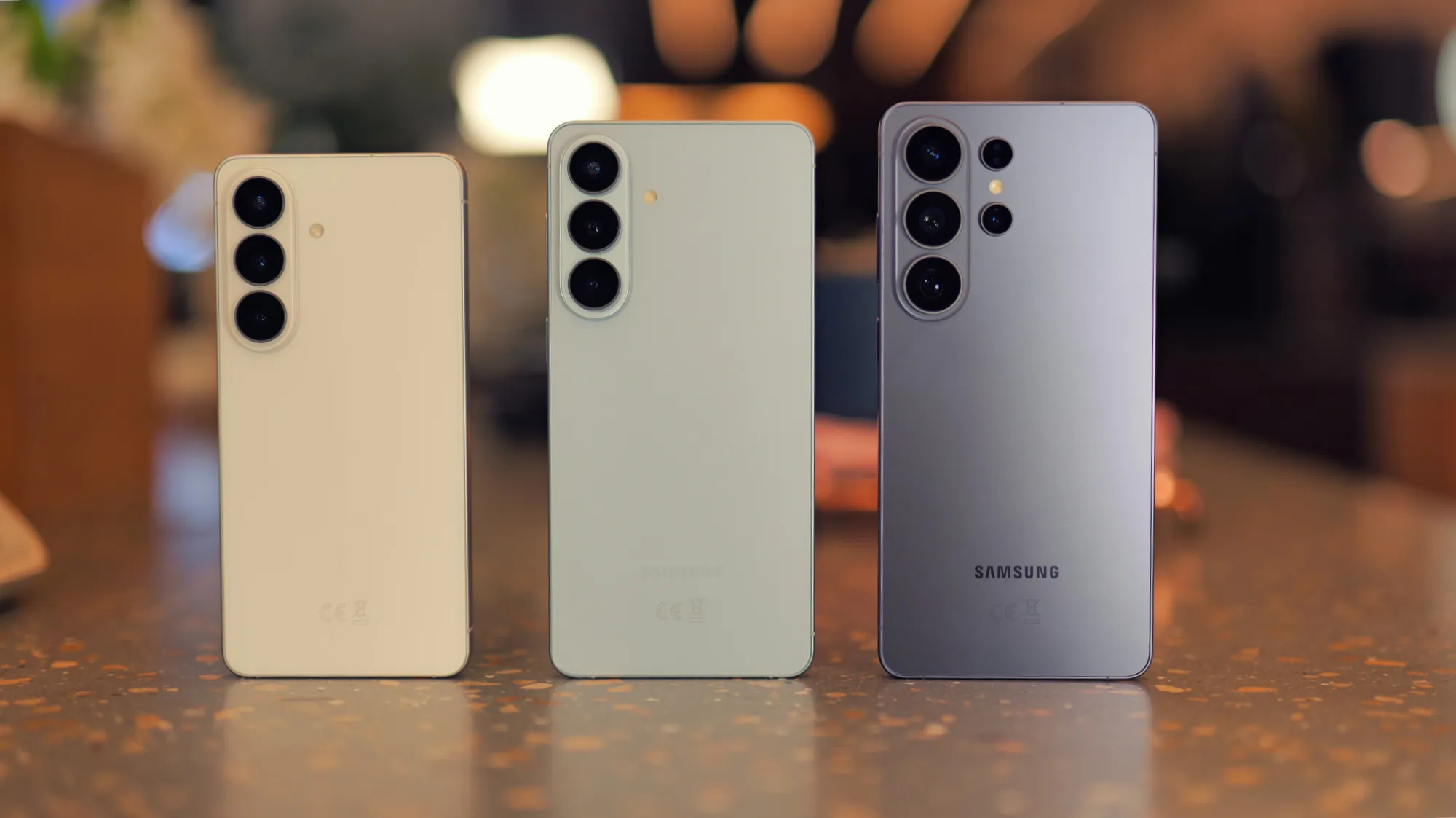
In March 2026 Samsung launched the Samsung Galaxy S26 family – the base S26, the larger S26+, and the premium S26 Ultra. At launch the advertised starting prices were competitive, with the S26 Ultra listed at around £1,280/$1,300. Seven months later Samsung quietly raised the entry price of every model by roughly £80/$100. The new baseline for the S26 Ultra now sits at £1,360/$1,400, a jump that feels excessive for a phone that has been on the market for less than a year.
The Lack of Transparency
What makes the hike particularly irksome is the way it was executed. Samsung issued no press release, no email to existing owners, and no public statement on its website. The price change simply appeared on retailer listings, leaving shoppers to discover the increase on their own. This stealth approach suggests a disregard for customer trust, as if the company assumes buyers will not notice or care.
RAM Shortage Justification
Samsung points to the global RAM shortage – often dubbed RAMageddon – as the primary driver of higher component costs. Indeed, semiconductor prices have surged, and manufacturers across the industry have felt the pressure. While it is reasonable for new flagship models to carry a higher price tag to cover rising production expenses, inflating the price of an existing device after launch crosses a line. Consumers who bought the S26 in March now face a higher resale value and a larger out‑of‑pocket cost if they wait to upgrade.
Comparisons with Apple
Apple faced similar criticism when it lifted the price of the iPhone 17 by $100 while unveiling the iPhone 18 Pro series. However, Apple announced the change a full year after the iPhone 17’s debut, giving buyers ample time to purchase at the original price or consider the newer model. Samsung’s timing – coinciding with the release of the S27 rumors – feels more like a strategic squeeze rather than a transparent cost adjustment.
What Consumers Can Do
Potential buyers now have a few options. Those who need a new phone immediately can still get the Samsung Galaxy S26 Ultra, but they must accept the higher price. Shoppers willing to wait might benefit from the inevitable discounts that usually appear six months after launch, though Samsung’s recent behavior makes it unclear when those will arrive. Finally, consumers can voice their concerns through social media, forums, and direct feedback to Samsung, urging the company to honour original launch prices or at least provide clear explanations for future adjustments.
Looking Ahead
The Samsung Galaxy S26 price hike serves as a reminder that even industry giants can alienate their most loyal customers with opaque pricing strategies. While component shortages are real, the solution should involve transparent communication rather than silent price hikes. If Samsung wants to maintain its market leadership, it must balance financial pressures with respect for the consumer base that fuels its success.