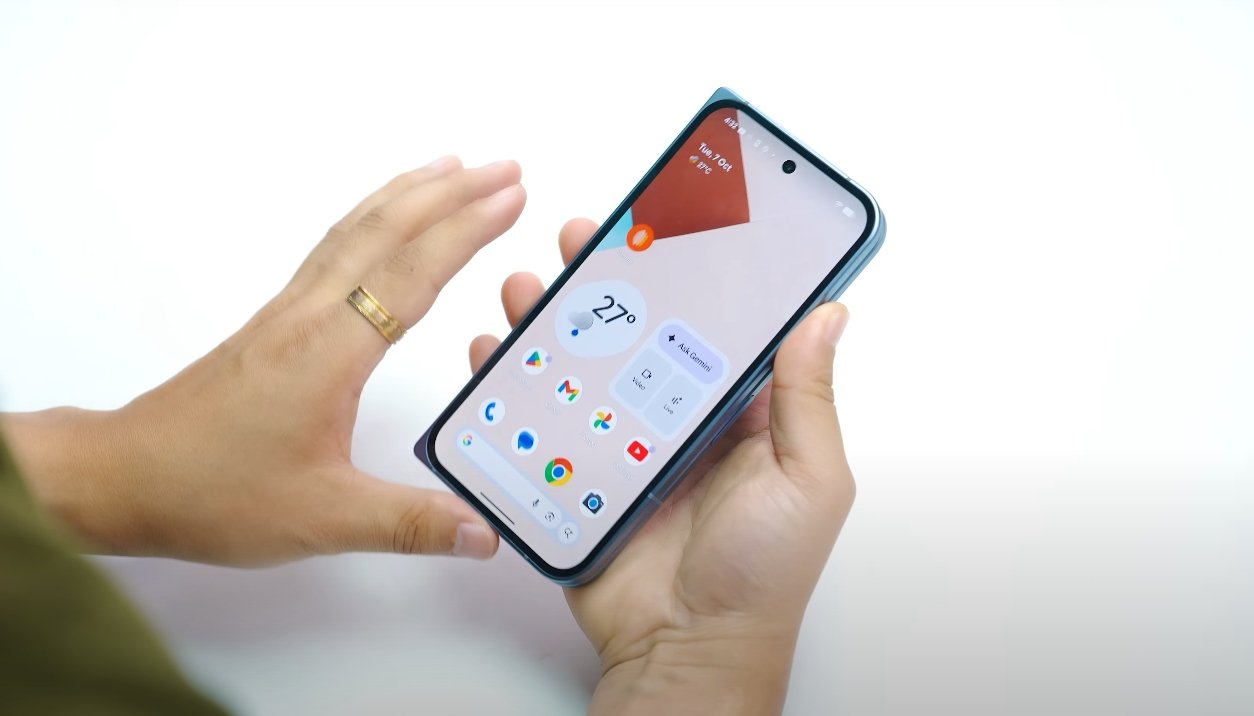
Pixel 10 Pro Fold preorder offers for USA buyers

Pixel 10 Pro Fold preorder offers for USA buyers

Major preorder deals, discounts, and bonuses revealed for American buyers

The highly anticipated Google Pixel 10 Pro Fold is now available for preorder in the United States, and early buyers are being greeted with a wave of attractive offers from Google, major carriers, and leading retailers. With the foldable phone set to launch officially later this month, these promotions are aimed at driving early interest while rewarding loyal Pixel fans eager to upgrade. From trade-in credits to gift cards and financing options, the range of preorder incentives reflects how competitive the premium smartphone market has become in 2025.

Starting with the Google Store, buyers can take advantage of an official preorder deal that includes $350 in Google Store credit for unlocked Pixel 10 Pro Fold purchases. This offer is expected to run for a limited time while supplies last. Additionally, Google is offering generous trade-in values of up to $760 depending on the device and its condition. Owners of recent flagship models like the Pixel 9 Pro Fold, iPhone 16 Pro, or Galaxy Z Fold 6 stand to receive the highest credits. Customers who preorder directly through Google will also enjoy free shipping and early delivery, with most devices expected to ship around October 9.

Over at Verizon, the deals get even more aggressive. The carrier is offering up to $1,000 off the Pixel 10 Pro Fold when customers trade in an eligible phone and activate the device on Verizon’s Unlimited Ultimate plan. Those who prefer installment payments can opt for 0% APR financing at $49.99 per month for 36 months, bringing the flagship foldable within reach for users who prefer to pay over time. Verizon is also including exclusive color variants and storage configurations not available elsewhere, giving its customers an added reason to preorder through the carrier.

Pixel 10 Pro Fold preorder offers for USA buyers

Best Buy is another strong option for U.S. buyers. The retailer is offering a $350 Best Buy gift card with every Pixel 10 Pro Fold preorder, regardless of trade-in. However, customers who choose to trade in a device can further boost their total savings. Best Buy’s trade-in program adjusts values based on the model and its working condition, and buyers can also combine this with carrier activation offers for even greater discounts. The retailer is emphasizing quick pickup or fast shipping options to ensure early buyers get their foldable phones on release day.

Meanwhile, Amazon is promoting a preorder package that includes a $300 gift card with every purchase of the unlocked Pixel 10 Pro Fold. Although limited in duration, this deal is appealing to Prime members who prefer Amazon’s faster delivery network and flexible return policy. Other carriers, such as Xfinity Mobile and AT&T, are running similar offers that pair trade-in bonuses with bill credits spread across two to three years of service. In some cases, even customers without a trade-in can still receive smaller upfront discounts or promotional billing adjustments.

These preorder incentives highlight how competitive the foldable phone market has become in the U.S., where Samsung, OnePlus, and now Google are all battling for dominance in the premium Android space. The Pixel 10 Pro Fold, featuring Google’s latest Tensor G4 processor, advanced AI capabilities, and improved hinge durability, is positioned as one of the most powerful and refined foldables yet. For many consumers, the preorder bonuses help justify the device’s steep starting price of $1,799, especially when combined with trade-in credits or store rewards.

However, shoppers should pay attention to fine print. Many of these deals require customers to meet specific conditions, such as maintaining certain data plans, financing terms, or activation requirements for the duration of the promotion. Store credits and gift cards may also have expiration dates or usage restrictions. Those looking to maximize their savings should compare offers across retailers and carriers before committing to a preorder.

In short, the Pixel 10 Pro Fold’s preorder season brings some of the most generous incentives Google has ever offered for its premium lineup. Whether through Google’s direct trade-in bonuses, Verizon’s financing discounts, or Best Buy’s gift card promotion, U.S. buyers have multiple ways to offset the high cost of entry into the foldable world. With shipping scheduled for mid-October, these preorder deals are likely to set the tone for one of the year’s most anticipated smartphone launches.
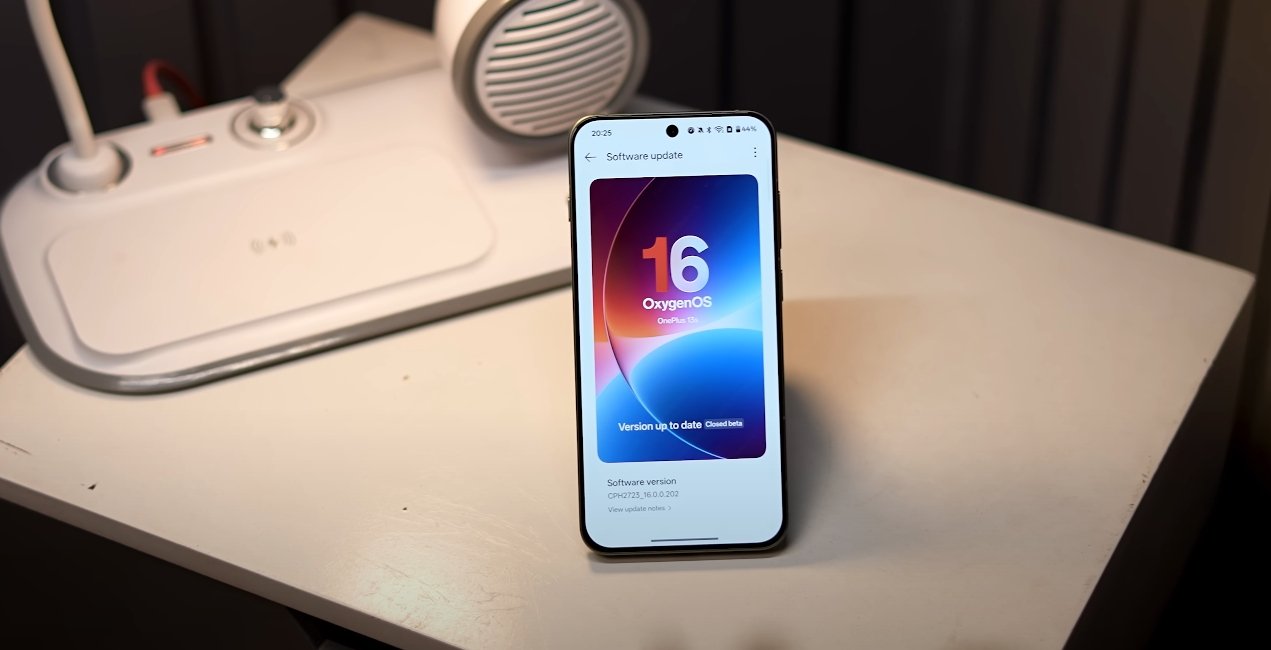
OxygenOS 16 vs Android 16 stock interface difference

OxygenOS 16 vs Android 16 stock interface difference

How OnePlus adds its own visual identity to Google’s clean Android experience

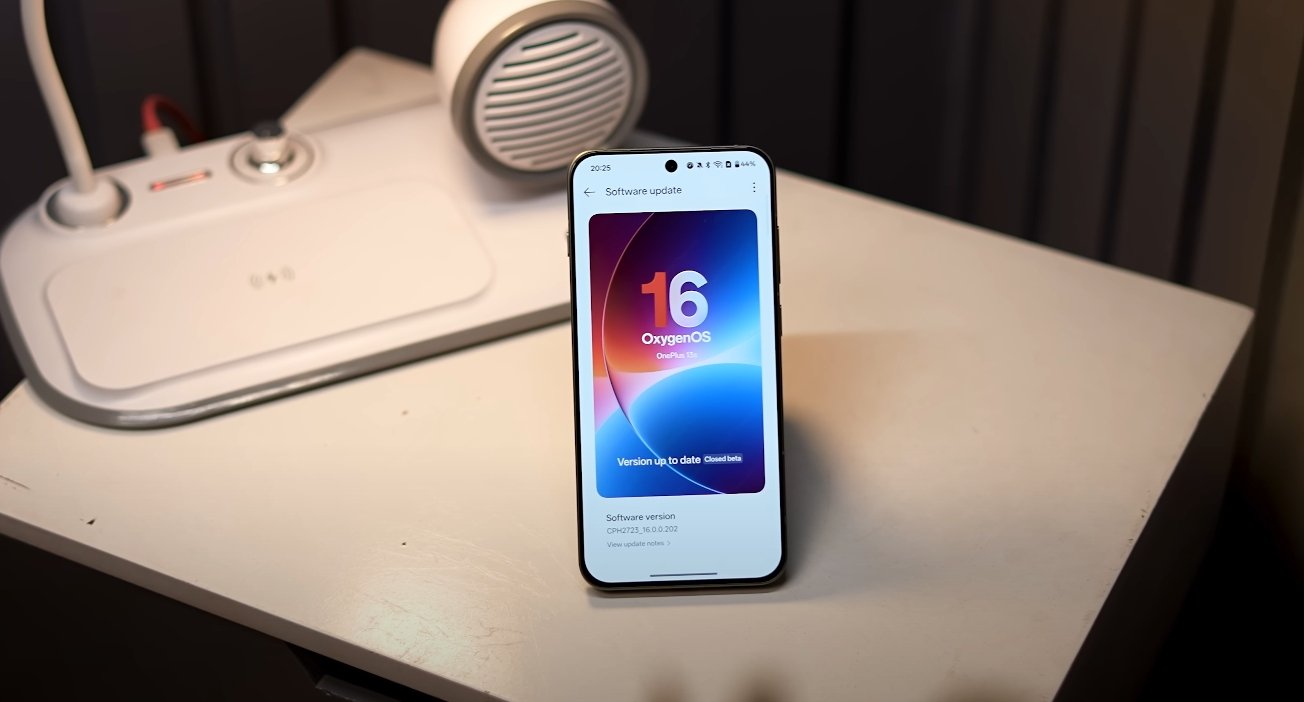
OxygenOS 16 brings a bold new layer to the familiar Android foundation, introducing visual refinements, extra customization, and smarter system tools that set it apart from stock Android 16. While both share the same base software and core Android features, the user interface experience is noticeably different. Google’s stock version is known for its clean and simple design, while OnePlus builds on that simplicity to deliver a more polished and personal feel.

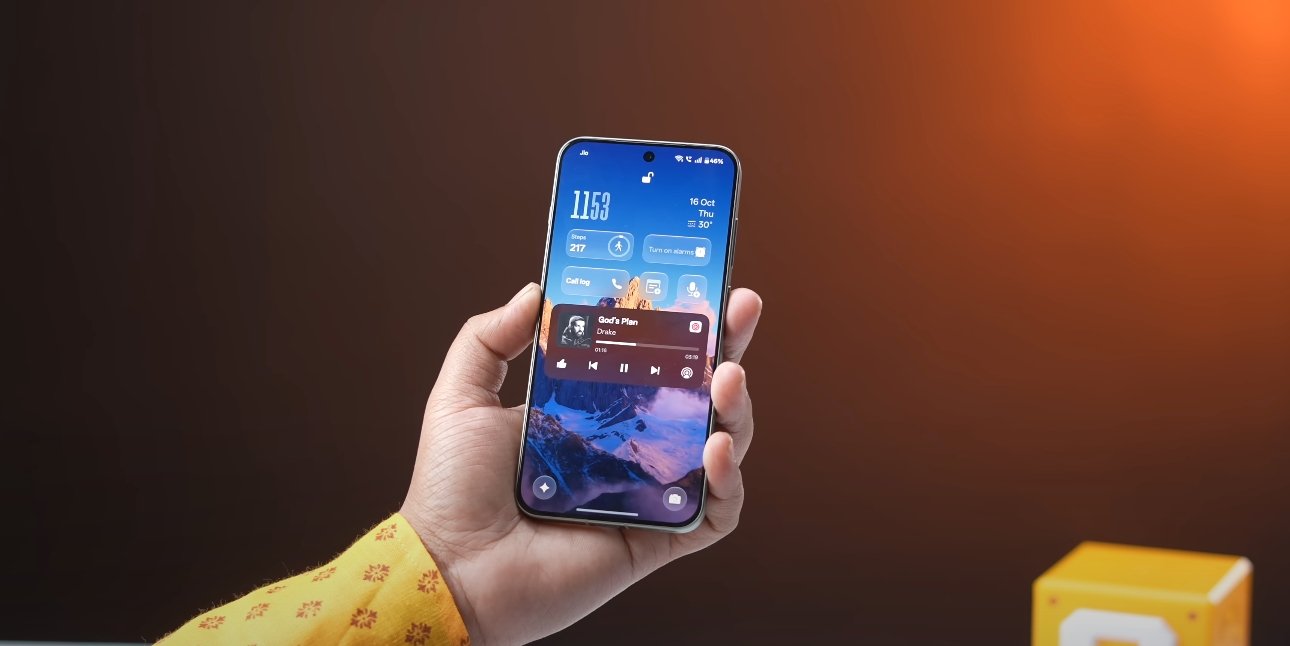
The most visible difference between the two interfaces is in their design language. Android 16 follows Google’s minimal aesthetic with clean lines, plain icons, and a focus on efficiency. OxygenOS 16, in contrast, introduces soft gradients, rounded icons, and enhanced animations throughout the system. OnePlus aims to make navigation look and feel more fluid by applying subtle transitions to app launches, menu scrolling, and gesture-based actions. This creates a sense of motion and depth that makes the interface feel more alive without sacrificing speed.

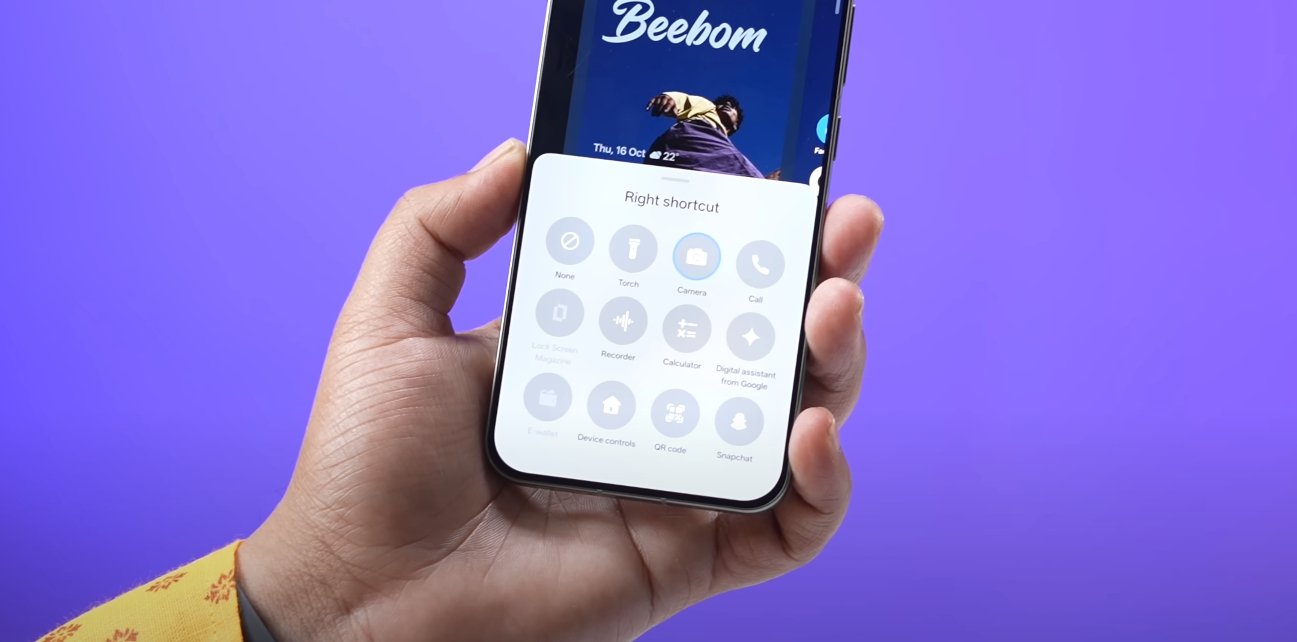
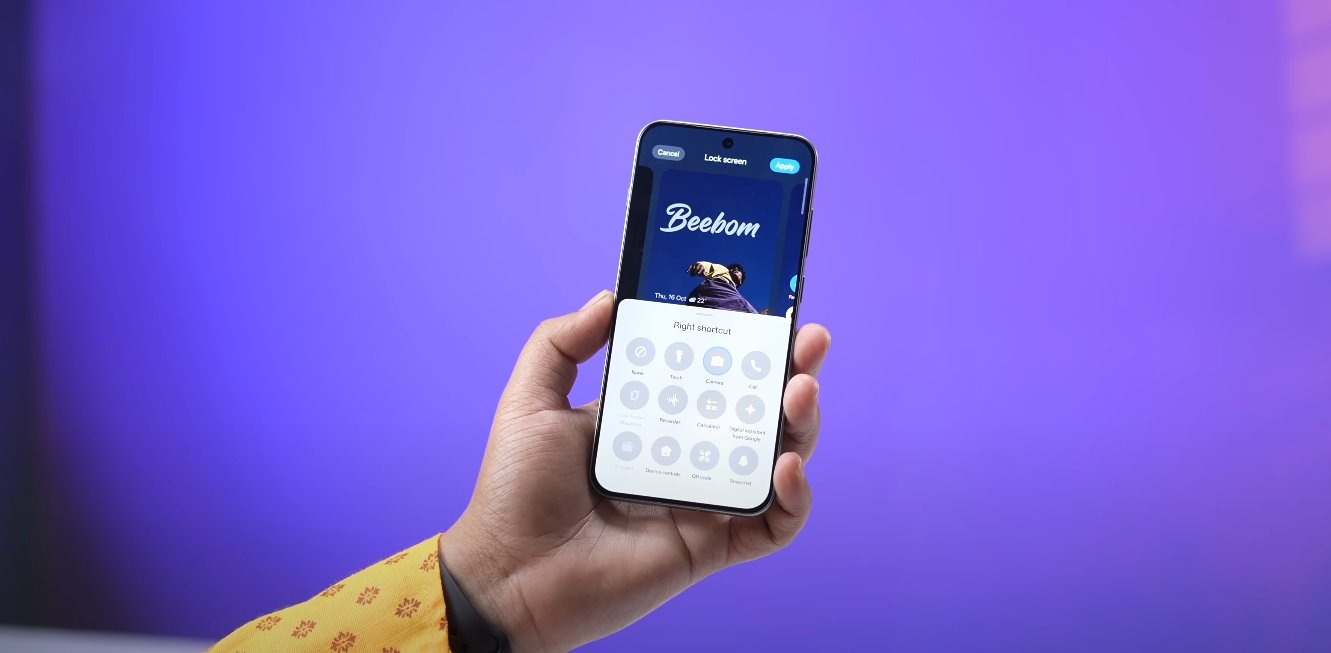
Customization is another major area where OnePlus diverges from stock Android. While Android 16 allows users to apply Material You theming, choose accent colors, and set wallpapers, OxygenOS 16 goes further. It lets users customize icon packs, widget designs, font styles, and even adjust home screen layouts with greater flexibility. New lock screen options and more dynamic wallpapers give users the ability to personalize their phones in ways that are not possible on Google’s stock build. For users who like to fine-tune their devices, this added control is a clear advantage.

OxygenOS 16 vs Android 16 stock interface difference

The notification shade and quick settings panel highlight how these two interfaces approach user interaction differently. On stock Android 16, the panel remains simple and minimal, focusing on function over form. OxygenOS 16 transforms this area with larger, easier-to-tap toggles, smooth transitions, and rearranged layouts that prioritize ease of use. The quick settings feel more visually engaging, and animations make transitions between screens feel seamless. These refinements give OnePlus phones a more premium touch compared to the clean but basic stock design.

Artificial intelligence integration is also more pronounced on OxygenOS 16. While Android 16 includes basic intelligent features like smart suggestions and contextual responses, OnePlus adds tools like Mind Space and advanced gesture controls. Mind Space helps users manage screen time and reduce distractions through personalized recommendations. The system also learns from daily habits to suggest actions such as activating focus mode, adjusting brightness, or silencing alerts during certain times. This extra layer of intelligence sets OxygenOS apart from the more neutral approach of stock Android.

Performance tuning and animations play a big role in defining the overall feel. Stock Android is built to be lightweight and consistent across devices, delivering a fast and stable experience. OxygenOS builds on this stability with its own motion engine designed to make transitions feel smoother and more natural. Users often describe OxygenOS animations as fluid and responsive, especially on high refresh-rate displays. These differences may seem subtle at first but make a clear impact on how the interface feels in daily use.

Another clear difference lies in the organization of settings and system menus. Android 16 keeps things clean and minimal, with straightforward categories and fewer layers of customization. OxygenOS 16 reorganizes these menus with added visual indicators and shortcuts, making it easier for users to access advanced features without digging through multiple screens. This approach is designed to give users more control while keeping the interface intuitive and easy to navigate.

Ultimately, OxygenOS 16 and stock Android 16 share the same foundation but reflect two different design philosophies. Stock Android is ideal for users who value simplicity, speed, and a no-frills experience. OxygenOS 16 is aimed at users who enjoy a more visually dynamic and customizable interface. By combining smooth animations, deeper personalization, and smart AI features, OnePlus gives its software a unique identity while retaining the stability and reliability of Android. This balance between familiarity and innovation is what sets OxygenOS apart from Google’s stock experience, offering users a refined and more personal way to interact with their devices.

PlayStation 5 Dominates Black Friday Sales, Securing Over Half of All Console Purchases in the UK

=

PlayStation 5’s Unprecedented Black Friday Triumph

Black Friday has once again proven to be a pivotal moment for retailers and consumers alike, with a particular highlight emerging from the fiercely competitive video game console market. Early sales figures for the recent shopping extravaganza indicate a monumental victory for Sony’s PlayStation 5, solidifying its dominant position as a leading consumer favourite across the UK. This year’s event saw the popular console significantly outperform its closest rivals, capturing an impressive and unprecedented share of the overall console sales landscape.

Reports from various analytics firms and retailers unequivocally confirm that the PlayStation 5 accounted for more than half of all console units sold during the intense Black Friday period. Such an overwhelming performance clearly underscores the console’s sustained, high demand and the effectiveness of Sony’s strategic sales initiatives throughout the crucial promotional window. This extraordinary market dominance is a resounding testament to the brand’s enduring appeal amongst UK gamers seeking the very latest in cutting-edge digital entertainment.

One of the most significant factors contributing to this widespread success was undoubtedly the substantially improved availability of the PS5, coupled with highly competitive pricing and enticing bundle deals. After several years of persistent stock shortages that regrettably plagued its initial launch, UK consumers were finally able to purchase the console with far greater ease. Major retailers across the United Kingdom offered deeply attractive discounts and comprehensive packages, making the PS5 an unequivocally desirable item on countless wish lists.

The strategic timing of Black Friday, positioned perfectly just ahead of the crucial festive season, naturally amplifies consumer spending on high-value electronics such as gaming consoles. Many households likely viewed the event as the absolute ideal opportunity to secure a PS5, either for their own personal enjoyment or as a truly significant gift for loved ones. This anticipated surge in pre-Christmas purchasing power was expertly and effectively capitalised upon by Sony and its extensive network of retail partners.

The substantial increase in PlayStation 5 ownership during Black Friday will inevitably have a profound ripple effect across the broader gaming ecosystem in the UK and beyond. Game developers and publishers can now confidently anticipate a much larger install base for their next-generation titles, potentially leading to significantly increased software sales and enhanced player engagement. This provides an incredibly robust and fertile foundation for the continued growth and prosperity of the PlayStation platform in the coming months and years.

Whilst precise competitor sales figures for other platforms are still being meticulously analysed and compiled, the PlayStation 5’s commanding lead suggests that other console manufacturers, including Microsoft with Xbox and Nintendo with the Switch, faced a much tougher challenge. While the Xbox Series X and S, along with the Nintendo Switch, undoubtedly saw respectable sales increases, they were ultimately unable to match the sheer volume and formidable market penetration achieved by Sony’s flagship console.

Sony’s highly strategic approach to pricing and bundling appears to have resonated exceptionally deeply with its target consumers. Offering value-packed propositions that often included critically acclaimed popular games or essential accessories proved particularly effective in driving decisive purchasing decisions. These carefully curated, value-added bundles likely swayed numerous prospective buyers who were previously deliberating about investing in a new, high-end console system.

This impressive Black Friday triumph carries significant positive long-term implications for Sony, further reinforcing its already strong and dominant position within the global console market. A robust and successful holiday sales period sets an extremely positive precedent for the upcoming fiscal year, potentially boosting investor confidence and solidifying the brand’s financial performance. It also profoundly underscores the critical importance of efficient supply chain management and aggressive, well-executed marketing campaigns.

With such an exceptionally strong performance during a crucial sales period, the PlayStation 5 is now remarkably well-positioned for continued success throughout the remainder of the holiday season and well into 2024. The substantial influx of new console owners will also inevitably drive increased demand for PlayStation Plus subscriptions and a surge in digital game sales. This powerful momentum is absolutely crucial as the current console generation matures and exciting new flagship titles are released exclusively for the platform.

The dynamic gaming industry thrives on continuous innovation, engaging content, and vibrant consumer engagement, and the PS5’s Black Friday success speaks volumes about the currently buoyant market sentiment. It strongly indicates a healthy and sustained appetite amongst consumers for high-fidelity gaming experiences and advanced hardware capabilities. This overwhelmingly positive trend benefits not just Sony, but the entire interactive entertainment industry, encouraging further investment in next-generation experiences.

Specifically within the United Kingdom, the PlayStation brand has historically held an incredibly strong cultural presence and boasts a loyal fan base, and these impressive Black Friday results unequivocally reaffirm that deep-rooted loyalty. UK gamers continue to gravitate overwhelmingly towards the PS5, consistently valuing its compelling exclusive game library, powerful performance capabilities, and immersive user experience. This strong regional performance is a key indicator of its robust global appeal and sturdy market standing.

In conclusion, Black Friday 2023 will undoubtedly be remembered as a defining and landmark event for the PlayStation 5, where it unequivocally demonstrated its market supremacy and widespread consumer desirability. Securing an astonishing over half of all console sales is an extraordinary and commendable feat, further cementing Sony’s enviable position at the absolute forefront of the competitive gaming world. This resounding success bodes incredibly well for its future trajectory and the ongoing evolution of interactive digital entertainment.


Also Read:  Final Call: Secure NordVPN’s Lowest Price of 2025 Today!

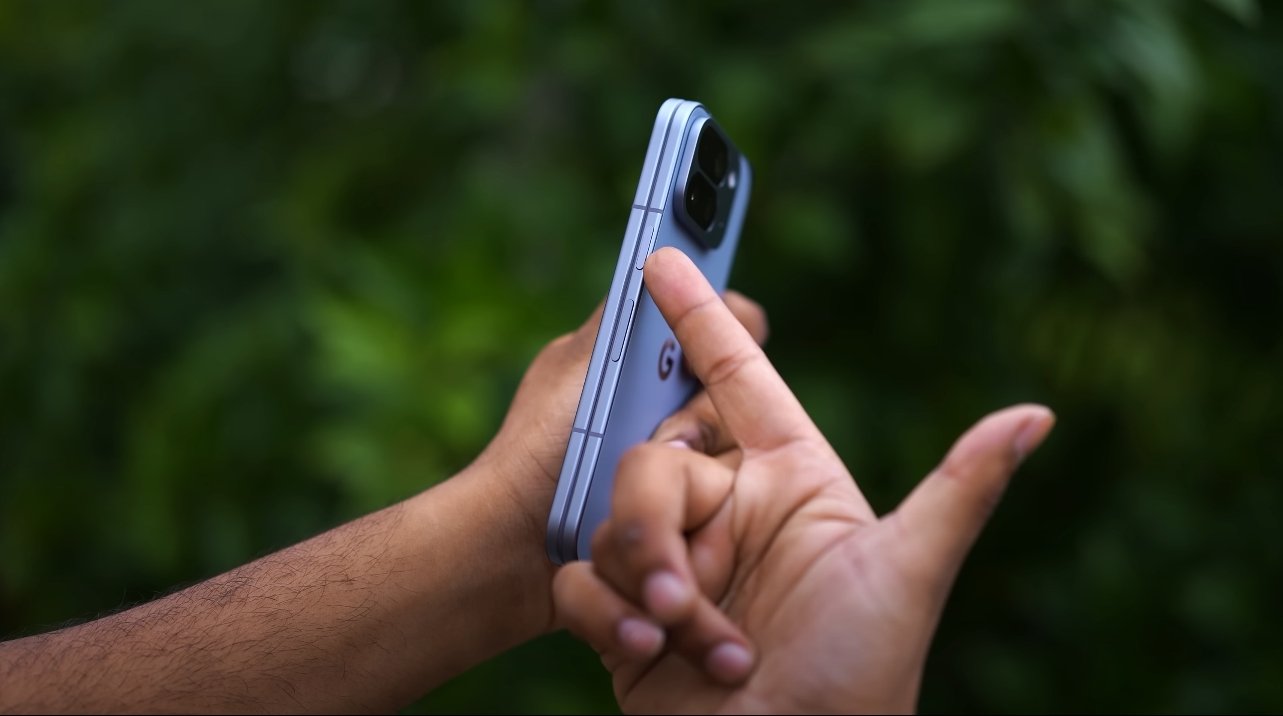
Pixel 10 Pro Fold design shown in real images

Pixel 10 Pro Fold design shown in real images

First real look reveals refined design and new color options

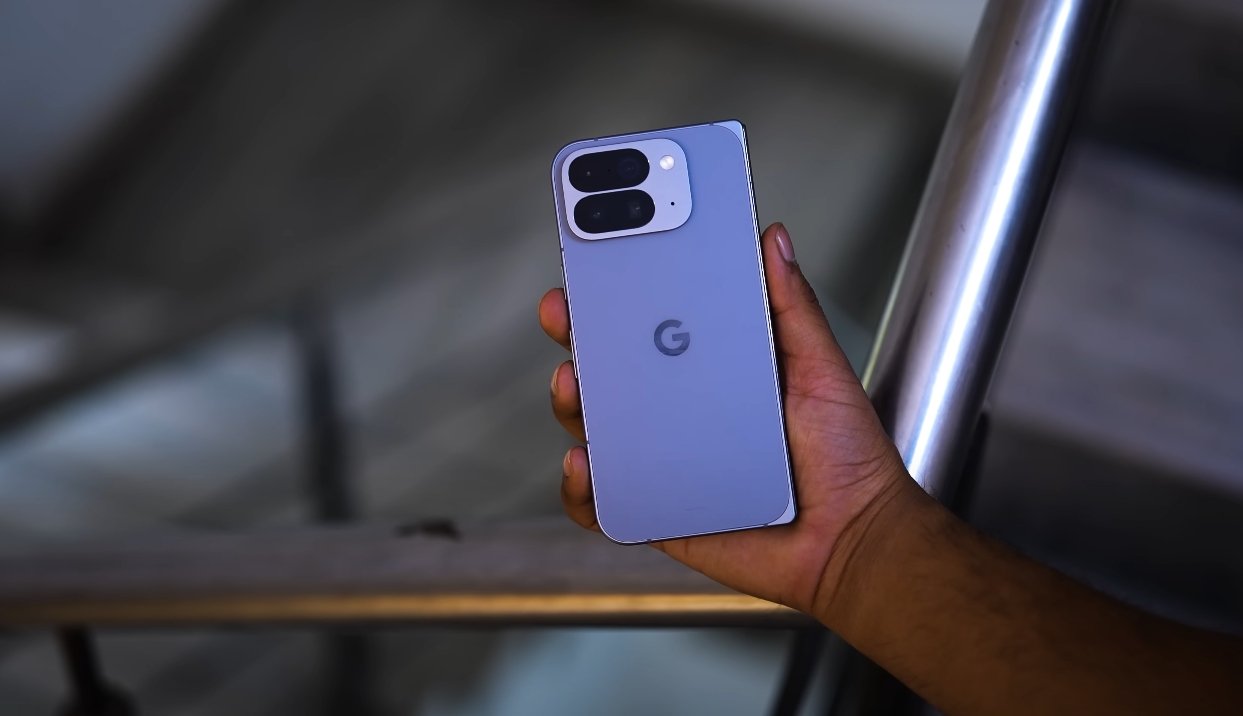
The Pixel 10 Pro Fold has finally appeared in real-world images, giving users their first genuine look at Google’s next-generation foldable phone. These images confirm the design language Google is taking into 2025 — modern, premium, and unmistakably Pixel. The leaked and official visuals together show how Google has refined its foldable approach with improved materials, slimmer bezels, and an updated camera housing, while staying true to the brand’s signature look.

According to sources close to Google’s supply chain, the company’s latest foldable adopts a sleeker and more symmetrical body than its predecessor. The most notable change is the near-gapless hinge, which makes the phone close flat for the first time in the Pixel Fold lineup. This hinge redesign improves durability and eliminates the small space that was previously visible when the device was folded shut. The design uses aerospace-grade aluminum for the frame and a composite glass back that feels smoother and more resistant to fingerprints.

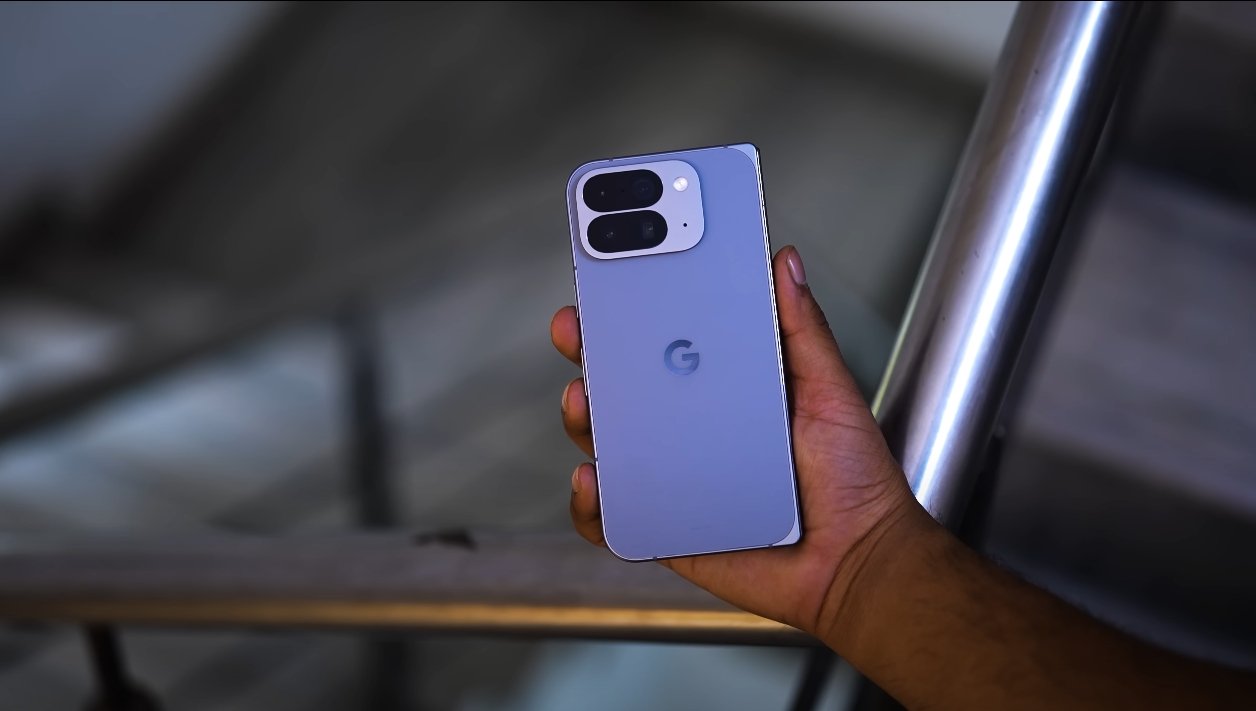
The new color finishes — Moonstone and Jade — bring a refreshed aesthetic to the lineup. The Moonstone variant sports a cool blue-gray tone with a polished silver hinge, while Jade offers a soft green hue accented by gold edges. Both finishes feature a satin-like coating that diffuses light subtly, giving the device a more luxurious and understated look. Google has clearly aimed to make this foldable stand out visually while maintaining the minimalistic feel that Pixel fans appreciate.

Pixel 10 Pro Fold design shown in real images

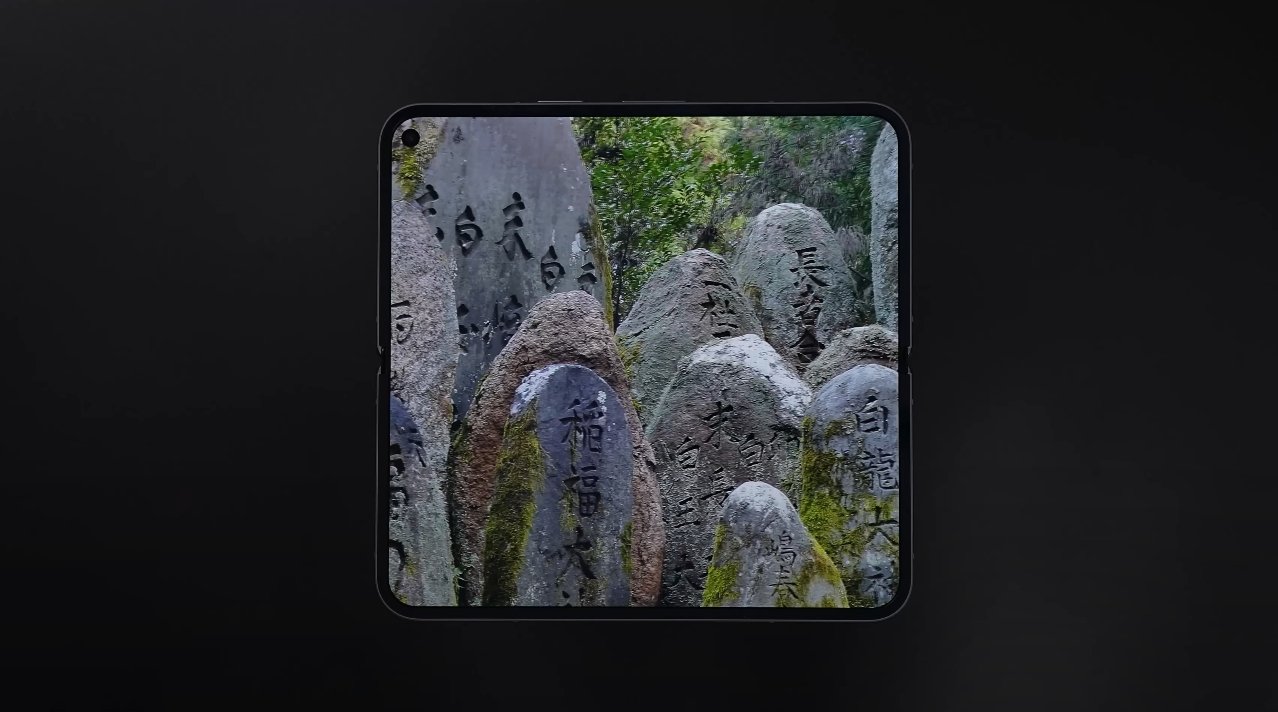
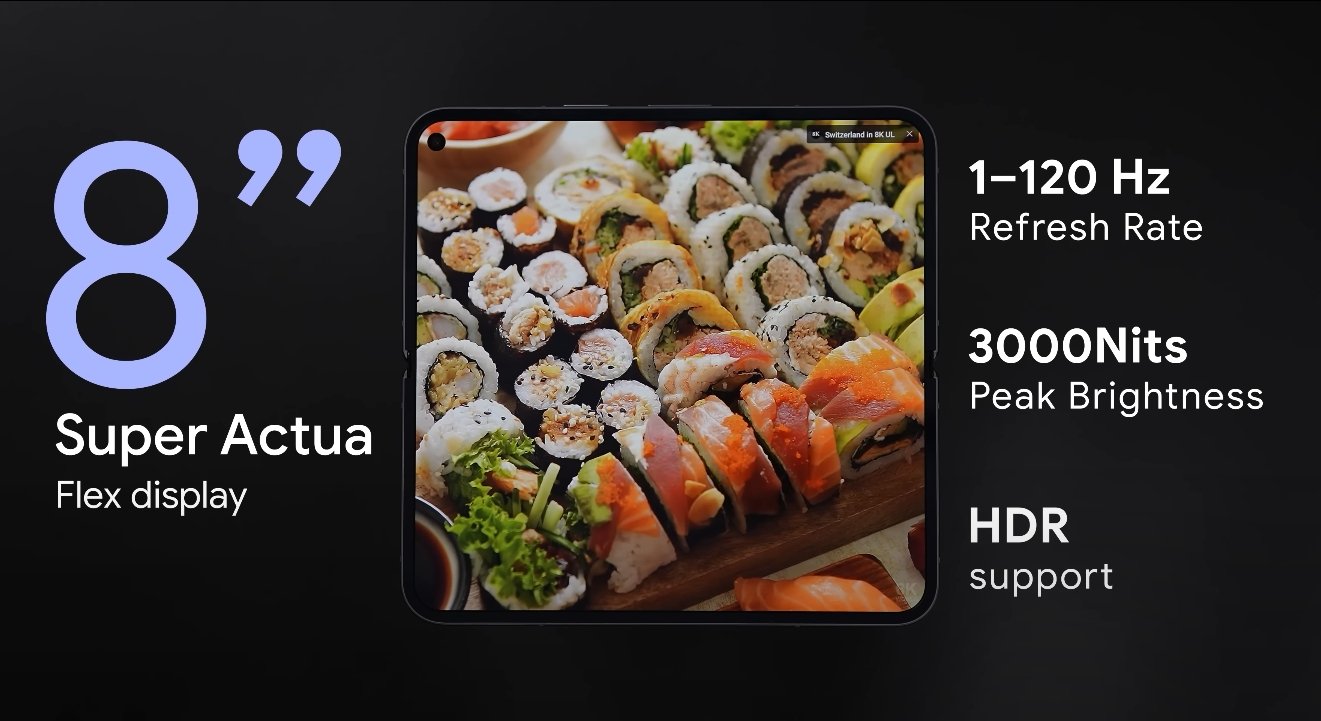
From the front, the outer display is slightly taller and narrower than the previous model, measuring 6.4 inches, which makes one-handed use easier. When unfolded, the inner 8.0-inch OLED panel is nearly borderless, with a center-aligned punch-hole camera. The bezels are visibly thinner than on the Pixel 9 Pro Fold, offering a more immersive experience. Early hands-on leaks suggest the hinge allows smoother unfolding, with improved weight distribution that makes it comfortable to use as a tablet.

The rear camera bar remains a defining feature, stretching across the back with a seamless curve into the frame. However, it now houses three lenses within a sleeker, dual-module array: a 48MP wide camera, a 10.5MP ultra-wide, and a 10.8MP telephoto lens. The placement of the flash and sensors has been subtly adjusted for symmetry, showing Google’s focus on refined engineering rather than radical changes. The polished metal finish around the camera bar complements the hinge design, creating a balanced look from every angle.

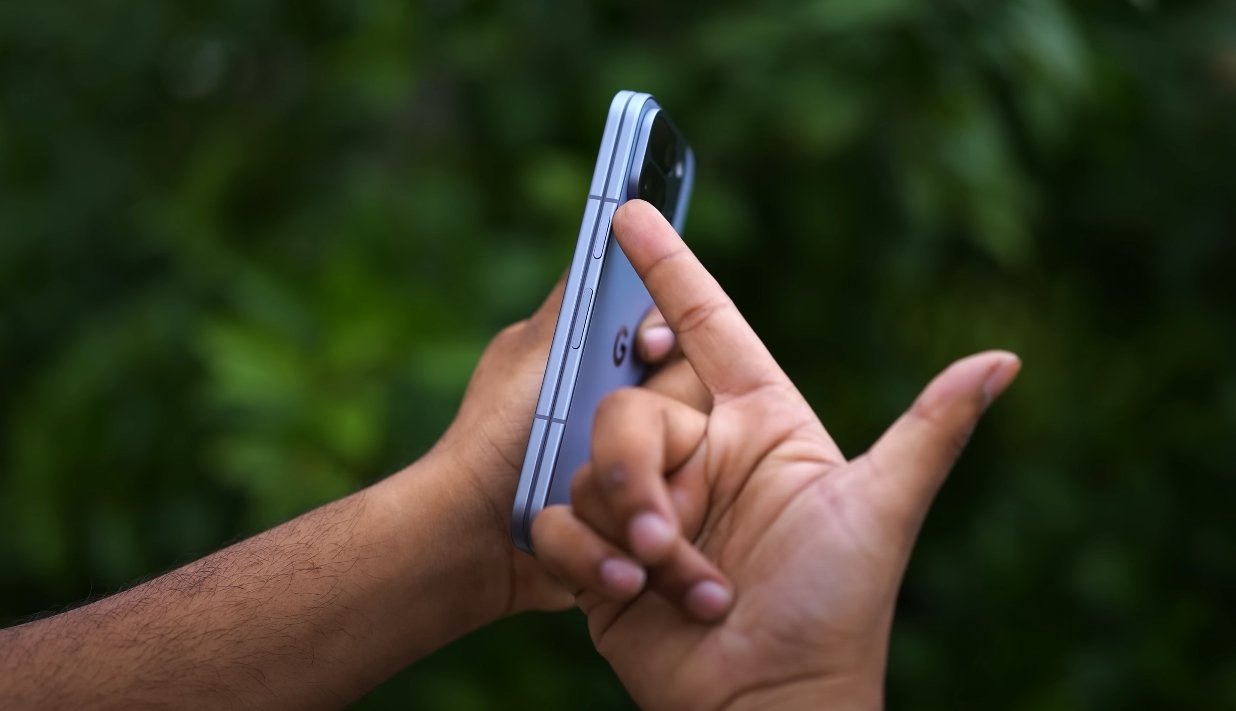
Other physical details highlight small but meaningful upgrades. The power button with integrated fingerprint sensor has been repositioned for easier reach, while the SIM tray has moved to the top edge to accommodate a larger battery inside. Speaker grills and antenna lines have been re-engineered for improved audio clarity and better signal strength when the phone is folded. The USB-C port remains at the bottom, supporting fast charging and high-speed data transfer.

In a short teaser video released by Google, the Pixel 10 Pro Fold is shown rotating in soft studio lighting, confirming the authenticity of the leaked images. The video reveals smooth hinge motion, edge curvature consistency, and a matte finish that resists glare. It also showcases the outer screen’s brighter display, optimized for outdoor visibility. The overall impression is that of a matured design — one that prioritizes ergonomics, aesthetics, and structural integrity.

Overall, the real images of the Pixel 10 Pro Fold indicate Google’s focus on evolution rather than revolution. The company appears to have listened to user feedback, improving the hinge, reducing bezels, and refining the exterior finish. These changes position the Pixel 10 Pro Fold as one of the most polished and premium-looking foldables on the market. With the official launch set for October 9, 2025, this foldable is shaping up to be a centerpiece of Google’s hardware year — combining engineering precision with the clean, distinctive Pixel identity fans have come to expect.

OxygenOS 16 vs Nothing OS 3 which feels smoother

OxygenOS 16 vs Nothing OS 3 which feels smoother

Comparing Smoothness: OxygenOS 16 and Nothing OS 3

When it comes to the smoothness of user experience, both OxygenOS 16 and Nothing OS 3 offer unique advantages, catering to different types of users. OxygenOS 16 focuses on performance, AI integration, and multitasking, while Nothing OS 3 emphasizes minimalism, simplicity, and consistent responsiveness. Comparing the two provides insight into which operating system feels smoother in daily usage.

OxygenOS 16 has introduced Parallel Processing 2.0, which enhances animation and multitasking performance. This feature allows certain animations and background processes to run simultaneously, reducing delays when switching between apps. As a result, users experience smoother transitions across the interface, whether opening apps, scrolling through content, or navigating system menus. The improvement is particularly noticeable during heavy multitasking, where multiple applications can run without noticeable stutter or slowdown.

The update also includes Flow Motion, which improves animation fluidity throughout the system. Swipes, app launches, and transitions now feel more natural and continuous, contributing to the perception of speed. Coupled with performance optimizations for CPU and memory usage, OxygenOS 16 ensures that the system remains responsive even during extended usage. This makes it ideal for power users who often switch between apps, play games, and stream media simultaneously.

OxygenOS 16 vs Nothing OS 3 which feels smoother

OnePlus has also integrated AI features that contribute indirectly to smoothness by predicting user needs and preloading content. Features like Mind Space, powered by Google’s Gemini AI, automatically organizes screenshots, notes, and voice memos. The AI can also provide quick suggestions, summaries, and reminders, reducing the steps a user needs to take manually. This proactive assistance makes interactions feel faster and more intuitive, giving a sense of a responsive, “smart” interface.

In contrast, Nothing OS 3 is designed with minimalism and simplicity in mind. The operating system prioritizes a clean, clutter-free interface with fewer visual distractions. By keeping the UI light and focusing on core functionalities, Nothing OS 3 offers a consistently smooth experience. Users benefit from fluid app transitions, rapid touch response, and minimal lag during navigation. The simplicity of Nothing OS 3 reduces the processing overhead, which contributes to its perceived speed and reliability.

While Nothing OS 3 does not have extensive AI features or multitasking enhancements, it excels in consistent responsiveness. Animations and interactions feel effortless because the system does not attempt to perform complex background tasks or load multiple predictive features. This makes it ideal for users who prefer a lightweight and straightforward environment where performance is predictable and steady.

When it comes to multitasking, OxygenOS 16 offers more flexibility. Users can open multiple apps simultaneously in split-screen or floating windows, resize floating windows, and run up to five apps at once on supported devices. These improvements make multitasking not only more functional but also smoother, as system optimizations ensure that switching between apps or resizing windows does not introduce lag. Nothing OS 3, while smooth, does not offer the same level of multitasking customization, focusing instead on simplicity and ease of use.

Visual experience also affects perceived smoothness. OxygenOS 16 incorporates subtle visual effects, semi-transparent panels, and fluid transitions, creating a modern and immersive feel. These effects are optimized to maintain performance without causing stutter. Nothing OS 3, by contrast, uses a minimalist approach with clean layouts and straightforward animations. While it lacks advanced visual flourishes, this simplicity contributes to the perception of smoothness because there are fewer processes competing for system resources.

Battery and performance management are critical factors in sustained smoothness. OxygenOS 16 includes intelligent resource allocation, ensuring that heavy usage, like gaming or media streaming, does not slow down the system. Background apps are managed efficiently, maintaining smooth operation even after hours of use. Nothing OS 3, due to its lightweight design, naturally consumes fewer resources and maintains consistent responsiveness throughout prolonged sessions, making it reliable for everyday use.

In conclusion, the choice between OxygenOS 16 and Nothing OS 3 depends on user priorities. OxygenOS 16 feels smoother for users who want a feature-rich environment with advanced AI, multitasking capabilities, and visually immersive interactions. It is particularly suitable for power users who demand high performance across multiple simultaneous tasks. On the other hand, Nothing OS 3 delivers smoothness through simplicity, offering a lightweight, clutter-free experience that is reliable and consistently responsive, ideal for users who prefer a minimalistic interface. Both operating systems provide excellent fluidity, but the perception of smoothness varies based on usage patterns, device type, and personal preference.

Overall, OxygenOS 16 and Nothing OS 3 each represent a different philosophy of smoothness: one through advanced features and intelligent optimizations, the other through simplicity and efficient design. Users seeking a balance between performance, multitasking, and modern UI may favor OxygenOS 16, while those prioritizing straightforward, uninterrupted responsiveness may find Nothing OS 3 to be the smoother choice.

Also Read:  Oppo Find X8 Ultra vs OnePlus 12 design comparison

POCO F8 Pro accessories you regret buying: what to skip?

POCO F8 Pro accessories you regret buying what to skip

The Add-Ons UK Buyers Should Think Twice About

Many POCO F8 Pro owners rush to load up on accessories the moment the phone arrives, but not every add-on is worth the money. The UK market is full of cases, screen protectors, charging kits and bundles that look useful on paper yet end up being disappointing in real-world use. With the F8 Pro now more widely available through UK retailers and import channels, it’s a good moment to look at which accessories users often regret buying and why they may not be the best fit.

One of the most commonly regretted items is the ultra-rugged case. These thick, bulky shells promise heavy-duty protection, but many UK users find them unnecessarily large for everyday use. The F8 Pro is already a sizable device, and adding a heavy case makes it feel unwieldy, especially when carrying it in a jacket or jeans pocket. Unless you work outdoors or regularly drop your phone, these oversized cases tend to be more trouble than they are worth.

Ring-holder cases are another accessory that frequently disappoints. While the built-in ring can help with grip or serve as a stand, it often interferes with magnetic car mounts, wireless powerbanks and even certain desk chargers. Many buyers also report that the rings loosen over time, turning a once-useful feature into an annoyance. For most everyday users, a slim, well-designed case offers a far better balance of usability and protection.

POCO F8 Pro accessories you regret buying what to skip

Screen protectors can also be hit-or-miss, especially full-adhesive or edge-to-edge variants. These often peel around the curved edges, trap dust underneath or affect touch responsiveness. Some UK buyers have found that installing these protectors becomes a repeated chore rather than a one-time fix. A high-quality, standard tempered glass protector tends to provide a more reliable and long-lasting experience without the hassles of over-engineered designs.

Charging accessories are another area where F8 Pro buyers sometimes overspend. Generic “fast charging” cable kits promising extreme wattage can be misleading, and many do not match the phone’s actual supported standards. UK users frequently discover that these cables don’t charge any faster than the included hardware, or in some cases, don’t retain stable power delivery. Officially rated chargers and cables, or options from trusted UK brands, are almost always the safer choice.

Bluetooth gaming controllers marketed specifically for the F8 Pro can also be a point of regret. Many of these third-party models lack proper calibration, suffer from noticeable input lag or are poorly built. UK customers expecting a console-like experience often end up returning them. For mobile gaming, choosing a well-reviewed universal controller usually gives better performance and longevity.

Camera lens protectors are another commonly purchased accessory that users later replace or remove entirely. These protectors tend to collect smudges, reduce image clarity and sometimes interfere with the F8 Pro’s focus, especially in low light. Modern smartphone lenses are already built with scratch-resistant coatings, so additional layers rarely provide meaningful protection.

Magnetic wallet cases also earn mixed reactions from UK buyers. While the idea of combining a wallet and phone case seems practical, many find these cases bulky and inconvenient. They can make contactless payments trickier and add weight to the device, and the magnets sometimes weaken over time. Separate cardholders or slim cases tend to be more comfortable and better suited for everyday use.

Another accessory often regretted is the cheap third-party car mount that claims to be “universal.” Many of these mounts struggle with the size and weight of the F8 Pro, especially during UK road conditions with speed bumps, potholes and roundabouts. Shaky mounts and slipping grips become a safety concern as well as a frustration.

Overall, the most regretted accessories tend to be those that are over-engineered, poorly built or incompatible with the F8 Pro’s size and hardware. UK buyers often find that sticking to simpler, high-quality essentials saves both money and hassle. A slim protective case, a reliable tempered glass screen protector and an officially supported charger usually provide all the functionality most users need.

In the end, purchasing accessories for the POCO F8 Pro should be about enhancing your daily use, not cluttering it with gadgets that add bulk or fail to perform. By avoiding gimmicky or low-quality products, UK users can keep the F8 Pro feeling premium, practical and enjoyable over the long term.

PlayStation 6 UK Release: No Delay Expected Despite Rising RAM Costs

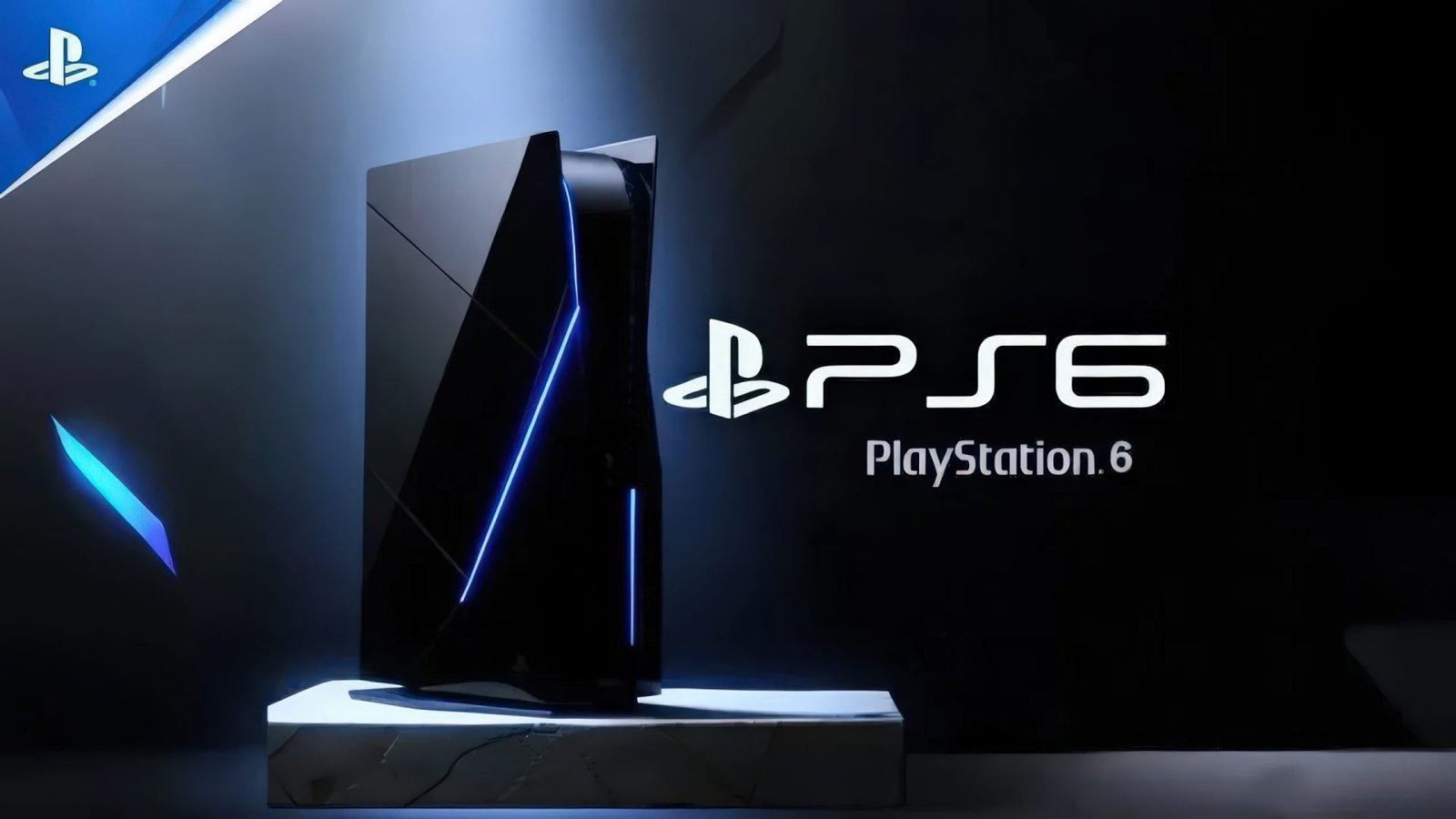
The PlayStation 6 console and controller, with a cityscape in the background, representing the UK gaming market and the console's expected impact on the industry, with the primary keyword PlayStation 6 featured prominently

PlayStation 6 Release Date: Why Delaying is Not an Option for Sony

The PlayStation 6 is set to launch in the UK in 2027 or early 2028, despite rising component costs. Recent rumors suggested a potential delay to 2029, but insiders argue that the financial penalty for delaying production would be too great. Sony has already secured its 3nm manufacturing allotment from TSMC for Q2 2027, making a significant delay extremely problematic.

The current RAM price hikes, often referred to as ‘RAMmageddon’, have led to concerns about the potential impact on the gaming industry. However, Sony’s production contracts with TSMC and the massive development costs already sunk into the system’s Orion APU make a delay unfeasible. Insiders claim that it would cost more to delay the production than to pay the extra costs for the RAM.

According to reports, Sony has already invested heavily in the development of the PlayStation 6, and delaying the launch would result in significant losses. The company is likely to absorb the extra costs and stick to its original launch window. This move is expected to pay off in the long run, as the PlayStation 6 is anticipated to be a major player in the UK gaming market.

The PlayStation 6 is set to feature a range of exciting new features, including improved graphics and faster loading times. The console’s Orion APU is expected to provide a significant boost to performance, making it an attractive option for gamers in the UK. With the launch window approaching, fans are eagerly awaiting the opportunity to get their hands on the new console.

In conclusion, the PlayStation 6 is on track to launch in the UK in 2027 or early 2028, despite the challenges posed by rising component costs. Sony’s decision to stick to its original launch window is likely to pay off, as the console is expected to be a major success in the UK gaming market. As the launch date approaches, gamers in the UK can look forward to experiencing the latest advancements in gaming technology.

The UK gaming community is eagerly awaiting the release of the PlayStation 6, and the console’s launch is expected to be a major event. With its improved features and performance, the PlayStation 6 is set to be a top choice for gamers in the UK. As the launch window approaches, fans can expect to see more information about the console’s features and pricing.

Insiders claim that the PlayStation 6 will be a major player in the UK gaming market, and its launch is expected to have a significant impact on the industry. The console’s success will depend on a range of factors, including its pricing, features, and marketing. However, with its impressive specs and features, the PlayStation 6 is well-placed to make a significant impact in the UK gaming market.

The PlayStation 6’s launch in the UK is set to be a major event, with many gamers eagerly awaiting the opportunity to experience the latest advancements in gaming technology. The console’s improved features and performance make it an attractive option for gamers, and its launch is expected to be a major success. As the launch window approaches, fans can expect to see more information about the console’s features and pricing.

Overall, the PlayStation 6 is set to be a major player in the UK gaming market, and its launch is expected to have a significant impact on the industry. With its impressive specs and features, the console is well-placed to make a significant impact in the UK gaming market. The UK gaming community is eagerly awaiting the release of the PlayStation 6, and the console’s launch is expected to be a major event.

Pixel 10 Pro Fold hands on review goes viral

Pixel 10 Pro Fold hands on review goes viral

Google’s boldest foldable impresses and divides tech fans online

The Pixel 10 Pro Fold has taken over the internet after a wave of hands-on reviews went viral, giving the public its first real look at Google’s next-generation foldable flagship. Reviewers and early testers have flooded YouTube, X, and TikTok with impressions, praising its design, AI-driven features, and performance, while also pointing out some notable flaws. The buzz surrounding these early reviews has turned the Pixel 10 Pro Fold into one of the most talked-about smartphones of 2025, even before its official retail release.

One of the biggest highlights from the hands-on coverage is the redesigned hinge. Google has finally addressed one of the major complaints from previous generations—the bulky, uneven folding mechanism. The new hinge uses a gearless system, allowing for smoother motion, less creaking, and a tighter close with minimal gap between the screens. Reviewers noted that the hinge feels sturdier than Samsung’s Z Fold series, suggesting Google may have finally found the right balance between durability and usability. Combined with an IP68 rating for water and dust resistance, the Pixel 10 Pro Fold sets a new benchmark for ruggedness in foldable phones, a category that has long struggled with longevity concerns.

The displays are another area drawing strong reactions. The outer screen, a 6.4-inch OLED panel, delivers exceptional brightness and fluid 120Hz refresh rates, making it easier to use without unfolding. The inner display stretches to an 8-inch OLED panel that reviewers describe as “tablet-like” in clarity and smoothness. Several hands-on videos demonstrate improved multitasking—users can now drag and drop between apps, use split-screen more intuitively, and even resize windows fluidly thanks to Android 16’s updated interface. Many reviewers agree that the Pixel 10 Pro Fold finally feels like a foldable that can serve as both a phone and a small productivity device.

Pixel 10 Pro Fold hands on review goes viral

Under the hood, Google’s Tensor G4 chip is proving capable of handling intensive multitasking, AI features, and 4K video recording without overheating. Testers report smoother gaming performance, faster app loading times, and more consistent battery life compared to the previous Pixel Fold. The device’s AI capabilities have also impressed reviewers—features like real-time call translation, on-device text summarization, and enhanced voice commands make everyday use more intelligent and personalized. Google’s Gemini-powered AI even offers context-aware suggestions when switching between folded and unfolded modes, such as adjusting layouts or recommending apps based on user activity.

However, not all aspects of the Pixel 10 Pro Fold have been met with universal praise. The camera system, while capable, has received criticism for underperforming compared to Google’s own non-folding Pixel 10 Pro. The foldable’s compact camera array reportedly struggles with low-light performance and long-range zoom. While daytime shots remain excellent with strong color accuracy and detail, reviewers noted more noise and softer focus in challenging conditions. This trade-off may disappoint photography enthusiasts expecting Pixel-level camera dominance across all scenarios.

Another divisive factor is weight and ergonomics. At roughly 258 grams, the Pixel 10 Pro Fold is heavier than most premium smartphones, and even slightly bulkier than Samsung’s Galaxy Z Fold 6. Some reviewers commented that extended one-handed use leads to wrist strain, particularly during texting or photography. The wide aspect ratio also makes it tricky to operate with one hand, though many praised the improved grip texture and build materials, which include recycled aluminum and Gorilla Glass Armor. Overall, while its design is undeniably premium, its practicality for daily use may depend on how comfortable users are with its heft.

Despite the criticisms, many reviewers emphasize that the Pixel 10 Pro Fold represents a major step forward for Google’s hardware division. The combination of robust build quality, advanced AI integration, and smoother multitasking suggests that the company has learned from its earlier foldable missteps. Several tech influencers describe the device as the “first foldable that feels truly ready for everyday life,” while others caution that its $1,799 starting price may limit its appeal to enthusiasts rather than mainstream buyers.

The viral nature of these hands-on reviews has also fueled debates about the future of foldables in the U.S. market. Some viewers see the Pixel 10 Pro Fold as a glimpse of where smartphone innovation is heading, blending hardware sophistication with powerful software intelligence. Others argue that the category remains too expensive and niche to attract mass adoption. Still, the attention surrounding Google’s latest release proves that foldables are no longer a curiosity—they are fast becoming a key battleground for smartphone brands competing for high-end users.

In the end, the Pixel 10 Pro Fold’s viral moment underscores just how much excitement still surrounds cutting-edge mobile technology. It’s not a perfect device—its weight, camera compromises, and steep price tag leave room for improvement—but it represents a confident statement from Google about its place in the future of foldables. For fans of innovation, AI, and premium design, the Pixel 10 Pro Fold may very well be the most compelling Android device of the year.

OxygenOS 16 gaming performance and heat control test

OxygenOS 16 gaming performance and heat control test

OxygenOS 16 Enhances Gaming Performance and Temperature Management

OxygenOS 16, the latest Android 16-based update from OnePlus, brings significant improvements in gaming performance and heat control. Real-world tests indicate that the update not only increases device speed and responsiveness but also manages temperature and battery efficiency more effectively. These enhancements aim to provide a smoother, uninterrupted gaming experience for users who engage in extended sessions of mobile gaming.

One of the most notable improvements is sustained high-frame-rate gaming. Devices running OxygenOS 16 are capable of maintaining 120Hz gameplay over extended periods without noticeable throttling or stuttering. The update introduces a refined performance management engine that intelligently distributes workloads across CPU and GPU cores. This ensures that devices remain responsive even under heavy multitasking scenarios such as gaming while taking calls or recording the screen. Users testing popular high-intensity games reported fewer frame drops and smoother graphics rendering, enhancing both casual and competitive gameplay.

The thermal management system in OxygenOS 16 has been significantly upgraded. The system monitors device temperature and adjusts core activity dynamically to prevent overheating. Unlike previous updates, which often allowed devices to heat up during prolonged gaming, OxygenOS 16 maintains more consistent temperatures, making the phone more comfortable to hold during long sessions. This improved thermal control also contributes to overall system stability, reducing the risk of performance throttling that can impact gameplay or app responsiveness.

OxygenOS 16 gaming performance and heat control test

Battery efficiency during gaming has also seen noticeable gains. OxygenOS 16 employs an adaptive battery management system that learns user habits and adjusts power distribution according to workload. This ensures that intensive tasks like gaming consume only the necessary energy while minimizing wastage. Tests have shown that devices can sustain longer gaming sessions on a single charge compared to previous OS versions, making the update particularly valuable for users who game without frequent access to charging options.

Game Assistant features have been refined to enhance usability during gameplay. Players can now customize performance profiles, choose optimal frame rates, and manage notifications to avoid interruptions. Additionally, screenshots and gameplay recordings are automatically organized, allowing users to easily review or share content. These enhancements make managing and capturing game sessions simpler and more convenient, improving the overall gaming experience.

OxygenOS 16 also optimizes system resources for smooth multitasking during gameplay. Background apps are intelligently managed so that active games receive priority in terms of processing power and memory allocation. This reduces the likelihood of lag when switching between apps or receiving system notifications. Users have reported a more responsive feel, with games launching faster, controls registering accurately, and animations remaining fluid even during high-load situations.

The update’s combined focus on performance, thermal management, and battery efficiency reflects OnePlus’s effort to create a well-rounded gaming ecosystem. Devices running OxygenOS 16 deliver consistent speed without sacrificing comfort or endurance, making extended gaming sessions more enjoyable. Improved temperature control prevents hand discomfort and device overheating, while optimized battery usage ensures longer playtime. These changes collectively enhance both the quality and reliability of mobile gaming on OnePlus devices.

In real-world testing, OxygenOS 16 has shown that AI-driven performance management, adaptive battery optimization, and refined thermal systems can work together to deliver noticeable improvements. Users playing resource-intensive games report fewer interruptions, stable frame rates, and minimal heat accumulation, even after extended periods. The system’s intelligent handling of multitasking, graphics rendering, and power distribution demonstrates that software optimization can have a tangible effect on gaming experience.

Overall, OxygenOS 16 represents a major step forward for mobile gaming on OnePlus devices. By combining high-frame-rate performance, effective heat control, and smart battery management, the update provides a smoother, safer, and more enjoyable gaming experience. For users who prioritize gaming or frequently use demanding apps, OxygenOS 16 delivers meaningful enhancements that improve both performance and comfort, showcasing OnePlus’s commitment to balancing speed, efficiency, and usability.

Also Read:  Oppo Find X8 Ultra vs OnePlus 12R display quality

Pebble Teases Mysterious Smartwatch: Anticipation Builds for Latest Wearable

Pebble Teases Mysterious Smartwatch: Anticipation Builds for Latest Wearable

=

Pebble’s Mysterious New Smartwatch Teaser Sparks Excitement

Pebble has recently ignited a wave of anticipation across the tech community, dropping a tantalising hint about an upcoming smartwatch. This cryptic tease has sent ripples of speculation, with many enthusiasts believing it points towards a refreshed iteration of their much-loved Pebble Time Round.

The prospect of a new device from the innovative wearable company is undoubtedly exciting, especially considering Pebble’s history of introducing unique and user-centric features. Fans are eagerly dissecting every detail of the hint, hoping to glean more information about what improvements and groundbreaking functionalities might be unveiled in this mysterious new gadget.

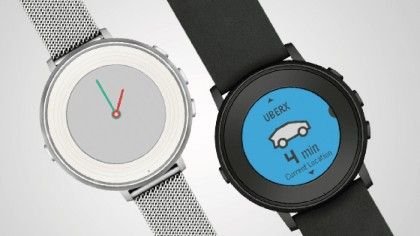
The original Pebble Time Round carved out a significant niche in the burgeoning smartwatch market upon its release. It was widely praised for its incredibly sleek and lightweight design, a welcome contrast to many bulkier competitors at the time. Its elegant, always-on colour e-paper display offered excellent readability in various lighting conditions.

A key differentiator for the Time Round, and indeed many Pebble devices, was its remarkable battery life, often extending for several days on a single charge. This freed users from the daily charging anxiety associated with other smartwatches, making it a highly practical and reliable companion for everyday use. Its subtle notification system was also a significant draw.

Speculation naturally turns to what an “updated” Time Round could bring to the table in today’s fast-evolving wearable landscape. A highly anticipated addition would likely be the integration of an NFC chip, finally enabling contactless payment functionality. This feature has become standard on many rival devices, offering enhanced convenience for users on the go.

Furthermore, a built-in optical heart rate monitor is another logical and much-demanded enhancement. With health and fitness tracking increasingly central to smartwatch appeal, incorporating this capability would bring the new Pebble device in line with contemporary expectations. It would greatly expand its utility for fitness-conscious individuals.

Beyond hardware upgrades, improvements to Pebble’s acclaimed operating system would also be keenly observed. Known for its elegant simplicity and efficiency, potential software enhancements could include more robust app support, refined notification management options, and perhaps new, sophisticated health and wellness tracking algorithms.

A crisper, higher-resolution display could further elevate the user experience, enhancing readability for text and improving the visual fidelity of watch faces and applications. Such an upgrade would make the device feel more premium and modern, appealing to a broader demographic seeking refined aesthetics and functionality.

The smartwatch market remains fiercely competitive, dominated by tech giants like Apple with its Watch series and various devices running Google’s Wear OS. Pebble historically distinguished itself by prioritising core smartwatch functions – notifications, time, and discreet utility – over power-hungry, smartphone-mirroring features.

This distinct philosophy, coupled with an unwavering commitment to impressive battery longevity and universally compatible, always-on displays, allowed Pebble to cultivate a loyal user base. Their cross-platform approach, ensuring seamless operation with both iOS and Android smartphones, was also a powerful unique selling proposition.

Pebble consistently demonstrated a remarkable capacity for innovation, often leveraging highly successful crowdfunding campaigns to bring its ground-breaking products to market. These campaigns not only funded development but also fostered an incredibly vibrant and engaged community around the brand, a testament to its appeal.

Their dedication to nurturing a robust developer ecosystem resulted in a rich and diverse app store, offering a plethora of watch faces and third-party applications. This extensibility significantly broadened the utility and personalisation options for Pebble owners, further solidifying its reputation as a user-first wearable company.

An updated Pebble Time Round could signify a strategic move to regain prominence within the wearable tech arena. By refining an already popular form factor and infusing it with modern functionalities, Pebble could reinforce its original vision of smartwatches as practical, enduring companions rather than power-hungry mini-phones.

The enduring appeal of the Time Round’s design, its comfortable wearability, and its discreet nature were massive drawcards for many users. Reimagining these elements with contemporary internal specifications would undoubtedly resonate with both long-time fans and prospective new adopters seeking a balanced wearable experience.

While the excitement surrounding this teaser is palpable, the company would undoubtedly face the intricate challenge of balancing new feature integration with maintaining its core identity. Crucially, any advancements must not compromise the signature long battery life or the much-loved always-on display functionality.

Success for this new device would hinge entirely on delivering meaningful and perceptible upgrades without sacrificing the fundamental characteristics that initially endeared the original Time Round to so many. It needs to feel like an authentic evolution, not a radical departure from its celebrated heritage.

The potential for a revitalised developer community and an expanded app ecosystem also presents a significant opportunity. Continued support for independent creators would ensure a rich tapestry of watch faces and useful applications, further extending the device’s utility beyond basic notifications and time-telling capabilities.

Ultimately, Pebble’s latest teaser suggests a fascinating new chapter for the company and the broader wearable technology sector. Whether it culminates in a direct successor to the Time Round or introduces an entirely new device concept, the prospect of an innovative new Pebble smartwatch is certainly enough to capture global attention.

The wait to uncover the full technical specifications and design choices will undoubtedly be an eager one for tech enthusiasts worldwide. This reveal promises to be a pivotal moment for a brand celebrated for its pioneering spirit in the world of smart, wearable devices. The future of Pebble looks genuinely exciting.


Also Read:  Scykei Movis: The Smartwatch with Vibrant AMOLED and Long-Lasting Power

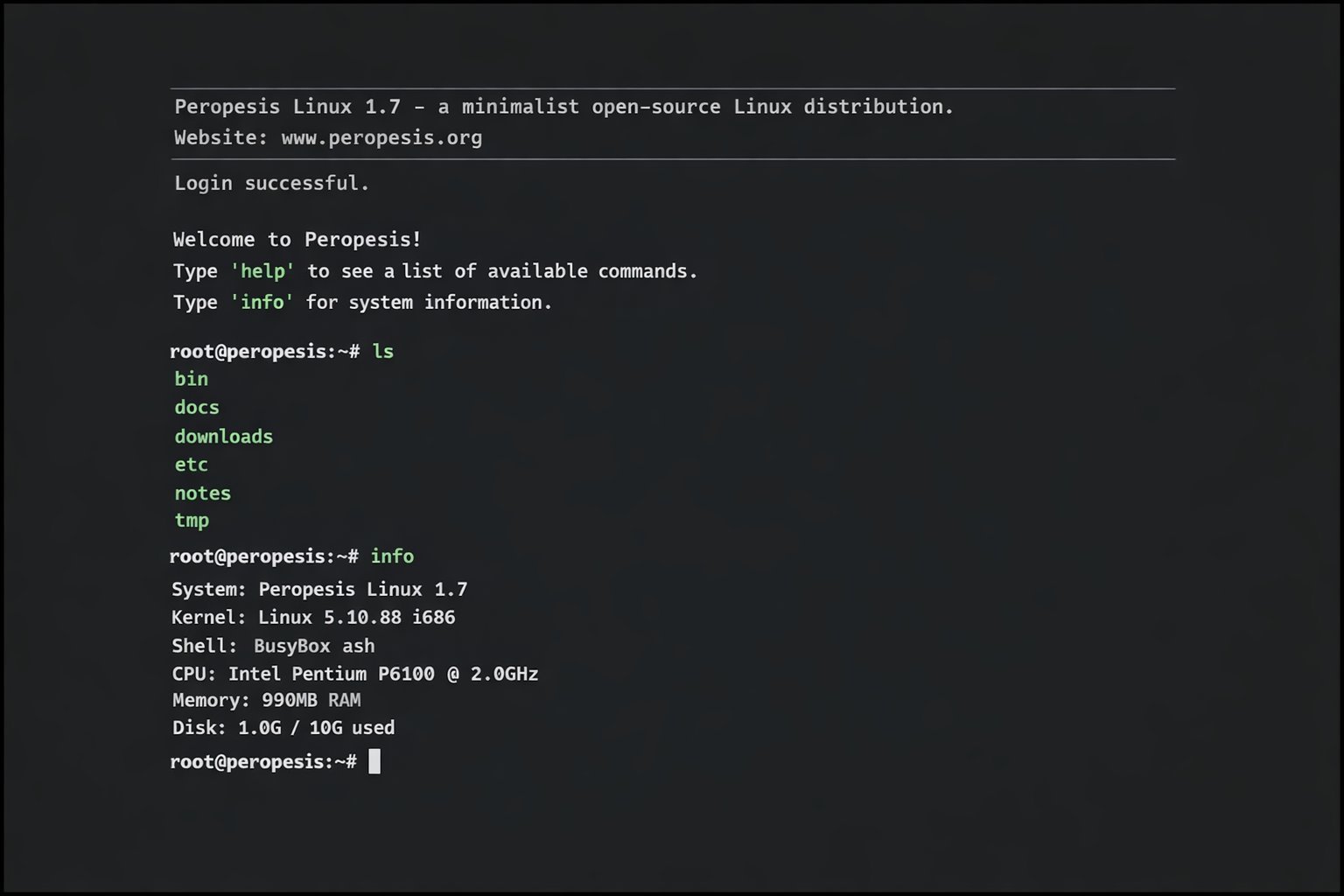
Peropesis 3.2 Brings CLI-Only Experience to UK Users with Latest Updates

Peropesis 3.2 screenshot showcasing the command line interface in action, with a dark colour scheme and a range of tools and features available

Revitalising the Command Line Interface in the UK

Peropesis 3.2 is here, and it’s a breath of fresh air for those who prefer the classic command line interface (CLI) experience in the UK. This latest version continues to deliver a unique blend of old-school Linux charm and modern functionality.

With a focus on keeping things simple, Peropesis 3.2 relies exclusively on the CLI, making it an ideal choice for those who value efficiency and speed in their workflow. The updated version comes with a range of refreshed packages, including gnutls 3.8.12, git 2.53.0, and ruby 4.0.1.

The Peropesis team has also included the latest Lua 5.5.0 and Bash 5.3 in this update, ensuring that users have access to the latest tools and features. The 64-bit live ISO size has been reduced to 410 MB, making it easier to download and install.

In addition to these updates, Peropesis 3.2 also features a 6.18.2 kernel, which provides improved performance and stability. This is particularly important for users who rely on their system for critical tasks and applications.

For those who are new to Peropesis, this latest version is an excellent opportunity to experience the power and flexibility of a CLI-only system. With its intuitive interface and extensive range of packages, Peropesis 3.2 is an ideal choice for developers, administrators, and power users in the UK.

Overall, Peropesis 3.2 is a significant update that is sure to please both new and experienced users. With its unique blend of old-school charm and modern functionality, it’s an excellent choice for anyone looking for a reliable and efficient CLI-only system in the UK.

Pixel 10 Pro Fold vs Galaxy Z Fold 6: Early Comparison

Pixel 10 Pro Fold vs Galaxy Z Fold 6: Early Comparison

Foldable Flagships Face Off

The Pixel 10 Pro Fold and Galaxy Z Fold 6 are shaping up to be two of the most talked-about foldable smartphones of 2025. Both devices bring advanced technology, unique designs, and flagship-level specifications to the table. Early comparisons show that each phone caters to different priorities, from display performance to camera capabilities and battery life.

The Pixel 10 Pro Fold features an 8.0-inch internal display and a 6.4-inch external screen. Both screens offer a 120Hz refresh rate and high brightness levels, making them suitable for gaming, streaming, and productivity. The device is powered by Google’s Tensor G5 chip and comes with 16GB of RAM, ensuring smooth multitasking and performance under heavy workloads. A notable advantage is its IP68 rating, making it dust- and water-resistant, which is rare in foldable smartphones.

Meanwhile, the Galaxy Z Fold 6 offers a 7.6-inch internal display and a 6.3-inch external screen, also with a 120Hz refresh rate. It uses the Qualcomm Snapdragon 8 Gen 3 processor with 12GB of RAM, offering solid performance for apps and gaming. The phone has an IP48 rating, providing some protection from dust and splashes but not as comprehensive as the Pixel 10 Pro Fold. The slightly smaller screen sizes make the Z Fold 6 more compact when folded, which may appeal to users seeking portability.

Battery life is a critical factor for foldable devices, and here the Pixel 10 Pro Fold has an edge. It houses a 5015mAh battery compared to the Galaxy Z Fold 6’s 4400mAh unit. The larger capacity combined with efficient power management may allow the Pixel 10 Pro Fold to last longer, especially during heavy usage like video streaming, gaming, or multitasking. Users who prioritize long battery life may find the Pixel 10 Pro Fold more suitable for their needs.

Pixel 10 Pro Fold vs Galaxy Z Fold 6

Camera capabilities are another area of distinction. The Pixel 10 Pro Fold includes a 48MP main sensor, a 10.8MP telephoto lens with 3x optical zoom, and a 12MP ultrawide camera. The Galaxy Z Fold 6, however, features a 50MP main camera, a 10MP telephoto lens with 5x optical zoom, and a 12MP ultrawide lens. Early impressions suggest that the Z Fold 6’s higher zoom capability and main camera may deliver slightly better photography, especially in distant or low-light shots. Both phones aim to provide flagship-level imaging experiences, but the choice may come down to personal preferences in zoom performance and software camera features.

Design and build are essential considerations for foldable smartphones. The Pixel 10 Pro Fold is slightly thicker and heavier than the Galaxy Z Fold 6, which might affect portability for some users. However, its IP68-rated build adds a level of durability that the Z Fold 6 cannot match. The Galaxy Z Fold 6 is thinner, lighter, and easier to carry in a pocket or bag. Both devices fold seamlessly, but the feel in hand and everyday usability may differ depending on the user’s priorities.

Software experience is a strong point for both devices. The Pixel 10 Pro Fold runs on Android 16 with Google’s optimizations for foldable devices, ensuring smooth navigation and regular security updates. The Galaxy Z Fold 6 also runs Android 16 but with Samsung’s One UI tailored for foldables, offering features like split-screen multitasking, app continuity, and enhanced productivity tools. Both interfaces are polished and offer unique advantages depending on user habits.

In conclusion, the choice between the Pixel 10 Pro Fold and Galaxy Z Fold 6 largely depends on user priorities. The Pixel 10 Pro Fold excels in battery life, durability, and internal display size, making it suitable for users who need a robust device for long hours of usage. The Galaxy Z Fold 6 stands out with camera versatility, a more compact form factor, and refined software enhancements for foldable users. Both devices showcase the latest in foldable technology and offer compelling options for tech enthusiasts in 2025.

Also Read:  Apple iPhone Air vs iPhone SE which offers more value