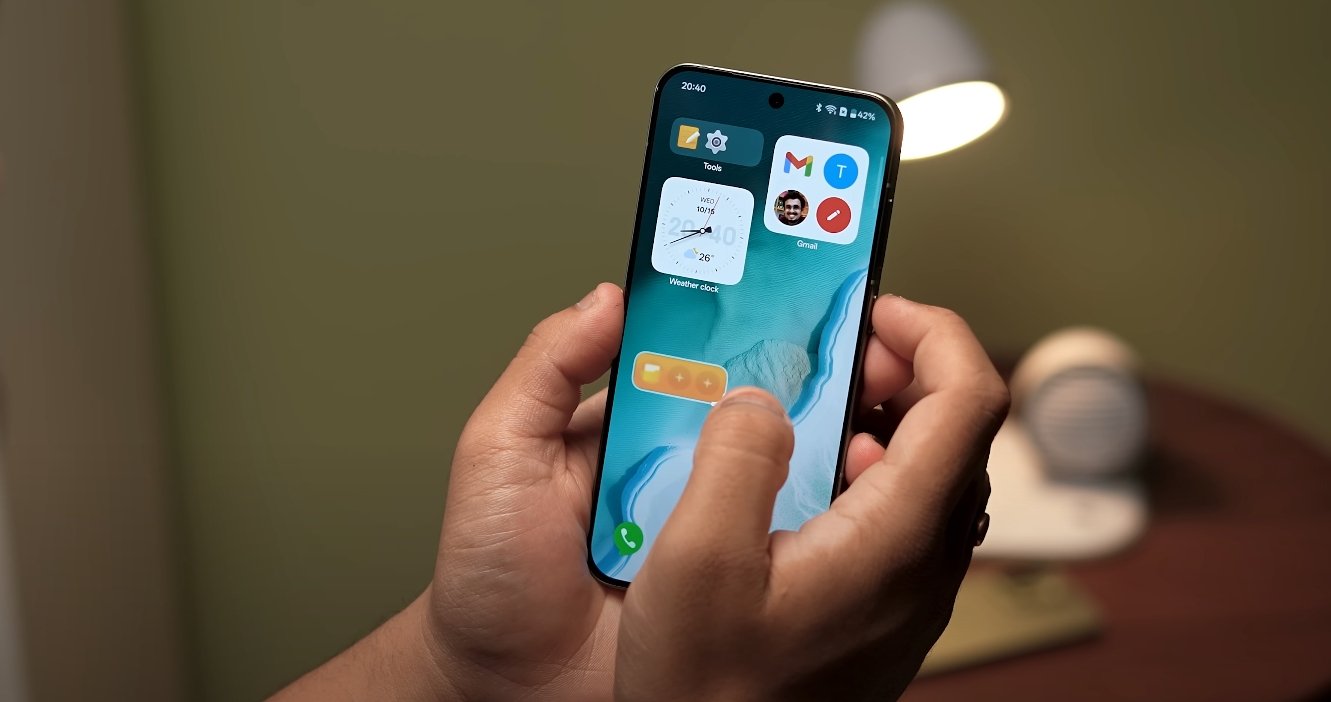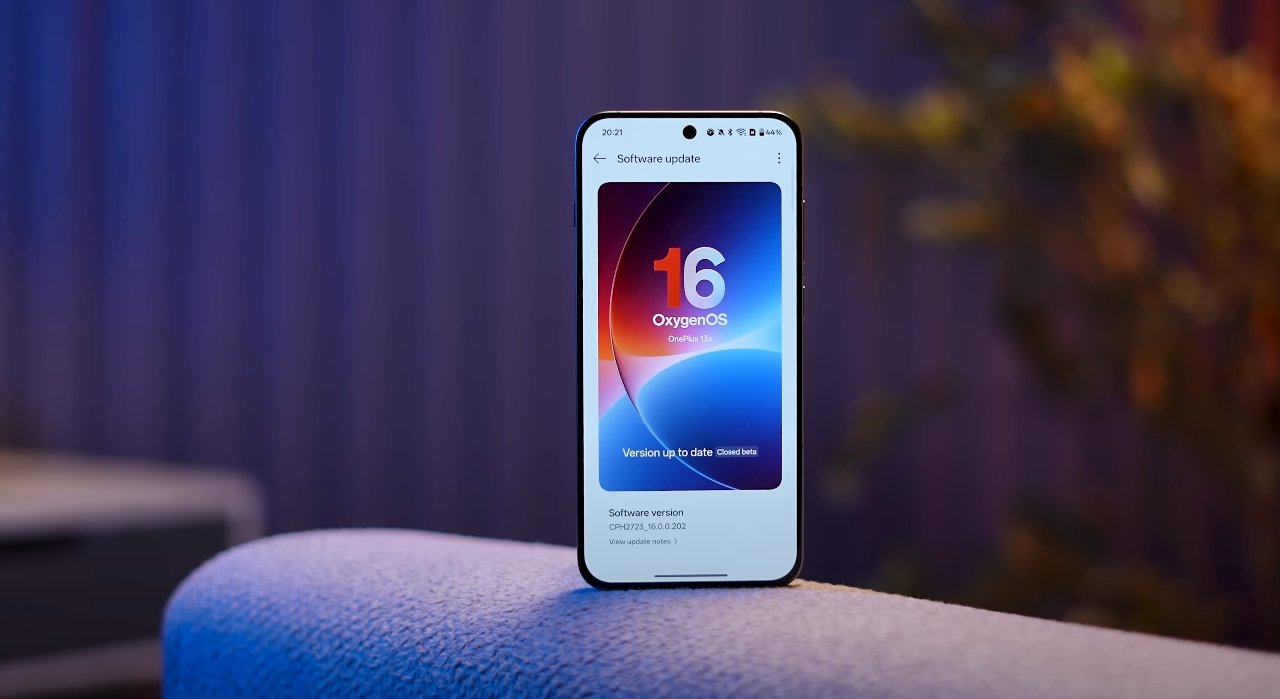
OxygenOS 16 OnePlus Flow Motion feature explained

OxygenOS 16 OnePlus Flow Motion feature explained

OnePlus Flow Motion brings ultra-smooth animations to OxygenOS 16

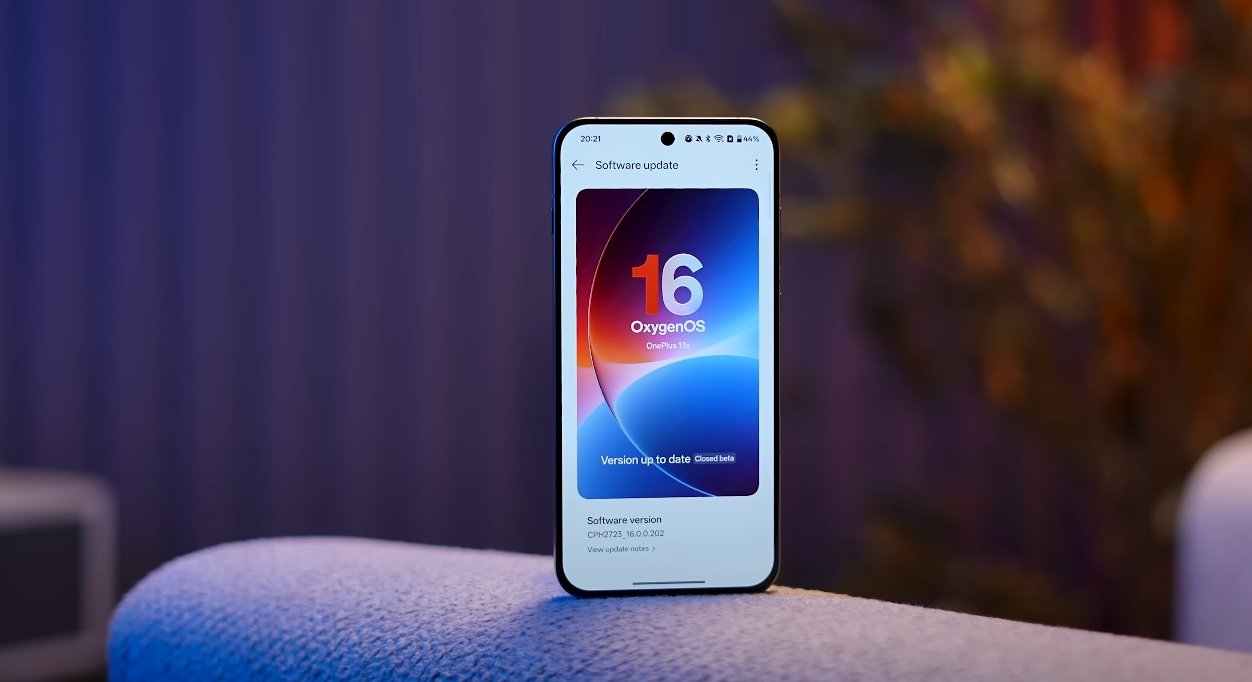
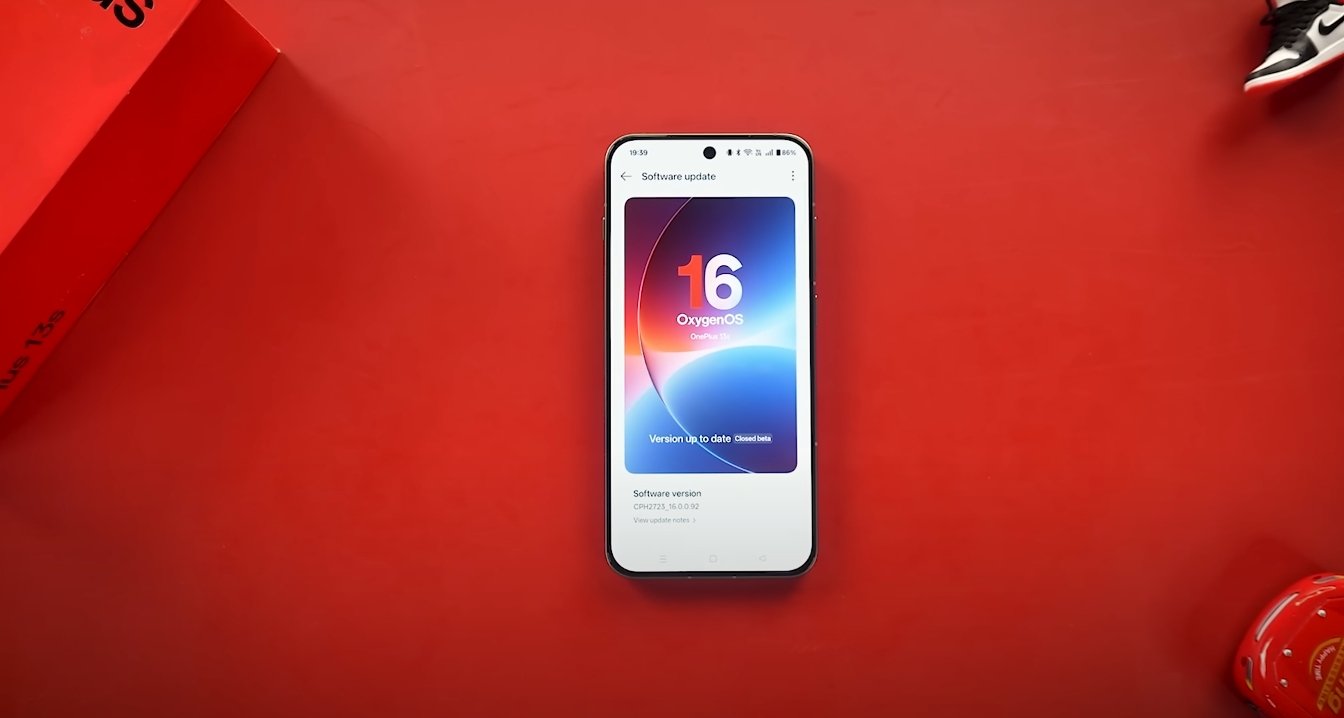
OnePlus has introduced a major visual and performance enhancement with the Flow Motion feature in OxygenOS 16, designed to make device interactions feel faster, smoother, and more intuitive. Flow Motion focuses on refining system animations, gestures, and transitions throughout the interface. By creating a sense of continuous movement and responsiveness, this feature elevates the overall user experience, making navigation feel natural and fluid.

Flow Motion works by optimizing how animations are rendered across the system. Opening apps, switching between screens, scrolling through menus, and accessing quick settings all benefit from smoother transitions. The system intelligently adjusts animation speed and scaling based on user input, providing responsive feedback that feels connected to gestures. Swipes, taps, and drags now feel more precise, reducing lag and creating a sense of fluidity that enhances the perception of speed.

One of the key strengths of Flow Motion is its hardware adaptability. Devices with high refresh-rate displays experience particularly smooth transitions, with animations flowing seamlessly across screens. OnePlus has also optimized the feature for mid-range devices, ensuring that users on older or less powerful phones still enjoy improved responsiveness without compromising battery life or overall performance. This balance allows a wide range of OnePlus devices to deliver a premium interface experience.
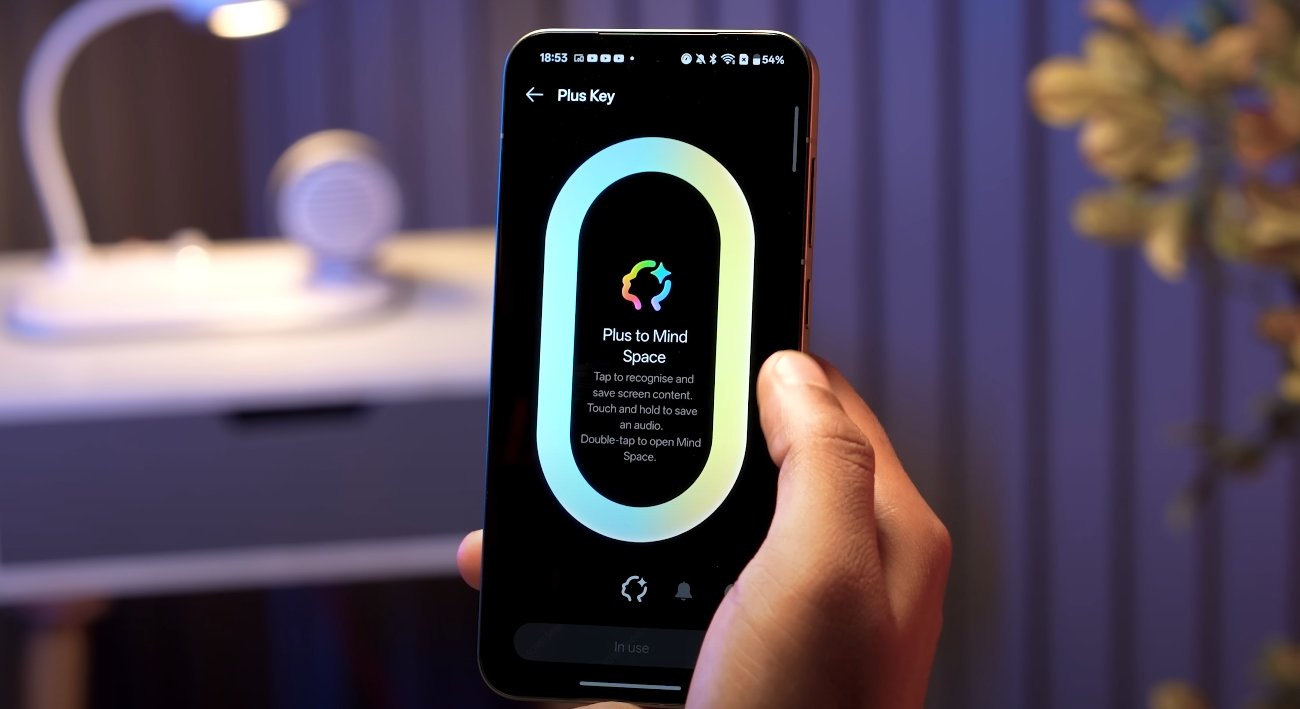
OxygenOS 16 OnePlus Flow Motion feature explained

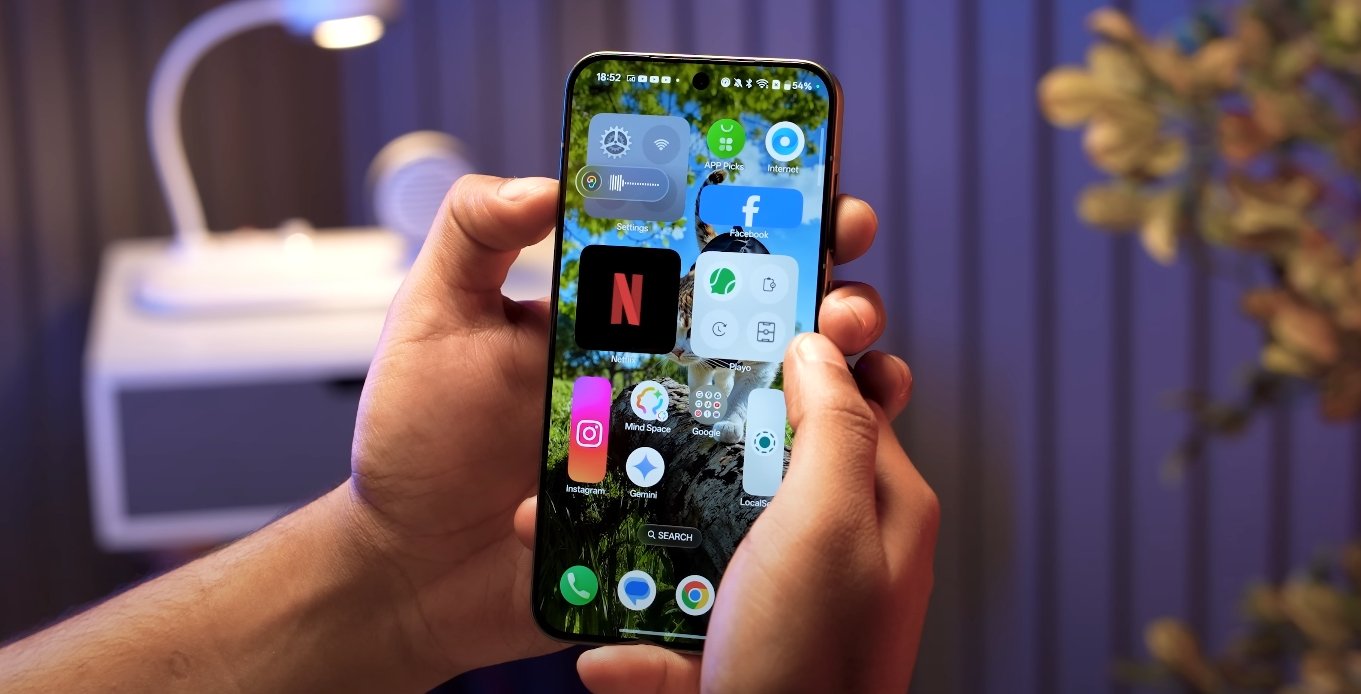
Flow Motion is integrated throughout core system areas. The app drawer, notification shade, quick settings panel, multitasking view, and even minor menus all incorporate adaptive animations. For example, switching between apps in split-screen mode now feels fluid, with smooth scaling and motion. Gestures for returning to the home screen or switching between apps are more responsive, giving a sense of continuous flow. Even simple interactions like scrolling through settings menus or notifications feel more connected and polished.

The feature complements OxygenOS 16’s modern and clean design philosophy. Flow Motion enhances visual depth and movement without adding unnecessary complexity or distractions. Animations are subtle yet impactful, making the interface feel premium while maintaining clarity. This works in tandem with other system improvements, including enhanced gesture detection, adaptive refresh-rate management, and efficient background processing, resulting in a cohesive, responsive experience.

Early U.S. users who have tested OxygenOS 16 with Flow Motion report a noticeable difference in everyday use. Many have highlighted how gestures and transitions feel faster and more refined compared to previous versions of OxygenOS or stock Android. Even minor interactions, such as scrolling social media feeds or navigating system menus, appear smoother. Users also appreciate that the enhanced animations do not negatively affect battery performance, which was a common concern in earlier updates with heavy visual effects.

Flow Motion also demonstrates OnePlus’s focus on balancing performance with aesthetics. While the feature improves the visual experience, it is not purely cosmetic. The adaptive animations contribute to perceived speed and responsiveness, making the interface feel more agile. Combined with smoother multitasking, improved app launch times, and refined gesture controls, Flow Motion enhances the overall efficiency of OxygenOS 16, giving users a more satisfying and premium smartphone experience.

In summary, Flow Motion is a key highlight of OxygenOS 16, delivering smoother animations, responsive gestures, and a more polished interface. Its integration across the system, compatibility with various hardware, and combination of visual refinement with practical performance improvements set it apart as a defining feature of the new OnePlus software. By creating a natural, continuous sense of motion, Flow Motion enhances usability, strengthens the modern design language, and ensures that interactions feel fast, fluid, and enjoyable for all users.

Also Read:  OxygenOS 16 vs Nothing OS 3 which feels smoother
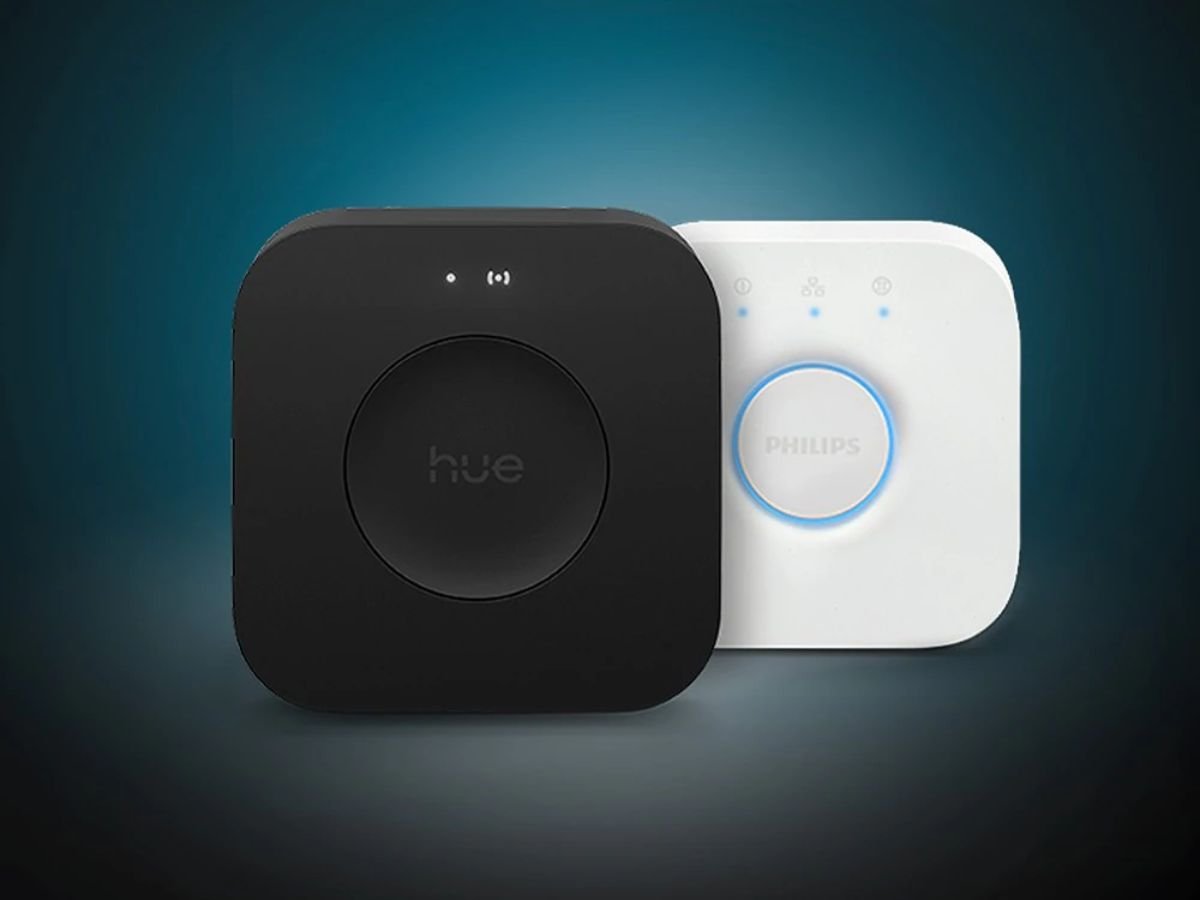
Philips Hue Bridge Update

Philips Hue Bridge Pro update

Philips Hue Bridge Pro Update Paves Way for New Feature

The Philips Hue Bridge Pro and Hue Bridge v2 are set to receive two new updates, with software versions 2071193000 and 1975104000 bringing minor improvements to the smart hubs.

According to the release notes, these updates will make the devices compatible with a new feature that will soon be added to the brand’s app, enhancing user experience.

The updates are expected to lay the groundwork for a new feature, which will likely be introduced in a future app update, allowing users to explore new possibilities with their smart lighting systems.

The Philips Hue Bridge Pro and Hue Bridge v2 are central to the brand’s smart lighting ecosystem, enabling users to control their lights remotely and access various features such as scheduling and colour control.

With the new feature on the horizon, users can expect to see improved functionality and more seamless integration with other smart devices, further solidifying Philips Hue’s position in the smart home market.

The updates demonstrate the company’s commitment to continually improving and expanding its smart lighting offerings, providing users with the latest technology and innovative features.

As the smart home market continues to evolve, Philips Hue remains at the forefront, with its Bridge updates and new feature developments setting the stage for a more connected and convenient user experience.

The new feature is expected to be introduced in the coming months, with the exact release date and details yet to be confirmed by the company.

In the meantime, users can look forward to the updated Bridge software, which will provide a solid foundation for the upcoming feature and continued innovation in the smart lighting space.

Philips Hue’s dedication to innovation and customer satisfaction is evident in its regular updates and feature additions, making it a leader in the smart lighting industry.

The company’s focus on user experience and behaviour analysis has enabled it to develop intuitive and user-friendly products that cater to the needs of its customers.

As the demand for smart home devices continues to grow, Philips Hue is well-positioned to meet the needs of consumers, with its Bridge updates and new features playing a crucial role in shaping the future of smart lighting.

The smart lighting market is becoming increasingly competitive, with various brands vying for market share, but Philips Hue’s commitment to quality and innovation sets it apart from the competition.

With its strong reputation and loyal customer base, Philips Hue is expected to continue to drive growth and expansion in the smart lighting sector, with its Bridge updates and new features at the forefront of its strategy.

The updates to the Philips Hue Bridge Pro and Hue Bridge v2 demonstrate the company’s ability to analyse market trends and adjust its strategy accordingly, ensuring it remains a major player in the smart home market.

Phantom Blade Zero Developer Rejects DLSS 5 Support in the UK

A screenshot of Phantom Blade Zero gameplay, showcasing the game's stunning visuals and human-created artistry, a testament to the UK's rich gaming culture

Phantom Blade Zero Takes a Stance Against AI-Generated Content

The game development studio behind Phantom Blade Zero has made a bold statement regarding their commitment to human artistry. In a recent letter, Game Director Liang Qiwei expressed the studio’s dedication to preserving the creative intent of their artists. This stance appears to be linked to the withdrawal of support for NVIDIA’s DLSS 5 technology.

The studio’s decision to distance themselves from DLSS 5 is notable, given that Phantom Blade Zero was initially listed as one of the first games to support this technology. Other notable games, such as AION 2 and Assassin’s Creed Shadows, are also set to utilise DLSS 5.

By rejecting DLSS 5, Phantom Blade Zero is taking a firm stance against the integration of AI-generated content in their game. This move reflects the studio’s desire to maintain the authenticity and originality of their artistic vision. As the UK gaming community continues to grow, it will be interesting to see how this decision impacts the game’s reception.

The use of AI in game development is a topic of ongoing debate, with some arguing that it enhances the gaming experience and others claiming that it undermines the creative process. Phantom Blade Zero’s decision to prioritise human artistry over AI-generated content is a significant one, and it will be fascinating to see how this approach influences the game’s overall quality and player engagement.

The UK gaming industry is known for its rich history of innovation and creativity, and Phantom Blade Zero’s commitment to human artistry is a testament to this tradition. As the game’s development continues, it will be exciting to see how the studio’s stance on AI-generated content shapes the final product.

In conclusion, Phantom Blade Zero’s rejection of DLSS 5 support is a bold move that reflects the studio’s dedication to preserving the creative intent of their artists. As the UK gaming community looks on, it will be interesting to see how this decision impacts the game’s success and the wider industry’s approach to AI-generated content.

Pixel 10 Pro Fold screen quality gets expert praise

Pixel 10 Pro Fold screen quality gets expert praise

Google’s foldable sets a new benchmark in display technology

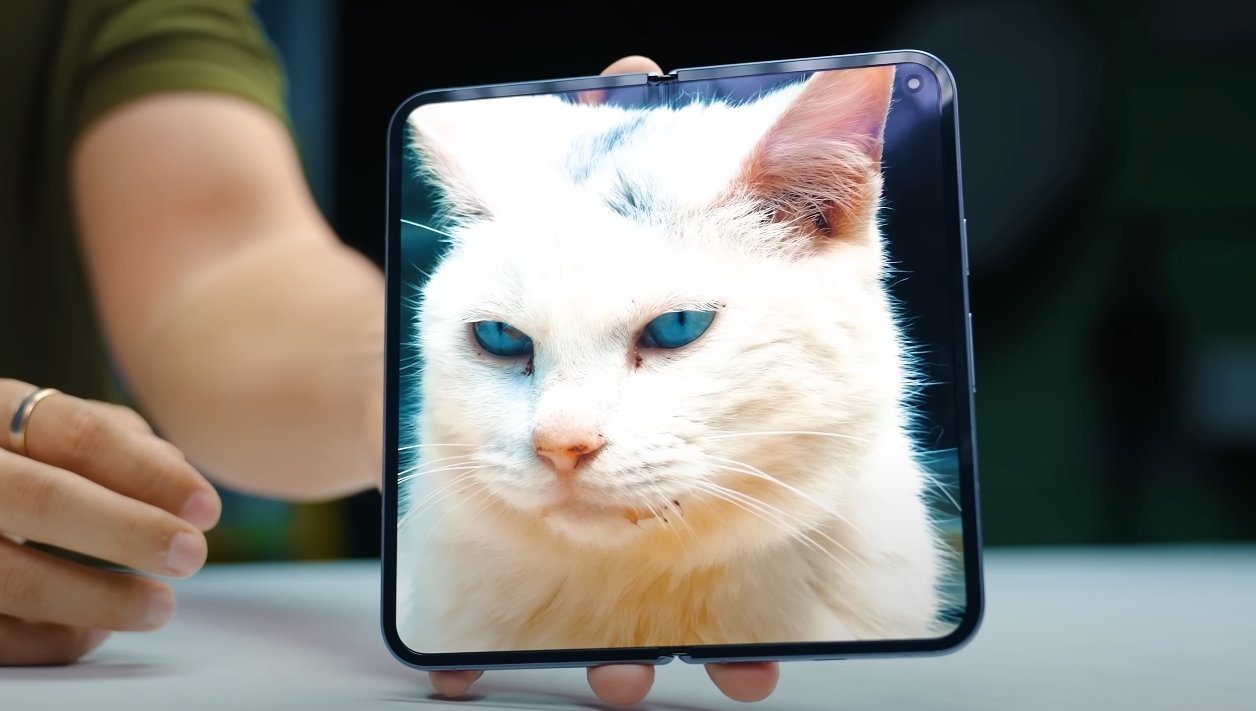
The Pixel 10 Pro Fold is receiving widespread acclaim for its screen quality, with experts highlighting both the inner and outer displays as among the best in the foldable smartphone market. Reviewers note that Google has addressed many long-standing issues with foldables, delivering bright, sharp, and color-accurate panels that perform well in a variety of conditions.

The inner display measures 8 inches and features a Super Actua OLED panel with an adaptive refresh rate ranging from 1 Hz to 120 Hz. Experts emphasize its exceptional brightness, reporting peak levels of up to 3,000 nits, making the screen highly readable even in direct sunlight. The panel’s contrast ratio is strong, allowing deep blacks and vibrant colors, while HDR10+ content appears detailed and lifelike. The smoothness provided by the adaptive refresh rate enhances scrolling and gaming, giving the impression of a more responsive and premium experience compared to earlier foldables.

The outer display, now slightly larger at 6.4 inches, is equally impressive. Experts praise its 1080×2364 resolution and pixel density of over 400 PPI, noting that it delivers sharp text and crisp images. The outer panel has a peak brightness comparable to the inner display, ensuring usability when the device is folded. Both screens also maintain consistent color accuracy across viewing angles, minimizing distortions and maintaining fidelity whether the device is fully open or partially folded.

Pixel 10 Pro Fold screen quality gets expert praise

Color performance is a key highlight. Reviewers point out that both panels render colors naturally, whether in standard or adaptive mode, making the device excellent for photography review, media consumption, and creative tasks. HDR content stands out, with smooth transitions between shadows and highlights. The foldable maintains consistent performance across different lighting conditions, allowing users to rely on it for professional-level media viewing or casual entertainment alike.

Some minor drawbacks remain. The fold crease is still visible under certain angles or bright lighting, although it is less pronounced than in earlier models. Additionally, prolonged use outdoors can slightly reduce peak brightness as the system adjusts to prevent overheating and conserve battery. The interior bezels remain noticeable, though slimmer than on previous Pixel foldables, contributing to a more immersive display experience.

Overall, experts agree that the Pixel 10 Pro Fold represents a significant advancement in foldable display technology. By combining high peak brightness, precise color accuracy, strong contrast, and smooth adaptive refresh rates, Google has addressed many of the weaknesses found in earlier foldables. These improvements make the device ideal for multitasking, streaming, gaming, and outdoor use, solidifying its position as one of the top-performing foldable smartphones on the market.

The positive reception from reviewers is already influencing public perception. Videos, hands-on articles, and early impressions have highlighted the display’s quality as a primary selling point, making it a standout feature for U.S. buyers considering a high-end foldable. Google’s focus on both hardware durability and display excellence positions the Pixel 10 Pro Fold as a device that is not only visually impressive but also practical for everyday use.

In conclusion, the Pixel 10 Pro Fold’s screens demonstrate that Google is serious about setting a new standard in foldable technology. With vibrant colors, high brightness, and smooth performance, the device addresses common concerns about visibility, responsiveness, and overall visual fidelity. For consumers seeking a foldable that combines innovation with practical usability, the Pixel 10 Pro Fold’s display is proving to be a major draw and a key reason why the device has quickly become one of the most talked-about smartphones of the year.

Also Read:  Moto G06 Power release delays in USA markets

OxygenOS 16 lock screen and AOD customization review

OxygenOS 16 lock screen and AOD customization review

OnePlus enhances personalization with new lock screen and Always-On Display options

OxygenOS 16 introduces a revamped lock screen and Always-On Display (AOD) system, giving users more control over personalization and functionality. OnePlus has focused on making these features not only visually appealing but also practical, allowing users to express style while accessing essential information at a glance. Early feedback highlights the balance between aesthetics, usability, and system performance in these updates.

The lock screen has received a significant design overhaul. Users can now choose from multiple clock styles, layouts, and notification arrangements. Text and icon placement is adjustable, and subtle animation effects create a dynamic yet unobtrusive appearance. OnePlus has also enhanced fingerprint and facial recognition integration, making unlocking faster while maintaining smooth transition animations that feel fluid and premium.

Always-On Display customization has expanded considerably in OxygenOS 16. Users can select from a range of clock designs, background patterns, and notification display options. AOD now supports interactive elements like calendar previews and music controls, enabling quick access without unlocking the device. The visual effects have been optimized to reduce battery drain, ensuring that the feature can run continuously without significant impact on device longevity.

OxygenOS 16 lock screen and AOD customization review

Themes and personalization are a strong focus for both the lock screen and AOD. OnePlus allows users to sync colors and widgets with their chosen system theme or wallpaper, creating a consistent visual experience. Users can also schedule different lock screen or AOD styles based on time of day, giving morning and night modes distinct looks. This level of customization is designed to cater to individual preferences while keeping interactions simple and intuitive.

Performance and responsiveness are key improvements in this update. U.S. testers have noted that the lock screen and AOD animations feel smooth, even on devices with high refresh-rate displays. The transition between the always-on state and the active screen is seamless, and notifications update in real-time without noticeable lag. OnePlus has also ensured that the fingerprint and face unlock processes integrate cleanly with the new visual effects, maintaining fast access while enhancing the aesthetic experience.

The update also emphasizes minimal distraction and usability. Notification previews on both the lock screen and AOD can be adjusted for privacy, allowing users to hide sensitive content until the device is unlocked. This feature is particularly useful for those who receive frequent messages or emails, balancing convenience with security. Combined with the enhanced visual customization, this makes the lock screen and AOD both practical and stylish.

Overall, OxygenOS 16’s lock screen and Always-On Display customization reflect OnePlus’s focus on personalization, smooth performance, and modern design. Users can enjoy a more expressive and functional interface, with faster access to information, visually appealing animations, and intelligent integration with system features. These enhancements make the device feel more personal, responsive, and visually polished, delivering a premium experience for U.S. OnePlus users.

POCO F8 Pro best settings to get the longest battery life in 2025

POCO F8 Pro best settings to get the longest battery life in 2025

How to Maximise Battery Endurance on the POCO F8 Pro

The POCO F8 Pro is designed for power users, but its fast chipset and bright display can drain the battery quickly if left on default settings. With a few smart adjustments, you can noticeably extend your daily runtime and keep the phone running longer between charges. These settings work especially well in 2025 as apps become more demanding.

Begin with the display, which is the biggest battery consumer. Set the refresh rate to a dynamic or lower option such as 60Hz when not gaming. This reduces power draw during browsing, messaging or casual use. Lower the brightness or enable auto-brightness so the phone adjusts to indoor and outdoor conditions efficiently.

Next, manage your connectivity options. Disable 5G when you don’t need ultra-fast speeds, as poor 5G coverage forces the phone to search for a signal and uses more battery. Switch to 4G for everyday tasks. Turn off Wi-Fi, Bluetooth and GPS when not needed, since background scanning in these modes drains energy over time.

POCO F8 Pro best settings to get the longest battery life in 2025

Optimising background apps is another effective way to extend battery life. Restrict background activity for apps like social media, shopping and streaming services. Many of these run background processes even when unused. Use the built-in battery management tools to limit auto-start permissions and stop unnecessary apps from waking the device regularly.

Dark mode on the AMOLED display delivers meaningful power savings. Darker pixels require less energy, especially in long social media sessions, chats and browsing. Combine this with a dark wallpaper and theme for additional gains throughout the day.

Temperature control helps battery longevity and stamina. Avoid using the phone while charging, and keep it away from direct sunlight or hot environments. High heat accelerates battery drain and affects long-term health. Removing thick cases while charging helps the device stay cooler.

Charging habits also affect endurance. Try to avoid leaving the battery at 100% for long periods or letting it drop too low. Partial charging between 20% and 80% is healthier for long-term capacity. If the phone includes adaptive charging, turn it on to slow the charging rate during overnight sessions.

Background syncing for cloud services can quietly consume energy. Disable automatic photo uploads unless charging, and adjust sync intervals for email or file apps. Reducing constant background syncing helps the phone remain efficient without affecting daily functionality.

For gaming or heavy tasks, reduce graphics quality and limit frame rates to balance power and performance. Many modern games offer power-saving modes that work well with the POCO F8 Pro’s hardware. For streaming, lowering video resolution when on mobile data or low battery extends usage time.

Battery saver modes in the phone offer easy one-tap optimisation. The standard battery saver reduces animations and background tasks, while the extreme mode pushes savings further by disabling additional features. Switching between these modes depending on your situation helps maintain consistent battery life.

Overall, with the right settings, the POCO F8 Pro can comfortably last through longer workdays, travel and heavy usage. Adjusting the display, managing connectivity, restricting background apps and maintaining good charging habits all contribute to delivering the longest battery life the phone can offer in 2025.

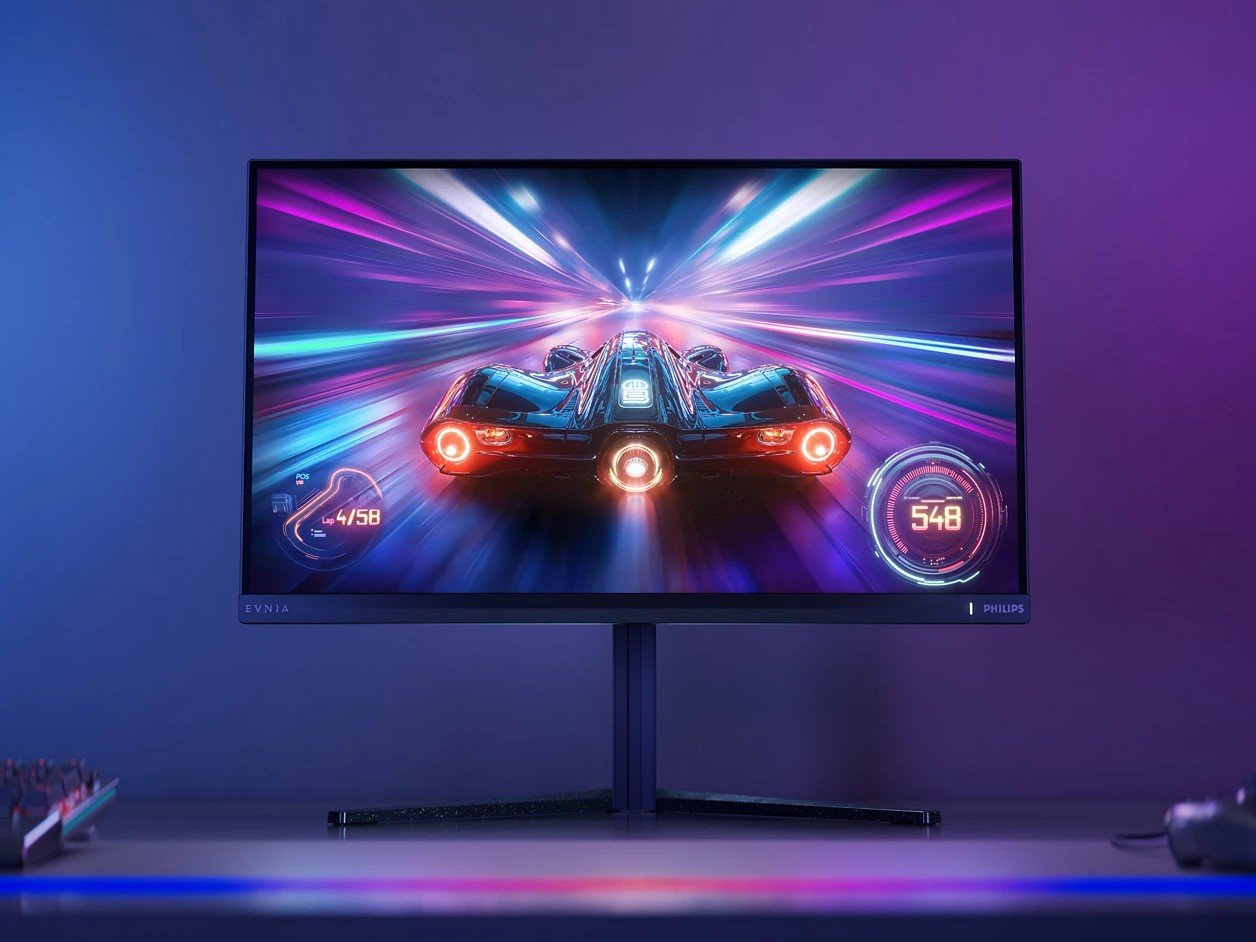
Philips Unveils Envia 27M2N5500XD: A 1,000 Hz Gaming Monitor

The Philips Envia 27M2N5500XD gaming monitor features a high refresh rate and QHD resolution, making it ideal for fast-paced games and videos, with a 1,000 Hz dual mode for enhanced performance

Discover the Power of Philips Envia 27M2N5500XD

The Philips Envia 27M2N5500XD has been launched in China, showcasing its impressive specifications. This super high refresh rate gaming monitor boasts a 500 Hz refresh rate at QHD and a 1,000 Hz dual mode. The Envia 27M2N5500XD is set to outperform the new OLEDs, albeit with some trade-offs.

The monitor’s high refresh rate is likely to appeal to gamers who require fast and seamless visuals. However, it is essential to analyse the monitor’s overall performance and behaviour. The Envia 27M2N5500XD’s colour accuracy and contrast ratio will be crucial in determining its suitability for gaming and other applications.

In terms of design, the Envia 27M2N5500XD features a sleek and modern aesthetic. The monitor’s slim profile and ergonomic stand make it an excellent choice for those who value style and comfort. Moreover, the monitor’s connectivity options, including HDMI and DisplayPort, provide users with flexibility and convenience.

The Philips Envia 27M2N5500XD is poised to make a significant impact in the gaming monitor market. With its impressive specifications and features, this monitor is likely to attract gamers and enthusiasts alike. As the global launch approaches, gamers and tech enthusiasts are eagerly awaiting the opportunity to experience the Envia 27M2N5500XD’s exceptional performance and colour quality.

The Envia 27M2N5500XD’s 1,000 Hz dual mode is a notable feature that sets it apart from other gaming monitors. This technology enables the monitor to switch between two different refresh rates, providing users with greater flexibility and control. Whether you are playing fast-paced games or watching videos, the Envia 27M2N5500XD’s advanced technology ensures a smooth and immersive experience.

In conclusion, the Philips Envia 27M2N5500XD is an exceptional gaming monitor that boasts impressive specifications and features. With its high refresh rate, sleek design, and advanced technology, this monitor is poised to become a top choice for gamers and enthusiasts. As the global launch approaches, it will be exciting to see how the Envia 27M2N5500XD performs in real-world tests and reviews.

PlayStation You Owe Us: UK Class Action Against Sony Begins

A group of gamers holding PlayStation controllers, with a UK flag in the background, symbolising the class action against Sony's PlayStation Store in the UK, with a focus on consumer rights and the gaming industry

PlayStation You Owe Us: The UK Class Action Against Sony’s PlayStation Store

The class-action lawsuit, dubbed ‘PlayStation You Owe Us’, has commenced in the UK, with consumer rights champion Alex Neill taking on Sony’s PlayStation. The legal action, filed in 2022, challenges Sony’s dominance over the PlayStation Store digital platform, which allegedly led to inflated game prices for UK consumers.

The plaintiff’s legal counsel, Mr Palmer, delivered the opening statement, which was livestreamed on the Competition Appeal Tribunal’s website. The proceedings mark a significant milestone in the case, which has been ongoing for several months.

The damage figure sought by the plaintiff has undergone changes, initially standing at $5 billion in 2022 and rising to £6.3 billion in November. The current figure of £1.97 billion is still substantial, reflecting the gravity of the allegations against Sony.

The case centres on Sony’s alleged monopoly over the PlayStation Store, which, according to the plaintiffs, has resulted in higher game prices for UK consumers. The legal action aims to hold Sony accountable for its behaviour and ensure a more competitive market for gamers in the UK.

As the case progresses, it will be interesting to analyse the impact of the lawsuit on the gaming industry in the UK. The outcome may have significant implications for Sony and other gaming companies, potentially leading to changes in their business practices and pricing strategies.

The ‘PlayStation You Owe Us’ campaign has garnered significant attention in the UK, with many consumers expressing support for the legal action. The case has also sparked a wider debate about the need for greater competition in the gaming industry and the importance of protecting consumer rights.

The UK’s Competition Appeal Tribunal will continue to hear the case, with the plaintiff’s legal team presenting their arguments and evidence. The tribunal’s decision will be closely watched, as it may have far-reaching consequences for the gaming industry and consumers in the UK.

In conclusion, the ‘PlayStation You Owe Us’ class-action lawsuit marks an important milestone in the fight for consumer rights in the UK’s gaming industry. As the case unfolds, it will be essential to monitor the developments and analyse the potential impact on the industry and consumers alike.

Pixel 10 Pro Fold battery life tested in real usage

Pixel 10 Pro Fold battery life tested in real usage

Real-World Battery Life of Google’s Pixel 10 Pro Fold

The Google Pixel 10 Pro Fold has drawn significant attention since its launch, especially for the major improvements Google has made in battery efficiency and power management. With foldable phones often criticized for short battery life, Google’s promise of extended performance in daily use has been a major selling point. Real-world testing now offers a clearer picture of how well this device performs outside lab conditions, and the results show that the Pixel 10 Pro Fold delivers dependable endurance for most users.

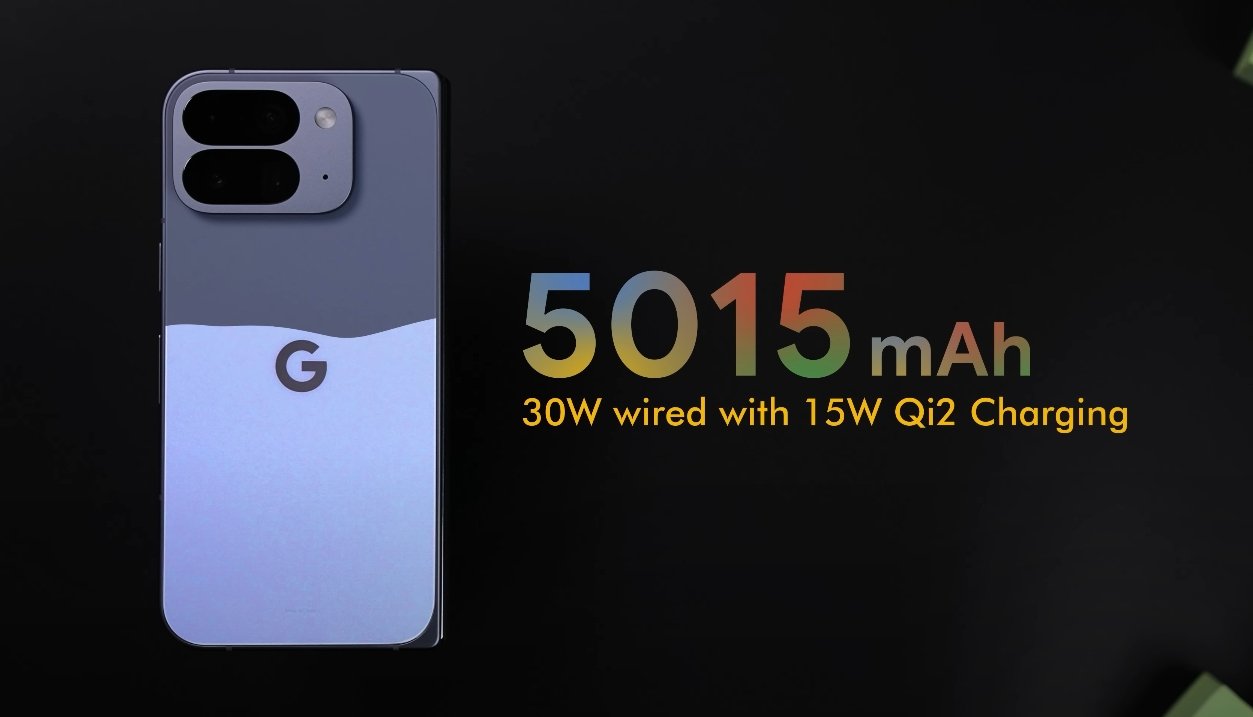
At the heart of the Pixel 10 Pro Fold is a 5,015 mAh battery, the largest Google has ever included in its foldable lineup. This capacity is a clear upgrade over previous Pixel Fold models and a competitive advantage over rival foldables. Google claims the phone can last more than 30 hours on a full charge and extend up to 100 hours in Extreme Battery Saver mode. During everyday testing, users found these numbers realistic in typical mixed use scenarios. When used primarily on Wi-Fi, with moderate browsing, messaging, and occasional camera use, the phone easily lasted a full day with 40 to 50 percent remaining by evening.

The dual-display design, however, continues to play a key role in how the battery drains. The outer screen is efficient for quick tasks, notifications, and navigation, but extended use of the inner 7.9-inch OLED panel demands more power. During periods of heavy use—such as video streaming, multitasking with split-screen apps, or gaming—the battery dropped faster, typically reaching 25 to 30 percent by nightfall. This pattern is consistent with what most foldable phone owners experience, where screen size and brightness directly affect endurance.

Pixel 10 Pro Fold battery life tested in real usage

One of the biggest improvements Google made to the Pixel 10 Pro Fold is its adaptive battery system powered by the Tensor G4 chip. This custom silicon, paired with advanced AI learning, prioritizes power for frequently used apps while limiting background drain from others. Over several days of use, the system learns a user’s habits and adjusts accordingly, helping the device last longer without manual intervention. This software optimization has been one of the standout features in real-world tests, making the Pixel 10 Pro Fold feel more efficient the longer it is used.

Charging speed also plays an important role in overall usability. The Pixel 10 Pro Fold supports fast wired charging and Qi-certified wireless charging, although Google remains conservative compared to some rivals that push wattage limits. In testing, a 50 percent charge was achieved in about 30 minutes using Google’s 30W charger. A full charge took roughly 90 minutes, which is respectable considering the large battery size. Wireless charging was slower but convenient for overnight use or desk charging. The phone also supports Battery Share, allowing users to wirelessly top up smaller accessories like earbuds or smartwatches.

Thermal performance under charging and heavy workloads stayed consistent, showing Google’s refinement in heat management. Even during extended gaming or camera recording sessions, temperatures stayed within comfortable limits, preventing any drastic battery drain or throttling. The phone’s cooling design and software temperature control contribute to its stable endurance, which was not always the case with earlier foldable models.

Overall, the Pixel 10 Pro Fold demonstrates a significant step forward in practical battery life for a foldable phone. It easily covers a full day of typical use and remains reliable during heavier sessions. While users pushing the inner display to its limits may still need a top-up by evening, the combination of a large battery, efficient Tensor G4 optimization, and smarter adaptive management makes this one of the most balanced foldables in real-world power performance. Google’s improvements finally bring foldable endurance closer to what flagship slab phones deliver, showing that premium design and practicality can now coexist in one foldable device.

Also Read:  Pixel 10 Pro Fold screen quality gets expert praise

OxygenOS 16 vs OxygenOS 14 battery life test

OxygenOS 16 vs OxygenOS 14 battery life test

Comparing Battery Life: OxygenOS 16 vs OxygenOS 14

Battery performance is a crucial factor for smartphone users, affecting daily usability and overall satisfaction. With the release of OxygenOS 16, OnePlus introduced several optimizations aimed at improving battery life over its predecessor, OxygenOS 14. Real-world testing and user experiences show that the newer OS brings noticeable improvements in endurance, efficiency, and power management.

OxygenOS 14, upon its release, faced criticism for inconsistent battery performance. Users often reported significant drain overnight and limited screen-on time during the day. In practical use, devices running OxygenOS 14 typically lasted fewer hours than expected, especially under moderate to heavy usage. Activities such as browsing, video streaming, and gaming tended to consume more power than anticipated, resulting in shorter usage sessions and frequent charging interruptions. This was particularly noticeable in models like the OnePlus 8T and OnePlus 10 Pro, where users reported both higher power consumption and occasional system stuttering, likely due to background processes not being efficiently managed.

In contrast, OxygenOS 16 has introduced several features to address these battery concerns. A key improvement is the adaptive battery management system, which learns user habits over time and allocates resources intelligently. Power-hungry apps are monitored and prioritized only when necessary, while background apps receive minimal attention unless actively in use. This optimization reduces unnecessary battery consumption and extends overall device longevity throughout the day. Many users have reported that after updating to OxygenOS 16, their devices could last significantly longer, with some experiencing an extra half-day of usage compared to OxygenOS 14.

OxygenOS 16 vs OxygenOS 14 battery life test

Another factor contributing to better battery performance is the refined resource allocation for system processes. OxygenOS 16 ensures that system animations, app launches, and multitasking do not draw excessive power. By optimizing CPU and GPU usage dynamically based on the task at hand, the system maintains a balance between smooth performance and battery efficiency. This is particularly beneficial for users who engage in long sessions of video streaming, gaming, or multitasking, as the device remains responsive without compromising power consumption.

Real-world user feedback confirms the benefits of these changes. Many OnePlus 11 and 12 users have reported longer screen-on times, sometimes exceeding nine hours during a full day of moderate to heavy use. Overnight battery drain has also been noticeably reduced, allowing users to wake up with more remaining charge than they would have under OxygenOS 14. These improvements indicate that OxygenOS 16’s intelligent battery optimizations are effective across different models and usage patterns.

Additionally, OxygenOS 16 incorporates adaptive charging and power management features. The system adjusts charging speeds and battery usage based on user routines and device temperature. This not only extends daily battery life but also contributes to long-term battery health, reducing the risk of premature degradation. In contrast, OxygenOS 14 offered less granular control over these aspects, resulting in faster drain during intensive tasks and less efficient overnight charging.

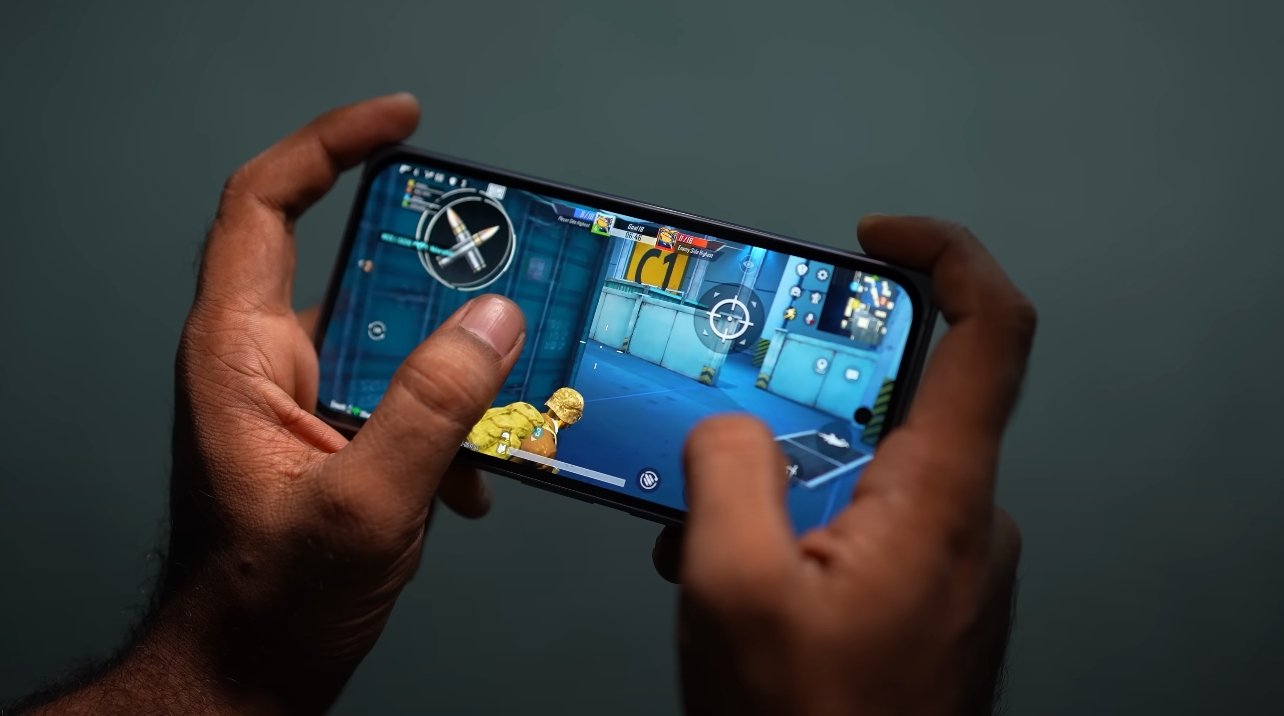
Gaming and multimedia performance under OxygenOS 16 also shows a marked improvement in battery efficiency. While OxygenOS 14 often saw devices heating quickly during extended gaming sessions, the updated thermal and power management in OxygenOS 16 ensures that battery drain is mitigated without reducing performance. Users report sustained frame rates and smoother gameplay while maintaining longer session times, highlighting the effectiveness of the system’s optimization.

Overall, the comparison between OxygenOS 16 and OxygenOS 14 demonstrates that OnePlus has made substantial strides in enhancing battery life and efficiency. OxygenOS 16’s combination of adaptive battery management, optimized system resources, and intelligent charging features ensures that devices last longer on a single charge and remain more reliable throughout the day. Users upgrading from OxygenOS 14 experience improved endurance, reduced drain, and a more consistent performance under heavy usage.

In conclusion, OxygenOS 16 represents a significant improvement over OxygenOS 14 in terms of battery life and power management. By intelligently allocating resources, optimizing background processes, and incorporating adaptive charging, the update provides users with a more reliable and longer-lasting experience. For OnePlus users seeking better endurance, enhanced performance, and smarter battery management, OxygenOS 16 delivers tangible benefits that address many of the shortcomings observed in OxygenOS 14.

Also Read:  Oppo Find X8 Ultra vs iPhone 15 Pro camera results

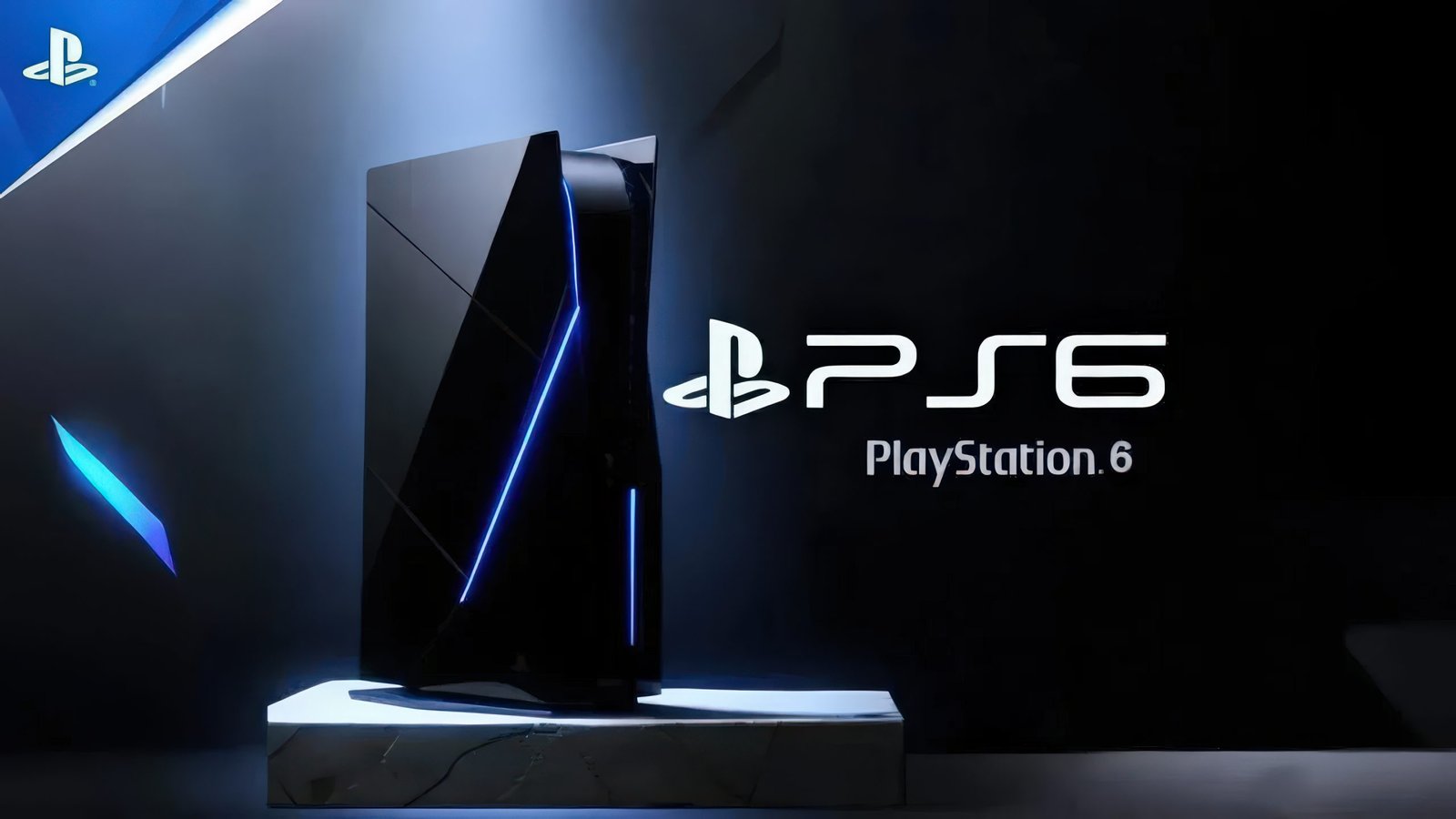
PlayStation 6: Unveiling Sony’s Next-Gen Console

The PlayStation 6 console, featuring a sleek design and advanced hardware, is expected to revolutionise the gaming industry with its cutting-edge technology and innovative features, including a potential new PlayStation handheld console.

Exploring the Future of Gaming: PlayStation 6

Although Sony has not officially announced the PlayStation 6, the rumour mill is already abuzz with speculation. As the PlayStation 5 enters its latter half and the PS5 Pro hits the shelves, gamers are eagerly anticipating what’s next.

The PlayStation 6 is expected to boast impressive hardware upgrades, potentially featuring advanced graphics and processing capabilities. Pricing and design details remain under wraps, but we can analyse the available information to make educated predictions.

A new PlayStation handheld console might be launched alongside the PS6, offering an innovative gaming experience. The possibility of cloud gaming integration also exists, which could revolutionise the way we play games.

Sony’s next-gen console is likely to have a significant impact on the gaming industry. With its release window still uncertain, fans are eagerly awaiting an official announcement. The PS6 is expected to feature cutting-edge technology, including improved controllers and enhanced virtual reality capabilities.

The PlayStation 6’s release date is still a mystery, but experts predict it will be sometime in the near future. As more information becomes available, we will be able to better understand the console’s features and capabilities.

In the meantime, gamers can speculate about the possibilities. Will the PS6 feature backwards compatibility with previous PlayStation games? Only time will tell, but one thing is certain – the future of gaming is looking bright.

Sony is known for its innovative approach to gaming, and the PS6 is expected to be no exception. With its advanced hardware and potential new features, the console is likely to be a game-changer in the industry.

As we wait for an official announcement, we can continue to analyse the available information and make educated predictions about the PS6. One thing is certain – the future of gaming is exciting, and the PlayStation 6 is at the forefront of this revolution.

The possibility of a new PlayStation handheld console is also an exciting prospect. This could offer a new way to play games on-the-go, and potentially feature innovative new controls and features.

Sony’s commitment to innovation and quality is evident in its previous consoles, and the PS6 is expected to be no exception. As we look to the future, it’s clear that the PlayStation 6 will play a significant role in shaping the gaming industry.

The PS6’s potential impact on the gaming industry cannot be overstated. With its advanced technology and innovative features, it is likely to revolutionise the way we play games. As we await an official announcement, we can only speculate about the possibilities.

One thing is certain, however – the PlayStation 6 is going to be a major player in the gaming industry. With its cutting-edge hardware and potential new features, it is likely to be a must-have console for gamers around the world.

In conclusion, the PlayStation 6 is an exciting prospect for gamers everywhere. With its advanced technology and innovative features, it is likely to be a game-changer in the industry. As we wait for an official announcement, we can only speculate about the possibilities, but one thing is certain – the future of gaming is looking bright.

Phison Adapts to UK NAND Market Shifts with Prepayment Model

Phison's strategic move in the UK NAND market, securing capital upfront from customers amidst a significant supply imbalance and soaring NAND prices driven by AI applications, requires a descriptive and detailed featured image capturing the essence of the NAND industry's shift towards prepayment models, reflecting the dynamic and evolving nature of the UK storage market

Phison’s Strategic Move in the UK NAND Market

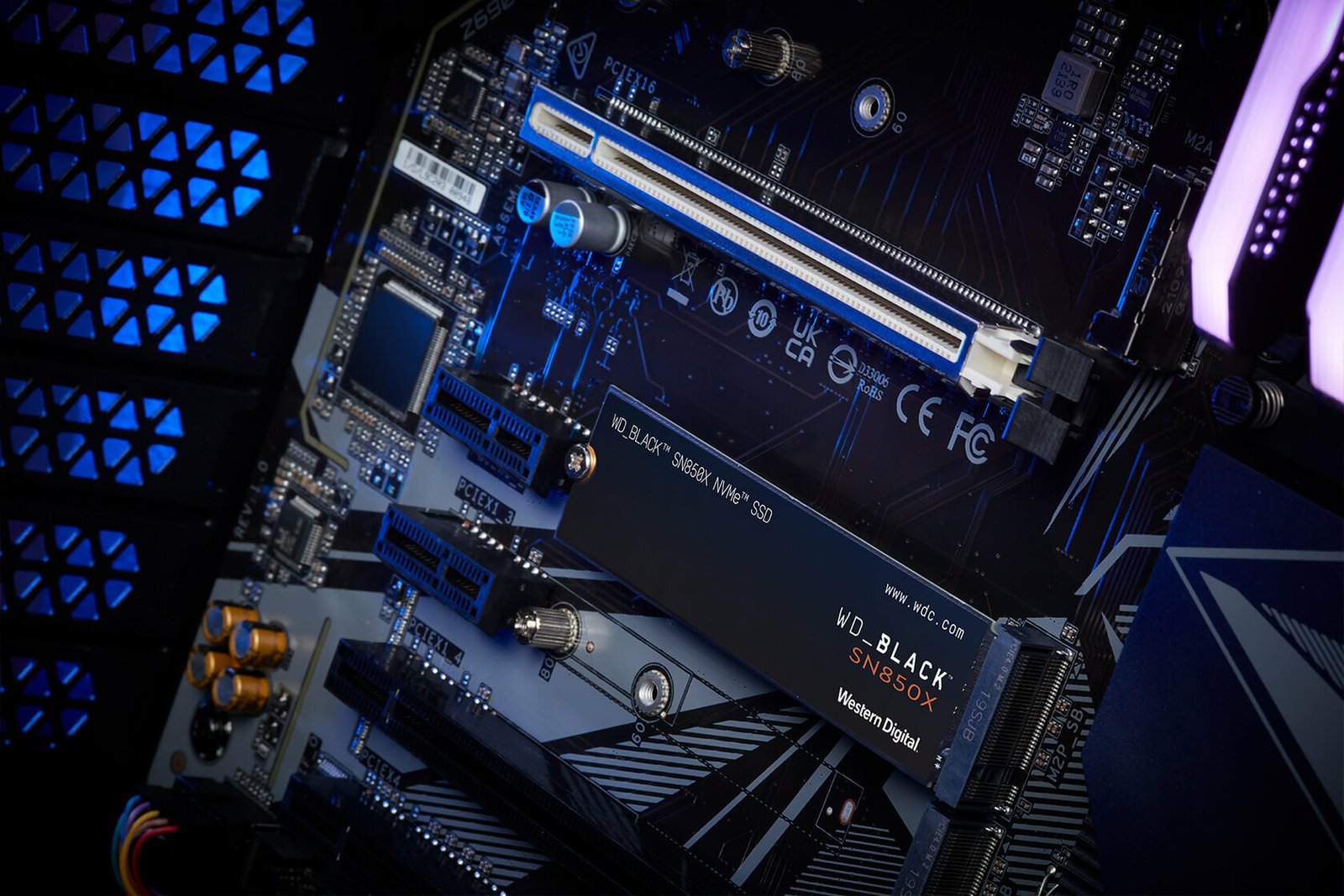
Phison, a key player in the NAND industry, has made a significant shift in its supply model, now requiring prepayment from customers in the UK to secure capital upfront. This strategic move comes as the NAND market experiences a significant imbalance in supply lines. The role of storage in AI inference has increased dramatically, leading to a substantial rise in NAND prices.

The NAND industry has witnessed a whopping 500% price increase over the last year, driven primarily by AI demand. This surge has affected suppliers like Phison, biting into their profit margins. To navigate this seller’s market effectively, Phison has adopted a prepayment model to ensure it secures the necessary cash before allocating any supply to its UK customers.

The decision reflects the current state of the NAND market, where suppliers are leveraging their position to secure better financial terms. Phison’s move is likely to influence other suppliers in the UK to reconsider their pricing strategies and supply chain management. As the demand for NAND storage continues to grow, driven by AI applications, suppliers must adapt to maintain profitability and competitiveness in the UK market.

The shift to a prepayment model by Phison underscores the dynamic nature of the NAND industry, particularly in the UK. It highlights the need for suppliers to be agile and responsive to market changes, ensuring they can meet the evolving demands of their customers while maintaining a profitable business model. This adaptability will be crucial as the NAND market continues to evolve, with suppliers needing to balance their financial security with the delivery of high-quality products to their UK clientele.

In conclusion, Phison’s adoption of a prepayment model is a strategic response to the challenges posed by the current NAND market landscape in the UK. By securing capital upfront, Phison aims to protect its profit margins and ensure a stable supply chain, which is essential for meeting the growing demand for NAND storage driven by AI applications in the UK.

The future of the NAND industry in the UK will likely be shaped by such strategic moves, as suppliers navigate the complexities of a seller’s market. Phison’s decision may set a precedent for other suppliers, leading to a more resilient and adaptable NAND market that can effectively serve the needs of its UK customers.

Furthermore, the impact of Phison’s prepayment model on the UK NAND market will be worth observing, as it may lead to a more balanced supply and demand scenario. The ability of suppliers to secure better financial terms could lead to more stable pricing, benefiting both suppliers and customers in the long run.

Ultimately, the success of Phison’s prepayment model will depend on its ability to maintain a delicate balance between securing financial stability and ensuring customer satisfaction in the UK. As the NAND market continues to grow, driven by the increasing demand for storage in AI applications, suppliers must prioritize both their financial security and the delivery of high-quality products to remain competitive in the UK market.