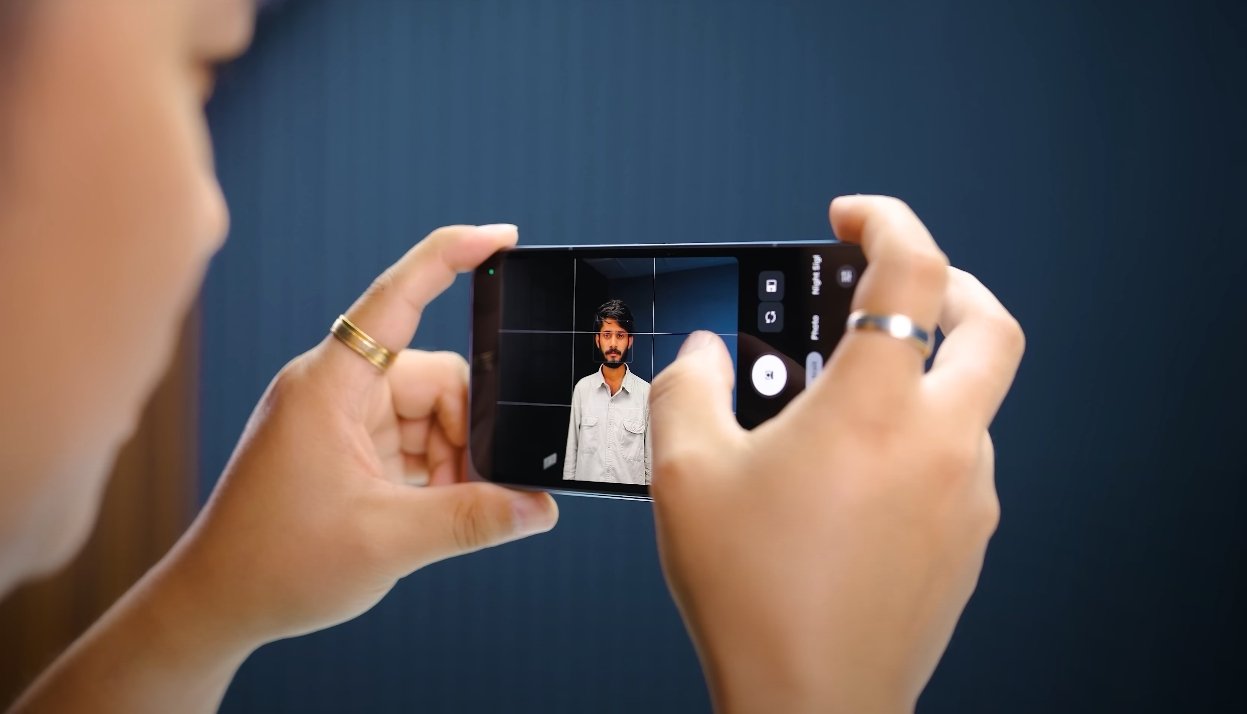
Pixel 10 Pro Fold Camera Performance Review USA

Pixel 10 Pro Fold Camera Performance Review USA

Pixel 10 Pro Fold Camera Performance: Strengths and Weaknesses

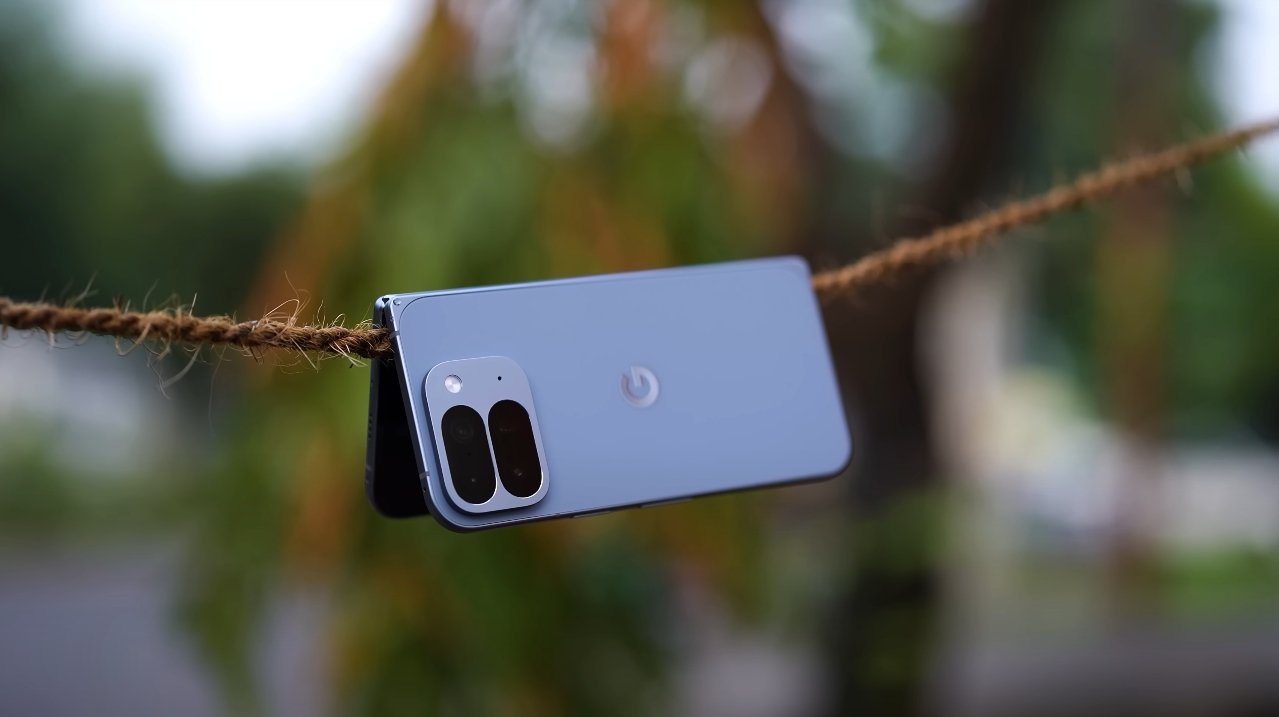
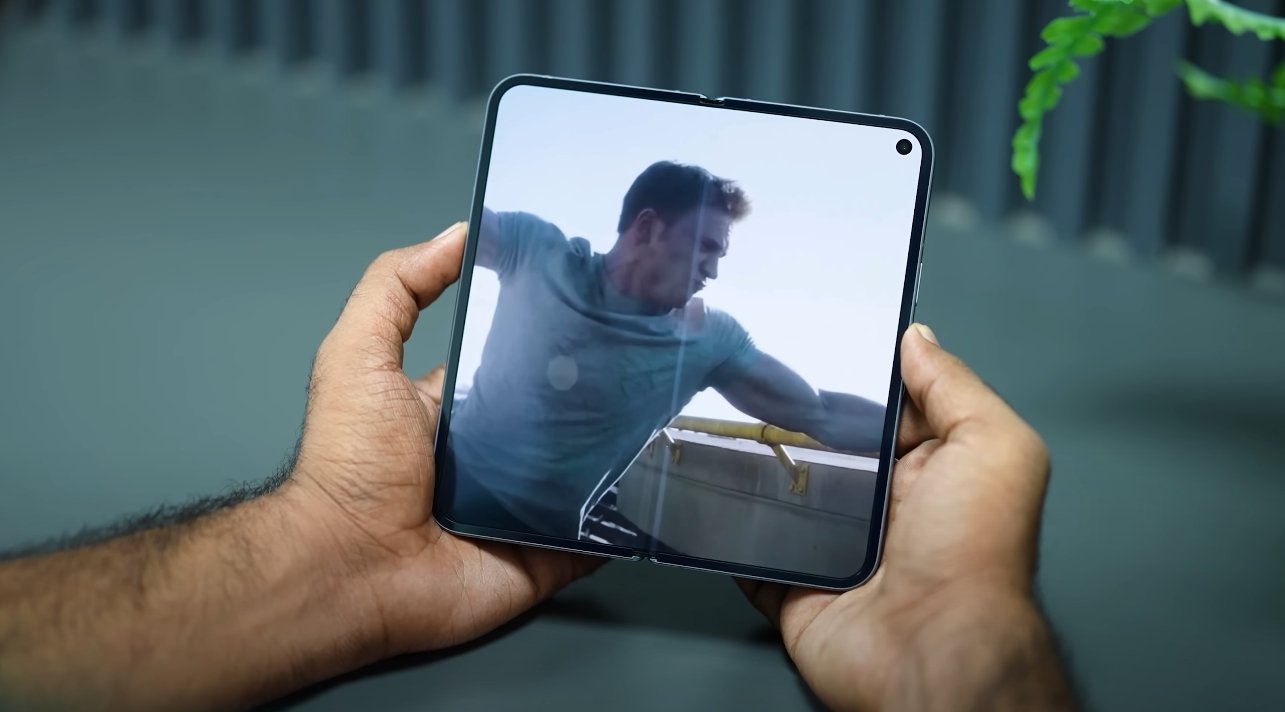
The Pixel 10 Pro Fold has drawn attention as one of the most innovative foldable smartphones in 2025. Combining Google’s renowned software expertise with foldable design, it promises a flagship experience. While its durability, display, and multitasking features are praised, the camera system has received mixed reactions. Early users and reviewers in the USA highlight that the Pixel 10 Pro Fold excels in some areas but falls short in others.

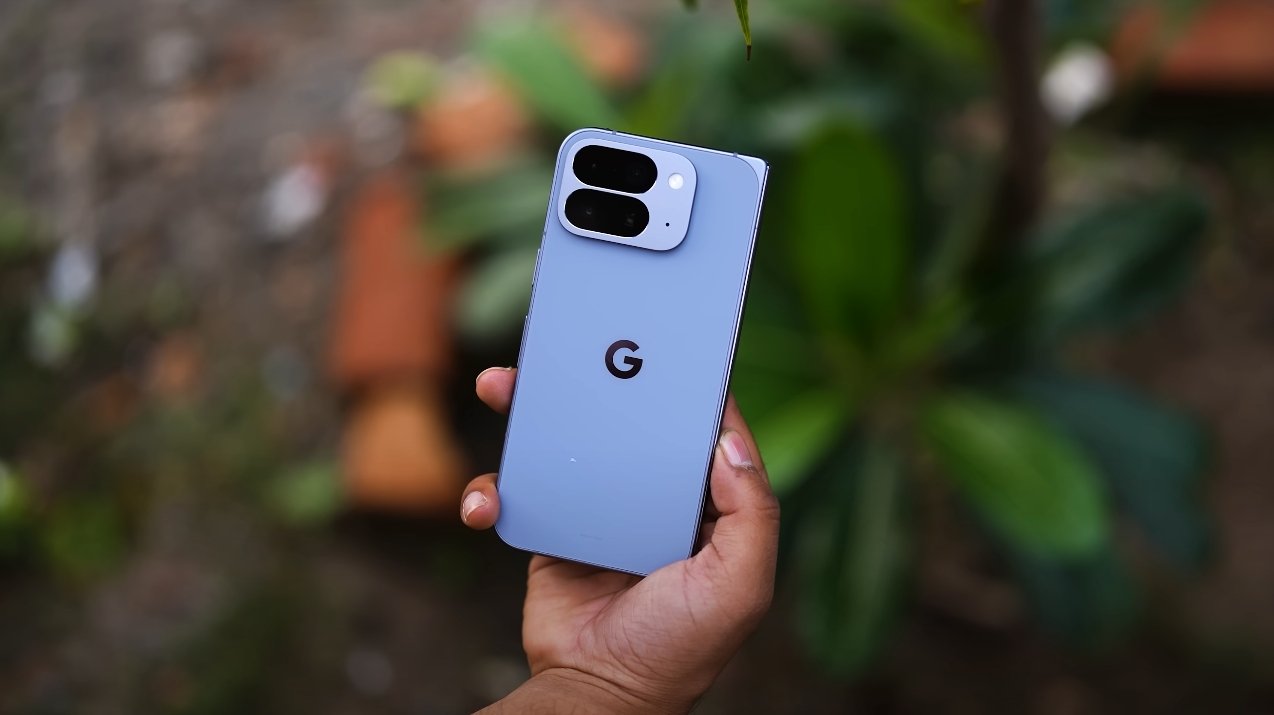
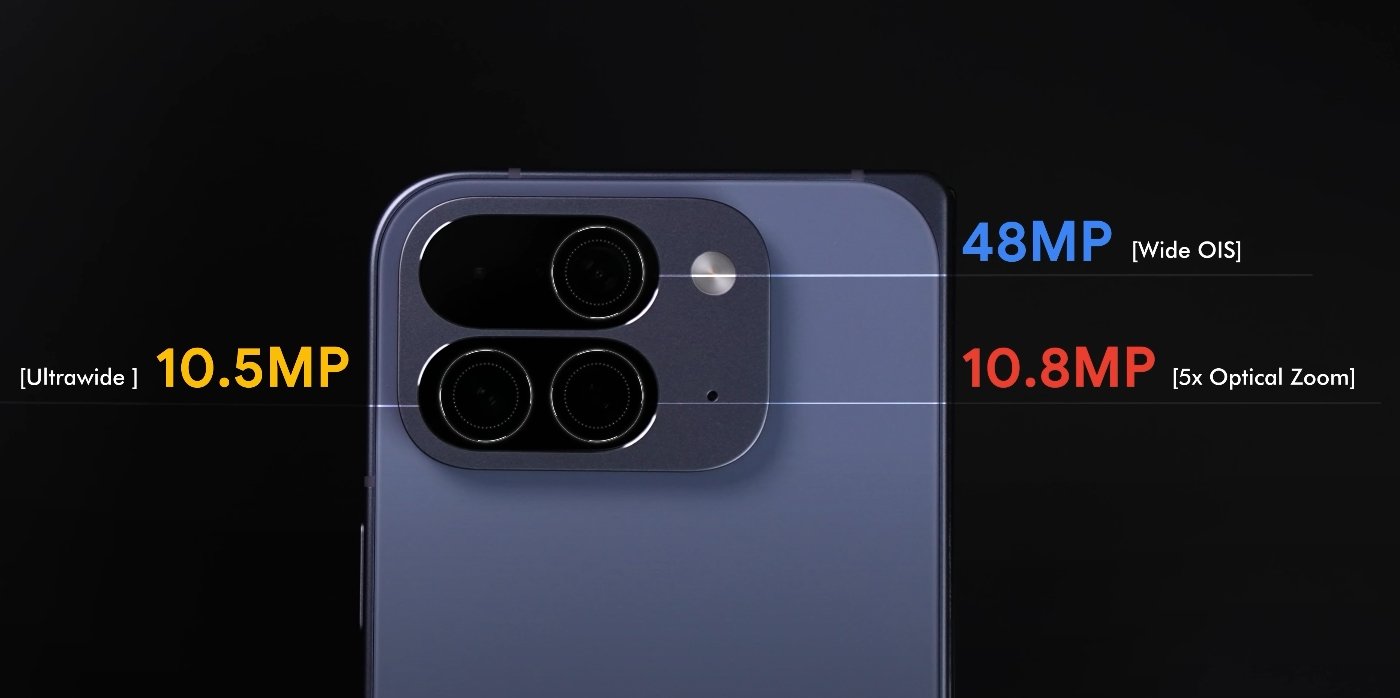
The Pixel 10 Pro Fold comes equipped with a triple-lens rear camera system. It features a 48MP primary sensor, a 10.8MP telephoto lens offering up to 5x optical zoom, and a 10.5MP ultrawide lens. On paper, these specifications seem competitive. However, the Fold uses the same sensors as the standard Pixel 10 models, which impacts overall image quality. Users expecting the high-end Pixel Pro camera experience may find the Fold’s performance slightly underwhelming.

In daylight conditions, the Pixel 10 Pro Fold captures clear and vibrant images. Colors are generally accurate, and contrast levels are balanced. The ultrawide lens offers a wider field of view without significant distortion, making it useful for landscapes or group shots. However, some users notice that details can be softer compared to non-folding Pixel devices, especially in fine textures or distant objects. While the primary lens performs well for casual photography, it does not fully match the sharpness of other flagship models.
Pixel 10 Pro Fold Camera Performance Review USA

The telephoto lens on the Pixel 10 Pro Fold is capable of 5x optical zoom, but early tests indicate limitations. Zoomed-in shots often show slight softness, and edge details are less defined. Users in the USA who enjoy taking detailed close-ups or distant shots may find this limiting. Digital zoom beyond 5x introduces more noticeable noise, which reduces image quality. Still, the lens is sufficient for everyday use, social media posts, and casual photography.

Low-light performance is another critical area where the Pixel 10 Pro Fold shows mixed results. Its Night Sight mode allows users to capture images in darker settings, but the camera tends to produce photos that are less vibrant and slightly darker compared to other Pixel devices. Street scenes or indoor photos under dim lighting can appear flat, and subtle details may be lost. While acceptable for most users, photography enthusiasts may find this limiting for creative low-light work.

Portrait photography on the Pixel 10 Pro Fold works reasonably well. The device can create a blurred background effect for subjects, producing professional-looking images. However, some reviewers have noted inconsistencies in edge detection, particularly with hair or complex edges. This leads to minor artifacts and an unnatural look in certain photos. While these issues are not severe, they can be noticeable when using the camera for important shots or professional content.

Video recording on the Pixel 10 Pro Fold offers stable performance. The phone supports 4K recording at 60fps, with decent stabilization and accurate color reproduction. Audio quality is clear, and overall video performance meets the expectations for a flagship foldable device. However, compared to other high-end smartphones, the video still lacks some advanced features like improved dynamic range and ultra-smooth stabilization in challenging environments.

The camera app is user-friendly, offering quick access to essential modes like Portrait, Night Sight, and Panorama. Google’s software optimizations, including AI enhancements, help improve image processing and reduce noise in most scenarios. While the software does enhance general usability, some users feel that additional improvements could make the Fold’s camera more competitive with other flagship phones.

In conclusion, the Pixel 10 Pro Fold delivers a competent camera experience suitable for everyday photography, social media, and casual use. Its strengths lie in daylight shots, ease of use, and foldable innovation. However, compared to other flagship devices, it has noticeable weaknesses in low-light performance, telephoto zoom clarity, and portrait edge detection. For users prioritizing photography above all else, the Fold may not fully meet expectations. On the other hand, those who value foldable design, software optimizations, and durability may find the Pixel 10 Pro Fold a compelling choice despite its camera limitations.

Pixel or Galaxy: Choosing the Best Flagship Phone in the UK

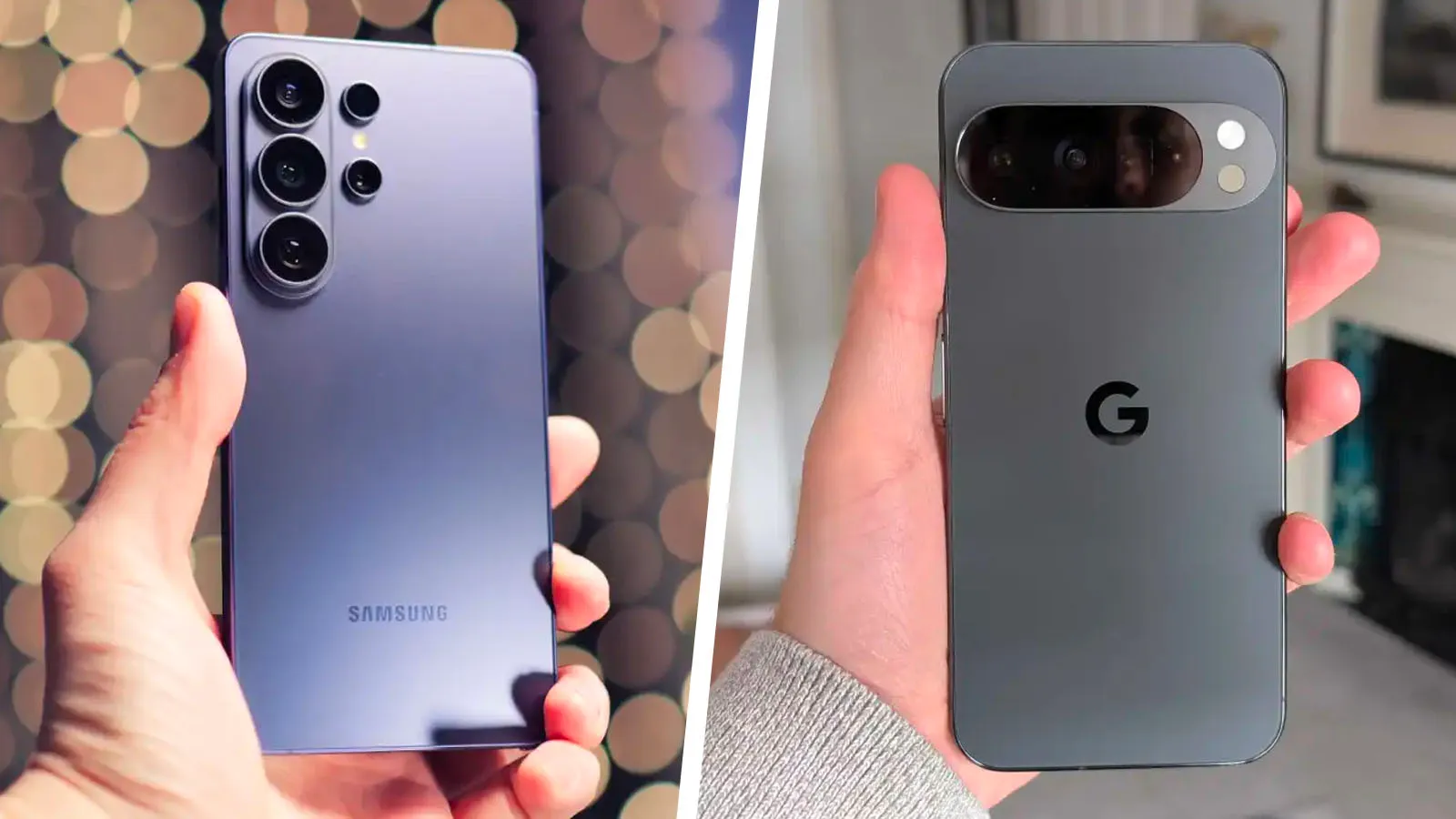
A side-by-side comparison of the Pixel and Galaxy phones, showcasing their unique features and designs, with a focus on the primary keyword phrase 'flagship phone'

Picking the Perfect Flagship: Pixel vs Galaxy in the UK

The battle for the best flagship phone in the UK is heating up, with both Pixel and Galaxy offering impressive features and capabilities. When it comes to choosing between these two giants, it ultimately comes down to what matters most to you.

For those seeking a clean and intuitive interface, the Pixel is often the better choice. With its stock Android operating system and lack of bloatware, it provides a seamless user experience. On the other hand, Samsung’s One UI offers a more customized skin with built-in features, making it ideal for those who want more control over their phone.

In terms of camera capabilities, both brands have their strengths. The Pixel has consistently delivered superior computational photography, while Samsung’s zoom capabilities and advanced night mode photography are hard to beat. The Pixel 10 Pro XL, for example, boasts a 50Mp main sensor, a 48Mp ultrawide, and a 48Mp 5x telephoto, making it a top choice for everyday shooting.

Performance-wise, Google’s Tensor chip is optimized for AI features, voice processing, and everyday use, while Samsung’s high-end Snapdragon processors offer stronger raw performance. However, in daily use, the difference is hardly noticeable, and most users won’t feel the need for extreme processing power.

Display quality is another area where both brands excel. Samsung’s S series is known for its vivid and punchy screens, while the Pixel focuses on color accuracy and a clean viewing experience. The S26 screen, with its 2,600 nits peak brightness, is particularly impressive, and the Privacy Display feature is a useful addition.

Battery life and charging speeds vary depending on the model, but Samsung’s Ultra tier has historically had faster charging capabilities. The Pixel 10 Pro XL, however, packs a 5,200 mAh battery with faster charging speeds, making it a strong contender.

Ultimately, the choice between Pixel and Galaxy comes down to your individual needs and preferences. If you prioritize simplicity, camera consistency, and seamless integration with Google services, the Pixel is an excellent choice. However, if you’re looking for a more customized experience, impressive display, and feature-rich ecosystem, the Samsung Galaxy S series is the way to go.

Philips Evnia 27M2N5201P UK Launch: Affordable 260Hz Gaming Monitor

The Philips Evnia 27M2N5201P gaming monitor features a 27-inch IPS display with a 260Hz refresh rate, 1ms GtG response time, and HDR10 support, providing an immersive gaming experience for UK gamers. With its sleek design and affordable price, it's an ideal choice for those seeking a high-quality gaming monitor. The monitor's IPS panel offers wide viewing angles and accurate colour reproduction, making it suitable for gaming and everyday use in the UK.

Experience Smooth Gaming with Philips Evnia 27M2N5201P in the UK

Philips has launched the Evnia 27M2N5201P, a 27-inch IPS gaming monitor designed for UK gamers on a budget. This new monitor boasts an impressive 260Hz refresh rate for seamless gaming. With its affordable price tag, it’s an attractive option for those seeking high-performance gaming without breaking the bank.

The Evnia 27M2N5201P features a rapid 1ms GtG response time, ensuring minimal lag and blur. It also supports HDR10, providing vibrant colours and contrast for an immersive gaming experience. Whether you’re playing fast-paced action games or exploring open-world adventures, this monitor is sure to deliver.

In the UK, gamers can enjoy the benefits of the Evnia 27M2N5201P’s high refresh rate, making it ideal for popular titles that require quick reflexes. The monitor’s IPS panel offers wide viewing angles and accurate colour reproduction, making it suitable for gaming and everyday use.

With its competitive specifications and affordable price, the Philips Evnia 27M2N5201P is an excellent choice for UK gamers seeking a high-quality gaming monitor without the hefty price tag. The monitor’s 260Hz refresh rate, 1ms response time, and HDR10 support make it an attractive option for those looking to upgrade their gaming setup.

The UK gaming community will appreciate the Evnia 27M2N5201P’s performance and value. Philips has successfully catered to the needs of budget-conscious gamers, providing a monitor that meets their demands for smooth and immersive gaming. The Evnia 27M2N5201P is a testament to Philips’ commitment to delivering high-quality gaming monitors at affordable prices.

In conclusion, the Philips Evnia 27M2N5201P is a great option for UK gamers seeking a high-refresh-rate monitor without the high cost. Its impressive specifications, combined with its affordable price, make it an attractive choice for those looking to enhance their gaming experience.

OxygenOS 16 UI redesign gives modern and clean look

OxygenOS 16 UI redesign gives modern and clean look

OnePlus unveils refreshed OxygenOS interface for a new era

OnePlus has officially announced a major visual overhaul with OxygenOS 16, introducing a modern, clean, and more cohesive interface for its users. This update focuses on making the system feel lighter, more elegant, and easier to navigate while aligning with the latest Android 16 features. The redesign brings a renewed focus on clarity, simplicity, and fluidity across the entire user interface, enhancing both usability and visual appeal.

One of the most noticeable changes is the refreshed layout across core system apps and settings. OnePlus has restructured elements to create more breathing space, resulting in a less cluttered and more balanced look. Icons now feature a soft, rounded design with subtle gradients, while the overall color palette has been refined to be more neutral and sophisticated. This gives the interface a premium look that fits seamlessly with OnePlus hardware design.

The company has also reimagined how users interact with notifications and quick settings. The notification shade has been redesigned with larger, more accessible tiles, making it easier to adjust brightness, control connectivity, and access frequently used functions. Transitions between menus feel smoother, supported by improved system animations that give the interface a sense of depth and movement. This creates a more fluid and immersive navigation experience.

OxygenOS 16 UI redesign gives modern and clean look

Personalization has been elevated to a new level with this redesign. OxygenOS 16 allows users to fine-tune their themes, accent colors, and widgets more precisely, thanks to better integration with Android’s Material You design system. These customization options let users create a look that reflects their personal style without slowing down the interface. New lock screen and home screen layouts offer a cleaner appearance while keeping key information easily accessible.

Another key improvement is the streamlined settings menu. OnePlus has reorganized settings into clearer categories, making it faster to find specific features without endless scrolling. Fonts and text alignment have also been updated to improve readability and visual balance. These small but impactful changes help reduce visual fatigue and make everyday use more comfortable, especially for users who spend long hours on their devices.

Performance optimizations work hand in hand with the visual redesign. OnePlus has fine-tuned the animation engine and background processing to ensure that the clean look is matched by smooth performance. Gestures, transitions, and app switching all feel more responsive and consistent, even on mid-range models. The company’s goal is to make the experience equally refined across all supported devices, not just its flagship phones.

The OxygenOS 16 redesign represents more than just a cosmetic update—it reflects OnePlus’s broader strategy to offer a premium, polished user experience. By simplifying layouts, modernizing design elements, and refining performance, the company is giving its software a fresh identity that aligns with user expectations in 2025. As the update begins rolling out in the U.S. over the coming months, OnePlus users can expect a cleaner, faster, and more visually appealing interface designed for modern everyday use.

Also Read:  OxygenOS 16 battery optimization and performance review

Photoshop on Linux: New Wine Update

Adobe Photoshop on Linux screenshot

Running Adobe Photoshop on Linux: A New Era

Linux users have long been awaiting a compatible version of Adobe Photoshop. A recent Wine update may finally bring this possibility to life.

A developer known as PhialsBasement has merged several commits into Valve Software’s custom Wine build.

This update introduces a way to install and run Photoshop on Linux systems, a feat previously thought impossible.

The open-source platform has struggled with compatibility issues, but this patch may change that.

Wine is an open-source compatibility layer that allows running Windows applications on non-Windows platforms.

With this update, Linux users may soon be able to run Photoshop without needing a Windows installation.

The implications of this update are significant, with potential applications in various fields.

From graphic design to digital photography, the ability to run Photoshop on Linux could be a game-changer.

However, it is essential to note that this update is still in its early stages and may require further development.

As the Linux community continues to grow, the demand for compatible software solutions is increasing.

Valve Software’s custom Wine build has been at the forefront of this effort, providing a platform for developers to create compatible versions of popular Windows applications.

The collaboration between developers and the open-source community is crucial in driving innovation and progress.

With the potential to bring Adobe Photoshop to Linux, this update is an exciting development for the tech world.

The future of Linux compatibility is looking bright, and this update is a significant step forward.

As the update continues to evolve, it will be interesting to see how it impacts the Linux community and the world of graphic design.

One thing is certain – the ability to run Photoshop on Linux would be a significant milestone in the history of open-source software.

Only time will tell if this update will achieve its goal, but for now, the prospect is certainly exciting.

The Linux community is eagerly awaiting further developments and the potential to run Photoshop without any compatibility issues.

With the help of Wine and dedicated developers, the dream of running Adobe Photoshop on Linux may soon become a reality.

OxygenOS 16 new Mind Space AI tool explained

OxygenOS 16 new Mind Space AI tool explained

OnePlus introduces a smarter way to manage digital well-being

OnePlus has unveiled a new feature called Mind Space with the launch of OxygenOS 16, marking a major step toward integrating AI-driven tools for digital well-being. This intelligent system is designed to help users better understand and manage their screen time, notifications, and overall smartphone habits. Built directly into the operating system, Mind Space offers a personal and adaptive experience that evolves with the user’s daily routines.

At its core, Mind Space uses on-device AI to track how users interact with their phones throughout the day. It analyzes app usage patterns, notification frequency, and time spent on various activities to build a clear picture of digital behavior. Unlike standard digital well-being dashboards, Mind Space goes further by suggesting personalized actions to reduce distractions. It can recommend focus modes, silence certain notifications, or encourage breaks when usage spikes.

The interface is designed to be clean, minimal, and easy to understand. Users can access their daily or weekly activity summaries, set goals for reducing screen time, and enable focus sessions to block interruptions. OnePlus has also built in real-time feedback features that notify users when they cross preset limits on apps or overall phone use. These tools are meant to help people maintain healthier digital habits without relying on third-party apps.

OxygenOS 16 new Mind Space AI tool explained

Mind Space also integrates with other parts of OxygenOS 16 to create a more cohesive experience. For example, when users enable focus mode, the system can adjust brightness, mute notifications, and limit background activity to minimize distractions. It can also intelligently detect when the user is working, exercising, or resting, and apply preset modes automatically. This automation is powered by on-device AI, ensuring privacy and speed without needing cloud processing.

OnePlus has emphasized that Mind Space is designed to be supportive rather than restrictive. Instead of forcing limits, the feature gently guides users with subtle nudges and insights, allowing them to make better decisions about their digital time. This approach reflects a growing trend in tech where well-being tools are becoming more personalized and intelligent rather than one-size-fits-all.

The company has also focused on making Mind Space highly customizable. Users can set their own goals, choose which apps are monitored more closely, and adjust how often the system delivers reminders. This flexibility ensures that Mind Space adapts to different lifestyles—whether someone wants to minimize distractions during work hours or simply gain a better understanding of their habits.

As OxygenOS 16 rolls out to more devices in the U.S., Mind Space is expected to become a core part of the OnePlus experience. By combining real-time insights, AI-driven recommendations, and seamless system integration, this tool aims to give users more control over how they use their phones. In a world where digital overload is increasingly common, OnePlus is positioning Mind Space as a smarter, more human approach to achieving a balanced digital lifestyle.

PlayStation Plus UK Catalog Confirms New December Titles

PlayStation Plus UK Catalog Confirms New December Titles

December update brings a rare day-one launch and major catalogue changes

PlayStation has confirmed a fresh wave of titles joining the PS Plus Game Catalogue for UK subscribers this December, headlined by a notable day-one release. The update brings new additions for Extra and Premium members alongside several high-profile games scheduled to leave later in the month.

One of the biggest December highlights is the arrival of Skate Story, a highly anticipated indie title launching directly into the PS Plus catalogue on its release day. Day-one launches remain relatively uncommon on the platform, and the move signals Sony’s growing interest in bolstering subscription value with new releases rather than relying solely on back-catalogue offerings.

Skate Story introduces players to a surreal skating adventure centred on a demon tasked with rolling through a shimmering underworld. The game blends grinds, tricks and flowing traversal with atmospheric visuals, making it one of the month’s standout additions for Extra and Premium members.

PlayStation Plus UK Catalog Confirms New December Titles

Alongside new arrivals, December also marks an important rotation point for the service. Several major games are expected to leave the catalogue on 16 December, including Battlefield 2042, GTA III: The Definitive Edition, Sonic Frontiers and Forspoken. Subscribers hoping to complete or sample these titles will need to act before they disappear.

This mix of incoming and outgoing content reflects the evolving nature of the Game Catalogue. Sony continues to balance indie highlights, third-party releases and blockbuster titles, aiming to offer variety while encouraging subscribers to explore a wide range of genres.

Industry observers note that the addition of day-one games is likely to appeal to players seeking fresh content without upfront purchase costs. It may also help the service compete more closely with rival subscription platforms that regularly feature new launches as part of their offering.

The December lineup reinforces the importance of staying aware of catalogue rotations. Games leaving the service can no longer be accessed once removed, even if previously downloaded, so time-sensitive play remains a part of the subscription experience. Sony typically updates its listings through the PlayStation Store and system notifications.

While the full December roster may continue to expand, the confirmed titles highlight a strong close to the year for PS Plus subscribers. The blend of new releases, unique indie projects and major departures ensures December remains an active period for UK players reviewing their backlog.

Looking ahead, subscribers can expect further announcements as Sony reveals additional titles. With a growing emphasis on premium catalogue updates, the December rollout sets the pace for how PlayStation intends to shape its subscription service going into the new year.

Pixel 10 Pro Fold vs iPhone 16 Pro Max Camera Test

Pixel 10 Pro Fold vs iPhone 16 Pro Max Camera Test

The Ultimate Flagship Camera Showdown

Smartphone photography has reached new heights in 2025, and two of the most talked-about devices leading the charge are the Google Pixel 10 Pro Fold and the Apple iPhone 16 Pro Max. Both represent the best of what their respective brands can offer, blending powerful hardware with advanced computational photography. The real question for enthusiasts and professionals alike is: which camera system delivers the better overall experience?

The Pixel 10 Pro Fold brings Google’s latest imaging advancements powered by the Tensor G5 chip. Its triple-lens setup includes a 48MP main sensor, a 10.5MP ultra-wide lens with macro focus, and a 10.8MP 5x telephoto lens that supports Super Res Zoom up to 20x. The foldable design doesn’t compromise camera performance, and Google’s HDR+ algorithms continue to excel in capturing vibrant images with excellent dynamic range. The phone also benefits from real-time AI image enhancement, sharpening details and improving color balance automatically.

Meanwhile, the iPhone 16 Pro Max features Apple’s most refined camera system yet. It includes a 48MP main wide sensor, a larger ultra-wide sensor for improved light capture, and an upgraded 5x tetraprism telephoto lens. Apple’s new Photonic Engine and A18 Pro chip enhance image processing, ensuring more accurate tones, less noise, and exceptional consistency across all lenses. The addition of 4K 120fps ProMotion video recording has also solidified the iPhone’s lead in cinematic video creation.

When it comes to daylight photography, both phones deliver outstanding results. The Pixel 10 Pro Fold produces images with deep contrast and bold saturation, giving them a punchier look straight out of the camera. The iPhone 16 Pro Max, on the other hand, opts for a more natural tone, preserving realistic colors and balanced highlights. Skin tones tend to look smoother and truer on the iPhone, while the Pixel sometimes adds extra warmth or shadow contrast that can make photos appear more stylized.

Pixel 10 Pro Fold vs iPhone 16 Pro Max Camera Test

In low-light conditions, the iPhone 16 Pro Max continues to dominate. Its larger sensor and enhanced night mode produce images with cleaner details and minimal grain. Apple’s computational merging of multiple exposures allows it to maintain natural lighting even in near-dark environments. The Pixel 10 Pro Fold’s Night Sight mode performs admirably, pulling in remarkable detail and accurate colors, but it occasionally introduces noise in very dim situations. For users who frequently shoot at night or indoors, the iPhone has the edge in clarity and smoothness.

When testing zoom and telephoto performance, the Pixel 10 Pro Fold stands out. Its 5x optical zoom lens produces crisp and detailed results at mid to long distances, outperforming the iPhone at higher zoom levels. Google’s Super Res Zoom algorithm adds further reach without a major loss in quality. The iPhone’s digital zoom is solid up to about 10x, but beyond that, it tends to lose texture detail. However, the iPhone handles transitions between lenses more smoothly, with minimal focus delay when switching zoom levels.

On the video side, Apple remains the industry benchmark. The iPhone 16 Pro Max offers exceptional stabilization, true-to-life colors, and superior HDR performance. Its cinematic mode, now available in 4K 60fps, delivers professional-grade depth of field and dynamic lighting control. The Pixel 10 Pro Fold shoots impressive video as well, particularly in bright conditions, but sometimes shows exposure shifting during rapid movement or changes in light. For creators, vloggers, and mobile filmmakers, the iPhone remains the more reliable video tool.

In portrait and macro photography, both phones shine but take different approaches. The iPhone 16 Pro Max uses precise depth mapping to separate subjects naturally, giving portraits a lifelike background blur. The Pixel 10 Pro Fold offers sharper detail in close-ups and better edge detection for macro shots, thanks to its dedicated ultra-wide macro lens. The differences are subtle but reflect each company’s priorities—Apple aims for realism, while Google leans toward visual drama.

Overall, the iPhone 16 Pro Max wins in terms of video quality, low-light performance, and overall color accuracy. The Pixel 10 Pro Fold holds its own with superior optical zoom, richer contrast, and more creative control for still photography. For users who prioritize versatility, zoom range, and a foldable form factor, the Pixel 10 Pro Fold is an exciting choice. However, for those who value consistency, cinematic video, and effortless results in any lighting condition, the iPhone 16 Pro Max remains the gold standard.

In conclusion, both devices showcase how far mobile imaging has come. The Pixel 10 Pro Fold excels in flexibility and optical strength, while the iPhone 16 Pro Max leads in refinement and realism. Your best choice depends on whether you’re drawn to artistic expression or professional reliability—but either way, both represent the pinnacle of smartphone photography in 2025.

Pixel 10 Pro Fold Performance Benchmark Results Leak

Pixel 10 Pro Fold Performance Benchmark Results Leak

Early Scores Hint at Power and Efficiency Gains

Leaked benchmark results for the Pixel 10 Pro Fold have given tech enthusiasts their first detailed look at Google’s next-generation foldable performance. While official testing has yet to be confirmed, these early figures provide a strong indication of what users can expect when the device launches later this year. The results point to a clear performance jump compared to the first-generation Pixel Fold, but they also reveal that Google’s focus remains on balance and optimization rather than raw speed.

According to the reported figures, the Pixel 10 Pro Fold achieves a single-core score of around 2,200 and a multi-core score of roughly 6,100 in early benchmark testing. These results represent a noticeable improvement over the Pixel 9 Pro Fold, which averaged closer to 1,900 and 5,000, respectively. This suggests that Google’s new Tensor G5 processor delivers a meaningful performance boost across everyday operations, multitasking, and background AI functions. The chip appears to prioritize efficiency, machine learning tasks, and sustained performance rather than pushing clock speeds to their limit.

Beyond CPU power, early GPU performance results reveal a mixed outcome. The Pixel 10 Pro Fold reportedly scored in the mid-3,000 range on graphics benchmarks, indicating that while gaming and visual rendering will be smoother than on earlier models, it still trails the latest Snapdragon-powered foldables. However, Google’s goal seems to be consistent thermal performance and improved AI-driven optimization rather than chasing the highest synthetic scores. This means users may see fewer drops in frame rate during long gaming sessions and better performance in photo and video editing tasks that leverage Google’s neural processing units.

Pixel 10 Pro Fold Performance Benchmark Results Leak

The Tensor G5 chipset also brings notable improvements in power management. It is built on a smaller fabrication process, allowing it to consume less energy while maintaining stable performance under load. Early testing shows that thermal throttling is less aggressive, meaning the Pixel 10 Pro Fold can sustain high performance for longer periods without overheating. For users, this translates to smoother multitasking, faster app switching, and more reliable performance when running demanding apps like video editors, 3D renderers, or AR tools.

In addition to raw power, the new chip also enhances AI and camera-related processing, two areas where Google traditionally leads the market. The Tensor G5 introduces faster machine learning cores that help power real-time image enhancement, advanced voice recognition, and live translation features. Benchmarks that measure AI performance indicate that Google’s foldable is roughly 30% faster in these workloads compared to the previous generation. This improvement will likely be more noticeable in the camera experience, as AI-assisted photography is central to Pixel’s identity.

While benchmark scores provide a glimpse into potential performance, they do not always tell the whole story. Google has historically tuned its chips to prioritize stability, smart power allocation, and computational photography rather than headline-grabbing numbers. The early Pixel 10 Pro Fold results reflect that same philosophy. The device is not expected to outperform the most powerful Snapdragon or A-series chips in synthetic tests, but it may deliver a smoother, more consistent real-world experience, especially when managing multiple tasks or using foldable-specific features like split-screen multitasking.

As launch day approaches, the final benchmarks may show further gains once the software is optimized. Pre-release units often run on early firmware that does not fully utilize the chip’s potential. By the time the retail model reaches users, performance may improve slightly across CPU, GPU, and AI tests. Even in its current leaked form, the Pixel 10 Pro Fold appears ready to offer a blend of solid performance, power efficiency, and advanced AI capabilities that make it one of the most balanced foldables of its generation.

In summary, the leaked benchmark results for the Pixel 10 Pro Fold highlight a clear step forward for Google’s foldable lineup. The Tensor G5 brings tangible gains in speed, efficiency, and intelligence, positioning the device as a powerful everyday performer rather than a benchmark showpiece. For users who value fluid multitasking, stable performance, and enhanced AI features, the Pixel 10 Pro Fold looks like a major upgrade over its predecessor and a strong contender in the foldable market.

Also Read:  Apple iPhone Air 5G network compatibility in USA

Pixel 10 Pro Fold connectivity and 5G bands for USA

Pixel 10 Pro Fold connectivity and 5G bands for USA

Complete Connectivity and Network Support in the United States

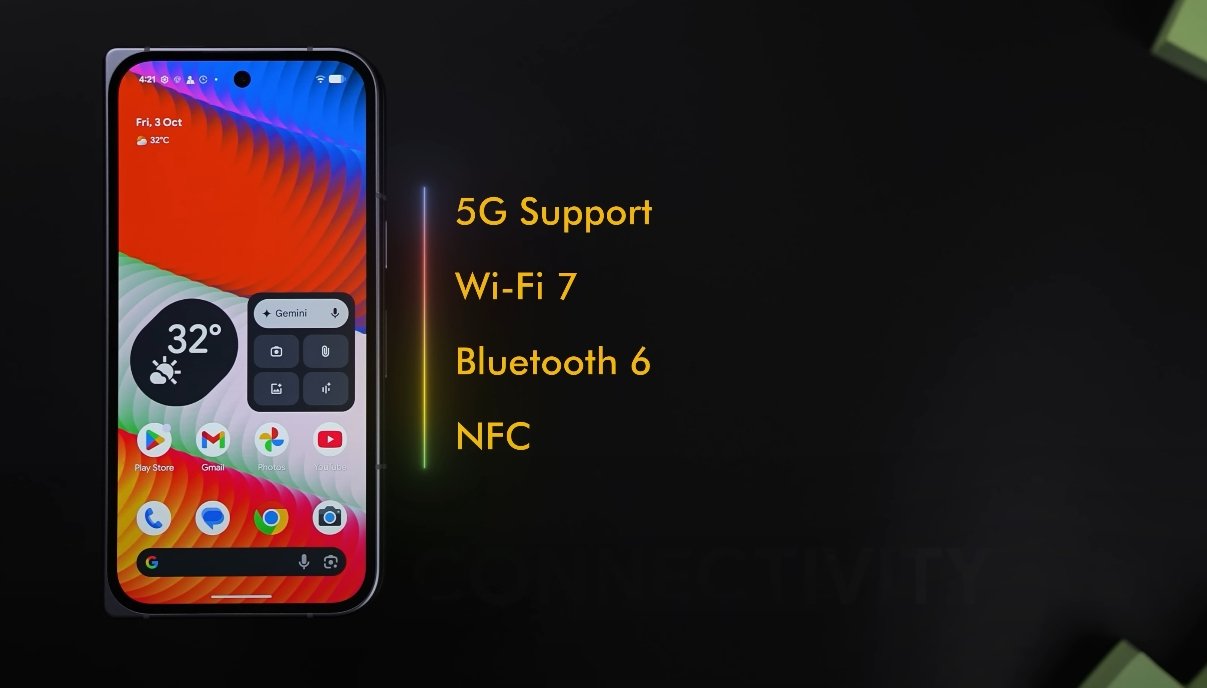
The Google Pixel 10 Pro Fold arrives as one of the most advanced foldable smartphones in 2025, and a large part of its appeal lies in its extensive connectivity capabilities. Designed with U.S. carriers and global travelers in mind, the device supports a full suite of wireless technologies, including 5G, LTE, Wi-Fi 7, Bluetooth 6, NFC, and eSIM functionality. Google has focused on making the Pixel 10 Pro Fold not only powerful in performance but also future-ready in terms of connectivity, offering support for both Sub-6 GHz and mmWave 5G networks across all major American carriers.

The Pixel 10 Pro Fold supports a comprehensive range of 5G bands for seamless performance throughout the United States. This includes Sub-6 GHz bands such as n2, n5, n12, n25, n41, n66, and n71, which are essential for wide-area coverage used by carriers like T-Mobile and AT&T. For ultra-fast connections, it also includes mmWave bands like n258, n260, and n261, used primarily by Verizon for its 5G Ultra Wideband service. This dual-band compatibility ensures users experience both speed and range, depending on their location and carrier. The combination of Sub-6 and mmWave technologies allows the Pixel 10 Pro Fold to balance high-speed performance in cities with strong coverage in suburban and rural areas.

For 4G LTE connectivity, the Pixel 10 Pro Fold maintains broad support, covering major global bands such as 1, 2, 3, 4, 5, 7, 8, 12, 13, 14, 17, 18, 19, 20, 25, 26, 28, 29, 30, 38, 40, 41, 48, 66, and 71. This extensive compatibility means the phone can easily switch between LTE and 5G networks without losing signal quality or performance. It’s fully certified for use on major U.S. carriers including Verizon, T-Mobile, and AT&T, ensuring reliable connectivity for both data and voice. The phone also supports carrier aggregation and 5G standalone (SA) mode, giving users improved network stability and faster upload speeds during heavy data use.

Pixel 10 Pro Fold connectivity and 5G bands for USA

Google has also included eSIM support as the default option in the Pixel 10 Pro Fold for U.S. models, eliminating the need for a physical SIM card. This shift follows the industry trend toward digital SIM adoption, which simplifies switching carriers and managing multiple profiles. Users can store several eSIM profiles at once, making it convenient for frequent travelers who need to switch between local and international networks. International variants of the device still include a hybrid SIM tray, but U.S. versions rely solely on eSIM technology to streamline the design.

Beyond cellular connectivity, the Pixel 10 Pro Fold brings top-tier wireless standards to enhance user experience. It supports Wi-Fi 7, offering improved speeds, lower latency, and better performance in crowded environments compared to Wi-Fi 6E. This makes the device ideal for streaming high-resolution video, cloud gaming, and fast downloads on compatible routers. Bluetooth 6 support ensures higher data transmission rates and improved range, particularly for audio devices such as Pixel Buds and third-party wireless accessories. Google has also upgraded NFC performance for faster tap-to-pay and pairing, making it smoother to use Google Wallet and other contactless services.

Location and navigation accuracy have also been improved. The Pixel 10 Pro Fold includes dual-band GNSS (Global Navigation Satellite System), supporting GPS, GLONASS, Galileo, and BeiDou for precise tracking even in dense urban areas. This is especially beneficial for navigation, fitness tracking, and AR applications. The device also supports Ultra-Wideband (UWB) technology, which enhances spatial awareness and enables advanced features like precise device tracking and improved Nearby Share capabilities.

Overall, the Pixel 10 Pro Fold sets a new standard for connectivity in foldable smartphones. Its comprehensive 5G band support ensures compatibility with every major carrier in the United States, while Wi-Fi 7, Bluetooth 6, and UWB integration make it ready for the next generation of wireless technology. Whether users are streaming, gaming, traveling, or working remotely, the Pixel 10 Pro Fold offers the speed, reliability, and flexibility that modern mobile connectivity demands. This combination of cutting-edge technology and forward-thinking design confirms Google’s commitment to delivering a truly global and future-proof foldable experience.

PlayStation Store Discounts Spark Outrage in the UK

A screenshot of the PlayStation Store, showing different prices for the same game, highlighting the issue of individualized discounts and price gouging in the UK gaming community, with a focus on the need for transparency and fairness in Sony's pricing strategy, and the impact on the gaming industry as a whole, including the use of data and analytics to personalize prices and the potential for unfair treatment of certain customers

Unequal Discounts in the PlayStation Store: A Cause for Concern in the UK

The PlayStation Store has been at the centre of controversy lately, with reports emerging that some users are being offered significantly lower prices for the same games as others. This has led to widespread criticism, with many players feeling that they are being unfairly charged. The issue has sparked a heated debate about the fairness of Sony’s pricing strategy in the UK.

According to a report by Insider Gaming, Sony is experimenting with individualized discounts in the PlayStation Store. This means that not all users are receiving the same discounts on the same games, leading to a situation where some players are paying nearly twice as much as others for identical offers. This has led to accusations of price gouging and unfair behaviour towards certain customers.

The controversy has highlighted the need for greater transparency in the way that Sony approaches pricing in the UK. Many players are calling for the company to adopt a more consistent and fair pricing strategy, one that does not penalize certain customers for no apparent reason. The issue has also sparked a wider debate about the use of data and analytics to personalize prices in the gaming industry.

As the situation continues to unfold, it remains to be seen how Sony will respond to the criticism. The company has yet to comment on the issue, but it is clear that something needs to be done to address the concerns of players in the UK. In the meantime, gamers are advised to be vigilant when making purchases in the PlayStation Store, and to always compare prices before making a buying decision.

The use of individualized discounts in the PlayStation Store is a complex issue, and one that raises important questions about fairness and transparency in the gaming industry. As the industry continues to evolve, it is likely that we will see more examples of personalized pricing, and it is up to companies like Sony to ensure that their approaches are fair and equitable. By analysing the behaviour of players and adjusting prices accordingly, Sony can create a more dynamic and responsive pricing strategy that benefits all customers.

However, this approach also raises concerns about the potential for price manipulation and unfair treatment of certain customers. As the UK gaming community continues to debate the issue, it is clear that Sony needs to take a closer look at its pricing strategy and make adjustments to ensure that all players are treated fairly. The company must also be more transparent about its use of data and analytics to personalize prices, and provide clear guidelines on how prices are determined.

In conclusion, the controversy surrounding individualized discounts in the PlayStation Store is a complex issue that requires a nuanced and multifaceted approach. By engaging with the gaming community and addressing concerns about fairness and transparency, Sony can work to create a more positive and inclusive gaming environment in the UK. The company must prioritize the needs of its customers and ensure that its pricing strategy is fair, consistent, and transparent.

The UK gaming community is eagerly awaiting a response from Sony, and it is likely that the company will face ongoing criticism until the issue is resolved. In the meantime, players are advised to remain vigilant and to continue to speak out against unfair pricing practices. By working together, the gaming community can create a more fair and equitable environment for all players, and ensure that the PlayStation Store remains a positive and enjoyable place to game.

As the gaming industry continues to evolve, it is likely that we will see more examples of personalized pricing and individualized discounts. However, it is up to companies like Sony to ensure that these approaches are fair and transparent, and that all customers are treated with respect and dignity. The UK gaming community is watching, and it is time for Sony to take action and address the concerns of its customers.

The issue of individualized discounts in the PlayStation Store is a reminder that the gaming industry is constantly changing, and that companies must be willing to adapt and evolve in response to the needs of their customers. By prioritizing fairness, transparency, and customer satisfaction, Sony can create a more positive and inclusive gaming environment in the UK, and ensure that the PlayStation Store remains a leader in the gaming industry.

PlayStation UK Launches The Playerbase: Scan Your Likeness into Favourite Games

A person being scanned into a video game, with a PlayStation controller in the foreground, highlighting the innovative technology behind The Playerbase program, which is set to change the face of gaming in the UK

Introducing The Playerbase: A New Era in Gaming Personalisation

PlayStation’s latest community program, The Playerbase, is set to revolutionise the gaming experience by allowing fans to be scanned into their favourite games, starting with Gran Turismo 7. This innovative initiative is designed to offer an unparalleled level of personalisation, enabling gamers to become an integral part of their beloved games.

The Playerbase program is a groundbreaking opportunity for PS fans to have their likeness scanned and incorporated into their favourite titles, beginning with the popular racing game, Gran Turismo 7. This move is likely to spark both excitement and concern among gamers, as it raises questions about data privacy and the potential risks associated with sharing personal information.

According to a recent PlayStation Blog post, The Playerbase is intended to provide a unique chance for gamers to engage with their favourite games on a deeper level, by becoming a part of the gaming environment itself. While this may seem like an exciting prospect, it also highlights the need for gamers to be aware of the potential risks and implications of sharing their personal data.

As the gaming industry continues to evolve, it is essential to consider the impact of such initiatives on data privacy and security. The Playerbase program is undoubtedly a significant development in the world of gaming, and its success will depend on the ability of PlayStation to address the concerns of its users and ensure that their personal information is protected.

The Playerbase program is currently set to launch with Gran Turismo 7, but it is likely that other popular titles will follow suit in the future. As the gaming community awaits the launch of this innovative program, one thing is certain – The Playerbase is set to change the face of gaming forever, and its impact will be felt across the UK gaming scene.

With the rise of gaming personalisation, it is essential to consider the potential benefits and drawbacks of such initiatives. The Playerbase program is a prime example of how gaming companies are pushing the boundaries of innovation, while also raising important questions about data privacy and security.

In conclusion, The Playerbase program is a groundbreaking initiative that is set to revolutionise the gaming experience in the UK. While it raises important questions about data privacy and security, it also offers a unique opportunity for gamers to engage with their favourite games on a deeper level. As the gaming industry continues to evolve, it will be interesting to see how The Playerbase program develops and whether it will become a standard feature of the gaming experience.