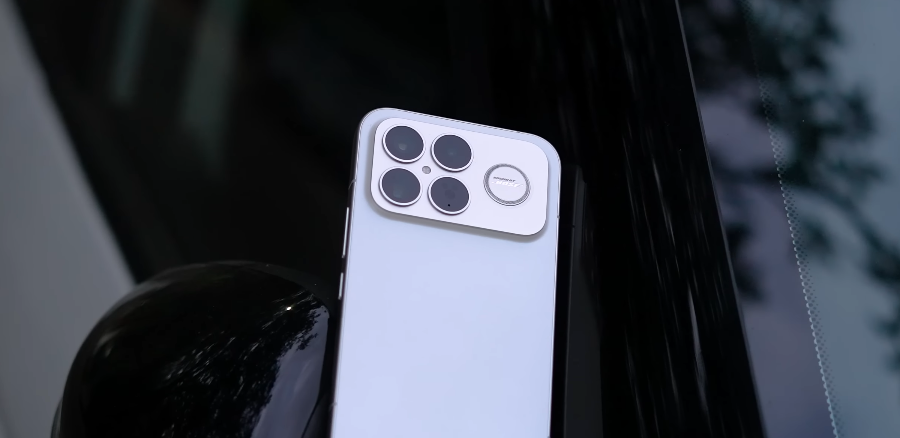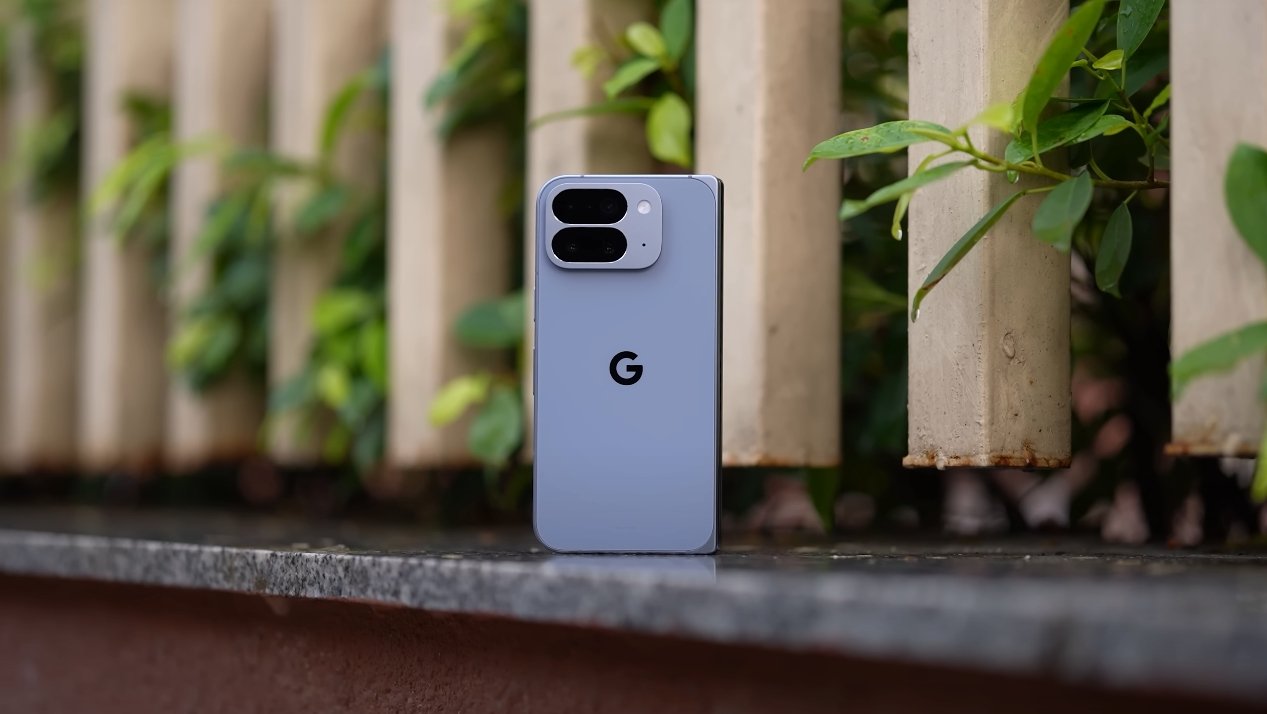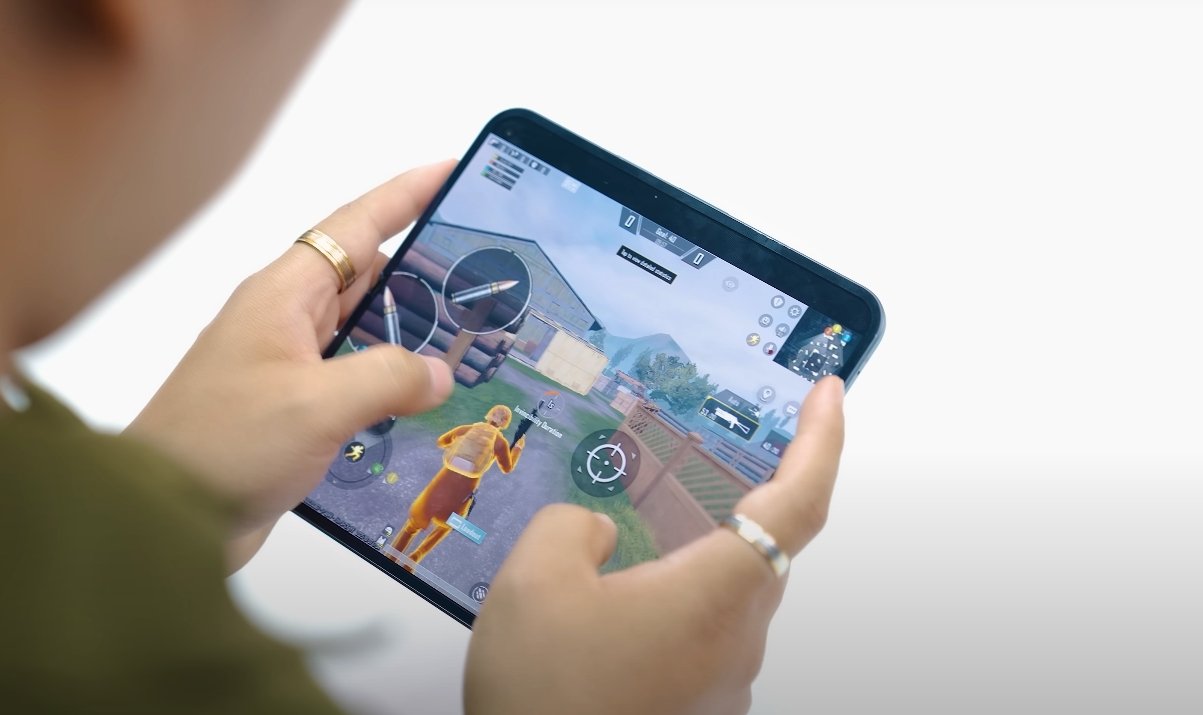
Pixel 10 Pro Fold vs iPhone 16 Pro battery efficiency

Pixel 10 Pro Fold vs iPhone 16 Pro battery efficiency

Comparing Battery Efficiency Between Google and Apple’s Flagships

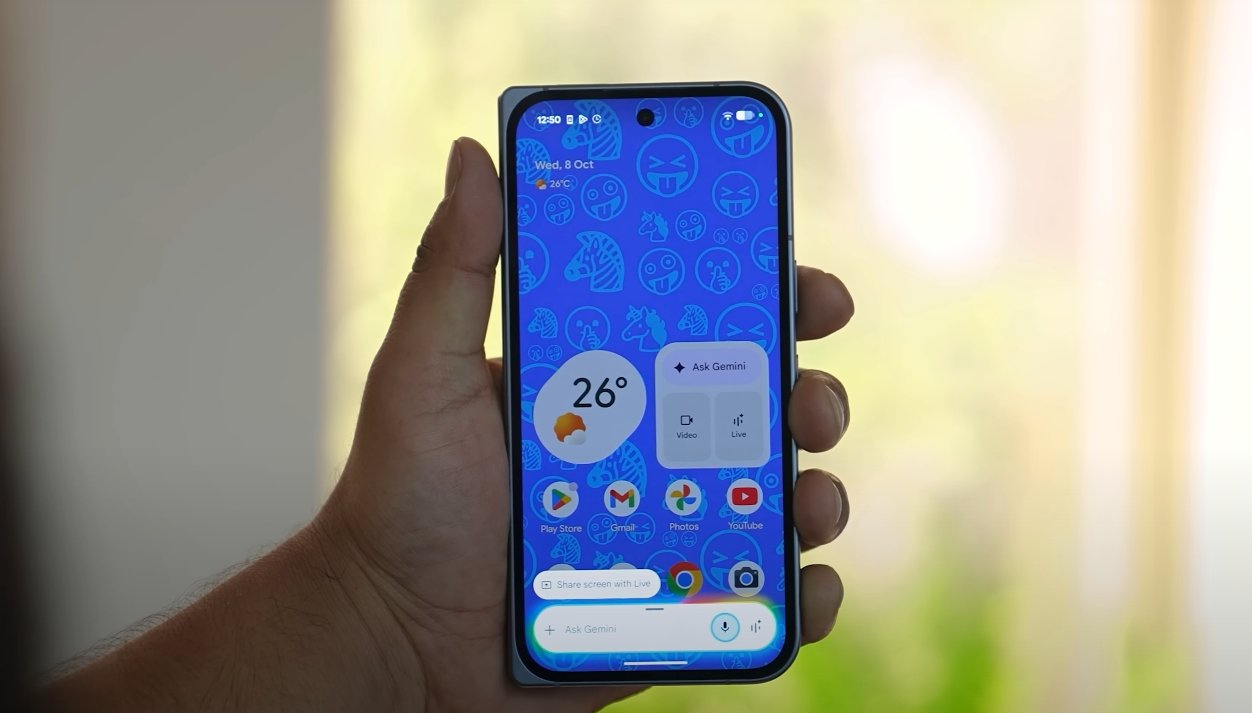
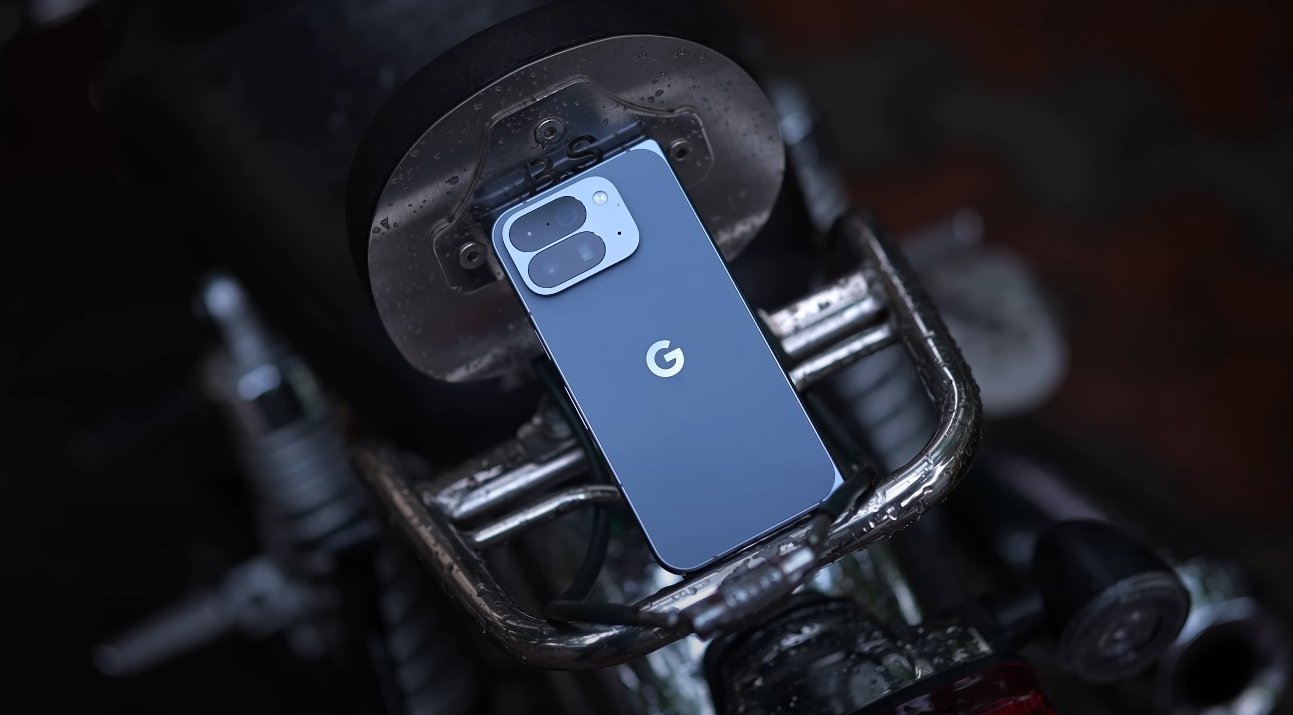
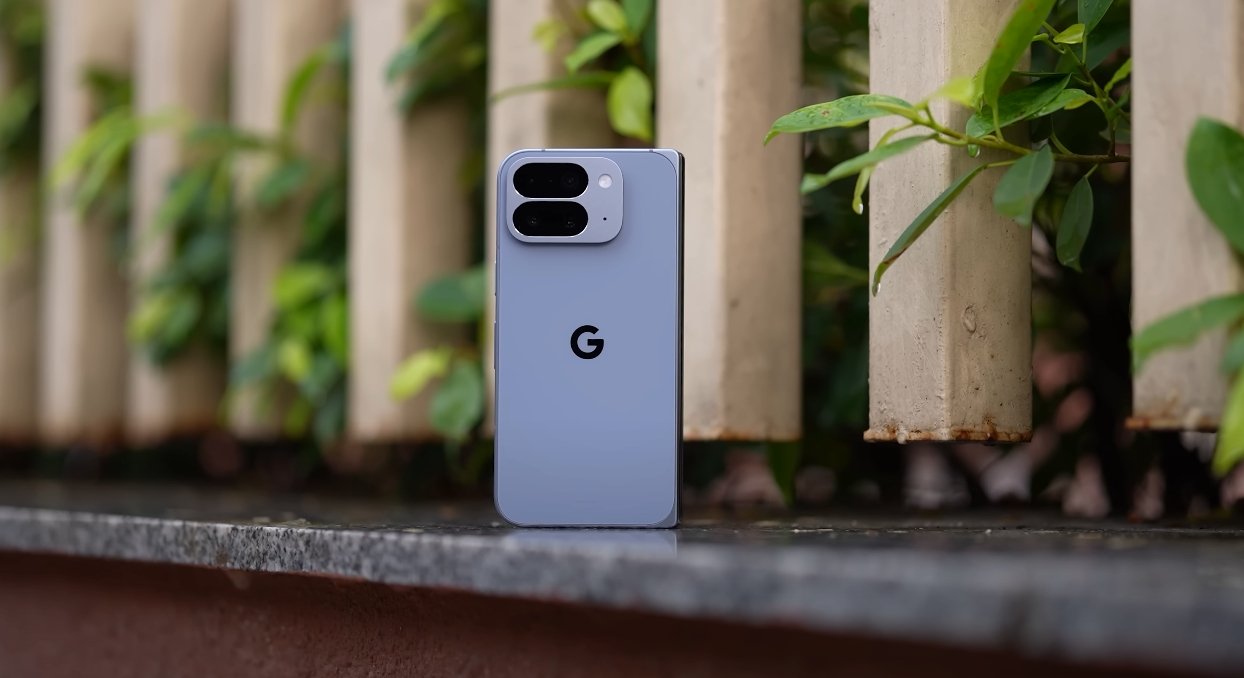
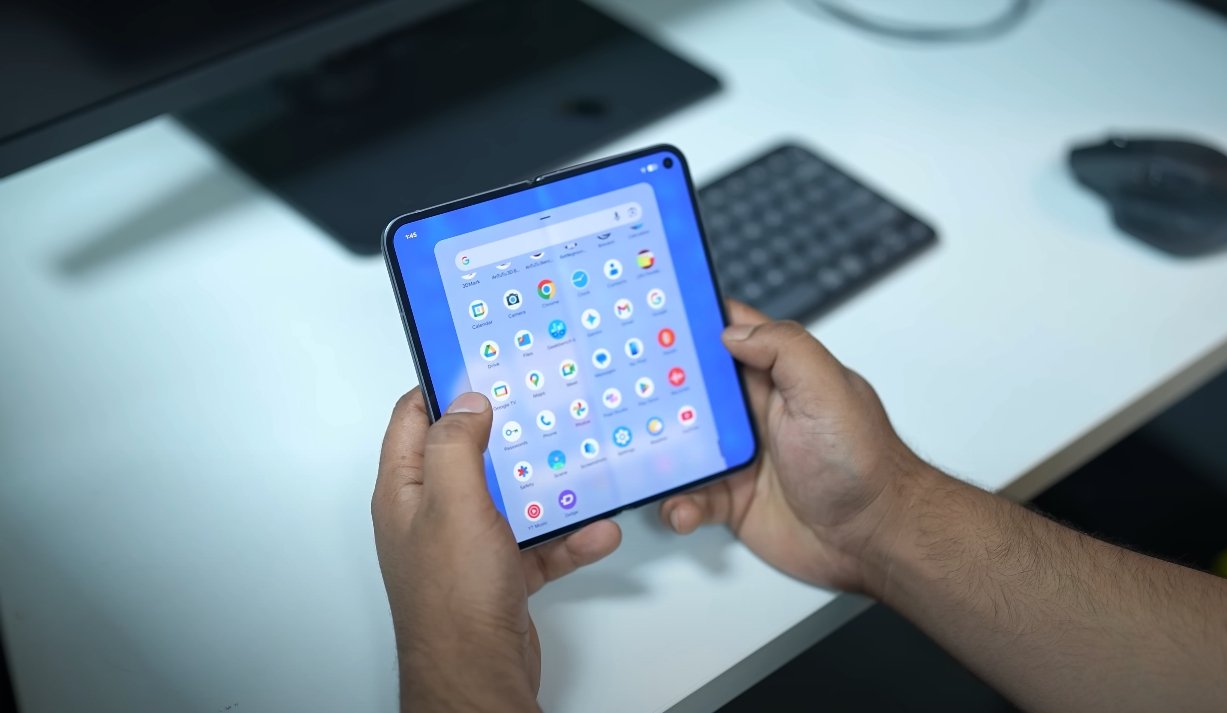
The Google Pixel 10 Pro Fold and the Apple iPhone 16 Pro represent two very different approaches to smartphone design, yet both aim to deliver long-lasting power and efficient performance. While the Pixel 10 Pro Fold focuses on offering a large battery to support its dual-display design, the iPhone 16 Pro emphasizes optimization and chip efficiency to make the most of a smaller battery. Real-world tests and early user experiences show a fascinating contrast in how each device manages energy, reflecting their unique hardware and software strategies.

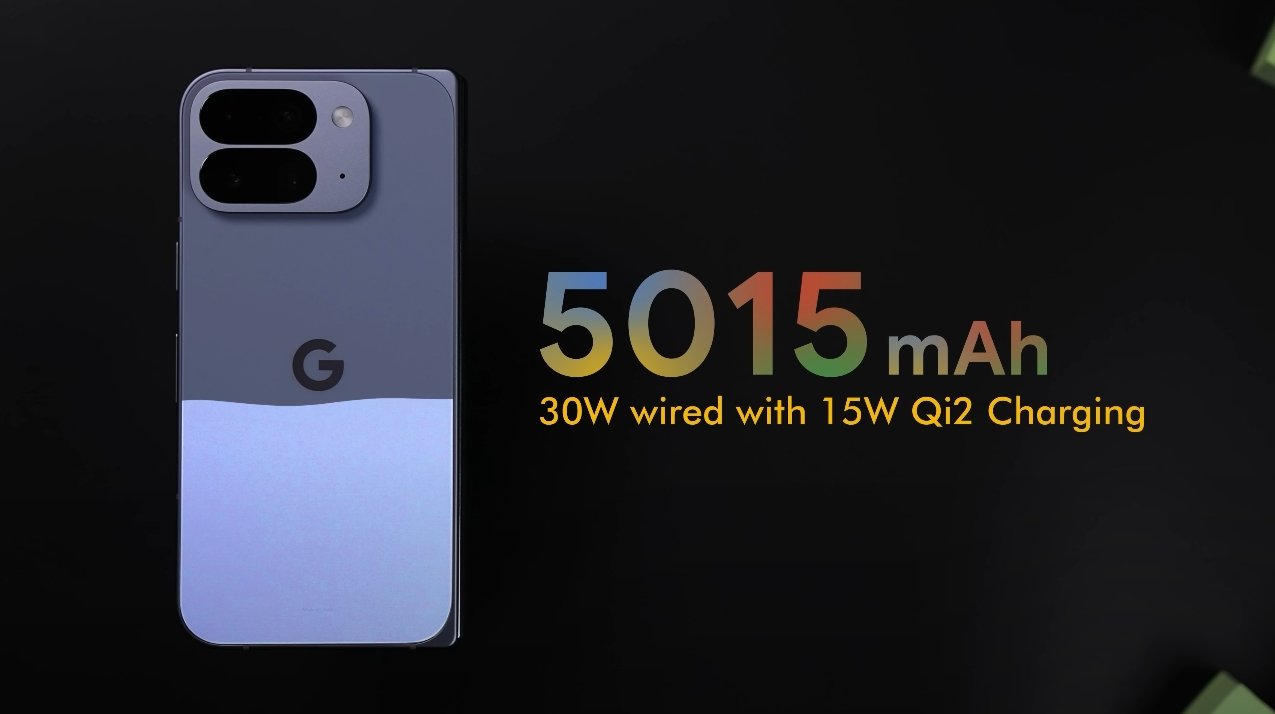
The Pixel 10 Pro Fold is equipped with a 5,015 mAh battery, the largest ever included in a Google foldable device. This large capacity is necessary to power its two high-resolution OLED displays—a compact outer screen and a larger, tablet-sized inner display. In contrast, the iPhone 16 Pro features a smaller 3,582 mAh battery, but Apple compensates with remarkable energy management through its custom A18 Pro chip and iOS-level optimization. Despite the difference in capacity, both phones are capable of delivering a full day of mixed use, though they achieve this efficiency in very different ways.

In everyday scenarios, the Pixel 10 Pro Fold performs impressively for a foldable phone. During light to moderate use—such as browsing, messaging, and taking photos—it can easily last through a full workday with 40 to 50 percent of the battery remaining. However, the device’s endurance depends heavily on which screen is used most. When users spend more time on the inner 7.9-inch display for tasks like gaming, watching videos, or multitasking, the battery drains faster. Even so, Google’s adaptive battery system, powered by the Tensor G4 chip, helps the phone learn user habits and reduce power draw from apps that aren’t frequently used.

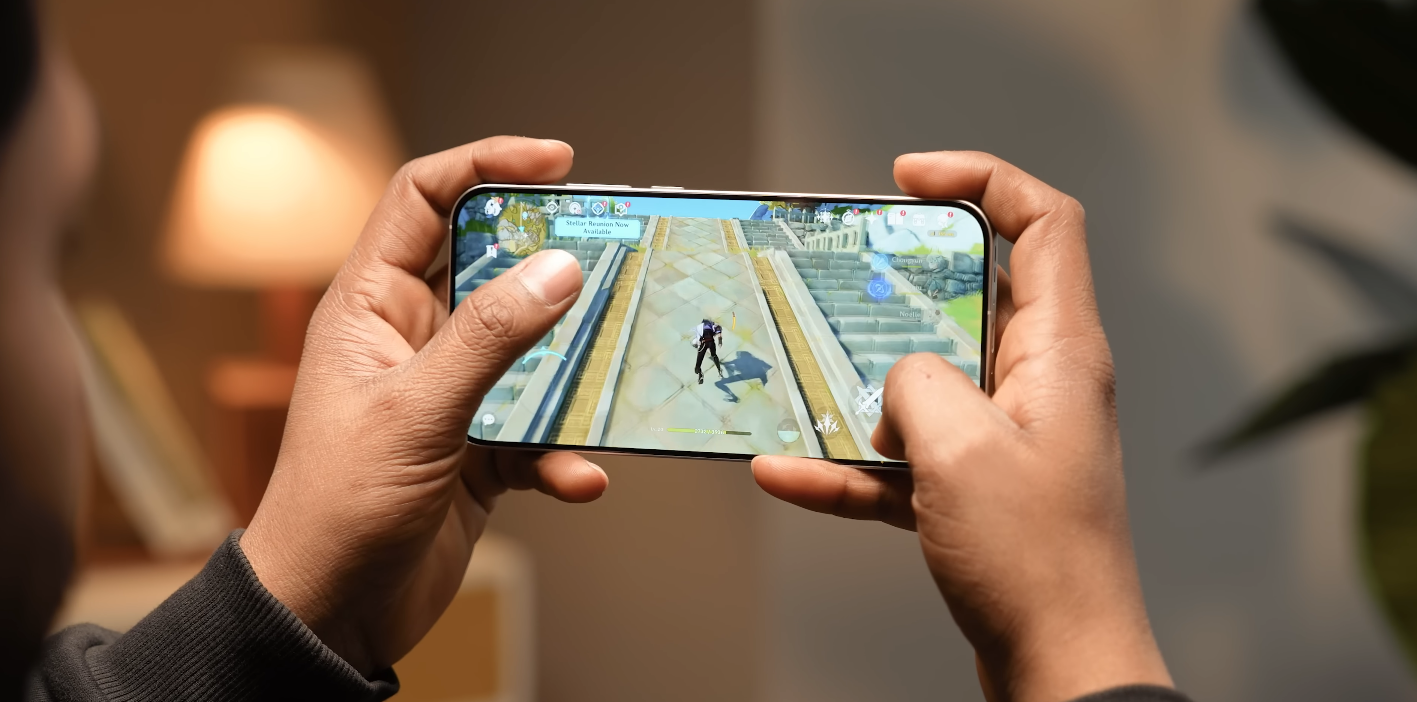
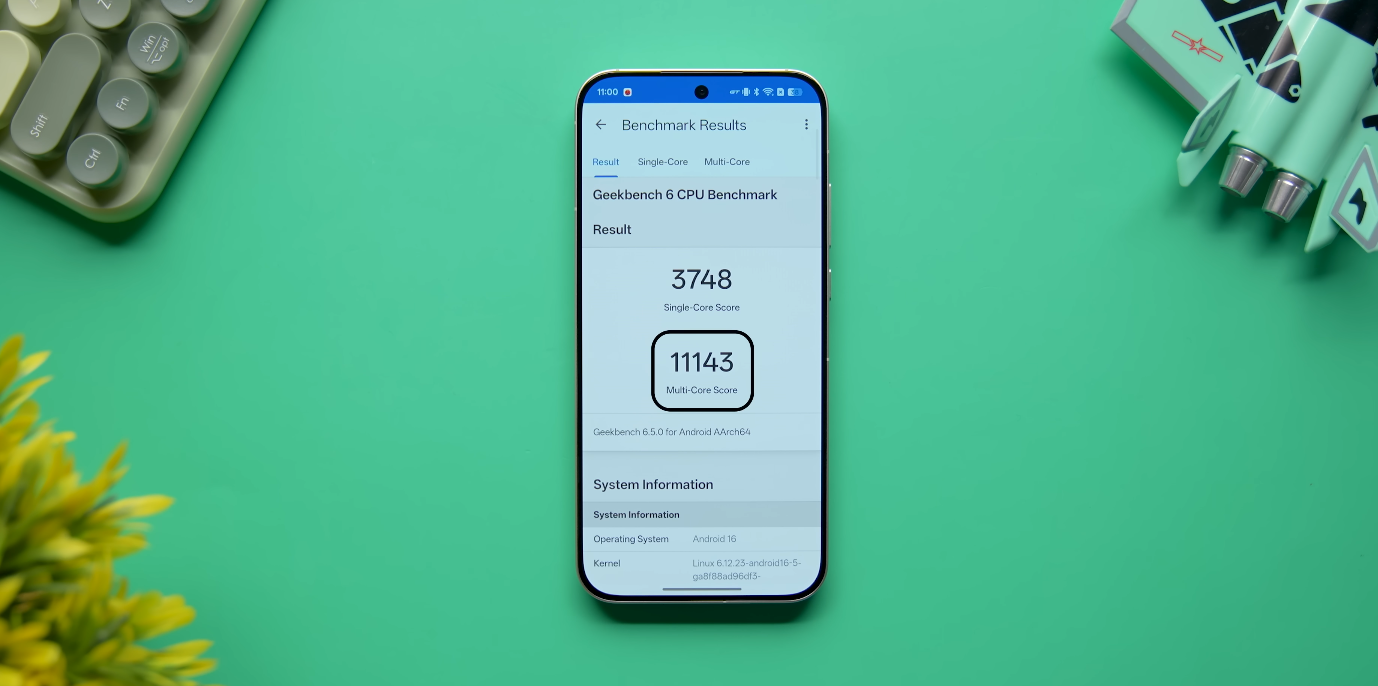
On the other hand, the iPhone 16 Pro continues Apple’s reputation for exceptional power efficiency. Its A18 Pro chip, built on a 3-nanometer process, manages to deliver outstanding performance with minimal energy consumption. Even though its battery is smaller, the iPhone 16 Pro often matches or exceeds the Pixel 10 Pro Fold in screen-on time during web browsing, video playback, and light productivity tasks. Apple’s combination of hardware-software integration and tightly controlled system resources ensures that the device sips power instead of draining it quickly. Users report that the iPhone 16 Pro easily lasts a full day and often stretches into a second day with lighter use.
Pixel 10 Pro Fold vs iPhone 16 Pro battery efficiency

Charging speed is another important area where the two phones differ. The Pixel 10 Pro Fold supports 30 W wired charging, capable of reaching 50 percent charge in around 30 minutes and a full charge in about 90 minutes. It also supports 15 W magnetic wireless charging through Google’s new Pixelsnap system. The iPhone 16 Pro, meanwhile, supports 27 W wired charging and up to 25 W wireless MagSafe charging. In practical terms, both devices recharge quickly enough for daily convenience, but Google’s larger battery takes slightly longer to fill completely due to its higher capacity.

Battery efficiency also extends to thermal management and background optimization. The Pixel 10 Pro Fold benefits from improved heat dissipation and intelligent cooling, which keeps temperatures stable during demanding tasks such as gaming or video editing. This prevents battery drain caused by overheating, a problem seen in earlier foldable designs. The iPhone 16 Pro, with its advanced thermal system and efficient chip, also maintains steady performance without generating excessive heat, further extending overall battery health over time.

Ultimately, the Pixel 10 Pro Fold wins in raw battery capacity and endurance for heavy users who rely on multitasking or extended media sessions. Its large battery ensures plenty of power to handle both screens throughout the day. However, the iPhone 16 Pro excels in pure energy efficiency, extracting exceptional performance from a smaller battery through optimization and refined software control. It is better suited for users who value consistency, cool operation, and efficiency over sheer size and flexibility.

In conclusion, the Pixel 10 Pro Fold and iPhone 16 Pro take different yet equally effective approaches to battery efficiency. Google’s foldable offers extended usage time through its large battery and adaptive management system, ideal for power users and multitaskers. Apple’s flagship, on the other hand, proves that smart optimization can rival larger batteries, delivering excellent efficiency in a smaller, lighter package. The choice between them ultimately depends on how you use your device—if you prioritize flexibility and screen size, the Pixel 10 Pro Fold delivers more endurance; if you value precision and refined energy use, the iPhone 16 Pro remains the more efficient everyday performer.

PlayStation Shuts Down Demon’s Souls Remake Developer Bluepoint Games

A screenshot of the Demon's Souls Remake, showcasing the dark fantasy world and intense gameplay, developed by Bluepoint Games, a studio known for their work on iconic franchises, now facing closure by PlayStation

PlayStation Shuts Down Demon’s Souls Remake Developer Bluepoint Games

The video game industry has been left reeling after the shock announcement that PlayStation is shutting down Bluepoint Games, the esteemed developer behind the Demon’s Souls Remake. This move has sent shockwaves throughout the gaming community, with many analysts struggling to comprehend the reasoning behind this decision. The studio’s impressive track record, having worked on numerous iconic franchises, makes this closure all the more baffling. The news was broken by Bloomberg’s Jason Schreier, who revealed that the remaining 70 developers at Bluepoint Games will be losing their jobs.

The Demon’s Souls Remake, released in 2020, was a critical and commercial success, garnering widespread acclaim for its faithfulness to the original whilst introducing the classic game to a new generation of players. Bluepoint Games’ expertise in remaking and remastering beloved titles has been evident in their work on various franchises over the years. Their closure raises questions about the future of these iconic series and the potential impact on the gaming industry as a whole.

As the gaming community comes to terms with this unexpected news, many are left wondering about the motivations behind PlayStation’s decision to shut down Bluepoint Games. The studio’s acquisition by PlayStation in 2016 was seen as a strategic move to bolster the company’s first-party development capabilities. However, this latest development has sparked concerns about the stability and security of studios within the PlayStation ecosystem. With the gaming industry evolving at a rapid pace, it remains to be seen how this move will affect the landscape of game development and publishing.

The closure of Bluepoint Games serves as a poignant reminder of the ever-changing nature of the video game industry. As studios continue to navigate the challenges of game development, the importance of adaptability and resilience cannot be overstated. The legacy of Bluepoint Games will undoubtedly live on, with their contributions to the world of gaming remaining an integral part of its history. Their influence will continue to inspire future generations of developers, even as the studio itself ceases to operate.

As the dust settles on this shocking announcement, gamers and industry professionals alike are left to ponder the implications of Bluepoint Games’ closure. With the studio’s impressive catalogue of work and the Demon’s Souls Remake being a testament to their skill and dedication, it is clear that their absence will be deeply felt. The road ahead for PlayStation and the gaming industry as a whole will be shaped by decisions such as these, and only time will tell what the future holds for the beloved franchises and series that Bluepoint Games has worked on.

In conclusion, the shutdown of Bluepoint Games by PlayStation has sent shockwaves throughout the gaming community, leaving many to analyse the reasoning behind this decision. As the industry continues to evolve, it is essential to appreciate the contributions of studios like Bluepoint Games, whose work has had a profound impact on the world of gaming. Their legacy will endure, even as the studio itself ceases to operate, a testament to the power of their creations and the lasting influence they have had on the gaming landscape.

Pixel 10 Pro Fold vs Pixel Fold First Gen Improvements

Pixel 10 Pro Fold vs Pixel Fold First Gen Improvements

How Google Perfected Its Foldable Design

The Pixel 10 Pro Fold marks a major step forward in Google’s foldable phone lineup, refining nearly every aspect of the first-generation Pixel Fold. From durability and design to performance and battery life, the latest model addresses the shortcomings of the original while introducing modern upgrades that make it one of the most advanced foldables available today.

The most noticeable improvement comes in durability and design. The first-generation Pixel Fold was elegant but fragile, with a hinge that felt delicate over time and only carried an IPX8 water-resistance rating. The new Pixel 10 Pro Fold introduces a redesigned, gearless hinge that’s both sturdier and smoother, reducing long-term wear. It now features full IP68 certification, making it resistant to both dust and water—a first for any Google foldable. This upgrade alone greatly enhances the device’s reliability for everyday use.

Display technology has also taken a big leap forward. The Pixel 10 Pro Fold maintains the same dual-screen setup—a large 8-inch inner display and a 6.4-inch outer display—but both panels are brighter and more efficient. The new OLED panels reach up to 3,000 nits of peak brightness, compared to the first-gen Fold’s 1,450 nits, allowing for far better visibility in sunlight and more vivid HDR performance. Google also reduced the bezels, creating a more immersive viewing experience while keeping the device’s footprint compact.

Pixel 10 Pro Fold vs Pixel Fold First Gen Improvements

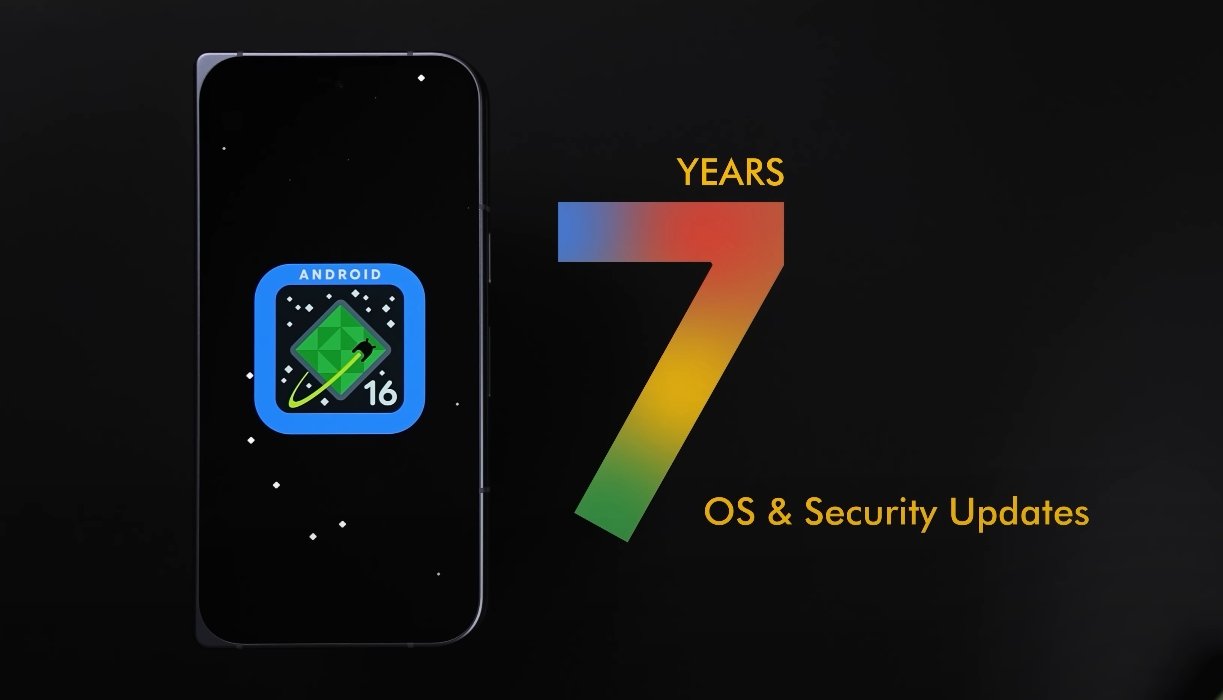
Performance and efficiency are areas where the 10 Pro Fold truly shines. Powered by the Tensor G5 chip, built on a 3-nanometer process, it offers faster processing, better thermal management, and improved battery efficiency over the original Tensor G2 in the first Fold. This newer chip enhances AI-driven tasks like real-time photo enhancement, translation, and personalized recommendations. Combined with Android 16, the device feels faster, smoother, and more responsive. Google has also committed to longer software support—up to seven years of updates—ensuring longevity for buyers.

Battery life and charging speed have seen notable improvements. The Pixel 10 Pro Fold now includes a 5,015 mAh battery, up from the original Fold’s 4,821 mAh capacity. Charging speeds are faster, with improved 30W wired charging and support for Qi2 magnetic wireless charging through Google’s new PixelSnap accessories. These upgrades translate to quicker top-ups and more consistent all-day endurance, even when multitasking or using dual screens extensively.

While the camera hardware looks similar at first glance, Google has focused on refining image processing through software and AI. The Pixel 10 Pro Fold retains the 48MP main sensor, 10.5MP ultra-wide lens, and 5x telephoto lens from the first Fold, but benefits from upgraded computational photography features. The new Tensor G5 enables faster image processing, better HDR handling, and improved low-light performance. Portrait mode separation, color accuracy, and motion blur correction all feel more natural, while the front cameras deliver clearer selfies under various lighting conditions.

The first-generation Pixel Fold was criticized for occasional lag and overheating during intensive use. Google addressed these issues by improving thermal regulation in the Pixel 10 Pro Fold, keeping performance steady even under pressure. The folding mechanism has been strengthened, and the inner display crease is less visible, offering a more seamless viewing experience. Audio quality has also been improved, with louder, clearer stereo speakers that enhance entertainment and video calls.

Despite all these enhancements, the Pixel 10 Pro Fold does carry a slightly higher price and marginally heavier build. However, those minor trade-offs are outweighed by its substantial leaps in durability, power efficiency, and camera performance. It’s clear that Google has refined the formula to deliver a more polished, dependable foldable suited for both productivity and creativity.

In conclusion, the Pixel 10 Pro Fold is a clear evolution of Google’s foldable vision. It fixes the durability issues of the first gen, boosts display quality, extends battery life, and pushes performance to new heights. For first-generation Pixel Fold owners, the upgrades may feel like a complete transformation rather than an incremental update. If you value cutting-edge technology, superior design, and long-term reliability, the Pixel 10 Pro Fold is a worthwhile upgrade and one of the most complete foldables on the market today.

POCO F8 Pro camera software update roadmap: what’s coming next?

POCO F8 Pro camera software update roadmap what’s coming next

How the POCO F8 Pro Camera Will Evolve Over Time

The POCO F8 Pro is expected to arrive with a strong camera system at launch, but much of its long-term performance will depend on software updates. As with previous POCO releases, the company is likely to refine features, improve processing speed, and add new modes over time. Understanding what updates may arrive helps you know how the camera experience will grow after purchase.

In the first few weeks after launch, the F8 Pro is expected to receive small stability patches targeting early feedback. These updates commonly focus on refining colour balance, improving white-balance consistency, and stabilising autofocus. Early adjustments often make a noticeable difference, especially in low-light photography and quick-capture scenarios.

Shortly after this period, the camera app may receive enhancements that improve overall responsiveness. This may include reduced shutter lag, better HDR blending, and faster image-processing speeds. These updates typically help the device produce more natural images with improved detail in shadows and highlights, especially in mixed lighting.

POCO F8 Pro camera software update roadmap what’s coming next

As usage data builds, a mid-cycle update may bring new shooting modes or expanded manual controls. Features such as enhanced Pro mode options, improved RAW processing, or additional filters could arrive during this stage. POCO has previously used mid-term updates to introduce AI refinements, so improved scene detection and upgraded night-mode performance are likely candidates.

Video performance is another area that usually sees progressive improvements. Over time, updates may improve stabilisation, clarity in 4K recording, and smoother transitions between lenses while filming. With increasingly powerful processors, the software can better manage temperature, frame-rate consistency, and noise reduction in challenging environments.

Long-term updates, arriving over the next one to two years, are likely to focus on fine-tuning existing features rather than adding brand-new functions. These refinements typically improve lens-switching speed, portrait-mode edge detection, and overall camera app stability. As major system updates roll out, the camera benefits from more efficient handling of memory, image data, and sensor output.

The POCO F8 Pro’s update track is also expected to support improvements in computational photography. Algorithms responsible for exposure, colour mapping, and noise reduction evolve over time, meaning the phone’s camera quality may improve even without any hardware changes. This helps it remain competitive against newer devices.

For everyday users, this evolving roadmap ensures that the camera continues to feel fresh and reliable. Those who enjoy mobile photography will notice gradual upgrades that refine image sharpness, reduce noise in dim environments, and improve selfie results. Regular updates help maintain consistency, especially for users who rely on their phone for travel, family events, or content creation.

In summary, the POCO F8 Pro is set to receive meaningful camera software improvements throughout its lifespan. From early fixes to long-term refinements, its imaging performance is expected to grow steadily with each update. For buyers who value a camera that becomes better over time, the F8 Pro offers a promising path forward.

Pixel 10 Pro Fold vs Galaxy Z Fold 6 display quality

Pixel 10 Pro Fold vs Galaxy Z Fold 6 display quality

Comparing Display Quality on Two Premium Foldables

The foldable smartphone market continues to evolve, and in 2025, two of the most advanced models are the Google Pixel 10 Pro Fold and the Samsung Galaxy Z Fold 6. Both devices showcase cutting-edge display technology, offering immersive visuals, high refresh rates, and impressive brightness levels. However, their designs, display ratios, and performance characteristics make them distinct choices depending on user preferences.

The Google Pixel 10 Pro Fold features an expansive 8-inch OLED main display with a near-square 1:1 aspect ratio, providing an exceptionally wide viewing area for multitasking and productivity. The cover display measures 6.4 inches, also OLED with a 120Hz refresh rate, ensuring smooth scrolling and color consistency between both screens. Google has pushed display brightness further than before, with the Pixel 10 Pro Fold reaching up to 3,000 nits peak brightness in certain conditions. This makes it one of the brightest foldable displays available, providing excellent outdoor visibility and enhanced HDR playback performance.

Samsung’s Galaxy Z Fold 6, on the other hand, features a 7.6-inch Dynamic AMOLED 2X main display with a 120Hz refresh rate and HDR10+ support. The outer screen measures 6.3 inches and uses the same panel technology, giving users a seamless transition between folded and unfolded modes. Samsung has improved color accuracy and contrast, and its peak brightness reaches around 2,600 nits—slightly lower than Google’s figure but still outstanding for a foldable. The company continues to refine its screen calibration, offering natural and vivid modes to suit user preferences, while maintaining exceptional color balance and black levels typical of Samsung’s AMOLED panels.

Pixel 10 Pro Fold vs Galaxy Z Fold 6 display quality

One of the major differences between the two devices lies in their aspect ratios. The Pixel 10 Pro Fold’s squarer inner display provides a near-tablet experience, ideal for split-screen multitasking, document editing, and reading. It gives users more usable space for productivity-focused applications. The Galaxy Z Fold 6, with its slightly taller aspect ratio, feels more like a traditional smartphone when folded. Its shape makes it easier to hold and use with one hand, particularly for messaging or browsing. While both displays are excellent for content consumption, the Pixel’s larger surface offers more room for immersive tasks, whereas the Galaxy’s proportions deliver better ergonomics and handling.

Durability is another area where Samsung maintains an advantage. The Galaxy Z Fold 6 uses Corning Gorilla Glass Victus 2 on its outer screen and reinforced ultra-thin glass on the inner display, improving resistance to scratches and pressure. The hinge has also been redesigned for added strength and smoother folding. The Pixel 10 Pro Fold also uses Gorilla Glass Victus 2 for its outer panel, but its inner screen protection remains more flexible and less rigid, as is common with newer foldables. While Google has improved the crease visibility and reduced the reflection along the fold line, Samsung’s experience in foldable engineering gives it a slightly more polished look and feel in everyday use.

In terms of image quality, both displays deliver stunning visuals. The Pixel 10 Pro Fold leans toward a natural color profile with excellent accuracy, making it ideal for creative professionals and users who prefer true-to-life tones. Its high brightness ensures superior HDR performance, with better highlight rendering in bright scenes. The Galaxy Z Fold 6, meanwhile, continues Samsung’s tradition of slightly more saturated colors in vivid mode, which many users find more appealing for gaming, movies, and social media. Both devices support wide color gamuts and adaptive refresh rates, adjusting dynamically between 1Hz and 120Hz to save power when viewing static content.

When it comes to real-world viewing experience, the Pixel 10 Pro Fold offers a larger and brighter panel that’s perfect for productivity, while the Galaxy Z Fold 6 excels in durability, smoothness, and color vibrancy. The Pixel’s inner display gives users more workspace, especially for multitasking and creative tasks, but it comes with added weight and a more noticeable crease. The Galaxy’s design feels slightly more compact and refined, making it more comfortable for extended handheld use.

In conclusion, the Pixel 10 Pro Fold delivers a wider, brighter, and more immersive display, best suited for users who prioritize multitasking and cinematic experiences. The Galaxy Z Fold 6, meanwhile, offers excellent display quality with a more balanced design, enhanced durability, and refined engineering. Both devices push the boundaries of foldable display technology, but the Pixel stands out for its expansive canvas and brightness, while the Galaxy shines for its longevity, craftsmanship, and perfectly tuned visuals.

Also Read:  Pixel 10 Pro Fold price leak surprises USA fans

POCO F8 Pro vs foldable phones: still worth a standard flagship in 2025?

POCO F8 Pro vs foldable phones still worth a standard flagship in 2025

Why UK Buyers Are Still Considering Classic Flagships

As foldable phones continue to mature in 2025, many UK buyers are questioning whether a traditional flagship like the POCO F8 Pro still holds its value. Foldables now offer better durability, refined hinges and smoother software than earlier generations, making them more tempting than ever. Even so, standard flagships remain a central part of the market, and the F8 Pro is one of the strongest examples of why they still matter.

The POCO F8 Pro focuses on delivering top-tier performance at a far lower price than any foldable currently available. Early specifications point toward a powerful chipset, a sharp high-refresh display and strong thermal control, giving users the type of speed and consistency normally seen in much more expensive devices. For UK buyers who want reliable, fast hardware without paying four-figure sums, this alone makes the F8 Pro a compelling choice.

Foldable phones, by comparison, excel in flexibility and screen size. Models released in 2025 offer large inner displays suitable for media, productivity and multitasking, bridging the gap between a phone and a compact tablet. This makes them particularly appealing to users who frequently handle spreadsheets, edit documents or juggle multiple apps. However, their price remains substantially higher than most standard flagships, often exceeding £1,150 in the UK market.

POCO F8 Pro vs foldable phones still worth a standard flagship in 2025

Durability remains a key consideration for UK shoppers weighing the two categories. Although foldable hinges and ultra-thin glass have improved significantly, they still present more long-term wear concerns than a classic slab-style design. A device like the POCO F8 Pro typically offers simpler construction, greater everyday toughness and fewer points of mechanical failure. For users who want a handset that can withstand heavy daily use without worry, the standard design remains reassuring.

Battery life and charging also favour traditional flagships. Foldables often need to power two displays and more complex internal structures, which can reduce endurance. The F8 Pro is expected to deliver a straightforward all-day experience with fast-charging support suited for UK commuting patterns. This makes it a more practical option for users who spend long hours away from a charger and need a dependable device throughout the day.

Pricing remains the biggest dividing line. The POCO F8 Pro is positioned as a high-value choice within the £400–£500 range, while foldables cost more than double that. Even though foldables offer unique functionality, many UK buyers find it difficult to justify the premium for a form factor that still comes with trade-offs in weight, thickness and long-term maintenance. For value-driven users, the F8 Pro clearly offers more for the money.

Camera performance is another area where expectations differ. Foldables often include strong primary cameras, but compromises appear in secondary lenses due to space constraints. A classic flagship like the F8 Pro usually benefits from a more balanced camera system with fewer physical limitations. UK buyers who rely on consistent photo quality throughout travel, work and daily life often prefer the more predictable results of a standard device.

Software experience has become a strong point of foldables, with multitasking features improving every year. Even so, many users still prefer the simplicity of a single-screen UI without additional gestures or multi-window complexities. The POCO F8 Pro follows the familiar flagship experience, offering powerful hardware without adding layers of software behaviour that some users may find unnecessary.

Overall, foldables have never been better than they are in 2025, and they now serve a clear role for users who want the largest display possible in a pocketable format. But for the majority of UK buyers seeking value, durability, battery efficiency and a balanced flagship package, the POCO F8 Pro still makes a stronger case. The standard flagship remains not only relevant but often the more sensible choice.

For most users, the POCO F8 Pro represents better overall value. Foldables may be exciting and feature-rich, but unless you specifically need their unique form factor, a classic flagship continues to deliver the most practical and cost-effective experience in the UK market for 2025.

Pixel 10 Pro Fold vs OnePlus Open 2 Performance Test

Pixel 10 Pro Fold vs OnePlus Open 2 Performance Test

The Ultimate Power Showdown Between Two Foldable Flagships

The battle for foldable supremacy in 2025 has reached new heights with the arrival of Google’s Pixel 10 Pro Fold and OnePlus Open 2. Both devices push performance, design, and multitasking to premium levels, but they approach power and efficiency from different philosophies. The question is simple: which foldable delivers the best performance experience for demanding users?

At the core of the Pixel 10 Pro Fold is Google’s Tensor G5 processor, built on a 3-nanometer process. It’s engineered to focus on intelligent performance, optimizing AI-driven functions like image processing, voice recognition, and live translation. This chip offers a balanced mix of speed and efficiency, supported by 16GB of LPDDR5X RAM and up to 1TB of storage. On the other hand, the OnePlus Open 2 is powered by Qualcomm’s latest Snapdragon 8 Gen 3 Elite Edition—a chipset designed for raw performance and gaming power. Coupled with similar RAM capacity and lightning-fast UFS 4.0 storage, the Open 2 is clearly aimed at users who prioritize speed above all else.

In benchmark testing, the OnePlus Open 2 tends to outperform the Pixel 10 Pro Fold in sheer numbers. Geekbench and AnTuTu results show the Snapdragon 8 Gen 3 pulling ahead in both CPU and GPU performance, particularly in multi-core and graphics-intensive tasks. The Pixel 10 Pro Fold’s Tensor G5, while efficient, produces slightly lower scores due to its focus on machine learning and energy management rather than raw horsepower. However, in daily use, the difference is less noticeable—Google’s optimization ensures smooth app launches, quick transitions, and seamless multitasking across screens.

Pixel 10 Pro Fold vs OnePlus Open 2 Performance Test

When it comes to thermal performance, the Pixel 10 Pro Fold demonstrates better heat management. Google has re-engineered its cooling system and body design, dispersing heat more evenly during extended use. Even under heavy workloads like 4K video rendering or long gaming sessions, the Pixel maintains stable performance without aggressive throttling. The OnePlus Open 2, while initially faster, can get warmer during sustained high-performance gaming or camera use, leading to minor dips in sustained speed.

Gaming, however, is where the OnePlus Open 2 truly flexes its power. With the Adreno 750 GPU and Snapdragon Elite Gaming features, it consistently delivers higher frame rates and smoother rendering in graphically demanding titles. Games like Genshin Impact and Call of Duty: Mobile run effortlessly at maximum settings. The Pixel 10 Pro Fold isn’t far behind, offering a stable 60–90 FPS experience in most titles, but it can’t always match the GPU efficiency of Qualcomm’s flagship chip. Google’s focus on AI processing helps optimize visuals dynamically, yet the Open 2 remains the better gaming performer overall.

Battery performance tells a different story. The Pixel 10 Pro Fold comes equipped with a 5,015 mAh battery and improved 30W wired charging, plus Qi2 magnetic wireless charging. Its Tensor G5 chip is tuned for efficiency, giving users longer screen-on time during moderate to heavy use. The OnePlus Open 2 packs a slightly smaller 4,800 mAh battery but counters with faster 80W wired charging, capable of reaching 100% in under 40 minutes. However, real-world endurance slightly favors the Pixel, especially when using multitasking features on the inner display.

Display performance plays a role in perceived speed as well. The Pixel 10 Pro Fold features a 120Hz LTPO OLED panel with peak brightness reaching 3,000 nits, ensuring buttery-smooth scrolling and vibrant visuals. The OnePlus Open 2 also boasts a 120Hz AMOLED display, but with slightly lower peak brightness around 2,800 nits. Both deliver top-tier visual experiences, yet the Pixel’s adaptive refresh and AI-driven display tuning make it feel more responsive during dynamic usage like folding transitions or split-screen multitasking.

In everyday use, both phones deliver flagship-level responsiveness, but they cater to different user types. The OnePlus Open 2 dominates in raw speed, gaming, and synthetic benchmarks, making it the better choice for performance enthusiasts. The Pixel 10 Pro Fold, meanwhile, offers a more refined balance—combining solid performance with superior thermal control, longer battery life, and enhanced AI features that streamline productivity and content creation.

In conclusion, the OnePlus Open 2 is the powerhouse for gamers and benchmark chasers, delivering peak performance through sheer processing muscle. The Pixel 10 Pro Fold, on the other hand, is the smarter performer—cooler, more efficient, and better optimized for AI-driven workflows and multitasking. If you crave maximum speed and gaming dominance, OnePlus wins the race. But if you value consistent real-world smoothness, longevity, and intelligent performance, the Pixel 10 Pro Fold stands out as the more balanced and reliable foldable for everyday use.

PlayStation Plus December Games Revealed Ahead of Schedule

PlayStation Plus December Games Revealed Ahead of Schedule

Early game lineup leak sparks excitement among PlayStation fans

PlayStation Plus subscribers are set for an early festive treat as the December game lineup was revealed ahead of schedule, giving members a first look at the titles arriving next month. The unexpected early disclosure has stirred anticipation across the PlayStation community as players prepare for new additions to the Extra and Premium catalogues.

One of the headline arrivals is Red Dead Redemption, which joins the PS Plus Extra library on 2 December. The critically acclaimed western epic offers subscribers a chance to return to its expansive frontier world, and its arrival has been warmly received by fans keen to revisit the beloved Rockstar classic during the holiday season.

December’s lineup also introduces Skate Story as a day-one addition for Extra and Premium members. Launching on 8 December, the surreal indie adventure brings a visually striking and experimental take on skateboarding, offering a fresh contrast to the heavyweight titles typically associated with the service.

PlayStation Plus December Games Revealed Ahead of Schedule

For PlayStation Plus Essential users, the monthly free games are set to be confirmed earlier than usual, with the official announcement expected on 26 November. The titles will then become available to download from 2 December, aligning with the broader catalogue refresh across all tiers.

In addition to new arrivals, December will see several games depart the PS Plus library. Nine titles — including Battlefield 2042, Grand Theft Auto III: Definitive Edition, Forspoken, Sonic Frontiers and a selection of VR-focused games — will leave Extra and Premium on 16 December. Subscribers hoping to finish any of these games are encouraged to do so before they are removed.

The early reveal appears to be part of a strategic effort to boost engagement heading into the busy holiday period. By announcing the lineup ahead of time, PlayStation allows subscribers to plan their festive gaming, decide which titles to prioritise and manage their backlogs before the seasonal rush.

The mix of departing and incoming titles reflects PlayStation’s ongoing approach to balancing blockbuster classics with innovative indie projects. Red Dead Redemption anchors the month with mainstream appeal, while Skate Story adds creative diversity to the catalogue, rounding out a lineup designed to attract a broad range of players.

For long-term users, the shifting catalogue underscores how PS Plus continues to evolve as a dynamic subscription service. The inclusion of high-profile favourites and day-one indies suggests an increased focus on offering variety and value across different gaming tastes.

The December update arrives at a crucial moment as competition intensifies across subscription services. PlayStation’s combination of classic titles, experimental new releases and regular catalogue refreshes is becoming increasingly vital to retaining and growing its subscriber base.

As the holiday season approaches, the early announcement has already fuelled enthusiasm across the PlayStation community. With major departures and standout new titles arriving in the same month, December promises to be an active period for PS Plus members eager to make the most of their subscriptions.

PlayStation Unveils Release Date for Wolverine Game

The Wolverine game is an upcoming Marvel video game developed by Insomniac Games, with a release date now announced, the game is set to be a major release in the gaming world, with fans eagerly anticipating its launch, the game will delve into the world of one of Marvel's most iconic characters, and will feature a rich storyline and engaging gameplay mechanics

PlayStation’s Latest Marvel Venture: Wolverine Game Release Date Announced

PlayStation has finally announced the release date for its highly anticipated Wolverine video game, developed by Insomniac Games. The new single-player Marvel game has been shrouded in mystery, with many details still unknown. One thing is certain, however, and that is the excitement building around this latest venture. The gaming community is eager to get its hands on the game and explore the world of Wolverine.

Despite the release date being announced, there is still a lot we don’t know about the game, such as its price and gameplay mechanics. The lack of information has only added to the anticipation, with fans analysing every bit of available information to try and piece together what the game will be like. As the release date draws near, it is likely that more details will be revealed, giving fans a better idea of what to expect.

The Wolverine game is the fourth Marvel video game to be released by PlayStation, following on from the success of previous titles. The game’s developer, Insomniac Games, has a reputation for producing high-quality games, and fans will be hoping that this latest venture will live up to expectations. With the release date now announced, the countdown to the game’s launch has begun, and fans are eagerly awaiting the opportunity to play as one of Marvel’s most iconic characters.

The gaming community is known for its passion and dedication, and the release of the Wolverine game is likely to be a major event. Fans will be keen to share their experiences and thoughts on the game, and it will be interesting to see how the game is received. With its rich storyline and engaging gameplay, the Wolverine game has the potential to be a huge success, and fans will be hoping that it will live up to the hype surrounding its release.

As the release date approaches, fans will be looking for any information they can get about the game. The game’s developer will likely be releasing more details, including gameplay trailers and screenshots, to give fans a better idea of what to expect. The anticipation is building, and it won’t be long before fans can get their hands on the game and experience it for themselves. The Wolverine game is set to be a major release, and fans will be eager to see if it lives up to the expectations surrounding it.

The world of Marvel is vast and complex, with a wide range of characters and storylines to explore. The Wolverine game will be delving into the world of one of Marvel’s most iconic characters, and fans will be keen to see how the game’s developer has chosen to portray him. The game’s storyline and gameplay mechanics will be crucial in determining its success, and fans will be hoping that the game will do justice to the character and the Marvel brand.

In conclusion, the release date for the Wolverine game has been announced, and fans are eagerly anticipating its launch. With its rich storyline and engaging gameplay, the game has the potential to be a huge success, and fans will be hoping that it will live up to the hype surrounding its release. The gaming community will be keen to share their experiences and thoughts on the game, and it will be interesting to see how the game is received.

PlayStation State of Play UK: Rumours and Updates

PlayStation State of Play event logo with a UK gaming theme, featuring a controller and a screen with a gaming landscape

PlayStation State of Play: What to Expect from the UK Gaming Event

The UK gaming community is abuzz with excitement as rumours of a new PlayStation State of Play event begin to circulate. According to insider NateTheHate, a reputable source with a track record of accurately predicting event dates, the next State of Play could take place as early as next week.

This news comes after the February State of Play, which marked the beginning of this year’s round of showcases for PlayStation. With the Summer Game Fest 2026 just around the corner, it’s likely that Sony will use this opportunity to highlight upcoming third-party titles.

NateTheHate initially hinted at a PlayStation event happening ‘well before’ June 2026, sparking speculation among gamers. As the rumour gained traction, fans began to anticipate a potential State of Play event in the near future.

While Sony has yet to confirm the rumours, the prospect of a new State of Play event has generated significant buzz in the UK gaming scene. With the possibility of new game announcements and updates on existing titles, fans are eagerly awaiting official confirmation.

The previous State of Play event in February set the tone for this year’s gaming landscape, with a focus on showcasing upcoming games and updates. If the rumours are true, the next event could provide valuable insights into the world of PlayStation gaming in the UK.

As the UK gaming community waits with bated breath, one thing is certain – the next State of Play event will be a highly anticipated affair. With the potential for major announcements and updates, fans will be keenly watching for any official confirmation from Sony.

In the meantime, gamers can speculate about the possibilities and potential surprises that the event may hold. From new game reveals to updates on existing titles, the next State of Play event is shaping up to be an exciting affair for the UK gaming community.

As the gaming world awaits the next State of Play event, one thing is clear – the UK gaming scene is poised for an exciting year ahead. With the possibility of new games, updates, and announcements, fans will be eagerly anticipating the next event.

The UK gaming community is known for its passion and dedication, and the next State of Play event is likely to be a major talking point. With the rumour mill in full swing, fans will be watching closely for any official confirmation from Sony.

As the days tick by, the anticipation will only continue to build. The next State of Play event has the potential to be a game-changer for the UK gaming scene, and fans will be eager to see what Sony has in store.

In conclusion, the rumoured PlayStation State of Play event has generated significant excitement in the UK gaming community. With the potential for major announcements and updates, fans will be keenly watching for any official confirmation from Sony.

Pixel 10 Pro Fold Expected Black Friday Discount

Pixel 10 Pro Fold Expected Black Friday Discount

What Shoppers Can Expect This Black Friday

As the holiday season draws near, all eyes are on potential Black Friday deals for the Google Pixel 10 Pro Fold. This premium foldable is one of the most advanced—and expensive—smartphones of 2025, making it a top target for shoppers hoping to score major savings. With Black Friday approaching, early indicators and historical pricing trends offer a clear picture of what discounts to expect this year.

At launch, the Pixel 10 Pro Fold starts at $1,799 for the 256GB model, placing it firmly in the ultra-premium category. Higher storage variants can push the price past $1,900, aligning it with other flagship foldables like the Samsung Galaxy Z Fold 6 and OnePlus Open 2. Google typically maintains tight pricing on new hardware, but seasonal sales often bring notable relief for those who wait. Given its recent release, dramatic price drops are unlikely—but strategic bundle deals and trade-in bonuses could provide real value.

Looking at past years, Google’s Pixel devices have seen 10%–25% Black Friday discounts depending on model age and availability. The Pixel 8 and 8 Pro, for example, saw reductions of up to $200 during their first holiday season. However, because the Pixel 10 Pro Fold is Google’s latest foldable and in high demand, the company will likely offer modest but meaningful discounts instead of massive markdowns. The most realistic expectation is a $200–$400 price cut, equivalent to roughly 11%–22% off retail pricing.

Pixel 10 Pro Fold Expected Black Friday Discount

Retailers like Best Buy, Amazon, and the Google Store often compete with aggressive promotions during this time. Rather than a simple price slash, shoppers can expect bundle deals—such as free accessories, extra storage upgrades, or store gift cards. For instance, Best Buy’s early promotions on Google devices have historically included gift cards worth up to $350, or deep trade-in credits when swapping older Pixel phones. This trend is expected to continue for the Pixel 10 Pro Fold, offering an effective discount without directly lowering the sticker price.

Carrier offers will likely play a big role in the final pricing as well. Major U.S. carriers such as Verizon, T-Mobile, and AT&T typically launch competitive Black Friday packages combining installment plans, trade-in bonuses, and bill credits. In previous years, Pixel flagship buyers have received up to $800 in trade-in value or free upgrades when activating new lines. The Pixel 10 Pro Fold, given its high retail cost, is almost certain to appear in similar carrier deals.

Another factor to watch is Google’s own holiday bundle promotions. The company often pairs devices with accessories like the Pixel Buds Pro, Pixel Watch, or wireless chargers. These bundled savings can effectively reduce total cost by $200 or more, making them one of the smartest ways to buy without waiting for a direct markdown. For many shoppers, this type of promotion offers the best overall value, especially for those already in the Pixel ecosystem.

International buyers may see slightly different offers. In regions like the UK, Canada, and India, Google tends to launch limited-time regional price cuts to align with local market trends. For example, early promotions in India have already hinted at discounts up to ₹15,000, which could foreshadow similar limited reductions worldwide.

In conclusion, while shoppers shouldn’t expect a massive price crash on the Pixel 10 Pro Fold, there will still be opportunities to save. A $200–$400 discount, attractive trade-in deals, or bundle offers with accessories are the most likely scenarios this Black Friday. Whether you’re upgrading from an older Pixel or entering the foldable market for the first time, waiting for these deals could make the difference between a splurge and a smart buy.

Poco F7 Pro gets massive discounts in the UK

Poco F7 Pro gets massive discounts in the UK

A major Black Friday price drop for Poco’s flagship challenger

The Poco F7 Pro has become one of the most notable discounted smartphones in the UK this Black Friday season, as retailers move to reduce prices across major Android brands. The device, already known for offering strong performance at a competitive price, is now appearing in promotions that push it further into the value category. This year’s reductions mark one of the biggest price shifts since its launch.

Several UK retailers have highlighted the Poco F7 Pro as part of their early holiday promotions, reflecting the growing interest in mid-to-flagship performance phones. With many consumers looking for alternatives to premium-priced devices, the F7 Pro’s discount arrives at an ideal moment. The cuts form part of a wider effort by smartphone brands to compete for attention during one of the busiest shopping periods of the year.

The latest discount applies to multiple storage options, with the higher-capacity versions often seeing the steepest reductions. For UK buyers wanting a device that can handle gaming, multitasking and long-term use, the lower price enhances the F7 Pro’s appeal. These changes also place the device in closer comparison with phones that typically compete in lower price ranges, broadening its reach.

Poco F7 Pro gets massive discounts in the UK

Poco’s focus on performance has always been a defining feature of its Pro lineup. Equipped with a strong chipset and a vibrant display, the F7 Pro continues to offer hardware typically found in more expensive models. With the new discount, these features become more accessible, offering meaningful value for shoppers who want fast performance without stretching their budget.

The UK’s Black Friday environment has played a major role in shaping how aggressively brands price their smartphones. With increased competition from Xiaomi, Samsung, Motorola and others, retailers are dropping prices earlier and deeper than in previous years. The Poco F7 Pro’s current reduction clearly reflects this trend, putting additional pressure on the mid-range market.

Demand for the discounted F7 Pro has grown quickly as deals have gone live. Early listings suggest that certain colours and storage variants may run out sooner than expected. Many UK buyers tend to prioritise higher storage options when prices fall, making these versions the first to see low-stock warnings. Timing will be essential for those targeting a specific configuration.

Contract-based offers have also appeared for the Poco F7 Pro, though the most eye-catching reductions remain on SIM-free units. UK retailers are using both approaches to appeal to a range of buyers, from those wanting an outright purchase to others seeking lower monthly payments. As always, checking the full cost of a contract is crucial before committing to a plan.

The discount also positions the F7 Pro as a strong upgrade choice for users with older Poco or Xiaomi models. The improvements in performance, battery efficiency and display quality make it a clear step forward. With prices dropping during the Black Friday window, upgrading becomes far more practical for many long-time Android users.

Across the UK smartphone market, the F7 Pro’s promotion stands out as one of the most meaningful in its category. While several competitors have also cut prices, few offer the same balance of hardware strength and affordability. This has helped the model maintain high visibility during the early sales period.

Overall, the Poco F7 Pro’s Black Friday discount strengthens its reputation as a high-value performer. For UK shoppers wanting strong specifications, a smooth user experience and flagship-level speed without the traditional flagship price, this latest reduction delivers one of the season’s best opportunities.