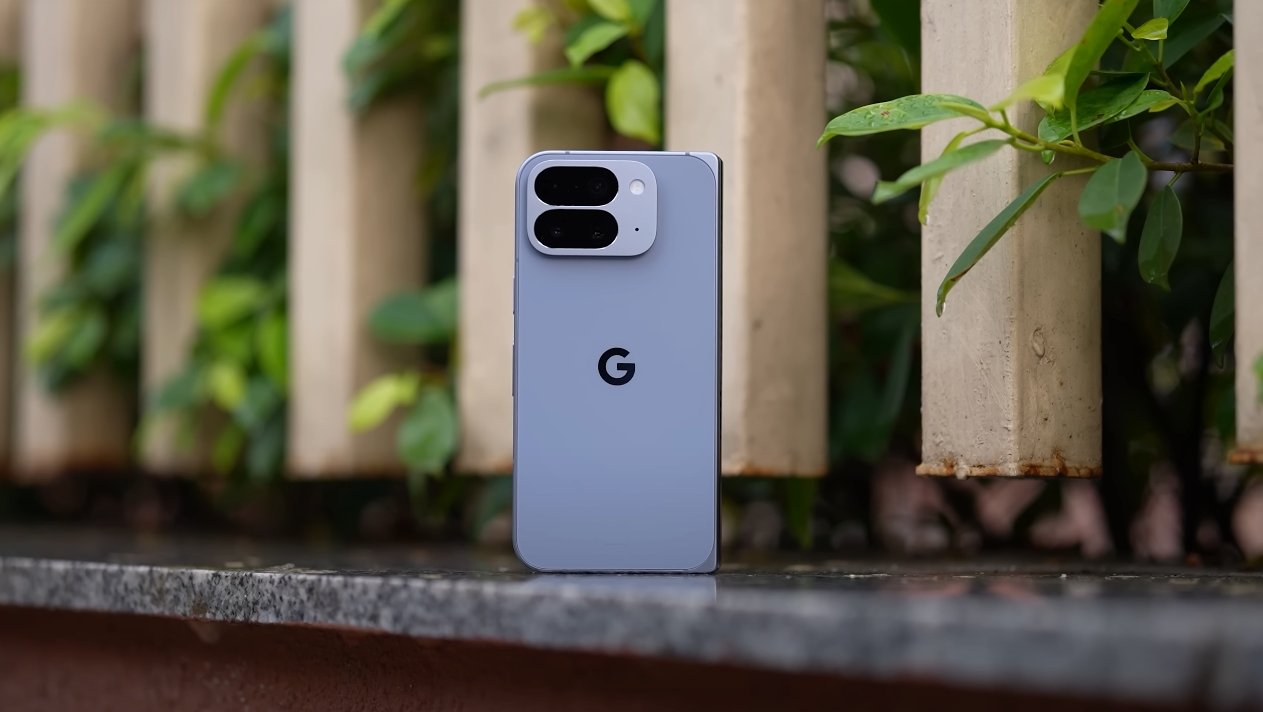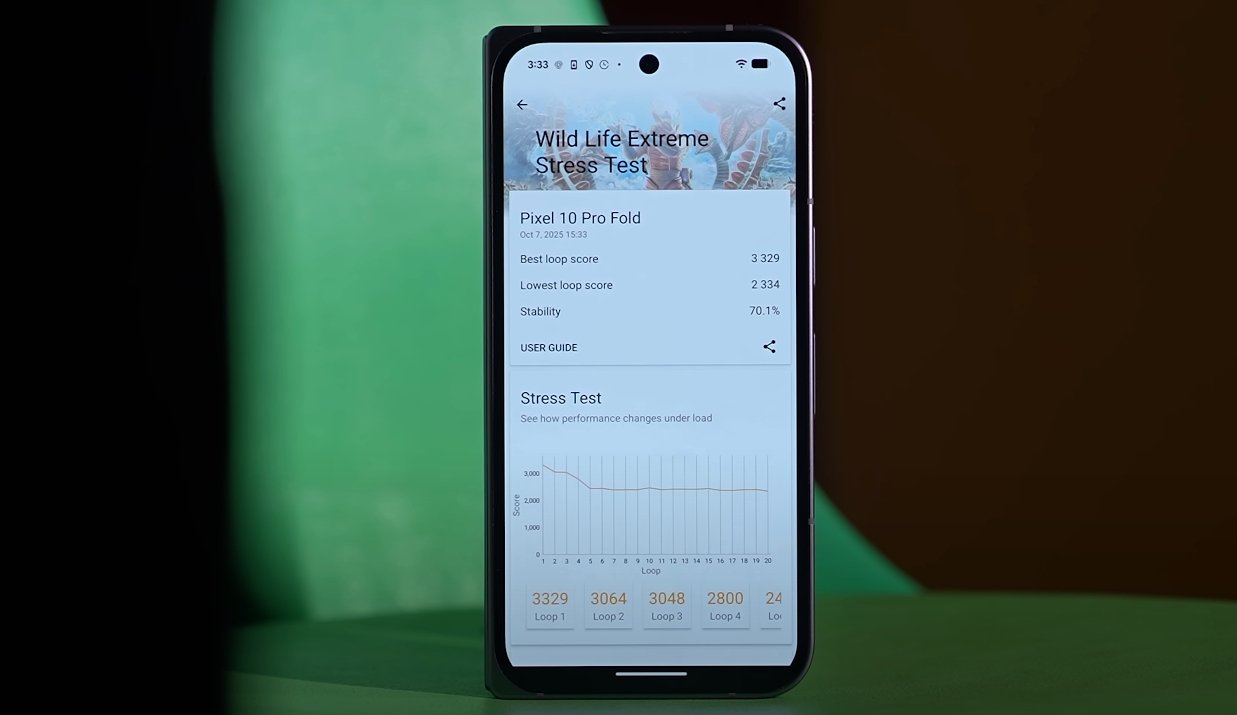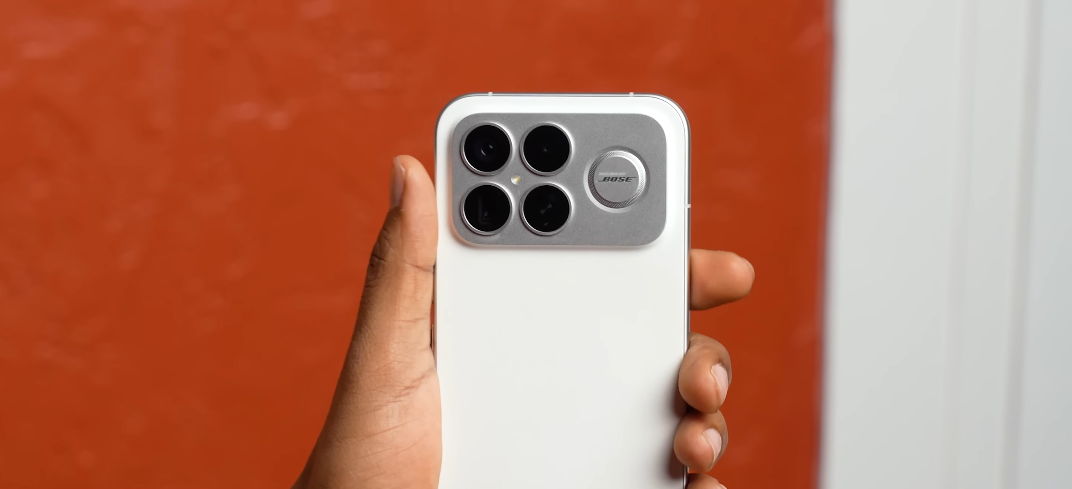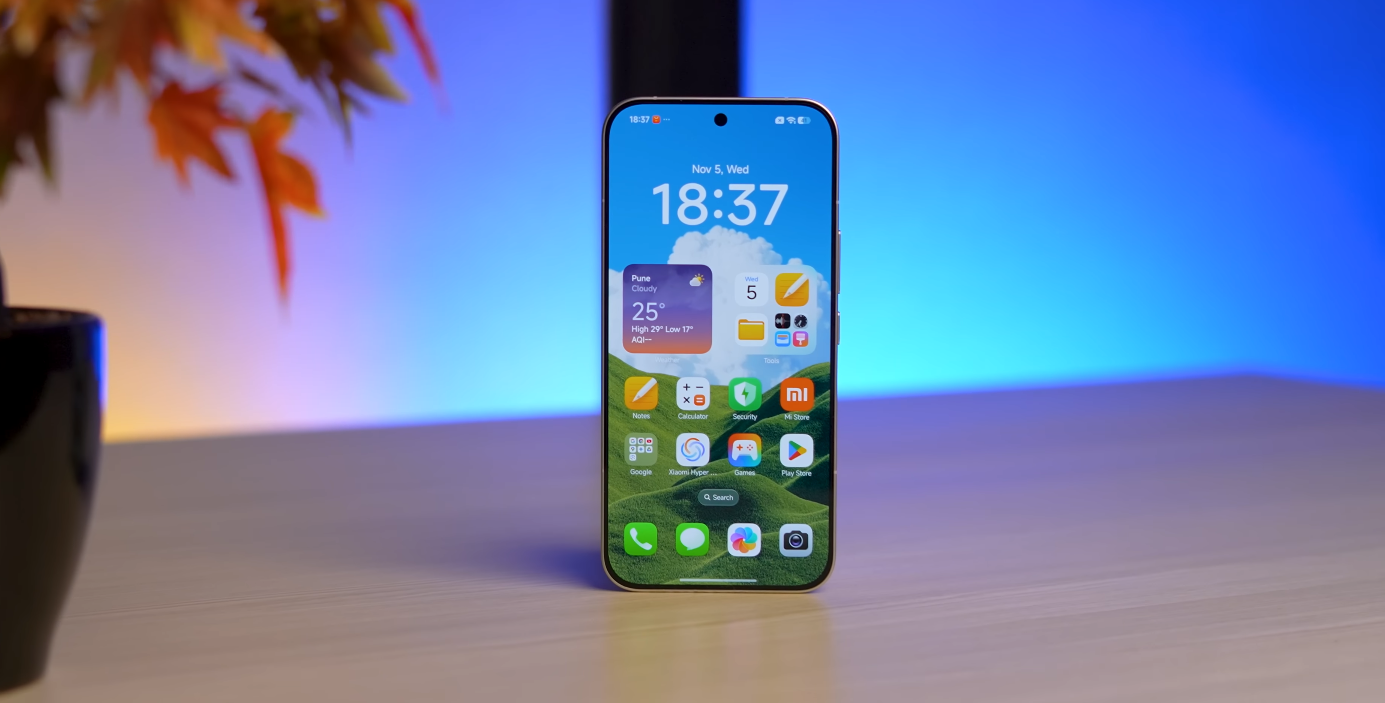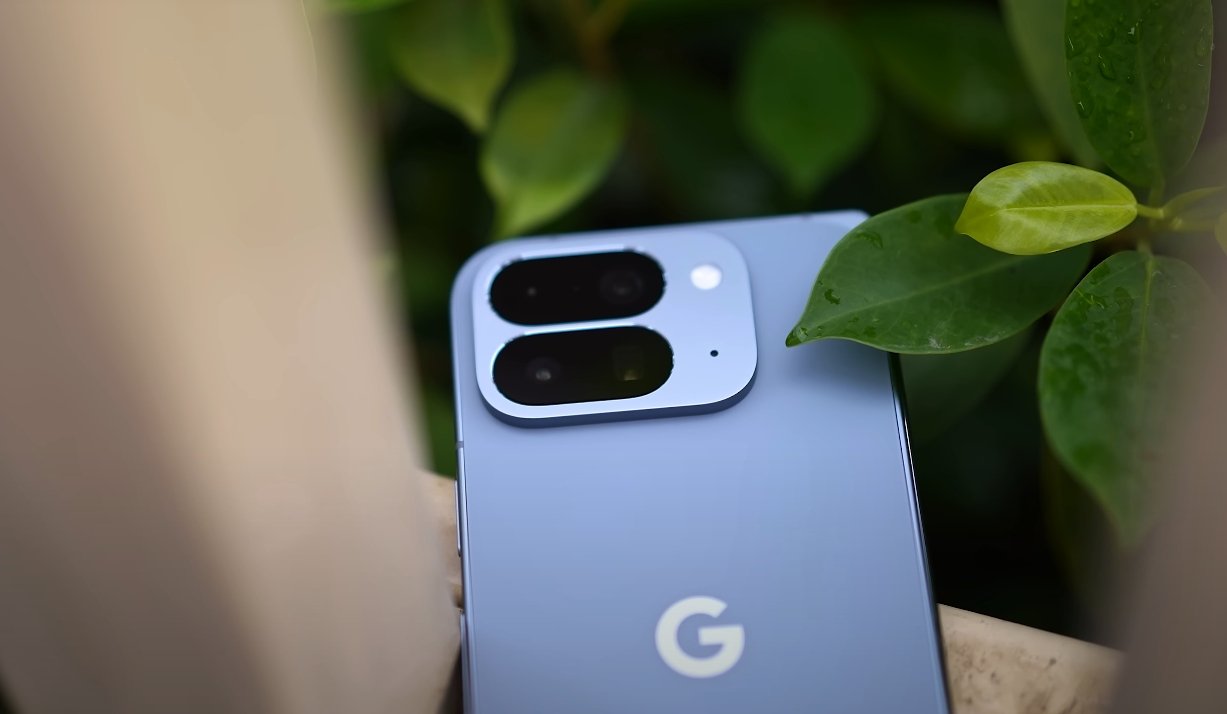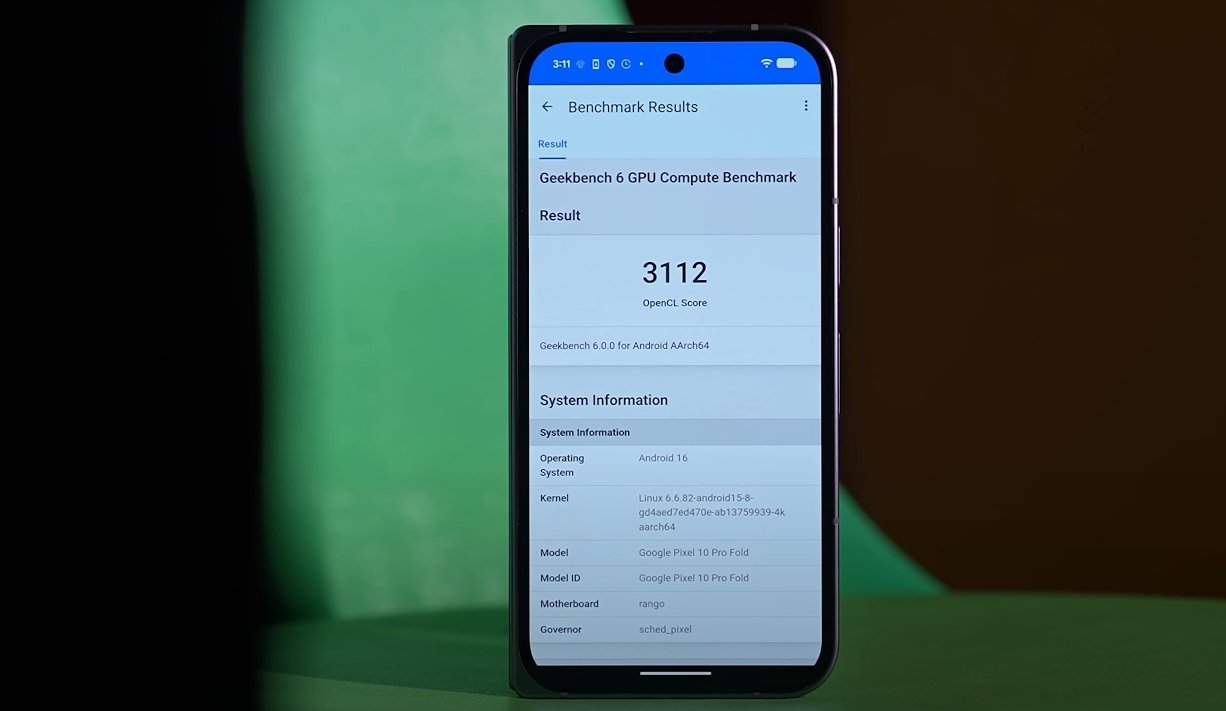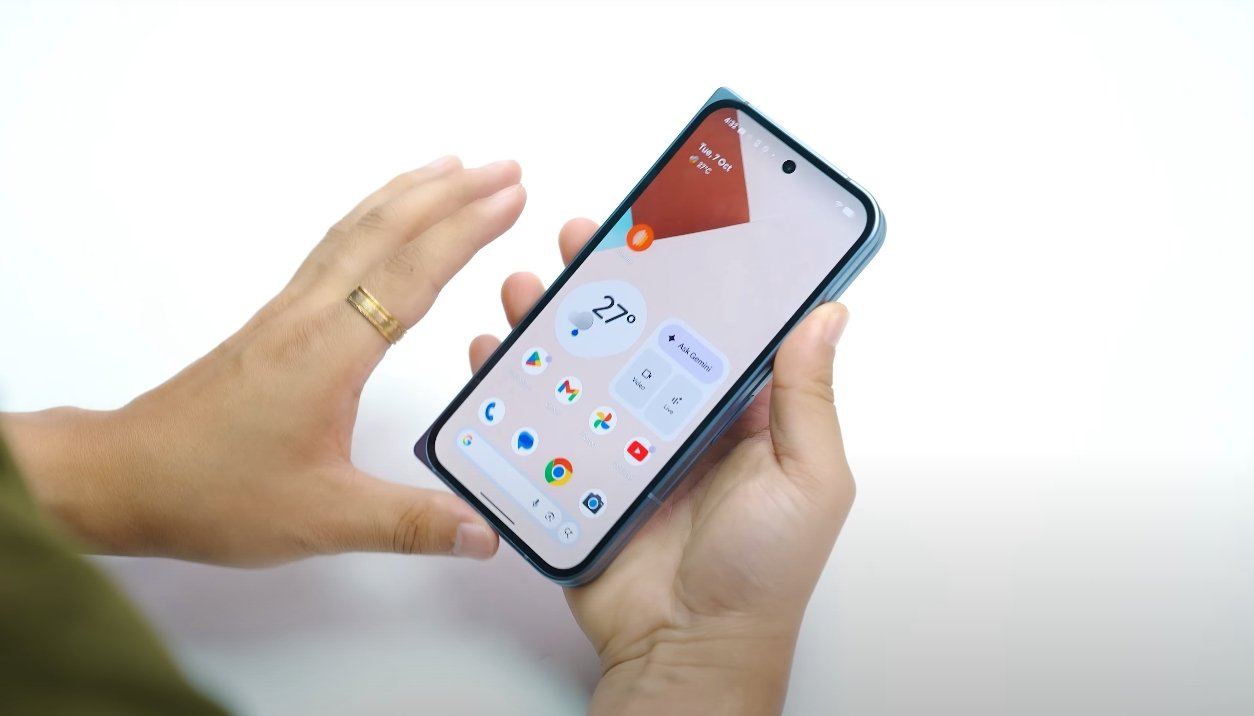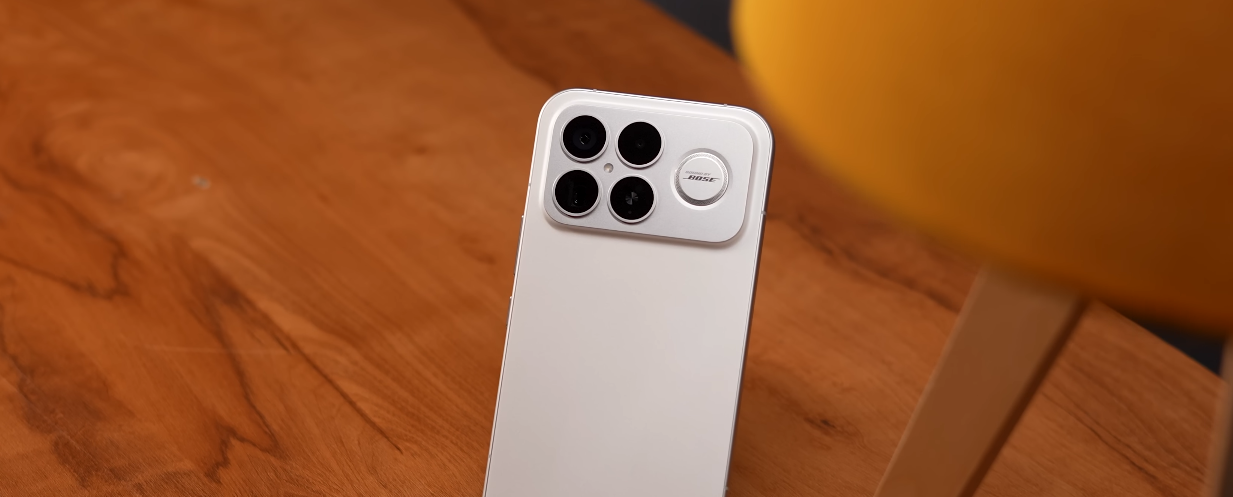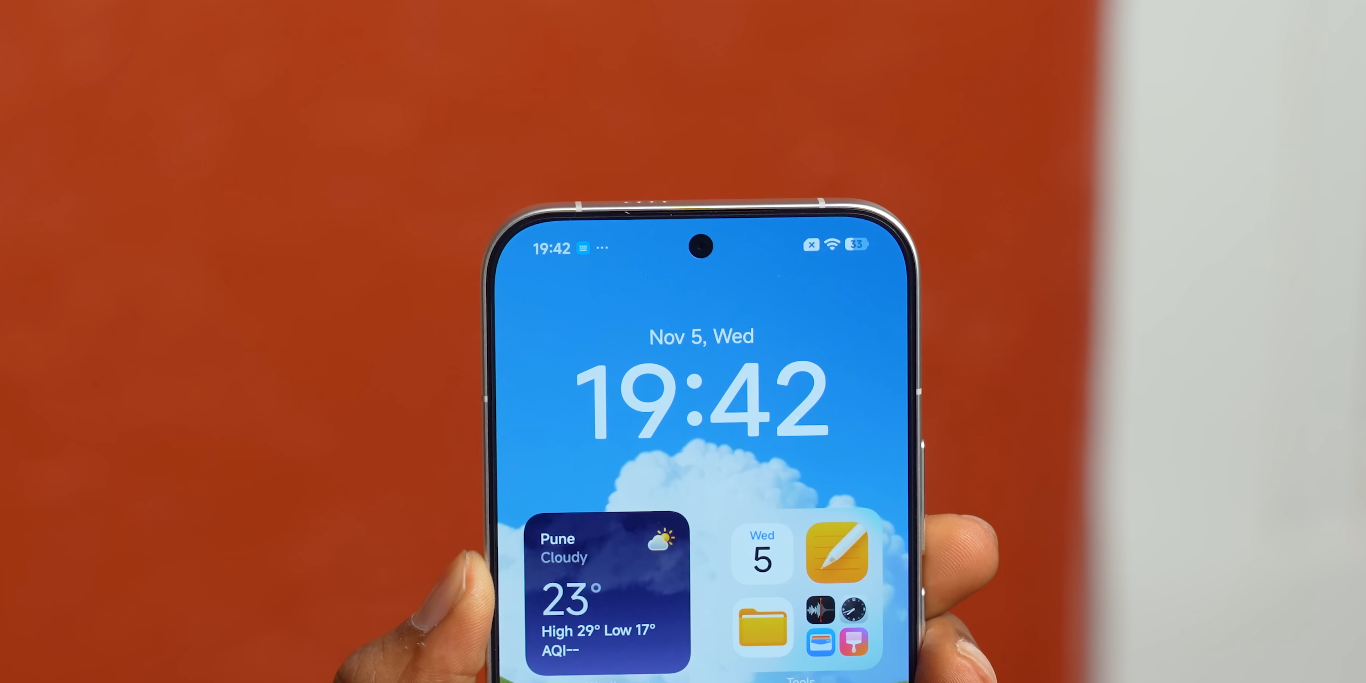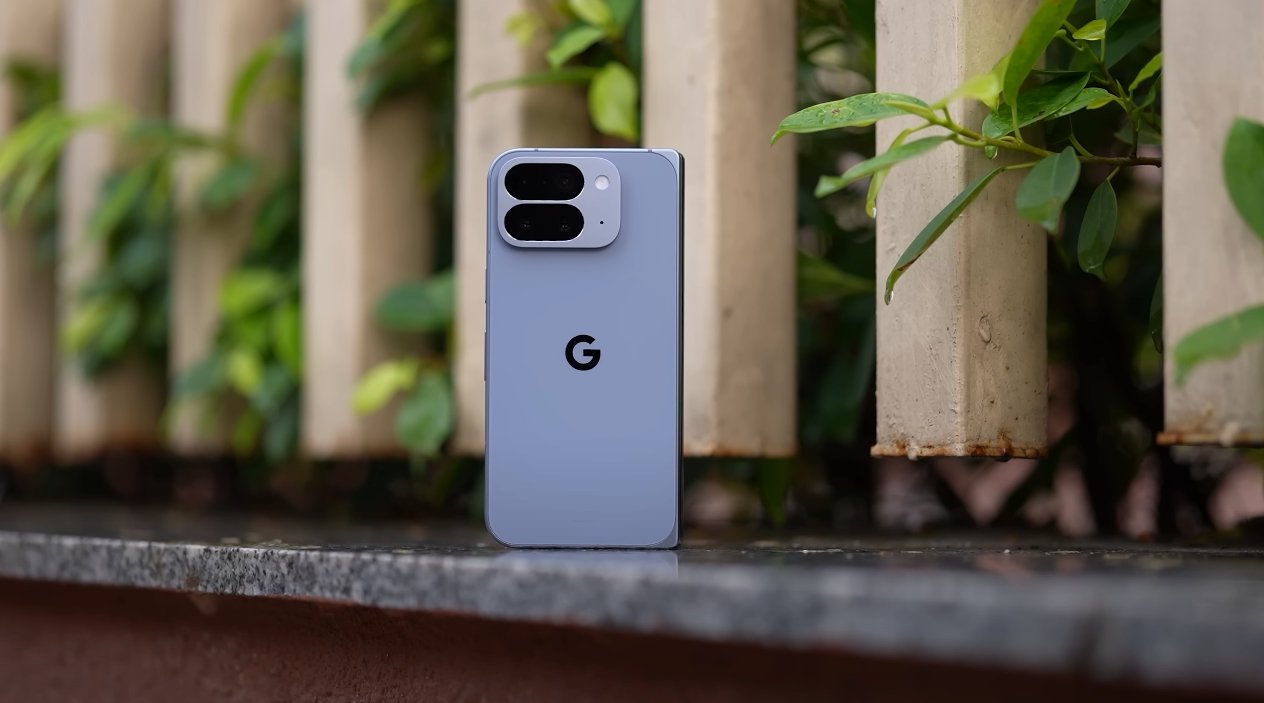
Pixel 10 Pro Fold exclusive offers from USA carriers

Pixel 10 Pro Fold exclusive offers from USA carriers

Carrier Deals and Promotions for the Pixel 10 Pro Fold

The Google Pixel 10 Pro Fold has officially launched in the United States, and major carriers are rolling out exclusive promotions to encourage purchases. With a premium foldable price tag, these deals aim to make the device more affordable and appealing through discounts, trade-in bonuses, and flexible financing options. Buyers now have multiple ways to save, depending on the carrier they choose and whether they want a plan or an unlocked phone.

Verizon is offering one of the most substantial promotions. Customers can receive up to $1,000 off the Pixel 10 Pro Fold when they trade in an eligible device and activate it on an Unlimited plan. Verizon also provides a 0% APR financing option, allowing users to pay $49.99 per month over 36 months. This financing plan spreads out the cost, making it easier for consumers to adopt the high-end foldable without paying the full price upfront. The combination of trade-in credit and monthly payment plans ensures a more flexible purchasing experience.

Google Fi also offers an attractive discount. New customers can take advantage of $800 off the Pixel 10 Pro Fold, which includes $350 applied immediately and $450 credited over 24 monthly bill cycles. Additionally, new subscribers can enjoy a $10 per month reduction on their service plan. These combined savings make it easier for users switching to Google Fi to access the Pixel 10 Pro Fold while lowering their monthly costs. This promotion is particularly appealing to those looking for both a new device and a new service plan.
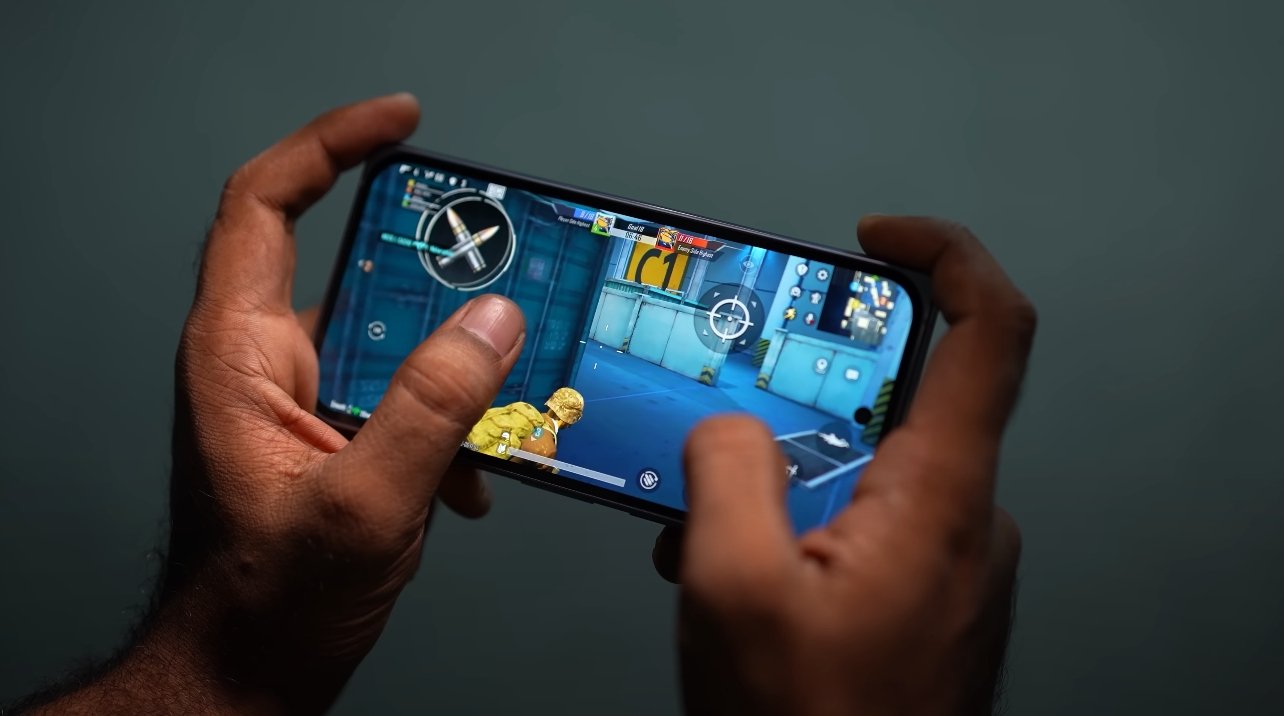
Pixel 10 Pro Fold exclusive offers from USA carriers

Spectrum Mobile has its own competitive offer, pricing the Pixel 10 Pro Fold at $1,299.99, which is $500 off the regular retail price. Customers who purchase the device by a set date can also receive a $100 trade-in bonus when turning in a qualified device. Certain purchases include a 12-month subscription to Google AI Pro, adding value to the deal. Spectrum Mobile’s promotion targets budget-conscious users who still want access to the latest foldable technology with additional services included.

Mint Mobile has joined the promotion race as well, offering the Pixel 10 Pro Fold for $799.99 when users switch to their service and activate the device. This represents a $100 discount off the standard retail price. Mint Mobile’s offer appeals to users looking for a cost-effective service plan in combination with a high-end device. By pairing the device with an affordable carrier, users can enjoy both savings on the phone and reduced monthly service fees.

For consumers who prefer unlocked phones, Best Buy sells the Pixel 10 Pro Fold at $1,799.99 with an option for 24-month financing at $74.96 per month. The unlocked model is compatible with multiple carriers, including AT&T, T-Mobile, Verizon, Mint Mobile, and Google Fi, offering maximum flexibility for users who want to switch carriers or avoid long-term contracts. This option is ideal for users who prioritize freedom over carrier-specific perks.

Purchasing directly from the Google Store provides additional benefits. Customers can receive up to $760 back with an eligible trade-in, including $300 off immediately and $460 returned over 24 monthly bill credits when activating the device with Verizon or AT&T. The Pixel 10 Pro Fold is available in Moonstone and Jade colors, with storage options ranging from 256GB to 1TB, giving buyers a choice in both aesthetics and capacity.

Overall, U.S. carriers are providing multiple ways to make the Pixel 10 Pro Fold more accessible. From significant trade-in discounts and monthly financing plans to bundled subscriptions and service credits, consumers have a variety of options depending on their preferences. Whether selecting a carrier-locked plan, a cost-effective service, or an unlocked device, these offers ensure that the Pixel 10 Pro Fold can fit a range of budgets while delivering the latest in foldable smartphone technology. With these promotions, Google’s newest flagship becomes more attainable for a wider audience in the United States.
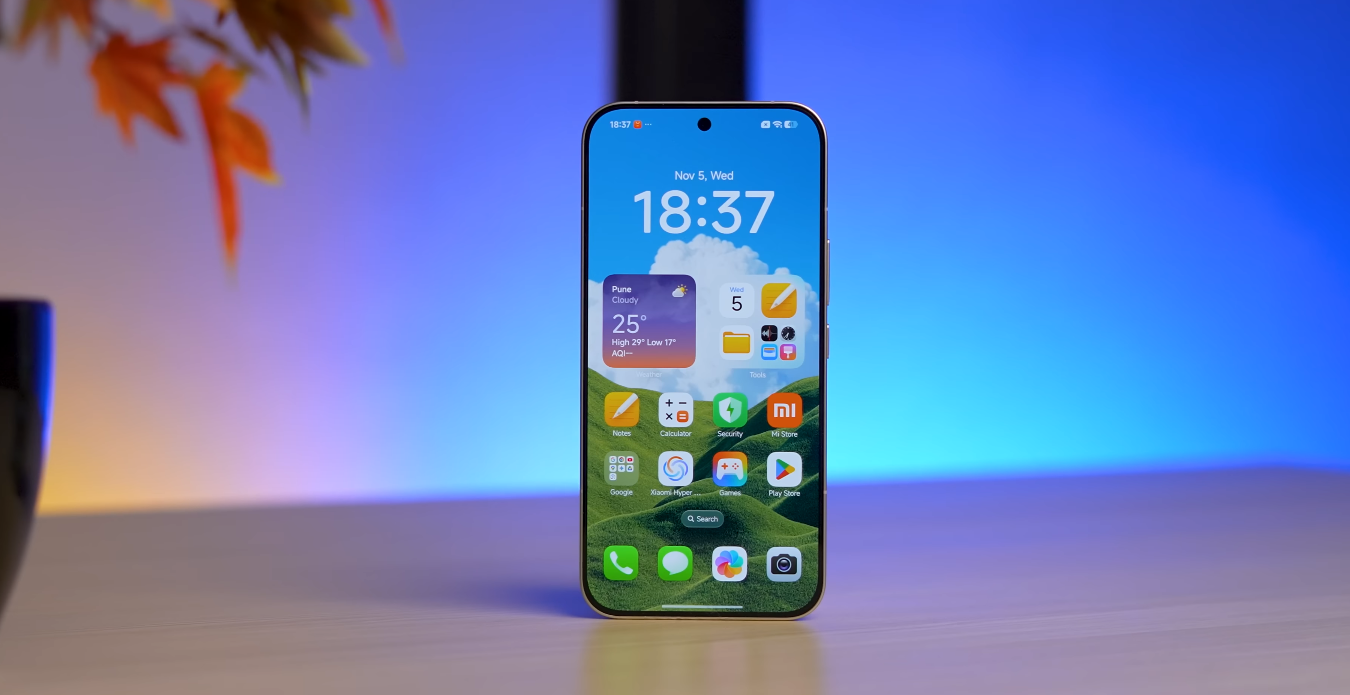
POCO F8 Pro UK stock shortage alert: why buy early?

POCO F8 Pro UK stock shortage alert why buy early

Why You Should Consider Securing the POCO F8 Pro Early in the UK

There’s growing chatter among tech buyers in the UK that the POCO F8 Pro may face stock constraints right after launch, making early purchase a smart move. With the device offering flagship-level specs at a competitive price point, initial demand is expected to be strong. If you wait too long, you may risk limited availability, longer shipping times or missing out on preferred colour and storage variants.

One key reason is the model’s combination of high-end features and aggressive pricing, which often leads to rapid sell-through in the UK market. When a device brings together a top chipset, high refresh rate display, fast charging and value positioning, early buyers frequently benefit from better deals—introductory offers, bundles or trade-in incentives—before the full retail prices settle.

Another factor is variant selection: global leaks suggest that certain configurations (for example, higher RAM/storage or particular finishes) may be limited in the UK region compared to the Chinese market. If your preferred model or colour is offered, early order increases your chance of getting it. Conversely, waiting can mean you end up with only the standard variants or paying a premium for less common ones.

POCO F8 Pro UK stock shortage alert why buy early

From a timing perspective, buying early also reduces exposure to unpredictable supply chain or shipping issues. In the early weeks of a launch, delays can happen—especially if demand outpaces stock. By securing your unit early from a reliable UK seller with UK warranty, you sidestep the risk of back-orders or grey-market imports.

Nevertheless, early buying does come with trade-offs. Early reviews may still be limited and real-world behaviour (battery performance, software stability, long-term reliability) may not yet be fully established. If you’re comfortable upgrading based on specs and brand trust alone, this may be fine. But if you prefer to wait for user feedback, you might want to hold off until stock is stable and reviews are in.

In conclusion: If you’re ready for an upgrade and want to lock in one of the best-value flagship devices of 2025, buying the POCO F8 Pro early in the UK makes strong sense. But if you’re in no rush and prefer to wait for full user-experience feedback and possibly better deals, waiting is also a reasonable choice.

Pixel 10 Pro Fold Launch Price Prediction for USA

Pixel 10 Pro Fold Launch Price Prediction for USA

What to Expect from Google’s Next Foldable Pricing

As anticipation builds for Google’s next big foldable, the Pixel 10 Pro Fold, consumers in the United States are eager to know what price tag this premium device will carry at launch. The foldable market has become increasingly competitive in 2025, with rivals like Samsung, OnePlus, and Honor pushing the boundaries of innovation and pricing. Google’s strategy with the Pixel 10 Pro Fold will likely reflect both its premium ambitions and the need to stay competitive in a rapidly evolving segment.

The current expectation places the Pixel 10 Pro Fold’s U.S. launch price around $1,799 for the base model with 256GB of storage. This pricing would align it closely with its predecessor, the Pixel Fold, and match the standard set by the Samsung Galaxy Z Fold series. Google’s approach appears to focus on maintaining a consistent premium image rather than introducing major price hikes. At this level, the Pixel 10 Pro Fold remains positioned as a luxury foldable rather than an experimental product, signaling Google’s growing confidence in the category.

However, some industry observers believe Google could surprise consumers with a slightly lower entry price to boost adoption rates. A possible starting price of $1,699 would make it one of the most competitively priced flagship foldables in the U.S. market. This strategy would allow Google to attract users who are curious about foldables but hesitant to cross the $1,800 threshold. Still, such a move would likely come with minimal margins, so Google may instead focus on value through trade-in deals, pre-order incentives, and financing options rather than an outright price drop.

Pixel 10 Pro Fold Launch Price Prediction for USA

If Google follows its traditional pricing structure, higher storage variants will come at modest premiums. The 512GB model could reach approximately $1,899, while a 1TB version may approach $2,099. These prices would make sense given current trends in flagship smartphone pricing, where each jump in storage capacity typically adds between $100 and $200. Considering Google’s target audience—tech enthusiasts, professionals, and creators—these premium tiers are likely to be popular among users who need ample space for photos, 4K videos, and AI-driven productivity apps.

Pricing strategy for the Pixel 10 Pro Fold will also depend heavily on its hardware upgrades. The device is expected to feature the new Tensor G5 chip, a brighter and more efficient inner display, improved hinge durability, and a lighter design compared to the first-generation model. Additionally, enhancements in camera performance and battery efficiency will help justify a premium price point. Google’s growing investment in AI-powered photo and video tools, such as enhanced Magic Editor and Real Tone improvements, adds extra value to the experience—making the price seem more justified even if it stays on the higher side.

From a marketing standpoint, Google may use bundle promotions instead of lowering the sticker price. Buyers could see offers like free Pixel Buds Pro, discounted Pixel Watch 3, or substantial trade-in credits for older devices. This approach allows Google to maintain the product’s prestige while offering real value to early adopters. Carriers such as Verizon, AT&T, and T-Mobile will also likely roll out installment options and activation bonuses, further reducing the perceived cost for customers who buy through carrier plans.

Comparatively, Samsung’s Galaxy Z Fold 6 currently starts at around $1,799, and the OnePlus Open 2 is expected to launch near $1,699. This means Google’s pricing strategy must remain competitive while reflecting the Pixel brand’s focus on software intelligence and ecosystem integration. The company’s track record of offering long-term updates, integrated AI tools, and tight Android optimization gives it a distinct advantage over competitors, even at a similar price point.

In summary, the Pixel 10 Pro Fold is expected to launch in the U.S. with a starting price between $1,699 and $1,799, depending on Google’s final pricing strategy. While the brand could choose to maintain its traditional price to reinforce its premium image, a slightly lower starting point would make it a stronger contender in a crowded foldable market. Regardless of the exact figure, Google will likely rely on bundle deals, trade-in programs, and promotional financing to make the Pixel 10 Pro Fold more accessible to early buyers without diluting its flagship identity.

POCO F8 Pro vs mid-range with 1-year old specs: can you wait and save?

POCO F8 Pro vs mid-range with 1-year old specs can you wait and save

Choosing between a next-gen flagship and a smart value alternative

The decision between waiting for the POCO F8 Pro or buying a mid-range phone with year-old specifications depends on what you expect from your next smartphone. Both options can make sense, but they target different priorities. One focuses on delivering the latest flagship-level experience while the other balances solid performance with maximum cost savings.

The POCO F8 Pro is positioned as a flagship-killer device, expected to arrive with a top-tier processor, high-resolution OLED display and upgraded camera hardware. Its specifications are designed to offer long-term performance and reduce the need for an early upgrade. For users who rely heavily on gaming, content creation or fast multitasking, this advantage is especially meaningful because a newer flagship chip can remain powerful for several years.

Mid-range smartphones built on one-year-old specs, on the other hand, represent exceptional value. Last year’s high-end processors now sit in the mid-range segment and still provide strong performance for general use, social media, photography and casual gaming. Buyers benefit from competitive pricing, and devices in this category are often discounted during sales, making them easy to recommend for budget-conscious users.

POCO F8 Pro vs mid-range with 1-year old specs can you wait and save

Longevity is an important factor in this comparison. While a mid-range device may perform well today, it will reach its performance limits sooner than a flagship-grade device. The POCO F8 Pro is likely to remain responsive for a longer period, meaning fewer compromises over time. This matters most to users who hold onto their phones for three years or longer and want to avoid early slowdowns.

Timing also plays a role. The POCO F8 Pro appeals most to users who are not in urgent need of an upgrade and can comfortably wait for its launch and broader market availability. If a phone is required immediately due to performance issues, battery trouble or damage, then opting for a current mid-range model becomes the practical move. In many cases, users will not notice significant differences in day-to-day usage compared to a flagship.

User priorities ultimately define which option is smarter. If camera quality, maximum future-proofing and strong performance under heavy workloads are essential, waiting for the POCO F8 Pro makes sense. If the primary goal is a reliable device that handles everyday tasks smoothly at a low cost, a mid-range model with one-year-old specs provides excellent value without overpaying.

Both approaches are valid for different types of buyers. The POCO F8 Pro appeals to users who want cutting-edge features without paying ultra-premium pricing, while the mid-range option suits those who prefer saving money and still getting a capable smartphone. The best choice depends on whether long-term performance or immediate value matters more in your upgrade decision.

POCO F8 Pro best memory/storage variant to choose in UK

POCO F8 Pro best memory storage variant to choose in UK

Choosing the Ideal Configuration for UK Buyers

The POCO F8 Pro has entered the UK market with strong interest from users looking for high performance without flagship-level pricing. One of the most important decisions for buyers is selecting the right memory and storage variant. With options that appear similar at first glance, the choice can affect long-term satisfaction, performance stability and overall value for money. Understanding how each variant fits different usage styles helps determine which model offers the best balance for your needs.

The UK market commonly receives two primary variants of the POCO F8 Pro, both offering 12GB of RAM but differing in storage capacity. This removes the confusion around RAM levels and shifts the focus entirely to internal storage. Since apps, games, photos and videos continue to consume more space each year, the storage choice matters more than many buyers initially expect. It also impacts how comfortable the phone remains after prolonged use.

For most everyday users, the 12GB RAM setup is already more than sufficient. This amount of memory handles modern apps, multitasking and performance-heavy tasks without hesitation. It also offers a good degree of future-proofing for software updates and upcoming applications. As a result, neither variant has an advantage in RAM, making storage the crucial factor that separates them for UK buyers.

POCO F8 Pro best memory storage variant to choose in UK

The 256GB variant is typically the default option and appeals to those who rely mostly on streaming services, cloud storage and modest gaming. If you take photos regularly and film standard-resolution videos, this capacity is usually enough to last several years without causing storage anxiety. It is also the more affordable option, making it the better value choice for buyers who prioritise price without needing heavy local storage.

The 512GB variant is targeted more at advanced users who take full advantage of the phone’s capabilities. Anyone who records a lot of 4K or 8K video, keeps large music libraries, installs multiple heavy gaming titles or prefers to store content offline benefits greatly from the larger capacity. This model also helps ensure the phone feels spacious even after years of updates, which naturally increase app sizes. For long-term ownership, the expanded storage offers a comfortable margin that avoids the frustration of constant file management.

Price differences between the two variants also play an important role in the buying decision. In the UK, the gap is typically modest rather than excessive, making the 512GB model more attractive to those seeking better longevity. However, if the price increase stretches your budget or takes the phone out of your preferred spending range, the 256GB option still provides excellent performance at a lower cost. Buyers who upgrade every one or two years may find the smaller variant more than adequate.

Future needs should be weighed carefully when deciding between the two options. Smartphones naturally accumulate files, photos, cached data and larger apps over time. A model that felt spacious on day one may start to feel tight after a year or two. Choosing the larger variant can delay or eliminate this issue entirely. On the other hand, users who frequently back up to cloud services or regularly clean unused media may have little difficulty managing with the smaller model.

Resale value is another subtle factor worth considering. Higher-storage models often command a better price on the second-hand market, particularly in the UK where buyers appreciate longevity and performance stability. While this should not be the only reason to spend more, it can offset some of the cost difference if you plan to sell or trade in the device later.

From a performance perspective, both variants deliver the same speed, multitasking capability and user experience. The chipset, display quality, charging speed and camera performance remain identical regardless of storage choice. This means the decision comes down purely to how much data you expect to store and how long you intend to keep the phone. There is no meaningful performance penalty associated with either option.

For most UK customers, the 12GB + 256GB model provides excellent value and more than enough capacity for common usage patterns. It caters effectively to social media, messaging, photography, streaming and general daily activities. However, users with heavier demands, such as creators, frequent travellers or gamers, will likely appreciate the long-term comfort offered by the 12GB + 512GB variant. The small extra investment secures a stress-free experience across several years of use.

In conclusion, choosing the right POCO F8 Pro variant in the UK depends on your digital habits and long-term expectations. The 256GB model suits budget-minded buyers who rely on cloud services and moderate local storage needs. Meanwhile, the 512GB variant stands out as the smarter pick for anyone who expects to store large amounts of content or keep the phone for several years. Both deliver strong performance, but the extra storage can be a worthwhile upgrade for users seeking maximum convenience and future-proofing.

Pixel 10 Pro Fold quick charging adapter compatibility

Pixel 10 Pro Fold quick charging adapter compatibility

Ensuring Optimal Quick Charging for the Pixel 10 Pro Fold

The Google Pixel 10 Pro Fold is one of the most advanced foldable smartphones on the market, not only because of its large foldable display and powerful performance but also due to its advanced battery and charging capabilities. With a sizable battery that can last all day, it is essential to pair it with the right charging adapter to ensure fast, safe, and efficient power replenishment. Understanding the device’s charging requirements, compatible adapters, and best practices can significantly enhance the overall user experience.

For wired charging, the Pixel 10 Pro Fold supports up to 30W fast charging. This allows users to quickly recharge the device, making it convenient for busy schedules or short charging windows. To achieve the maximum speed, it is recommended to use a USB-C Power Delivery (PD) adapter that supports the Programmable Power Supply (PPS) standard. Using a standard USB charger without PPS can still charge the device, but it will be considerably slower and may not provide the rapid 50% charge in approximately 30 minutes that the high-end charger offers. Selecting a high-quality USB-C to USB-C cable is equally important, as cables that are low quality or not rated for fast charging can impede power delivery, reduce efficiency, and even cause overheating.

Google offers an official 45W USB-C charger specifically designed to optimize the Pixel 10 Pro Fold’s wired charging. This charger ensures that the device receives consistent power at the correct voltage and current levels. While it is the recommended option, several third-party chargers are compatible as long as they support USB-C PPS and have a minimum output of 30W. Users should avoid using older USB-A to USB-C adapters, as they are not capable of fast charging and will extend the time required to fully recharge the phone.

In addition to wired charging, the Pixel 10 Pro Fold supports wireless charging with a maximum speed of 15W. The device utilizes the Qi2 magnetic standard, which allows it to align precisely with compatible wireless chargers to maintain efficiency and safety. Google has developed the Pixelsnap Charger, a magnetic wireless charger optimized for the Pixel 10 series. To achieve the full 15W charging speed, the Pixelsnap Charger should be paired with a USB-C power adapter that provides at least 20W. This ensures the device receives sufficient power to charge quickly while maintaining optimal temperature and battery health.

Pixel 10 Pro Fold quick charging adapter compatibility

Wireless charging is ideal for convenience, especially for users who frequently place their phones on desks, nightstands, or charging pads. Magnetic alignment plays a critical role in wireless charging performance. It ensures the device is positioned correctly, reducing energy loss and preventing overheating. Users should also ensure that any phone case being used is compatible with magnetic wireless charging. Cases that are too thick or contain metal may interfere with charging efficiency, slowing down the process or preventing the device from charging altogether.

When using third-party adapters, it is important to verify that they meet the required specifications. Not all USB-C adapters can support the Pixel 10 Pro Fold’s fast charging requirements. Chargers with insufficient wattage, lack of PPS support, or poor cable quality can result in slow charging, excessive heat, or reduced battery longevity. Users who rely on third-party accessories should choose high-quality, certified products to avoid damaging the device or experiencing subpar performance.

Another consideration is safety. Rapid charging generates heat, which can affect battery lifespan if not properly managed. The Pixel 10 Pro Fold includes built-in power management and thermal controls that regulate charging speed based on battery temperature. Using compatible adapters ensures that these safety features work as intended. Charging with incompatible or low-quality adapters may bypass these safeguards, increasing the risk of overheating and long-term battery degradation.

In summary, the Pixel 10 Pro Fold provides versatile and efficient charging options, but achieving optimal performance requires attention to compatibility. For wired charging, a USB-C PPS adapter rated at 30W or higher, such as Google’s 45W charger, delivers the fastest and safest power. For wireless charging, a Qi2-certified magnetic charger, like the Pixelsnap Charger paired with a 20W or higher adapter, ensures rapid and efficient power transfer. High-quality cables, correct alignment, and compatible cases all contribute to maintaining the health and performance of the device’s battery. By selecting the right accessories and following best practices, users can enjoy the Pixel 10 Pro Fold’s advanced charging capabilities while ensuring longevity and reliability.

The combination of fast wired and wireless charging, along with intelligent power management, makes the Pixel 10 Pro Fold a highly convenient device for daily life. With proper adapters and careful attention to charging setup, users can keep their phone powered efficiently, whether at home, in the office, or on the go. This flexibility enhances the overall user experience, allowing the Pixel 10 Pro Fold to maintain its performance and usability throughout long days and intensive usage.

Also Read:  Samsung Galaxy A56 vs vivo V50 5G Comparison

POCO F8 Pro battery charging speed: wired 100W myths busted

POCO F8 Pro battery charging speed wired 100W myths busted

What 100W Charging Really Means on the POCO F8 Pro

The POCO F8 Pro promotes its 100W wired charging as one of its standout features, but many users misunderstand what this power rating actually delivers. While 100W sounds extremely fast on paper, the real-world charging behaviour is more nuanced, especially when paired with a large battery. Understanding how it works helps set realistic expectations for daily use.

The 100W rating refers to the maximum power the charger can deliver under ideal conditions. This peak power is typically reached early in the charging cycle, when the battery is nearly empty and cool. During this phase, the phone can charge rapidly, providing a substantial top-up in a short period. However, this speed does not continue uniformly throughout the charging process.

Once the battery approaches the midpoint, charging power begins to taper. This is normal for lithium-ion batteries and protects long-term health. As a result, the final stretch from around 80% to full capacity slows down considerably. Many users assume that 100W means a full charge in a very short time, but the tapering process extends the total charging duration to a more realistic window.

POCO F8 Pro battery charging speed wired 100W myths busted

Charger compatibility also plays a major role in hitting the advertised speeds. To achieve full 100W performance, the official or correctly rated charger and cable must be used. If the device is paired with a third-party charger or an older cable, the charging rate will automatically drop. This is often why some users believe the phone isn’t delivering the speeds promised on the spec sheet.

Another myth concerns charging safety and battery wear. High-wattage charging produces more heat, which is why the phone’s software constantly adjusts power delivery. The POCO F8 Pro regulates temperature by slowing charging when it gets too warm, especially if the phone is used heavily while plugged in. This is why gaming or video streaming during charging results in slower speeds, even if the charger is capable of 100W output.

Real-world tests show that the POCO F8 Pro can deliver very fast partial charges. Users can expect a significant jump within the first 20 to 30 minutes, which is ideal for busy schedules or quick top-ups. However, a full charge will take longer than people assume when seeing “100W” on the box. The exact time depends on temperature, background activity and the phone’s battery size.

Temperature impacts performance as well. Cold or hot environments cause the phone to reduce charging speed automatically. This means UK users charging in winter outdoors or in warm rooms during summer may notice variations in speed. These adjustments protect the battery but also highlight why 100W is not a constant output.

One advantage of such fast charging is flexibility. With the ability to get a half-day’s power quickly, users no longer need to rely on long overnight charging sessions. This can benefit battery health, as keeping a phone at full charge for extended periods is one of the biggest factors in long-term wear.

Despite the high claims, it’s important to understand that 100W does not mean instant charging. It offers genuine speed, but only within certain phases and conditions. Users who rely on proper accessories and avoid heavy usage during charging will see the best results. Those who expect full 100W performance at all times may find their expectations unmet.

In summary, the POCO F8 Pro’s 100W wired charging is impressively fast when used correctly, but it doesn’t defy the laws of battery chemistry. It delivers excellent quick top-ups, sensible temperature management and reliable performance, provided users understand how the charging curve behaves. For a device positioned at a budget-friendly price point, the charging capability remains one of its strongest and most practical features.

POCO F8 Pro camera zoom test: how far can you go?

POCO F8 Pro camera zoom test how far can you go

Testing the Real Zoom Capability of the POCO F8 Pro

The POCO F8 Pro is expected to arrive with a dedicated telephoto lens, giving it a more capable zoom system than many budget-flagship rivals. With a combination of optical and digital zoom, the phone aims to offer flexibility for users who want to capture distant subjects while keeping clarity and detail intact. Here is an early zoom-focused breakdown based on the expected camera setup.

At the core of its zoom system is a telephoto lens designed to deliver around 2.5× optical zoom. This means the camera can magnify a subject without relying on digital enhancement, allowing images to retain much sharper detail. Optical zoom is always a highlight in this segment, especially because many similarly priced phones rely purely on digital zoom or simple crop-based methods.

Up to 2.5×, the POCO F8 Pro should offer crisp performance with natural colours and minimal noise. This zoom range is ideal for capturing objects at moderate distances, such as architectural details, pets, or portraits taken from further away. Users can expect a noticeable improvement in clarity compared to zooming on the main lens alone.

POCO F8 Pro camera zoom test how far can you go

As you move past the optical limit, the phone transitions into hybrid and digital zoom. This allows you to push the zoom further—potentially up to 5× or more depending on software enhancements. At these levels, image quality will begin to depend heavily on lighting conditions and the phone’s image-processing algorithms. In bright daylight, the results should remain usable for sharing and casual photography.

In lower light, however, digital zoom will show its limits. Noise levels may increase and fine details may soften. This is common across all phones in this category, as even high-end flagships struggle to deliver perfectly sharp long-distance zoom in dim environments. Still, with stable hands or additional lighting, the POCO F8 Pro should provide respectable results.

Stability also plays a key role during zoom testing. Telephoto lenses benefit from strong stabilisation, and early impressions suggest the F8 Pro should maintain good balance when capturing zoomed-in shots. Smooth focusing and reduced camera shake make a noticeable difference, especially above 2.5× where every movement becomes amplified.

Switching between the main sensor and the telephoto lens is expected to be smooth, with the camera app automatically choosing the right lens based on lighting and zoom level. The transition should feel natural, allowing the user to move through zoom ranges without distracting jumps in exposure or colour tone.

Against competitors, the POCO F8 Pro’s optical zoom advantage gives it a clear edge over budget flagships that rely heavily on digital magnification. While it doesn’t reach the extreme zoom levels of ultra-premium devices, it offers a balanced and practical zoom range that suits everyday photography needs.

Overall, the POCO F8 Pro delivers a strong and well-rounded zoom experience for its price segment. Its optical zoom provides true clarity within moderate distances, and its extended hybrid range allows added flexibility when needed. For users who want reliable zoom without paying flagship prices, the F8 Pro offers more reach and higher quality than most devices in its class.

PlayStation 6 Release Delayed: What This Means for Gamers

PlayStation 6 console with AMD RDNA 5 graphics card, featuring improved performance and graphics quality, with a focus on the primary keyword phrase PlayStation 6

PlayStation 6: Delays and Limited Features

The PlayStation 6 has been making headlines lately, with reports suggesting a potential delay in its release. According to recent claims, the PS6 may not launch until 2028 or 2029 due to the ongoing RAM and storage crisis. This has led to a significant increase in component prices, making it challenging for Sony to meet its initial launch window.

The report from MST Financial Senior Research Analyst David Gibson also mentions that the PS6 may not include the full AMD RDNA 5 feature set. This could be a significant blow to gamers who were expecting a major upgrade in graphics and performance. The current PlayStation 5 console may also see an extended lifecycle as a result of the delay.

The RAM and storage crisis has been a major issue for the gaming industry, with many manufacturers struggling to keep up with demand. The shortage has driven prices up, making it difficult for companies like Sony to produce consoles at a competitive price. The delay in the PS6 release could give other manufacturers an opportunity to catch up and release their own next-generation consoles.

Sony has not officially confirmed the delay, but the reports suggest that the company is taking a cautious approach to the release of the PS6. The console is expected to feature significant upgrades, including improved graphics and performance. However, the limited AMD RDNA 5 feature set could be a disappointment for some gamers. As the gaming industry continues to evolve, it will be interesting to see how Sony and other manufacturers adapt to the changing landscape.

The delay in the PS6 release could also have an impact on the gaming community. With the current PS5 console seeing an extended lifecycle, gamers may be less likely to upgrade to the new console when it is finally released. The limited AMD RDNA 5 feature set could also affect the console’s overall performance and graphics quality. As more information becomes available, gamers will be watching closely to see how the PS6 develops.

In conclusion, the delay in the PS6 release and the limited AMD RDNA 5 feature set are significant developments in the gaming industry. As the industry continues to evolve, it will be interesting to see how Sony and other manufacturers respond to the challenges they face. The PS6 is still expected to be a major player in the gaming market, but the delay and limited features may give other manufacturers an opportunity to catch up.

The gaming community will be watching closely as more information becomes available about the PS6. The console’s release is still a ways off, but the excitement and anticipation are already building. With the limited AMD RDNA 5 feature set and the delay in release, the PS6 may not be the major upgrade that gamers were expecting. However, it will still be a significant improvement over the current PS5 console.

As the PS6 continues to develop, it will be interesting to see how Sony addresses the concerns of the gaming community. The company has a reputation for producing high-quality consoles, and the PS6 is expected to be no exception. With the delay and limited features, the PS6 may not be the console that gamers were expecting, but it will still be a major player in the gaming industry.

The delay in the PS6 release has also given other manufacturers an opportunity to catch up. The gaming industry is highly competitive, and companies like Microsoft and Nintendo will be looking to take advantage of the situation. The PS6 is still expected to be a major success, but the delay and limited features may give other manufacturers an opportunity to gain ground.

In the end, the PS6 will still be a significant upgrade over the current PS5 console. The delay and limited AMD RDNA 5 feature set may be a disappointment for some gamers, but the console is still expected to feature significant improvements in graphics and performance. As the gaming industry continues to evolve, it will be interesting to see how Sony and other manufacturers adapt to the changing landscape.

The PS6 is still a ways off, but the excitement and anticipation are already building. The console’s release is expected to be a major event in the gaming industry, and gamers will be watching closely as more information becomes available. With the limited AMD RDNA 5 feature set and the delay in release, the PS6 may not be the console that gamers were expecting, but it will still be a significant improvement over the current PS5 console.

Poco F7 Review And Price In USA

Poco F7 Review And Price In USA

The Poco F7 has carved out its niche in the competitive mid-range smartphone market, promising flagship-level features without the premium price. After rigorous testing by our team, we’re telling you everything you need to know – from its attractive design and smooth display to its powerhouse performance and fast charging.


If you’re looking to buy a high-performance phone for under $400, this review will help you decide if the Poco F7 is the right choice for you.


It has a glossy plastic back


The Poco F7 doesn’t look like a “budget phone” at first glance. It has a glossy plastic back with a shiny finish that mimics glass, which makes it look more expensive than its price suggests. The phone is lightweight (around 180 grams) and fits comfortably in the hand, making it easy to use with one hand.


The side-mounted fingerprint sensor is fast and reliable, which also doubles up as the power button for quick access. Although it doesn’t have an IP rating for water resistance, the build quality feels sturdy enough for daily use.


6.67-inch AMOLED display with 120Hz refresh rate


One of the most striking features of the Poco F7 is its 6.67-inch AMOLED display with 120Hz refresh rate. Whether you’re scrolling through social media, gaming, or watching your favourite shows, the screen delivers buttery-smooth visuals with deep blacks and vibrant colours.


Poco F7 Review by techsputit.com


The Full HD+ resolution ensures sharp detail, while HDR10+ support enhances contrast for a more immersive viewing experience. If you’re using a 60Hz phone, upgrading to 120Hz will feel like a game-changer.


High-end gaming is done at a good level, you can easily play heavy games without lagging


The Poco F7 is powered by the Qualcomm Snapdragon 7+ Generation 2, a chipset that brings almost flagship performance to the mid-range segment. In our tests, it handled everything from multitasking with a dozen apps to high-end gaming without any hassle. With up to 12GB of RAM, the phone ensures smooth performance even under heavy load.


We tested Genshin Impact and Call of Duty: Mobile on high settings, and the Poco F7 delivered consistent frame rates with minimal heating. If you are a mobile gamer or power user, this phone will not disappoint you.


Great photos in daylight, but quality can be a little low in low light


The 64MP primary camera captures sharp, balanced photos in good light, with accurate colors and good dynamic range. The 8MP ultra-wide lens is useful for group shots and landscapes, though it loses some detail at the edges. The 2MP macro sensor feels like an afterthought—it’s fun for close-ups but not a standout feature.


In low light, the Poco F7 does a decent job, especially with Night mode enabled, but it struggles in extreme darkness compared to more expensive flagships. The 16MP front camera takes great selfies with natural skin tones, making it a great option for social media enthusiasts.


Holds back with all-day power with an impressive 67W charging


With a 5,000mAh battery, the Poco F7 easily lasts a full day with moderate to heavy usage. Even if you’re gaming or streaming videos, you won’t have to look for a charger before bedtime.


When you do need to recharge, the 67W fast charging comes in handy—charges from 0% to 100% in just 45 minutes. This is one of the fastest charging speeds in this price range, making it perfect for users who are always on the go.


MIUI 14 comes with some bloatware


The Poco F7 runs MIUI 14 based on Android 13, which offers a smooth and feature-rich experience. Although it comes with a few pre-installed apps (a common Xiaomi/Poco trait), most can be uninstalled.


Poco’s Game Turbo mode boosts gaming performance, and the UI is highly customizable, allowing you to change themes, icons, and animations to your liking.


Should you buy the Poco F7?

After extensive testing, the Tech Sputit team agrees: the Poco F7 is one of the best mid-range phones of 2024. This phone offers a brilliant 120Hz AMOLED display, fast charging, and powerful cameras, all for under $400. The price is pretty good considering the rest of the specifications.


Also Read:  Poco X7 Pro – Is It Really Powerful?

Also Read:  iPhone 17 Carrier Compatibility in USA: T-Mobile, AT&T & Verizon


Pixel 10 Pro Fold Official USA Store Availability Date

Pixel 10 Pro Fold Official USA Store Availability Date

When to Expect Google’s New Foldable on Sale

Google has officially confirmed that the Pixel 10 Pro Fold will become available for purchase in the United States on October 9, 2025. This launch date marks one of the most anticipated moments in Google’s 2025 product lineup, signaling the company’s next major step in the foldable smartphone market. The device will be sold directly through the Google Store, as well as major U.S. retailers and carrier partners.

Preorders for the Pixel 10 Pro Fold are already live, allowing early buyers to secure their device before it officially ships. Google typically begins processing and shipping preorders within a few days of the public release date, meaning customers who preorder should expect delivery between October 9 and October 12, depending on shipping location and availability. As with previous Pixel launches, inventory is expected to be limited at first, especially for specific color options and higher storage configurations.

In addition to the Google Store, major retailers such as Best Buy, Amazon, and carrier partners including Verizon, AT&T, and T-Mobile will also begin offering the Pixel 10 Pro Fold starting on October 9. These partners will provide a range of purchasing options, including installment plans, trade-in credits, and bundle offers that include accessories or discounted service plans. Carrier-locked versions will likely ship on the same day as the unlocked Google Store models, ensuring simultaneous nationwide availability.

Pixel 10 Pro Fold Official USA Store Availability Date

Google’s decision to launch the Pixel 10 Pro Fold in early October aligns with its established release cycle. The company traditionally unveils new hardware during its annual Made by Google event in early fall, followed by immediate preorder openings and a public availability date about a week later. This approach allows Google to capitalize on the pre-holiday shopping season while staying ahead of Black Friday sales and Apple’s fall releases.

The U.S. rollout will focus on three color variants: Obsidian Black, Porcelain White, and Hazel Green, with storage options ranging from 256GB to 1TB. All models will be available simultaneously through the Google Store, though limited-edition colors or regional exclusives may appear later in the year. Google is also expected to promote bundled offers with its Pixel Buds Pro 2 and Pixel Watch 3, designed to highlight the strength of the Pixel ecosystem.

For buyers eager to get the device as soon as possible, purchasing directly from the Google Store is likely the fastest route. Google’s online store typically ships orders earlier than third-party retailers and offers extended warranty and protection plans through Preferred Care. Customers who enroll early may also qualify for promotional financing or trade-in bonuses when exchanging older Pixel devices.

In short, the Pixel 10 Pro Fold officially launches in the United States on October 9, 2025, with preorders currently open and shipping expected to begin immediately after release. Buyers will be able to purchase it from the Google Store, leading carriers, and major electronics retailers. With strong early demand and limited initial stock, those planning to upgrade should secure their preorder soon to ensure they receive their device on launch day.

POCO F8 Pro review: elite specs at a fraction of flagship cost

POCO F8 Pro review elite specs at a fraction of flagship cost

A value-flagship that pushes performance without the premium price

The POCO F8 Pro enters the market as a value-driven flagship alternative, offering high-end hardware at a noticeably lower price than traditional premium phones. Its focus is clear: deliver elite performance, strong cameras and modern charging speeds while avoiding the inflated costs seen in top-tier models. For UK buyers looking for flagship power without the flagship bill, the F8 Pro arrives as a compelling contender.

One of the standout strengths is performance. Powered by a leading-class chipset and backed with ample RAM, the phone handles gaming, multitasking and demanding apps with ease. Whether you’re switching rapidly between social platforms or running graphics-heavy titles, the F8 Pro performs smoothly and stays responsive. This level of performance is usually reserved for far more expensive handsets.

The display also contributes significantly to the premium feel. With a high-refresh OLED panel, the phone delivers sharp visuals, fluid animations and excellent contrast. Scrolling through feeds, watching videos or browsing becomes more enjoyable, and the screen holds up well in outdoor lighting conditions. It’s a feature users experience every moment they use the device, making it one of the most valuable inclusions.

POCO F8 Pro review elite specs at a fraction of flagship cost

Battery life on the F8 Pro is designed to support heavy users. While the cell size may not match the biggest batteries on the market, it remains more than capable for all-day use. The added advantage is fast charging, allowing users to top up quickly during breaks without relying on overnight charging. For UK commuters and travellers, this convenience adds real value to daily routines.

The camera setup is another strong point for its price category. With a capable main sensor, supporting lenses and solid image processing, the F8 Pro performs well across typical shooting scenarios. Daylight photos are detailed, colours are accurate and low-light performance remains competitive for its class. It isn’t aiming to outperform ultra-premium camera phones, but it consistently produces high-quality images ready for social media or personal use.

However, not every element of the F8 Pro is without compromise. As a value-focused device, certain premium extras may be missing. Some regional variants may exclude the charger from the box, and features like wireless charging or higher-end optical zoom might not be included. These omissions help keep the overall cost low but may matter to users who rely on such features.

Software support is another factor to consider. While the device offers a modern interface and smooth everyday experience, long-term update commitments may not match those of premium brands. UK buyers should check regional update timelines and ensure their specific model receives consistent support. Nonetheless, the user experience out of the box remains polished and feature-rich.

Build quality on the F8 Pro is good for its price bracket. The materials feel solid, and the design is modern without unnecessary embellishments. It may lack the extra flair of luxury flagships, but it balances durability and aesthetics well. For many users, this practical design approach is more appealing than fragile high-gloss finishes.

Network support and compatibility remain important for UK users. Ensuring the exact model purchased supports UK 5G bands and carrier features is essential, especially if buying online or from international sellers. With the correct variant, connectivity performance is strong and well aligned with UK network standards.

Overall, the POCO F8 Pro offers impressive value by delivering flagship-grade strengths at a more accessible price. Its performance, display quality, charging speed and camera reliability come together to create a phone that feels far more expensive than it is. While it makes a few predictable compromises to maintain affordability, the core experience remains excellent for everyday UK users.

For buyers seeking elite specs at a fraction of the typical flagship cost, the POCO F8 Pro stands out as one of the most sensible choices. It provides the essential high-end features without unnecessary premiums, making it a smart and cost-effective upgrade for those wanting speed, quality and modern capabilities without stretching their budget.