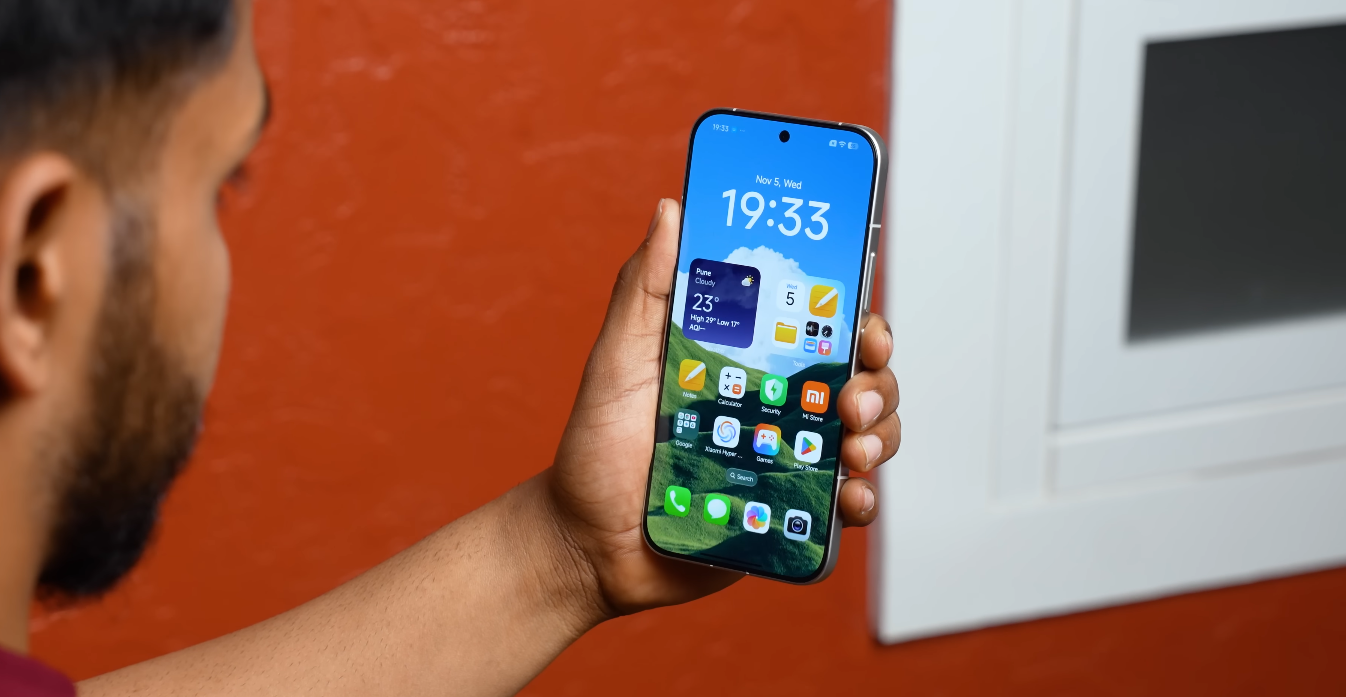
Pixel 10 Pro Fold full specs and features revealed

Pixel 10 Pro Fold full specs and features revealed

The next-generation foldable flagship

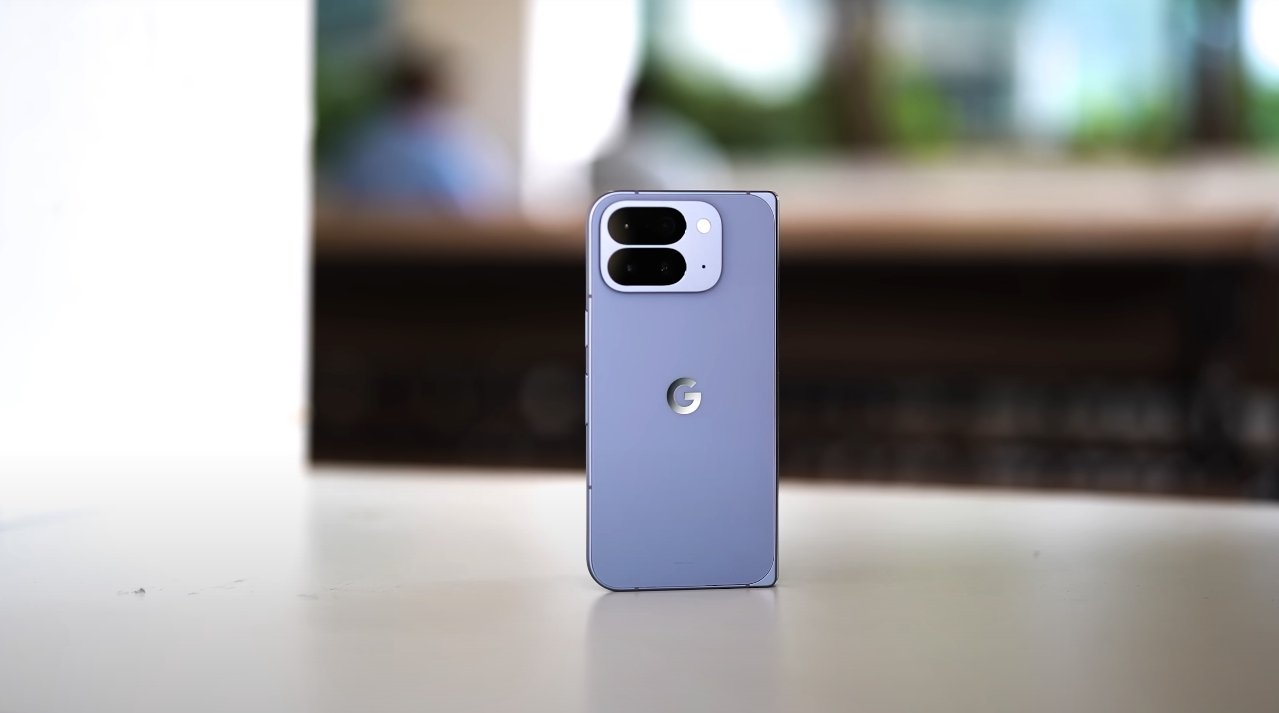
Google has officially introduced the Pixel 10 Pro Fold, marking its push into a more capable and durable foldable phone. The announcement comes with a full specification set and features list that suggests Google is serious about competing with the top foldables in both innovation and resilience.

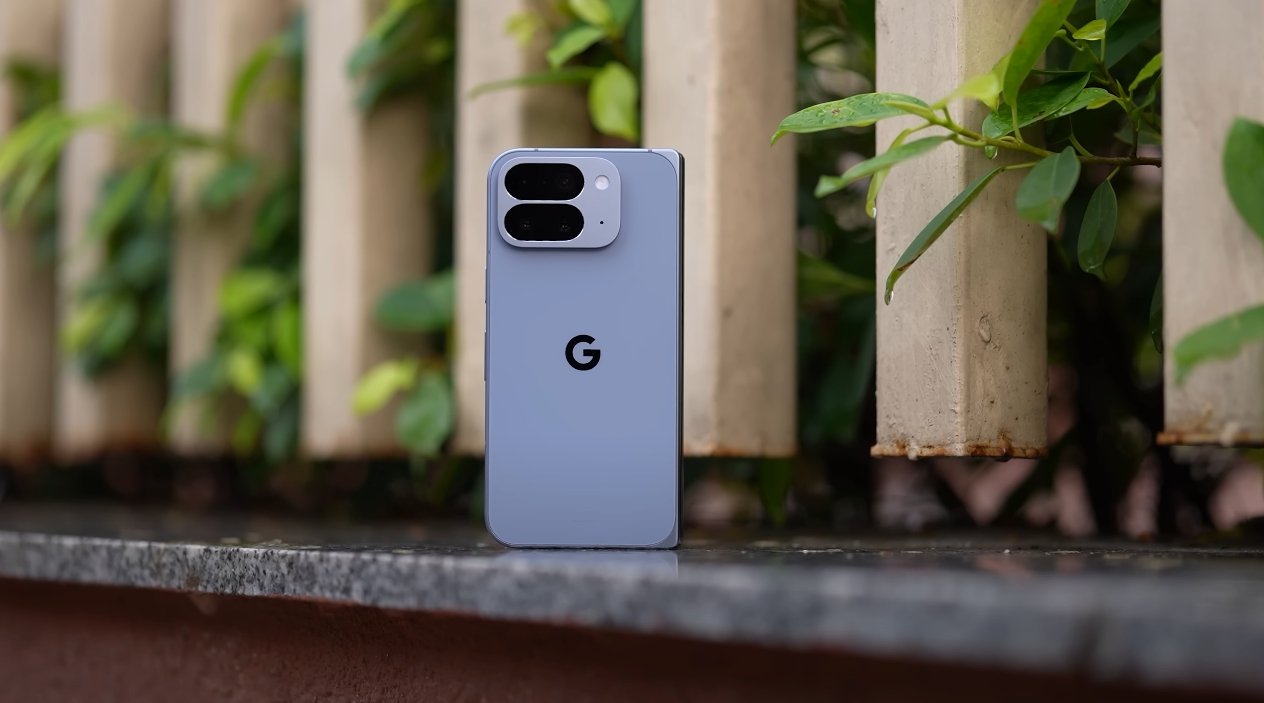
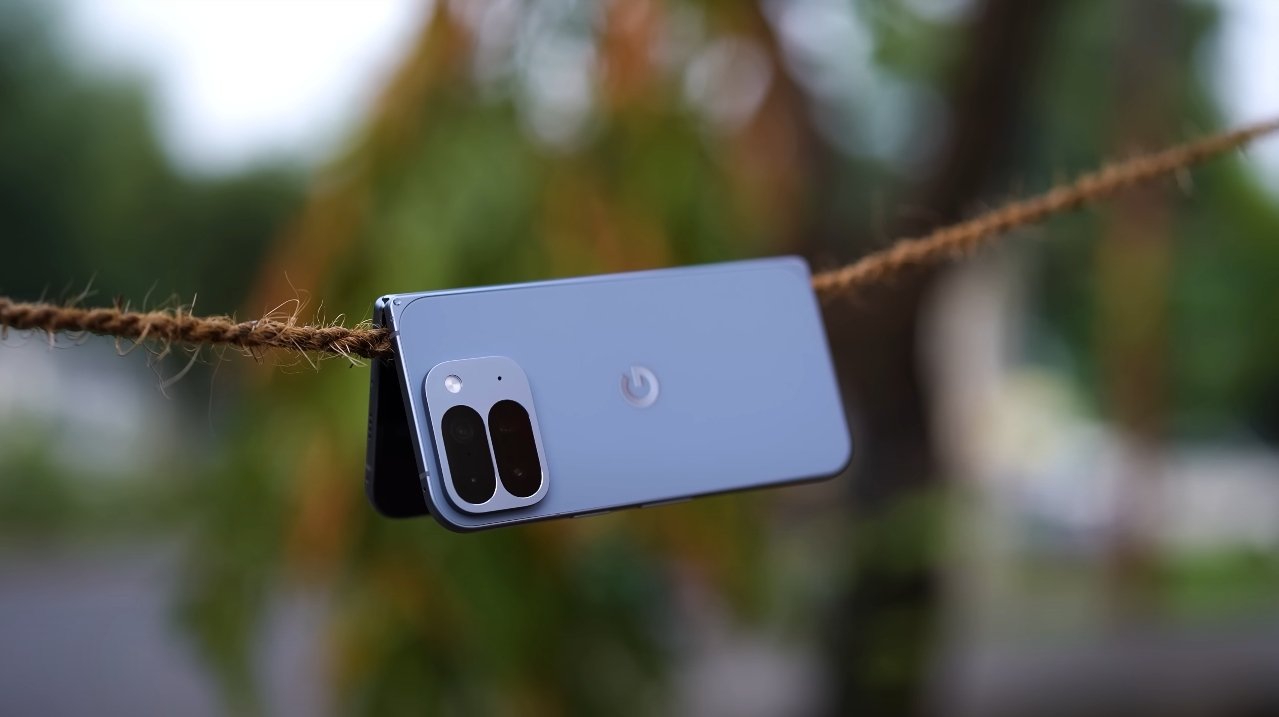
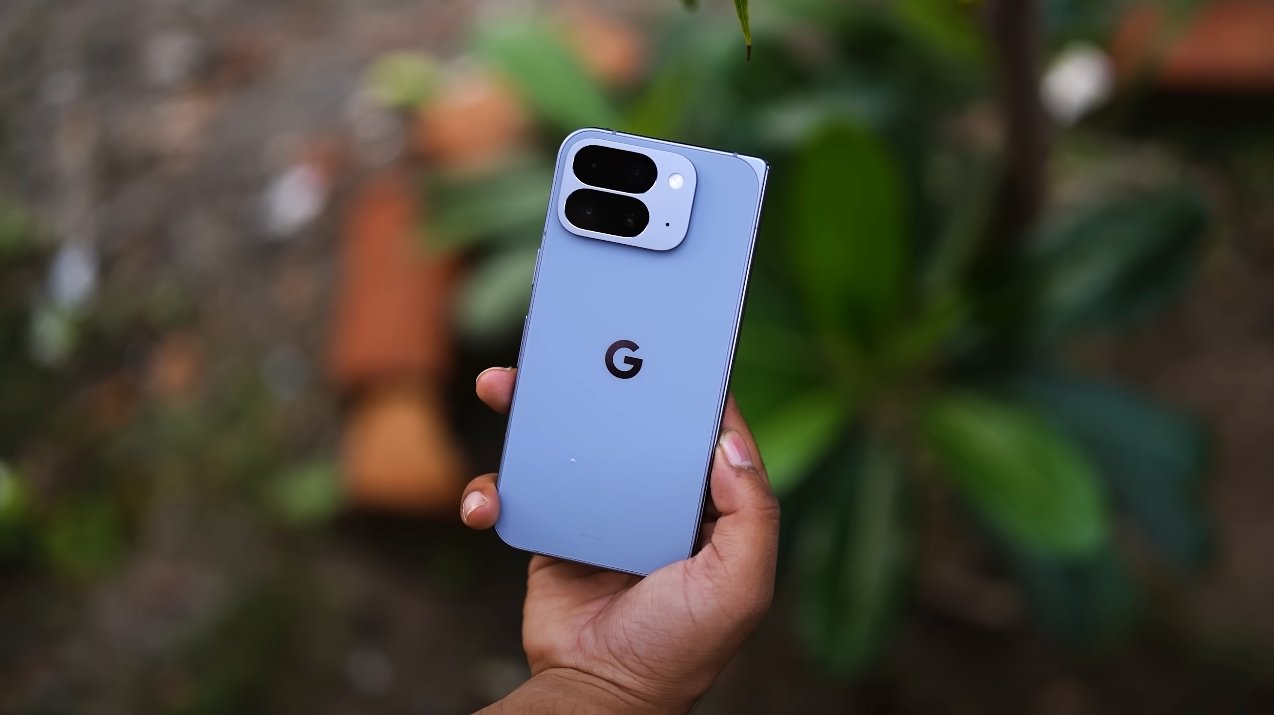
The design of the Pixel 10 Pro Fold includes a “gearless hinge” that Google claims will be twice as durable as the hinge in its predecessor and capable of withstanding over 10 years of folding. The chassis is built with aerospace-grade aluminum, and this model becomes Google’s first foldable to earn IP68 water and dust resistance. It comes in two color options: Moonstone and Jade.

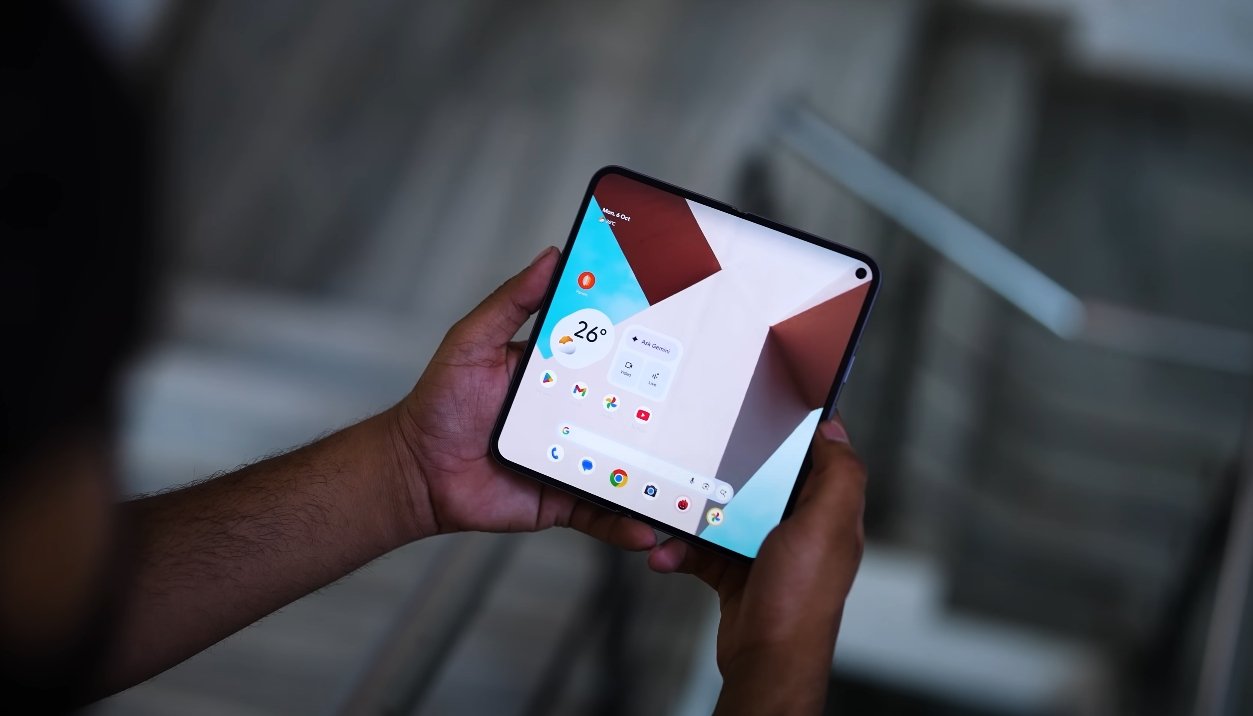
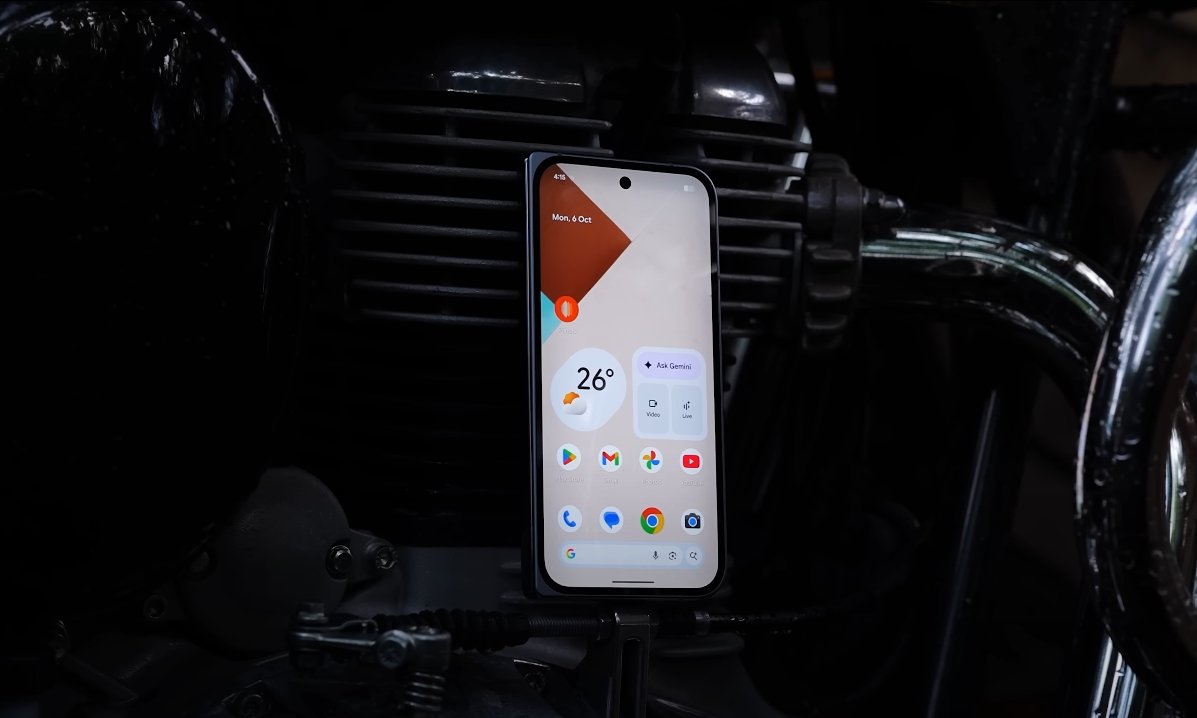
For the displays, the outer “cover” screen measures 6.4 inches and supports a 1-120Hz refresh rate, while the inner “folded-out” display spans 8.0 inches with the same variable refresh rate and up to 3,000 nits peak brightness. Both panels are OLED and designed for readability outdoors and smooth motion.

Pixel 10 Pro Fold full specs and features revealed

Under the hood, the Pixel 10 Pro Fold runs on Google’s custom Tensor G5 chip, paired with 16GB LPDDR5X RAM and storage options of 256GB, 512GB, or 1TB (UFS 4.0). For security, it includes the Titan M2 chip and supports dual SIM (nano SIM + eSIM). The operating system is Android 16 out of the box.

The camera system is a triple rear setup: a 48MP wide lens, a 10.5MP ultrawide lens, and a 10.8MP telephoto lens offering 5× optical zoom plus Super Res Zoom up to 20×. On both the inner and outer sides, there’s a 10MP selfie camera. Google also introduces a feature called Instant View, letting users preview recent shots next to the live viewfinder when the foldable is open.

Battery and charging also see upgrades. The device relies on a 5,015 mAh battery with support for 30W wired charging and 15W Qi2 wireless charging, including built-in magnetic support via PixelSnap accessories. Google also promises improved battery longevity to match the demands of folding use.

On the software and usability side, the Pixel 10 Pro Fold brings enhanced AI features such as Gemini Live, Magic Cue, and Daily Hub, all powered by on-device AI processing. Multitasking is improved with advanced split-screen support, drag-and-drop across apps, and optimizations tailored to foldable form factors.

In summary, the Pixel 10 Pro Fold unfolds as a serious contender in the foldable sphere. With industry-first IP68 protection, strong camera hardware, a powerful AI suite, and durable engineering, it’s positioned to compete with the best in 2025’s foldable lineup.

Also Read:  Why USA Tech Enthusiasts Prefer Google Pixel 10 Pro XL

Pixel 10 Pro Fold Design Weight and Thickness Review

Pixel 10 Pro Fold Design Weight and Thickness Review

Pixel 10 Pro Fold Build Quality and Everyday Feel

The Pixel 10 Pro Fold marks a major step forward for Google in foldable smartphone design. With its improved durability, sleek materials, and refined engineering, this foldable aims to bridge the gap between practicality and innovation. While it stands out for its solid build quality and IP68 protection, the device’s weight and thickness have also become key discussion points among early users in the USA.

The Pixel 10 Pro Fold introduces a more premium design than any previous foldable from Google. It features an aluminum frame that enhances rigidity, while the front and back are protected by toughened glass. The hinge mechanism has been redesigned for smoother folding and a sturdier feel, making it one of the most refined hinge systems in Google’s lineup. The overall design language reflects Google’s focus on simplicity, balance, and durability. Despite being a foldable device, it maintains the aesthetic consistency seen in other Pixel flagships.

When folded, the Pixel 10 Pro Fold measures roughly 155.2 x 76.3 x 10.8 millimeters. This makes it thicker than most traditional smartphones, but that’s expected from a foldable design that needs to accommodate two display panels and a hinge mechanism. When unfolded, the device measures just about 5.2 millimeters in thickness, giving it a sleek, tablet-like feel. The difference between folded and unfolded thickness is significant, and users quickly notice how slim it feels once open. The thin profile provides an immersive viewing experience and is comfortable for media consumption, reading, or multitasking.

In terms of weight, the Pixel 10 Pro Fold comes in at around 258 grams. This makes it heavier than most regular smartphones but falls in line with other premium foldables on the market. The weight is well-balanced across the body, so it doesn’t feel overly top-heavy or awkward to hold. However, for extended one-handed use, users may find it tiring. Those who often switch between folded and unfolded modes will also notice the difference in handling, as the device feels more substantial in its folded form.

Pixel 10 Pro Fold Design Weight and Thickness Review

Google’s decision to make the Pixel 10 Pro Fold more durable comes with trade-offs. The extra thickness and weight are the results of reinforced materials, a larger battery, and stronger hinge construction. The IP68 rating is a major milestone, making it one of the few foldables to offer full water and dust resistance. This provides users with added confidence in daily use, especially in unpredictable environments. While the added durability is appreciated, the phone’s dimensions do make it less pocket-friendly compared to slimmer devices like the Galaxy Z Fold 6 or traditional bar-style flagships.

Despite its bulk, the Pixel 10 Pro Fold feels premium in hand. The hinge movement is smooth and precise, closing with a reassuring click. The gapless fold design ensures that dust and debris are less likely to enter the hinge area, improving longevity. The aluminum frame has a matte finish that resists fingerprints, while the glass back adds a refined texture. Users who prioritize solid craftsmanship over minimal weight will find the build quality impressive.

Ergonomically, the phone is comfortable for two-handed use, particularly when open in tablet mode. Watching videos, browsing the web, and editing documents feel natural thanks to the large display and balanced weight distribution. When closed, the outer display is tall and narrow, making quick tasks like replying to messages or checking notifications convenient. However, because of the device’s thickness when folded, it may not fit comfortably in smaller pockets or tight jeans. Users may prefer carrying it in a jacket pocket or bag instead.

Overall, the Pixel 10 Pro Fold’s design reflects a thoughtful balance between strength and usability. The added thickness and weight contribute to its solid build and long-term durability. While it may not be the lightest or slimmest foldable on the market, it stands out for its premium materials, improved protection, and refined engineering. Users who value durability, build integrity, and a solid in-hand feel will appreciate the design choices Google has made. Those prioritizing portability and sleekness might consider the bulk a trade-off, but it’s one that comes with tangible benefits in daily durability and comfort during unfolded use.

In conclusion, the Pixel 10 Pro Fold is a strong example of how foldable design can evolve without sacrificing quality. Its premium build, water resistance, and smooth hinge make it one of the most durable foldables available today. While the added weight and thickness may not appeal to everyone, they are part of what gives the device its robust and reliable feel. For users seeking a foldable that combines premium design with long-lasting strength, the Pixel 10 Pro Fold delivers an impressive balance of elegance and endurance.

Also Read:  Pixel 10 Pro Fold vs OnePlus Open 2 Comparison

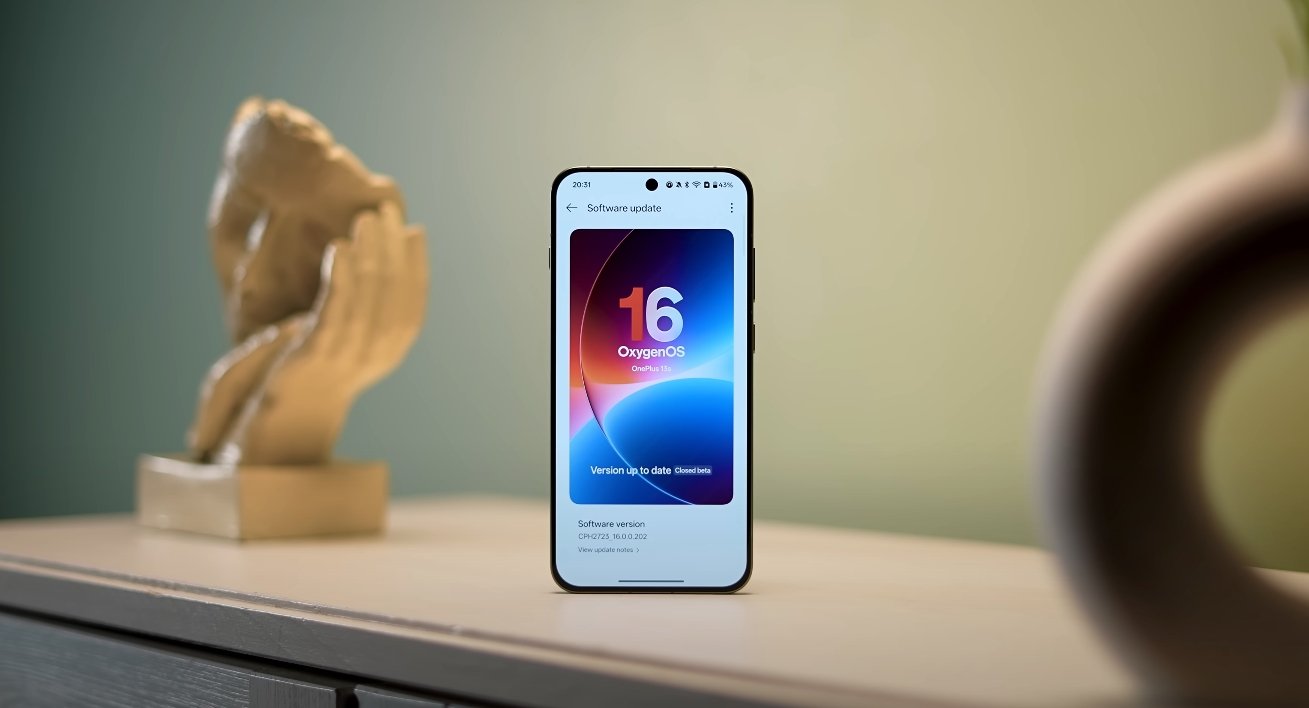
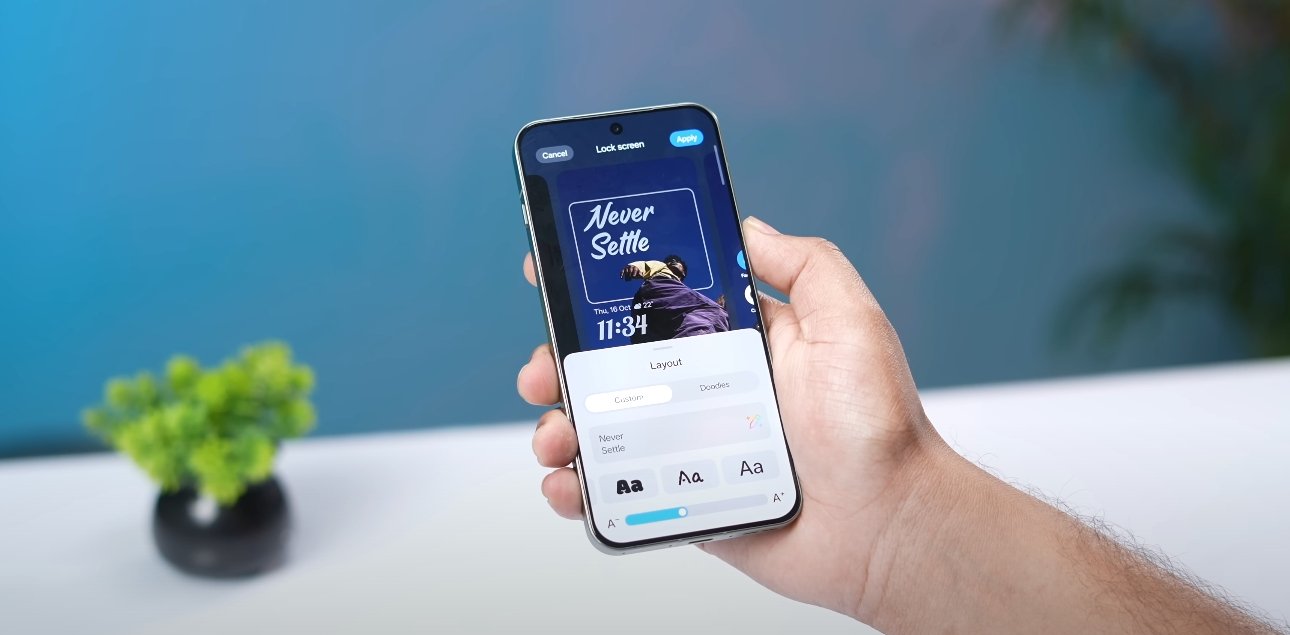
OxygenOS 16 multitasking and floating window updates

OxygenOS 16 multitasking and floating window updates

OnePlus Elevates Productivity With OxygenOS 16 Multitasking

OnePlus has introduced major improvements to multitasking and floating window functionality with OxygenOS 16, aiming to make everyday smartphone use faster, more efficient, and more flexible. The new update focuses on zero-lag performance, smoother animations, and a more intuitive interface for handling multiple applications simultaneously. These enhancements are especially valuable for users who rely on their devices for work, content creation, or entertainment.

A key feature of OxygenOS 16 is Zero-Lag Multitasking. OnePlus has optimized system performance so that users can run several apps at once without experiencing noticeable slowdowns. For example, you can watch videos, browse social media, and reply to messages simultaneously, all while maintaining smooth performance. The update allows heavy workloads, such as gaming or video editing, to run alongside background apps without stutter, ensuring that multitasking does not compromise device responsiveness.

Floating windows have also received significant attention. Users can now open multiple floating windows that are fully resizable and movable, providing more control over the layout. This makes it possible to keep one app in view while actively using another, allowing tasks such as responding to messages, taking notes, or referencing content without leaving the main screen. The floating window system is designed to be non-intrusive, so windows can overlap or minimize easily, keeping the interface clean and user-friendly.

OxygenOS 16 multitasking and floating window updates

Flow Motion and Parallel Processing are two core improvements that enhance multitasking performance. Flow Motion ensures that all transitions—swipes, app openings, and closings—feel fluid and natural, while Parallel Processing manages system resources efficiently across multiple apps. These optimizations reduce animation lag, speed up app switching, and allow simultaneous background processes to run smoothly, even under heavy load. The result is a more seamless and responsive experience compared to previous versions of OxygenOS.

Larger devices, such as the OnePlus Pad 3, benefit even more from these updates. On tablets, users can run up to five apps simultaneously in combinations of split-screen and floating windows. The home screen layout has been redesigned to support multiple docked apps, dynamic widgets, and easy navigation between active windows. This “Open Canvas” approach allows users to organize their workflow efficiently, making tablets more practical for productivity tasks and creative work.

OxygenOS 16 also introduces improved gesture controls and window management. Floating windows can now be resized with simple swipes or pinches and repositioned anywhere on the screen. Apps can be snapped to specific corners, minimized into small icons, or expanded back into full-screen mode quickly. This flexibility ensures that users can customize their multitasking environment to suit individual preferences and maintain context across tasks.

Performance and stability have been further optimized to support long sessions of multitasking. Whether users are streaming video, playing games, editing documents, or managing multiple apps, OxygenOS 16 ensures that CPU and memory allocation is efficient. Background tasks are prioritized intelligently, reducing the likelihood of app crashes or slowdowns. Thermal management improvements also prevent overheating during extended usage, maintaining device longevity and user comfort.

Overall, OxygenOS 16’s multitasking and floating window updates make the system significantly more productive and versatile. Users can handle multiple tasks simultaneously, maintain context between apps, and enjoy a smooth, responsive experience across all compatible devices. For smartphones and tablets alike, these enhancements elevate the overall usability of OnePlus devices, making OxygenOS 16 a robust platform for work, study, and entertainment.

By focusing on fluidity, control, and intelligent resource management, OnePlus has made multitasking in OxygenOS 16 not just faster but smarter. Users benefit from a flexible environment that adapts to their needs, whether for casual use, professional work, or creative projects. The update underscores OnePlus’s commitment to blending performance, design, and productivity in a single, seamless experience.

Also Read:  Oppo Find X8 Ultra vs Pixel 8 Pro performance test

Pluribus Season 1, Episode 7: Unravelling the Turmoil for Carol and Manousos on Apple TV+

Pluribus Season 1, Episode 7: Unravelling the Turmoil for Carol and Manousos on Apple TV+

Pluribus Episode 7: The Harrowing Ordeal Unveiled for Carol and Manousos

The antepenultimate episode of Pluribus season one plunges its two central figures, Carol and Manousos, into an unprecedented vortex of physical peril and emotional despair. This pivotal instalment ratchets up the tension considerably, stripping away layers of facade and forcing both characters to confront their deepest fears and the brutal realities of their world. Viewers are left reeling as their individual journeys converge in a truly harrowing fashion.

Carol’s journey through this episode is nothing short of a gruelling test of endurance and resolve. Having uncovered a devastating betrayal within the very organisation she served, she finds herself isolated and on the run. The episode opens with her in a desperate sprint through the rain-slicked streets of a foreign city, pursued relentlessly by shadowy figures whose allegiances remain ambiguous, adding to her profound sense of paranoia.

Physically, Carol is pushed to her absolute limits, narrowly escaping capture in a heart-stopping sequence that sees her navigating treacherous rooftops and crowded markets. Every shadow seems to hold a threat, every stranger a potential enemy. The constant threat of exposure takes a visible toll, etched onto her face, reflecting the sheer exhaustion and mounting terror she endures with each passing moment.

Emotionally, the wringer is even more unforgiving. Carol grapples with the crushing weight of deceit, not just from her adversaries but from those she once trusted implicitly. The revelation that her closest confidante was compromised shatters her sense of reality, leaving her questioning every decision and every alliance she has ever made. This emotional fallout forces her to rely solely on her instincts, hardening her resolve yet leaving her profoundly vulnerable.

Meanwhile, Manousos faces an equally tormenting ordeal, albeit one rooted in a different kind of moral quagmire. Entangled in a web of political intrigue and familial duty, he is forced to make an impossible choice that compromises his integrity. His physical suffering manifests as he performs a brutal interrogation, designed to extract crucial information about a clandestine operation, testing the very limits of his resilience and pain threshold.

Pluribus Season 1, Episode 7: Unravelling the Turmoil for Carol and Manousos on Apple TV+

The emotional toll on Manousos is palpable as he wrestles with the consequences of his actions and inactions. He witnesses the direct impact of his choices on innocent lives, deepening his internal conflict and guilt. The episode meticulously explores his tormented psyche, revealing a man pushed to the brink, haunted by the spectre of what he must sacrifice to protect those he holds dear, even if it means betraying his own principles.

The narratives of Carol and Manousos dramatically converge in a dilapidated warehouse on the city’s outskirts, a scene charged with desperation and unexpected alliance. Both arrive there seeking answers to different pieces of the same complex puzzle, only to find themselves cornered by a combined force of their respective pursuers. Their initial mistrust gives way to a fragile, desperate cooperation as they realise their shared peril.

This tense confrontation forces them into a desperate, hand-to-hand struggle for survival against overwhelming odds. The fight sequence is visceral and relentless, showcasing their raw determination but also their injuries and fatigue. It’s a stark portrayal of two individuals, physically battered and emotionally scarred, fighting not just for their lives, but for a semblance of control in a world spiralling into chaos around them.

The “wringer” truly tightens as they face a seemingly insurmountable obstacle: the revelation that the mastermind behind their torment is someone they both know and, in one instance, deeply respected. This twist adds a profound layer of emotional betrayal to their already precarious situation, shattering any remaining illusions of justice or loyalty within their shadowy world. The emotional gut-punch is almost as damaging as the physical threats they endure.

By the episode’s harrowing climax, Carol and Manousos manage a narrow, albeit costly, escape. They are left wounded, both physically and psychologically, their trust in the world irrevocably broken. The final moments see them huddled together in a hidden sanctuary, bruised but not defeated, their shared ordeal forging an unlikely bond that will undoubtedly shape the remainder of the season. Their future, however, remains dangerously uncertain, hanging by a thread as the credits roll, setting the stage for an explosive conclusion.


Also Read:  Unlock the Icon: Kim Kardashian Set to Grace Fortnite, Here’s How to Get Her Skins Early

Panther Lake-U Series Falls Short: Core Ultra 7 355 Benchmarks Revealed

The Core Ultra 7 355 processor, with its limited features and lacklustre performance, is a disappointment for those who were expecting more. The Panther Lake-U series has failed to impress, with benchmarks that are nowhere near as good as the Core Ultra X7. With its budget-friendly price point and limited features, it could be a good option for those looking for a more affordable alternative.

Panther Lake-U Series: A Disappointing Departure from Predecessors

The latest benchmarks for the Core Ultra 7 355 are in, and the results are underwhelming, to say the least. The Panther Lake-U series has failed to impress, lacking the unique features that made its predecessors stand out. With performance that is nowhere near as good as the Core Ultra X7, it’s clear that this series has some catching up to do.

The Panther Lake-H series, on the other hand, has proven itself to be quite impressive thus far. However, the lesser Panther Lake-U series has lost a lot of what makes the architecture unique. This is a shame, as many were hoping for a more consistent performance across the board.

So, what’s behind the disappointing performance of the Core Ultra 7 355? It’s likely due to the fact that the Panther Lake-U series has been stripped of some of the features that made its predecessors so powerful. This has resulted in a significant drop in performance, making it difficult for the Core Ultra 7 355 to compete with its more powerful counterparts.

Despite this, it’s worth noting that the Core Ultra 7 355 still has its uses. It may not be the most powerful processor on the market, but it could still be a good option for those looking for a more budget-friendly alternative. However, for those who require top-notch performance, it’s clear that the Core Ultra X7 is still the better choice.

The benchmarks for the Core Ultra 7 355 are a sobering reminder that not all processors are created equal. While the Panther Lake-H series has set a high standard, the Panther Lake-U series has fallen short. As the market continues to evolve, it will be interesting to see how the Core Ultra 7 355 fares in the long run.

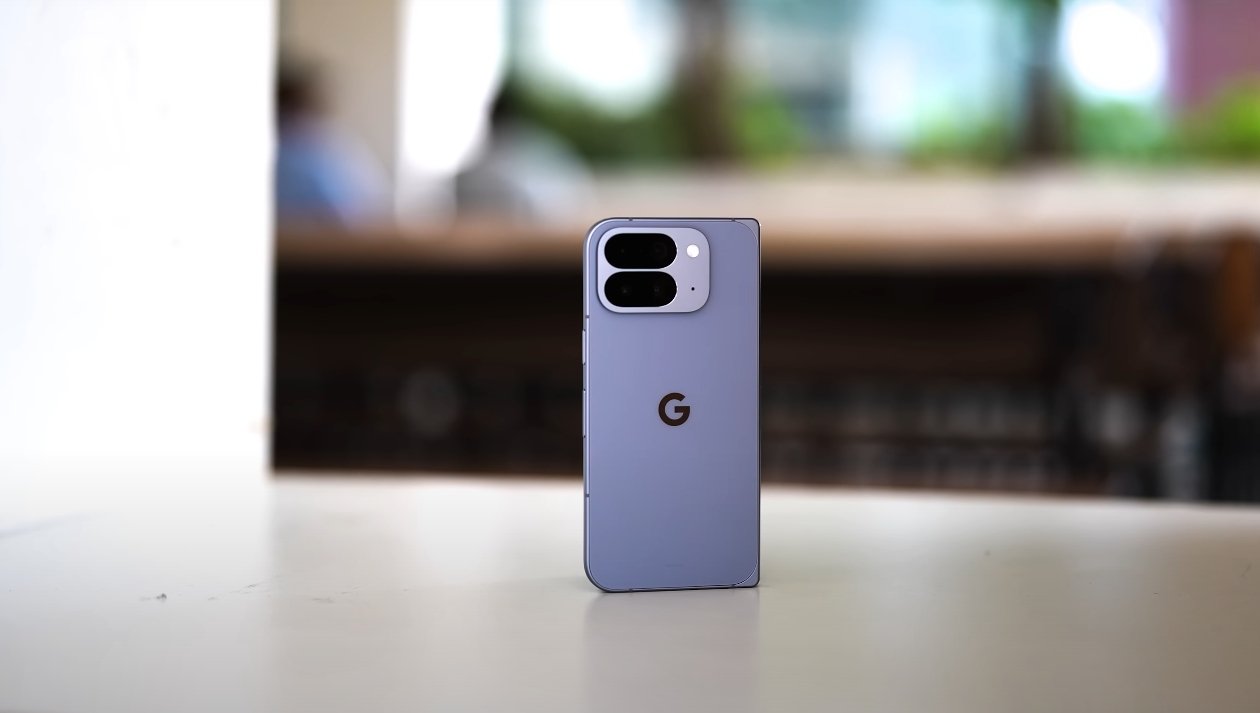
For now, it’s clear that the Core Ultra 7 355 is not the processor that many were hoping for. With its lacklustre performance and limited features, it’s a disappointment for those who were expecting more. However, as with any technology, there is always room for improvement, and it will be interesting to see how the Core Ultra 7 355 evolves in the future.

In conclusion, the Core Ultra 7 355 may not be the most impressive processor on the market, but it still has its place. For those looking for a budget-friendly option, it could be a good choice. However, for those who require top-notch performance, it’s clear that the Core Ultra X7 is the better option. As the market continues to evolve, it will be interesting to see how the Core Ultra 7 355 fares in the long run.
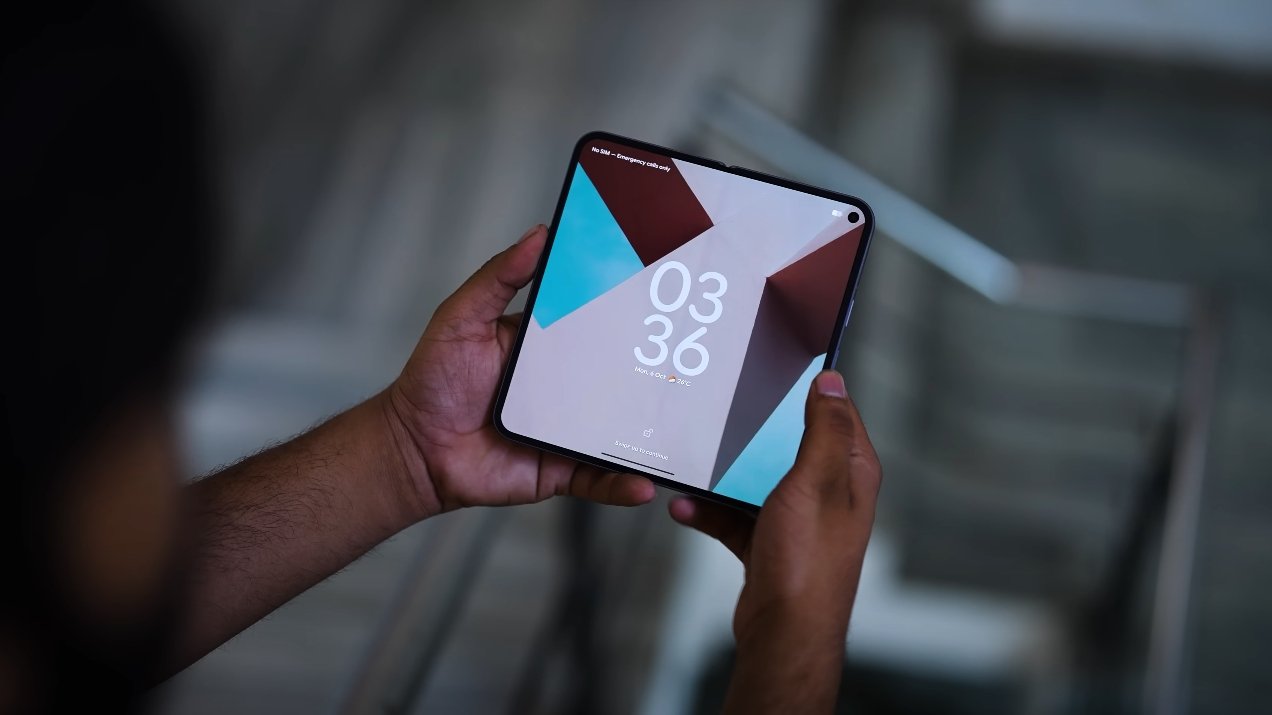
The future of the Core Ultra 7 355 is uncertain, but one thing is clear: it has a lot of catching up to do. With the Panther Lake-H series setting a high standard, it’s clear that the Core Ultra 7 355 has some work to do if it wants to compete. However, as with any technology, there is always room for improvement, and it will be interesting to see how the Core Ultra 7 355 evolves in the future.

Only time will tell if the Core Ultra 7 355 will be able to redeem itself and become a more competitive option. For now, it’s clear that it has some significant limitations. However, as the market continues to evolve, it’s possible that the Core Ultra 7 355 will become a more viable option for those looking for a budget-friendly processor.

As the technology landscape continues to shift, it’s likely that the Core Ultra 7 355 will undergo significant changes. With the rise of new technologies and innovations, it’s possible that the Core Ultra 7 355 will become a more competitive option. However, for now, it’s clear that it has some significant limitations that need to be addressed.

In the world of technology, it’s not uncommon for processors to have their limitations. However, it’s how these limitations are addressed that will ultimately determine the success of the Core Ultra 7 355. As the market continues to evolve, it will be interesting to see how the Core Ultra 7 355 fares in the long run.
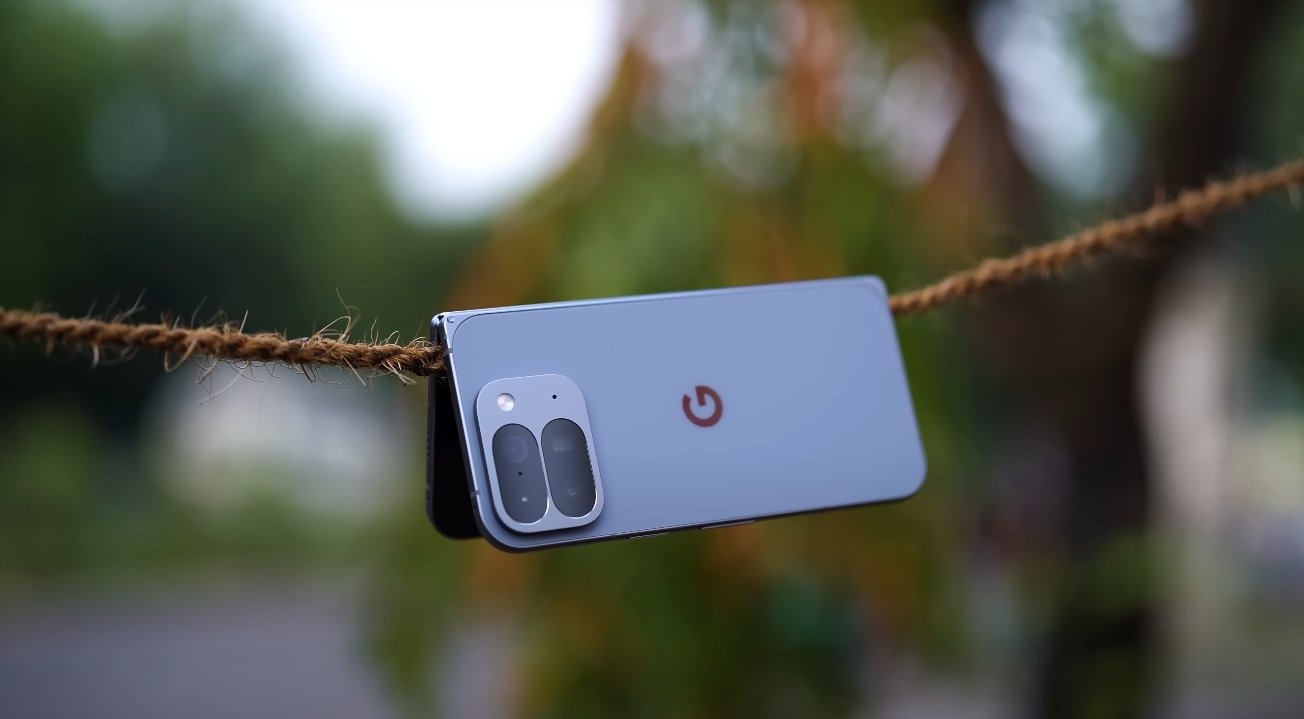
The Core Ultra 7 355 may not be the most powerful processor on the market, but it still has its uses. With its budget-friendly price point and limited features, it could be a good option for those looking for a more affordable alternative. However, for those who require top-notch performance, it’s clear that the Core Ultra X7 is still the better choice.

Ultimately, the Core Ultra 7 355 is a disappointment for those who were expecting more. However, as with any technology, there is always room for improvement, and it will be interesting to see how the Core Ultra 7 355 evolves in the future. With its limitations and budget-friendly price point, it’s possible that the Core Ultra 7 355 will become a more viable option for those looking for a budget-friendly processor.

The future of the Core Ultra 7 355 is uncertain, but one thing is clear: it has a lot of potential. With the rise of new technologies and innovations, it’s possible that the Core Ultra 7 355 will become a more competitive option. However, for now, it’s clear that it has some significant limitations that need to be addressed.

As the technology landscape continues to shift, it’s likely that the Core Ultra 7 355 will undergo significant changes. With the rise of new technologies and innovations, it’s possible that the Core Ultra 7 355 will become a more viable option for those looking for a budget-friendly processor. However, for now, it’s clear that it has some significant limitations that need to be addressed.

In conclusion, the Core Ultra 7 355 is a processor that has some significant limitations. However, it still has its uses and could be a good option for those looking for a budget-friendly alternative. As the market continues to evolve, it will be interesting to see how the Core Ultra 7 355 fares in the long run.
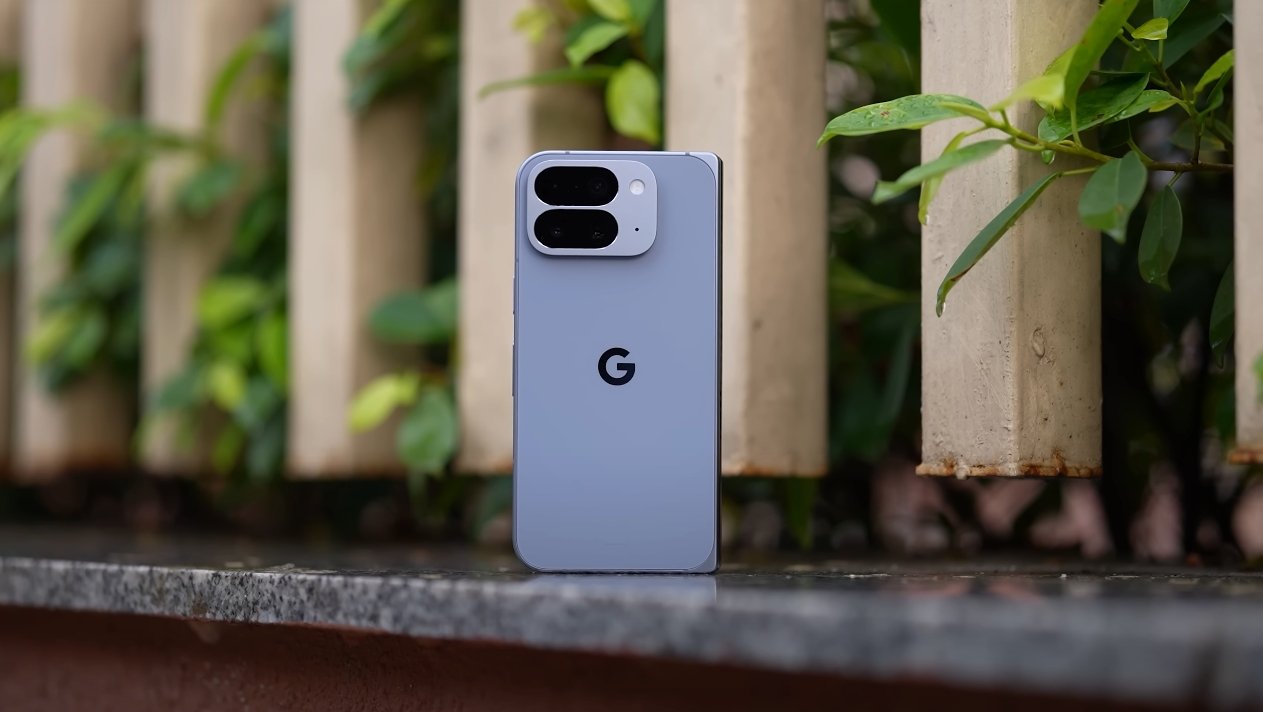
Pixel 10 Pro Fold price leak surprises USA fans

Pixel 10 Pro Fold price leak surprises USA fans

Google’s next foldable keeps premium pricing despite fan expectations

A surprising new leak has revealed that Google’s upcoming Pixel 10 Pro Fold will likely launch in the United States with a starting price of $1,799, matching the high-end tier of its predecessor. The pricing details reportedly came from internal retailer listings and supply chain sources, which also suggest higher-capacity models could reach up to $2,149 for the 1 TB variant. This revelation has caught many U.S. fans off guard, especially since early speculation hinted at a possible price cut to make the device more competitive in the rapidly evolving foldable market.

The Pixel 10 Pro Fold is expected to continue Google’s trend of positioning its foldable devices as premium, technology-forward alternatives to Samsung’s Galaxy Z Fold lineup. Despite hopes for a more accessible price point, Google appears determined to maintain a focus on build quality, design innovation, and AI-driven performance rather than cost reduction. The leaked information suggests that the foldable will come with upgraded Tensor G4 hardware, enhanced camera capabilities, and a redesigned hinge mechanism intended to improve durability.

For many American consumers, the $1,799 starting price places the Pixel 10 Pro Fold squarely among the most expensive smartphones available. While the foldable phone category remains relatively niche, demand for high-end Android devices has remained steady, particularly among tech enthusiasts and early adopters. Still, some fans argue that without a significant drop in price, Google may struggle to attract mainstream buyers in a market where traditional slab-style smartphones now deliver exceptional performance at nearly half the cost.

Pixel 10 Pro Fold price leak surprises USA fans

Industry analysts point out that Google’s pricing strategy reflects a broader trend among tech companies treating foldables as halo products rather than mass-market devices. Much like Samsung’s approach, Google seems to view the Pixel Fold line as a way to showcase its design prowess and integrate cutting-edge AI technology into a flexible form factor. Early reports indicate that the Pixel 10 Pro Fold will feature an improved inner display with a higher refresh rate, better brightness, and more efficient power management, giving it a strong position against competing models.

The U.S. smartphone market has become increasingly competitive, with Apple, Samsung, and now OnePlus introducing AI-enhanced features in their latest flagships. Google, however, is betting heavily on software differentiation. The Pixel 10 Pro Fold is rumored to launch with exclusive Gemini AI capabilities, including advanced photo editing, real-time translation, and on-device summarization tools. These features could help justify the premium pricing if they deliver meaningful improvements to daily use.

Reactions among Pixel fans have been mixed. Some applaud Google for refusing to compromise on design or technology, noting that a lower price might have forced cuts in materials or performance. Others, however, express disappointment that the company isn’t doing more to make foldable technology accessible to a wider audience. On social media, discussions highlight a recurring theme: Google’s pricing may signal confidence in its product, but it also risks alienating consumers who expected a more affordable entry point.

If the leaked information proves accurate, preorders for the Pixel 10 Pro Fold could begin later this month, with retail availability expected shortly after. The device’s success in the United States will likely depend on how well it can distinguish itself through performance, user experience, and AI integration. While Google may face criticism for sticking with a high price tag, it’s clear the company wants its foldable to compete directly with the most advanced devices in the world—not as a budget alternative, but as a statement of technological ambition.

In the end, the Pixel 10 Pro Fold’s pricing strategy underscores Google’s commitment to its vision of the future smartphone. By keeping the foldable at a premium level, Google is signaling that it sees long-term potential in this category, even if mass adoption is still years away. Whether U.S. consumers will embrace that vision at nearly two thousand dollars remains to be seen, but one thing is certain—the Pixel 10 Pro Fold has already sparked one of the most heated conversations in this year’s tech landscape.

Pixel 10 Pro Fold App Optimization for Foldable Mode

Pixel 10 Pro Fold App Optimization for Foldable Mode

Optimizing Apps for the Pixel 10 Pro Fold

The Pixel 10 Pro Fold brings foldable smartphones into the mainstream with its large internal display and compact external screen. One of the key advantages of foldable devices is the ability to run apps in multiple modes, adapting seamlessly between folded and unfolded states. Google has focused heavily on optimizing Android for this foldable, ensuring a smooth experience for both native and third-party applications.

When unfolded, the Pixel 10 Pro Fold provides a tablet-like display that allows apps to expand and offer additional functionality. Apps like Gmail, YouTube, and Google Maps take advantage of the wider screen, showing more content, multiple panes, or enhanced navigation controls. For instance, Gmail can display a full list of emails alongside the reading pane, making multitasking easier and more productive. Users report that common tasks, such as replying to messages or editing documents, feel more natural and efficient in foldable mode.

Third-party apps have also been optimized for foldable screens. Social media platforms like Instagram and Twitter display feeds in a more expansive layout, showing larger images and videos without scrolling as frequently. Streaming apps like Netflix and Disney+ scale video content to fill the larger screen, providing a more immersive experience. Early users in the USA note that app developers are gradually releasing updates specifically for foldable devices, further improving usability and reducing interface inconsistencies.

Pixel 10 Pro Fold App Optimization for Foldable Mode

Multi-window support is another significant feature of the Pixel 10 Pro Fold. Users can run two apps simultaneously side by side or in split-screen mode. For example, one can have a video call on Google Meet while referencing a document in Google Docs. The foldable-optimized interface ensures that each app adjusts its layout correctly, avoiding clipping or overlapping content. This enhances productivity and makes the Pixel 10 Pro Fold an appealing choice for professionals and multitaskers.

Google’s software enhancements also include app continuity. When transitioning from the smaller external display to the main internal display, apps seamlessly adjust without restarting. This ensures that users can pick up exactly where they left off, whether reading an article, drafting an email, or playing a game. Continuity is particularly useful for users who frequently switch between folded and unfolded modes during the day.

Certain system-level optimizations have been implemented to make foldable app usage more intuitive. For instance, notifications and quick settings adapt to the screen orientation, and gestures have been refined to accommodate the wider display. Keyboard and input methods scale automatically, providing comfort during typing or editing tasks. Many apps also take advantage of the extended screen real estate for enhanced controls, toolbars, and navigation menus.

However, while the Pixel 10 Pro Fold provides strong app optimization, not all apps are fully adapted yet. Some older or less frequently updated apps may display black bars, stretched interfaces, or misaligned controls in unfolded mode. Google has been actively encouraging developers to adopt foldable-friendly guidelines, and the ecosystem is steadily improving. Users in the USA note that daily-use apps like Gmail, YouTube, and Chrome offer excellent foldable support, making most core activities seamless.

In conclusion, the Pixel 10 Pro Fold offers one of the most refined foldable app experiences currently available. With native apps, third-party apps, multi-window support, and app continuity, the device maximizes the potential of its large internal display. While a few apps still require updates for full compatibility, the majority of essential apps run smoothly in foldable mode. For users seeking enhanced multitasking, productivity, and immersive media experiences, the Pixel 10 Pro Fold delivers a foldable-optimized software experience that is both functional and intuitive.

POCO F8 Pro best accessories at launch: chargers, lenses & cases

POCO F8 Pro best accessories at launch chargers, lenses & cases

Essential accessories to elevate your POCO F8 Pro from day one

The POCO F8 Pro is shaping up to be a standout launch, and the accessories you choose at the start can dramatically enhance your experience. Whether you’re focused on protection, performance or creativity, selecting the right add-ons ensures your new device stays fast, safe and fully equipped for everyday use.

A fast, reliable charger is one of the first accessories you should consider. If the phone launches without a charger in the box, a high-wattage USB-C GaN charger becomes essential. These provide quick, efficient charging while keeping temperatures manageable, making them ideal for regular daily use.

Protective cases are another must-have at launch. A hybrid case with reinforced corners offers excellent durability for students, commuters or anyone prone to accidental drops. Models with ring holders are especially useful for watching videos, improved grip and stable one-handed use. For those who prefer a cleaner look, slim clear cases allow the design of the device to stand out while still offering practical protection.

POCO F8 Pro best accessories at launch chargers, lenses & cases

A tempered glass screen protector should be applied immediately after unboxing. This simple accessory provides critical defence against scratches, small drops and daily wear. It’s one of the most cost-effective ways to extend the phone’s lifespan without altering how it feels in the hand.

If mobile photography or content creation is a priority, clip-on lenses can expand what the POCO F8 Pro’s camera already does well. Wide-angle, macro and portrait lenses designed to fit modern camera modules add creative flexibility for travel, social media content or student projects. It’s important to choose kits that align well with the camera layout to avoid distortion or misalignment.

For launch-day buyers, acting early is key. The most popular cases and screen protectors tend to sell out quickly, and fast chargers—especially high-wattage GaN models—often see limited stock. Preparing your accessory list ahead of time gives you the best chance of securing everything you need in one go.

Bundled promotions may also appear at launch. These can include discounted chargers, free cases or reward points that add even more value to your purchase. Checking these offers before placing your order can save money and provide bonus gear you might have bought anyway.

Always ensure any accessory you purchase is compatible with the UK version of the POCO F8 Pro. Accessories from unreliable sources can lead to performance issues, reduced charging efficiency or even damage. Choosing products from reputable retailers or known brands ensures proper fit, safety and long-term reliability.

Ultimately, pairing your POCO F8 Pro with the right accessories at launch is the best way to protect your investment and get the most from your new device. With a quality charger, a suitable protective case, a reliable screen protector and optional creative add-ons, your phone will be well-prepared for whatever you need it to handle from the very first day.

Poco F7 pro vs samsung galaxy A56 compare

Poco F7 pro vs samsung galaxy A56 compare

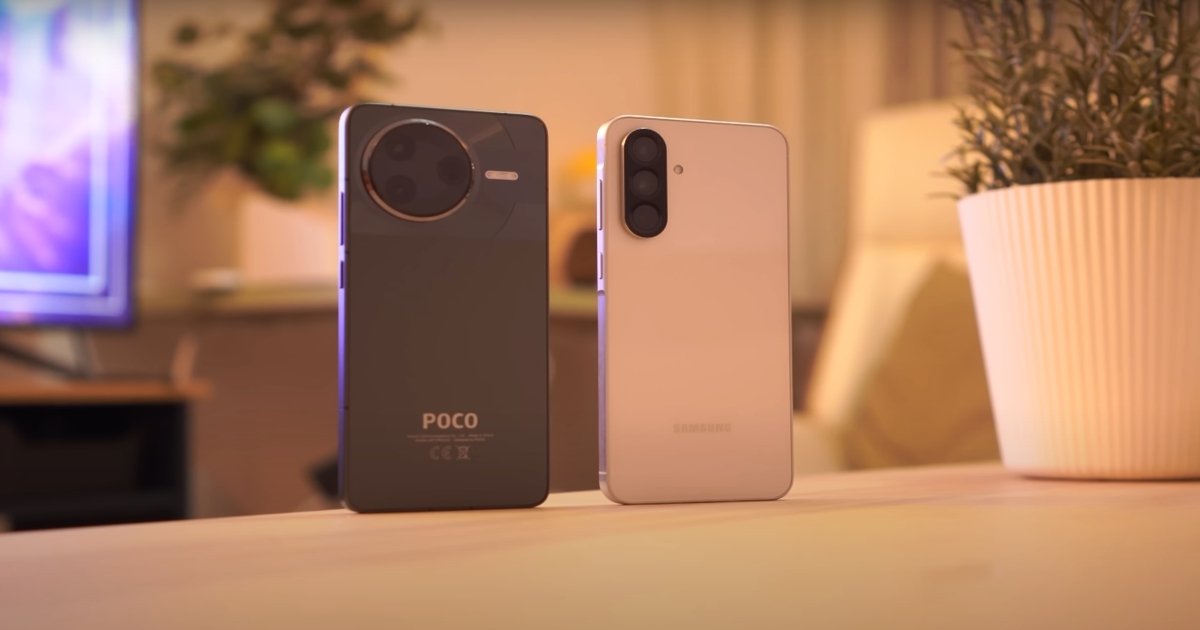
Samsung and Poco introduced their latest mid-range smartphones. The Samsung Galaxy A56 and the Poco F7 Pro. Each brand caters to consumers with well-rounded devices featuring competitive features at similar price points.

Poised as an affordable flagship killer with a Snapdragon 8 Gen 3 chipset under the hood. Both of these phones have a relatively similar price point and more importantly, they offer competitive features and performance for the price. So, the big question is this.


Design wise both look

Starting with the design and the Samsung Galaxy A56 and the Poco F7 Pro look nothing alike. They have their own distinct design language and both of them look good in their own way. But as we always say, style is subjective. So instead, let’s look at the facts. Starting with the Samsung Galaxy A56. The Galaxy A56 exemplifies Samsung’s signature simplicity and premium quality, attracting users who prefer a classic aesthetic, while the Poco F7 Pro targets consumers looking for something edgy and modern.

It sticks to Samsung’s premium yet minimalist styling found on the flagship S25 model. It features an aluminum frame, flat glass back panel, and a signature triple camera housing at the upper left corner. This time though, it does have a new blacked out camera island. While both devices run on Android 15, the user experience differs, with Samsung’s One UI 7 offering familiar features against Poco’s Hyper OS.


Design, colour and other elements

This design is tried and tested, but Samsung made the Galaxy A56 thinner, now measuring just 7.4 mm thick and weighing 196 g. It also comes with an IP67 rating for dust and water resistance, giving users a reassuring level of protection from the elements. In addition, the glass back panel is protected by Corning Gorilla Glass Victus Plus. Now, on the other hand, the Poco F7 Pro stands out more between the two phones with its more aggressive styling. It features a dual texture glass back panel with a matte and glossy finish at the top. It also has an aluminum frame, and this colorway does give off a futuristic vibe.

Meanwhile, the cameras are located on a large circular camera island here at the top with a flash on the outside. Now, Poco has also upgraded the build quality on this year’s F7 Pro, now featuring an IP68 rating for water and dust resistance. This allows it to be submerged in fresh water for up to 1.5 m for 30 minutes. The Galaxy A56 offers a minimalist premium look, while the Poco F7 Pro boasts a more aggressive outer appearance.

It’s slightly heavier and thicker at 204 g and 8.12 mm thick, but it still feels sturdy and balanced in your hands. With that, the Poco F7 Pro takes the first point in this comparison with its higher IP rating allowing it to be a more rugged phone. The Snapdragon 8 Gen 3 chipset delivers high-level performance over Samsung’s Exynos 1480.


Display quality and types

The Galaxy A56 does have Gorilla Glass Victus Plus for the rear glass, IP68 is becoming the norm in this segment. Now, moving on to the part of the phone you’ll be looking at the most, the display. For phones around this price range, the Poco F7 Pro and the Galaxy A56 both have beautiful AMOLED panels. Starting off with the Galaxy A56, it uses Samsung 6.7 in Super AMOLED panel with full HD plus resolution and thin borders all around. It boasts HDR10 Plus support with up to 1,900 nits of peak brightness. It also has 120 Hz refresh rate and it’s protected by Corning Gorilla Glass Victus Plus. Of course, this being an AMOLED panel.

It features beautiful vivid colors and deep blacks offering a great viewing experience. With the 120 Hz refresh rate, you have smooth animations, too, making it great for gaming. Now, as for the speakers, you’d get dual stereo speakers with support for Dolby Atmos. Now, moving on to the Poco F7 Pro, which does have a slightly smaller 6.67 in flow AMOLED display. However, it does feature a higher resolution of 3200 by440. It also has a 120 Hz refresh rate and a higher peak brightness of 3,200 nits. It also has slightly thinner borders too as compared to the A56.


Battery mAh and both charging time

A combination of a larger battery capacity and faster charging in the Poco F7 Pro represents a significant advantage for users seeking long-lasting performance without frequent charging interruptions, particularly in today’s fast-paced lifestyle.


features wise Comparison

Though the Galaxy A56 offers more lenses, the camera performance on the Poco F7 Pro can produce more natural images. This suggests that higher megapixel counts do not always equate to better photography, emphasizing the importance of processing quality. The Snapdragon 8 Gen 3 chip in the Poco F7 Pro enables superior performance, especially in gaming and multitasking.


Poco F7 pro vs samsung galaxy A56
Poco F7 pro and samsung galaxy A56

The A56, it has HDR10 plus support, but the F7 Pro’s display is also Dolby Vision certified, offering a more immersive viewing experience. The viewing experience is further enhanced with dual stereo speakers with support for Dolby Atmos. And with that, the Poco F7 Pro takes another point in this compar with its higher resolution display, Dolby Vision support, and higher peak brightness. If you look at the phone’s display individually, it’s hard to tell which one is better. But put them side by side and you can just see just how much better the display on the PO F7 Pro is.

Each OS brings unique features that cater to different user needs, from customization to efficiency. Aside from having a higher resolution, it also has support for Dol Vision and a higher peak brightness. But that’s not to say the Galaxy A56 display is bad. It’s still a beautiful display that we enjoyed using. It just so happens that the Poco F7 Pro’s display is a lot better. The differences between One UI 7 and Hyper OS represent more than just user preferences; they can significantly impact user experience and satisfaction. fore more information read see phones arena review samsung galaxy A56 vs poco F7.

Pixel 10 Pro Fold launch date officially confirmed

Pixel 10 Pro Fold launch date officially confirmed

Google sets official release window for its next foldable flagship

Google has officially announced the launch date for its highly anticipated Pixel 10 Pro Fold, confirming that the foldable device will arrive on October 9, 2025. The company made the announcement following weeks of speculation and hints from industry insiders about a fall release window. This marks Google’s second-generation foldable and one of the most anticipated devices in its 2025 hardware lineup.

The Pixel 10 Pro Fold will become available for pre-orders in the United States and select international markets ahead of its retail launch. According to Google, customers who place pre-orders now will receive their units starting on the official release day. The confirmation brings an end to months of rumors about potential production delays and final testing phases that were reportedly ongoing throughout late summer.

Google first unveiled the Pixel 10 lineup at its “Made by Google” event on August 20, 2025, where it showcased the Pixel 10, Pixel 10 Pro, and Pixel 10 Pro XL models. However, the foldable model was notably absent from the immediate release schedule. Company representatives confirmed at the time that the Pixel 10 Pro Fold would have a separate launch window due to additional refinement in hinge durability and software optimization for foldable form factors.

Pixel 10 Pro Fold launch date officially confirmed

Sources familiar with Google’s supply chain have indicated that the October timing was strategically chosen to align with broader market conditions. By releasing the Pixel 10 Pro Fold in the early fourth quarter, Google positions itself to compete directly with upcoming foldables from Samsung, OnePlus, and Honor. This release strategy also ensures that the device remains fresh during the holiday shopping season in the U.S., when demand for high-end smartphones typically peaks.

From a product standpoint, the Pixel 10 Pro Fold is designed to showcase Google’s most advanced Tensor G5 chip, paired with improved power efficiency and on-device AI performance. It will ship with Android 16, optimized for multitasking and productivity. Early previews and leaks have suggested that the foldable features an upgraded hinge mechanism, a lighter design, and enhanced heat management — addressing feedback from the first-generation Pixel Fold, which some users found bulky and warm during heavy use.

The official release announcement also highlighted Google’s growing focus on AI integration and user experience. The Pixel 10 Pro Fold will come preloaded with new AI-powered features such as Gemini Live, Magic Cue, and Smart Workspace, offering real-time assistance and cross-device coordination. These tools leverage on-device machine learning to perform tasks like summarizing messages, scheduling events, and even translating conversations on the fly without relying on a cloud connection.

Google’s hardware team emphasized that the October 9 launch will coincide with the start of in-store availability across major U.S. retail partners, including the Google Store, Amazon, Best Buy, and select carrier outlets. Pricing details are expected to remain in line with the company’s previous premium models, though some reports suggest a minor increase due to new hinge materials and expanded storage options. The phone is rumored to start at $1,799, similar to the previous Pixel Fold, but Google has yet to confirm this officially.

Industry analysts see this release as a pivotal moment for Google’s foldable ambitions. The Pixel 10 Pro Fold enters a competitive landscape where Samsung’s Galaxy Z Fold6 and OnePlus Open2 have already set high standards for build quality and performance. However, with its tighter ecosystem integration, longer update cycle, and new AI capabilities, Google aims to carve a distinct niche for itself among U.S. consumers seeking a blend of power, design, and software intelligence.

In conclusion, the October 9, 2025 launch of the Pixel 10 Pro Fold solidifies Google’s intent to push deeper into the foldable category with a more refined, performance-driven device. With upgraded hardware, advanced AI features, and a strategic release window, Google is signaling that the foldable era of the Pixel brand is not just continuing — it’s evolving. For consumers waiting for a premium foldable that blends innovation with practicality, the upcoming release promises to be one of the standout smartphone moments of the year.

POCO F8 Pro best camera settings for Instagram and TikTok creators

POCO F8 Pro best camera settings for Instagram and TikTok creators

Optimising the POCO F8 Pro camera for social media content

The POCO F8 Pro has been positioned as a creator-friendly smartphone, and its camera system is designed to meet modern production demands. Featuring a high-resolution primary sensor with optical image stabilisation and enhanced video modes, it offers the technical foundation required for sharp and engaging social media output. With the right settings applied, the device can deliver results that stand out on Instagram Reels and TikTok.

For video content, creators get the best performance by recording in 4K. This allows high levels of detail that remain crisp even after social media compression. Setting the frame rate to 60fps is ideal for fast-moving scenes, while 30fps suits more relaxed talking-style footage. Keeping footage vertically framed ensures that videos fill the screen of smartphone users, which typically improves engagement.

Stabilisation is essential when recording handheld clips. The POCO F8 Pro supports stabilisation that smooths motion and minimises shaking. Creators can take advantage of this feature to avoid the need for additional equipment in most situations, making it convenient for shooting while travelling or in outdoor environments. When more dynamic shots are needed, using a tripod or gimbal elevates visual smoothness even further.

POCO F8 Pro best camera settings for Instagram and TikTok creators

Lighting remains one of the most decisive factors in content quality. The camera system performs best when the subject is well lit, whether that is outdoors or under artificial lighting. Adding a ring light or LED panel during indoor shoots helps maintain colour accuracy and facial detail. With brighter conditions, creators can keep ISO low, reducing visual noise and improving clarity.

For still photography, especially when shooting portraits or lifestyle content for Instagram feeds, the highest resolution mode provides the most flexibility. This ensures that detail is retained even after cropping or reframing. Portrait mode can be used to create a subtle depth-of-field effect, helping the subject stand out from the background. Feed-friendly aspect ratios such as 4:5 typically achieve better visual impact when posted.

Colour profile settings also play an important role in the final look of content. Choosing a natural colour profile produces neutral tones that can later be enhanced through editing without introducing oversaturation. Many creators prefer this approach because it allows consistent colour themes across their profiles. It also reduces the risk of tonal shifts that sometimes occur from in-app filters.

HDR mode is particularly useful in high-contrast lighting, such as daylight scenes with bright highlights and dark shadows. When enabled, it enhances dynamic range so the camera retains detail across different brightness levels. This is beneficial for outdoor shoots in locations where lighting cannot be fully controlled, and it prevents loss of detail that could otherwise make photos appear flat.

For best results during uploads, creators should ensure that social media applications are configured to use high-quality upload settings. High-resolution files can degrade quickly when compressed, so preserving the original sharpness is vital. Exporting content at the highest available quality before posting ensures that colours, edges and motion remain smooth once the platform processes the file.

Content planning also contributes to overall quality. Recording a few extra seconds before and after the main clip helps with seamless trimming during editing. Keeping backgrounds clean and balanced draws attention to the subject and avoids distractions. Clear audio enhances overall viewer experience, so placing the phone microphone closer to the subject or using an external mic can significantly improve results.

With these practices, the POCO F8 Pro becomes a highly capable tool for today’s short-form content landscape. Its imaging hardware delivers strong output across both photography and videography, and when paired with optimised settings, it supports a polished creator workflow. Instagram and TikTok users looking to elevate their presence can rely on the device to achieve professional-looking visuals with consistency.

PlayStation Plus Drops Full December Catalog Preview

PlayStation Plus Drops Full December Catalog Preview

Sony Confirms a Packed Lineup for December PS Plus Users

PlayStation Plus subscribers in the UK are set for a busy month as Sony rolls out its full December catalogue, bringing new titles across Essential, Extra and Premium tiers. The update arrives at a time when UK gamers are already preparing for winter downtime, making the expanded library a welcome boost heading into the final stretch of the year.

Sony’s December drop includes a blend of action, horror, adventure and family-friendly releases, ensuring the update appeals to a broad range of players. With several notable additions confirmed through official announcements, subscribers can expect a more substantial offering than usual. The month also includes a rare day-one release for Extra and Premium members, something PlayStation typically reserves for standout indie titles.

The Essential tier leads the month with a collection that highlights variety above everything else. LEGO Horizon Adventures heads the lineup, offering a playful reimagining of the Horizon universe with humorous cut-scenes and accessible mechanics suited for all ages. Its arrival has been widely anticipated by UK families looking for winter holiday entertainment.

PlayStation Plus Drops Full December Catalog Preview

Alongside it, Killing Floor 3 joins the service with its intense co-op shooter gameplay. Known for its chaotic enemy waves and fast-paced action, it provides a striking contrast to the lighter tone of the LEGO release. UK players who enjoy multiplayer sessions during the season will likely find this to be one of the more replayable titles in the December drop.

Horror fans also have something significant to look forward to with The Outlast Trials. As a psychologically driven survival experience, it brings stealth-focused tension and eerie environments that have already attracted attention within UK gaming forums. Its arrival across both PS5 and PS4 makes it accessible to a wide audience.

For those who prefer futuristic action, Synduality Echo of Ada expands the lineup with its distinct blend of robotic exploration and PvPvE encounters. The game’s sci-fi mechanics and competitive environment offer something comparatively modern, aligning well with players who enjoy tactical battles and mech-themed worlds.

Neon White further enriches the month with its fast-moving, card-based first-person action. Known for its stylish design and speedrunning-friendly structure, it caters to fans seeking shorter, high-energy gaming bursts. Many UK subscribers have followed its success on other platforms, making its PS Plus debut a timely addition.

PlayStation Plus Extra and Premium members receive additional benefits through the Game Catalogue expansion. One of the most notable inclusions is Skate Story, arriving as a confirmed day-one launch. This indie title blends atmospheric visuals with surreal storytelling, and early previews have suggested that it may resonate strongly with players seeking something artistically different.

Another major highlight is the return of Red Dead Redemption to the catalogue, giving subscribers an opportunity to revisit or experience for the first time one of gaming’s most acclaimed western adventures. Its open-world design and narrative depth continue to attract interest, and its availability on the service underscores Sony’s effort to balance modern releases with iconic classics.

Overall, the December catalogue serves as one of the stronger monthly updates PlayStation Plus has delivered recently. With genres ranging from horror to family-friendly exploration and from surreal indie art to gritty open-world action, the collection offers substantial value across all subscription tiers. UK players heading into the holiday season will have plenty of content to explore, whether looking for long sessions or quick pick-up-and-play experiences.