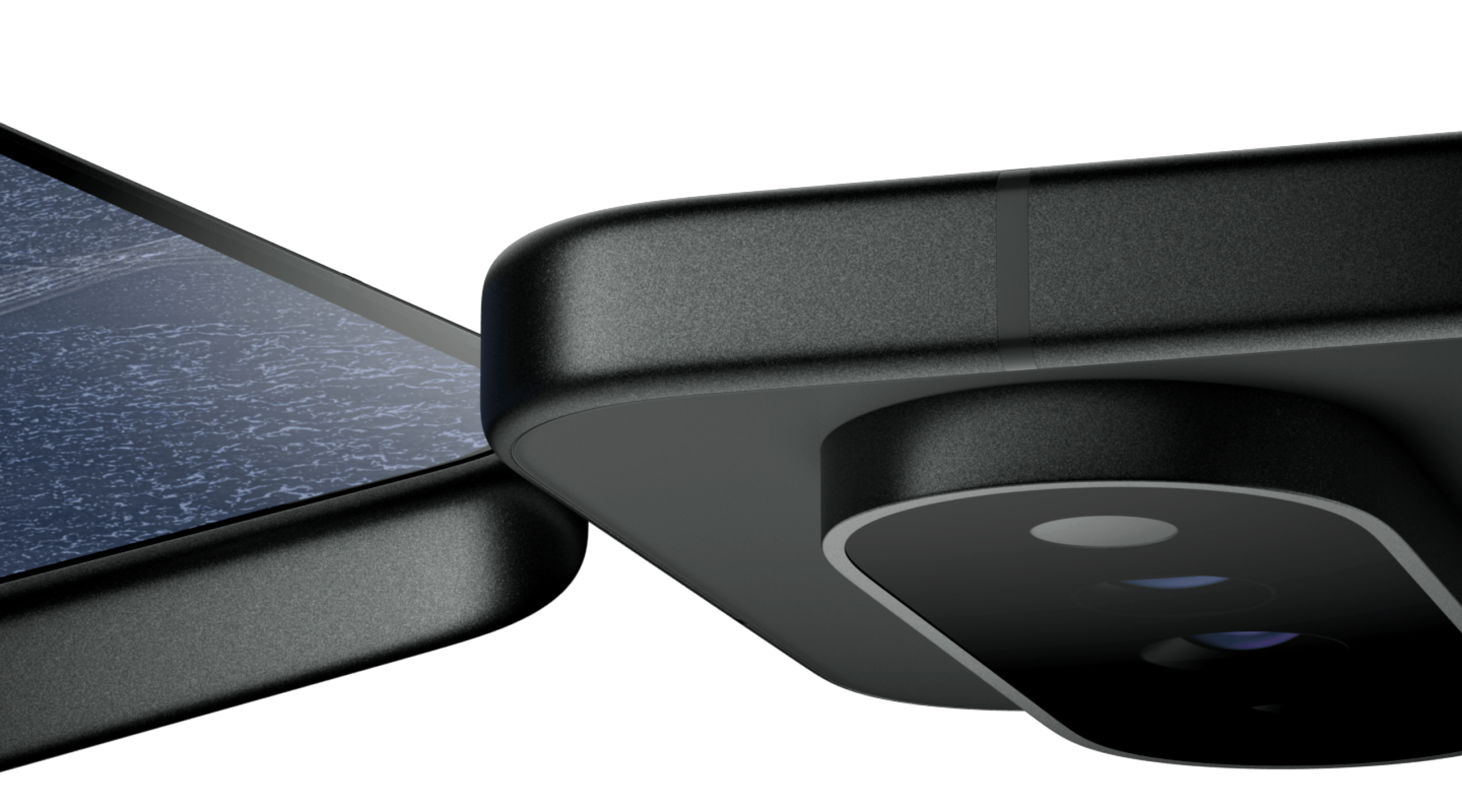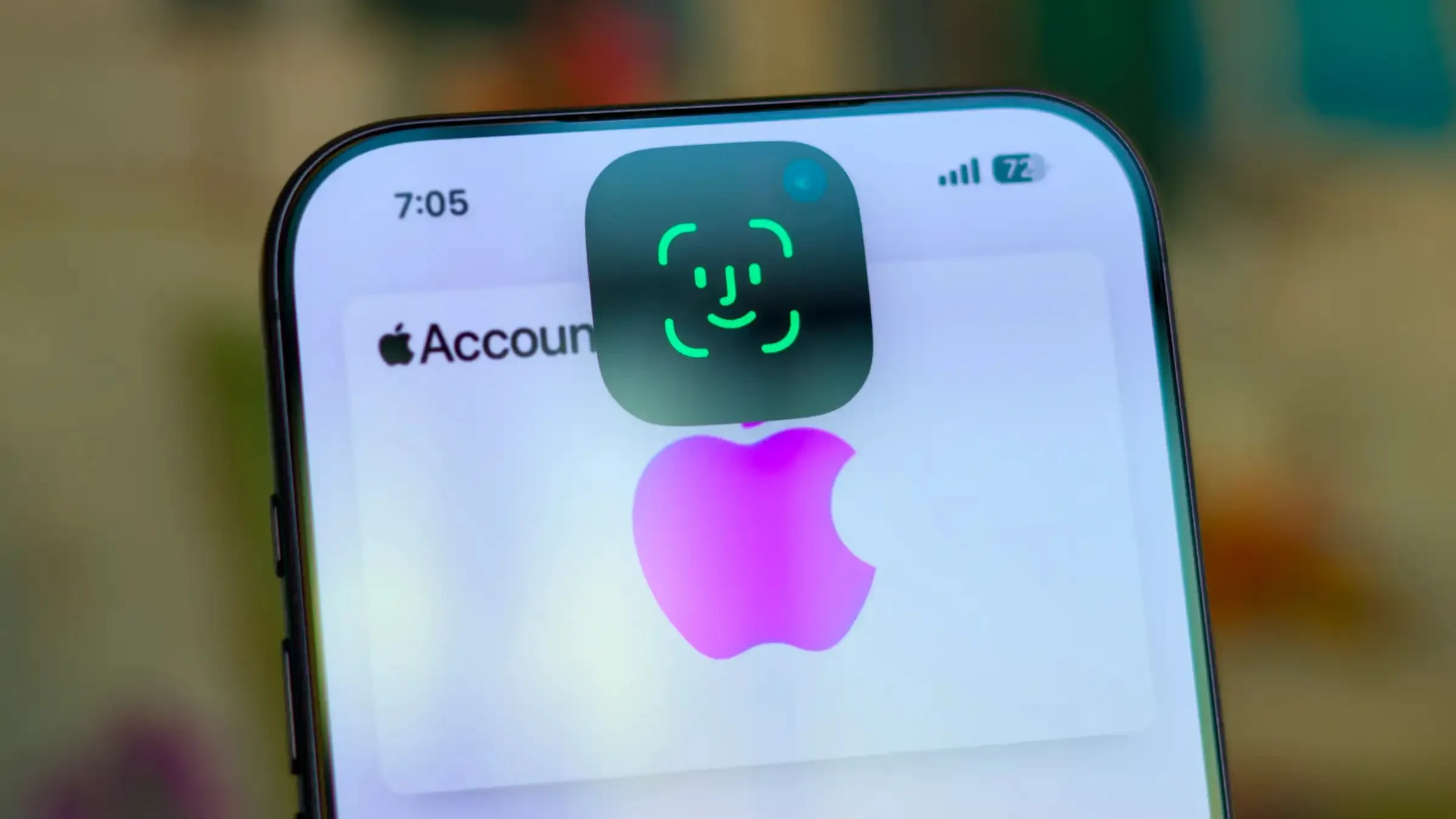
Google Pixel face unlock could get brighter in darkness with upcoming software update

Google Pixel phone displaying face unlock feature on a dark screen

Why Pixel’s Face Unlock Fell Short

When the Google Pixel 8 and Pixel 8 Pro finally introduced a true 3D facial authentication system, Android users celebrated a long‑awaited rival to Apple iPhone 15 Face ID. The new sensors allowed payments, banking apps and device unlocking using only a face, a feature that felt revolutionary after years of basic 2D solutions.

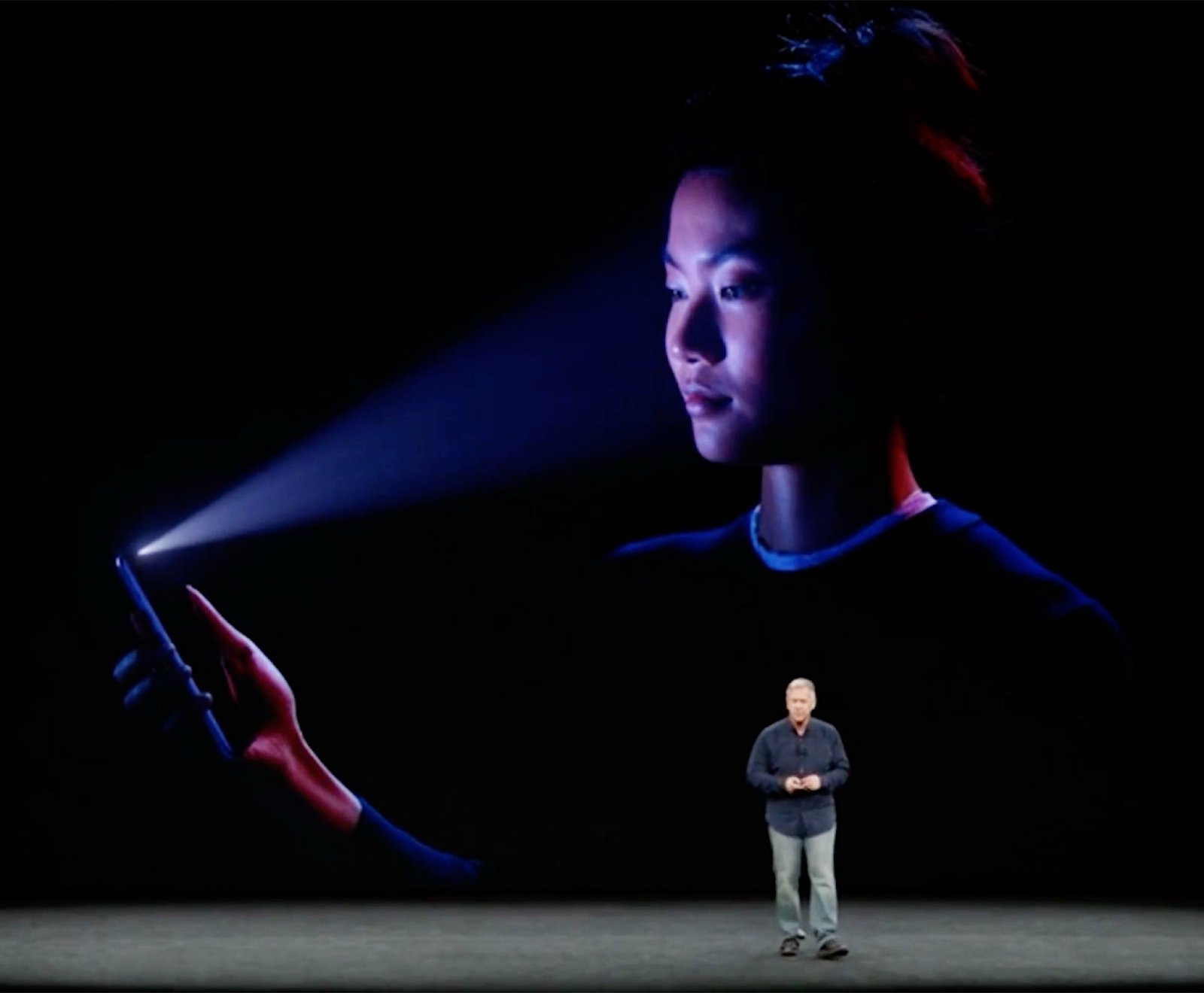
However, the excitement dimmed quickly for many users who tried to unlock their phones in dimly lit rooms. Unlike the iPhone 15, which relies on an infrared dot projector to map a face in total darkness, the Pixel series depends on ambient light reflected off the screen. In low‑light conditions the system often fails, forcing users to turn on a flashlight or increase screen brightness before the phone recognises them.

Current Limitations in Dark Environments

The core issue stems from the lack of dedicated infrared hardware on the Pixel 11 and earlier models. Without a dot projector, the camera cannot generate a reliable depth map when the surrounding illumination is insufficient. As a result, the software falls back to a 2D image comparison that is easily confused by shadows, leading to repeated authentication failures.

For power users who rely on quick, hands‑free access to services like Google Pay, this shortcoming feels like a step back compared with the seamless experience on Samsung Galaxy S25 or Apple iPhone 15. The problem is especially noticeable at night, in movie theatres, or when the phone is stored in a pocket and the user tries to unlock it in a dark hallway.

Potential Software Fix in Android 17 QPR3

Android Authority recently uncovered code snippets in the beta for Android 17 QPR3 that reference “Face Active Illumination”. Additional strings such as “dark”, “brightness scale” and “bedtime” suggest that Google is experimenting with a software‑only solution to brighten the face when ambient light is low.

The most plausible implementation would involve detecting a low‑light environment and automatically increasing the screen brightness just enough for the front‑facing camera to capture a clear image of the user’s face. The system could also display a subtle prompt asking the user to briefly illuminate the screen, providing the extra light needed for a successful scan.

While this approach would not match the true infrared depth sensing of iPhone 15 Face ID, it would represent a meaningful improvement for Pixel 11, Pixel 12 and future models that lack dedicated hardware. Users would experience fewer failed attempts without having to manually adjust settings each time.

Hardware Possibilities with Project Toscana

Google has long hinted at a more ambitious roadmap under the codename Project Toscana. Leaks suggest that the upcoming Pixel 12 series could incorporate an infrared dot projector similar to Apple’s solution, enabling genuine 3D facial mapping in total darkness.

Adding such hardware would eliminate the need for any screen‑based illumination, delivering a Face ID‑like experience without a large notch or punch‑hole. The challenge lies in fitting the projector into the slim front‑face design while keeping costs reasonable for a mainstream flagship.

If Google proceeds with this hardware upgrade, it could finally close the gap with competitors like Samsung Galaxy S25, which already offers an advanced under‑display fingerprint sensor and is rumored to explore infrared facial recognition in future iterations.

What Users Can Expect

In the short term, Pixel owners can look forward to a potential software enhancement in the Android 17 QPR3 update that brightens the screen during face unlock attempts in dark rooms. This change should reduce the frustration of failed scans and make the feature more reliable for everyday use.

Long‑term, the introduction of an infrared projector in the Pixel 12 or later models would bring Android face unlock to parity with iPhone 15, offering secure authentication even in pitch‑black conditions. Until then, users who need consistent performance may still prefer the proven reliability of Samsung Galaxy S25’s fingerprint sensor or Apple iPhone 15’s Face ID.

Overall, the combination of a smart software tweak and a possible hardware refresh signals that Google is taking the shortcomings of its facial recognition seriously. Whether the upcoming updates are a stepping stone or the final solution, they represent a positive direction for Android security and user convenience.
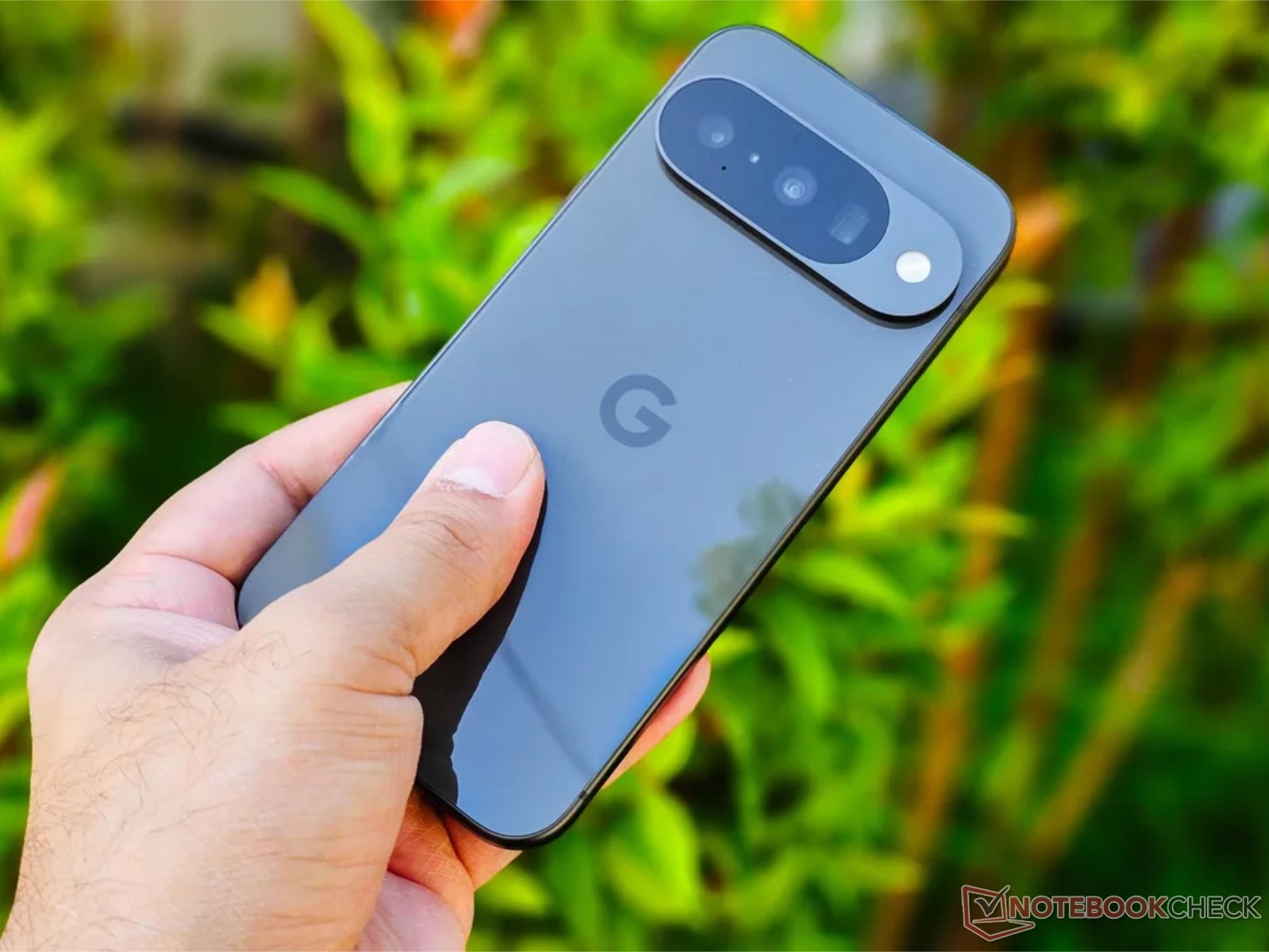
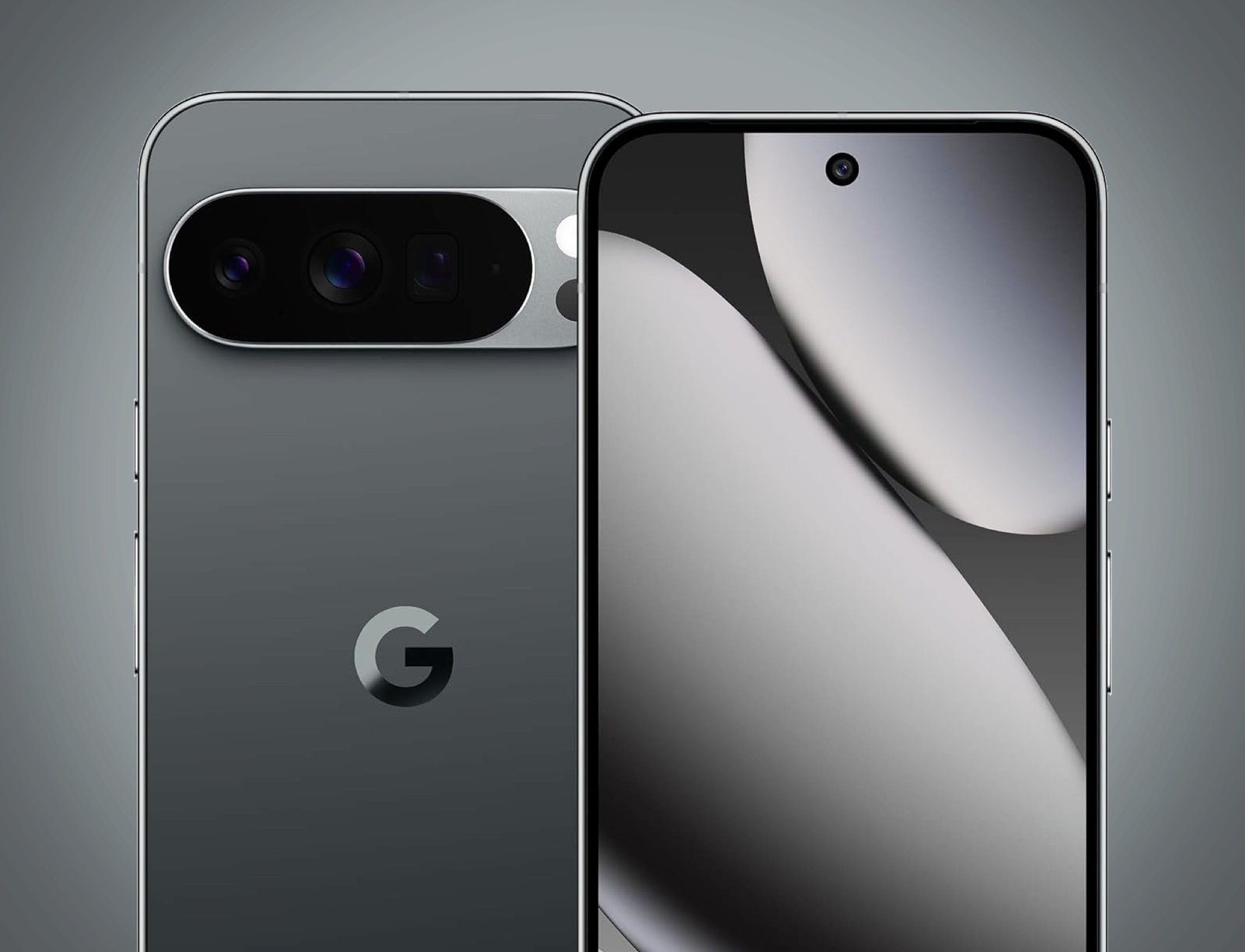
Google Pixel Smartphones in the UK Suffering from Battery Life Issues

A Google Pixel smartphone with a low battery icon, highlighting the battery life problems affecting UK users, with a colour scheme that reflects the brand's identity

Battery Life Problems Plague Google Pixel Smartphones in the UK

Google Pixel smartphones, including the latest Pixel 10 and older models, are experiencing severe battery life issues after recent updates. This has left many users in the UK frustrated, having to charge their devices multiple times a day.

The frequency of updates is not the issue, as Google regularly rolls out updates to its Pixel range. However, the latest updates seem to have introduced battery life problems, affecting both current and older generations of Pixel smartphones.

Early findings suggest that the updates have caused significant battery drain, resulting in reduced battery life. This has led to a surge in complaints from Pixel owners in the UK, who are now seeking solutions to this pressing issue.

Google’s commitment to providing regular updates is commendable, but the introduction of battery life issues is a cause for concern. As the UK’s smartphone market continues to evolve, it is essential for manufacturers to prioritize battery life and overall user experience.

The Google Pixel range has long been praised for its exceptional camera capabilities and sleek design. However, the recent battery life issues have tarnished the brand’s reputation, leaving many UK users questioning their purchasing decisions.

As the situation unfolds, Google is expected to release a fix to address the battery life problems. In the meantime, UK users are advised to monitor their battery usage and adjust their settings accordingly to minimize the impact of the issue.

Google’s response to this issue will be crucial in maintaining customer loyalty and trust. The company must analyse the problem and provide a timely solution to prevent further damage to its reputation in the UK market.

The battery life issues affecting Google Pixel smartphones in the UK serve as a reminder of the importance of thorough testing and quality control. As the demand for smartphones continues to grow, manufacturers must prioritize the user experience and deliver devices that meet the highest standards of performance and reliability.

Google Pixel 11 Pro XL: Leaked Case Reveals UK Design Shift

Featured image of the Google Pixel 11 Pro XL with a leaked case, showcasing its sleek new design and colour options, perfect for the UK market

Unveiling the Google Pixel 11 Pro XL: A New Era in Smartphone Design

The Google Pixel 11 Pro XL is set to revolutionise the smartphone market with its innovative design, and a recent case leak has given us a glimpse of what’s to come. Months before its expected launch, an accessory manufacturer has listed a protective case for the next-generation flagship smartphone. This unexpected move has provided the first hints about a significant design change, leaving fans and tech enthusiasts eagerly awaiting the official release.

The leaked case suggests a bold new direction for the Pixel series, with a fresh look that’s sure to turn heads. As the UK market prepares for the arrival of the Google Pixel 11 Pro XL, it’s clear that this device will be a game-changer. With its cutting-edge features and sleek design, it’s set to take the competition by storm.

As we analyse the leaked case, it’s clear that Google has taken a cue from its predecessors, incorporating a unique blend of style and functionality. The colour palette and overall aesthetic are distinctly Google, with a focus on clean lines and minimalism. The UK will undoubtedly be a key market for the Google Pixel 11 Pro XL, and it’s exciting to think about how this device will impact the local tech scene.

While we can’t reveal too much just yet, it’s safe to say that the Google Pixel 11 Pro XL will be a powerhouse of a device. With its advanced camera capabilities, lightning-fast processor, and innovative software features, it’s set to be a must-have for anyone looking to upgrade their smartphone experience. As the launch date draws near, we’ll be keeping a close eye on any further developments, so be sure to check back for the latest updates.

Google Pixel 11 UK Launch

Google Pixel 11 in gold color

Google Pixel 11: What to Expect

With the Google Pixel 11 launch event just around the corner, set for 12 August, the tech world is abuzz with excitement. The latest teaser from Google has given us a glimpse into what’s coming, and it’s looking promising. The Pixel 11 range, which will be available for pre-order on the same day as the launch event, is expected to bring some exciting new features to the table.

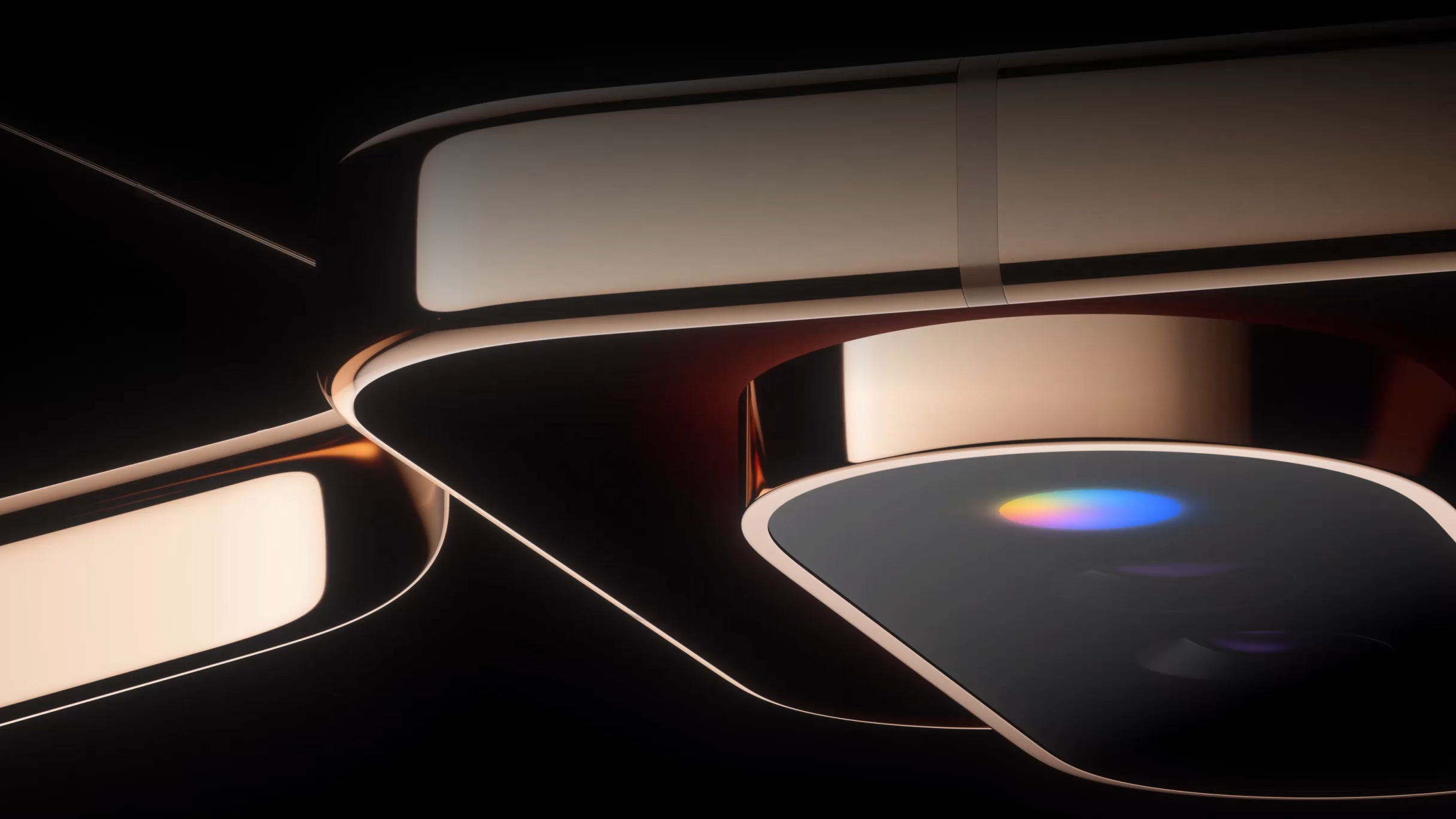
One of the most notable features is the introduction of Pixel Glow, a new feature that uses subtle light and color on the back of the device to inform users of important activity when the phone is face down. This feature is housed within the camera flash and is expected to be a key reason to upgrade from the Pixel 10. The Pixel Glow feature may also be customizable, allowing users to set different colors for their favorite contacts, making it easier to know who’s calling.

Design and Specs

In terms of design, the Pixel 11 is expected to be similar to its predecessor, with a shiny gold color being the hero color for this year’s model. This is reminiscent of the Moonstone color seen on the Pixel 10 Pro models. The back of the phone, however, may have a different color, with leaked images showing a gold frame but an orangey/pink coral type of shade for the rear panel. This is similar to the Dune color seen on some Amazon listings.

For those looking for a new smartphone, the Google Pixel 11 may be a great option, especially when compared to other devices like the Samsung Galaxy S25 or the Apple iPhone 17. The Pixel 11 is also expected to have a similar design and specs to the Pixel 10, making it a great choice for those already invested in the Google ecosystem. Additionally, the Pixel 11 may be a great alternative to other devices like the OnePlus 11 or the Oppo Find X6.

Pixel Glow and Gemini

The Pixel Glow feature is also expected to work in conjunction with Gemini, a feature that may use the light to inform users of important activity. This could be similar to the ring light around the base of the new Google Home Speaker. The Pixel Glow feature can show a range of colors and looks similar to the Apple Mac ‘beach ball of death’ when in motion.

Overall, the Google Pixel 11 is shaping up to be an exciting new device, with the Pixel Glow feature being a key reason to upgrade. With its expected release on 12 August, we’ll have to wait and see exactly what the Pixel 11 has to offer. In the meantime, fans of the Google Pixel series can look forward to a new device that’s set to impress. The Google Pixel 11 may also be a great choice for those looking for a device to pair with their Apple Watch Series 10 or iPad Air M2.

Google Pixel 11 Pro Review

Google Pixel 11 Pro

Introduction

The Google Pixel 11 series has been officially announced, featuring a new HiLight feature that has left many fans underwhelmed. Despite initial rumors and teasers suggesting a more advanced implementation, the final product has limited functionality, especially when compared to similar features on other devices like the Samsung Galaxy S25 or the Apple iPhone 17.

HiLight Feature

When HiLight was first spotted, it was known as Pixel Glow, and many tech sites, including ours, imagined it would be a light-up ‘G’ logo on the back or a ring light around the camera bar, similar to the notification lights found on devices like the OnePlus 12 or the Oppo Find X6. Unfortunately, it’s now hidden within the camera flash and has replaced the temperature sensor, a genuinely useful feature that is now gone for good.

Functionality and Limitations

HiLight is currently limited to the Pro models and can barely do anything at launch. It simply glows blue when interacting with Gemini and can light up different colors when favorite contacts call, a feature that is also available on devices like the Samsung Galaxy Watch 6 or the Apple Watch Series 10. Google has mentioned that contact notifications are coming later in the year, but anything more, including third-party access, is uncertain.

Comparison to Other Devices

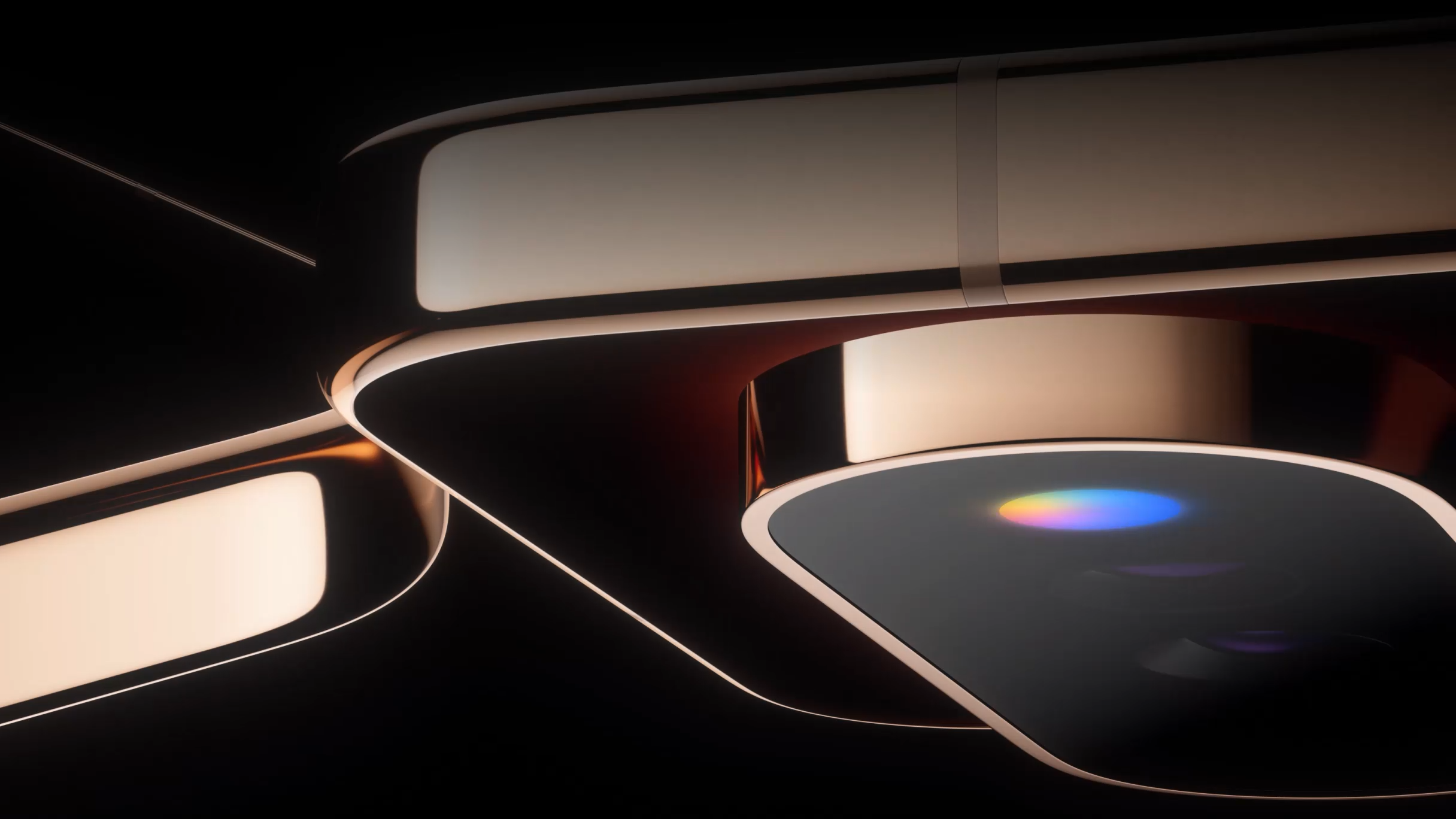
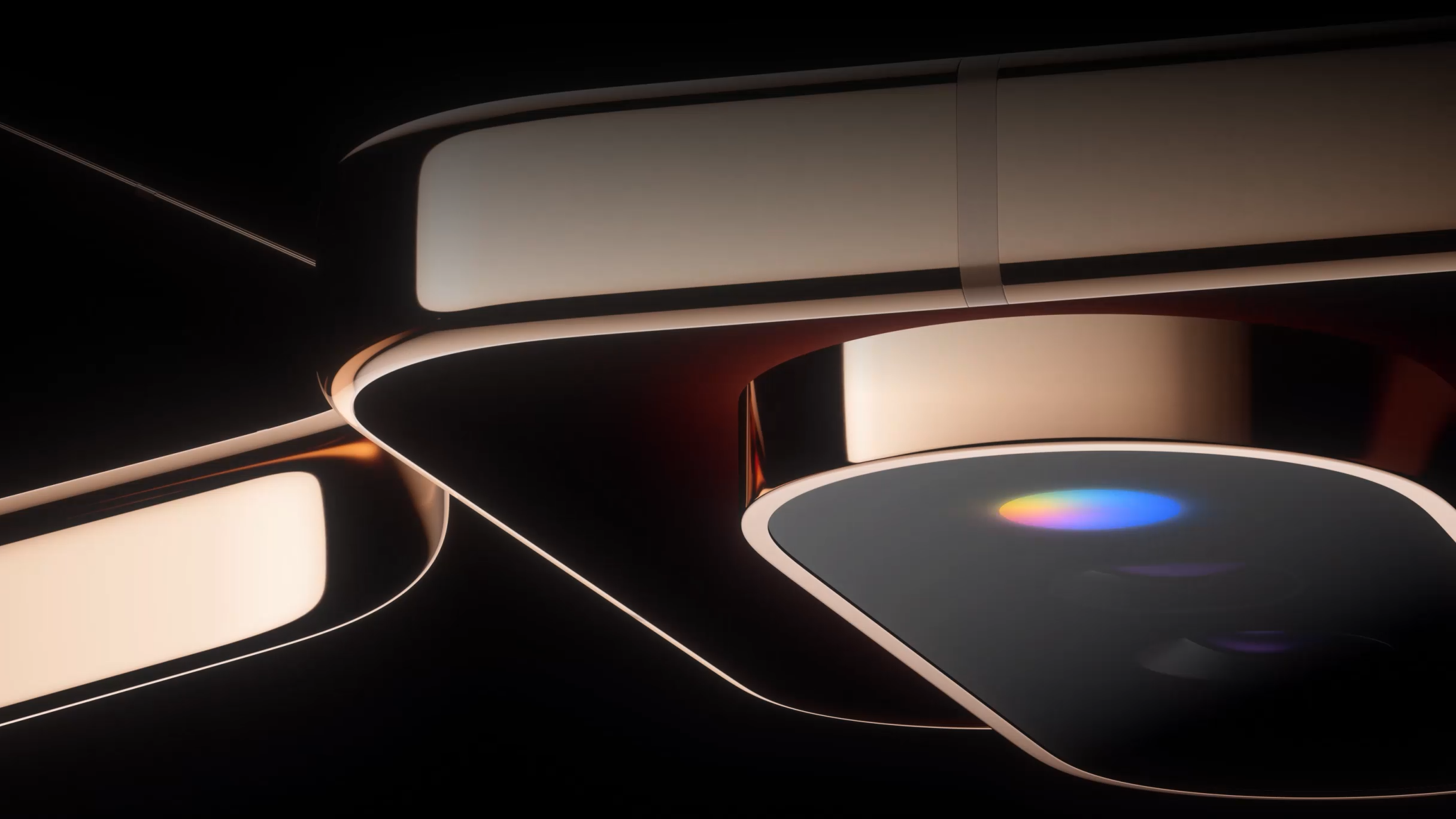
It’s a shame, especially considering what other brands like Nothing and Xiaomi have done with screens and lights on the back of phones, such as the Nothing Phone 2 or the Xiaomi Mi 12. The high-contrast lighting effect and reflections in Google’s teasers for the Pixel 11 phones showed how cool HiLight could have been if it was a ring light around the edge of the camera module.

Conclusion

In conclusion, the Google Pixel 11 Pro’s HiLight feature is a missed opportunity for Google. With a more advanced implementation, it could have opened up more dynamic possibilities for its functionality, such as circling in different directions, speeds, and combinations of sections and pulses for different alerts and functions, similar to the notification features found on devices like the iPad Air M2 or the Amazon Echo Show 15.

Google Pixel 11 to Rival Apple’s Face ID with Project Toscana

Google Pixel 11 featuring Project Toscana, a facial recognition technology that rivals Apple's Face ID, with a woman looking at her phone and a fingerprint on the screen, showcasing the device's advanced security features and sleek design

Google Pixel 11: A New Era in Facial Recognition

Apple’s Face ID has been the gold standard for facial recognition in smartphones for over eight years. However, Google is reportedly working on a real alternative, codenamed Project Toscana, which promises to be just as quick and reliable as Face ID. This new technology is set to revolutionise the way we unlock our devices. With Project Toscana, Google aims to provide a seamless and secure experience for its users.

The Google Pixel 11 is rumoured to be the first device to feature this innovative technology. As a result, it is expected to give Apple’s iPhone a run for its money in the facial recognition department. The Pixel 11’s advanced camera system and machine learning algorithms will work in tandem to provide a fast and accurate facial recognition experience.

Google’s Project Toscana is not just limited to smartphones; it is also expected to be integrated into Chromebooks. This will provide a unified experience across all Google devices, making it easier for users to switch between their smartphone and laptop. The technology is still in its development phase, but it has the potential to change the way we interact with our devices.

The success of Project Toscana will depend on its ability to provide a secure and seamless experience for users. If Google can get it right, it could be a game-changer for the tech giant. With the Pixel 11 and Project Toscana, Google is poised to take the lead in the facial recognition market, giving Apple a run for its money.

The Google Pixel 11 is expected to be released soon, and with it, the highly anticipated Project Toscana. As the tech world waits with bated breath, one thing is certain – the future of facial recognition is about to get a whole lot more interesting. Google’s innovative approach to facial recognition is set to revolutionise the way we interact with our devices, and it will be exciting to see how it all unfolds.

In conclusion, the Google Pixel 11 and Project Toscana are set to change the facial recognition landscape. With their advanced technology and seamless experience, they are poised to give Apple’s Face ID a run for its money. As the tech world continues to evolve, it will be interesting to see how Google’s innovative approach to facial recognition will impact the market.

The Google Pixel 11 and Project Toscana are just the beginning of a new era in facial recognition. As the technology continues to develop, we can expect to see even more innovative features and advancements. The future of facial recognition is looking bright, and Google is at the forefront of it all.

With the Google Pixel 11 and Project Toscana, Google is set to take the lead in the facial recognition market. The company’s innovative approach to facial recognition is set to revolutionise the way we interact with our devices, and it will be exciting to see how it all unfolds. The Google Pixel 11 and Project Toscana are just the beginning of a new era in facial recognition.

Google Pixel 11: Release Date, Price, and Specs Revealed

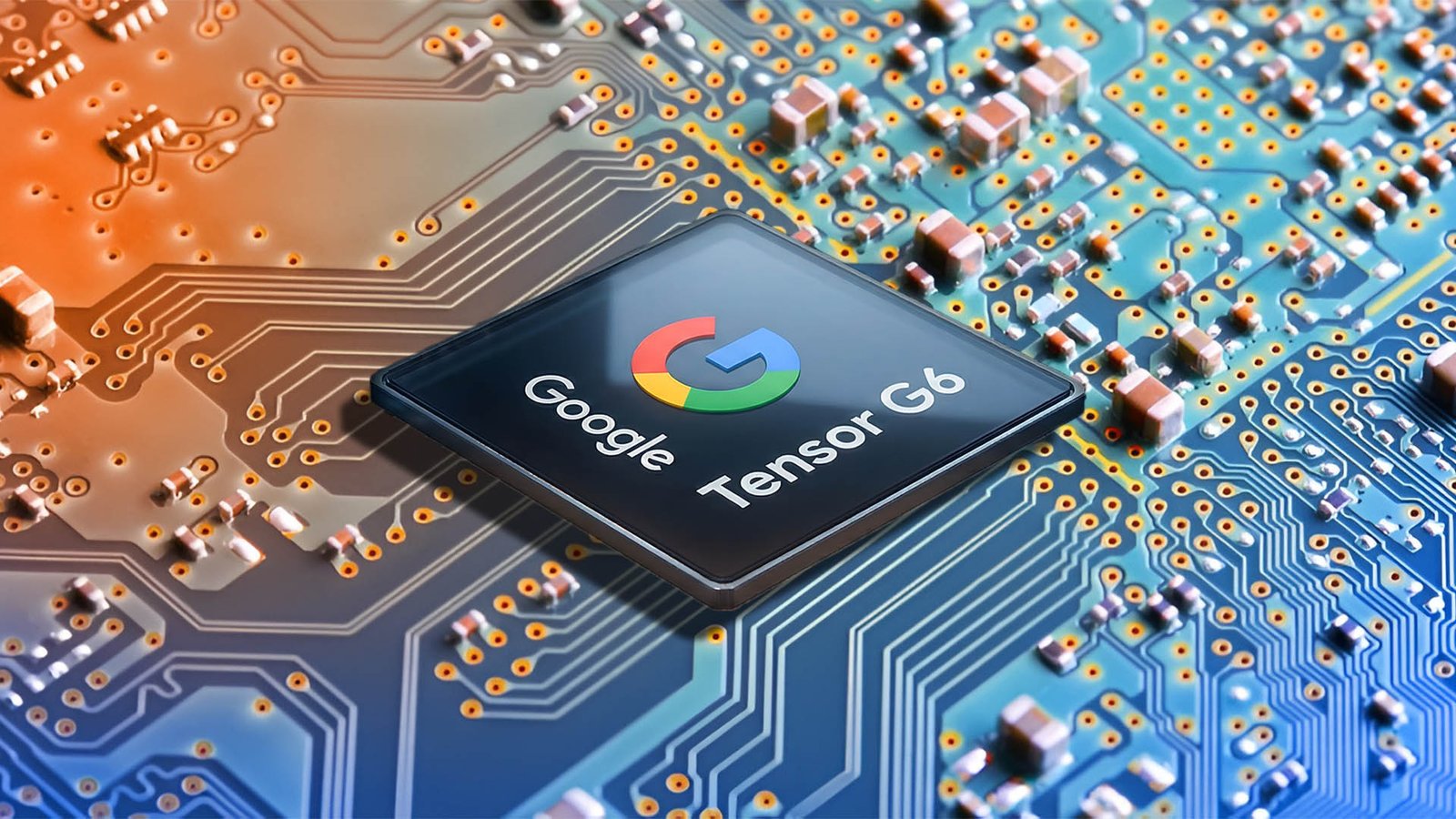
The Google Pixel 11 series features a range of exciting new features, including a Tensor G6 chip and improved facial recognition. With a potential summer launch and a competitive price point, the Pixel 11 series is likely to be a top contender in the Android phone market. The devices will likely have high-resolution OLED displays with improved brightness, colour accuracy, and refresh rates, making them perfect for watching videos or browsing the web.

Google Pixel 11: Everything We Know So Far

The Google Pixel 11 series is one of the most anticipated Android phone releases of 2026, and for good reason. With a potential summer launch and a host of exciting new features, including a Tensor G6 chip and improved facial recognition, the Pixel 11 is set to be a game-changer. In this article, we’ll take a closer look at what we know so far about the Pixel 11 series, including its release date, price, and specs.

The Pixel 11 series is expected to include four devices: the standard Pixel 11, the Pixel 11 Pro, the Pixel 11 Pro XL, and the Pixel 11 Pro Fold. Each device is expected to have its own unique features and specs, but all will likely include the new Tensor G6 chip and improved facial recognition. The Pixel 11 Pro Fold, in particular, is expected to have a removable battery and a more secure facial recognition system.

In terms of design, the Pixel 11 series is not expected to undergo any major changes, but may include some minor tweaks to the camera setup and display. The devices will likely have high-resolution OLED displays with improved brightness, colour accuracy, and refresh rates. The camera setup is expected to include a next-generation telephoto lens with up to 100x zoom, as well as an upgraded Cinematic Blur mode and Ultra Low Light Video mode.

The Pixel 11 series will also include a range of new software features, including a ‘Speak-to-Tweak’ feature that allows users to make voice-based adjustments to their photos, and a ‘Sketch-to-Image’ tool that converts rough sketches into detailed images. The devices will also include a range of always-on health monitoring tools, thanks to the nanoTPU technology embedded within the Tensor G6 chip.

Overall, the Pixel 11 series is shaping up to be an exciting release, with a range of new features and specs that are sure to impress. With a potential summer launch and a competitive price point, the Pixel 11 series is likely to be a top contender in the Android phone market.

Google Pixel 11 Pro: Is Pixel Glow Enough?

Google Pixel 11 Pro teaser image

Google Pixel 11 Pro: A New Notification System

Ahead of the Made by Google 2026 event on 12 August, Google has released a teaser video showcasing the Pixel 11 series, particularly the Pixel 11 Pro. The video highlights the various Google services, such as Gmail, Google Maps, and Gemini, before introducing the Pixel 11 Pro as the next logical step.

The teaser video also gives us a glimpse of the Pixel 11 Pro‘s design, including its signature camera bar and the new ‘Pixel Glow’ feature. This feature appears to be an advanced LED notification system, with the camera flash lit up in multiple colours.

However, it’s worth noting that this feature might be exclusive to the Pixel 11 Pro, which could make the regular Google Pixel 11 a more attractive option for some users. The Pixel 11 Pro is rumoured to be ditching the thermometer feature, which was introduced with the Google Pixel 8 Pro, in favour of the Pixel Glow system.

Is Pixel Glow Enough?

The Pixel Glow feature is reminiscent of the Nothing Phone (4a) Pro’s ‘Glyph’ interface, which has supplied various forms of animated indicators and timers. However, the tiny size of the Pixel Glow system has raised some doubts about its usefulness.

For those who are dubious about the worth of such face-down notification systems, the regular Google Pixel 11 might be a better choice. The Pixel 11 series is set to be featured at the Made by Google 2026 event, where we can expect to learn more about the new features and improvements.

In comparison to other smartphones, such as the Samsung Galaxy S25 and the Apple iPhone 17, the Google Pixel 11 series has a lot to offer. The Pixel 11 Pro’s camera system, for example, is expected to be one of the best on the market, rivaling that of the Samsung Galaxy S25 Ultra.

Additionally, the Google Pixel 11 series is expected to come with the latest Android operating system, which will provide a seamless user experience. The iPad Air M2 and the Apple Watch Series 10 are also great devices, but they may not offer the same level of integration as the Google Pixel 11 series.

Google Pixel 11: Release Date, Price, and Specs Revealed

Google Pixel 11 series: a range of Android phones with advanced features and specs, including a Tensor G6 chip, removable batteries, and enhanced facial recognition, with a potential summer launch and a starting price of around £799/$799

Google Pixel 11: Everything You Need to Know

The Google Pixel 11 series is one of the most anticipated Android phone releases of 2026, and for good reason. With a potential summer launch, the new range is expected to bring a host of exciting features, including a Tensor G6 chip, removable batteries, and enhanced facial recognition. The Pixel 11 series will likely include four devices, with the Pro Fold model potentially getting a later release date.

The Pixel 11 range is expected to start at around £799/$799 for the base model, with the Pro version potentially costing around £999/$999. However, a price rise wouldn’t be surprising, given the recent trends in the smartphone market. The Pro XL and Pro Fold versions might cost around £1,199/$1,199 and £1,749/$1,799, respectively.

In terms of specs and features, the Google Pixel 11 will likely come with a new Tensor G6 chipset, Google’s own take on Face ID, and potentially removable batteries. The phone will also feature a new MediaTek modem for faster network speeds. The design and build of the Pixel 11 series are not expected to change significantly, but there is a possibility that Google might slim down the handsets to compete with other manufacturers.

The Pixel 11 series will likely continue with high-resolution OLED displays, with improvements to brightness, colour accuracy, and refresh rate. The camera setup on the Pixel 11 series is expected to be one of the most advanced seen on a flagship phone, with a next-generation telephoto lens that supports up to 100x zoom. The phone will also feature an upgraded Cinematic Blur mode, enhancing the immersive ‘bokeh’ effect in videos.

The Pixel 11 series will also come with a range of software enhancements, including the ‘Speak-to-Tweak’ feature, which allows users to make voice-based adjustments to their photos. The phone will also feature ‘Sketch-to-Image,’ a tool that converts rough sketches into detailed images. Additionally, the Pixel 11 series may debut with an array of always-on health monitoring tools, thanks to the nanoTPU technology embedded within the Tensor G6 chip.

Google Pixel 11 Tensor G6 Leak Reveals Disappointing Specs in UK

Google Pixel 11 smartphone with Tensor G6 chipset, featuring a 7-core CPU and average performance, available in the UK market with various colour options

Google Pixel 11 Tensor G6: A Missed Opportunity for the Search Giant in the UK

The Tensor G5 was a missed opportunity for Google, as it was the company’s first chipset to be mass-produced by TSMC, yet it still managed to be slower than a near-six-year-old A14 Bionic found in the iPhone 12 Pro Max. This behaviour was disappointing, to say the least. The colour of the situation was not bright for Google. The company’s decision to produce its own chipset was meant to analyse and improve performance.

Normally, we’d forgive the Mountain View giant’s mistakes, but according to the latest leak, history could repeat itself, as a new Tensor G6 leak suggests it will likely share its predecessor’s disappointing attributes. This means that the Pixel 11 launch could once more be an entire generation behind its rivals in the UK. The leak reveals a 7-core CPU in the new Geekbench 6 test, which is not impressive.

The implications of this leak are significant, as it could affect the sales of the Pixel 11 in the UK. Consumers are likely to be put off by the lack of competitiveness in the device’s specs. The situation is not ideal for Google, as it is trying to establish itself as a major player in the smartphone market. The company needs to improve its behaviour and produce better specs to compete with its rivals.

The Tensor G6 leak is a cause for concern for Google fans in the UK. The device’s specs are not impressive, and it may struggle to keep up with the latest smartphones from other manufacturers. The company needs to analyse its strategy and make changes to improve its products. The colour of the situation is not bright, but Google can still turn things around.

The Pixel 11 launch is expected to be a major event in the UK, but the Tensor G6 leak has dampened the excitement. The device’s specs are not what fans were hoping for, and it may not be competitive with other smartphones. The situation is disappointing, but Google can still make changes to improve the device. The company needs to behave quickly and make the necessary adjustments.

The UK smartphone market is highly competitive, and Google needs to produce a device that can compete with the latest smartphones from other manufacturers. The Tensor G6 leak is a setback, but it is not the end of the world. Google can still improve the device and make it more competitive. The company needs to analyse its behaviour and make the necessary changes to succeed in the UK market.

In conclusion, the Tensor G6 leak is a disappointment for Google fans in the UK. The device’s specs are not impressive, and it may struggle to compete with other smartphones. However, Google can still make changes to improve the device and make it more competitive. The company needs to behave quickly and make the necessary adjustments to succeed in the UK market.

The situation is not ideal, but Google can still turn things around. The company needs to produce a device that can compete with the latest smartphones from other manufacturers. The Tensor G6 leak is a setback, but it is not the end of the world. Google can still improve the device and make it more competitive in the UK market.

Only time will tell if Google can turn things around and produce a competitive device. The company needs to analyse its behaviour and make the necessary changes to succeed in the UK market. The Tensor G6 leak is a disappointment, but it is not the end of the world. Google can still improve the device and make it more competitive.

The UK smartphone market is highly competitive, and Google needs to produce a device that can compete with the latest smartphones from other manufacturers. The Tensor G6 leak is a setback, but it is not the end of the world. Google can still improve the device and make it more competitive. The company needs to behave quickly and make the necessary adjustments to succeed in the UK market.

Google Pixel 11 Pro: A UK Perspective on the Latest Leaks and Rumours

The Google Pixel 11 Pro is expected to feature a new camera sensor and 'Pixel Glow' lights, but the removal of the Thermometer app has raised concerns among fans, who will be watching the UK smartphone market with interest

Google Pixel 11 Pro: What to Expect from the Latest Flagship

The Google Pixel 11 series is set to be a significant upgrade, with a new Tensor G6 chipset, improved internet connections, and a refreshed Tensor Processing Unit (TPU) for AI tasks. However, the removal of the Thermometer app has raised concerns among fans.

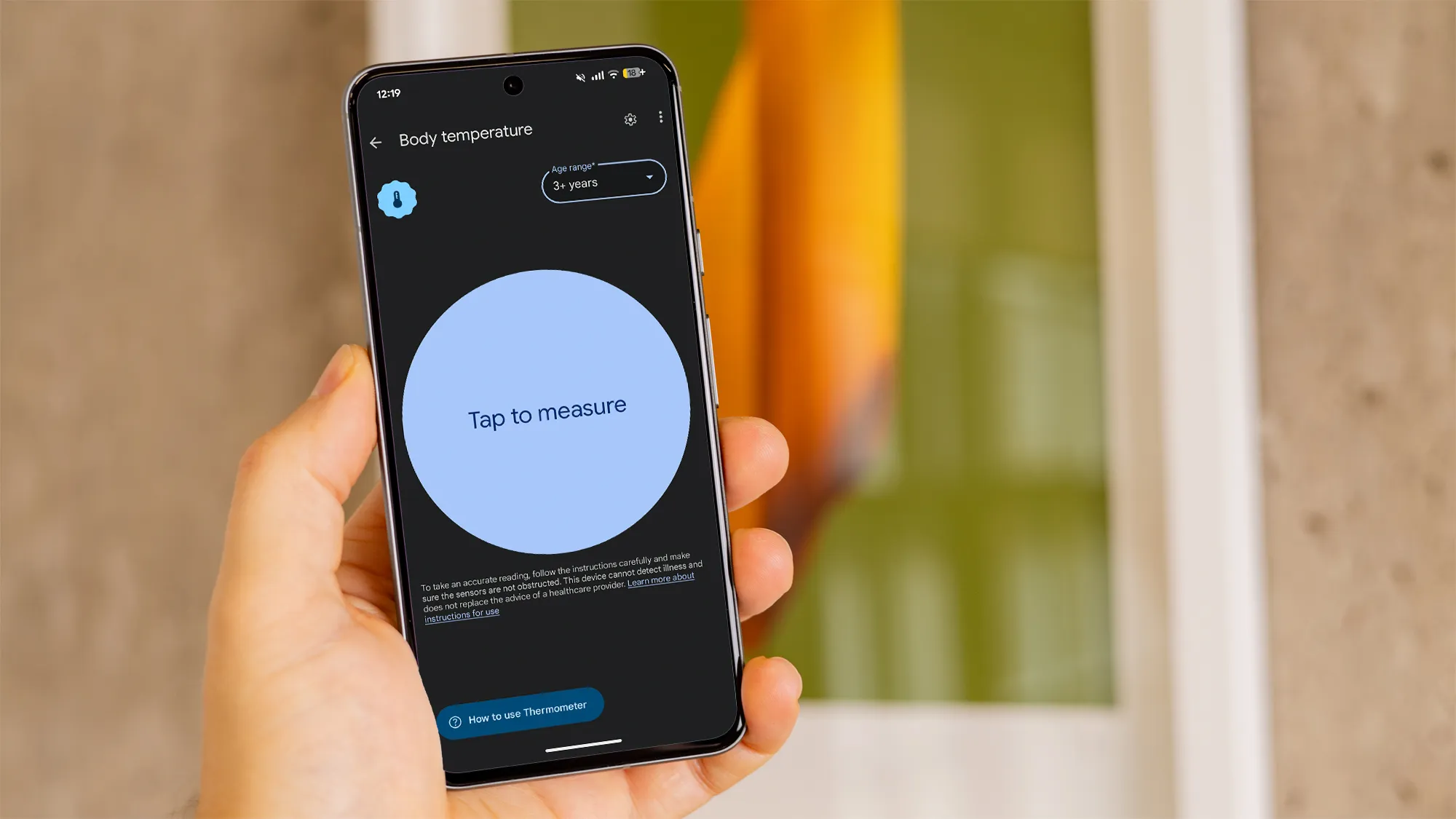
The Thermometer app, introduced on the Pixel 8 Pro, has been a unique feature of Pixel Pro phones, allowing users to measure the temperature of various objects and surfaces. Its removal makes little sense, given its wide-ranging potential applications and minimal space requirements.

The Pixel 11 Pro models are also expected to feature ‘Pixel Glow’ RGB LEDs, which may prove to be a distracting gimmick. As someone who values mindful phone use, the idea of flashing lights on the back of the phone is a nightmare.

Despite these concerns, the Pixel 11 Pro handsets may still be worth buying, depending on their overall performance and features. The UK market will be watching with interest as more information becomes available.

The Thermometer app’s body temperature recording feature has received FDA approval, making it a reliable and convenient tool. Its removal may be a significant loss for some users, particularly those who rely on it for health monitoring.

In terms of camera capabilities, the Pixel 11 Pro is expected to feature new camera sensors, which may improve phone photography. However, the specifics of these upgrades are still unknown, leaving fans eagerly awaiting more information.

The ‘Pixel Glow’ lights, on the other hand, may be a gimmick that fails to impress. With the Nothing smartphones’ ‘Glyph’ lights being a similar feature, it remains to be seen whether Google’s implementation will be more successful.

As the UK smartphone market continues to evolve, the Pixel 11 Pro series will face stiff competition from other flagship devices. Whether the new features and upgrades will be enough to make the Pixel 11 Pro a top choice remains to be seen.

One thing is certain, however: the Pixel 11 Pro series will be a significant release, with the potential to shake up the UK smartphone market. With its unique features and improved performance, it may be the perfect choice for those seeking a high-end device.

Only time will tell if the Pixel 11 Pro will live up to the hype, but one thing is clear: the UK will be watching with great interest as more information becomes available. The combination of new camera sensors, improved AI capabilities, and unique features like the Thermometer app make the Pixel 11 Pro a compelling choice for many.

As the launch of the Pixel 11 Pro series approaches, fans and critics alike will be analysing every detail, from the new camera sensors to the ‘Pixel Glow’ lights. The UK market will be eager to see how the new devices perform, and whether they will be enough to make the Pixel 11 Pro a top choice.

The removal of the Thermometer app may be a significant loss, but the Pixel 11 Pro series still has much to offer. With its improved performance, new camera sensors, and unique features, it may be the perfect choice for those seeking a high-end device in the UK.

In conclusion, the Google Pixel 11 Pro series is set to be a significant release, with the potential to shake up the UK smartphone market. With its unique features, improved performance, and new camera sensors, it may be the perfect choice for those seeking a high-end device.

Google Pixel 11 Pro Leaks

Google Pixel 11 Pro in matte black finish

Google Pixel 11 Pro Leaked in New Finish

We’re just over a week away from the official Google Pixel 11 launch, but the leaks just keep coming. The most recent is a close-up look at the Google Pixel 11 Pro in its new finish, which is set to rival the likes of the Samsung Galaxy S25 and Apple iPhone 17 Pro.

With a seeming lack of upgrades – well, it is 2026 – the Google Pixel 11 colours the phones will arrive in are possibly the most interesting thing about them. And Evan Blass has given us the best look yet at the matte black Pro model, which is a departure from the glossy frames typically found on Pro models, such as the Apple Watch Series 10.

This will be good news for some people as the Pro models typically come with a glossy frame, but the Google Pixel 11 Pro bucks that trend. At least, it does for the black model which Google normally calls Obsidian, though it’s tipped to be called ‘Midnight Haze’ this year, similar to the iPad Air M2’s sleek design.

The official-looking image shows a detailed look at the powder-coated look of the frame, which is also matched by metal surrounding the camera bar, similar to the Samsung Galaxy S25‘s camera setup.

Other Colours and Features

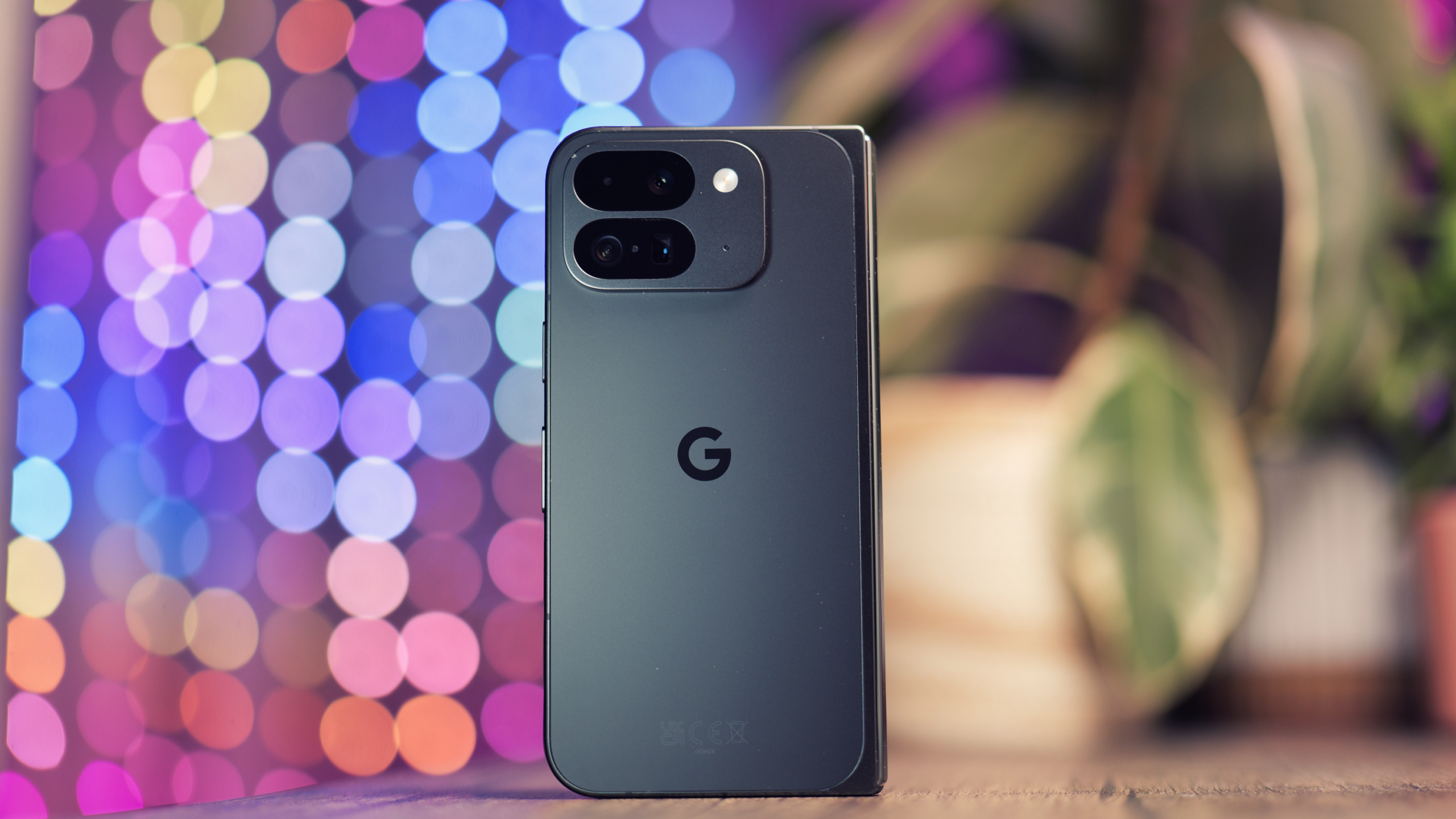
The other colours – reportedly Light Fog, Pine and Dune – will all have shiny frames in silver, brass and gold tones respectively, if previous leaks are accurate. Blass also includes a good look at the Dune colour with its bright pink/orange rear cover as well as other shots seemingly confirming various specs and features of the Google Pixel 11 Pro, including the Tensor G6 chipset and Gemini Intelligence.

Primarily the Google Pixel Glow light, which could be called HiLight instead, seen in both multi-coloured and blue modes as well as off. The leak also suggests the following: Tensor G6 chipset, Gemini Intelligence, Increase to 120x for Pro Zoom, Possible new mode for capturing video and photo together, and Possible improved Night Sight, all of which will be rivalled by the upcoming Apple iPhone 17 Pro and Samsung Galaxy S25.

All will be revealed on 12 August, though there’s little left for Google to say at this point, especially after the Google Pixel Tag leaked, which is set to be a game-changer in the world of smartphones, alongside the Apple iPhone 17 Pro and Samsung Galaxy S25.