Google Pixel Tag vs Tile Slim
Introduction
I can remember it like it was yesterday. July 2022. A short train journey that turned into a horror show. The wallet that slipped out of my pocket on a train. Cue a 9pm wild goose chase, where I dashed to and from Paddington station in a futile attempt to track it down.
After a sleepless night in my hotel and an extremely stressful next morning, I resolved never to let it happen again. Incredibly, I managed to get my wallet and all its contents back, thanks to the kindness of the train crew and the invaluable MissingX site.
Tile Trackers
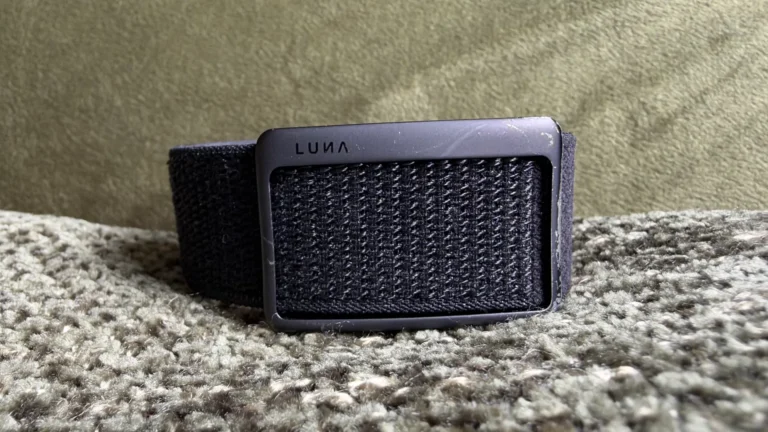
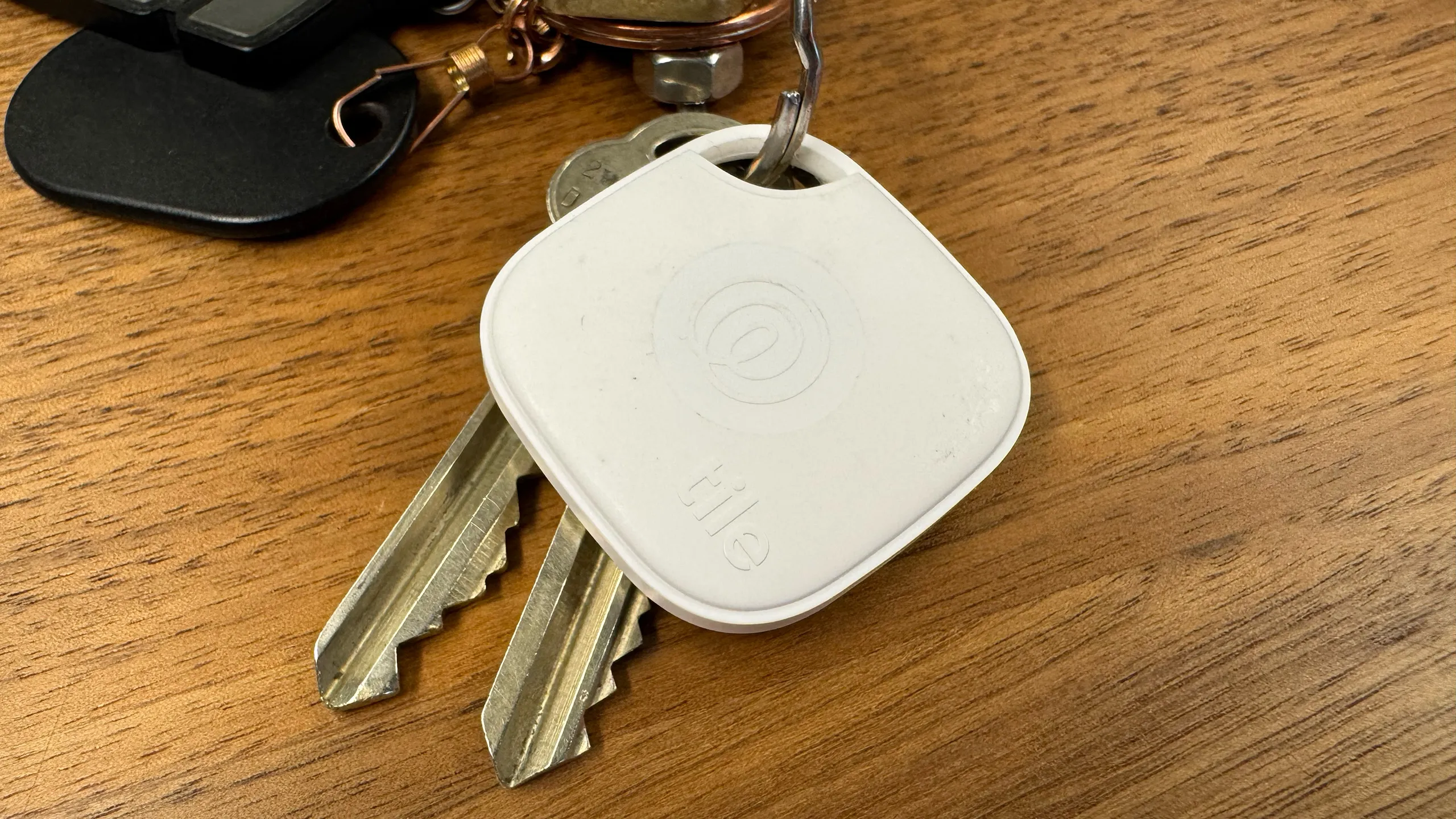
But it wasn’t long before a Tile Slim for my wallet and Tile Pro for my keys were on their way to my house. They’ve proven their value on multiple occasions since, and the idea of going out with my wallet or keys and no tracker fills me with dread.
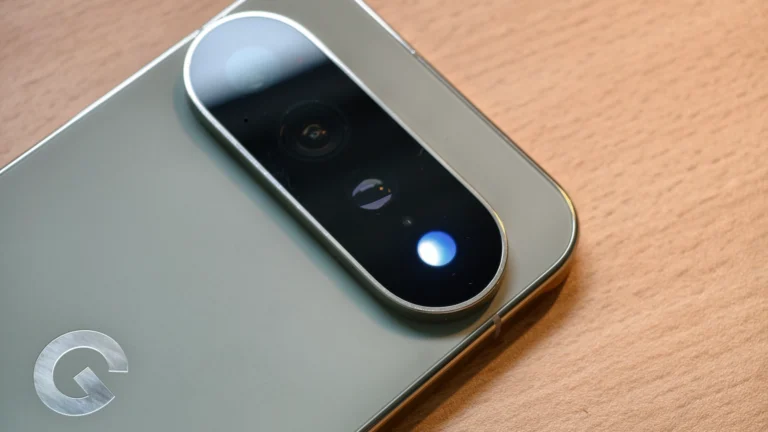
However, Tile has a new competitor in the form of Google’s first-ever Pixel Tag. Here are four ways it beats Tile, plus one reason I’ll be holding off on switching.
Improved Range
In order for a Tile tracker to update its location, it must be within Bluetooth range of a mobile device with the Tile app installed and running in the background. Despite their popularity, this is only a tiny fraction of all smartphones in any given area.
By contrast, the Pixel Tag will use Google’s Find Hub (formerly Find My Device), which can use any Android device that’s within range, meaning that the location is much more likely to be accurate. Chipolo devices are already superior to Tile when it comes to range.
Separation Alerts
I’ve been using Tile’s free tier for the last four years, but it has a limited feature set compared to the Tile Premium plan.
The feature I miss the most is smart separation alerts, something Apple’s AirTag excels at. Being notified anytime you leave home without your wallet or keys would be so useful, but it’s not worth shelling out £30/$30 per year.
By contrast, the Pixel Tag includes it as standard, which is a major win.
Ultra-Wideband
One of the Pixel Tag’s biggest upgrades over Tile is built-in Ultra-Wideband (UWB) technology.
My favourite benefit of this is directional guidance to find your lost items. I’ve always been envious of the AirTag’s ultra-precise directions, so I’m really excited to try it.
Security Upgrade
I’ve happily been using Tile’s location data to keep tabs on my valuables, but its relative lack of security concerns me.
Unlike many rivals, Tile doesn’t encrypt the data that its tags broadcast, leaving it vulnerable to hackers. Given that these trackers are on people basically the entire time we’re out and about, it means stalkers could theoretically track us down.
Not so with Find Hub trackers. End-to-end encryption means that no-one can see your tracker’s location data – not even Google. That extra peace of mind means you get all the location tracking benefits with none of the potential downsides.
Wallet Solution
The Pixel Tag looks great, and I’d love to try it on my keys.
But what about my wallet? It’s not practical to try and attach an oblong device to such a slimline device.
The Tile Slim is perfect for this – it’s barely thicker than a credit card, so it slots into my wallet seamlessly. It’s the same story for the Chipolo Card, which is even thinner.
In its current form, the Pixel Tag is only really suitable for bulkier options such as my keys or a backpack. I love all of the potential benefits of the Pixel Tag, but the lack of a wallet solution is a dealbreaker for me.