Google Pixel 12 Leak Highlights Display Ratio Shift and Sharper Foldable Screen
Overview of the Pixel 12 Leak
Recent data from the GSMA IMEI database, shared by a source known as OVRPlus, shows early listings for the upcoming Google Pixel 12 lineup. The entries list three main models – the standard Pixel 12, the Pixel 12 Pro and the larger Pixel 12 Pro XL – along with a set of numeric identifiers that hint at the devices’ internal specifications. While the leak does not reveal pricing or camera details, the most striking information concerns the screen resolutions, which appear to deviate from the patterns set by the Pixel 11 series released last year.
Resolution Adjustments and Aspect Ratio
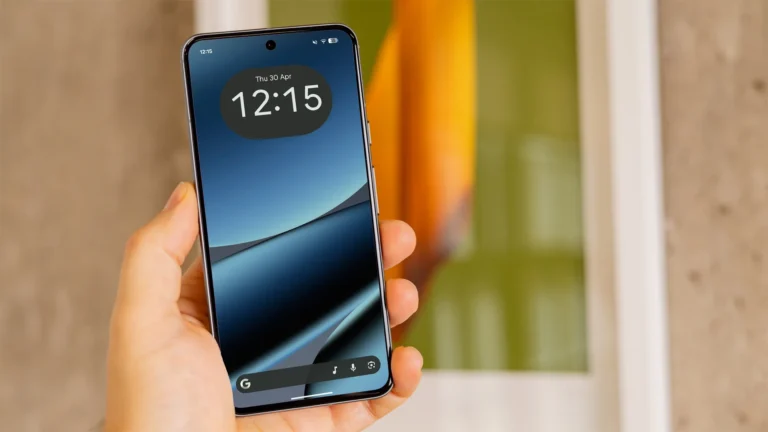
The standard Pixel 12 is reported to use a 1080 by 2400 pixel panel, a slight reduction from the 1080 by 2424 display on the Pixel 11. This 24‑pixel difference translates into a marginally wider aspect ratio, moving the screen shape closer to a 20:9 format rather than the previous 19.5:9. The Pixel 12 Pro and Pixel 12 Pro XL follow the same trend, each losing a handful of vertical pixels while keeping the same horizontal count. The change is subtle enough that most users will not notice a loss in sharpness, but it does suggest Google is experimenting with screen geometry to improve media consumption or battery efficiency.
Foldable Variant Gets a Boost
Perhaps the most exciting detail concerns the Pixel 12 Pro Fold, which is listed with an internal resolution of 2296 by 2404 pixels. This is a noticeable increase over the 2076 by 2152 panel found in the Pixel 11 Pro Fold. The higher pixel count should make text and images appear crisper, especially when the device is opened to its full size. At the same time, the numbers indicate Google is not yet committing to the ultra‑wide foldable trend championed by competitors such as the Samsung Galaxy Z Fold 8 or the rumored iPhone Duo. The leak therefore implies that a potential Pixel Wide model may be delayed or omitted from the 2027 launch schedule.
How This Compares With Competing Flagships
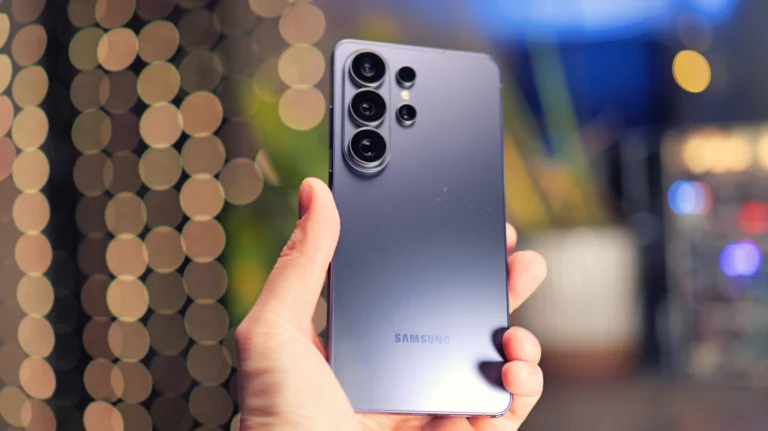
When placed alongside other flagship announcements, the Pixel 12 adjustments appear modest. Samsung Galaxy S24, for example, continues to use a 1440 by 3200 display, while Apple iPhone 15 Pro sticks with a 1179 by 2556 panel. Both manufacturers are focusing on higher refresh rates and brighter panels rather than altering aspect ratios. OnePlus 12, another upcoming contender, is rumored to retain a 1080 by 2412 screen, keeping the traditional tall rectangle. In this context, Google’s decision to trim a few vertical pixels may be a strategic move to differentiate the Pixel experience without overhauling the hardware roadmap.
Potential Impact on Users and Developers
For end users, the shift in aspect ratio could affect how apps render full‑screen content, especially games and video streaming services that rely on specific dimensions. Developers may need to update layout guidelines to accommodate the slightly wider screens, but the change is unlikely to cause major compatibility issues. From a battery perspective, a marginally shorter vertical pixel count could reduce power draw during scrolling, offering a small but welcome extension to the already respectable endurance of Google Pixel devices.
What to Expect From the 2027 Release
While the leak provides a glimpse of the hardware direction, many questions remain unanswered. Pricing, camera upgrades, and software features such as the next version of Android have yet to be confirmed. If the Pixel 12 Pro Fold’s sharper display proves successful, Google may later introduce a wider foldable model under a different name, perhaps aligning with the “Pixel Wide” moniker that has floated in rumors. Until official announcements arrive, enthusiasts will continue to compare the emerging specs with those of Samsung Galaxy S24, Apple iPhone 15 Pro, and other premium smartphones slated for 2027.