Google Pixel face unlock could get brighter in darkness with upcoming software update
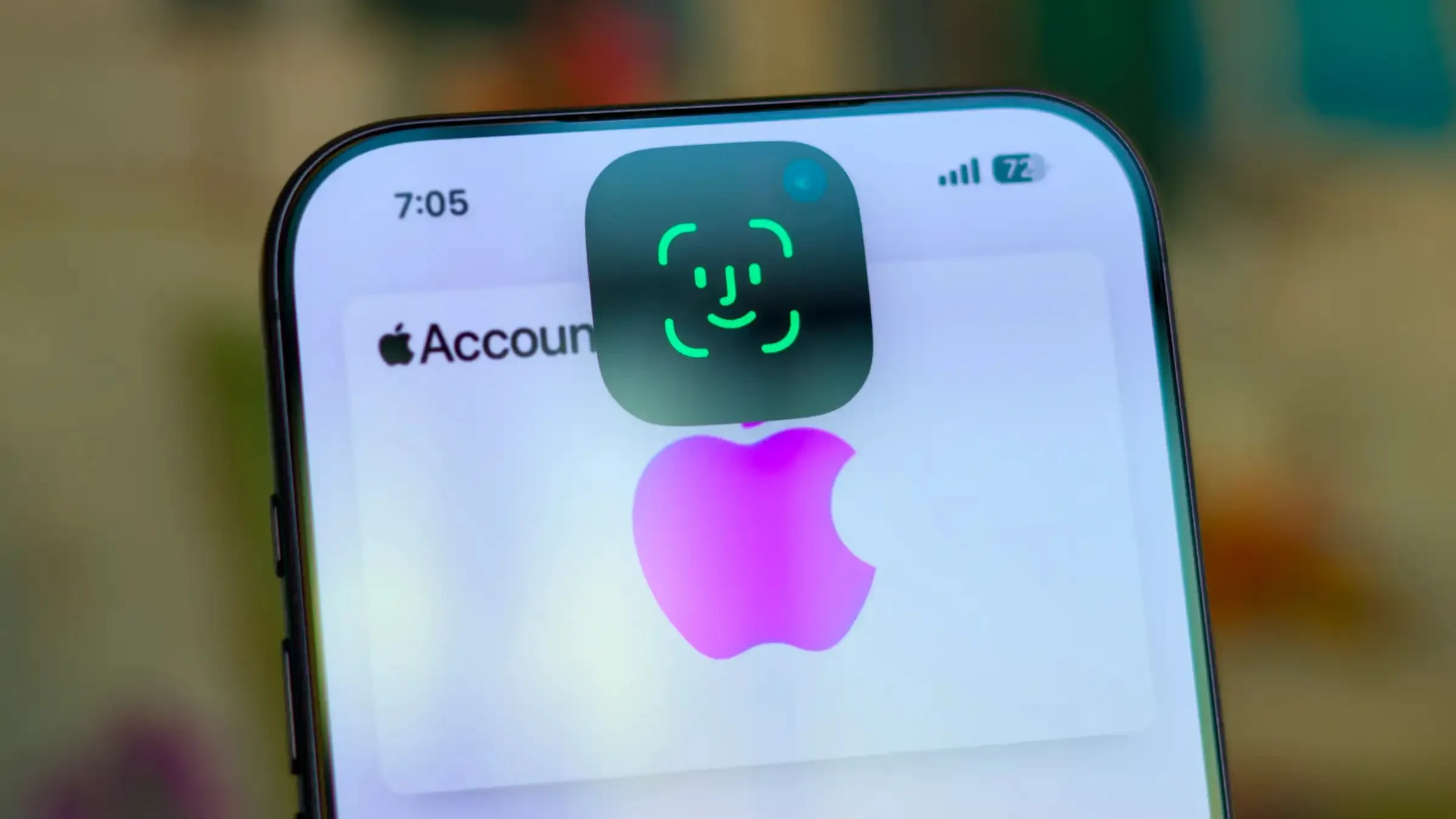
Why Pixel’s Face Unlock Fell Short
When the Google Pixel 8 and Pixel 8 Pro finally introduced a true 3D facial authentication system, Android users celebrated a long‑awaited rival to Apple iPhone 15 Face ID. The new sensors allowed payments, banking apps and device unlocking using only a face, a feature that felt revolutionary after years of basic 2D solutions.
However, the excitement dimmed quickly for many users who tried to unlock their phones in dimly lit rooms. Unlike the iPhone 15, which relies on an infrared dot projector to map a face in total darkness, the Pixel series depends on ambient light reflected off the screen. In low‑light conditions the system often fails, forcing users to turn on a flashlight or increase screen brightness before the phone recognises them.
Current Limitations in Dark Environments
The core issue stems from the lack of dedicated infrared hardware on the Pixel 11 and earlier models. Without a dot projector, the camera cannot generate a reliable depth map when the surrounding illumination is insufficient. As a result, the software falls back to a 2D image comparison that is easily confused by shadows, leading to repeated authentication failures.
For power users who rely on quick, hands‑free access to services like Google Pay, this shortcoming feels like a step back compared with the seamless experience on Samsung Galaxy S25 or Apple iPhone 15. The problem is especially noticeable at night, in movie theatres, or when the phone is stored in a pocket and the user tries to unlock it in a dark hallway.
Potential Software Fix in Android 17 QPR3
Android Authority recently uncovered code snippets in the beta for Android 17 QPR3 that reference “Face Active Illumination”. Additional strings such as “dark”, “brightness scale” and “bedtime” suggest that Google is experimenting with a software‑only solution to brighten the face when ambient light is low.
The most plausible implementation would involve detecting a low‑light environment and automatically increasing the screen brightness just enough for the front‑facing camera to capture a clear image of the user’s face. The system could also display a subtle prompt asking the user to briefly illuminate the screen, providing the extra light needed for a successful scan.
While this approach would not match the true infrared depth sensing of iPhone 15 Face ID, it would represent a meaningful improvement for Pixel 11, Pixel 12 and future models that lack dedicated hardware. Users would experience fewer failed attempts without having to manually adjust settings each time.
Hardware Possibilities with Project Toscana
Google has long hinted at a more ambitious roadmap under the codename Project Toscana. Leaks suggest that the upcoming Pixel 12 series could incorporate an infrared dot projector similar to Apple’s solution, enabling genuine 3D facial mapping in total darkness.
Adding such hardware would eliminate the need for any screen‑based illumination, delivering a Face ID‑like experience without a large notch or punch‑hole. The challenge lies in fitting the projector into the slim front‑face design while keeping costs reasonable for a mainstream flagship.
If Google proceeds with this hardware upgrade, it could finally close the gap with competitors like Samsung Galaxy S25, which already offers an advanced under‑display fingerprint sensor and is rumored to explore infrared facial recognition in future iterations.
What Users Can Expect
In the short term, Pixel owners can look forward to a potential software enhancement in the Android 17 QPR3 update that brightens the screen during face unlock attempts in dark rooms. This change should reduce the frustration of failed scans and make the feature more reliable for everyday use.
Long‑term, the introduction of an infrared projector in the Pixel 12 or later models would bring Android face unlock to parity with iPhone 15, offering secure authentication even in pitch‑black conditions. Until then, users who need consistent performance may still prefer the proven reliability of Samsung Galaxy S25’s fingerprint sensor or Apple iPhone 15’s Face ID.
Overall, the combination of a smart software tweak and a possible hardware refresh signals that Google is taking the shortcomings of its facial recognition seriously. Whether the upcoming updates are a stepping stone or the final solution, they represent a positive direction for Android security and user convenience.