Oppo Could Spark Wide Smartphone Revival With New 16:9 Flagship
Why a 16:9 Flagship Matters
In a year dominated by foldable experiments, the idea of returning to a classic 16:9 aspect ratio feels like a breath of fresh air. The original smartphone era, led by devices such as the Samsung Galaxy S7 series, relied on a balanced width and height that suited both media consumption and one‑hand operation. As screens grew taller, manufacturers chased larger display areas, often at the cost of ergonomics and video compatibility.
Oppo’s Planned Wide‑Screen Flagship
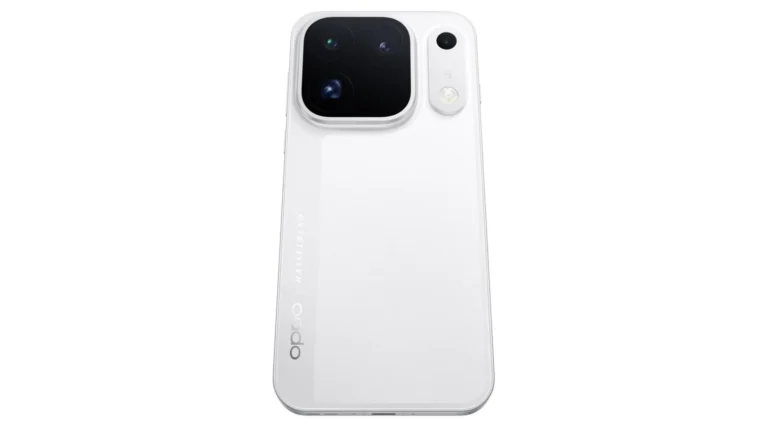
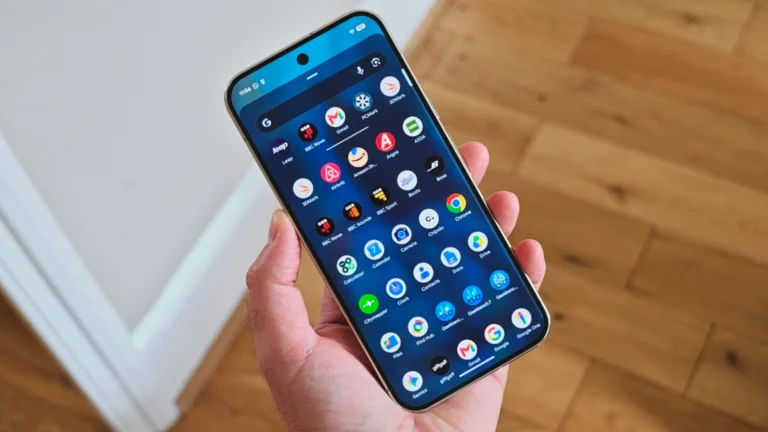
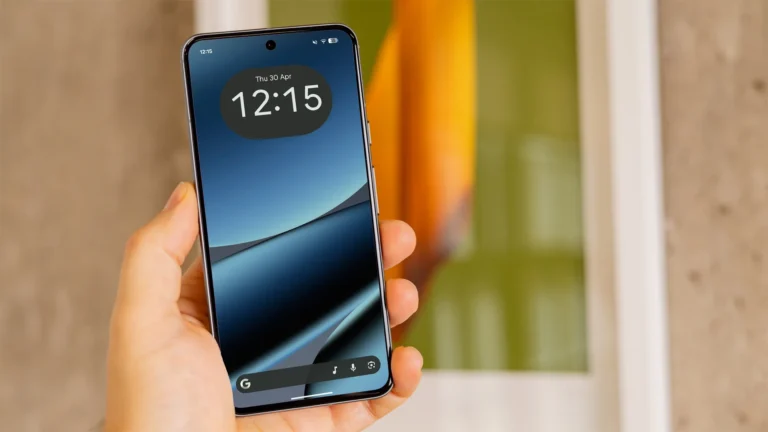
According to leaker Digital Chat Station, shared via Ice Universe on X, Oppo is developing a new flagship that will feature a traditional 16:9 screen with a razor‑thin 1mm bezel on all sides. While Huawei already launched the Pura X View in China with a similar form factor, Oppo’s version could be the first globally available model to champion this shape in 2027.
Eliminating Letterboxing for Movies and Shows
Most streaming services produce content in 16:9, meaning a widescreen phone can display movies and series without the black bars that plague taller displays. The annoyance of letterboxing has forced platforms to offer cropped versions, which sacrifice important visual information. With Oppo’s proposed bezel‑free design, viewers can enjoy full‑frame video on a device that feels as immersive as a tablet, yet fits comfortably in a pocket.
One‑Handed Use Returns
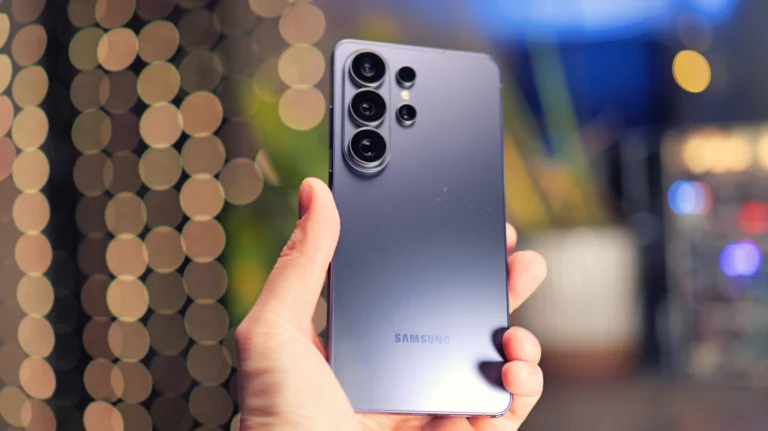
The proposed width of around 81mm puts the Oppo phone only slightly wider than the Samsung Galaxy S26 Ultra, which measures 78mm. Height is where the real shift occurs. If the device follows the dimensions hinted by the Galaxy Z Fold 8’s cover screen—approximately 124mm tall—it will be noticeably shorter than current flagships. This reduction revives the possibility of genuine one‑handed operation, a feature that has faded as phones grew taller and required software tricks like one‑handed modes.
Impact on Short‑Form Content
Short‑form platforms such as TikTok and Instagram Reels have already adapted to a variety of aspect ratios. The Galaxy Z Fold 8’s cover screen demonstrates that a wider display does not hinder vertical video playback. Users of the upcoming Oppo phone can expect the same seamless experience, with the added benefit of a larger viewing area for both portrait and landscape content.
Comparisons With Other Flagship Devices
Apple’s iPhone Duo sparked the current interest in passport‑style devices, influencing the design of the Samsung Galaxy Z Fold 8 and the Xiaomi 18 Fold. However, those models remain foldable, adding mechanical complexity and higher price points. Oppo’s non‑folding approach could offer a more affordable entry into the widescreen market, appealing to consumers who appreciate the visual advantages without the foldable premium.
Potential Ecosystem Synergy
Integrating the new widescreen phone with existing accessories could strengthen its appeal. Pairing it with the Apple Watch Series 10 or the iPad Air M2 for cross‑device continuity would showcase how a classic aspect ratio can coexist with modern ecosystems. Users could start a video on the Oppo phone and seamlessly continue on a larger screen, preserving the 16:9 framing throughout.
Looking Ahead
While technical challenges remain—such as optimizing UI scaling for a wider layout—the benefits for media consumption and ergonomics are compelling. If Oppo’s flagship proves successful, it may inspire other manufacturers to revisit the 16:9 format, sparking a broader revival of widescreen smartphones in 2027 and beyond.