Samsung SmartTag 3 fails to work with other Android phones despite earlier promises
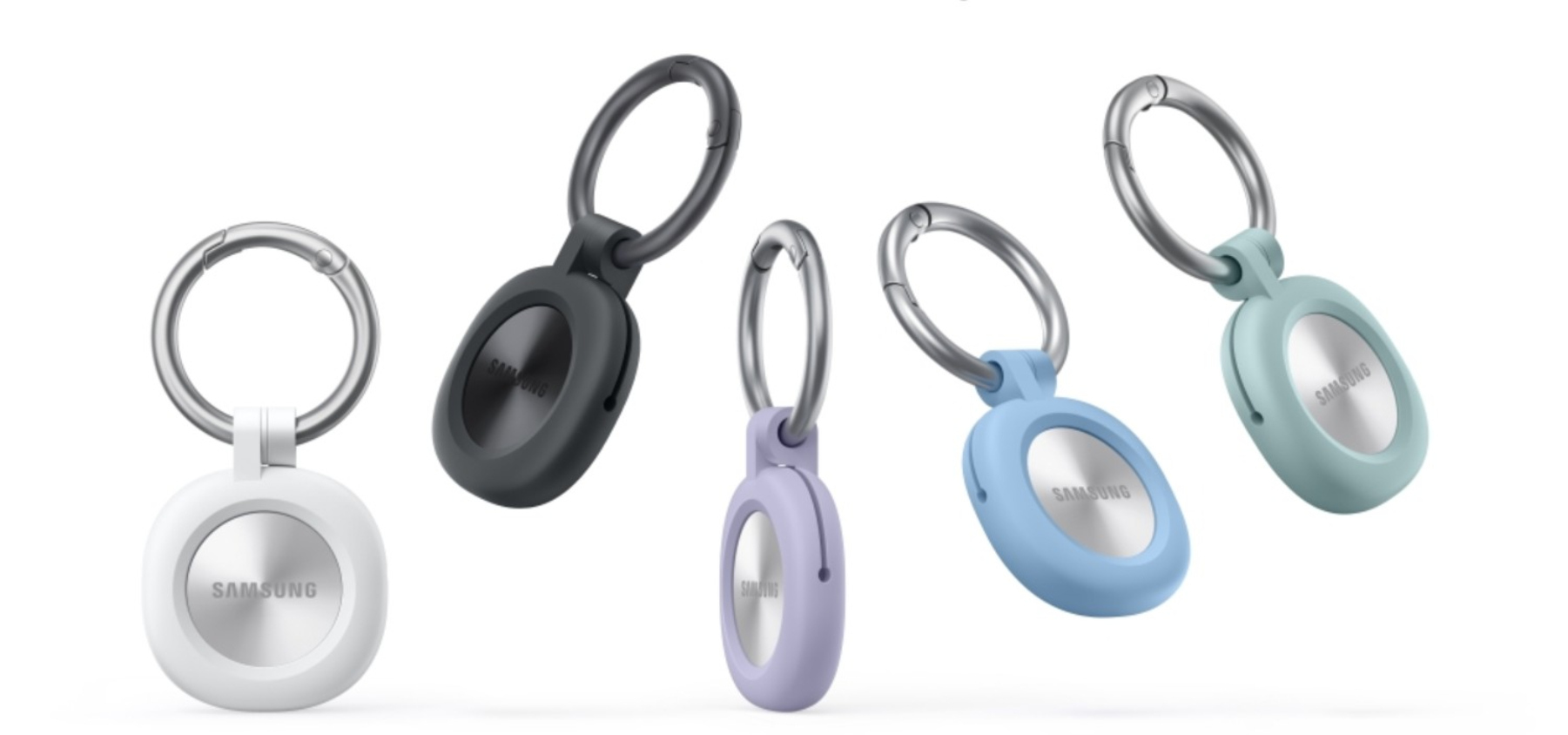
What Samsung promised for SmartTag 3
When Samsung unveiled the SmartTag 3, the company highlighted a new level of cross‑platform flexibility. Press releases claimed the tiny Bluetooth tracker would be usable on any Android device that could download the SmartThings and Samsung Find apps from the Google Play Store. The messaging suggested that owners of non‑Galaxy phones could finally enjoy the same convenience that Apple users get with AirTag. Early tech blogs even quoted Samsung spokespeople saying the device would broaden its ecosystem beyond the Galaxy lineup.
The reality of compatibility
In practice, the promise proved premature. Samsung later clarified to Android Authority that SmartTag 3 still connects exclusively to Galaxy smartphones. A Samsung spokesperson confirmed that there are no current plans to enable support for other Android brands. The tracker pairs through the Galaxy Wearable framework and relies on proprietary firmware that only Samsung devices run. As a result, users of devices such as the Google Pixel 8 Pro, OnePlus 12, or Xiaomi 14 cannot pair the SmartTag 3 at all.
Impact on Android users and the broader tracker market
This limitation is a setback for Android enthusiasts who have long wanted a reliable alternative to Apple AirTag. While Samsung’s own phones – for example the Samsung Galaxy Z Fold 8 and the Samsung Galaxy S26 Ultra – continue to receive high marks for performance and design, the SmartTag 3’s restricted ecosystem narrows its appeal. Competitors like Tile and Chipolo already support a wide range of Android devices, making them more attractive for users who do not own a Galaxy handset. The decision also reinforces the perception that Samsung’s ecosystem remains tightly locked, despite the company’s occasional forays into cross‑platform features.
iPhone support and future outlook
Interestingly, Samsung did deliver on iPhone compatibility. The SmartTag 3 can be paired with an iPhone running iOS 16 or later via the Samsung Find app, though some advanced functions such as precise location tracking are limited to Galaxy phones. This partial iOS support may be a strategic move to capture a broader audience, but it does not compensate for the lack of Android breadth. Analysts suggest that Samsung could revisit its compatibility roadmap if market pressure mounts, especially as Apple continues to dominate the Bluetooth tracker space with AirTag and AirTag 2.
Conclusion
In summary, Samsung’s SmartTag 3 remains a Galaxy‑only accessory despite earlier statements suggesting wider Android support. Users of non‑Samsung Android phones will need to look elsewhere for a tracker that integrates seamlessly with their devices. Meanwhile, Samsung’s flagship phones such as the Samsung Galaxy Z Fold 8 and the Samsung Galaxy S26 Ultra continue to set the bar for premium Android experiences, but the SmartTag 3’s ecosystem lock‑in may limit its overall market impact.