Oppo Find X8 Ultra gaming performance benchmark results

Oppo Find X8 Ultra gaming performance benchmark results

Oppo Find X8 Ultra: Gaming Performance and Benchmark Results

The Oppo Find X8 Ultra is a flagship smartphone that combines premium design, advanced camera capabilities, and powerful hardware to deliver a comprehensive mobile experience. One of its standout features is its gaming performance. With the Snapdragon 8 Elite chipset and Adreno 830 GPU, the device is built to handle graphically demanding games while maintaining smooth performance and stability. Benchmark tests and real-world gaming sessions offer insight into how this phone performs under stress and in everyday use.

In synthetic benchmark tests, the Oppo Find X8 Ultra has demonstrated exceptional processing power. On the AnTuTu Benchmark v10, it scored approximately 2,792,179 points, showcasing its overall performance. Breaking down these scores, the CPU achieved 628,981 points, highlighting its capacity to handle intensive calculations and multitasking efficiently. The GPU scored 1,214,565 points, reflecting the phone’s strength in rendering complex graphics and sustaining high frame rates during gaming. Memory performance reached 507,469 points, indicating smooth app management and rapid data access. The UX score of 441,164 points points to responsive and fluid user interactions. These figures position the Find X8 Ultra among the fastest smartphones currently available, particularly in the gaming segment.

3DMark’s Solar Bay Unlimited benchmark further illustrates the device’s graphical capabilities, with the Oppo Find X8 Ultra achieving a score of 11,895. The graphics tests averaged around 45 frames per second, confirming its ability to deliver detailed visuals without stuttering. High frame rates are crucial for gaming, as they ensure smoother animations, faster response times, and a more immersive experience. The combination of a high-performance GPU and the phone’s large AMOLED display enhances the overall gaming visuals, providing bright colors, sharp details, and consistent frame delivery.

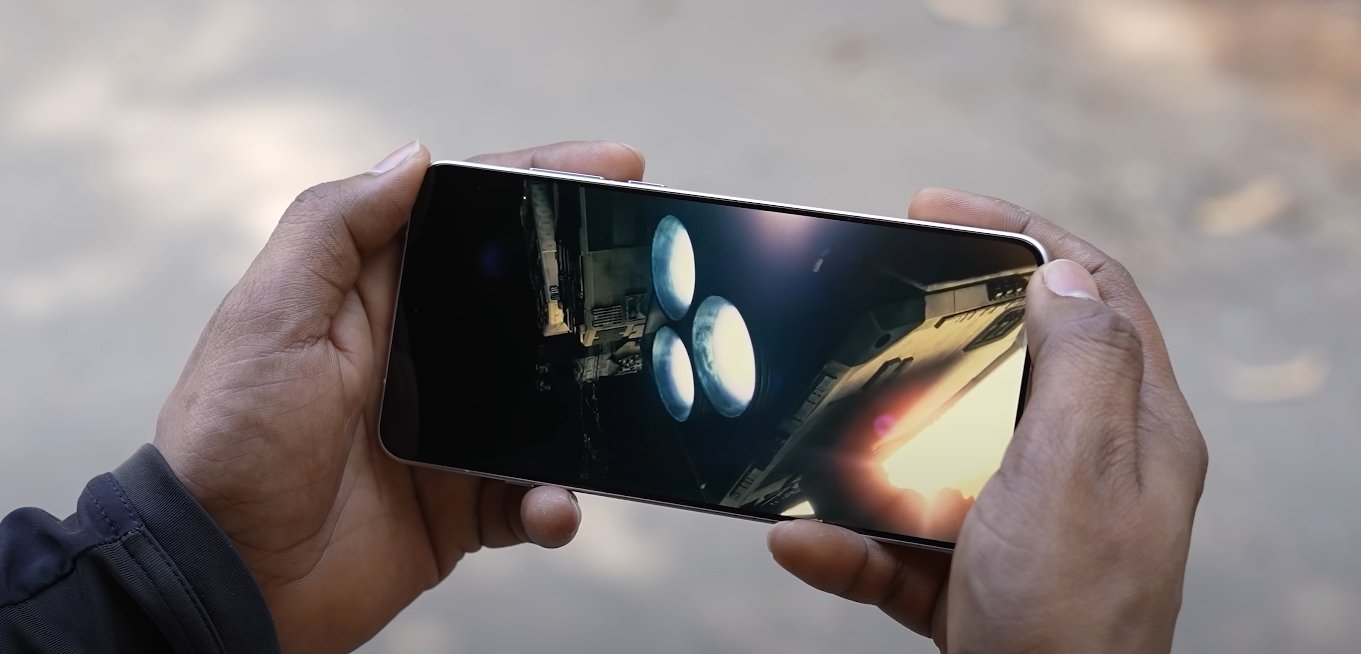
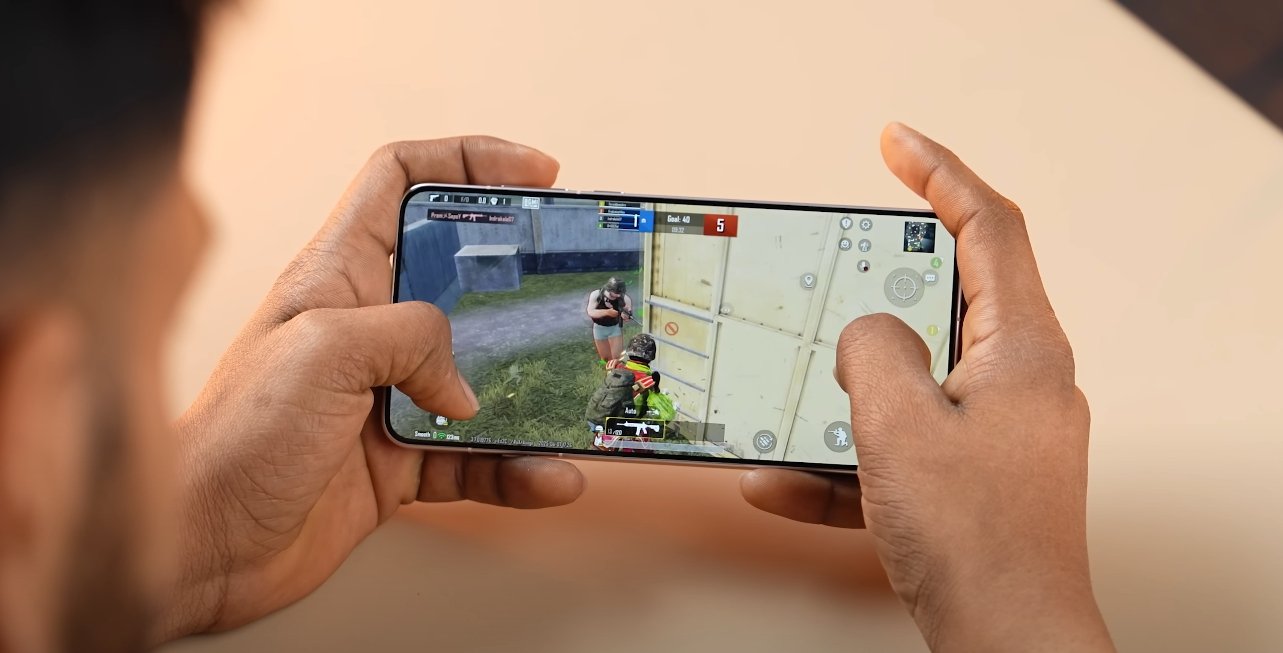
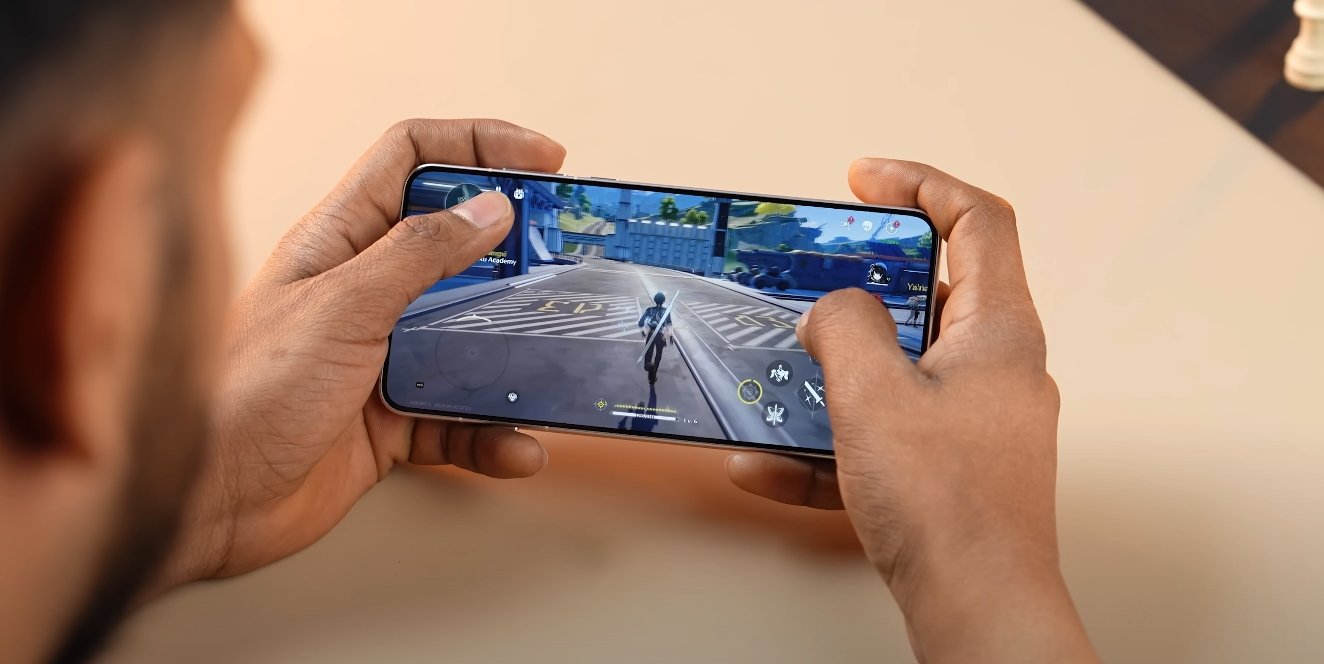
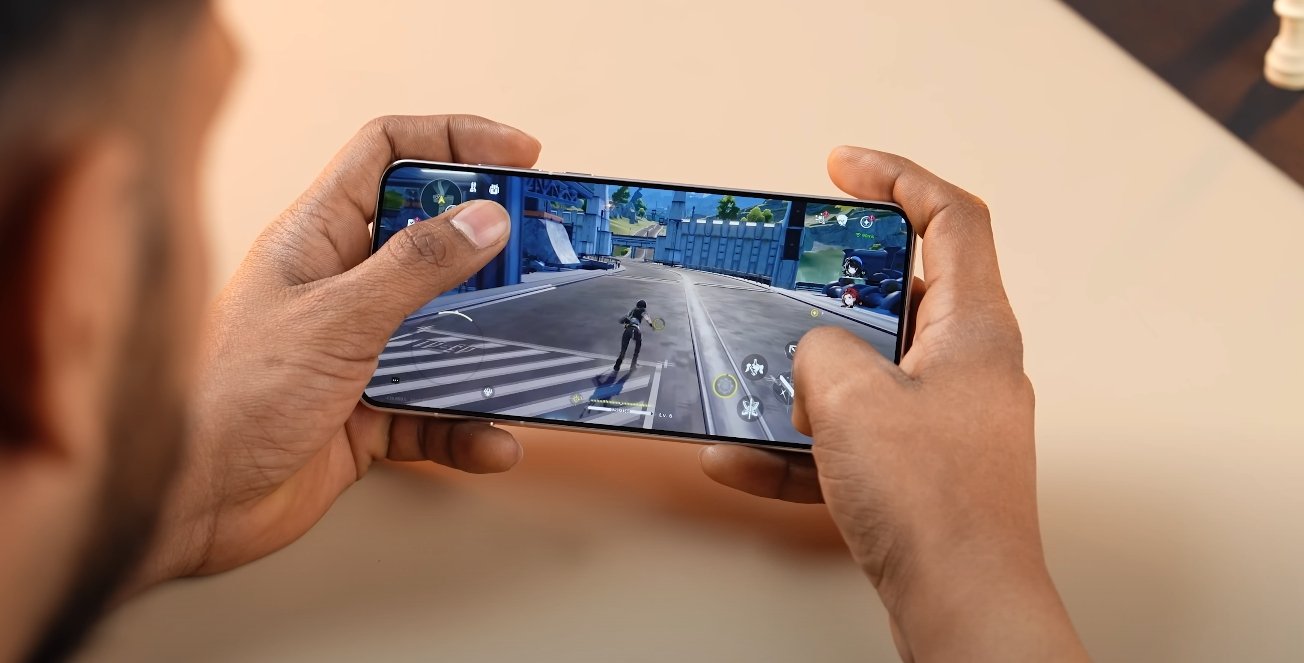
Real-world gaming tests align closely with benchmark results. Popular titles like Genshin Impact, PUBG Mobile, and Call of Duty: Mobile run seamlessly on the Oppo Find X8 Ultra at maximum settings. Users report smooth frame rates, minimal lag, and consistent graphical fidelity. The device’s cooling system plays a key role in sustaining performance during extended gaming sessions. Oppo has implemented an advanced heat dissipation mechanism that prevents thermal throttling, ensuring that CPU and GPU performance remains stable even after prolonged usage.
Oppo Find X8 Ultra gaming performance benchmark results

Battery performance during gaming is another notable strength. Equipped with a 6,100mAh battery and supporting 100W wired and 50W wireless fast charging, the Oppo Find X8 Ultra can handle long gaming sessions without significant battery drain. Players can expect several hours of continuous gameplay at high settings without needing to recharge, which is a crucial advantage for mobile gamers who rely on performance and endurance.

Software optimization also contributes to gaming performance. ColorOS, based on Android 15, provides features like game acceleration, frame rate stabilization, and resource management. These enhancements ensure that background processes do not interfere with active gaming, maintaining smooth gameplay and reducing stutter or lag. Additionally, touch responsiveness is excellent, with minimal input delay, which is particularly beneficial in fast-paced competitive games.

Overall, the Oppo Find X8 Ultra offers one of the most compelling gaming experiences in the current smartphone market. Its combination of high-performance hardware, advanced thermal management, and software optimizations allows it to handle even the most demanding mobile games efficiently. Whether through benchmark results or real-world usage, it demonstrates stability, smooth graphics, and reliable performance. This makes it an ideal choice for gamers seeking a premium device capable of delivering both power and endurance during extended play sessions.

Also Read:  Nothing Phone 3A Lite launch event highlights and reveals
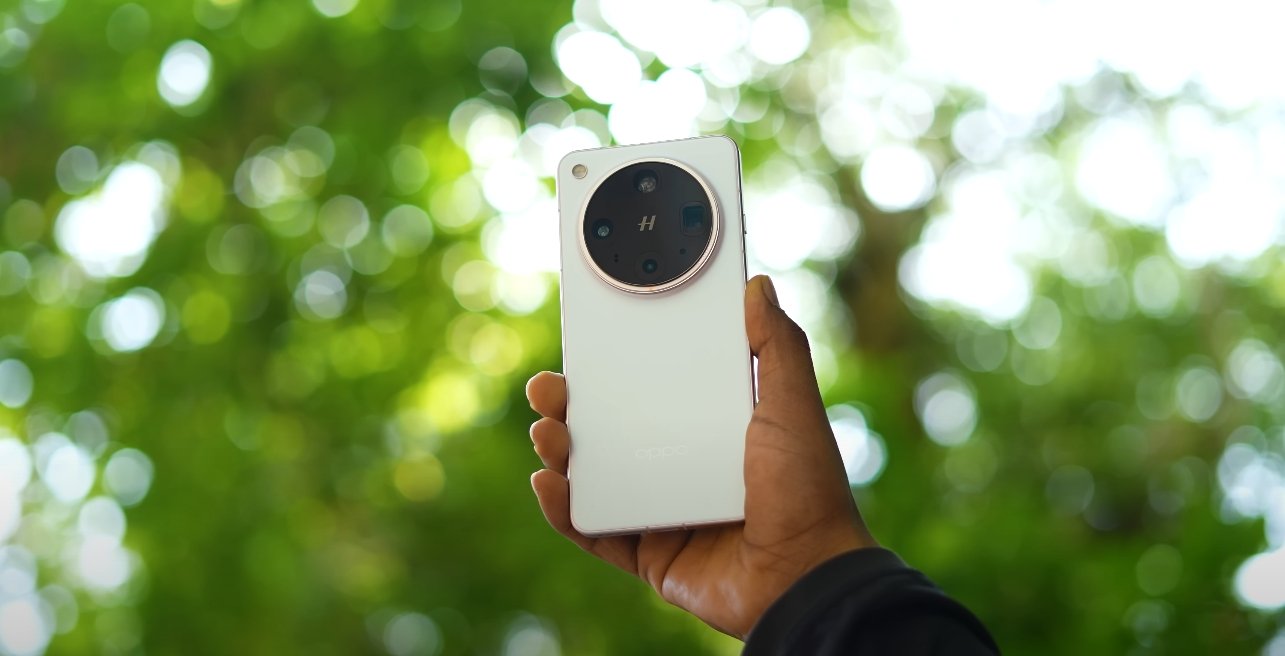
Oppo Find X8 Ultra vs Pixel 9 Pro design comparison

Oppo Find X8 Ultra vs Pixel 9 Pro design comparison

Oppo Find X8 Ultra and Pixel 9 Pro: A Design Showdown

The Oppo Find X8 Ultra and Google Pixel 9 Pro are two of the most talked-about flagship smartphones, each bringing a distinct design philosophy to the table. Both devices aim to combine premium materials with innovative design, but they approach aesthetics and ergonomics in different ways, appealing to different user preferences.

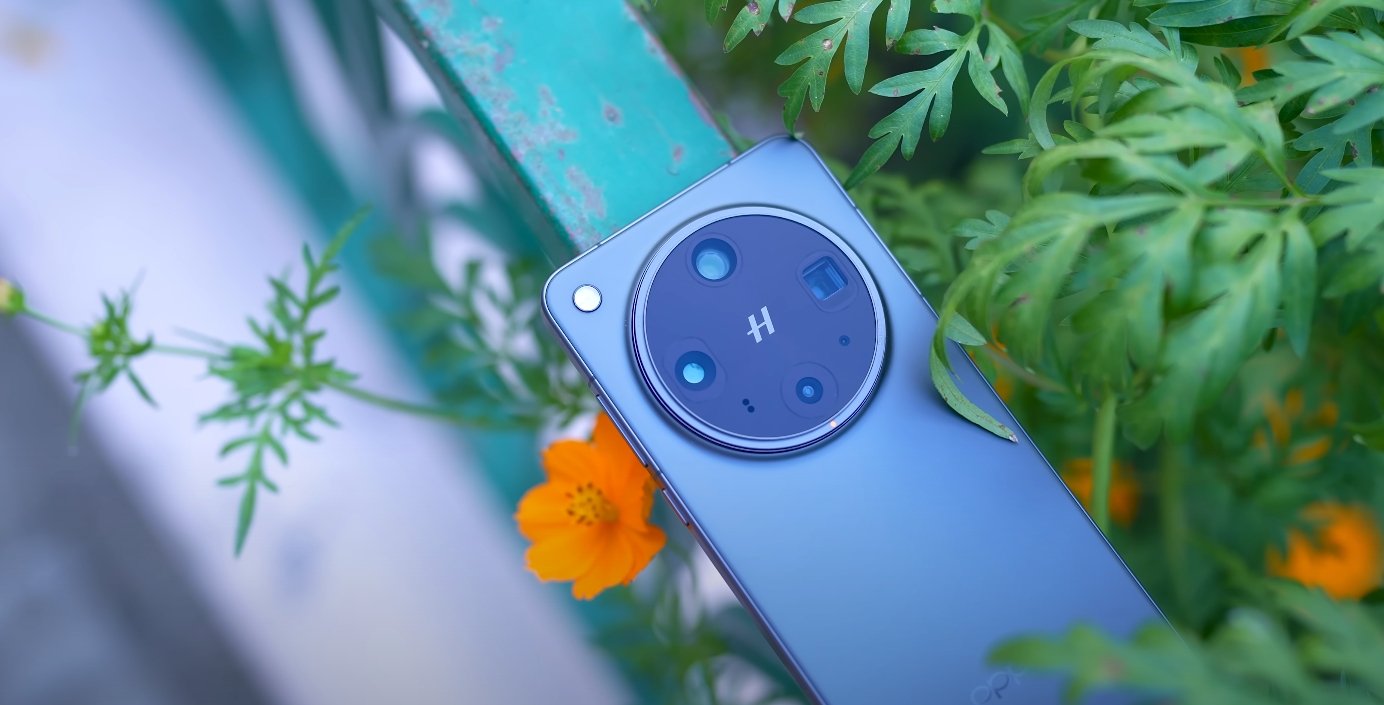
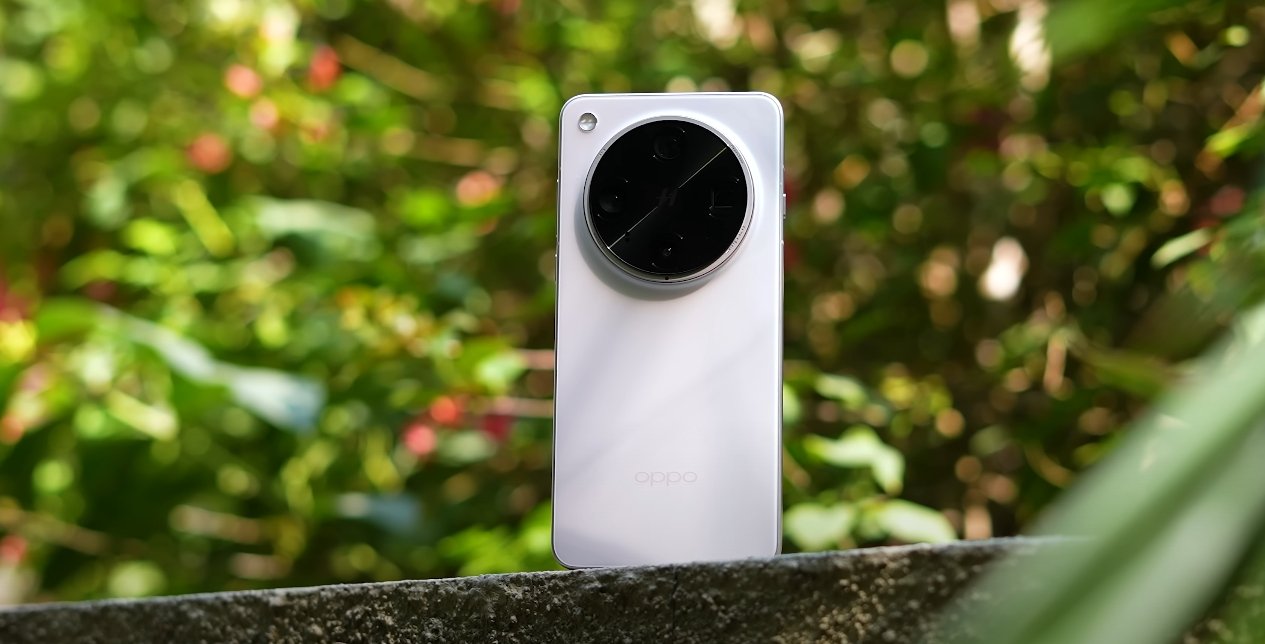
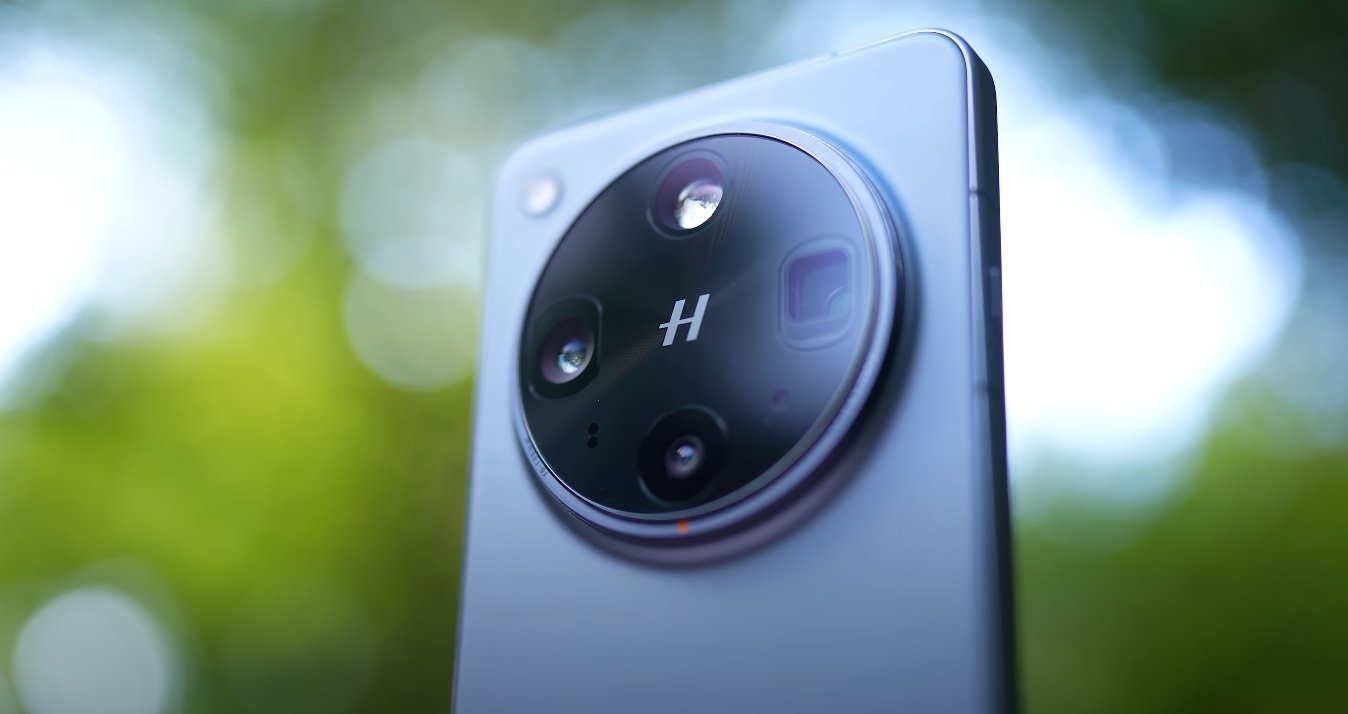
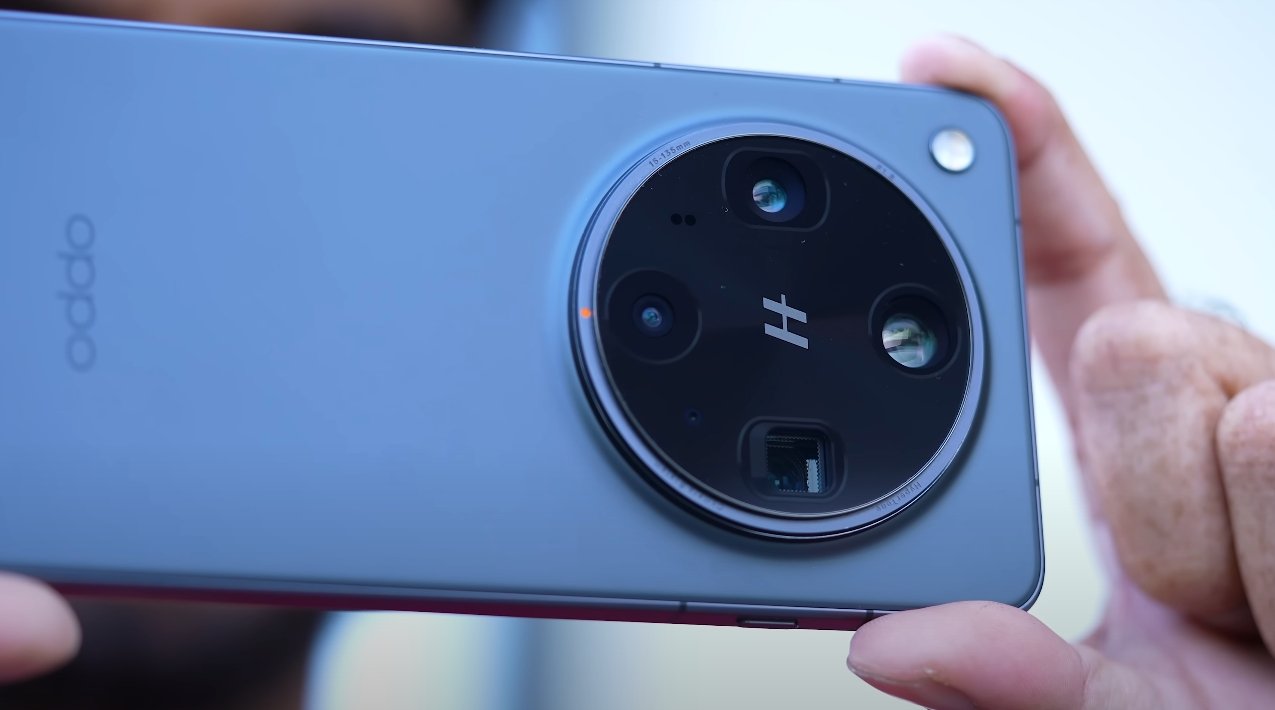
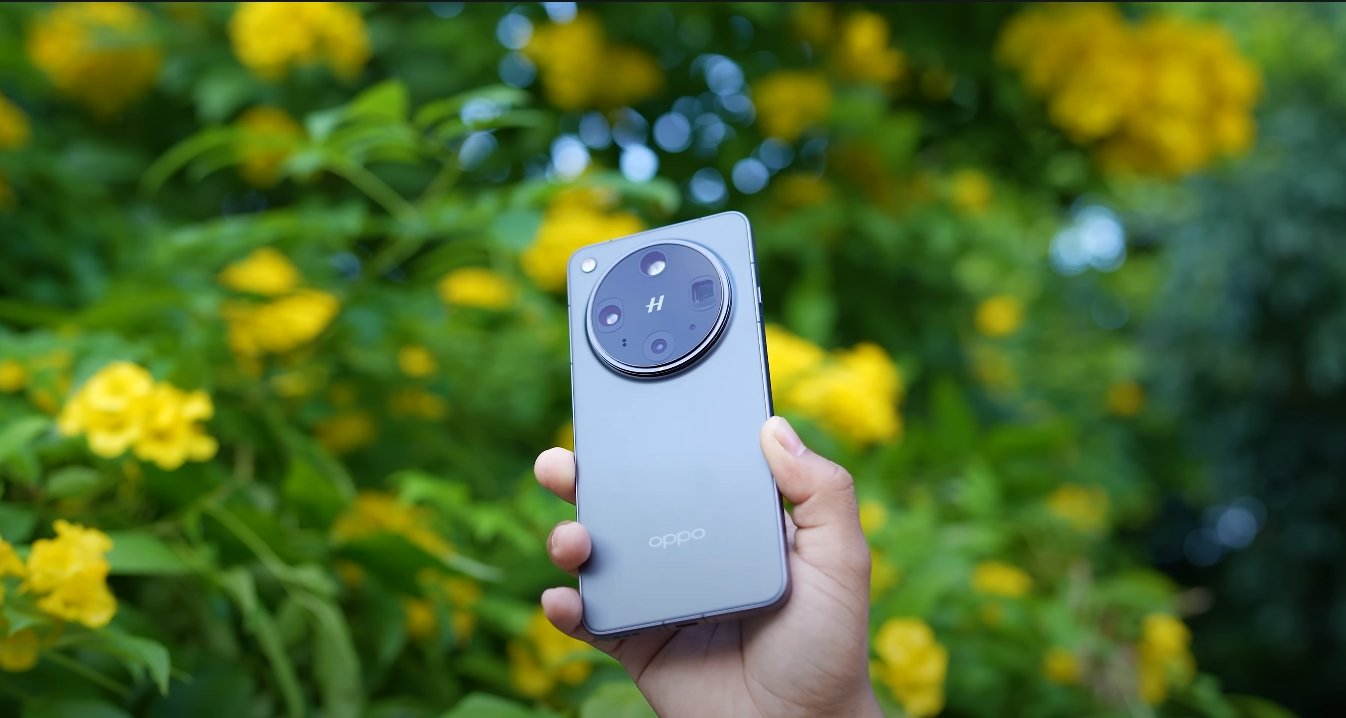
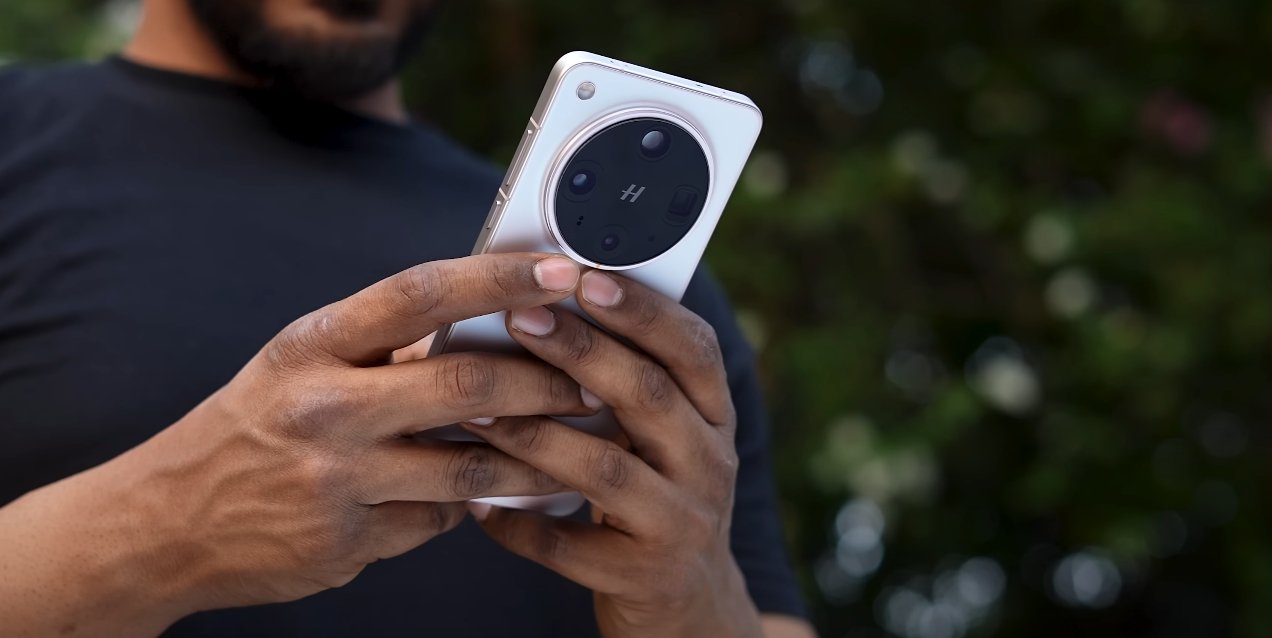
The Oppo Find X8 Ultra features a flat-edged design, giving it a modern and sturdy appearance. Its rear is dominated by the unique “Cosmos Ring” camera module, which houses five advanced sensors, including dual periscope telephoto lenses. This module is not only functional but also serves as a design centerpiece, giving the phone a bold, recognizable look. The device is crafted from high-quality glass and aluminum, and it carries IP68 and IP69 certifications for dust and water resistance, ensuring durability in various conditions.

In contrast, the Pixel 9 Pro follows Google’s signature minimalist design approach. It features a polished metal frame and a matte glass back, offering a smooth and refined appearance. The rear camera bar runs horizontally across the back, providing a subtle yet distinct aesthetic. Like the Oppo Find X8 Ultra, the Pixel 9 Pro also offers IP68 dust and water resistance, although it does not have the additional IP69 rating. The Pixel’s design emphasizes simplicity, making it easy to handle and visually appealing without excessive embellishments.

Oppo Find X8 Ultra vs Pixel 9 Pro design comparison

When it comes to displays, the Oppo Find X8 Ultra offers a 6.82-inch LTPO AMOLED panel with a 1440p resolution and a 120Hz refresh rate. The flat display design ensures consistent visuals without edge distortion, providing smooth scrolling and vibrant colors. The device’s large screen enhances multimedia experiences and complements the overall premium feel of the phone. On the other hand, the Pixel 9 Pro focuses on user comfort with a design aimed at natural handling. While its exact display specifications are not as prominent as Oppo’s, Google emphasizes ergonomics and ease of use, ensuring the device feels balanced and accessible in daily interactions.

The rear camera designs of the two phones further highlight their design philosophies. The Oppo Find X8 Ultra’s “Cosmos Ring” is visually striking, emphasizing the phone’s focus on high-end photography. The inclusion of five sensors, including dual periscope lenses and a 50MP main sensor, showcases Oppo’s commitment to combining function with style. The module is symmetrical and bold, making the phone instantly recognizable. In comparison, the Pixel 9 Pro’s camera bar is understated and elegant. Google prioritizes a clean and minimalist design while integrating its advanced camera technology. The horizontal bar creates a sleek profile that blends seamlessly with the phone’s overall aesthetic.

Color options also play a role in differentiating the devices. The Oppo Find X8 Ultra comes in sophisticated shades such as Starry Black, Moonlight White, and Morning Light, each offering a distinct look. The gradient and reflective finishes enhance the phone’s premium feel and give users the option to select a style that reflects their personality. The Pixel 9 Pro typically features subtle, classic color options that emphasize simplicity and modernity, aligning with its minimalist design philosophy.

Ergonomics and usability further separate these two flagships. The Oppo Find X8 Ultra incorporates a customizable hardware button, replacing the traditional alert slider, allowing quick access to shortcuts and functions. This feature adds to the phone’s futuristic feel and enhances user interaction. The Pixel 9 Pro emphasizes ease of handling with a rounded frame and balanced weight distribution, making it comfortable for one-handed use and prolonged handling.

In conclusion, the Oppo Find X8 Ultra and Google Pixel 9 Pro excel in different design areas. The Find X8 Ultra impresses with bold aesthetics, advanced camera integration, and a high-end display, making it ideal for users who value standout design and multimedia performance. The Pixel 9 Pro appeals to users who prefer minimalist elegance, refined materials, and ergonomic comfort. Both devices deliver premium build quality and thoughtful design, but the choice between them depends on whether a user prioritizes bold visual statements or understated sophistication in their smartphone.

Also Read:  Vivo T4 5G Price in USA

Oppo Find X8 Ultra vs Galaxy Z Fold 6 camera quality

Oppo Find X8 Ultra vs Galaxy Z Fold 6 camera quality

Oppo Find X8 Ultra vs Galaxy Z Fold 6: Camera Quality Comparison

The Oppo Find X8 Ultra and Samsung Galaxy Z Fold 6 are two flagship smartphones that offer advanced camera systems designed for users who demand high-quality photography and video capabilities. Both devices aim to provide professional-grade imaging experiences, but they achieve this through different hardware setups and design philosophies. Comparing their camera performance can help users determine which device better suits their needs.

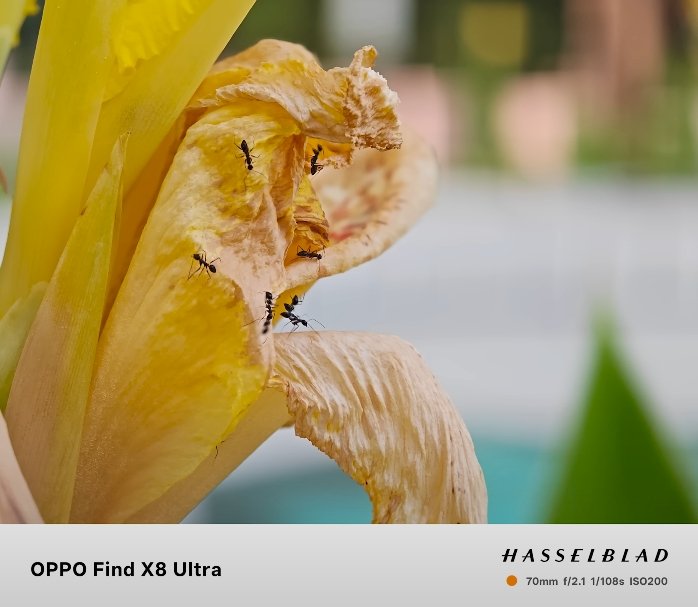
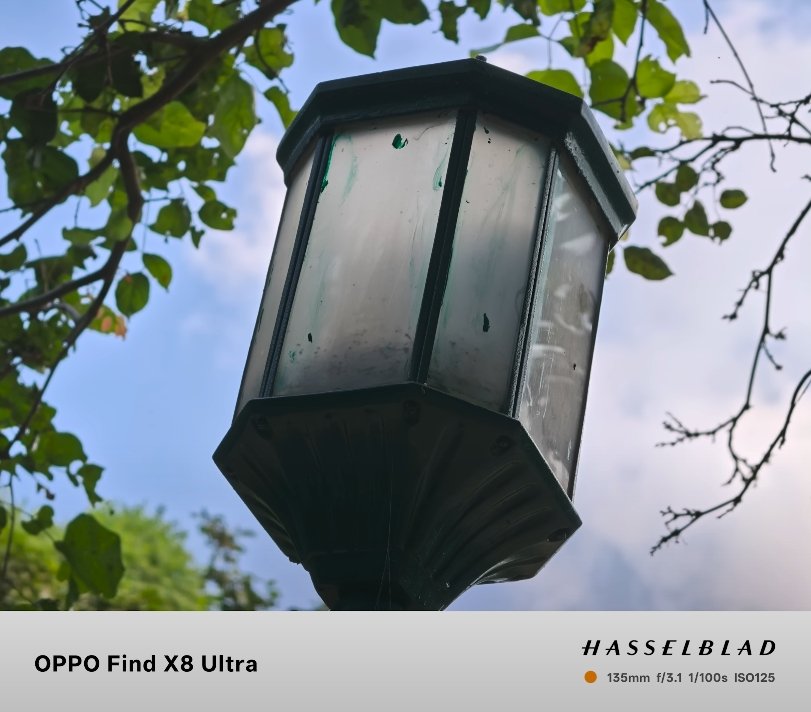
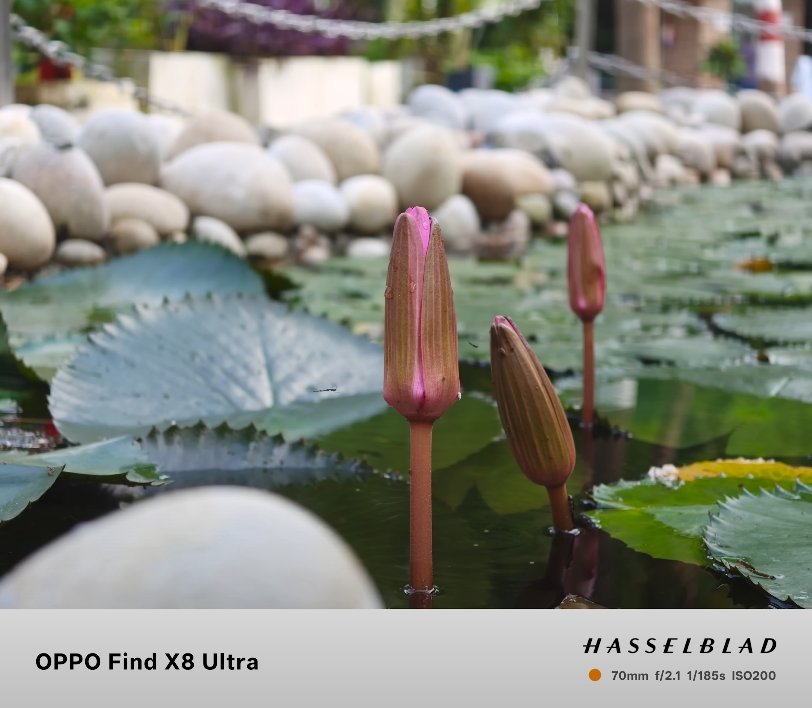
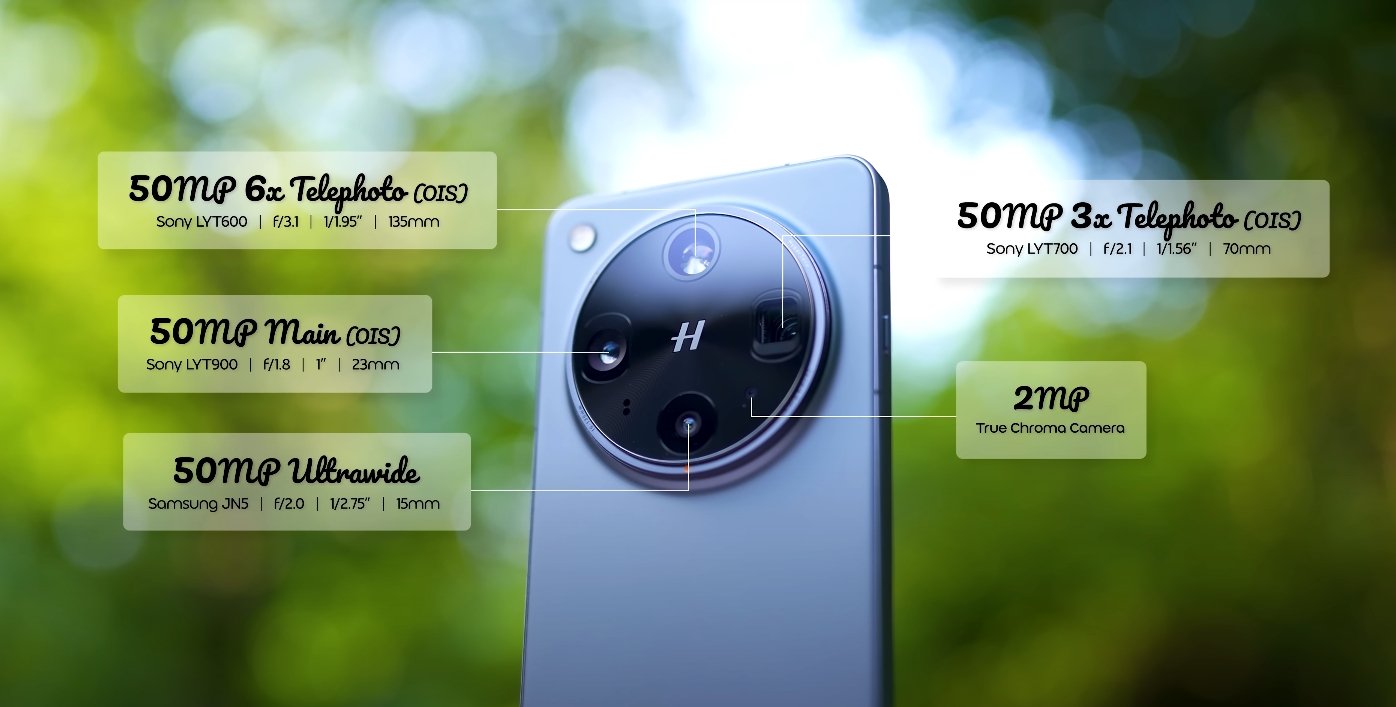
The Oppo Find X8 Ultra comes equipped with a quad-camera system, with each sensor delivering 50MP resolution. Its primary wide-angle lens features a large 1.0-inch sensor with an f/1.8 aperture, allowing it to capture bright and detailed images even in low-light conditions. Additionally, the device includes two periscope telephoto lenses, providing 3x and 6x optical zoom. This arrangement enables users to shoot a wide variety of scenes, from expansive landscapes to detailed close-ups, without sacrificing image clarity. The camera system is further enhanced by Hasselblad color tuning, ensuring natural and vibrant colors in photos.

On the other hand, the Samsung Galaxy Z Fold 6 has a triple rear camera setup. It includes a 50MP wide-angle lens with Dual Pixel autofocus and Optical Image Stabilization (OIS), a 12MP ultra-wide lens with a 123-degree field of view, and a 10MP telephoto lens offering 3x optical zoom. While the camera specifications are strong, the foldable design presents some limitations in sensor size and lens placement compared to traditional smartphones. However, the Galaxy Z Fold 6 still delivers high-quality images suitable for everyday photography and social media use.

Oppo Find X8 Ultra vs Galaxy Z Fold 6 camera quality

When it comes to zoom capabilities, the Oppo Find X8 Ultra takes the lead. Its dual telephoto lenses allow for detailed shots at greater distances without losing clarity, making it more versatile for scenarios like wildlife or sports photography. The larger sensors also contribute to better low-light performance, capturing more detail and producing less noise in challenging lighting conditions. The Galaxy Z Fold 6, while capable, cannot match the optical zoom range or the sensor size advantages of the Oppo device, making it slightly less optimal for specialized photography needs.

Both smartphones support 4K video recording, ensuring that users can capture high-resolution videos with ease. The Oppo Find X8 Ultra delivers sharp and vibrant video footage, with effective stabilization and color reproduction. It is particularly suitable for content creators or users who frequently record videos in varying conditions. The Galaxy Z Fold 6 also provides strong video performance, with the added benefit of its foldable design allowing creative angles and flexible framing that can enhance video composition, especially for vlogs or cinematic shots.

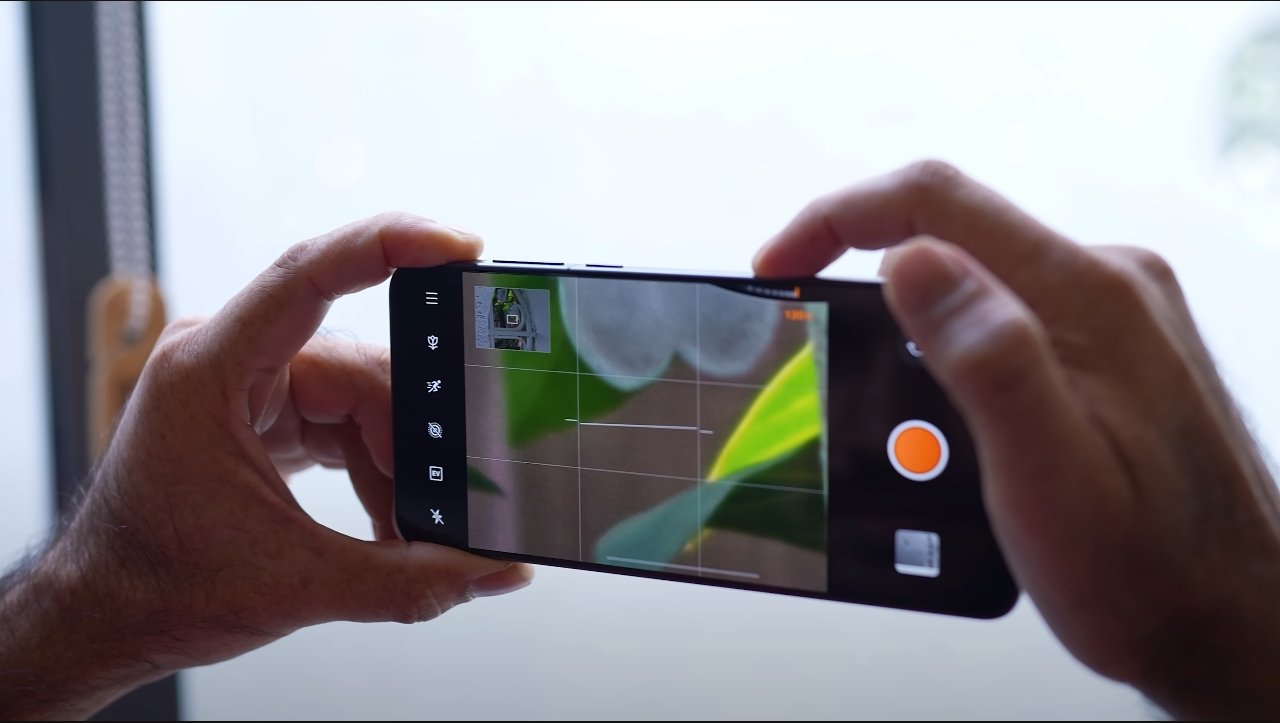
The user experience of the camera systems also differs between the two devices. The Oppo Find X8 Ultra offers extensive manual controls and professional shooting modes, allowing users to adjust settings like ISO, shutter speed, and focus for more creative control. In contrast, the Galaxy Z Fold 6 has a streamlined interface that prioritizes convenience, enabling users to capture great photos quickly without navigating complex menus. This approach suits users who prefer straightforward point-and-shoot photography rather than manual adjustments.

In addition to hardware, both devices leverage software enhancements to improve image quality. The Oppo Find X8 Ultra uses advanced AI processing to optimize scenes, reduce noise, and enhance dynamic range. The Galaxy Z Fold 6 employs computational photography features to maintain clarity and color accuracy, especially in tricky lighting conditions. These software optimizations help ensure that photos remain detailed and vibrant, regardless of the shooting environment.

Ultimately, choosing between the Oppo Find X8 Ultra and the Samsung Galaxy Z Fold 6 depends on individual photography preferences. Users who prioritize advanced camera capabilities, higher optical zoom, and larger sensors for professional-grade photos will find the Oppo Find X8 Ultra to be a superior choice. Those who value the foldable design for multitasking, creative angles, and versatile usage, while still enjoying a competent camera system, may prefer the Galaxy Z Fold 6. Both smartphones deliver impressive imaging experiences, but their strengths cater to different types of users and photography styles.

Also Read:  Nothing Phone 3A Lite call quality on major USA carriers

Oppo Find X8 Ultra software update promise explained

Oppo Find X8 Ultra software update promise explained

Oppo’s Long-Term Update Commitment for the Find X8 Ultra

Oppo has taken a major step forward in its software strategy with the Find X8 Ultra, promising extended support and faster rollout of updates for users worldwide. As competition intensifies in the flagship market, Oppo is making software longevity a core part of its value proposition, ensuring that its premium buyers get the latest features, performance enhancements, and security patches for years to come.

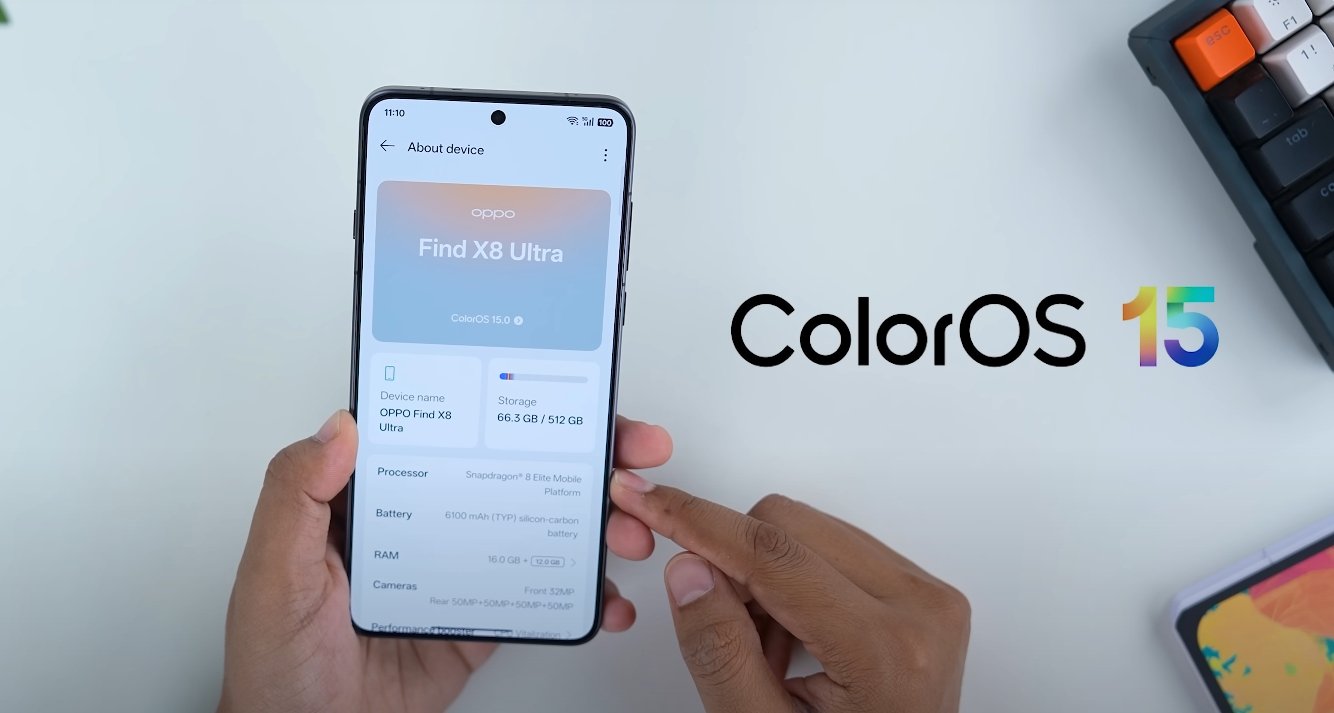
The Oppo Find X8 Ultra runs on ColorOS 15, based on Android 15, out of the box. However, Oppo has officially confirmed that this device will receive four major Android version upgrades and up to five years of regular security updates. This brings it in line with the industry’s best policies, matching or even surpassing what many top-tier competitors offer. For users, this means the Find X8 Ultra will continue receiving fresh software experiences until at least 2029, keeping the phone secure and relevant long after purchase.

Oppo’s commitment goes beyond simple version updates. The company has been working on improving the speed and reliability of its update rollout. In recent years, Oppo’s ColorOS team has invested heavily in global infrastructure to deliver updates simultaneously across regions. The Find X8 Ultra will be among the first to receive new ColorOS builds as they launch, ensuring early access to upcoming Android features and system-level innovations. The next major version, ColorOS 16 based on Android 16, is already in testing and expected to reach Find X8 Ultra users before the end of 2025.

Oppo Find X8 Ultra software update promise explained

One of the biggest focuses of Oppo’s update plan is stability and performance optimization. The Find X8 Ultra will benefit from regular updates that refine power management, memory allocation, and system fluidity. Early builds of ColorOS 16 are said to include AI-based background management that extends battery life while maintaining smooth multitasking. Oppo has also promised more frequent camera algorithm updates, aimed at enhancing dynamic range, portrait clarity, and night photography. These improvements will roll out gradually through over-the-air updates, allowing the phone to evolve with each iteration.

Security has also been prioritized. Oppo’s pledge of five years of security patches ensures that the Find X8 Ultra remains protected against emerging vulnerabilities and exploits. The updates will be released monthly during the first three years and then quarterly thereafter. This approach is particularly important for enterprise users and those who rely on their devices for financial or professional tasks. With data protection becoming increasingly critical, Oppo’s move toward consistent patching brings peace of mind to long-term users.

In addition to major Android and security updates, Oppo plans to roll out several feature enhancements through its “feature drop” updates. These smaller updates introduce new tools without requiring a full system upgrade. For example, Oppo has hinted at upcoming AI-driven photography modes, expanded personalization options for the Always-On Display, and deeper integration with cloud storage and cross-device sharing. These ongoing feature drops ensure that even older devices like the Find X8 Ultra remain competitive with newer models over time.

Oppo’s after-sales software strategy also focuses on regional adaptation. Updates for the Find X8 Ultra will be fine-tuned according to local network compatibility, language settings, and regulatory standards. This regional customization means that users in the USA, Europe, and Asia may see slightly different timelines or features, but the overall rollout speed remains uniform. Oppo’s regional beta programs allow advanced users to test early versions and provide feedback before public release, improving quality and reducing bugs in the stable build.

Overall, the Oppo Find X8 Ultra’s software update promise represents a clear shift toward long-term user satisfaction. By guaranteeing multiple Android upgrades, extended security support, and continuous feature improvements, Oppo is ensuring that the device remains cutting-edge for years. For users investing in a premium smartphone, this level of commitment adds tremendous value. The Find X8 Ultra is not just a hardware powerhouse—it’s a long-lasting flagship built to stay current, secure, and efficient well into the future.

Also Read:  Motorola Edge 70 full specifications leaked ahead of launch

Oppo Find X8 Ultra vs OnePlus Open feature difference

Oppo Find X8 Ultra vs OnePlus Open feature difference

Oppo Find X8 Ultra vs OnePlus Open: Feature Comparison

The Oppo Find X8 Ultra and OnePlus Open are two flagship smartphones that target premium users with different approaches to technology and design. Both devices offer high performance, advanced cameras, and modern features, but they cater to slightly different needs in terms of display, usability, and battery life. Understanding their differences can help users decide which device is more suitable for them.

The Oppo Find X8 Ultra comes with a 6.82-inch OLED display with QHD+ resolution, providing sharp and vivid visuals for gaming, video streaming, and daily tasks. It has a slim and elegant design, measuring just 8.78mm in thickness, which makes it comfortable to hold and use for extended periods. The OnePlus Open, by comparison, features a 7.82-inch foldable AMOLED display that transforms into a larger tablet-like experience when unfolded. When folded, it retains a 6.31-inch cover display, giving users the convenience of a standard smartphone while allowing expanded multitasking on the larger screen. Both devices are premium in design, but the foldable nature of OnePlus Open gives it a unique versatility.

In terms of performance, the Oppo Find X8 Ultra is powered by the Snapdragon 8 Elite processor and comes with up to 12GB of RAM and 1TB of storage. Its 6,100mAh battery supports 100W wired and 50W wireless fast charging, allowing heavy users to run intensive applications without worrying about battery life. The OnePlus Open uses the Snapdragon 8 Gen 2 chipset with up to 16GB of RAM and storage options up to 1TB. It includes a 4,805mAh battery with 67W fast charging, which is fast but slightly smaller in capacity than Oppo’s offering. Both devices are designed for high-end gaming, productivity, and multimedia usage, but Oppo prioritizes longer endurance for continuous heavy usage.

Camera capabilities are one of Oppo Find X8 Ultra’s strongest points. It features a triple 50MP camera system, including a main sensor, ultrawide lens, and dual telephoto lenses with 3x and 6x optical zoom. Hasselblad tuning enhances color accuracy and overall image quality, making it ideal for photography enthusiasts. The OnePlus Open has a 48MP main sensor along with additional lenses for wide and telephoto shots, providing flexibility but not matching Oppo’s extended zoom and professional-grade tuning. Both phones capture high-quality images and videos, but Oppo leans more toward photography precision and versatility.

Oppo Find X8 Ultra vs OnePlus Open feature difference

Software and user experience differ between the two devices. Oppo Find X8 Ultra runs on Android 15 with ColorOS, offering smooth navigation and extensive customization options. Features like a haptic shutter button enhance photography and the interface is optimized for gaming and multimedia. OnePlus Open runs on OxygenOS 14 based on Android 14, optimized for foldable devices. It includes multitasking features such as split-screen apps, persistent taskbars, and foldable-optimized applications, making it ideal for productivity and media consumption on the large unfolded screen.

Durability is another key aspect. The Oppo Find X8 Ultra is IP69 rated, making it resistant to dust and water and suitable for users who need a robust device in various conditions. The OnePlus Open, as a foldable phone, emphasizes hinge engineering and uses aerospace-grade materials for durability while maintaining a slim and lightweight profile. The design is innovative and futuristic but requires careful handling to maintain long-term reliability. Both devices are built to high standards, but their durability strategies differ due to design philosophy.

Connectivity and additional features are robust on both devices. Both support 5G, Wi-Fi 7, Bluetooth 5.4, and NFC. Oppo emphasizes camera-centric tools such as dual-view video, professional photography modes, and gaming optimizations. OnePlus focuses on multitasking productivity with split-screen apps, stylus compatibility in some regions, and foldable-optimized applications. These distinctions highlight Oppo as a device for media and photography, and OnePlus as a tool for productivity and flexibility.

In conclusion, the choice between Oppo Find X8 Ultra and OnePlus Open depends on user priorities. Oppo excels in camera performance, battery life, and traditional flagship design, making it ideal for photography and long-lasting performance. OnePlus Open stands out with its foldable design, multitasking capabilities, and larger display, catering to users seeking innovation and enhanced productivity. Both are premium smartphones, but their distinct strengths make them suitable for different types of users depending on whether they prioritize photography, media, or multitasking.

Also Read:  Motorola Edge 70 durability and drop test performance

Oppo Find X8 Ultra heat management under gaming stress

Oppo Find X8 Ultra heat management under gaming stress

Oppo Find X8 Ultra Gaming Performance and Thermal Efficiency

The Oppo Find X8 Ultra, released in 2025, is a flagship smartphone designed to deliver high-end performance for gaming, multitasking, and multimedia consumption. Equipped with the Snapdragon 8 Elite processor and a 6,100mAh battery, the device promises a combination of speed, efficiency, and long-lasting power. However, one of the key concerns for users engaging in extended gaming sessions is how well the device manages heat. Effective thermal management is essential to maintain consistent performance, prevent thermal throttling, and ensure user comfort during prolonged use.

The Oppo Find X8 Ultra features an advanced thermal management system built to handle intensive workloads. The cooling solution integrates a vapor chamber, a graphite layer, and thermal conductive gel. Together, these components work to dissipate heat away from the processor and other heat-generating components, helping to maintain stable temperatures even under sustained stress. This system allows the device to keep high frame rates consistent during gaming and ensures the phone remains comfortable to hold.

In real-world gaming tests, the Find X8 Ultra performs admirably. When running graphically demanding titles such as Genshin Impact, PUBG Mobile, and Zenless Zone Zero, the device maintains smooth performance without noticeable frame drops or stuttering. Even during extended sessions lasting 60 minutes or more, the phone’s temperatures remain within safe limits, demonstrating the effectiveness of the integrated cooling system. Users can enjoy high refresh rate gaming without experiencing the overheating issues that often affect other flagship smartphones.

Oppo Find X8 Ultra heat management under gaming stress

User feedback reinforces the findings of these tests. Many gamers report that the Find X8 Ultra stays relatively cool to the touch even after long periods of gameplay. The phone’s rear panel and frame do not become excessively hot, reducing discomfort during handheld gaming. This is particularly significant for a device with a large battery and powerful processor, as these components typically generate considerable heat under heavy load. The combination of hardware and thermal design in the Find X8 Ultra ensures a balance between performance and comfort.

Oppo has also considered users who demand even more from their gaming sessions. The company offers the Ice Wing Magnetic Cooling Clip, an accessory designed to provide additional heat dissipation. This clip attaches to the device and helps lower surface temperatures further, preventing thermal throttling during the most demanding gaming scenarios. For users who engage in competitive gaming or extended marathon sessions, this accessory can enhance the gaming experience by keeping the device cool and maintaining peak performance.

In addition to gaming, the Oppo Find X8 Ultra’s heat management benefits general usage as well. Activities such as video streaming, content creation, and multitasking can generate significant heat, but the cooling system ensures that performance remains stable without unnecessary slowdowns. This also contributes to battery longevity, as excessive heat can degrade battery life over time. Users can rely on the device for both casual and intensive tasks without worrying about overheating or performance degradation.

The combination of high-performance hardware, a large battery, and an effective cooling system positions the Find X8 Ultra as a strong choice for gamers and power users. Its vapor chamber and graphite-based cooling design work in tandem to ensure that heat is efficiently dispersed, keeping the device responsive and comfortable to hold. Even under prolonged gaming stress, users experience minimal thermal throttling, allowing for an uninterrupted and enjoyable gaming experience.

In conclusion, the Oppo Find X8 Ultra demonstrates impressive heat management under gaming stress. Its advanced thermal design, combined with the Snapdragon 8 Elite processor and substantial battery, ensures stable performance during extended sessions. The device remains comfortable to handle, while optional cooling accessories provide an extra layer of thermal protection for extreme scenarios. Overall, the Find X8 Ultra delivers a balanced approach to high-performance gaming, combining speed, efficiency, and effective thermal management to meet the needs of serious gamers and power users alike.

Also Read:  Motorola Edge 70 unboxing experience and first impressions

Oppo Find X8 Ultra vs Galaxy S24 Plus battery backup

Oppo Find X8 Ultra vs Galaxy S24 Plus battery backup

Comparing Battery Life of Two Flagship Giants

The competition between the Oppo Find X8 Ultra and Samsung Galaxy S24 Plus goes beyond camera systems and performance benchmarks. Battery life has become one of the most important deciding factors for premium smartphone users, especially those who rely heavily on their devices throughout the day. Both of these flagship models promise strong endurance, but their real difference lies in how efficiently they manage power under real-world usage.

The Oppo Find X8 Ultra is equipped with a massive 6100mAh battery, one of the largest seen in a mainstream flagship device. This large capacity gives it an advantage right from the start, especially for heavy users who stream, game, or use camera features frequently. The phone also supports extremely fast 100W wired charging and up to 50W wireless charging. This means even if the large battery runs low, users can refill it in just minutes rather than hours. Oppo’s advanced charging management also ensures lower heat generation during charging, which helps maintain long-term battery health.

On the other hand, the Samsung Galaxy S24 Plus features a 4900mAh battery, slightly smaller in size but backed by Samsung’s strong optimization. It supports 45W fast charging and Samsung’s version of fast wireless charging. Although it may not match Oppo’s charging speeds, Samsung compensates through efficiency in software tuning and intelligent battery management. One UI’s adaptive battery system limits background processes from draining power unnecessarily, which can help extend standby time and screen-on duration.

When it comes to screen-on time and endurance under heavy load, the Oppo Find X8 Ultra tends to offer slightly longer runtime. Users can expect around nine to ten hours of active screen usage on moderate brightness and mixed activity, which includes browsing, streaming, and light gaming. Even under intense gaming or camera use, it usually holds up well for an entire day. The large cell size helps it maintain stability even when the display runs at its highest refresh rate or resolution. For users who often rely on navigation, multitasking, or constant internet access, this extra capacity becomes a noticeable advantage.

Oppo Find X8 Ultra vs Galaxy S24 Plus battery backup

The Galaxy S24 Plus, despite having a smaller battery, performs impressively due to Samsung’s display efficiency and chipset optimization. The adaptive refresh rate dynamically shifts between 1Hz and 120Hz depending on the task, conserving power during static content and only ramping up when needed. In daily mixed use, it comfortably lasts a full day with about seven to eight hours of screen-on time. While not as long as Oppo’s figures, it still provides reliable endurance that most users will find more than adequate for typical workdays or travel.

Charging speed is another area where Oppo clearly leads. The Find X8 Ultra’s 100W fast charging can refill the battery from zero to full in under half an hour, making it one of the fastest-charging flagships available. Even a quick ten-minute top-up provides hours of additional use. Samsung’s 45W charger, while slower, is still fast enough for everyday convenience, taking around one hour to reach full capacity. For users who value speed and efficiency, Oppo’s system offers greater flexibility, especially when time is limited.

Thermal management plays a vital role in maintaining consistent battery behavior. The Find X8 Ultra’s larger vapor chamber and improved heat dissipation system allow it to sustain performance under stress without significant overheating. This is particularly useful during gaming or prolonged camera sessions. Meanwhile, the S24 Plus remains cool and steady due to its balanced performance tuning. Samsung prefers efficiency over raw speed, which helps preserve energy and reduce battery wear during long-term use.

In real-world conditions, both phones deliver dependable results, but their approach differs. The Oppo Find X8 Ultra focuses on raw capacity and rapid charging, making it ideal for users who demand long battery life and quick refills. The Galaxy S24 Plus emphasizes consistent, optimized performance that can last a full day without worrying about mid-day recharging. For travelers, professionals, and multimedia enthusiasts, Oppo’s advantage in size and charging speed can be a major draw. For users who prioritize reliability, stability, and software optimization, Samsung remains a safe and efficient choice.

Ultimately, when comparing battery backup, the Oppo Find X8 Ultra holds the upper hand due to its higher capacity and ultra-fast charging system. However, the Galaxy S24 Plus still stands strong with its efficient hardware-software balance. Both smartphones prove that flagship devices can now easily deliver all-day endurance, leaving the final choice to depend on whether you prefer sheer power or refined efficiency.

Also Read:  OPPO F29 Pro Price in USA Creates Buzz Among Buyers

Oppo Find X8 Ultra vs iPhone 16 Pro early design leaks

Oppo Find X8 Ultra vs iPhone 16 Pro early design leaks

Flagship Design Face-Off: Early Look at Oppo Find X8 Ultra and iPhone 16 Pro

The smartphone world is already buzzing with leaks surrounding two of the most anticipated flagships of 2025 — the Oppo Find X8 Ultra and the iPhone 16 Pro. Both devices are set to redefine premium design in their own way, with early leaks giving users a glimpse of what each brand is preparing. While Oppo focuses on bolder aesthetics and new materials, Apple appears to be refining its timeless design language with precision and subtle changes. Here’s a detailed look at how the two flagships compare based on early design information.

The Oppo Find X8 Ultra seems to mark a new phase in Oppo’s premium lineup, adopting a more squared and flat design compared to the curved builds of previous models. Leaked images suggest a 6.8-inch LTPO AMOLED display with ultra-thin bezels and a centered punch-hole camera. The company is reportedly opting for a flat front panel for a modern, symmetrical look that feels both futuristic and practical. The bezels appear almost invisible, giving the phone an edge-to-edge viewing experience that could rival even Apple’s latest displays. This shift toward flat edges indicates Oppo’s intent to align with modern trends while offering a unique visual identity.

In contrast, the iPhone 16 Pro continues Apple’s evolution of premium craftsmanship rather than a complete redesign. The biggest visual change, according to early leaks, is the addition of a new “Capture Button” placed below the power key. This pressure-sensitive button is expected to control camera functions, such as photo capture and zoom gestures. The front of the device retains the Dynamic Island and symmetrical bezels, though these are said to be slightly thinner than before. Apple seems to be focusing on fine-tuning its formula — smaller bezels, smoother lines, and a more refined titanium finish — rather than reinventing the look entirely.

Moving to the back, Oppo is taking a more daring approach. The Find X8 Ultra reportedly features a large circular camera module that houses multiple sensors, including a main 1-inch sensor and dual periscope zoom lenses. The circular design is expected to be two-toned, combining metallic and glass finishes for a luxurious touch. The camera island is raised but artistically integrated into the rear surface, giving it a bold and professional appearance. The overall layout makes it stand out instantly, emphasizing Oppo’s goal to be recognized as a top-tier photography phone with design flair.

Oppo Find X8 Ultra vs iPhone 16 Pro early design leaks

Apple’s iPhone 16 Pro, on the other hand, is expected to continue its minimalist approach with a more refined camera layout. The triple-camera setup remains in a triangular arrangement, but the housing may become slightly larger to accommodate improved sensors. The phone’s titanium frame will continue to give it a robust yet lightweight feel, and Apple’s rumored new colors, including Rose Titanium and Natural Black, will refresh the lineup visually. Unlike Oppo’s expressive design, Apple maintains an understated elegance that appeals to users who value refinement over experimentation.

Material choices highlight the difference in brand philosophy. Oppo’s Find X8 Ultra may come in glass and leather finishes, offering a choice between sleek modernity and textured luxury. The leather variant is expected to feature a subtle matte finish for better grip, giving it a professional yet comfortable touch. The metal frame is slightly curved for better ergonomics despite the flat display. In contrast, the iPhone 16 Pro’s titanium body is expected to retain its premium brushed-metal feel, emphasizing durability and sophistication. Apple’s color palette may stay minimal, focusing on neutral tones that complement the phone’s professional image.

Both brands are also refining their button layouts and ergonomics. Oppo is rumored to replace the traditional alert slider with a new multifunctional “Smart Action Button,” allowing users to quickly access shortcuts or activate specific modes. This change signals Oppo’s intention to blend aesthetics with functionality. Apple’s new Capture Button takes a similar route — it introduces an extra layer of utility without disrupting the phone’s clean side profile. Both manufacturers seem to be converging on the idea that hardware buttons can still play a meaningful role in enhancing user experience.

From a design perspective, both devices reflect distinct brand identities. Oppo’s Find X8 Ultra appears bold, modern, and experimental, aiming to impress users with its standout camera island and luxurious finishes. It’s designed for those who want their smartphone to look unique and premium. The iPhone 16 Pro, however, remains the symbol of polished perfection. Apple’s design team continues to prioritize symmetry, tactile comfort, and minimalist appeal. While the changes may seem subtle, they represent Apple’s long-term design philosophy — continuous refinement rather than drastic reinvention.

As both devices inch closer to launch, these early design leaks show how the flagship race is no longer just about performance but also about visual identity. Oppo’s Find X8 Ultra is shaping up to be a bold statement piece, blending craftsmanship with innovation. Meanwhile, the iPhone 16 Pro carries forward Apple’s legacy of refined minimalism and timeless appeal. For U.S. buyers, the choice between these two may come down to personal taste — whether they prefer Oppo’s daring modernity or Apple’s refined consistency. Both are shaping up to be stunning devices that define the premium segment of 2025.

Also Read:  First Buyers Share Their Real Opinion On OPPO F29 Pro

Oppo Find X8 Ultra USA variant certification spotted

Oppo Find X8 Ultra USA variant certification spotted

Oppo Find X8 Ultra Prepares for U.S. Launch

The Oppo Find X8 Ultra, one of 2025’s most advanced flagship smartphones, is reportedly preparing for an official release in the United States. Recent sightings of certification filings for a U.S.-specific variant suggest that Oppo is actively testing the device for compliance with local regulations and network standards. For American users who have been waiting for the high-end smartphone, this is a promising sign that the device may soon be fully compatible with U.S. carriers and ready for sale.

Certification in the United States is a critical step for any smartphone entering the market. Devices must pass approval from the Federal Communications Commission (FCC) to ensure compliance with local wireless communication standards, safety regulations, and frequency bands. The certification process verifies that the phone’s antennas, radios, and firmware are suitable for U.S. 5G, 4G LTE, and Wi-Fi networks. The Find X8 Ultra’s appearance in these regulatory databases indicates that Oppo is likely optimizing its hardware and software to meet these standards, addressing a major challenge that previous imports faced, namely network incompatibility.

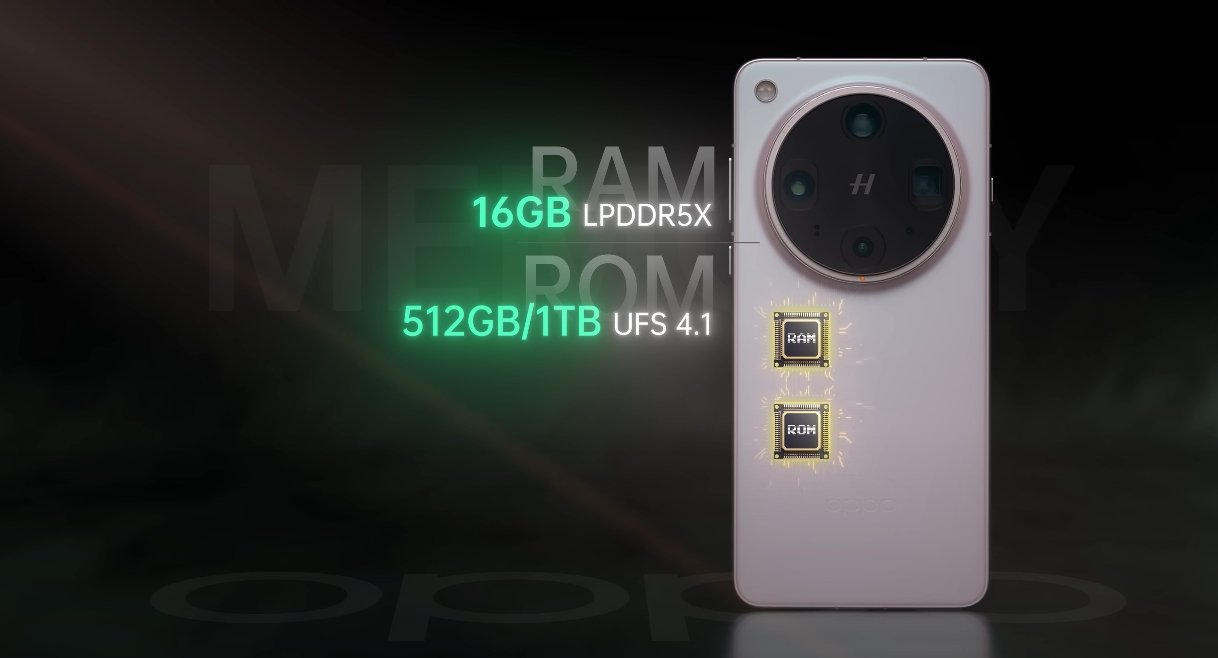
The U.S. variant of the Find X8 Ultra is expected to maintain the premium specifications of its global counterpart. This includes a 6.82-inch LTPO AMOLED display with ultra-thin bezels, providing an immersive and bright viewing experience suitable for outdoor and indoor use. The Snapdragon 8 Elite processor powers the device, paired with configurations of up to 16GB RAM and 1TB storage. These specifications ensure flagship-level performance, smooth multitasking, and excellent gaming capabilities. Users can expect a combination of speed, efficiency, and reliability consistent with other 2025 flagship devices.

Oppo Find X8 Ultra USA variant certification spotted

Camera performance will remain a key selling point for the U.S. variant. The Oppo Find X8 Ultra features a quad-camera system tuned with Hasselblad technology, including a 50MP main sensor, 50MP ultrawide lens, and two telephoto lenses with 3x and 6x optical zoom. The setup offers versatility for photography enthusiasts, supporting wide-angle shots, detailed zoom, and high-quality portrait images. Video recording capabilities also remain robust, with support for high-resolution formats, HDR, and stabilization for professional-grade footage. The U.S. variant is expected to retain all of these features while ensuring compatibility with local networks for cloud backup, streaming, and online photo sharing.

Another critical aspect of the U.S. certification involves ensuring full network compatibility. Previous imports of the Find X8 Ultra sometimes faced connectivity issues with carriers such as AT&T and T-Mobile due to mismatched frequency bands. The new U.S. variant addresses these issues, supporting the key 5G bands and ensuring stable voice and data connections. This will allow users to enjoy fast download speeds, smooth streaming, and uninterrupted calls across major U.S. networks. It also ensures that firmware updates can be delivered seamlessly to maintain long-term device performance.

Oppo’s move to certify the Find X8 Ultra for the United States reflects a broader strategy to expand its market presence. The company has steadily increased its footprint in North America, targeting both mid-range and flagship segments. By introducing a U.S.-specific variant, Oppo can better compete with established rivals like Samsung, Google, and OnePlus, offering a compelling alternative with cutting-edge features and premium design. This also builds confidence among U.S. consumers who may have previously hesitated to import devices due to compatibility and support concerns.

While certification is a positive step, users should remain patient for the official announcement regarding availability and pricing. Certification ensures that the device meets local standards, but it does not guarantee immediate launch. Oppo is likely finalizing distribution channels, carrier partnerships, and marketing plans to ensure a smooth rollout. Early reports suggest that the U.S. variant will mirror the global model in performance and design, but may include minor adjustments to firmware, antennas, or network settings to optimize for American users.

In conclusion, the Oppo Find X8 Ultra’s certification for the U.S. market signals that an official launch is on the horizon. The device promises to deliver flagship-level performance, a stunning AMOLED display, versatile camera capabilities, and robust network support tailored for U.S. carriers. With careful attention to compliance and optimization, the U.S. variant will address past compatibility issues and provide a full-featured experience to American consumers. Enthusiasts can look forward to owning one of 2025’s most advanced smartphones with official support, local carrier compatibility, and the premium features that have made the Find X8 Ultra a standout device globally.

Oppo Find X8 Ultra vs Honor Magic 7 Pro feature check

Oppo Find X8 Ultra vs Honor Magic 7 Pro feature check

Flagship Face-Off: Oppo Find X8 Ultra vs Honor Magic 7 Pro

The battle for flagship supremacy continues in 2025 with the Oppo Find X8 Ultra and Honor Magic 7 Pro standing as two of the most powerful Android smartphones of the year. Both models bring cutting-edge performance, premium designs, and advanced camera systems, but their approaches differ in subtle yet important ways. For users in the United States seeking a high-end Android phone, comparing these two flagships reveals where each device excels and which one fits different user preferences better.

Starting with the design, both smartphones boast premium materials and craftsmanship. The Oppo Find X8 Ultra features a sleek curved-edge display with a glass back and an aluminum frame, exuding a luxurious aesthetic. Its slightly larger 6.82-inch LTPO AMOLED panel offers QHD+ resolution and up to 120Hz refresh rate, delivering an ultra-smooth experience whether browsing or gaming. The Honor Magic 7 Pro counters with a 6.8-inch LTPO OLED screen, also featuring 120Hz adaptive refresh rate and HDR support. While both are equally sharp and vibrant, Oppo’s display tends to have more accurate color calibration and a marginally higher peak brightness, making it better suited for outdoor use.

Performance is an area where both phones are nearly identical on paper. Each is powered by Qualcomm’s latest Snapdragon 8 Gen 4 processor, offering lightning-fast speed, efficiency, and AI-driven optimization. Both support up to 16GB of LPDDR5X RAM and 1TB of UFS 4.0 storage, ensuring they can handle multitasking, gaming, and productivity with ease. However, the Oppo Find X8 Ultra benefits from better thermal management under heavy load, maintaining consistent performance for longer gaming sessions. In benchmark tests, both scored similarly, but Oppo’s stability and sustained performance give it a slight edge for power users and gamers.

Oppo Find X8 Ultra vs Honor Magic 7 Pro feature check

Camera technology is where the biggest differences emerge. The Oppo Find X8 Ultra continues the brand’s partnership with Sony and Hasselblad, featuring a quad-camera system with a massive 1-inch 50MP main sensor, a 50MP ultra-wide lens, and dual periscope telephoto cameras at 3x and 6x optical zoom. This setup allows for versatile shooting at multiple focal lengths and impressive low-light photography. In contrast, the Honor Magic 7 Pro features a triple-camera array with a 50MP main sensor, a 50MP ultra-wide, and a groundbreaking 200MP telephoto lens offering 3.5x optical zoom. While Honor’s telephoto captures incredible detail at high resolution, Oppo’s dual periscope lenses deliver more optical range and clarity at varying zoom levels. For photography enthusiasts who value consistent performance across all conditions, the Find X8 Ultra holds the upper hand, while those who enjoy cropping and editing large telephoto shots may prefer the Magic 7 Pro.

Battery life and charging are also key differentiators. The Oppo Find X8 Ultra houses a larger 5500mAh battery compared to the Honor Magic 7 Pro’s 5270mAh unit. Despite both offering impressive efficiency, Oppo’s slightly bigger cell combined with optimized power management translates into longer endurance under heavy use. Both phones support 100W wired fast charging, taking the battery from zero to full in under 25 minutes. The Magic 7 Pro, however, stands out with its faster 80W wireless charging, while Oppo provides 50W wireless support. In real-world use, both phones can comfortably last a full day of intense activity, but the Find X8 Ultra offers slightly better longevity and thermal efficiency.

When it comes to software, both devices ship with Android 15 but feature their unique skins. Oppo’s ColorOS 15 focuses on refinement and simplicity with improved multitasking tools and smooth animations, while Honor’s MagicOS 8 emphasizes AI-assisted operations and cross-device connectivity within its ecosystem. The Magic 7 Pro offers some impressive AI camera enhancements and smart assistant integrations, while Oppo’s software feels more polished and intuitive. In the U.S. market, both devices will support all major Google services, but Oppo’s cleaner UI may appeal more to users seeking a near-stock Android experience.

Additional features further distinguish these two flagships. Both are IP68-rated for dust and water resistance, have in-display fingerprint scanners, stereo speakers, and support 5G across major U.S. carriers. The Find X8 Ultra offers slightly better haptic feedback and a more balanced stereo soundstage, while the Magic 7 Pro includes enhanced AI gesture controls and more aggressive battery optimization settings. Both phones support eSIM functionality, Wi-Fi 7, and the latest Bluetooth 5.4 standards for seamless connectivity with modern accessories.

In conclusion, the Oppo Find X8 Ultra and Honor Magic 7 Pro are both excellent flagship choices that deliver top-tier performance and premium build quality. The Find X8 Ultra wins with its superior camera flexibility, larger battery, and refined design, making it ideal for power users, photographers, and those who demand maximum endurance. The Honor Magic 7 Pro, on the other hand, shines with its advanced AI features, ultra-high-resolution telephoto lens, and faster wireless charging, appealing to tech-savvy users who love innovation and creative shooting. Ultimately, both smartphones showcase the best of Android engineering in 2025, and the final choice comes down to whether you prioritize versatility and stability with Oppo or innovation and AI brilliance with Honor.

Oppo Find X8 Ultra low light camera test results USA

Oppo Find X8 Ultra low light camera test results USA

Oppo Find X8 Ultra Delivers Stunning Low Light Photography Results in the USA

The Oppo Find X8 Ultra has quickly gained attention in the U.S. smartphone market for its exceptional low light photography capabilities. With a massive 1-inch Sony sensor and advanced image processing algorithms, Oppo’s latest flagship proves that night photography can be both natural and detailed without the need for flash or heavy editing. Recent low light camera tests conducted across various lighting conditions in the U.S. have confirmed that the Find X8 Ultra stands out as one of the most capable phones for nighttime photography in 2025.

The Find X8 Ultra features a quad-camera setup, including a 50-megapixel main lens with a 1-inch sensor, a 50-megapixel ultra-wide camera, and two periscope telephoto lenses offering 3x and 6x optical zoom. This combination provides flexibility in framing and composition, even in challenging low light environments. During tests conducted in city streets, dimly lit cafés, and suburban nightscapes, the Find X8 Ultra consistently captured sharp, vibrant, and noise-free images. Its large sensor and wide aperture allow it to absorb more light, producing clearer results than most of its competitors.

In urban night scenes, the phone performed exceptionally well. Streetlights, neon signs, and reflections on wet pavement were reproduced with natural brightness and accurate color balance. Where many phones struggle with overexposure or color shifts in artificial light, the Find X8 Ultra managed to retain detail in both the highlights and shadows. Skin tones appeared natural under mixed lighting, and the phone’s night mode worked efficiently, delivering results without long exposure times or ghosting effects. Users in the U.S. testing group noted that the camera’s dynamic range made it easy to shoot handheld photos without needing a tripod.

Oppo Find X8 Ultra low light camera test results USA

The performance of the Find X8 Ultra’s telephoto lenses in low light was particularly impressive. At 3x and 6x zoom, the phone maintained good detail and contrast even in dim conditions. While zoomed-in shots usually suffer from reduced clarity on most devices, Oppo’s use of larger telephoto sensors helped it retain texture and depth. Distant buildings, illuminated signs, and even faint light reflections were rendered with precision. This makes the Find X8 Ultra a strong option for users who love capturing city skylines or nighttime portraits without relying on artificial lighting.

Portrait mode in low light also showed major improvements over previous Oppo models. The phone’s AI-based background separation worked seamlessly, maintaining clear subject edges and natural bokeh effects even in dark environments. Facial features appeared well-lit without over-smoothing, and the overall color profile leaned toward a realistic tone rather than artificially brightened skin. This result is particularly important for users who enjoy nighttime street photography or capturing candid moments in low light settings.

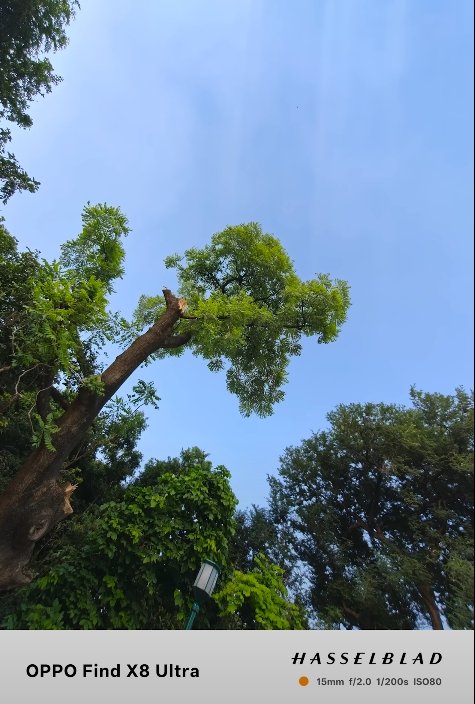
When it came to ultra-wide photos, the Find X8 Ultra performed well but with minor compromises. In moderately low light scenes, the ultra-wide sensor captured consistent results, but in extremely dark locations, some softness and visible noise were noticeable. However, the camera still managed to preserve the scene’s overall tone and composition. The transition between the main and ultra-wide lenses remained smooth, with minimal color shifting or exposure jumps, which is essential for maintaining consistency in multi-lens shooting.

Oppo Find X8 Ultra low light camera test results USA

Video performance under low light also exceeded expectations. The Find X8 Ultra’s 4K recording mode produced bright, stable footage with minimal noise and excellent stabilization. Moving shots, such as walking through dimly lit alleys or capturing traffic at night, appeared fluid and sharp. The large sensor once again proved its advantage, allowing more light intake and reducing flicker or grain in darker areas. Oppo’s enhanced image processing helped maintain accurate colors without turning night footage overly bright or washed out.

Thermal control during long shooting sessions was another area where the Find X8 Ultra impressed. Despite extended video recording and continuous night mode photography, the phone remained cool and responsive. This consistency ensures that users can rely on it for prolonged low light shooting without performance throttling or overheating issues.

Overall, the Oppo Find X8 Ultra demonstrated superior low light performance across multiple categories, including detail retention, exposure accuracy, color consistency, and noise reduction. It clearly outperforms many flagship rivals in its price range, making it a serious contender for photography enthusiasts in the United States. Whether capturing city nightlife, evening landscapes, or quiet indoor scenes, the Find X8 Ultra delivers professional-quality results straight from the camera.

In conclusion, the Oppo Find X8 Ultra’s low light test results confirm it as one of the best smartphones for nighttime photography in the U.S. market. Its combination of a large 1-inch sensor, powerful dual telephoto system, and advanced night algorithms allows users to capture stunning photos with true-to-life color and detail even in the darkest environments. For those who prioritize camera performance above all else, the Find X8 Ultra sets a new benchmark for what a smartphone camera can achieve after sunset.

Also Read:  Samsung Galaxy M17 5G camera details impress early users

Oppo Find X8 Ultra vs Galaxy S25 Ultra early comparison

Oppo Find X8 Ultra vs Galaxy S25 Ultra early comparison

Early Showdown: Oppo and Samsung Flagships

The Oppo Find X8 Ultra and Samsung Galaxy S25 Ultra are two of 2025’s most anticipated Android flagships, each promising cutting-edge performance, premium design, and versatile cameras. Early impressions highlight that both devices aim to deliver top-tier experiences, but their strengths lie in slightly different areas, catering to varying user priorities. Comparing design, display, performance, camera capabilities, and software can help users understand what each device brings to the table.

Starting with design, the Oppo Find X8 Ultra features a flat 6.82-inch LTPO AMOLED display with ultra-thin 1.4mm bezels. This flat-edge approach gives it a solid, symmetrical appearance while improving ergonomics and making screen protectors easier to apply. The rear panel is smooth and premium, with a reduced camera bump for a cleaner look. Oppo emphasizes durability with IP68 + IP69 ratings, ensuring resistance to dust, water, and drops. The device weighs approximately 226 grams, giving it a substantial, premium feel.

The Samsung Galaxy S25 Ultra, in comparison, comes with a slightly larger 6.9-inch LTPO AMOLED display. Samsung maintains its signature curved-edge design, which some users find more comfortable to hold, while others may prefer Oppo’s flat approach. The S25 Ultra is slightly lighter than the Oppo, enhancing portability. Both devices use premium glass and metal construction and offer high levels of water and dust resistance, with Samsung rated at IP68. While the S25 Ultra’s curves make it visually striking, the Oppo’s flat design provides practical benefits for protection and grip.

Oppo Find X8 Ultra vs Galaxy S25 Ultra early comparison

Display quality is another key differentiator. The Oppo Find X8 Ultra’s screen achieves a peak brightness of 2,500 nits, ensuring excellent visibility even under direct sunlight. This high brightness is particularly advantageous for outdoor content viewing and contributes to more vivid HDR performance. The Galaxy S25 Ultra’s screen, while slightly less bright at around 1,416 nits, offers deep blacks and vibrant colors, thanks to Samsung’s Dynamic AMOLED 2X technology. Oppo’s flat panel is paired with DC dimming and high refresh rate support, while Samsung’s curved panel offers an immersive experience with smooth scrolling and excellent color reproduction.

Performance across both devices is top-notch. Both are powered by the Snapdragon 8 Elite processor, ensuring flagship-level speed and responsiveness. The Oppo Find X8 Ultra offers up to 16GB RAM and 1TB storage, while the Galaxy S25 Ultra also provides similar high-end configurations. Reviewers note that multitasking, gaming, and demanding apps run seamlessly on both devices, with minimal lag or thermal throttling. Battery performance, however, favors the Oppo with its 6,100mAh cell and 100W wired / 50W wireless charging, compared to Samsung’s 5,000mAh battery with 45W wired charging. Oppo’s larger battery and faster charging capabilities make it ideal for power users who need extended uptime.

Camera capabilities show notable differences as well. The Oppo Find X8 Ultra features a 50MP main sensor, 50MP ultrawide lens, and two telephoto lenses with 3x and 6x optical zoom. Its camera system emphasizes versatility and balanced color reproduction, with Hasselblad tuning providing professional-grade image quality. The Galaxy S25 Ultra carries a 200MP main sensor, a 50MP periscope telephoto with 5x optical zoom, an additional 3x telephoto lens, and a 50MP ultrawide lens. While Samsung’s higher megapixel count suggests superior resolution, Oppo’s dual telephoto and Hasselblad tuning deliver consistent detail and accurate colors, particularly for zoomed-in shots. Both phones support high-end video recording, HDR, and advanced stabilization.

Software and ecosystem integration also distinguish the two. The Oppo Find X8 Ultra runs ColorOS 15 based on Android 15, offering customization, smooth multitasking, and intuitive controls. Samsung’s Galaxy S25 Ultra uses One UI on Android 15, providing seamless integration with Samsung’s ecosystem, including tablets, wearables, and smart home devices. Users who prioritize interconnected devices may lean toward Samsung, while those who value customization and innovative UI features might prefer Oppo.

In conclusion, both the Oppo Find X8 Ultra and Samsung Galaxy S25 Ultra are exceptional 2025 flagships. Oppo excels in display brightness, battery capacity, and versatile camera performance, making it appealing for users who want high-end hardware and long-lasting usage. Samsung offers a larger, immersive display, a robust ecosystem, and powerful cameras with high megapixel counts, catering to users who value integration and screen experience. Choosing between them ultimately depends on individual priorities: whether you prefer bright, flat-edge screens and battery longevity, or immersive curved displays with ecosystem advantages.

Both devices set a high benchmark for Android smartphones this year, pushing innovation in design, performance, and imaging, and leaving early adopters excited about the competition between Oppo and Samsung in 2025.

Also Read:  Nothing Phone 3A Lite camera performance review USA