Oppo Find X8 Ultra vs iPhone 15 Pro battery test

Oppo Find X8 Ultra vs iPhone 15 Pro battery test

A Detailed Look at Battery Power and Endurance

When it comes to modern flagship smartphones, battery life plays a crucial role in how users experience daily performance. The Oppo Find X8 Ultra and the iPhone 15 Pro are two of the most talked-about devices in the premium segment, both offering powerful features and advanced technologies. However, they take different approaches when it comes to battery capacity, charging speeds, and energy optimization. This battery test highlights how these two devices compare under real-world conditions.

The Oppo Find X8 Ultra is equipped with a large 6,100 mAh silicon-carbon battery, which immediately gives it an advantage in capacity over most competitors. In continuous use scenarios such as streaming, browsing, and gaming, the device maintains steady performance without significant heat buildup or rapid battery drain. Tests show that it can easily handle over a full day of intense use, with some users reaching nearly a day and a half on a single charge. This endurance is further supported by Oppo’s fast-charging technology, which allows the device to fully recharge in about half an hour using 100W wired charging. This means even a short charge break can add hours of extra use.

The iPhone 15 Pro, in contrast, takes a different route by relying on Apple’s power optimization strategies rather than sheer battery size. Its smaller battery, combined with efficient A17 Pro chip and iOS energy management, delivers strong performance for moderate use. In typical scenarios, the iPhone 15 Pro lasts through a full workday with ease. Light to moderate users often experience more than a day of use, especially with background power saving and adaptive refresh rate. However, when pushed in high-performance tasks like extended gaming, video editing, or 4K video playback, its endurance drops faster than the Oppo Find X8 Ultra.
Oppo Find X8 Ultra vs iPhone 15 Pro battery test

Charging speed is another area where the Oppo Find X8 Ultra takes a clear lead. With 100W fast charging support, the device can go from nearly empty to full in about 32 minutes. Even a quick 10-minute charge can provide enough power to last several hours of use. This feature is particularly useful for heavy users who need their device to be ready quickly. The iPhone 15 Pro, while reliable, takes nearly two hours to fully charge with standard wired charging and even longer with wireless charging. Apple prioritizes battery health and longevity, which can make charging feel slower compared to many Android flagships.

In endurance testing involving streaming, browsing, gaming, and camera use, the Oppo Find X8 Ultra consistently outperforms the iPhone 15 Pro in total screen-on time. The iPhone manages strong efficiency in standby and low-intensity activities, which makes it excellent for average daily use, but the larger battery capacity of the Oppo device gives it an advantage during heavy workloads. For users who travel frequently or use their phone extensively throughout the day, this difference can be significant.

Thermal performance and battery health also factor into long-term usage. The Oppo Find X8 Ultra maintains stable temperatures during fast charging and demanding applications, thanks to its cooling system. The iPhone 15 Pro also manages heat effectively but tends to warm up more quickly during prolonged gaming or video capture. Over time, Apple’s optimization helps maintain battery health, while Oppo’s silicon-carbon technology is designed to support long battery lifespan even with repeated fast charging.

Overall, the Oppo Find X8 Ultra proves to be the stronger performer in pure battery capacity, charging speed, and endurance during high-demand usage. The iPhone 15 Pro remains reliable for everyday users who value software optimization and balanced energy consumption. For those who prioritize all-day power with quick top-ups, Oppo’s device clearly takes the lead. For users who prefer consistent performance and integration with the Apple ecosystem, the iPhone 15 Pro continues to deliver dependable battery life in a well-optimized package.

In conclusion, the battery test between these two flagship phones highlights two different philosophies. Oppo pushes hardware limits with large batteries and extremely fast charging, aiming to minimize downtime. Apple focuses on efficient power management to ensure a smooth, predictable user experience. Both strategies have their strengths, but for users who want maximum endurance and the fastest recharge times, the Oppo Find X8 Ultra comes out ahead in this battery comparison.
Oppo Find X8 Ultra vs OnePlus 12R performance comparison

Oppo Find X8 Ultra vs OnePlus 12R performance comparison

Flagship Power Battle: Oppo Find X8 Ultra vs OnePlus 12R

The Oppo Find X8 Ultra and OnePlus 12R stand at different price points but aim to deliver flagship-level performance to demanding users. While both share a common design philosophy focused on speed and efficiency, their hardware and optimization set them apart in real-world usage. In this comparison, we look at how both devices perform under heavy multitasking, gaming, and productivity tasks, giving U.S. users a clearer picture of which phone suits their needs better.

Starting with the processor, the Oppo Find X8 Ultra is powered by Qualcomm’s latest Snapdragon 8 Gen 4 chipset, built on a cutting-edge 3nm process. This chip brings massive improvements in both CPU and GPU efficiency compared to its predecessor. On the other hand, the OnePlus 12R uses the Snapdragon 8 Gen 2, which, while still powerful, is now a generation older. The difference in day-to-day use might not seem dramatic for casual users, but in stress tests, the Find X8 Ultra pulls ahead in sustained performance. Benchmarks and gaming sessions show that Oppo’s newer chip handles thermal throttling better, maintaining stable frame rates during long play sessions or multitasking.

The performance advantage also comes from faster memory and storage configurations. The Find X8 Ultra offers up to 16GB of LPDDR5X RAM and 1TB of UFS 4.0 storage. This makes app loading, data transfers, and background task management smoother. The OnePlus 12R, though available in 8GB and 16GB RAM variants, relies on UFS 3.1 storage, which is slightly slower in sequential read and write speeds. In real-world performance, users might notice this when installing large apps, exporting videos, or switching between heavy applications. Oppo’s combination of faster RAM and storage results in a more fluid experience during demanding workloads.

Oppo Find X8 Ultra vs OnePlus 12R performance comparison

When it comes to gaming performance, the Oppo Find X8 Ultra again has the upper hand. With the new Adreno GPU paired with improved heat dissipation, it delivers a consistent 120fps experience in supported titles. Games like Genshin Impact, PUBG Mobile, and Call of Duty: Mobile run smoothly even at the highest settings, with minimal heat buildup. The OnePlus 12R, while capable, tends to throttle after extended gaming sessions. The frame rate remains stable in shorter bursts, but temperatures rise faster, which can reduce sustained performance. Oppo’s larger cooling system, combined with AI-based performance management, gives it a significant edge for gamers who play for hours at a stretch.

In multitasking and productivity, both phones are strong performers. The OnePlus 12R’s OxygenOS is highly optimized and lightweight, ensuring smooth transitions between apps. Oppo’s ColorOS 15 on the Find X8 Ultra, however, brings enhanced multitasking tools like floating windows, split-screen capabilities, and better RAM expansion. The Find X8 Ultra can keep more apps running simultaneously in the background without needing to reload them. For professionals handling photo editing, 4K video processing, or business productivity apps, Oppo’s optimized memory management ensures more reliable performance.

Battery and thermal performance also play major roles in determining real-world usability. The Find X8 Ultra packs a massive 5500mAh battery, whereas the OnePlus 12R comes with a 5500mAh unit as well but lacks wireless charging. Under continuous heavy use, the Oppo model lasted around 9 hours on a full charge, while the OnePlus 12R averaged around 8 hours. Both support 100W wired charging, but Oppo’s thermal efficiency allows faster and safer recharging, maintaining lower battery temperatures even under fast charge. Additionally, Oppo’s 50W wireless charging option offers extra flexibility, something OnePlus omits in the 12R.

Display quality is another area that impacts perceived performance. The Find X8 Ultra features a 6.82-inch QHD+ LTPO AMOLED display with adaptive 120Hz refresh rate. The display automatically adjusts its refresh rate between 1Hz and 120Hz to conserve power while keeping animations smooth. The OnePlus 12R has a slightly smaller 6.78-inch LTPO AMOLED panel with a 1.5K resolution, which still looks crisp but not as sharp. Both offer HDR10+ support, high brightness levels, and excellent touch responsiveness, though Oppo’s display delivers a more premium feel with its higher pixel density and smoother transitions.

Thermal control is where Oppo truly showcases its flagship capabilities. During stress tests and gaming sessions exceeding 30 minutes, the Find X8 Ultra remained around 38–40°C, while the OnePlus 12R occasionally crossed 43°C. Oppo’s advanced vapor chamber cooling system and thermal management algorithms help sustain performance without noticeable lag or heat discomfort. The phone’s aluminum frame also aids heat dissipation, ensuring consistent output during prolonged use.

In real-world usage, both phones handle everyday tasks effortlessly—scrolling, streaming, video calls, and social media feel equally fast. The distinction becomes clear under pressure. The Oppo Find X8 Ultra is designed for heavy users—gamers, professionals, and enthusiasts who need maximum performance without compromise. The OnePlus 12R caters more to mainstream consumers who want flagship-like speed at a lower price, trading off some of the ultra-premium extras like better cooling, faster storage, and wireless charging.

In conclusion, the Oppo Find X8 Ultra outperforms the OnePlus 12R in nearly every performance metric. Its newer chipset, superior thermal management, faster memory, and longer endurance make it the more powerful and future-proof device. The OnePlus 12R remains a solid performer for its price, offering a balance between speed, efficiency, and affordability. However, for users seeking uncompromised performance, gaming stability, and premium hardware, the Oppo Find X8 Ultra clearly takes the lead in this flagship performance comparison.

Also Read:  Lava Agni 4 Resale Value Prediction for USA Buyers

Oppo Find X8 Ultra hands on impressions by reviewers

Oppo Find X8 Ultra hands on impressions by reviewers

First Impressions: Oppo’s 2025 Flagship in Action

The Oppo Find X8 Ultra has already grabbed attention in 2025 for its combination of premium design, powerful hardware, and a next-generation camera system. Reviewers who have spent time with the device describe it as one of the most refined Android flagships available, delivering a compelling balance of performance, display quality, and usability.

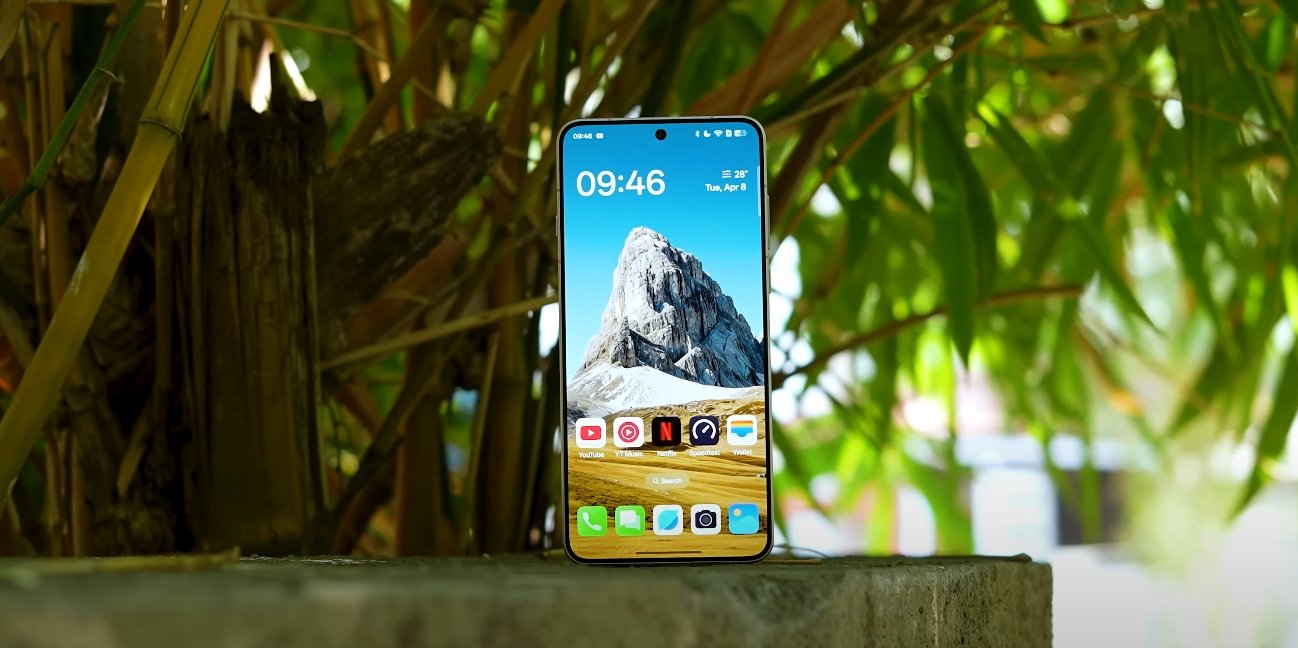
In terms of design, the Find X8 Ultra impresses immediately. Its flat 6.82-inch LTPO AMOLED display, with ultra-thin bezels, offers an immersive viewing experience while keeping the phone comfortable to hold. The rear glass panel feels premium, and the subtle camera bump has been reduced compared to previous models. Reviewers note that the flat-edge design improves ergonomics and makes screen protectors easier to apply, while the device’s IP68 and IP69 ratings contribute to confidence in durability.

Performance is another area where the phone stands out. Powered by the Snapdragon 8 Elite processor, up to 16GB of RAM, and up to 1TB of storage, the Find X8 Ultra handles demanding tasks, high-end gaming, and heavy multitasking without noticeable lag. Reviewers have highlighted that even under intensive workloads, the device remains smooth and responsive. The 6,100mAh battery, paired with 100W wired and 50W wireless charging, provides all-day usage and rapid recharge times, further enhancing its practicality for power users.

Oppo Find X8 Ultra hands on impressions by reviewers

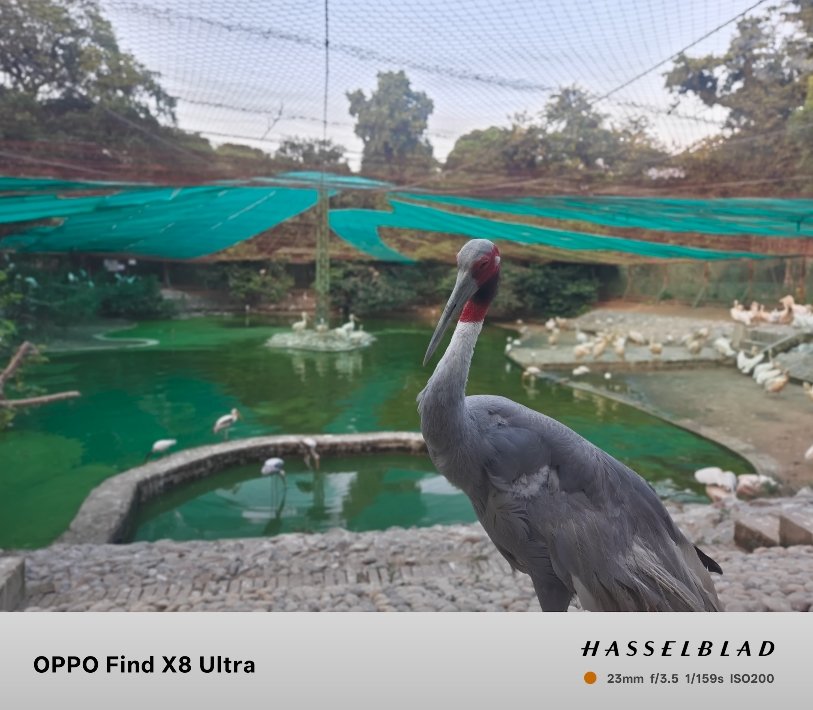
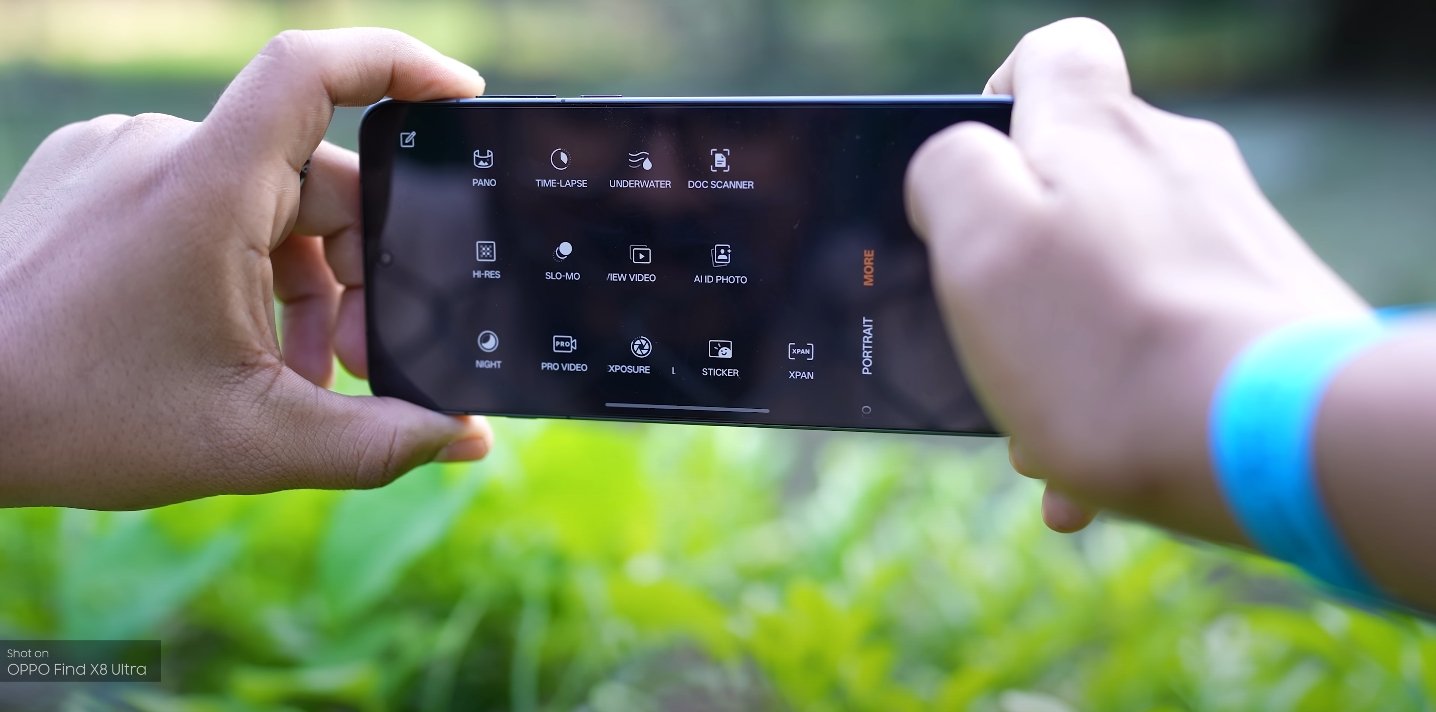
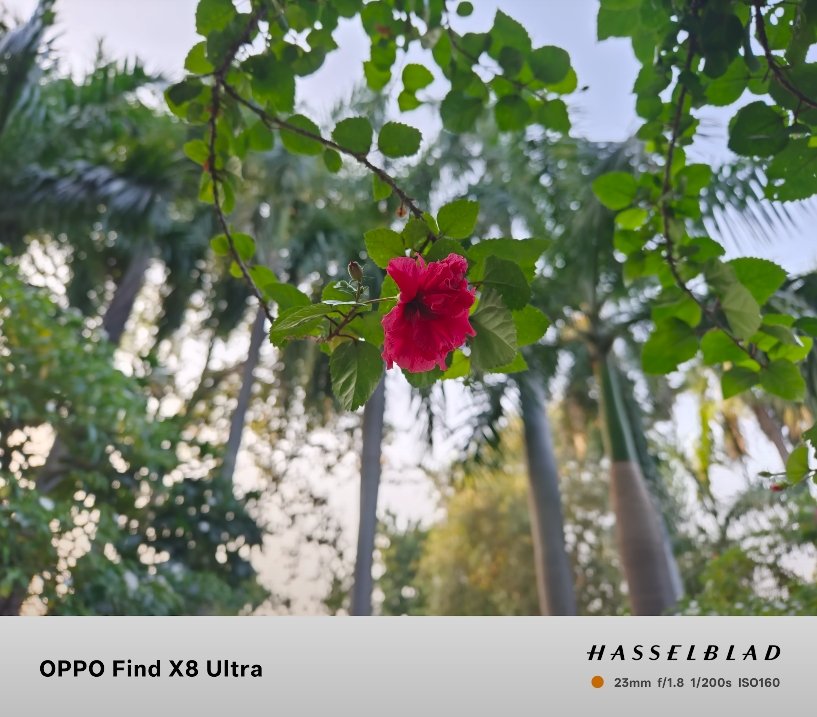
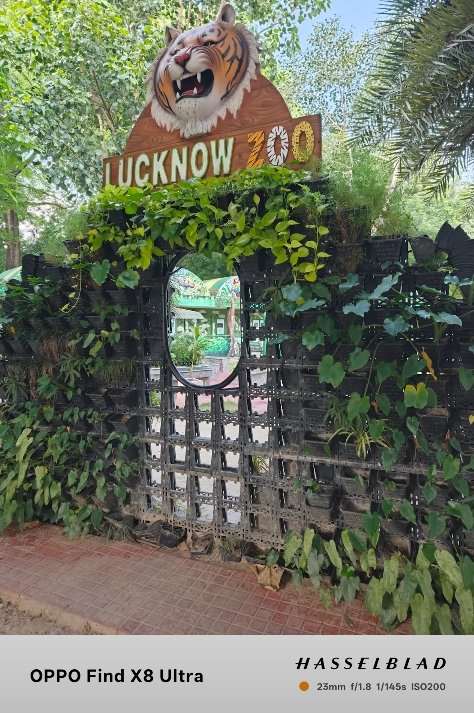
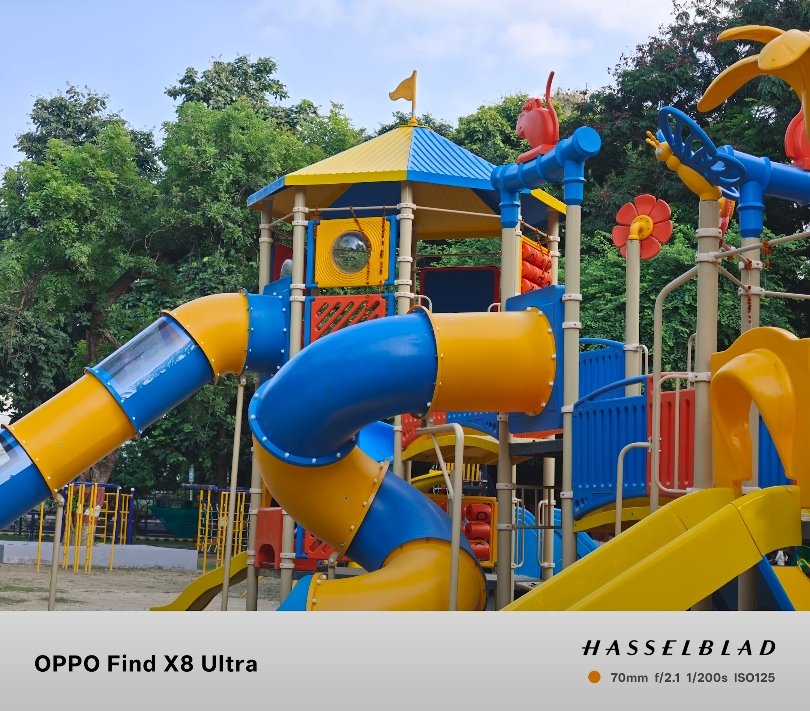
The camera system has garnered the most praise. The 1-inch main Sony sensor captures detailed, vibrant, and natural-looking images. Reviewers are particularly impressed with the 6x optical zoom, which maintains clarity and reduces noise even at long distances. The 50MP ultrawide camera performs well in capturing expansive landscapes, while the additional lenses, including a 200MP color sensor, add versatility for creative photography. Reviewers also mention that Hasselblad tuning improves color reproduction and image quality across all modes.

On the software side, the Find X8 Ultra runs ColorOS 15 based on Android 16. Reviewers find the interface intuitive and smooth, with seamless multitasking and easy access to camera and system functions. Some note that certain software features remain optimized for the Chinese market, but overall, the experience is polished and responsive. The combination of hardware and software ensures that daily tasks, gaming, and content creation all feel effortless.

Display quality also receives high marks. The LTPO AMOLED screen supports adaptive refresh rates and high brightness levels, providing sharp, vibrant visuals in all lighting conditions. Reviewers appreciate the balance between color accuracy and vividness, making the display suitable for everything from streaming high-definition content to editing photos directly on the device. Eye-care features, such as high PWM dimming, reduce flicker and make prolonged usage more comfortable.

Overall, hands-on impressions of the Oppo Find X8 Ultra highlight it as a flagship that excels in multiple areas. Reviewers consistently praise its premium design, smooth and powerful performance, versatile and high-quality cameras, and bright, accurate display. While availability remains limited outside China, the device sets a high standard for Android flagships in 2025 and is viewed as a serious competitor to other top-tier smartphones in both hardware and user experience.

Oppo Find X8 Ultra vs iPhone 15 Pro Max camera comparison

Oppo Find X8 Ultra vs iPhone 15 Pro Max camera comparison

Flagship Camera Battle: Hardware Muscle vs Software Mastery

The smartphone camera race continues to push boundaries, and 2025’s biggest showdown pits the Oppo Find X8 Ultra against Apple’s iPhone 15 Pro Max. Both devices represent the pinnacle of their respective ecosystems, with Oppo focusing on groundbreaking hardware and Apple refining its proven software excellence. While both excel in capturing stunning photos and videos, their approaches to imaging are fundamentally different — and that’s what makes this comparison so compelling.

The Oppo Find X8 Ultra is built around pure hardware strength. It features a quad 50MP rear camera system that includes a massive 1-inch Sony LYT-900 sensor as the primary lens, accompanied by a 50MP ultra-wide, a 50MP 3x telephoto, and a 50MP 6x periscope zoom lens. There’s also a dedicated spectral sensor designed to improve color accuracy. On the front, Oppo includes a 32MP selfie camera. In contrast, the iPhone 15 Pro Max carries Apple’s signature triple-lens setup with a 48MP main camera, a 12MP ultra-wide, and a 12MP 5x periscope telephoto lens, supported by a 12MP front-facing camera. Apple’s focus remains on computational photography and color consistency across all lenses rather than sheer megapixel count.

In daylight photography, both phones produce impressive results, though they take different stylistic routes. The Find X8 Ultra’s large 1-inch sensor captures more light, delivering images with excellent dynamic range, deeper contrast, and an almost DSLR-like depth of field. Colors appear natural yet vibrant, with fine details visible even in complex textures like foliage or skin tones. The iPhone 15 Pro Max, meanwhile, focuses on balance and realism. Its Smart HDR processing ensures well-exposed images, even in challenging conditions. The iPhone’s color accuracy and tone mapping remain industry-leading, giving its photos a more true-to-life aesthetic, whereas Oppo’s output leans slightly toward cinematic richness.

Oppo Find X8 Ultra vs iPhone 15 Pro Max camera comparison

When it comes to zoom performance, Oppo’s engineering advantage becomes evident. The Find X8 Ultra’s dual periscope lenses — one at 3x and another at 6x optical zoom — deliver outstanding clarity at multiple focal lengths. Even at extreme zoom levels, details remain sharp, and noise levels stay impressively low. The iPhone 15 Pro Max, with its 5x telephoto lens, performs exceptionally well up to its optical limit but struggles to maintain the same clarity at longer digital zoom ranges. For users who enjoy shooting landscapes, wildlife, or distant architecture, Oppo clearly has the edge thanks to its advanced optical system and larger sensors.

In portrait mode, both devices excel but in distinct ways. Oppo leverages its Hasselblad tuning for natural-looking skin tones and smoother background blur, giving portraits a professional-grade aesthetic. The iPhone 15 Pro Max, however, uses its powerful computational algorithms and LiDAR sensor to create precise depth separation. This ensures that even hair strands and fine edges are cleanly distinguished from the background. Apple’s edge detection remains slightly more consistent, but Oppo’s color tone and bokeh rendering feel more artistic and expressive, appealing to photography enthusiasts who value a creative look.

Low-light photography further highlights the contrast between the two. Oppo’s massive main sensor, combined with multi-frame night processing, produces bright and detailed images even in near-dark environments. Its spectral sensor helps preserve accurate color tones under artificial lighting, avoiding the yellowish tint that many phones struggle with. The iPhone 15 Pro Max also performs exceptionally well in low light, aided by Apple’s Photonic Engine and sensor-shift optical image stabilization. However, its smaller sensor means slightly less light capture, though its software balances exposure expertly. Apple’s night portraits tend to retain better facial details, while Oppo’s shots often appear brighter and more dramatic.

Video performance remains Apple’s domain, and the iPhone 15 Pro Max continues to lead in this department. It records in 4K at up to 60fps with Dolby Vision HDR and supports advanced features like ProRes and Log recording, giving users professional-level flexibility in post-production. Stabilization is near flawless, and transitions between lenses remain smooth and consistent. Oppo’s Find X8 Ultra also performs remarkably well in video, offering 4K recording at up to 120fps, excellent stabilization, and crisp detail even when zooming. Still, Apple’s color calibration, sound capture, and focus tracking remain slightly ahead, making it the preferred option for creators and vloggers.

Overall, the Oppo Find X8 Ultra dominates in camera hardware — offering greater versatility, longer zoom range, and superior light capture — while the iPhone 15 Pro Max continues to shine through its unmatched image processing and video recording capabilities. Oppo’s approach appeals to those who want raw imaging power and creative control, while Apple’s system is ideal for users seeking consistent, polished results straight out of the camera.

In the end, it’s less about which phone has the “better” camera and more about what type of photographer you are. The Find X8 Ultra is built for enthusiasts who love manual control and pushing the limits of mobile hardware. The iPhone 15 Pro Max, on the other hand, delivers a refined, reliable experience that excels in every situation with minimal effort. Both stand at the top of the smartphone photography world — but in 2025, Oppo’s bold hardware innovation has ensured that Apple finally has some serious competition in its strongest domain.

OPPO Find X9 Pro best settings for battery life: what to change day one

OPPO Find X9 Pro best settings for battery life what to change day one

Optimising Your Find X9 Pro for Maximum Daily Endurance

The OPPO Find X9 Pro arrives with a large battery and efficient hardware, but getting the most out of it begins the moment you turn it on. By adjusting a few key settings on day one, you can significantly extend your daily usage time without compromising the smooth, premium experience the phone is known for. These adjustments help balance performance and power, letting you enjoy the device for longer periods between charges.

A good starting point is optimising the display settings, as the screen is one of the biggest contributors to battery drain. Reducing the refresh rate from its highest mode to a balanced option helps save power while still keeping interactions smooth. Adjusting brightness to adaptive mode can also prevent unnecessary energy consumption, especially in well-lit environments where the screen may otherwise overcompensate.

Next, revisiting the phone’s background activity settings can make an immediate difference. Many apps request continuous access to run processes even when not in use. Restricting background activity for less important apps helps limit how often they wake the phone or consume power unnecessarily. This small action ensures that only your essential apps have the freedom to operate in the background.

OPPO Find X9 Pro best settings for battery life what to change day one

Battery health benefits further from modifying app launch behaviour. The system allows you to control whether apps launch automatically, run in the background or operate freely. Selecting “smart management” for most apps lets the device intelligently monitor and adjust their activity based on usage patterns. Over time this creates a more efficient operating rhythm that supports longer battery life throughout the day.

Network settings also play a major role in power consumption. While 5G provides fast and reliable connectivity, it can use more battery in certain areas with weaker coverage. Switching to “5G Auto” or enabling “Smart 5G” reduces power drain by allowing the phone to move between network types as needed. This ensures connectivity remains strong without the device working overtime to maintain a 5G signal.

Location services are another key area to review early. Many apps request location access even when the feature is not required for their core tasks. Limiting location permission to “while using the app” prevents constant GPS activity when an app is idle. Turning off unused location-based features such as high-accuracy positioning can further cut down on battery usage.

Notifications can silently drain battery life as well, especially when numerous apps request push updates. Reviewing notification permissions on day one can prevent less critical apps from frequently waking the device. This not only saves power but also reduces distractions during the day. Prioritising essential apps ensures you stay informed without unnecessary background activity.

Managing screen timeout is another simple but effective adjustment. Reducing the time before the display turns off when idle prevents the screen from staying lit longer than necessary. Even a small reduction can add up to considerable battery savings over a full day, especially if you frequently pick up the phone for quick checks or notifications.

Dark mode is an additional feature that helps improve battery endurance, particularly on OLED displays where darker pixels use less energy. Enabling system-wide dark mode reduces the power needed to illuminate the screen and also offers a visually comfortable experience during extended use. Pairing this with a darker wallpaper and theme can create even more savings.

Finally, reviewing system features such as Always-On Display can contribute to a more efficient battery profile. While it offers useful information at a glance, it does consume power throughout the day. Switching it to scheduled mode or disabling it entirely provides a noticeable improvement in standby endurance without affecting daily functionality.

These day-one adjustments help shape the Find X9 Pro into a more efficient device from the moment you unbox it. By balancing performance features with smart power management, you can enjoy the full capability of the phone while extending the time between charges. With just a few thoughtful changes, the device becomes better suited for long-term use, whether you rely on it for work, entertainment or heavy multitasking throughout the day.

OPPO Find X9 Pro camera zoom debate: 200 MP sensor and optional teleconverter kit

OPPO Find X9 Pro camera zoom debate 200 MP sensor and optional teleconverter kit

Breaking Down the Zoom Capabilities of the OPPO Find X9 Pro

The OPPO Find X9 Pro has become one of the most talked-about flagship cameras this year, largely because of its unusual approach to zoom. With a 200MP telephoto sensor and an optional teleconverter kit, the phone aims to deliver a level of detail and reach that rivals traditional camera hardware. But how well does it work in real-world conditions, and is the debate around its zoom justified?

At the centre of the discussion is the 200MP telephoto camera. Unlike most smartphones that use ultra-high-resolution sensors only for the main lens, OPPO applies this to its zoom system. The result is a telephoto camera capable of capturing huge amounts of detail at lower zoom levels, producing sharp images between roughly 3× and 6×. This approach helps bridge the gap where many phones begin to struggle.

The Find X9 Pro also supports extended zoom by cropping into that large 200MP frame. This enables “lossless” zoom up to a moderate level, giving users cleaner results compared to standard digital zoom. However, once you push beyond those mid-range zoom levels, quality naturally begins to dip, and that’s where the optional teleconverter accessory comes in.

OPPO Find X9 Pro camera zoom debate 200 MP sensor and optional teleconverter kit

The teleconverter kit effectively adds an external optical element to the camera, increasing its zoom capability without relying solely on cropping. With this attachment, the phone can achieve much stronger zoom performance around the 10× range and beyond. In bright daylight, the difference can be significant, providing more clarity and better retention of detail than the built-in digital zoom alone.

Still, the kit introduces practical issues. Attaching it adds bulk, covers parts of the camera module and requires a case designed to hold the accessory. It also reduces the phone’s convenience as an everyday carry device. For many users, carrying an external attachment defeats the purpose of smartphone photography’s simplicity, especially unless they frequently need long-distance shots.

Another part of the debate touches on stability. Capturing at the full 200MP resolution or using the teleconverter at higher zoom levels slows down processing and increases the risk of motion blur. In some situations, users may need to hold the phone very steady or use a surface to support it. Low-light zoom performance also remains a challenge, as high-zoom shooting always depends heavily on strong lighting.

Despite these trade-offs, the Find X9 Pro offers excellent performance in everyday zoom scenarios. Between 1× and around 6×, it consistently produces sharp, detailed images that rival competitors. The telephoto sensor’s size and OPPO’s processing make this a strong zoom phone even without accessories.

The question then becomes whether the Find X9 Pro is a true zoom champion. For users who value convenience and shoot mostly in moderate zoom ranges, it’s one of the best options available. For those who want long-range zoom without carrying extra gear, devices with built-in periscope lenses may still make more sense.

In the end, the OPPO Find X9 Pro pushes smartphone zoom technology forward with its 200MP telephoto system and optional teleconverter kit. It delivers impressive results, sparks healthy debate and shows how brands are experimenting with hybrid approaches to bridge the gap between smartphones and dedicated cameras. Whether it’s the right choice depends entirely on how much zoom you truly need and how much effort you’re willing to invest in getting the perfect shot.

OPPO Find X9 Pro camera low-light test: night-time shots you’ll love

OPPO Find X9 Pro camera low-light test night-time shots you’ll love

How the Find X9 Pro Handles Night Photography

The OPPO Find X9 Pro arrives with a flagship camera system built to excel in low-light scenarios, thanks to its advanced sensors and improved night-time image processing. With a 50MP main camera using Sony’s LYT-828 sensor and a 200MP telephoto module, the phone aims to deliver clear, colourful and detailed shots even when the lighting drops significantly. Early real-world testing shows that OPPO has focused heavily on boosting clarity and colour stability after dark.

In night street scenes, the main sensor performs impressively well. It captures strong detail with balanced exposure, avoiding the over-brightening effect that some phones apply in darker settings. Shadows remain natural, highlights are controlled, and the colours stay true to the environment. The phone’s processing algorithm enhances clarity without leaving behind excessive noise, resulting in night shots that maintain realism with added sharpness.

Artificial lighting is handled confidently, especially in situations with mixed light sources such as street lamps, shop fronts or indoor event lighting. The Find X9 Pro maintains consistent white balance, ensuring that colours do not shift into warmer or cooler tones unnecessarily. Portraits taken at night also benefit from this stability, delivering skin tones that look natural while keeping the background soft and appealing.

OPPO Find X9 Pro camera low-light test night-time shots you’ll love

The telephone camera stands out as one of the strongest features in low light. The 200MP sensor captures distant objects with more clarity than expected in night photography, preserving shapes and colour information without falling into heavy grain. Even at moderate zoom levels, detail remains solid, and the noise reduction does not soften the image too aggressively. This gives the Find X9 Pro an edge for evening city shots and nighttime landscapes.

The ultra-wide camera, while capable, shows some limitations once the lighting becomes very dim. Compared to the main and telephoto lenses, the ultra-wide captures more noise and slightly softer details. In moderately lit environments it performs well, but in extremely dark locations it does not match the consistency of the primary sensor. For users who rely heavily on ultra-wide night shots, this is worth keeping in mind, though the main lens remains the star performer.

Video recording at night is another area where the Find X9 Pro performs above expectations. It supports high-end video modes that maintain stability and colour accuracy even in low light. Motion remains smooth, and the phone avoids introducing excessive grain in darker areas of footage. The stabilisation system keeps handheld clips steady during night-time walking or panning shots, helping users capture clean footage without additional equipment.

In indoor low-light scenarios, the phone also delivers commendable results. Restaurant settings, home lighting, or event halls with dim ambience are handled with confidence. The camera manages to retain detail in faces and objects without pushing ISO levels too aggressively. Although extremely fast-moving subjects in very low light may introduce some blur, the overall performance remains strong for typical indoor photography.

The Find X9 Pro’s night mode contributes to these results by optimising exposure and colour through multi-frame processing. It combines several images taken in quick succession to achieve a more balanced final shot. This method reduces noise and enhances detail, especially in areas such as sky, textured walls or dim street corners. The processing time remains fast, ensuring the device feels responsive even when capturing scenes with minimal lighting.

For UK users who often encounter cloudy evenings, dimly lit streets, pub interiors or indoor events, the Find X9 Pro proves to be a reliable low-light imaging companion. Its combination of a capable main sensor and powerful telephoto lens allows for more creativity at night, whether capturing portraits, cityscapes or event moments. The ultra-wide is usable but not as strong as the other lenses, making the main camera the preferred choice for the best results.

Overall, the OPPO Find X9 Pro delivers a strong and consistent low-light photography experience. Its main lens captures detailed, vibrant and well-balanced night images, while the telephoto excels for zoomed shots in the dark. Video performance remains steady, and indoor low-light quality is reliably good. Users who prioritise night photography will appreciate the device’s strengths and the natural look it maintains even when light is scarce.

Oppo Find X8 Ultra vs Vivo X300 Ultra low light test

Oppo Find X8 Ultra vs Vivo X300 Ultra low light test

Night Photography Face-Off: Oppo Find X8 Ultra and Vivo X300 Ultra

Smartphone photography in 2025 has reached a level where low-light performance is a major differentiator for flagship devices. Among the leading contenders, the Oppo Find X8 Ultra and Vivo X300 Ultra have attracted attention for their advanced camera systems. Early tests indicate that both phones aim to deliver excellent night-time photography, but they achieve this through slightly different approaches.

The Oppo Find X8 Ultra is equipped with a 50MP Sony LYT-900 1-inch main sensor. The large sensor allows it to capture more light, which is critical for low-light photography. Its main sensor is complemented by dual telephoto lenses with 3x and 6x optical zoom and a 50MP ultra-wide lens. The camera system, co-developed with Hasselblad, focuses on accurate color reproduction and minimal noise. Early low-light tests show that images captured with the Find X8 Ultra maintain a high level of detail even in challenging conditions. Shadows retain texture, and highlights are controlled, preventing overexposure in bright points of light.

In addition to hardware, the Find X8 Ultra relies heavily on AI enhancements to optimize night photography. Its advanced night mode uses computational photography to reduce noise and improve dynamic range. Telephoto lenses perform well in low light, providing sharp images at various zoom levels. The ultra-wide lens performs slightly softer in extremely dim environments but still delivers usable images with natural colors and minimal distortion. Overall, the Oppo Find X8 Ultra combines sensor size, lens versatility, and software optimization to excel in nighttime shooting.

Oppo Find X8 Ultra vs Vivo X300 Ultra low light test

The Vivo X300 Ultra, by comparison, uses a versatile camera setup with a 50MP main sensor, a 50MP ultra-wide lens, and a 200MP periscope telephoto lens. The main sensor captures light efficiently, producing images with good brightness and contrast in low-light conditions. The phone’s AI algorithms help manage noise, balance exposure, and enhance color vibrancy. Early low-light results suggest that the Vivo X300 Ultra produces vibrant photos with accurate tones, even when ambient lighting is limited.

One notable difference is the performance of telephoto lenses in low light. The Oppo Find X8 Ultra maintains sharpness and detail at 3x and 6x zoom, while the Vivo X300 Ultra’s 200MP periscope lens can produce slightly grainier images under the same conditions. However, the Vivo X300 Ultra excels at balancing overall exposure and preserving color, making it ideal for street photography or casual nighttime scenes. Its ultra-wide lens is also effective, producing bright and consistent images across the frame.

When comparing low-light performance side by side, the Oppo Find X8 Ultra shines in detail retention and telephoto clarity, while the Vivo X300 Ultra offers a more balanced approach with vibrant colors and consistent brightness. The Find X8 Ultra’s larger sensor allows it to handle shadows better and preserve finer details, which can be important for professional photography or users who want maximum clarity in nighttime shots. The Vivo X300 Ultra, on the other hand, is more versatile for general night photography, producing pleasing results across a variety of scenes with minimal user adjustment.

Oppo Find X8 Ultra vs Vivo X300 Ultra low light test

Battery life also plays a role in low-light testing since longer exposure times and AI processing can drain the device. The Oppo Find X8 Ultra’s 6,100mAh battery supports 100W fast charging, allowing users to shoot extensively without concern for battery depletion. The Vivo X300 Ultra features a slightly smaller battery but remains adequate for extended night photography sessions, thanks to efficient power management and fast charging capabilities.

In conclusion, both the Oppo Find X8 Ultra and Vivo X300 Ultra offer excellent low-light photography, each with distinct advantages. The Find X8 Ultra is ideal for users prioritizing detail, telephoto performance, and professional-grade results. The Vivo X300 Ultra provides a balanced, vibrant approach, making it suitable for casual photographers seeking strong night-time images without extensive adjustments. Choosing between the two ultimately depends on whether the user values maximum clarity and telephoto precision or versatility and vibrant color reproduction for general night photography.

Also Read:  Oppo Find X8 Ultra vs Galaxy S24 Ultra battery drain

Oppo Find X8 Ultra vs Xiaomi 15 Ultra feature match

Oppo Find X8 Ultra vs Xiaomi 15 Ultra feature match

Comprehensive Feature Comparison: Oppo Find X8 Ultra and Xiaomi 15 Ultra

In 2025, flagship smartphones continue to push the limits of technology, and the Oppo Find X8 Ultra and Xiaomi 15 Ultra are prime examples. Both devices target power users and photography enthusiasts, offering advanced displays, high-end processors, versatile cameras, and fast charging capabilities. Comparing their features provides insight into which phone may better suit individual needs and preferences.

The Oppo Find X8 Ultra features a 6.82-inch AMOLED display with a resolution of 3168 x 1440 pixels, delivering a pixel density of around 515 ppi. This high-resolution screen ensures sharp images, detailed text, and immersive media viewing. The display supports a 120Hz refresh rate, allowing for smooth scrolling and responsive gaming experiences. Additionally, HDR10+ support enhances contrast and color vibrancy, making movies, games, and photos more engaging. The combination of resolution, color accuracy, and refresh rate positions the Find X8 Ultra as a strong contender for those who prioritize visual fidelity.

Performance on the Oppo Find X8 Ultra is driven by the Qualcomm Snapdragon 8 Elite chipset, paired with 12GB of RAM and 256GB of internal storage. This configuration allows for fluid multitasking, high-end gaming, and efficient operation of demanding applications. Users can expect fast app launches, smooth performance under load, and the ability to handle resource-intensive software without noticeable lag. AI enhancements further optimize system performance and enhance camera processing for improved photographic results.

Oppo Find X8 Ultra vs Xiaomi 15 Ultra feature match

The camera system on the Oppo Find X8 Ultra is particularly notable. It includes a quad-camera setup with a 50MP main sensor, a 50MP ultra-wide sensor, and dual telephoto lenses offering 3x and 6x optical zoom. The cameras are co-developed with Hasselblad, ensuring accurate color reproduction and professional-grade image quality. The device supports 4K video recording at both 60 and 120 frames per second and incorporates Dolby Vision, allowing users to capture cinematic-quality video with detailed colors and dynamic range. The combination of multiple lenses, high-resolution sensors, and AI optimization makes it versatile for various photography scenarios, from wide landscapes to detailed close-ups.

Battery life on the Oppo Find X8 Ultra is powered by a 6,100mAh battery, supporting 100W wired fast charging and 50W wireless charging. This ensures users can recharge the device quickly while maintaining extended usage throughout the day. Long battery life complements the high-resolution display and powerful processor, making the device suitable for heavy users who require consistent performance for gaming, media consumption, and multitasking.

The Xiaomi 15 Ultra, meanwhile, offers a 6.73-inch AMOLED display with a slightly higher resolution of 3200 x 1440 pixels and a pixel density of approximately 522 ppi. Like the Oppo, it supports a 120Hz refresh rate and HDR10+, providing vibrant colors, deep contrasts, and fluid animations. The display is slightly smaller but still provides a highly immersive visual experience suitable for gaming, media consumption, and general daily use.

Performance on the Xiaomi 15 Ultra is driven by the same Snapdragon 8 Elite processor, with configurations offering up to 16GB of RAM and up to 1TB of storage. This larger RAM and storage capacity allow for extensive multitasking, smoother gaming performance, and ample room for media and applications. The device is well-suited for users who need extra memory for productivity or creative work, as well as for those who store large amounts of high-resolution media on their device.

The Xiaomi 15 Ultra’s camera setup is also impressive, featuring a 50MP main sensor, a 50MP ultra-wide lens, a 50MP telephoto lens, and a 200MP periscope telephoto lens. Developed in partnership with Leica, the cameras are optimized for professional-level photography and cinematic video recording. The phone supports 4K video recording at 120fps, ensuring high-quality slow-motion and detailed footage. With multiple telephoto options, users can capture distant subjects with clarity, while the ultra-wide and main sensors provide versatility for landscapes and everyday shots.

Battery capacity on the Xiaomi 15 Ultra is slightly smaller at 5,410mAh but still provides strong endurance. It supports 90W wired fast charging and 50W wireless charging, allowing for rapid recharging during busy days. While slightly smaller than the Oppo’s battery, the fast charging capabilities minimize downtime and make it convenient for heavy users.

Also Read:  Xiaomi 15 Ultra Camera and Photo Quality Full Review

In terms of software, the Oppo Find X8 Ultra runs ColorOS 16 based on Android 16, offering a clean interface and various customization options. Xiaomi 15 Ultra operates on HyperOS 2, integrating AI features for enhanced performance and seamless use within Xiaomi’s ecosystem. Both devices offer strong software support and advanced AI features to optimize performance, battery management, and photography.

In conclusion, the Oppo Find X8 Ultra and Xiaomi 15 Ultra are both highly capable flagship smartphones with distinct strengths. The Find X8 Ultra excels in battery capacity and Hasselblad-enhanced photography, making it suitable for long usage and detailed imaging. The Xiaomi 15 Ultra offers higher RAM and storage options, along with Leica-enhanced camera systems and a slightly higher-resolution display, appealing to users seeking extensive multitasking capabilities and advanced photography. Choosing between the two depends on user priorities, whether it’s battery endurance, camera versatility, or memory and storage needs.

Oppo Find X8 Ultra vs Vivo X300 FE performance test

Oppo Find X8 Ultra vs Vivo X300 FE performance test

Oppo Find X8 Ultra vs Vivo X300 FE: Performance Comparison

The Oppo Find X8 Ultra and Vivo X300 FE are two flagship smartphones that offer high-end specifications and performance, catering to different user priorities. While both devices are designed to provide smooth operation and powerful capabilities, early comparisons highlight significant differences in processing power, gaming performance, battery endurance, thermal management, and overall user experience.

The Oppo Find X8 Ultra is equipped with the Qualcomm Snapdragon 8 Gen 3 processor, paired with the Adreno 830 GPU. This combination ensures top-tier performance across multitasking, demanding applications, and gaming. Early benchmark results indicate strong processing capabilities, with high scores in 3DMark and PCMark tests, reflecting the device’s ability to handle intensive workloads efficiently. The X8 Ultra’s optimized hardware allows for smooth performance even during extended use, making it suitable for power users and gamers alike.

In comparison, the Vivo X300 FE features the MediaTek Dimensity 9200 processor with a Mali-G715 GPU. While this chipset is efficient and capable for everyday use, it does not match the raw performance of the Snapdragon 8 Gen 3. The Vivo X300 FE handles typical apps, browsing, and moderate gaming with ease, but it may show slight frame drops or slower load times during highly demanding tasks or graphics-intensive games. For users seeking maximum performance and stable high-end gaming, Oppo has a clear advantage.

Oppo Find X8 Ultra vs Vivo X300 FE performance test

Gaming performance further distinguishes the two devices. The Oppo Find X8 Ultra’s Adreno 830 GPU ensures high frame rates and smooth graphics rendering, providing an immersive experience in AAA games and extended gaming sessions. Its performance remains consistent thanks to efficient thermal management and heat dissipation systems, which prevent throttling even during prolonged use. The Vivo X300 FE, while capable of casual and moderate gaming, may struggle to maintain maximum graphics settings in the most demanding titles, and users may notice occasional thermal throttling under heavy load.

Battery life is another key factor in performance evaluation. The Oppo Find X8 Ultra is equipped with a 6,100mAh battery that supports 100W wired and 50W wireless charging. This combination ensures extended usage and rapid recharge times, reducing downtime for power users and gamers. In contrast, the Vivo X300 FE is expected to offer solid battery performance for day-long usage, though its exact capacity is slightly lower, and charging speeds are standard. Users who prioritize long sessions of gaming or media consumption may benefit more from Oppo’s larger battery and fast-charging capabilities.

Thermal management is crucial for maintaining device performance. The Oppo Find X8 Ultra incorporates advanced cooling solutions, including vapor chambers and graphite layers, to dissipate heat efficiently. This ensures the device remains cool under sustained workloads and intensive gaming, preserving both performance and hardware longevity. The Vivo X300 FE likely employs standard thermal management solutions suitable for typical usage but may experience higher surface temperatures and minor performance drops during heavy workloads.

Software and user experience also play a role in overall performance. The Oppo Find X8 Ultra runs on ColorOS 16, based on Android 15, offering a responsive interface, multitasking enhancements, and extensive customization options. Users benefit from features such as AI optimization, gesture controls, and seamless connectivity with other devices. The Vivo X300 FE operates on OriginOS 6, based on Android 16, which provides a visually appealing interface, intuitive navigation, and productivity-focused features. Both software ecosystems are refined and regularly updated, but Oppo emphasizes performance optimization and gaming enhancements, while Vivo prioritizes a clean and user-friendly experience.

In conclusion, the Oppo Find X8 Ultra outperforms the Vivo X300 FE in several critical performance aspects. Its Snapdragon 8 Gen 3 processor, Adreno 830 GPU, advanced thermal management, and large battery make it ideal for users seeking top-tier gaming, multitasking, and high-end processing capabilities. The Vivo X300 FE, while offering balanced performance suitable for everyday use, moderate gaming, and productivity tasks, cannot match the X8 Ultra in raw power or sustained performance.

Ultimately, users who prioritize high-performance gaming, multitasking, and longer battery life will find the Oppo Find X8 Ultra the superior choice. Meanwhile, those who seek a well-rounded smartphone with reliable performance and user-friendly software may find the Vivo X300 FE to be a compelling alternative. Both devices cater to different audiences, with Oppo leading in performance-focused scenarios and Vivo providing a balanced experience for everyday smartphone users.

Also Read:  Pixel 10 Pro Fold full specs and features revealed

Oppo Find X8 Ultra vs Xiaomi 14 Pro camera clarity

Oppo Find X8 Ultra vs Xiaomi 14 Pro camera clarity

Detailed clarity comparison between two flagship camera phones

The competition between Oppo and Xiaomi has always been fierce, but with the launch of the Oppo Find X8 Ultra and the Xiaomi 14 Pro, both brands have pushed the boundaries of mobile photography once again. While both smartphones deliver impressive results in terms of dynamic range and color accuracy, the real difference becomes evident when it comes to image clarity, especially in varying light and zoom conditions.

Oppo has equipped the Find X8 Ultra with a large 1-inch Sony LYT-900 sensor paired with a multi-lens setup that includes two telephoto lenses—one with 3x optical zoom and another with 6x periscope zoom. This combination gives Oppo’s flagship a strong edge in capturing details from multiple distances without losing sharpness. On the other hand, the Xiaomi 14 Pro features a powerful 50MP sensor that performs excellently in normal conditions but relies more on computational enhancements when pushed to its limits.

In bright daylight, both smartphones excel, but Oppo’s clarity advantage becomes more noticeable when zooming or cropping into images. The Find X8 Ultra’s optics maintain sharpness even in distant objects, preserving textures like leaf veins, building lines, and fabric patterns with precision. The Xiaomi 14 Pro also produces high-quality results, but upon close inspection, its details can appear slightly softer or overly sharpened by software. This difference stems mainly from Oppo’s use of larger sensors and more refined optical stabilization.

Oppo Find X8 Ultra vs Xiaomi 14 Pro camera clarity

Zoom photography has become an essential feature for flagship smartphones, and this is where Oppo clearly stands out. The dual periscope system offers true optical zoom across multiple levels, meaning users get real clarity without digital enhancement. Images at 3x, 6x, and even higher hybrid zoom levels retain crisp outlines and balanced contrast. Xiaomi’s telephoto performance is strong at moderate zoom, but beyond that, it begins to show the limitations of its optical hardware. Fine details like text on distant signs or small patterns on buildings are captured with better definition on Oppo’s device.

In low-light environments, the story continues in Oppo’s favor. The Find X8 Ultra’s larger sensor allows more light intake, resulting in images with less noise, deeper contrast, and cleaner edges. It manages to keep subjects sharp even when shooting handheld in dark conditions. Xiaomi’s night performance remains good and produces balanced photos with decent clarity, but when viewed closely, Oppo’s shots often show more defined textures, especially in shadows and highlights. The difference is not always drastic but can be easily spotted in side-by-side comparisons.

Color processing also plays a role in perceived clarity. Oppo tends to render natural, slightly warm tones with high accuracy in textures, while Xiaomi often emphasizes vibrancy, which can sometimes blur fine edges during processing. The result is that Oppo’s images feel more realistic, while Xiaomi’s are visually appealing but slightly less detailed upon zooming in. For users who prefer more natural photographic output, Oppo offers better clarity consistency across scenarios.

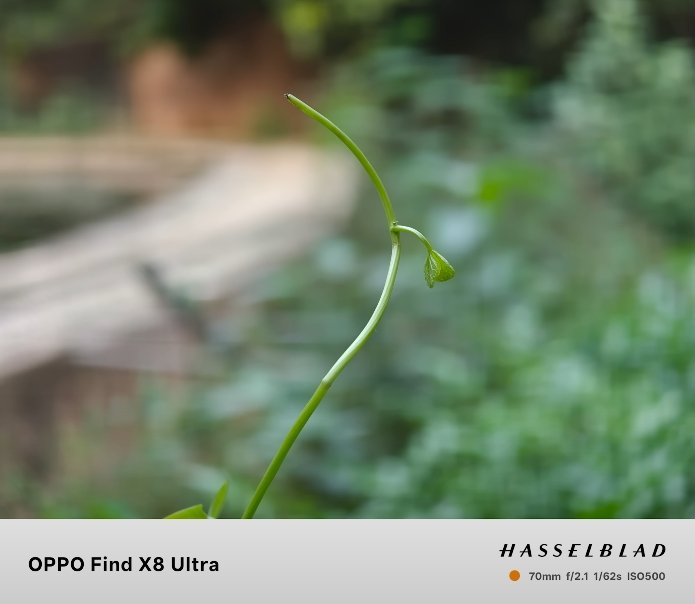
When it comes to portrait and macro shots, both phones perform well, but Oppo again holds a slight lead. Its depth mapping and subject separation are more precise, leading to sharper outlines and smoother background blur. Macro photography benefits from the Find X8 Ultra’s advanced focus system, which captures close-up details like surface textures or small objects with professional precision. Xiaomi’s macro shots are colorful and well-exposed but can lose micro-details due to aggressive image smoothing.

In video mode, both devices maintain respectable clarity at 4K and even 8K resolutions. Oppo’s stabilization ensures minimal motion blur and sharper frame-to-frame consistency. Xiaomi’s videos are vibrant and fluid, but under rapid movement or dim lighting, the Oppo retains slightly clearer visuals and better detail control.

Overall, the Oppo Find X8 Ultra emerges as the more clarity-focused flagship. Its combination of superior lens hardware, larger sensors, and refined processing gives it the advantage in maintaining image sharpness across different conditions. The Xiaomi 14 Pro still offers excellent clarity for most everyday users, especially in good lighting, but for professionals or enthusiasts who analyze detail and texture, Oppo’s imaging system delivers a cleaner and more defined result.

In conclusion, both devices represent the pinnacle of smartphone photography in their class, but the Oppo Find X8 Ultra has a noticeable edge when it comes to clarity and consistency. Whether capturing landscapes, portraits, or distant subjects, its optical precision and refined image processing make it the preferred choice for users who prioritize crisp, natural-looking details in every shot.

Also Read:  Samsung Galaxy M17 5G gaming performance review USA

Oppo Find X8 Ultra vs Xiaomi 14 Ultra design review

Oppo Find X8 Ultra vs Xiaomi 14 Ultra design review

Premium Flagships with Distinct Design Philosophies

The Oppo Find X8 Ultra and Xiaomi 14 Ultra are two of the most talked-about flagship smartphones of 2025. Both brands have refined their design language over the years, focusing on premium materials, durability, and aesthetics. However, while they compete in the same ultra-premium segment, their design approaches reveal very different priorities. Oppo leans toward a functional, durable, and futuristic look, whereas Xiaomi focuses on elegance, balance, and a timeless premium feel.

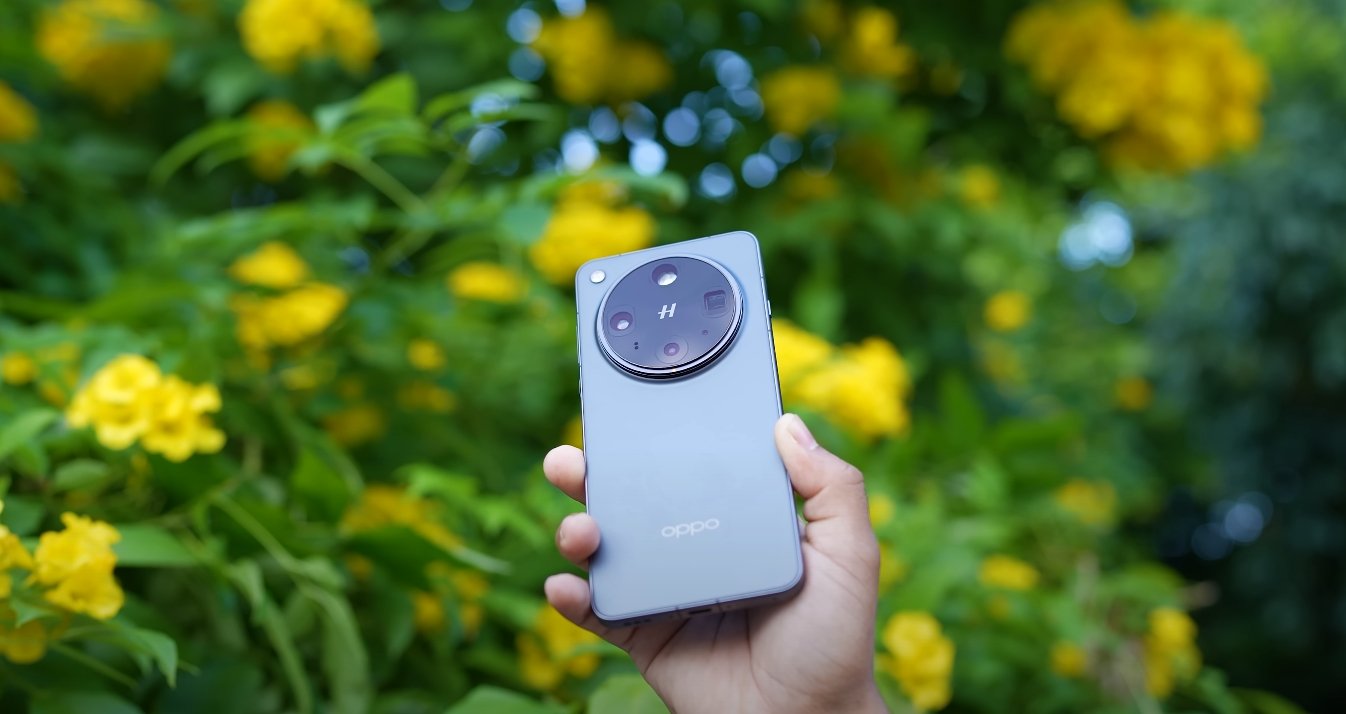
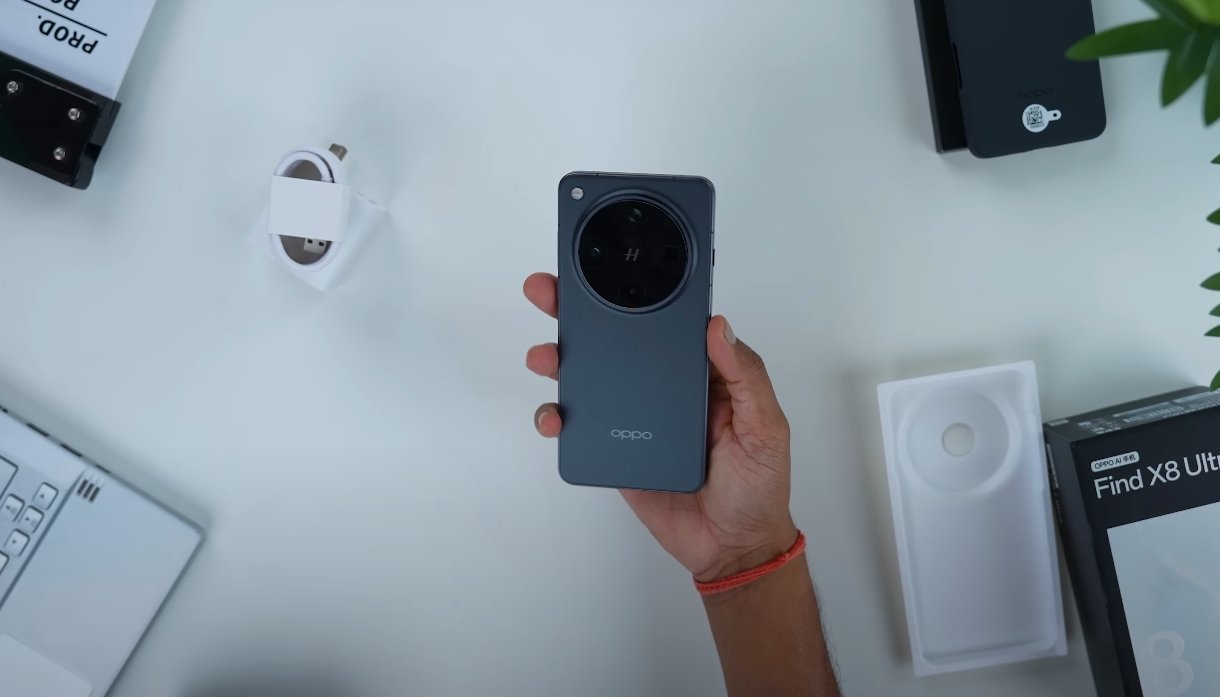
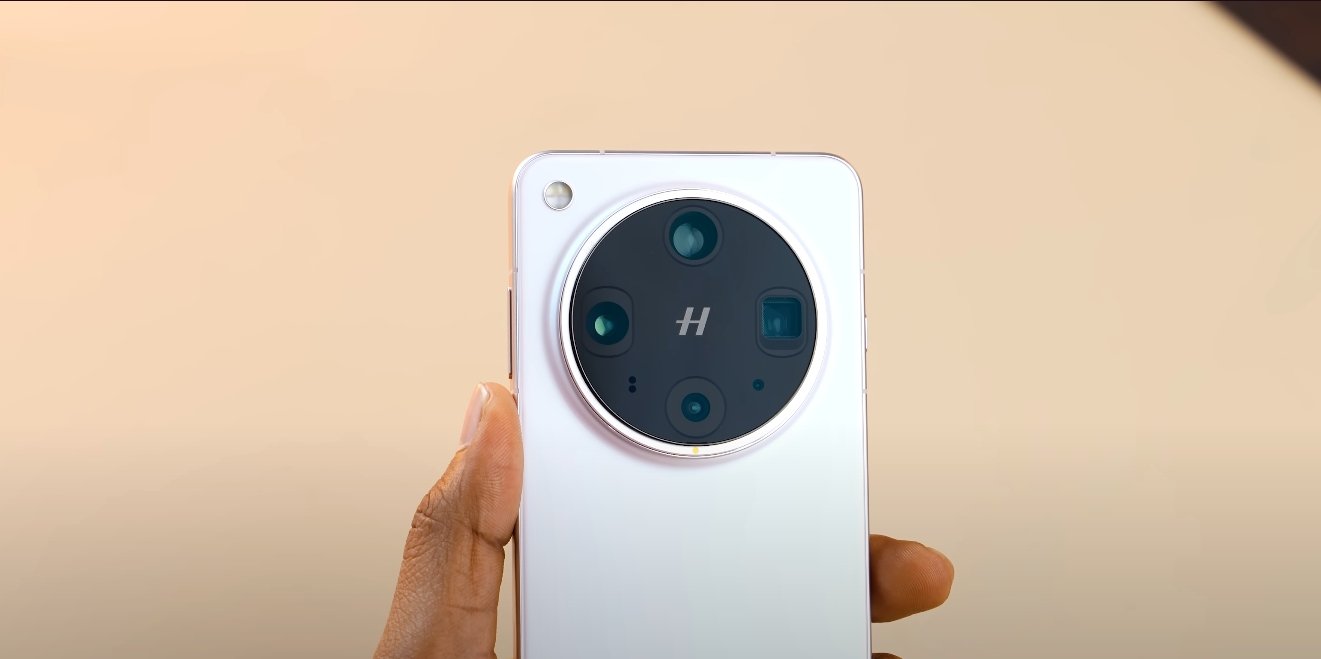
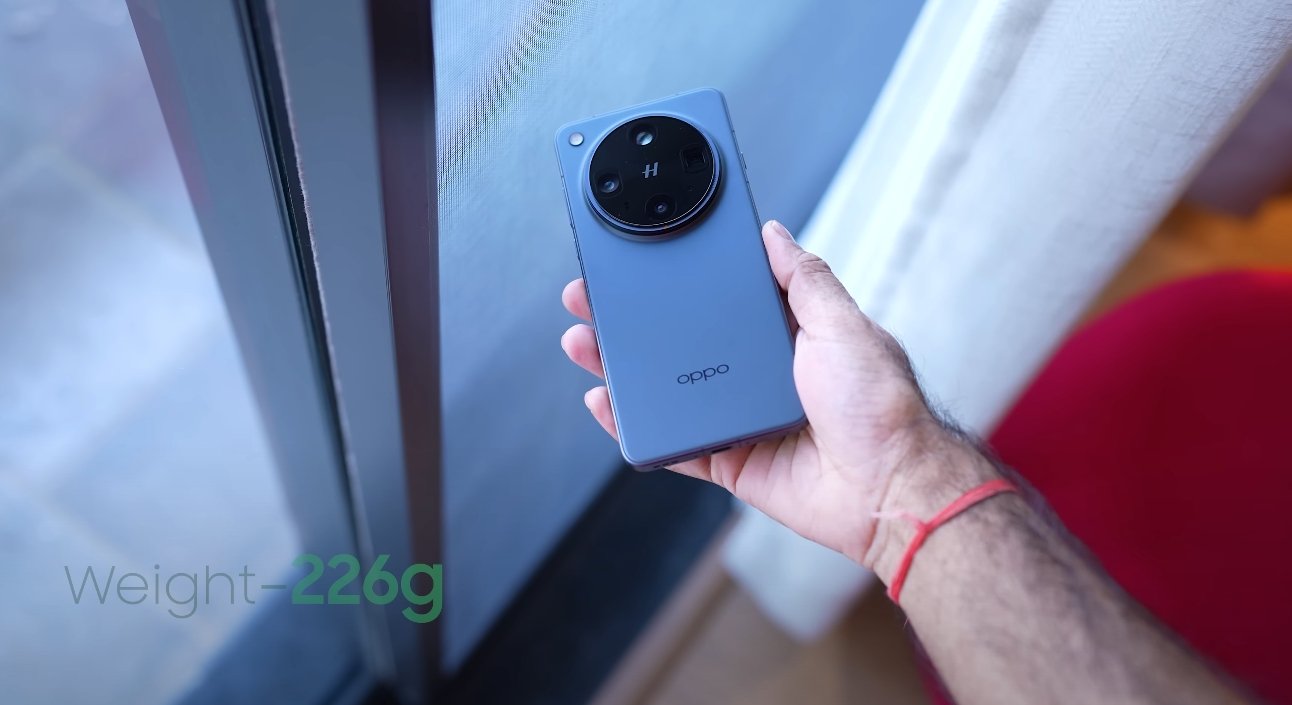
Oppo’s Find X8 Ultra takes a confident step forward in design evolution. It features a large flat LTPO AMOLED display, surrounded by ultra-thin bezels that maximize screen real estate without introducing curves. This choice appeals to users who prefer a symmetrical, practical front profile without accidental touches. The frame is constructed from aerospace-grade aluminum, offering both strength and lightness. The back panel comes with a frosted matte finish, reducing fingerprints while adding a premium texture. Oppo has designed the camera island as a prominent yet elegant circular module, housing its quad-lens setup in a balanced, symmetrical arrangement that blends seamlessly into the rear surface.

In contrast, the Xiaomi 14 Ultra takes a more classic flagship approach. It retains a slightly curved display and a contour that flows naturally into the sides, giving it a softer, more ergonomic look. The device uses a combination of aluminum frame and Gorilla Glass Armor protection on both front and back, providing a luxurious feel while maintaining durability. Xiaomi’s design language is cleaner and more minimalist compared to Oppo’s, emphasizing subtle curves and a refined polish. The circular rear camera module remains a signature design element for the Ultra lineup, giving the phone a bold yet elegant identity.

Oppo Find X8 Ultra vs Xiaomi 14 Ultra design review

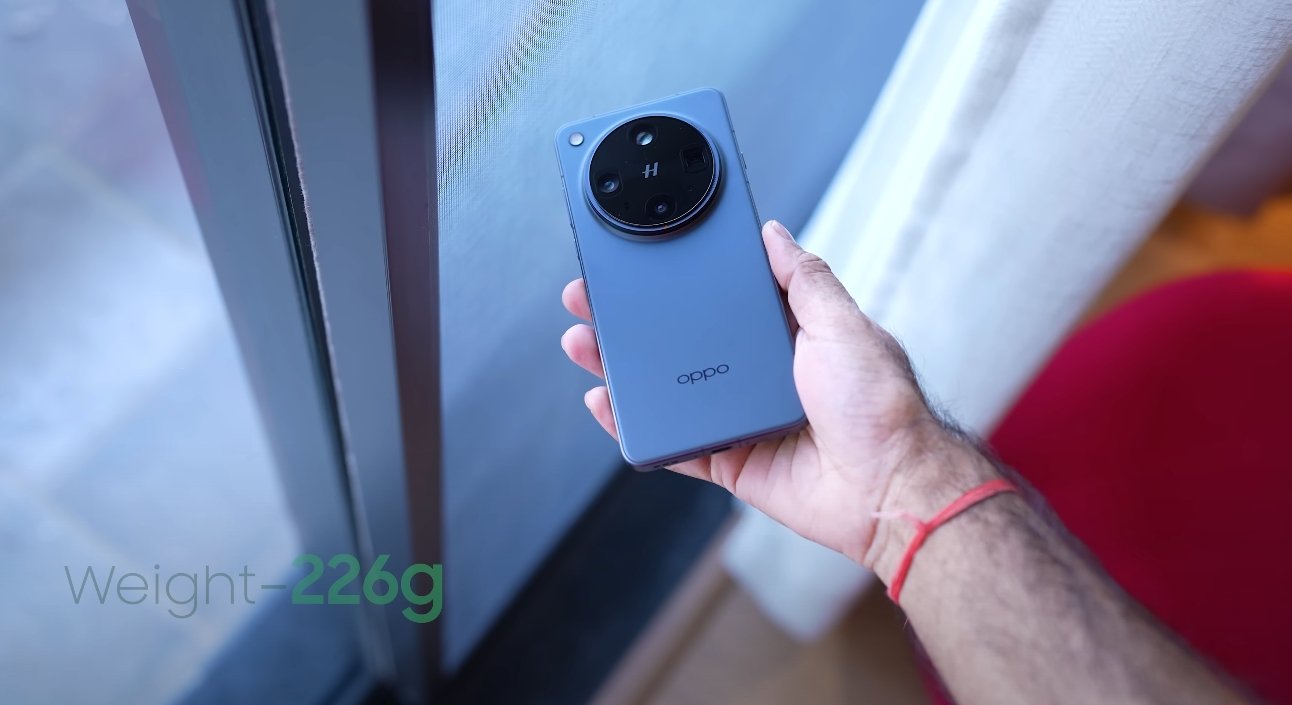
When it comes to build quality and feel in hand, both phones deliver a premium experience, but their philosophies differ. The Oppo Find X8 Ultra feels slightly larger and more industrial, measuring around 163mm in height and weighing about 226 grams. Its size allows Oppo to include a massive battery and larger camera sensors, but it also makes the phone feel substantial in the hand. Xiaomi’s 14 Ultra, on the other hand, is marginally more compact and lighter at approximately 220 grams. Its curved edges and refined contours make it easier to grip, giving users a more balanced feel during extended use.

Color and finish options also play a major role in how these flagships express personality. Oppo offers the Find X8 Ultra in bold shades like Starry Black, Moonlight Silver, and Sand Gold. Each finish uses micro-texturing techniques to reduce glare and fingerprints while maintaining a smooth touch. The metallic frame adds to the phone’s sophisticated character, while its large circular camera island gives off a sense of technological prowess. Xiaomi offers more understated options such as Classic Black, Ceramic White, and Blue Titanium. Its matte back finish enhances comfort and reduces slipping, while the camera ring design feels refined and symmetrical. Xiaomi’s attention to subtle details, like polished lens rings and curved metal edges, creates an impression of craftsmanship over flashiness.

Durability is an area where Oppo takes the lead. The Find X8 Ultra is certified with both IP68 and IP69 ratings, meaning it can handle immersion, dust, and even high-pressure water jets without issue. Oppo also claims enhanced drop resistance, thanks to a reinforced mid-frame and additional internal shock absorption layers. The flat screen adds practical value here, as it’s easier to protect with tempered glass and less prone to cracks on side impacts. Xiaomi 14 Ultra also holds an IP68 rating and uses Gorilla Glass Armor for improved scratch and shatter protection, but it focuses more on premium aesthetics than rugged performance.

From an ergonomic standpoint, Xiaomi’s design is more forgiving for everyday users. The gentle curves, lighter weight, and balanced structure make it easier to hold and operate single-handedly. Oppo’s Find X8 Ultra, being larger and heavier, feels more like a power device built for those who prioritize function and durability over compactness. The flat display, however, does provide an advantage for productivity and content consumption, offering a distortion-free viewing experience and more accurate touch response.

Both designs are visually stunning but cater to different kinds of users. Oppo’s Find X8 Ultra stands out for those who appreciate a bold, solid, and futuristic device that emphasizes practicality, protection, and camera dominance. It looks and feels like a professional tool crafted for creators and power users. Xiaomi’s 14 Ultra, on the other hand, appeals to those who admire elegance, comfort, and timeless design. Its balanced form, curved body, and refined finish make it feel luxurious without compromising modern appeal.

In the end, the design winner depends on personal preference. Oppo Find X8 Ultra is the choice for users who value durability, functionality, and a strong industrial aesthetic. Xiaomi 14 Ultra suits those who prefer comfort, lightness, and a more classic flagship feel. Both represent the pinnacle of smartphone design in 2025, proving that style and substance can coexist in very different yet equally impressive ways.

Also Read:  POCO M7 Features That Make It a Budget Smartphone