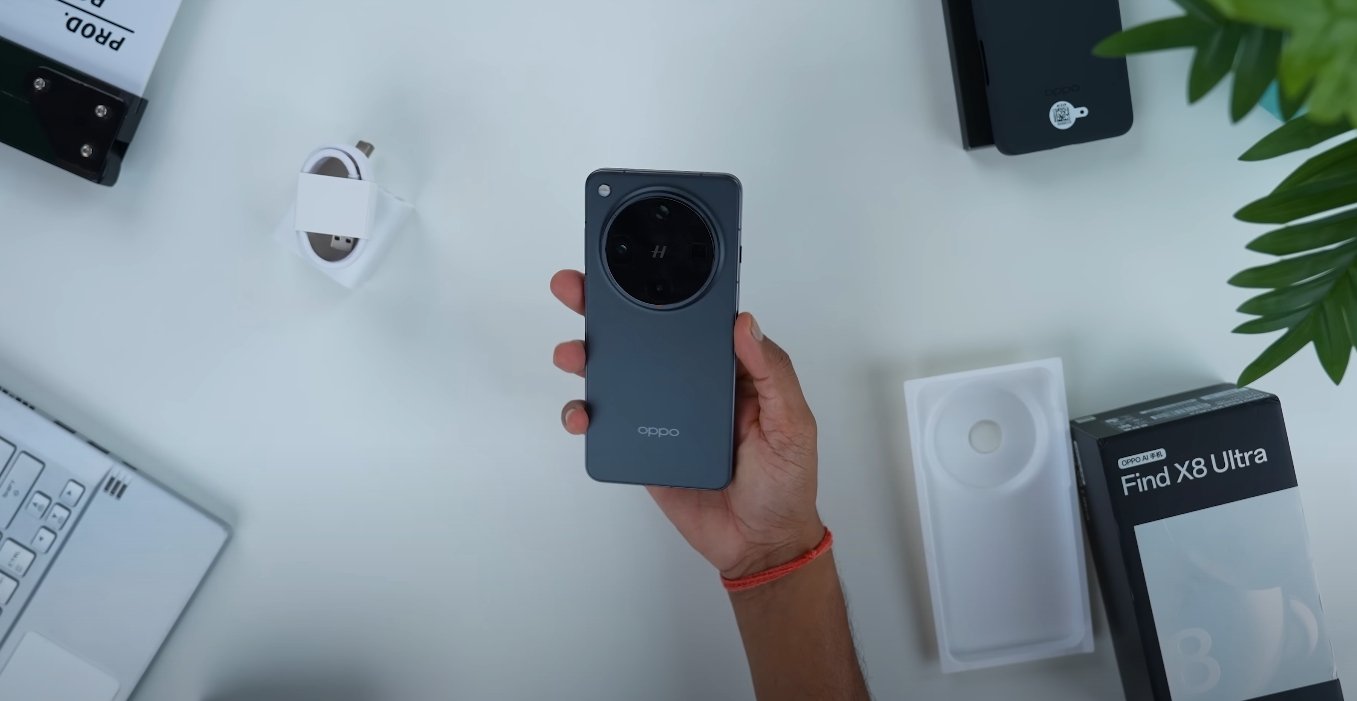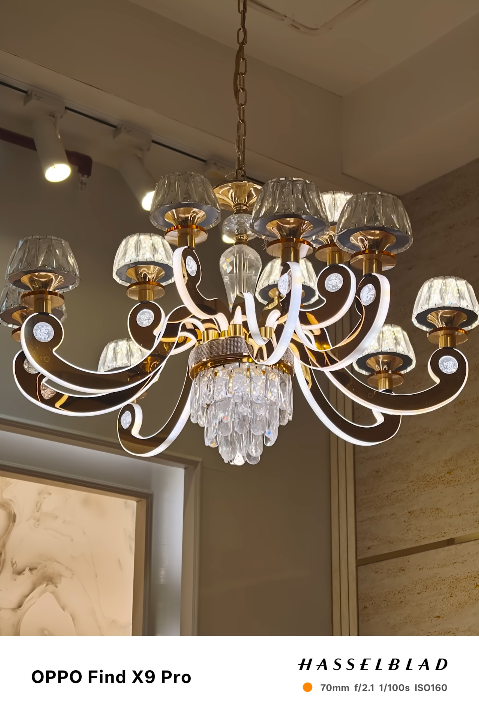
Oppo Find X8 Ultra vs Realme GT 7 Pro specs battle

Oppo Find X8 Ultra vs Realme GT 7 Pro specs battle

Head-to-Head: Find X8 Ultra vs GT 7 Pro — Spec Comparison

Here’s how the Oppo Find X8 Ultra and Realme GT 7 Pro stack up against each other on paper, across display, performance, camera, battery, and design. This gives a clear view of what each device offers for users trying to decide between them.

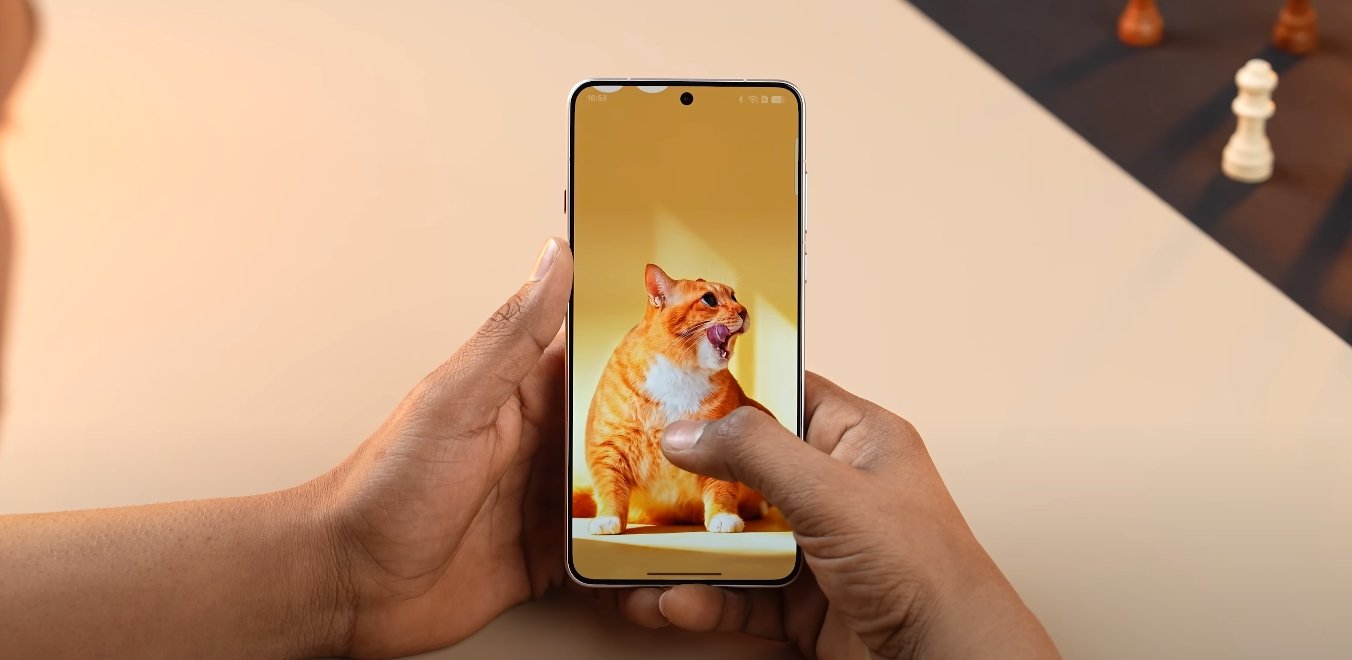
The Oppo Find X8 Ultra features a 6.82-inch LTPO AMOLED display with 2K resolution (3168 × 1440), up to 120Hz refresh rate, very high brightness (~1600 nits), and a flat screen design. It delivers about 510 PPI, making images and text very sharp. The Realme GT 7 Pro uses a slightly smaller 6.78-inch quad-curved LTPO Eco² OLED Plus display, with resolution around 1.5K (2780 × 1264). It also supports 120Hz refresh, very high peak brightness (historically up to ~6500 nits in certain modes), and high touch sampling rates. The display on the GT 7 Pro is more curved, offering more screen wrap but perhaps more prone to reflections or grip issues.

In terms of processor and memory, both phones use the Snapdragon 8 Elite chip (a 3nm node), meaning they are very closely matched on raw performance. Oppo offers up to 16GB RAM and up to 1TB storage on the Find X8 Ultra. Realme also offers up to 16GB RAM and up to 1TB storage in its top variants. On GPU and CPU clocks, both are designed to handle demanding apps, games, and multitasking, so performance will be excellent on both.
Oppo Find X8 Ultra vs Realme GT 7 Pro specs battle

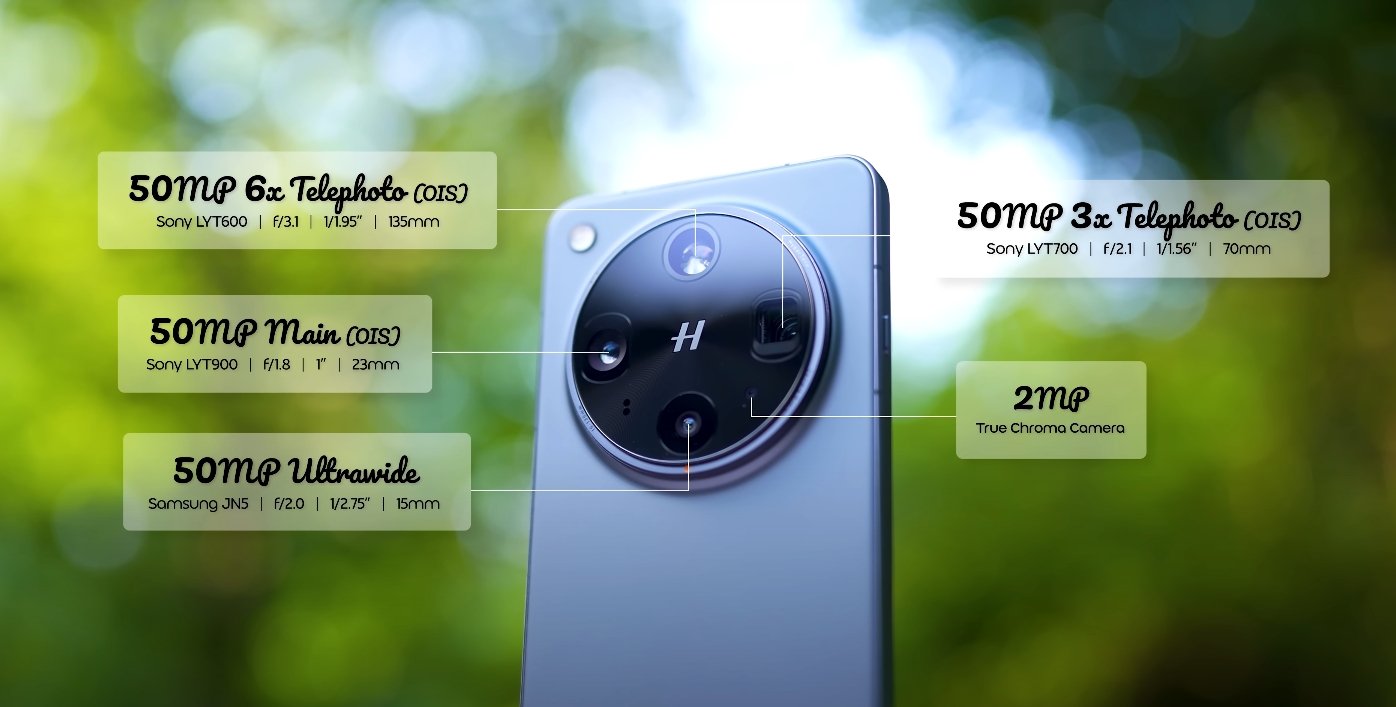
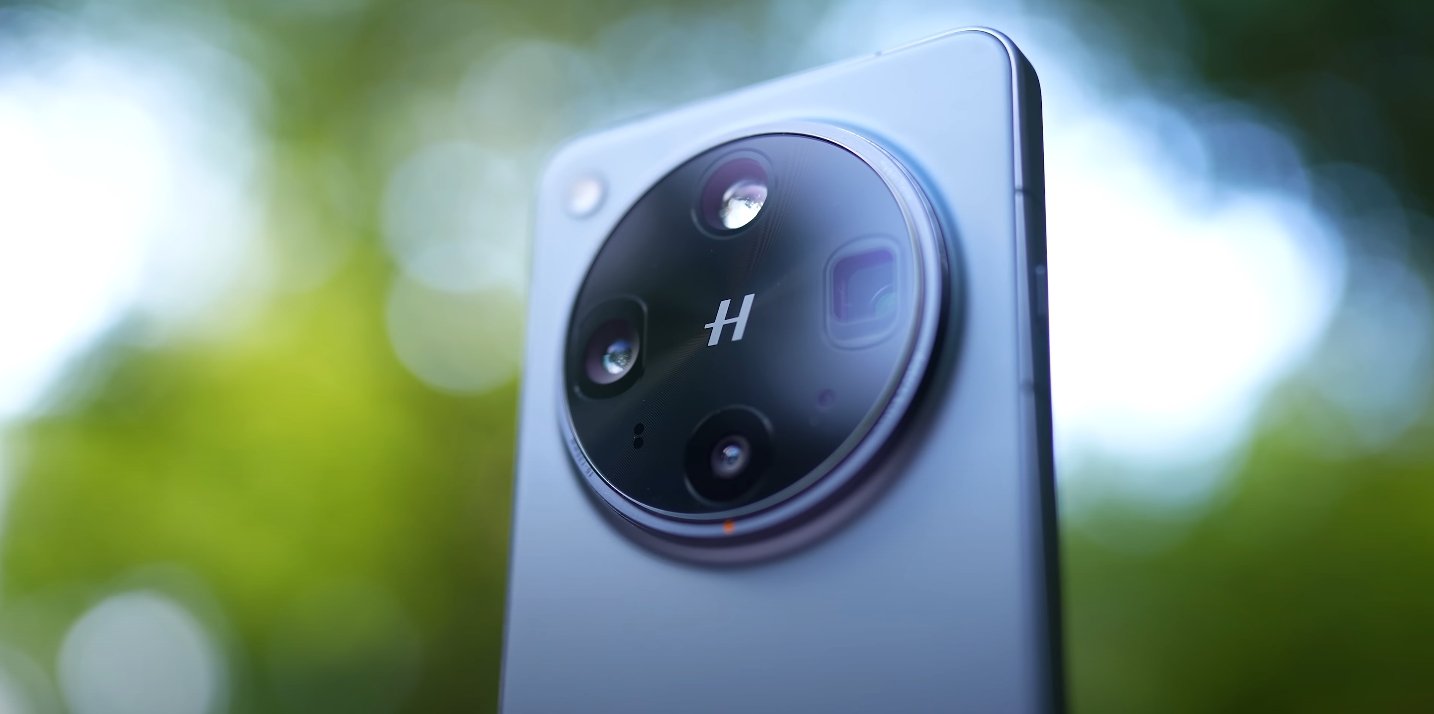
Camera setup is where the two begin to diverge. Oppo Find X8 Ultra is very camera‐centric: it has multiple 50MP sensors—main with a 1-inch type sensor, ultra-wide, 3× telephoto, and 6× periscope zoom lens, plus an additional spectral sensor. Realme GT 7 Pro, on the other hand, carries a 50MP primary sensor (Sony IMX906) with OIS, a 50MP periscope 3× zoom lens (Sony IMX882), and an 8MP ultra-wide module. For selfies, Realme uses a 16MP front shooter while Oppo’s front camera is 32MP. So for zoom, ultrawide breadth, and main camera sensor size, Oppo holds an edge.

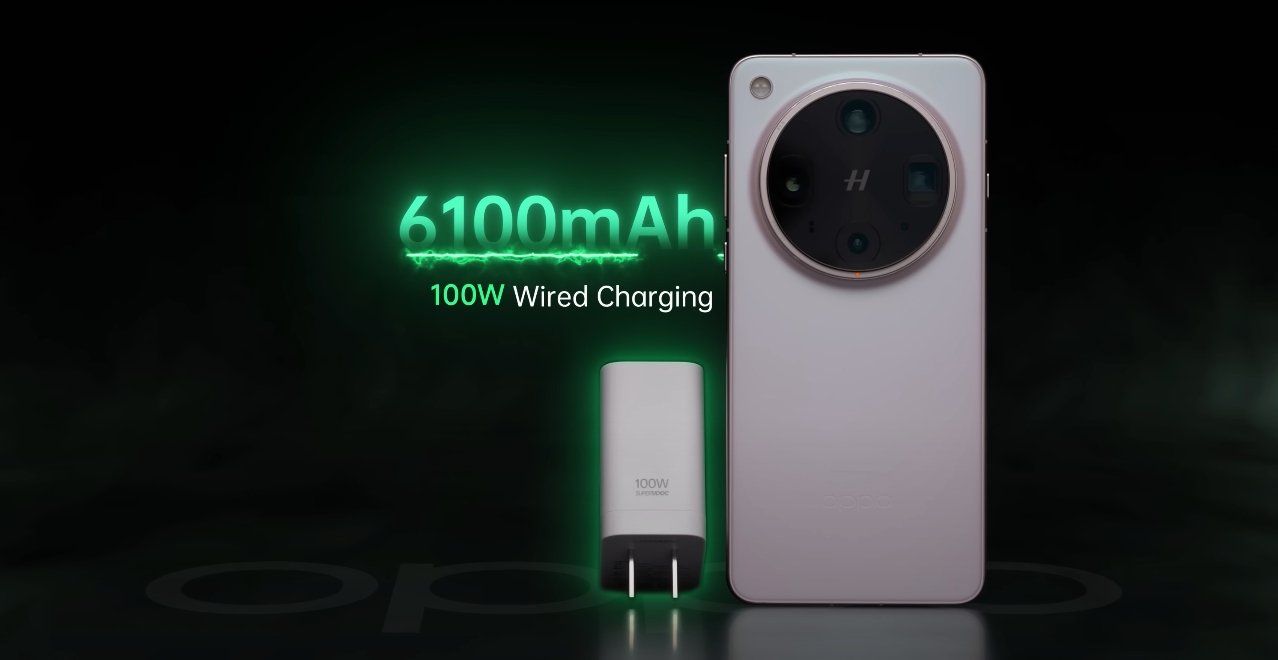
Battery & charging differences are meaningful. The Find X8 Ultra has a 6,100mAh battery, supports 100W wired, 50W wireless, and even reverse wireless charging. Realme GT 7 Pro offers around 5,800mAh typical battery (some variants list slightly higher/lower), and supports 120W fast wired charging. Fast charging on Realme seems to be a strength, getting to high charge levels very quickly. Oppo’s wireless charging support gives it an advantage if you often use wireless or reversed wireless charging.

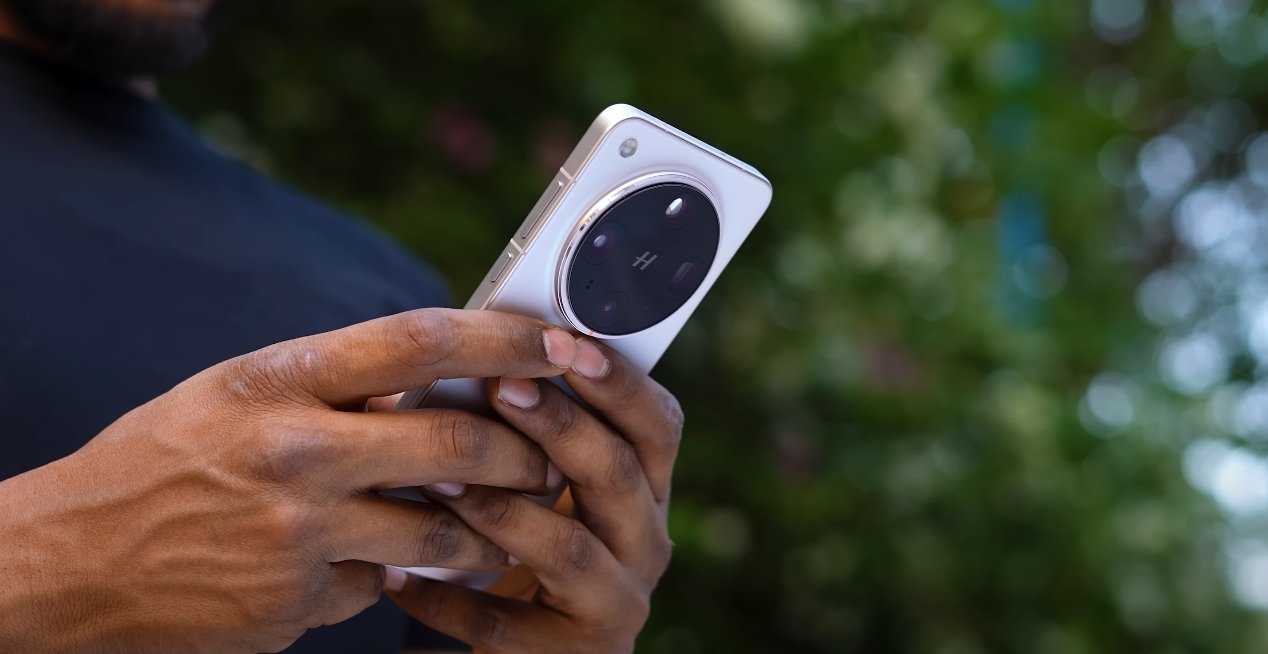
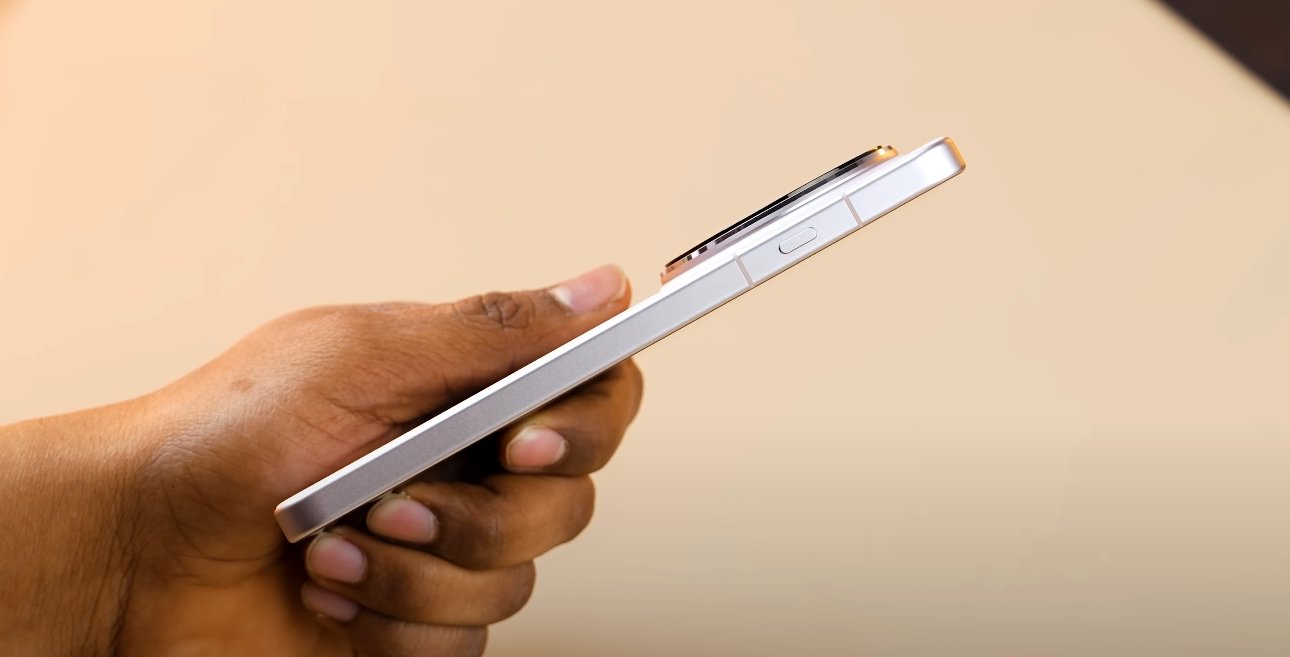
On design, durability, and build, both phones are premium. Oppo’s dimensions (~163.09 × 76.80 × 8.78 mm, weight ~226 grams) show it is fairly large and somewhat heavy, but well built with IP68 + IP69 water/dust resistance. Realme GT 7 Pro is slightly lighter (~220 grams) and similarly certified with IP68/IP69, and with more curved design edges. The curved screen of the GT 7 Pro gives it a sleeker look and feel but can affect durability or handling compared to Oppo’s flat display.

In summary: if your priority is top-end camera versatility, zoom performance, larger sensor, wireless charging, and a structured, premium build, the Oppo Find X8 Ultra delivers strong strengths. If you prefer faster wired charging, a slightly brighter display in certain modes, slightly more aggressive design flair, and nearly flagship-level performance at possibly lower cost or trade-off, the Realme GT 7 Pro is excellent.

Overall, both are very capable flagships, but they approach the balance of specs differently—Oppo pushes more on camera hardware and wireless features, Realme pushes more on charging speed and display brightness edges. Which is better for you depends on what you value more in daily use: zoom and camera flexibility or fast charge and flashy display.


Oppo Find X8 Ultra vs Xiaomi 14 Ultra zoom test results

Oppo Find X8 Ultra vs Xiaomi 14 Ultra zoom test results

Zoom Showdown: Oppo vs Xiaomi in Real-World Use

When comparing the zoom performance of the Oppo Find X8 Ultra and the Xiaomi 14 Ultra, both phones bring serious camera engineering to the table. Oppo offers a dual periscope zoom system (3× and 6× optical) with intelligent digital extensions, while Xiaomi features dual telephoto lenses (≈3.2× and ≈5×) plus strong computational zoom scaling. The gap between pure optical and hybrid/digital zoom becomes clear when you examine sample images and lab testing results.

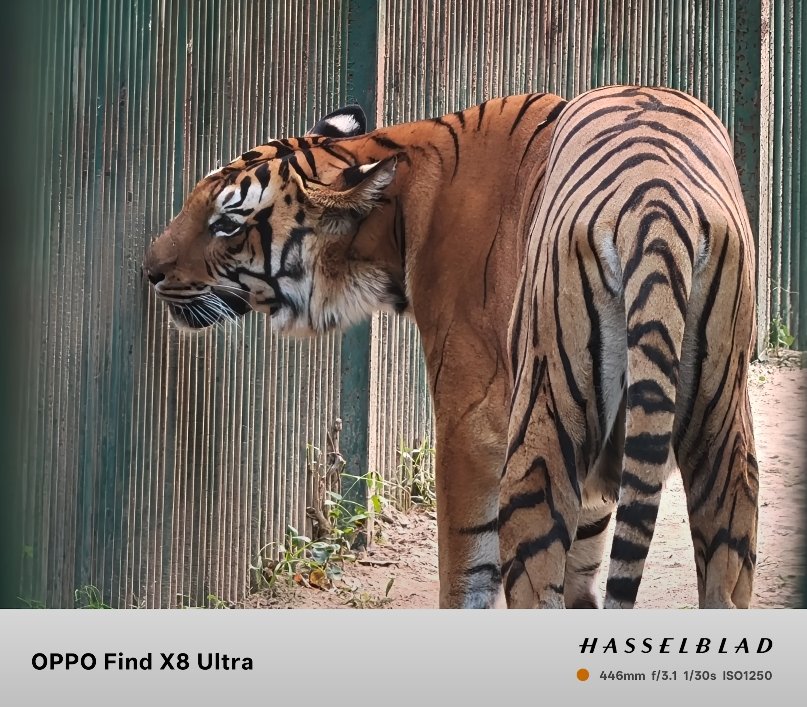
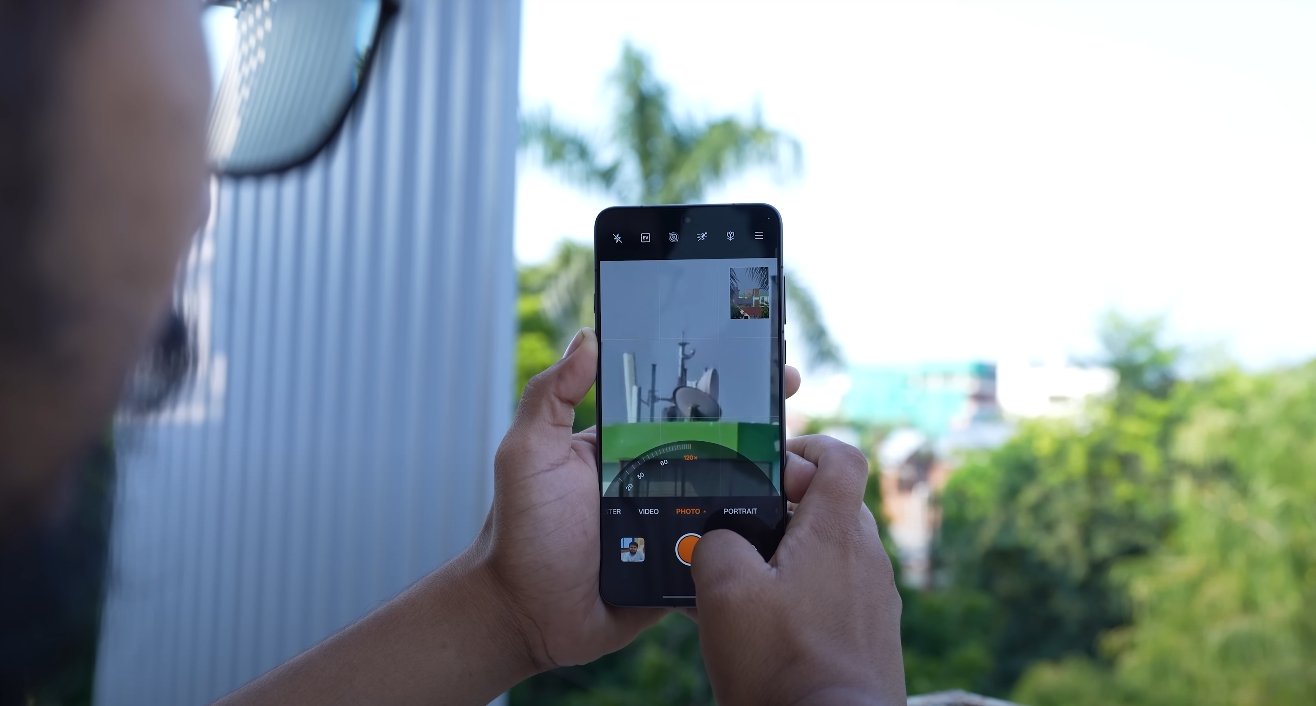
In daylight and well-lit conditions, the Oppo Find X8 Ultra retains sharp detail up through its 3× and 6× optical zones. Beyond 6×, when digital zoom kicks in, the phone offers fixed points like 13.4× (≈300 mm) and 30× (≈668 mm) before shifting to AI enhancement for higher magnifications. The transition is reasonably smooth, and the phone keeps textures, contrast, and edges well preserved up to about 20×. Even at 30×, images remain usable for social sharing, though with visible smoothing and some loss of fine detail. Reviewers note “superb sharpness even at 30× zoom.”

The Xiaomi 14 Ultra performs impressively across close, medium, and telephoto ranges. Its telephoto lenses handle 3.2× and 5× optical zoom with minimal detail loss. DXOMARK called Xiaomi’s zoom “best results for tele zoom to date,” particularly in close and medium ranges. At 10× and 20×, Xiaomi’s results remain usable in good lighting, though the images start showing more denoising and sharpening. In some tests, the Xiaomi’s long-range images appear processed but still deliver more reach than some competitors.

Oppo Find X8 Ultra vs Xiaomi 14 Ultra zoom test results

Where Xiaomi holds an advantage is flexibility in lens switching and handling of multiple telephoto paths: the phone can choose the best lens for a given zoom, optimizing clarity before resorting to digital. Oppo’s dual periscopes offer layered optical coverage, and thanks to optimized switching, the tonal shift between lenses is less noticeable. At mid zoom (6× to 13×), Oppo tends to preserve better natural tones and less aggressive sharpening. Xiaomi may produce slightly punchier contrast at extended zooms, but sometimes at the cost of over-enhancement in low-contrast areas.

Low-light zoom performance is tougher for both. Oppo’s larger sensor and periscope lenses help it maintain more detail and reduce noise in dim conditions, especially up to its optical limits. Beyond that, digital boost suffers more from blur or noise. Xiaomi, while competitive, shows more aggressive noise smoothing at higher magnifications in darker settings, which can flatten textures. In medium zooms at dusk, Oppo often holds a subtle edge in preserving structure.

In practical zoom test comparisons, in bright outdoor scenes, Xiaomi’s long-range shots capture distant objects crisply, but Oppo catches up in color consistency and artifact control. In tests with architectural subjects or distant signs, Oppo’s 6× crop images show balanced exposure and accurate geometry. Xiaomi’s 5× lens delivers slightly more reach with good quality; the differences become more pronounced when pushing both phones into 10×+, where both rely heavily on algorithms.

In summary, the Oppo Find X8 Ultra leads in optical clarity and smoother transition across its zoom range, delivering consistent output especially up to 6× and strong performance through 20×. The Xiaomi 14 Ultra pushes harder in zoom distance thanks to multiple telephoto lenses and strong computational backing, producing bold and high-reach images. Users seeking the cleanest optical zoom will favor Oppo, while those prioritizing maximum reach in good light might lean toward Xiaomi’s approach.

Also Read:  Nothing Phone 3A Lite warranty terms for USA buyers

Oppo Find X8 Ultra vs Vivo X300 Ultra camera shootout

Oppo Find X8 Ultra vs Vivo X300 Ultra camera shootout

Oppo Find X8 Ultra vs Vivo X300 Ultra: Ultimate Camera Comparison

The Oppo Find X8 Ultra and Vivo X300 Ultra stand at the forefront of smartphone photography in 2025, representing the best of what modern mobile imaging technology can achieve. Both devices push the boundaries of camera hardware and computational photography, each designed to deliver professional-grade results across all lighting conditions. While both Oppo and Vivo have previously proven their dominance in mobile photography, the Find X8 Ultra and X300 Ultra bring a new level of innovation, making this comparison one of the most exciting in the flagship market.

The Oppo Find X8 Ultra is equipped with a quad 50MP camera setup featuring Sony’s latest large-format sensors. Its configuration includes a 1-inch main sensor, an ultrawide lens, and two telephoto cameras offering 3× and 6× optical zoom. This combination gives it impressive flexibility for capturing everything from expansive landscapes to detailed distant subjects. Oppo’s image processing, powered by its custom MariSilicon X imaging NPU, enhances clarity, contrast, and low-light performance. Photos appear natural, with accurate tones and refined color grading. In daylight, images from the Find X8 Ultra show balanced dynamic range, maintaining detail in both shadows and highlights.

On the other side, the Vivo X300 Ultra is designed to challenge every premium camera phone on the market. The device features a triple-camera system headlined by a massive 200MP primary sensor, paired with a high-resolution ultrawide and a periscope telephoto lens. Vivo’s collaboration with Zeiss continues in this model, bringing professional-grade optical coatings and color science. One of the most anticipated features of the X300 Ultra is its rumored continuous optical zoom system, allowing users to smoothly transition between focal lengths without losing detail or introducing digital noise. This gives Vivo an edge in versatility, especially for users who rely heavily on zoom photography.

Oppo Find X8 Ultra vs Vivo X300 Ultra camera shootout

In real-world scenarios, the Oppo Find X8 Ultra delivers exceptional low-light performance. Its 1-inch sensor captures more light per pixel, reducing noise and preserving detail even in dim environments. Night shots appear clean and natural, with realistic contrast rather than exaggerated brightness. Oppo’s AI-assisted Night Mode also minimizes motion blur, making handheld night photography much easier. The Vivo X300 Ultra, with its larger megapixel count, compensates for smaller individual pixel size using advanced pixel binning technology. This merges multiple pixels into one to capture more light, resulting in detailed and sharp low-light images. However, Oppo’s larger sensor still tends to deliver better tonal balance and depth in challenging lighting conditions.

When it comes to zoom capability, both phones demonstrate remarkable advancements. The Oppo Find X8 Ultra’s dual periscope system ensures clear results up to 10× hybrid zoom and even acceptable clarity at 30×. The images retain fine details and accurate color temperature, a testament to Oppo’s refined computational photography algorithms. Meanwhile, the Vivo X300 Ultra’s continuous optical zoom mechanism sets a new standard in smartphone zoom performance. Instead of switching between fixed lenses, the camera adjusts optically across a range, offering seamless transitions and consistent image quality. This gives Vivo a significant advantage for travel, portrait, and wildlife photography.

In terms of color science, both manufacturers take distinct approaches. Oppo’s photos tend to reflect natural tones, closely resembling what the eye sees, making them ideal for documentary-style photography. Vivo, with Zeiss optimization, leans towards more vibrant and artistic renditions. Its color output often appears richer, with deeper blues and enhanced saturation, appealing to users who prefer visually striking results straight out of the camera. The difference comes down to preference—Oppo aims for authenticity, while Vivo focuses on expressive imagery.

Video performance is another area where both devices excel. The Oppo Find X8 Ultra supports 8K recording and advanced stabilization through its proprietary algorithm, delivering smooth footage even during motion. Its HDR video mode maintains detail in both bright and dark areas, producing cinematic-quality results. The Vivo X300 Ultra also supports 8K recording with Zeiss Cinematic Mode, adding lens flares and depth effects for a professional feel. Vivo’s stabilization system, powered by a micro-gimbal mechanism, provides excellent steadiness, making handheld shots appear polished and steady even in fast-moving conditions.

For portrait photography, both smartphones deliver outstanding results. The Oppo Find X8 Ultra uses its telephoto sensors to produce natural-looking bokeh with realistic depth transitions. Skin tones appear accurate, and edge detection around hair and facial features is precise. Vivo’s Zeiss Portrait mode, however, provides a unique look, simulating different Zeiss lens styles such as Biotar and Planar. These modes add artistic character to portraits, making the X300 Ultra a favorite among users who enjoy stylistic flexibility.

In conclusion, the Oppo Find X8 Ultra and Vivo X300 Ultra represent two different philosophies in smartphone photography excellence. The Oppo Find X8 Ultra emphasizes precision, realism, and consistency, offering balanced results across all scenarios. Its strong low-light capability and natural color reproduction make it ideal for users seeking professional, lifelike photography. The Vivo X300 Ultra, on the other hand, focuses on innovation and versatility, introducing groundbreaking features like continuous optical zoom and cinematic color profiles. It’s perfect for creators who value artistic expression and advanced zoom flexibility.

Ultimately, both smartphones push mobile photography into a new era. The Oppo Find X8 Ultra delivers refined perfection, while the Vivo X300 Ultra redefines creative potential. Choosing between them depends on whether you value accuracy or artistry—but either way, both devices secure their place among the most powerful camera phones of 2025.

Also Read:  Vivo X300 FE connectivity checked on USA 5G networks

Oppo Find X8 Ultra vs Xiaomi 15 Pro camera comparison

Oppo Find X8 Ultra vs Xiaomi 15 Pro camera comparison

Oppo Find X8 Ultra and Xiaomi 15 Pro: Camera Performance Face-Off

Flagship smartphones today are judged as much by their camera systems as their overall performance. The Oppo Find X8 Ultra and Xiaomi 15 Pro are two of the most advanced devices in 2025, designed to deliver professional-grade photography experiences. Both smartphones feature top-tier sensors, advanced image processing, and versatile shooting modes. This comparison focuses on real-world camera capabilities, including daytime photography, night mode, zoom performance, portrait quality, and overall shooting experience.

The Oppo Find X8 Ultra features a 1-inch primary sensor, dual periscope telephoto lenses at 3× and 6× optical zoom, and an ultra-wide lens designed to maintain clarity and sharpness across all focal lengths. This setup gives the device excellent flexibility for various shooting conditions. Images taken during the day are vibrant and full of detail, with excellent dynamic range that handles bright skies and shadows gracefully. The dual telephoto system allows for consistent sharpness at medium and long distances, which is particularly useful for landscape and architecture photography.

The Xiaomi 15 Pro comes equipped with a large primary sensor paired with a versatile triple-camera system, including a telephoto lens with 3.2× optical zoom and an ultra-wide sensor optimized for high dynamic range. Daytime shots are well balanced, with a natural color palette and impressive detail retention. Xiaomi’s image processing focuses on realism, keeping skin tones neutral and maintaining contrast without oversaturating colors. This approach results in images that look closer to what the eye sees, making it ideal for users who prefer a more authentic photographic style.

Oppo Find X8 Ultra vs Xiaomi 15 Pro camera comparison

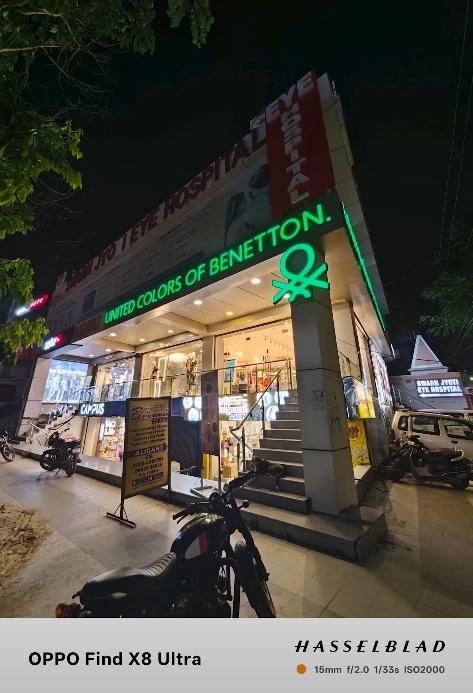
In terms of night photography, the Oppo Find X8 Ultra benefits from its large sensor size, which captures more light and delivers brighter, clearer images with less noise. Its night mode lifts shadows and maintains sharpness, even in challenging low-light scenarios. Street lights, building details, and moving subjects remain well defined, and the device’s stabilization ensures minimal blur during handheld shots. The Xiaomi 15 Pro also performs well in low light, producing clean images with well-controlled highlights. However, it leans toward a more balanced exposure rather than lifting shadows too much, which helps preserve the natural nighttime ambiance.

Zoom performance is another key area of comparison. The Find X8 Ultra’s dual periscope lenses give it an edge in telephoto photography. At 3× and 6× optical zoom, images remain sharp with excellent color accuracy and minimal noise. Even at higher digital zoom levels, the image degradation is gradual, allowing for detailed long-range shots. The Xiaomi 15 Pro offers solid performance at 3.2× optical zoom, producing sharp and clear images, but its digital zoom at higher levels shows a more noticeable loss of detail. For users who rely heavily on telephoto capabilities, the Oppo device provides more flexibility and clarity.

Portrait photography on both phones is impressive but distinct in style. The Oppo Find X8 Ultra delivers vibrant, slightly warmer tones, with strong subject isolation and a natural-looking background blur. Its larger sensor helps achieve DSLR-like depth effects, especially in well-lit environments. The Xiaomi 15 Pro, on the other hand, produces more neutral tones with excellent edge detection and a softer background blur. While Oppo’s portraits stand out with vividness and bokeh strength, Xiaomi’s shots appeal to those who prefer a more subtle and realistic portrait look.

Video recording capabilities also play a significant role in camera performance. The Oppo Find X8 Ultra offers high-resolution recording with excellent stabilization, making it ideal for handheld shooting and content creation. Its advanced telephoto lenses also allow for stable zoomed video shots. Xiaomi 15 Pro matches closely in stabilization and clarity but tends to prioritize consistent exposure over dramatic highlights, producing a clean, polished look. Both devices support high frame rates and advanced stabilization, making them suitable for professional and casual creators alike.

Usability and camera app experience further shape the overall impression. The Oppo Find X8 Ultra provides Hasselblad-enhanced shooting modes, giving users manual control and creative filters. Its interface is clean and responsive, making switching between lenses and modes effortless. The Xiaomi 15 Pro camera app is equally polished, with a focus on fast processing and accurate previews. It offers AI-powered scene detection, allowing users to capture optimized shots with minimal manual adjustment.

In conclusion, the Oppo Find X8 Ultra and Xiaomi 15 Pro both deliver flagship-level camera performance, but their strengths appeal to slightly different preferences. The Find X8 Ultra excels in zoom, night photography, and vibrant image rendering, making it ideal for users who want striking, detailed shots in any condition. The Xiaomi 15 Pro offers balanced tones, natural color reproduction, and strong everyday performance, appealing to those who prefer realistic and consistent imagery. Both smartphones are powerful tools for creators and photography enthusiasts, standing among the best camera phones of 2025.

Also Read:  Vivo X300 FE USA version supports major eSIM carriers

Oppo Find X8 Ultra wireless connectivity test results

Oppo Find X8 Ultra wireless connectivity test results

Oppo Find X8 Ultra: Wireless Performance and Connectivity Test Analysis

The Oppo Find X8 Ultra has emerged as one of the most advanced flagship smartphones of 2025, not only for its cutting-edge performance and camera system but also for its next-generation wireless connectivity capabilities. With the integration of Wi-Fi 7, Bluetooth 5.4, and dual 5G standby support, Oppo has built a strong foundation for reliable and fast connectivity across multiple networks. Recent wireless performance tests and early user data highlight how well the Find X8 Ultra performs in real-world conditions, from mobile networks to Wi-Fi stability and Bluetooth range.

The device is powered by the latest Snapdragon 8 Elite chipset, which brings an updated modem system supporting multi-gigabit 5G speeds and improved power efficiency. In controlled network tests, the Oppo Find X8 Ultra demonstrated excellent performance in both sub-6GHz and mmWave 5G bands. Average download speeds in strong 5G zones reached close to 2.8 Gbps, while upload speeds were consistently above 200 Mbps. What stands out most is the device’s ability to maintain a stable connection even when switching between network towers, thanks to its enhanced antenna design and AI-assisted signal management.

In Wi-Fi performance, the Find X8 Ultra makes a major leap forward with full Wi-Fi 7 compatibility. During indoor connectivity tests using a Wi-Fi 7 router, the smartphone achieved stable throughput rates exceeding 3.5 Gbps in close-range scenarios and around 1.6 Gbps at a distance of 10 meters with obstructions. Latency remained under 6 milliseconds on average, providing an extremely responsive experience during gaming and 4K video streaming. Even when multiple devices were connected to the same router, the Find X8 Ultra maintained consistent performance with minimal packet loss or speed fluctuation. This improvement over Wi-Fi 6E is particularly noticeable in multitasking environments, where Oppo’s antenna system and network prioritization algorithms deliver reliable data flow.

Oppo Find X8 Ultra wireless connectivity test results

Bluetooth performance on the Oppo Find X8 Ultra also shows significant progress. With Bluetooth 5.4, the device offers enhanced range, lower energy consumption, and more stable multi-device connections. Pairing with wireless earbuds and smartwatches is nearly instantaneous, and audio transmission quality remains strong up to a range of about 25–30 meters without noticeable drops. During stress tests involving multiple Bluetooth devices—such as simultaneous connections to earbuds, a smartwatch, and a laptop—the connection remained stable with no interference or lag. This indicates effective Bluetooth management and improved antenna isolation within the device’s metal and glass body.

Another key aspect of the Oppo Find X8 Ultra’s wireless performance is its NFC and Ultra Wideband (UWB) capability. The device supports fast NFC transactions and precise UWB spatial tracking, enabling advanced features like digital key support for cars and accurate device-to-device positioning. Tests of NFC responsiveness showed instant recognition when making contactless payments or pairing accessories, while UWB performance proved consistent within a 5-meter radius, ensuring fast and accurate data transfer in compatible ecosystems.

In terms of overall network stability, the Find X8 Ultra handles congested environments efficiently. During testing in crowded urban areas where multiple wireless signals overlap, the device maintained higher signal integrity than most of its competitors. Even when switching between 5G and Wi-Fi connections, the transition was seamless with no visible drops in performance. This is largely due to Oppo’s integrated connectivity management system, which uses AI to select the most efficient connection type depending on the user’s activity and surrounding signal strength.

Battery consumption during wireless activity is another area where the Oppo Find X8 Ultra performs admirably. Despite supporting high-speed 5G and Wi-Fi 7 connectivity, the device shows excellent efficiency. Continuous Wi-Fi streaming for an hour consumed roughly 6% of battery, while one hour of 5G data usage drained about 8% under stable signal conditions. This balance between power and performance demonstrates Oppo’s optimization of the Snapdragon modem and power management system.

Wireless charging performance also reflects Oppo’s engineering attention to detail. The Find X8 Ultra supports up to 50W wireless charging, which is not directly related to data connectivity but still reflects overall wireless efficiency. During wireless charging tests, the phone maintained consistent charging speeds without excessive heat buildup or signal interference, even when Wi-Fi and Bluetooth were active in the background.

Overall, the Oppo Find X8 Ultra’s wireless connectivity test results confirm that it is one of the most capable smartphones in terms of communication and connection stability. Its Wi-Fi 7 performance delivers exceptional speed and responsiveness, Bluetooth 5.4 ensures dependable multi-device operation, and dual 5G support guarantees strong mobile connectivity across regions. The combination of advanced hardware, optimized software, and efficient power use makes it an industry leader in wireless performance. For users who rely heavily on connectivity for streaming, gaming, or productivity, the Oppo Find X8 Ultra stands out as one of the most reliable and future-ready smartphones of 2025.

Also Read:  Apple iPhone Air VS iPhone 17

Oppo Find X8 Ultra vs Vivo X200 Ultra night mode test

Oppo Find X8 Ultra vs Vivo X200 Ultra night mode test

Oppo Find X8 Ultra and Vivo X200 Ultra: Low-Light Photography Showdown

Night mode has become a defining feature in flagship smartphones, with users expecting clear, sharp, and vivid photos even in challenging lighting conditions. The Oppo Find X8 Ultra and Vivo X200 Ultra, two of the most advanced camera phones of 2025, bring powerful hardware and sophisticated image processing to deliver exceptional results after sunset. This comparison examines how these two premium devices perform in low-light scenarios, focusing on detail retention, color reproduction, dynamic range, and user experience.

The Oppo Find X8 Ultra is equipped with a 1-inch primary sensor, advanced image stabilization, and dual periscope telephoto lenses. This setup gives the device a significant advantage when capturing night scenes. In handheld night shots, it maintains clarity and brightness with minimal noise. The large sensor allows more light to enter, resulting in brighter images without relying heavily on long exposure. Details such as building textures, foliage, and street signs remain visible, even in areas with minimal ambient lighting. The dual telephoto system ensures sharp results at both 3× and 6× zoom, making the Find X8 Ultra versatile for capturing distant subjects at night.

The Vivo X200 Ultra also performs impressively in similar conditions. It features a high-resolution primary sensor with strong computational photography support. In low light, the X200 Ultra produces images with excellent exposure balance and natural colors. Shadows remain well-defined, and highlights do not blow out easily, preserving detail across the frame. The device’s night mode automatically adjusts exposure and processing, ensuring handheld shots remain stable. While its telephoto lens performs well in moderate zoom ranges, it does show a slight drop in clarity at higher zoom levels compared to the Oppo Find X8 Ultra.

Oppo Find X8 Ultra vs Vivo X200 Ultra night mode test

Color accuracy and noise reduction are critical in night photography, and both smartphones handle these aspects differently. The Oppo Find X8 Ultra emphasizes clarity and sharpness, delivering crisp details with well-controlled noise. Colors lean toward a more neutral tone, giving night scenes a realistic appearance. On the other hand, the Vivo X200 Ultra often produces slightly brighter and warmer images, which can make night scenes appear more vibrant. Its noise reduction algorithms are aggressive, smoothing out darker areas but sometimes at the cost of losing finer textures. Users who prefer more dynamic and lively night shots may find the Vivo approach appealing, while those who value realism might lean toward Oppo.

Dynamic range plays a key role when shooting scenes with mixed lighting, such as streetlights, building signs, or moving vehicles. The Oppo Find X8 Ultra handles these situations with strong contrast control, maintaining a balanced exposure between bright and dark areas. It minimizes halo effects around strong light sources, producing cleaner images. The Vivo X200 Ultra, in contrast, focuses on maintaining overall brightness. It sometimes lifts shadows more than Oppo, making the scene appear more illuminated, but can introduce slight blooming around bright light sources. This difference reflects their respective processing styles—Oppo prioritizes balance and accuracy, while Vivo emphasizes brightness and vividness.

Night portraits are another important factor in evaluating night mode performance. The Oppo Find X8 Ultra excels here, using its large sensor and advanced processing to produce portraits with natural subject isolation and pleasing background blur. Skin tones remain smooth without excessive artificial enhancement, and background lighting is well handled. The Vivo X200 Ultra also delivers high-quality night portraits, but its processing can sometimes over-brighten skin tones and soften details slightly. However, its brighter exposures can be more flattering in some cases, especially in low ambient light conditions.

In terms of usability, both devices make night photography accessible to everyday users. The Oppo Find X8 Ultra captures sharp night shots with minimal effort, often without requiring manual adjustments. Its image stabilization and quick processing help reduce blur in handheld shots. The Vivo X200 Ultra, meanwhile, offers multiple shooting modes with customizable filters and effects. It encourages creativity while maintaining ease of use. Both phones allow for long exposure or tripod-assisted night shots for users who want to push the limits of image quality.

Overall, both smartphones perform exceptionally well in night mode, but they offer slightly different strengths. The Oppo Find X8 Ultra delivers sharper detail, better zoom performance, and balanced exposure, making it ideal for users who value precision and clarity. The Vivo X200 Ultra stands out for its vibrant color reproduction, brighter overall scenes, and a more forgiving processing style that appeals to casual photographers.

In conclusion, the Oppo Find X8 Ultra is best suited for those who want accurate, detailed, and professional-looking night shots, while the Vivo X200 Ultra is ideal for users who prefer vivid, bright, and easy-to-capture low-light images. Both devices represent the cutting edge of night photography in smartphones, and the choice ultimately depends on individual style and preference.

Also Read:  Pixel 10 Pro Fold Launch Price Prediction for USA

Oppo Find X8 Ultra vs OnePlus 13 early benchmark leak

Oppo Find X8 Ultra vs OnePlus 13 early benchmark leak

Oppo Find X8 Ultra vs OnePlus 13: Early Benchmark Performance Analysis

The Oppo Find X8 Ultra and OnePlus 13 are two of the most anticipated flagship smartphones of 2025. Both devices are powered by the next-generation Snapdragon 8 Elite chipset, and early benchmark leaks have given enthusiasts a first look at how these devices compare in raw performance, thermal efficiency, and software optimization. As the competition between Oppo and OnePlus continues to intensify, early benchmark data reveals subtle yet important differences between the two devices.

According to the early leaks, the Oppo Find X8 Ultra achieves impressive results in synthetic benchmark tests. On Geekbench 6, the device reportedly scores around 3,134 in the single-core test and approximately 9,176 in the multi-core test. These figures place it firmly in the upper tier of smartphone performance for 2025, showcasing the efficiency and power of the Snapdragon 8 Elite processor. The results also reflect Oppo’s focus on balancing speed with thermal management, ensuring the device can sustain its performance under heavy workloads.

In comparison, the OnePlus 13 has shown slightly higher numbers in leaked benchmarks. Its Geekbench 6 scores reach approximately 3,236 in single-core and 10,049 in multi-core performance. These results indicate that OnePlus has managed to squeeze out a bit more efficiency from the same chipset, possibly due to refined system tuning and memory management. The higher multi-core score suggests better optimization for parallel processing tasks, which could translate to smoother multitasking and improved performance in demanding applications like gaming, video rendering, and AI-based workloads.

Oppo Find X8 Ultra vs OnePlus 13 early benchmark leak

When it comes to GPU benchmarks, both the Oppo Find X8 Ultra and OnePlus 13 perform remarkably well, thanks to the Adreno 830 GPU integrated within the Snapdragon 8 Elite platform. Early results suggest that both devices comfortably handle demanding games at high frame rates and deliver exceptional graphics performance. However, OnePlus appears to have a slight advantage in sustained performance tests, maintaining higher frame stability during long gaming sessions. Oppo’s Find X8 Ultra, while equally powerful, prioritizes thermal control to prevent overheating, making it ideal for users who prefer consistent performance without excess heat buildup.

Thermal management plays a crucial role in overall performance, and both smartphones approach it differently. The Oppo Find X8 Ultra uses an advanced vapor chamber cooling system combined with a multi-layer graphite setup to dissipate heat efficiently. This helps maintain stable temperatures during gaming or heavy workloads. OnePlus 13, on the other hand, uses a redesigned heat dissipation architecture that focuses on long-term stability rather than short bursts of high performance. The difference is subtle but noticeable in extended testing — Oppo remains cooler under peak load, while OnePlus sustains its higher performance for longer durations before throttling occurs.

In real-world usage scenarios, both smartphones deliver fluid experiences. App launch times, background task management, and gaming performance are nearly identical, though the OnePlus 13’s slightly higher multi-core score gives it a minor edge in multitasking. Oppo compensates for this with superior optimization in ColorOS 16, which runs on top of Android 16. The system uses AI-driven task allocation to ensure smooth operation even under high loads. OnePlus 13 runs OxygenOS 15, which is known for its lightweight and clean interface. OxygenOS continues to prioritize speed and minimalism, making the OnePlus 13 feel fast and responsive even during intensive usage.

Battery performance and efficiency also show subtle differences. The Oppo Find X8 Ultra comes with a 6,100mAh battery supported by 100W wired and 50W wireless charging. The OnePlus 13, in comparison, features a slightly smaller 5,500mAh battery with 80W wired and 50W wireless charging. Both devices handle power consumption efficiently due to the Snapdragon 8 Elite’s improved fabrication process. In early endurance tests, the Find X8 Ultra tends to last slightly longer under identical workloads, thanks to its larger battery and optimized thermal system that minimizes energy loss during high-performance tasks.

These early benchmarks also highlight how Oppo and OnePlus target different priorities despite using similar hardware. Oppo emphasizes stability, temperature control, and all-day performance, while OnePlus aims to deliver maximum peak output and faster response times. This distinction will likely appeal to different user types — gamers and performance enthusiasts may favor the OnePlus 13 for its raw power, whereas professionals and multimedia users might prefer the Oppo Find X8 Ultra for its consistent and balanced performance.

In conclusion, the early benchmark leaks indicate that both the Oppo Find X8 Ultra and OnePlus 13 are among the top-performing Android smartphones of 2025. The Oppo Find X8 Ultra impresses with its efficient thermal management, balanced performance, and longer battery life, making it ideal for users seeking reliability and endurance. The OnePlus 13 leads slightly in raw benchmark numbers, particularly in multi-core and sustained GPU performance, appealing to users who value speed and responsiveness above all else. As both devices near their official launch, it’s clear that the competition between Oppo and OnePlus will once again set a new standard for flagship Android performance in 2025.

Also Read:  Motorola Edge 70 full specifications leaked ahead of launch

Oppo Find X8 Ultra vs Pixel 9 Pro XL camera samples

Oppo Find X8 Ultra vs Pixel 9 Pro XL camera samples

How Sample Photos from Both Phones Compare in Real Use

Reviewers and camera analysts have shared many sample images from both the Oppo Find X8 Ultra and the Pixel 9 Pro XL, giving us insight into how their cameras perform across lighting, zoom, portraits, and general image quality. While neither manufacturer releases all test images publicly, the shared samples and lab tests show clear trends in strengths and trade-offs.

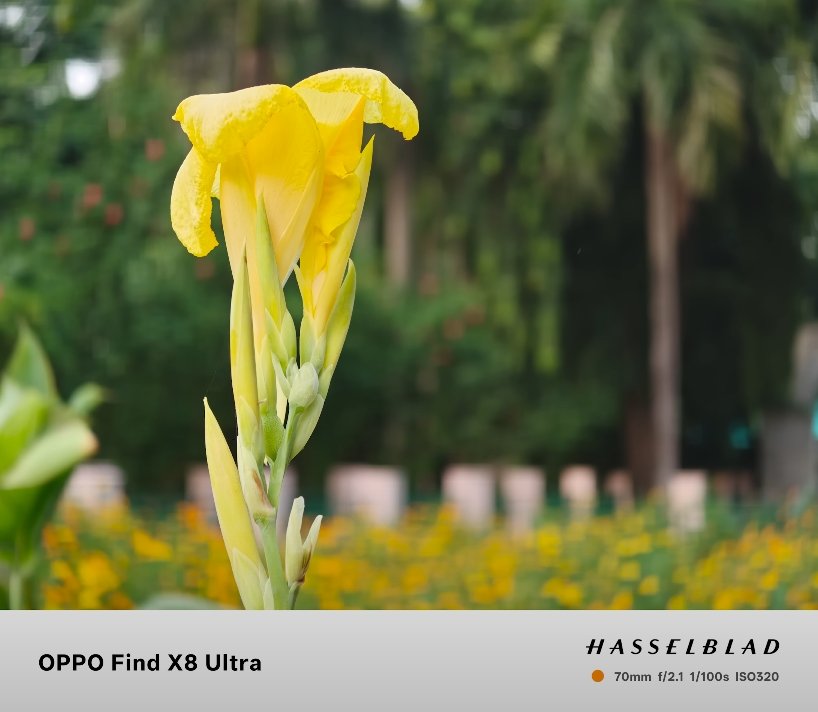
Starting with daylight and general scenes, the Oppo Find X8 Ultra delivers images with rich detail, wide dynamic range, and realistic tones. Its large 1-inch sensor and multi-lens setup help capture fine textures in foliage, architecture, and human subjects. In many sample photos, its 3× and 6× telephoto lenses maintain sharpness and clarity even when zoomed moderately, with minimal softness or artifacting. Illustrations include food close-ups and nature shots where the 3× telephoto shows crisp edges, and 6× zooms that retain a lot of clarity before software enhancement steps in.

The Pixel 9 Pro XL also produces strong results, especially in consistent exposure, accurate white balance, and smooth rendering in mixed lighting. Its main lens samples show excellent control over highlights and shadows, delivering pleasing contrast without blowing out bright areas too aggressively. In sample galleries, the ultrawide images are also brighter than prior Pixel models, and the 5× telephoto lens holds up well in favorable light, though slight softness and texture loss appear when pushed beyond that.

Oppo Find X8 Ultra vs Pixel 9 Pro XL camera samples

In low light or night mode scenarios, the differences become more pronounced. The Oppo Find X8 Ultra frequently handles shadows and dim areas more effectively, retaining detail with less noise and better clarity in deeper tones. The wide aperture and sensor size give it an edge in pulling in light, reducing the reliance on heavy processing. Pixel 9 Pro XL samples do well in low light too, offering decent exposure and color balance, but some images show chroma noise or slight texture smoothing in very dark areas.

When zooming, the Oppo Find X8 Ultra’s dual periscope lenses allow optical zoom at 3× and 6× before digital assistance kicks in. Sample photos at these levels often retain crisp detail, with telephoto images holding fine lines well. The Pixel 9 Pro XL’s 5× telephoto lens gives solid results up to that point, but beyond 5× it leans more on cropping or digital zoom, which leads to visible softness. Some samples show the Pixel attempting 10× digital zoom and beyond; the images are usable for social sharing, but lose sharpness and texture compared to native optical zoom.

Portraits and subject isolation are another key area. Oppo’s samples often show natural skin tones, good edge separation, and believable bokeh transitions, especially when using the 3× telephoto. The Pixel 9 Pro XL also shines here, offering clean subject focus, consistent skin rendering, and reliable background blur. Its algorithm is mature and avoids over-processing the face in many test images.

In color science, the two phones lean a bit differently. Oppo tends toward more neutral, slightly warmer tones, emphasizing realism without pushing saturation too hard. Many users appreciate this for everyday scenes and portraiture. The Pixel 9 Pro XL tends to maintain color accuracy and neutrality, with whites that stay clean and balanced even in tricky lighting. In sample comparisons, Oppo’s images sometimes look a touch more vibrant, but neither phone over-saturates excessively.

Overall, sample images suggest that the Oppo Find X8 Ultra holds advantages in zoom clarity (especially at 3× and 6×), noise control in low light, and fine detail under challenging conditions. The Pixel 9 Pro XL excels in balanced exposure, reliable autofocus, and consistent color reproduction across different lenses. For users who frequently zoom or shoot in low light, Oppo may deliver a bit more headroom. For those who prioritize overall image harmony and simplicity, Pixel remains a trusted pick.

Also Read:  Samsung Galaxy M17 5G camera vs iPhone SE 3 comparison

Oppo Find X8 Ultra vs Vivo X300 FE design comparison

Oppo Find X8 Ultra vs Vivo X300 FE design comparison

Side-by-Side Design: Premium Build vs Fashionable Function

When comparing the design of the Oppo Find X8 Ultra with the Vivo X300 FE, you can see two different design philosophies. Oppo is targeting high-end robustness, camera-centric premium touches, and a refined flagship feel. Vivo with the X300 FE leans toward lighter, more fashionable finishes, often offering trendier color options and a sleeker, more lifestyle-oriented design. Here’s how the two compare across dimensions, build quality, styling, ergonomics, and practical durability.

Starting with size and materials, the Oppo Find X8 Ultra is quite large and heavy. It measures about 163.1 x 76.8 x 8.78 mm and weighs around 226 grams. The frame is aluminum, the back is glass, and it carries IP68/IP69 ratings for water and dust resistance. Additionally, it’s certified with a drop-resistance rating reflecting serious attention to toughness. These aspects give the X8 Ultra a solid, premium, and rugged feel. The display is flat (no curved edges), which helps reduce accidental screen touches and makes protective cases and screen guards easier to fit.

By contrast, the Vivo X300 FE is designed to impress with style while keeping weight and bulk under control. While exact dimensions vary by version and region, the FE (Fashion Edition) models are typically lighter and thinner than top flagships. Vivo often uses materials that balance looks and weight—combining glass and metal or offering high-quality coatings (matte or glossy) with appealing color variants. The design tends to emphasize fashion cues: slim bezels, attractive color gradients, possibly even special finishes or textures on the back cover, plus stylish camera module designs.

Oppo Find X8 Ultra vs Vivo X300 FE design comparison

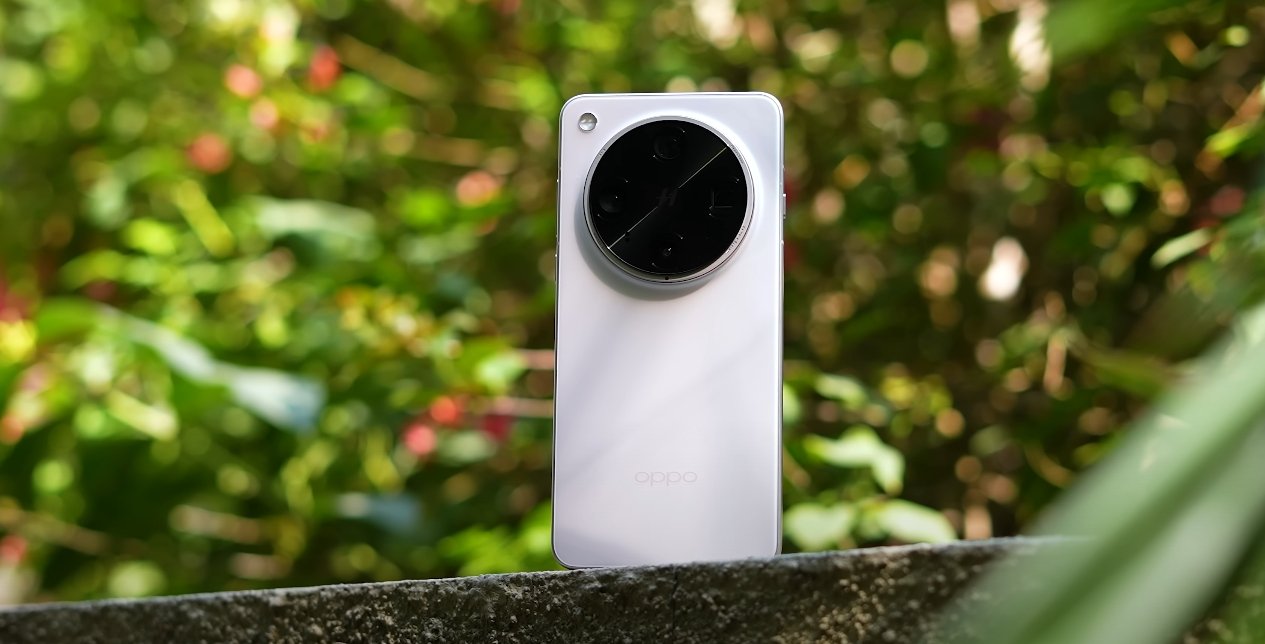
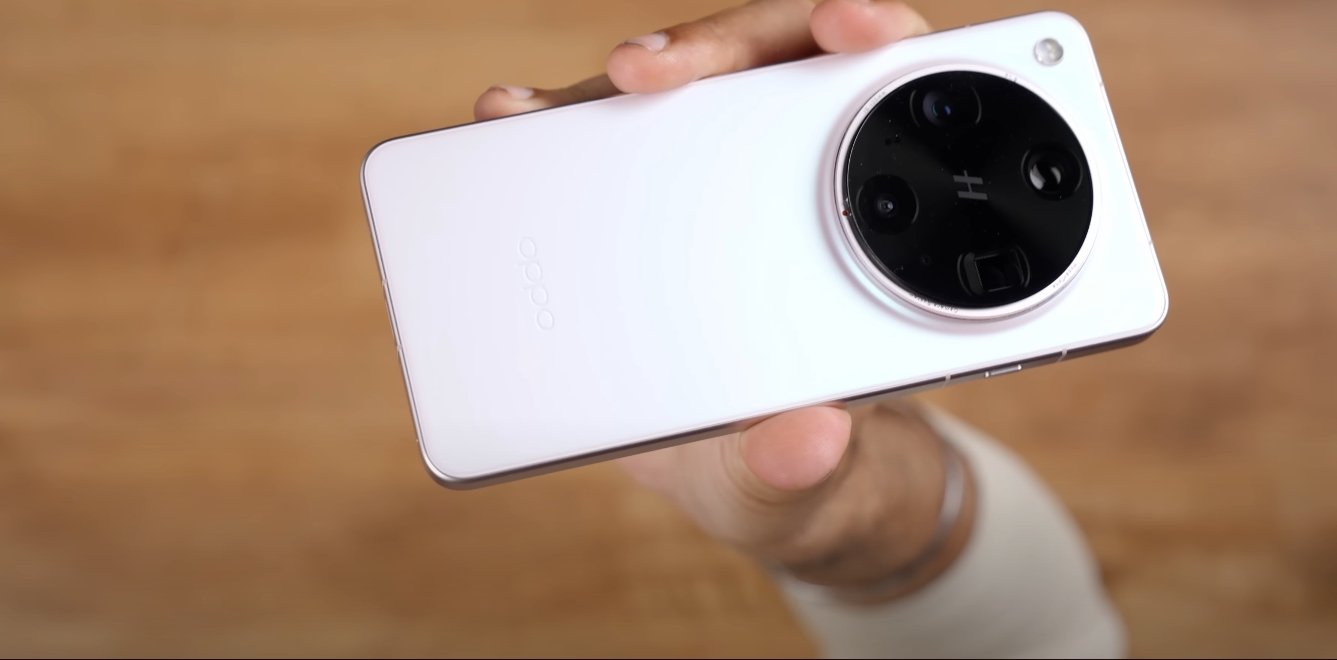
On the styling front, the Oppo Find X8 Ultra chooses muted premium colors: tones such as Matte Black, Pure White, Shell Pink, or lighter “Morning Light” hues. Its camera module is large due to the advanced optics (multiple large sensors, periscopes, Hasselblad calibration), but Oppo has worked to keep the camera bump and bulge less pronounced than some competitors. The device also includes a new “Magic Cube” or shortcut button on the left edge for rapid access to certain features. The overall look is balanced between function and elegance, and the flat display gives a clean, modern aesthetic.

Meanwhile, Vivo X300 FE tends to lean more toward fashion-forward color options and lighter design accents. FE models often offer color combinations that give visual flair—maybe icy tones, pastels, or finishes that catch light differently. The camera modules may be more compact or styled to integrate well with the back panel. Vivo often crafts thinner bezels and lighter builds to make the phone feel more elegant in hand. Those design choices appeal to users who care not only about specs but also how the phone reflects their style.

Ergonomics are another area where the two differ. Oppo’s larger size and weight mean that using the device with one hand is more challenging. The flat display helps grip and accessory fit, but carrying or one-hand usage will feel more demanding. The IP68/IP69 rating adds peace of mind for durability, especially for outdoor use. Meanwhile, Vivo’s FE version helps users by offering lighter builds, more compact layouts, possibly less bulk in thickness. This means longer practical comfort in hand, easier pocketing, and less strain over extended usage.

Durability and protection factors favor Oppo. The IP certifications, robust frame materials, flat screen glass, and drop-resistance certification all make the X8 Ultra better suited to rougher conditions. Vivo’s FE variant likely has water/dust resistance in many markets, but often less ambitious in extreme durability (e.g. not rated for drops, fewer rugged certifications). Vivo may offer rugged build quality, but typically trade-offs are made to keep fashion design elements lighter and more stylish.

In conclusion, the Oppo Find X8 Ultra designs for premium robustness and camera-centric performance, with a build that emphasizes durability, high-quality materials, and a solid feel. The Vivo X300 FE focuses more on lighter weight, fashion aesthetics, and style options that appeal to users wanting both good specs and trendy looks. If your priority is durability, heft, and making a powerful statement, Oppo wins. If instead you want something sleeker, lighter, more personalized in color and finish, Vivo FE delivers better in those areas.

Also Read:  Camera comparison poco F7 pro vs samsung galaxy A5

Oppo Find X8 Ultra official teaser reveals new color options

Oppo Find X8 Ultra official teaser reveals new color options

Oppo Adds Stunning New Colors to Its Upcoming Flagship Lineup

Oppo has officially teased the Find X8 Ultra, and the latest preview has confirmed a fresh set of color options that perfectly complement its premium design and advanced technology. As anticipation builds ahead of its official launch, the company’s design choices are once again drawing attention for their blend of sophistication and modern appeal. The new colors add a stylish dimension to the flagship lineup, further enhancing its luxurious look and feel.

The teaser showcases three standout color variants for the Find X8 Ultra — Moonlight White, Morning Light, and Hoshino Black. Each option is crafted to highlight a distinct personality. Moonlight White embodies minimalism and purity, featuring a matte finish that subtly reflects light without attracting fingerprints. Morning Light introduces a warm golden gradient that shifts shades under different lighting angles, giving the phone a dynamic and eye-catching appearance. Meanwhile, Hoshino Black represents timeless elegance, featuring a polished black tone with deep reflections that convey a sense of power and refinement. Together, these shades show Oppo’s attention to detail and its continued focus on premium aesthetics.

Beyond the colors, the teaser reveals an evolution in the Find X8 Ultra’s overall design language. The phone features a sleek flat display that replaces the curved glass design of its predecessors. This shift not only modernizes the device’s front profile but also enhances grip comfort and reduces accidental screen touches. The bezels are ultra-thin, creating an immersive display experience that complements its flagship status. The back panel’s design has also been refined with a smooth texture and subtle curvature along the edges, ensuring the phone remains comfortable to hold despite its large size.

Oppo Find X8 Ultra official teaser reveals new color options

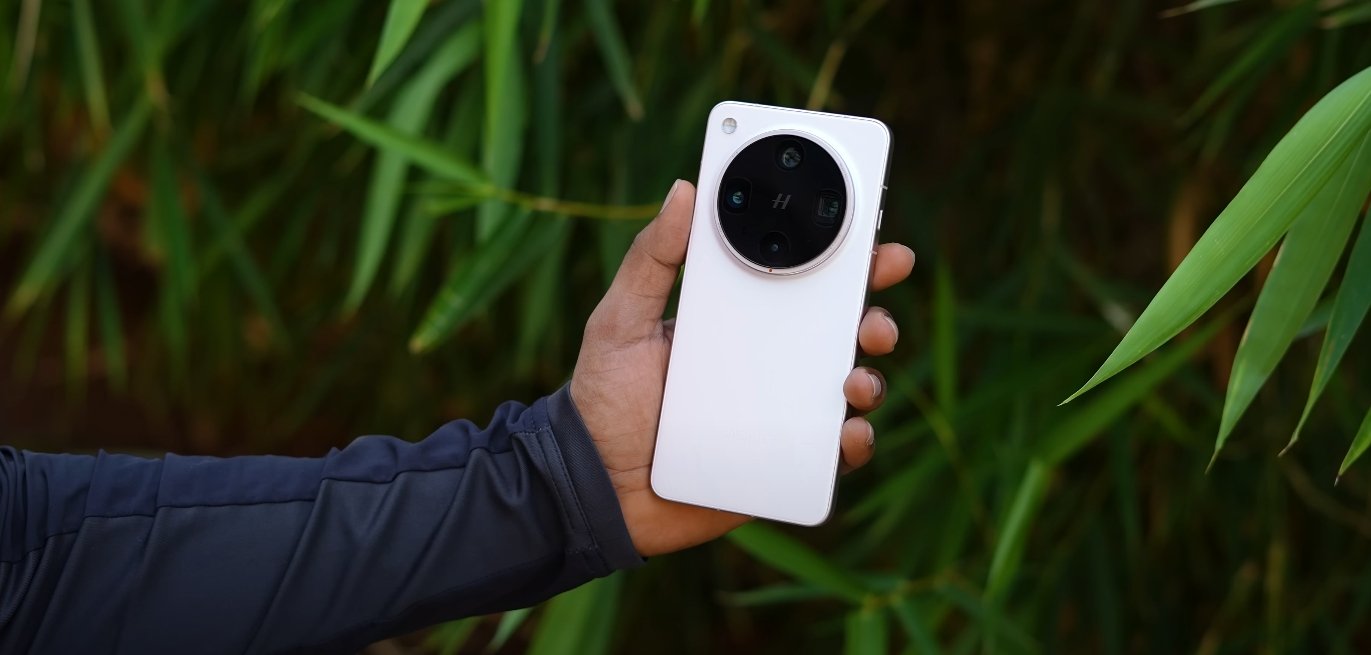
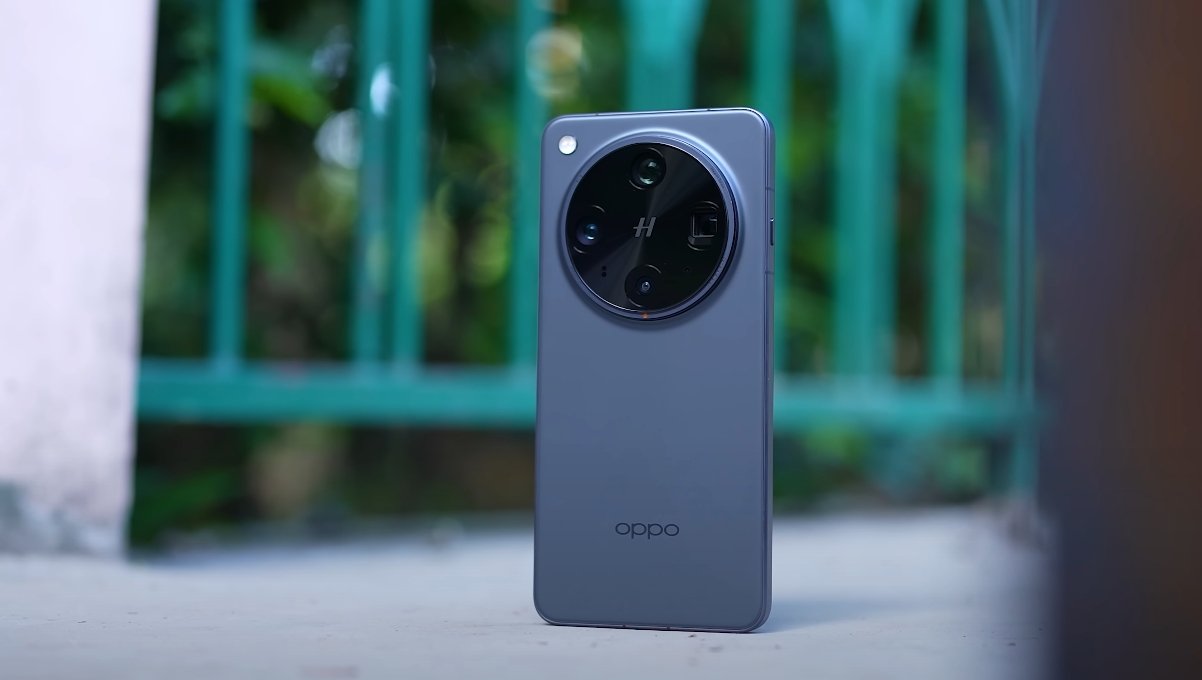
A closer look at the teaser reveals a redesigned camera module that stands out as one of the Find X8 Ultra’s signature features. The large circular housing in the center back of the device gives the phone a balanced and symmetrical look. Unlike previous generations, this setup appears more integrated into the rear surface, minimizing the camera bump and enhancing the overall premium appeal. The metallic ring surrounding the module adds a touch of sophistication while drawing attention to the advanced camera system inside. This refined aesthetic design signals Oppo’s continued commitment to merging functionality with visual appeal.

While the teaser focuses on the design and color aspects, it also hints at the advanced technology powering the Find X8 Ultra. The device is confirmed to feature a dual periscope telephoto setup, a significant step up in optical versatility and zoom performance. Oppo has been steadily improving its camera engineering, and the Find X8 Ultra appears ready to build on that legacy. The camera ring’s design reflects a combination of form and function — visually striking while housing some of the most powerful imaging hardware in the company’s history.

The teaser video also emphasizes the use of premium materials across the device’s construction. Oppo has reportedly adopted a reinforced aluminum frame with a frosted glass back to achieve a blend of durability and elegance. The precision finish ensures a smooth transition between metal and glass, with color gradients that shift gently under light. This design philosophy follows Oppo’s growing focus on crafting phones that look as beautiful as they perform. The new hues not only enhance aesthetic appeal but also underline Oppo’s growing reputation as one of the leaders in smartphone design innovation.

For U.S. buyers and global enthusiasts alike, the new color options are likely to become an important factor in purchasing decisions. Each shade offers a distinct personality — from the serene simplicity of Moonlight White to the warm brilliance of Morning Light and the bold sophistication of Hoshino Black. Combined with the refined design, advanced cameras, and flagship-level specifications expected from the Find X8 Ultra, Oppo’s latest teaser makes it clear that this device is designed to capture attention in every sense of the word. As the official launch approaches, these visual and design enhancements set the stage for what could be one of Oppo’s most striking and well-balanced flagships to date.

OPPO Find X9 Pro best settings for battery longevity: keep it strong in 2028

OPPO Find X9 Pro best settings for battery longevity keep it strong in 2028

Optimising Your Phone for Long-Term Battery Health

The OPPO Find X9 Pro is built with a large battery and efficient power management, but maintaining strong longevity through 2028 depends on how you use and charge the device. With the right settings and habits, you can keep battery health high and avoid early degradation. These adjustments help the phone stay reliable even after years of daily use, especially for UK users who want consistent performance without frequent charging cycles.

Start by optimising charging behaviour. The Find X9 Pro supports fast wired and wireless charging, but using full-speed charging all the time can lead to long-term wear. Switching to the phone’s built-in battery optimisation mode helps regulate charging speed and reduce strain. Keeping the phone between 20% and 80% during regular daily use is one of the best ways to preserve health. Overnight charging should be done with the “optimised charging” feature enabled so the phone slows down the final charge stage.

Screen settings play a major role in battery ageing. The bright, high-refresh-rate display on the Find X9 Pro is stunning but can increase power cycles, leading to faster wear. Lowering brightness manually or enabling adaptive brightness helps reduce strain. Keeping the refresh rate on an automatic or lower setting prevents unnecessary power consumption during static content. Over several years, these changes reduce the number of times you need to charge, which directly improves battery longevity.

OPPO Find X9 Pro best settings for battery longevity keep it strong in 2028

Background processes and app management also contribute to long-term performance. The Find X9 Pro allows you to control which apps run in the background. Restricting non-essential apps prevents constant wake-ups and unnecessary CPU load. Over time, lighter background activity means fewer charge cycles per month. Cleaning up unused apps and ensuring the system runs on its default power-saving settings keeps the phone operating efficiently without sacrificing performance.

Heat management affects battery lifespan significantly. The Find X9 Pro’s chipset is designed for efficiency, but heavy gaming or extended camera use can generate heat. Using the phone in a cool environment, avoiding charging when it is already warm and keeping it out of direct sunlight help reduce thermal stress. Cases that trap heat should be removed during intensive sessions or long charging times. Reducing heat exposure is one of the most effective steps for maintaining battery health over several years.

Network settings can also influence battery wear. Enabling 5G only when needed is helpful because 5G radios consume more energy in weak signal areas. For many UK regions with variable 5G coverage, switching between 4G and 5G manually prevents unnecessary battery drain. Using Wi-Fi whenever possible reduces load on mobile radios and keeps power usage stable. Over a long period, these small changes add up to fewer charging cycles.

System updates from OPPO usually include battery performance improvements. Keeping the phone updated ensures the latest optimisation features are active. However, running too many animations or advanced visual effects in the operating system can raise power consumption. Enabling system-level power-saving modes during long travel or low-signal environments also prevents excessive battery discharge and helps preserve overall health.

Notifications and connectivity features can be fine-tuned for better efficiency. Turning off always-on features like Bluetooth scanning, location services and Wi-Fi auto-search when not needed reduces background wake-ups. The Find X9 Pro allows custom profiles that help control these settings easily. Over multiple years of use, reducing unnecessary wake-ups significantly slows health decline.

Charging accessories also play a role in battery care. Using certified chargers ensures the battery receives regulated power. While the phone supports high-wattage charging, using standard-speed chargers for daily use and reserving fast charging only for urgent situations helps reduce heat and stress. This simple habit is effective in maintaining healthy battery levels well into 2028.

Finally, storage management indirectly supports battery longevity. A system with nearly full storage can cause more background processing, indexing and slowdowns. Keeping storage clear allows the phone to run cooler and faster. Using cloud backups or deleting unused files keeps performance optimal and reduces unnecessary strain that can accelerate battery decline.

In the long run, battery longevity depends on small, consistent habits. By adjusting display behaviour, managing charging patterns, reducing background tasks and keeping the device cool, the OPPO Find X9 Pro can maintain strong performance for years. With these settings and habits, users can confidently expect reliable battery life even by 2028.

Oppo Find X9 Pro certification sparks Canadian launch speculation

Oppo Find X9 Pro certification sparks Canadian launch speculation

Canadian Tech Circles Abuzz as Oppo Find X9 Pro Nears Global Debut

Excitement is spreading through Canada’s tech community as the Oppo Find X9 Pro has reportedly received multiple global certifications, hinting at a possible Canadian launch. The device has already surfaced in listings from major certification bodies across Asia and Europe, sparking talk that Oppo could soon expand its reach into the North American market. Canadian Android fans, who have been eagerly awaiting Oppo’s return, now see this as a strong sign that the company is preparing for a broader rollout.

The Find X9 Pro’s certification in global databases such as Thailand’s NBTC and India’s BIS suggests Oppo is finalizing production for worldwide availability. These approvals often precede official launch announcements, which makes Canadian tech watchers confident that the phone could soon make its debut locally. With Oppo’s flagship series known for its premium design, top-tier camera technology, and strong performance, the anticipation around the Find X9 Pro’s arrival is well justified.

Leaks indicate that the Find X9 Pro will feature a 6.78-inch flat OLED display with 1.5K resolution and a smooth 120Hz refresh rate. The phone is expected to run on the MediaTek Dimensity 9500 processor, one of the most advanced chips currently available. Paired with up to 16GB of RAM and as much as 1TB of internal storage, the Find X9 Pro promises seamless multitasking and lightning-fast performance, making it an appealing option for Canadian professionals and tech enthusiasts alike.

Oppo Find X9 Pro certification sparks Canadian launch speculation

The camera setup is one of the main talking points. Oppo’s long-standing collaboration with Hasselblad continues, with leaks suggesting a triple-camera system featuring a 200-megapixel periscope telephoto lens, a 50-megapixel wide sensor, and a 50-megapixel ultra-wide lens. If accurate, this configuration could make the Find X9 Pro one of the strongest smartphone cameras on the market. For Canadian photographers and content creators, such hardware could make the device a compelling upgrade.

Battery life is another area where Oppo appears determined to outshine its competitors. The Find X9 Pro is rumored to include a massive 7,500mAh silicon-carbon battery — significantly larger than what’s found in most flagships. With support for ultra-fast charging speeds, the phone is expected to deliver all-day endurance and quick recharge times, a crucial benefit for Canadians who rely heavily on their phones during long workdays or outdoor adventures.

Industry analysts believe that if Oppo brings the Find X9 Pro to Canada, it could price the device in the CA$1,200 to CA$1,400 range, keeping it competitive against the Samsung Galaxy S24 Ultra and iPhone 16 Pro. This price range, combined with Oppo’s strong build quality and innovative features, might help the brand carve out a meaningful presence in the Canadian premium smartphone segment.

However, potential buyers are still waiting for official confirmation regarding Canadian carrier compatibility and software support. While certifications suggest global readiness, details about localized 5G bands and warranty coverage are yet to surface. Some experts predict Oppo may initially test the market with a limited release or online sales before expanding distribution through major carriers.

For now, the growing certification trail has given Canadian consumers reason to be optimistic. The Oppo Find X9 Pro’s blend of power, endurance, and photography excellence could redefine what Android users expect from a flagship device. If the company confirms its Canadian launch soon, Oppo could finally secure a stronger foothold in North America — and give Canadian smartphone buyers another exciting premium option in 2025.