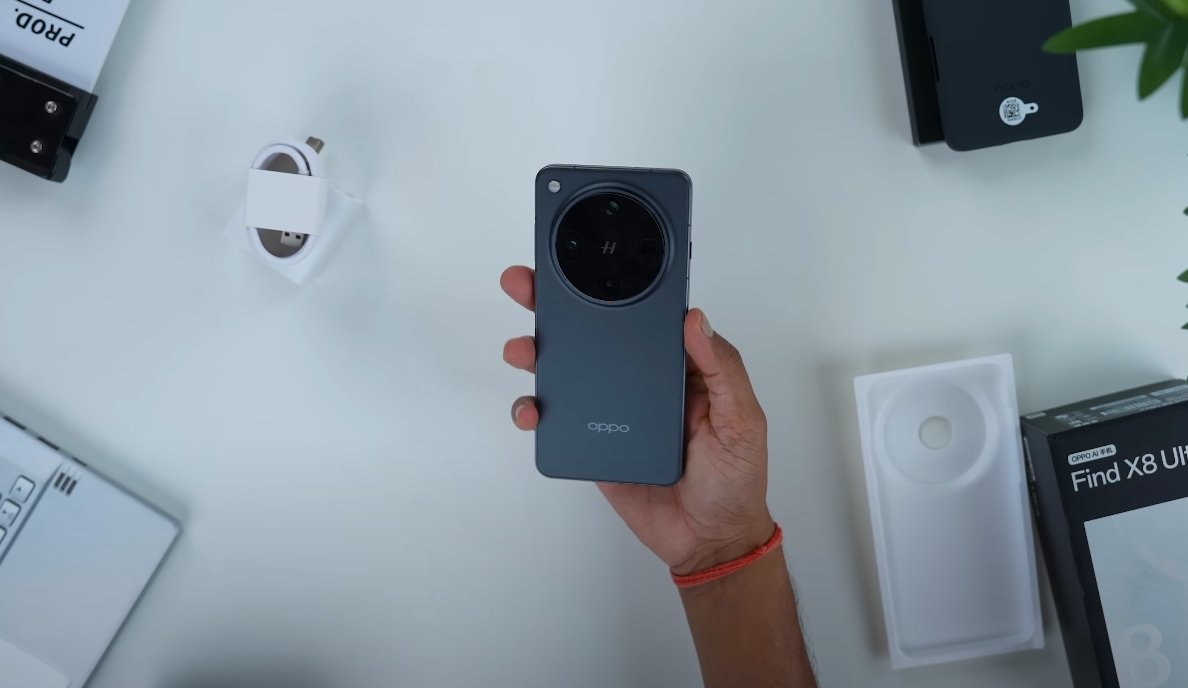
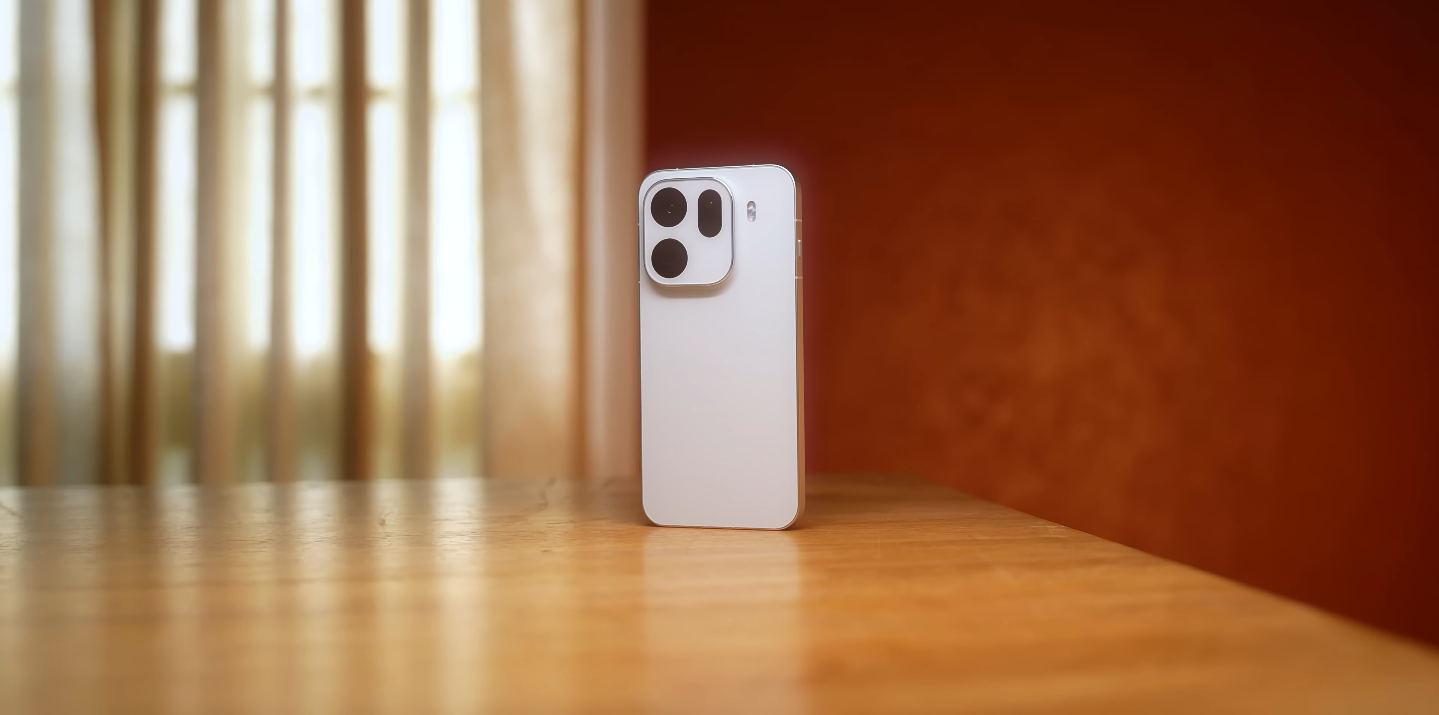
Oppo Find X9 Pro could be Oppo’s strongest launch in Canada yet

Oppo Find X9 Pro could be Oppo’s strongest launch in Canada yet

A major push by Oppo into the Canadian flagship market

The Oppo Find X9 Pro appears poised to make a significant impact in Canada, potentially marking the brand’s boldest attempt yet to capture the premium smartphone segment in the country. With standout features and competitive pricing, Oppo is arriving with a package designed to appeal to Canadian buyers seeking high-end capabilities without paying the most premium brand tax.

One of the core strengths of the Find X9 Pro is its performance suite. The device is powered by the latest MediaTek Dimensity 9500 chipset, boasting cutting-edge architecture, improved efficiency and enhanced GPU and AI performance. This means users in Canada will get flagship-level responsiveness for gaming, multitasking and photography. On top of that, the device supports global 5G and is designed to match Canadian carrier requirements — an important consideration for buyers here.

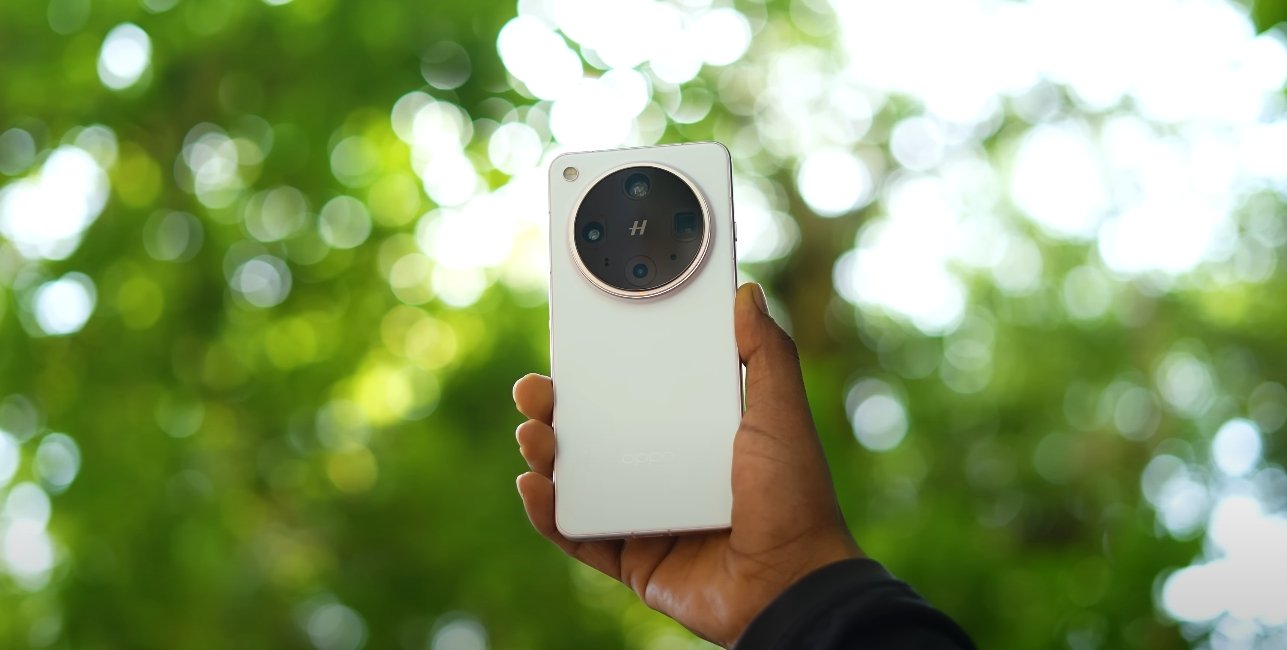
The camera system is another major differentiator. Oppo teams with Hasselblad to deliver a 200 MP telephoto lens alongside high-resolution primary and ultra-wide sensors. This results in an imaging experience that aims to rival professional gear and stands out in the Canadian market where camera quality is a key decision factor. Features like advanced zoom, high-end video capture and precision optics give the Find X9 Pro a very strong visual identity.
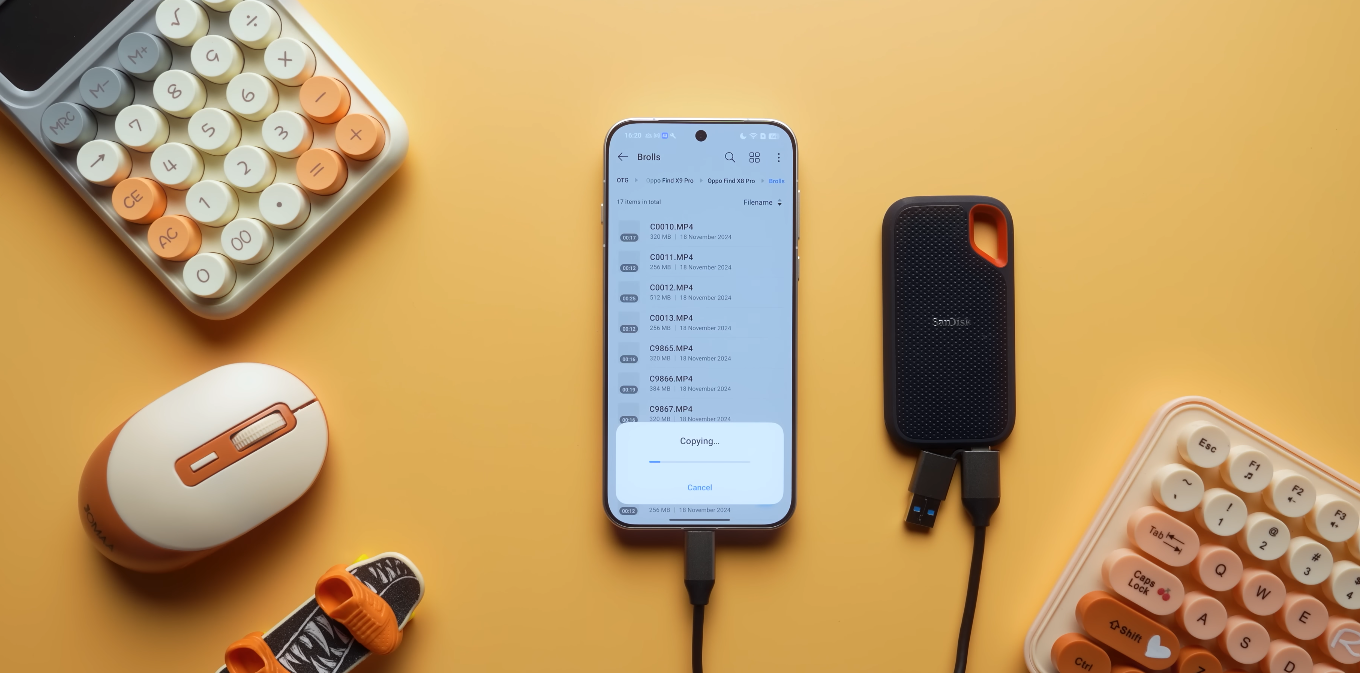
Oppo Find X9 Pro could be Oppo’s strongest launch in Canada yet

Battery life is gaining attention as well. The Find X9 Pro packs a 7,500 mAh silicon-carbon battery in its global version, promising longer usage between charges — something very relevant in Canada where travel and commuting often mean more screen-on time. Fast wired and wireless charging are also part of the mix, making it a practical choice for day-to-day use. These features help shift the value proposition: not just “premium spec”, but “premium endurance”.

Pricing and availability in Canada hint at the potential. Early listings suggest pricing around CAD 1,100-1,200 depending on configuration. Given the spec count, these levels make the device competitive versus other premium flagships which often start much higher. For Canadian consumers, this can translate to flagship-level performance at a more accessible price point — a strong motivator in this market.

Another factor in its favour is that Oppo appears to be committing to a broader global release strategy for this model. While in past years certain high-end Oppo models did not receive full North American distribution, the current strategy appears stronger, with Canada flagged in spec lists and pricing sites showing Canadian dollar estimates. That gives Canadian buyers greater confidence in support, updates and network compatibility.

From a market-perspective, this launch also comes at a time when Canadian smartphone users are showing increasing interest in alternatives to the legacy premium brands. The combination of excellent camera credentials, strong battery, high performance, and competitive pricing positions the Find X9 Pro as a very credible challenger. If marketing and retail availability line up, it could outperform prior Oppo launches in Canada.

Of course, full success depends on factors like network carrier support, after-sales service, and software experience. Canadian buyers value reliability, updates and local support. Oppo will need to deliver on those aspects to truly dominate. But at first glance the build, specs and positioning suggest the company has done its homework for the Canadian market.

In conclusion, the Oppo Find X9 Pro looks like it could become Oppo’s strongest launch in Canada yet. It brings top-tier performance, standout camera features, robust battery life and competitive pricing — all the elements that Canadian premium buyers care about. If all goes well with distribution and support, this model could significantly raise Oppo’s profile in Canada’s flagship smartphone arena.
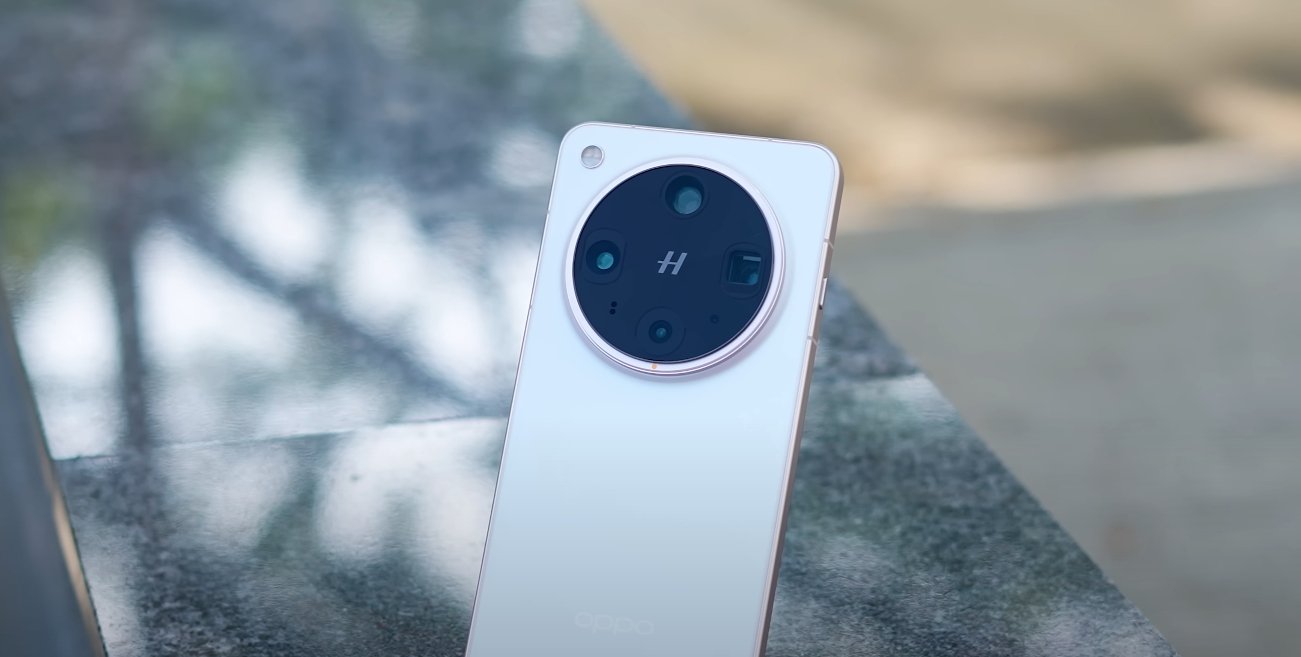
Oppo Find X8 Ultra vs Xiaomi 15 Ultra early leaks

Oppo Find X8 Ultra vs Xiaomi 15 Ultra early leaks

Oppo Find X8 Ultra vs Xiaomi 15 Ultra: Early Leak Comparison

The Oppo Find X8 Ultra and Xiaomi 15 Ultra are two of the most anticipated flagship smartphones of 2025, each promising cutting-edge performance, premium design, and advanced photography. Early leaks and spec rumors provide insight into how these devices will compete in the high-end smartphone segment, highlighting differences in display technology, camera capabilities, battery performance, and software experience.

The Oppo Find X8 Ultra is rumored to feature a 6.82-inch 2K AMOLED display with a 120Hz adaptive refresh rate. This screen is designed to deliver sharp visuals, vibrant colors, and smooth motion, making it suitable for gaming, multimedia, and professional use. In contrast, the Xiaomi 15 Ultra is expected to come with a slightly smaller 6.73-inch LTPO AMOLED display with a 3200 x 1440 resolution and 120Hz refresh rate. While both displays are high-end, Oppo emphasizes a larger, immersive viewing experience, whereas Xiaomi focuses on high pixel density and energy efficiency with LTPO technology.

Performance for both devices will be powered by the Snapdragon 8 Elite chipset, ensuring top-tier processing power and smooth multitasking. Early leaks suggest that the Oppo Find X8 Ultra will come with multiple RAM and storage options, including 12GB/512GB, 16GB/512GB, and 16GB/1TB configurations, whereas the Xiaomi 15 Ultra will offer 16GB RAM with 512GB storage. Both devices are expected to handle heavy workloads, gaming, and productivity tasks without significant slowdowns, but Oppo’s broader configuration options may provide more flexibility for users with demanding requirements.

Oppo Find X8 Ultra vs Xiaomi 15 Ultra early leaks

Camera systems are a major focus in both devices. The Oppo Find X8 Ultra is said to feature a quad-camera setup, including dual periscope telephoto lenses with 3x and 6x optical zoom. The main sensor is reportedly a large 1-inch Sony sensor, optimized for low-light photography and detailed shots. The Xiaomi 15 Ultra, on the other hand, is expected to feature a Leica-branded camera system with a 50MP main sensor, a periscope telephoto lens, and a 200MP sensor with in-sensor zoom technology. While Oppo emphasizes optical zoom versatility and larger sensor size, Xiaomi focuses on extremely high-resolution imaging and Leica’s color tuning expertise.

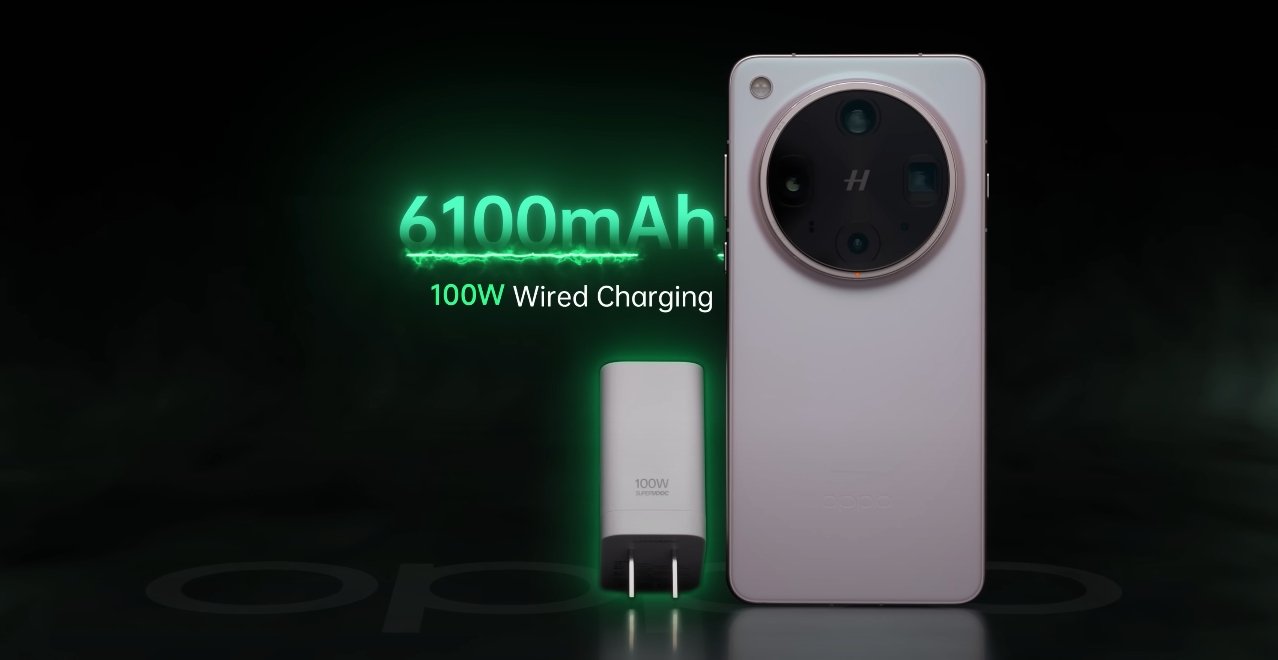
Battery and charging capabilities also differ slightly between the two phones. The Oppo Find X8 Ultra is reported to include a 6,100mAh battery with 100W wired and 50W wireless fast charging. This setup allows for quick top-ups and extended usage for power users. The Xiaomi 15 Ultra is said to house a 6,000mAh battery with 90W wired and 80W wireless charging, providing slightly slower charging speeds but still ample capacity for daily use. Both phones are expected to support all-day usage even under heavy workloads such as gaming and media consumption.

Design and build are other areas of distinction. The Oppo Find X8 Ultra is rumored to feature a premium curved design with ergonomic considerations for comfortable handling. It is expected to incorporate a refined cooling system to maintain performance during intensive tasks. In comparison, the Xiaomi 15 Ultra is expected to adopt a Leica-inspired design, featuring duo-tone finishes and a large, round camera module for a distinct aesthetic. It may also use ceramic and premium materials, giving it a luxurious feel and robust construction.

Software experiences on both devices are expected to enhance their hardware capabilities. The Oppo Find X8 Ultra will likely run ColorOS 16 based on Android 16, offering AI-driven task management, seamless animations, and customization options. The Xiaomi 15 Ultra will run HyperOS 2 based on Android 15, promising a clean and intuitive interface with quick navigation and minimal clutter. Both systems aim to deliver smooth performance, but Oppo may offer more advanced AI features, while Xiaomi focuses on simplicity and efficiency.

Connectivity features will include 5G, Wi-Fi 6E, Bluetooth, and NFC on both devices, ensuring high-speed and reliable connections. Durability is also expected to be strong, with Oppo rumored to have IP69 water and dust resistance, while Xiaomi likely maintains a high build standard, possibly with IP68 certification.

In conclusion, early leaks suggest that both the Oppo Find X8 Ultra and Xiaomi 15 Ultra will be formidable contenders in the flagship smartphone market. The Oppo Find X8 Ultra emphasizes larger displays, versatile telephoto zoom, and a bigger battery, catering to users who prioritize multimedia, photography, and endurance. The Xiaomi 15 Ultra focuses on Leica-inspired design, ultra-high-resolution cameras, and efficient performance, appealing to photography enthusiasts and style-conscious consumers. Ultimately, the choice between the two will depend on individual preferences regarding display size, camera priorities, design aesthetics, and software experience.

Also Read:  Nothing Phone 3A Lite early user reviews from USA

Oppo Find X8 Ultra vs Realme GT 7 Ultra comparison

Oppo Find X8 Ultra vs Realme GT 7 Ultra comparison

Flagship Showdown Between Power and Value

The Oppo Find X8 Ultra and Realme GT 7 Ultra are two of the most talked-about flagship smartphones of 2025. Both come from brands under the same parent company but aim at very different audiences. Oppo targets premium users who want a complete high-end experience with advanced camera systems, luxury materials, and strong durability, while Realme focuses on performance, battery life, and aggressive pricing. When compared feature by feature, the contrast between refinement and raw value becomes clear.

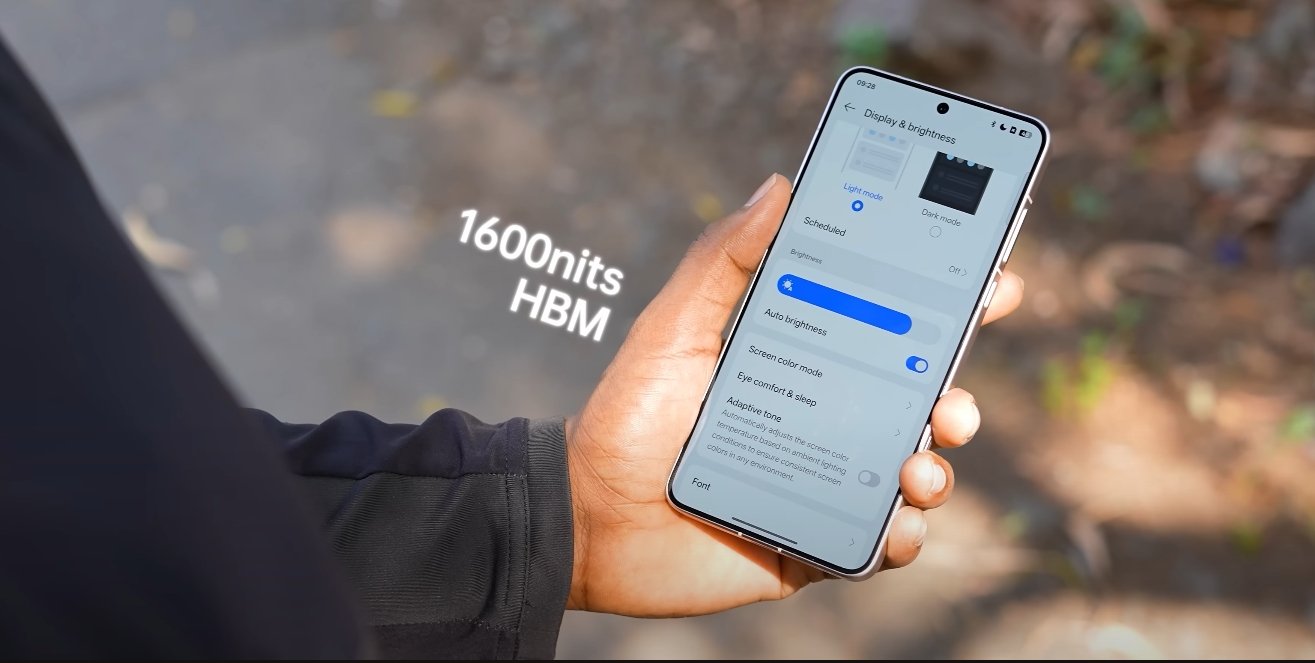
The Oppo Find X8 Ultra features a 6.82-inch QHD+ LTPO AMOLED display with a 120Hz adaptive refresh rate and peak brightness that goes beyond 1600 nits. It delivers exceptional clarity and smoothness with Dolby Vision support and enhanced touch response. Realme’s GT 7 Ultra offers a slightly smaller 6.78-inch AMOLED display with 1.5K resolution and the same 120Hz refresh rate. Its panel achieves impressive brightness levels and strong contrast, but it lacks the advanced LTPO technology found in Oppo’s screen. This makes the Find X8 Ultra more power-efficient and adaptive during everyday use. Overall, Oppo wins in display quality, precision, and viewing comfort, while Realme offers remarkable performance for its price point.

In terms of processing power, both devices are built to handle demanding tasks effortlessly. The Oppo Find X8 Ultra runs on Qualcomm’s Snapdragon 8 Elite chipset, paired with up to 16GB of LPDDR5X RAM and up to 1TB of internal storage. Realme’s GT 7 Ultra uses MediaTek’s Dimensity 9400+ processor, also supported by up to 16GB RAM and UFS 4.0 storage. While both chips are powerful, Oppo’s Snapdragon platform offers slightly better optimization for gaming, camera processing, and sustained performance under heavy workloads. Realme’s Dimensity chip performs extremely well for the price and provides outstanding efficiency, but Oppo maintains an edge in long-term thermal control and performance stability.

Oppo Find X8 Ultra vs Realme GT 7 Ultra comparison

Battery and charging are two areas where Realme takes the lead. The GT 7 Ultra packs a massive 7,200mAh battery, one of the largest among modern flagships. It supports blazing-fast 120W wired charging, allowing it to reach full capacity in about 25 minutes. However, it skips wireless charging entirely. The Oppo Find X8 Ultra uses a 6,100mAh battery that supports 100W wired charging, 50W wireless charging, and even 10W reverse wireless charging. While Realme wins on sheer battery size and speed, Oppo offers more flexibility and convenience through its advanced charging options. In real-world usage, both deliver a full day of power easily, but Oppo’s balanced system makes it more versatile for users who prefer wireless setups.

The biggest difference appears in the camera department. The Oppo Find X8 Ultra continues its dominance in mobile photography with a quad-camera setup: a 50-megapixel 1-inch main sensor, a 50-megapixel ultra-wide lens, and two periscope telephoto lenses offering 3x and 6x optical zoom. This combination allows for professional-grade shots across any lighting condition. Colors appear natural, details remain sharp, and low-light performance is unmatched in its class. The Realme GT 7 Ultra, meanwhile, uses a triple-camera system featuring a 50-megapixel main sensor with optical stabilization, a 50-megapixel telephoto lens, and an 8-megapixel ultra-wide lens. While it performs well in daylight with vibrant results, it cannot match Oppo’s versatility or low-light finesse. The Find X8 Ultra’s camera tuning and sensor size clearly make it the superior photography device.

Design and durability reflect each brand’s priorities. The Oppo Find X8 Ultra carries an IP68 and IP69 rating, making it one of the most rugged and water-resistant smartphones on the market. Its metal frame, curved glass back, and premium finish give it a solid, luxurious feel. The Realme GT 7 Ultra is lighter and thinner, focusing on ergonomics and comfort. It lacks an official IP rating but features a stylish matte finish and strong build quality. Oppo’s design caters to durability and elegance, while Realme’s appeals to users who prefer sleekness and practicality.

Software and long-term updates also play a role in the experience. Both phones ship with Android 15, but Oppo runs ColorOS 15 while Realme uses Realme UI 6. Oppo promises four years of Android upgrades and five years of security updates, ensuring longevity for premium users. Realme guarantees three years of major updates, which is competitive but slightly shorter. Both interfaces are smooth and packed with customization options, though Oppo’s version feels more polished, with refined animations and better system optimization.

Ultimately, the Oppo Find X8 Ultra represents the pinnacle of flagship craftsmanship, blending power, photography excellence, and long-term reliability. The Realme GT 7 Ultra, however, delivers exceptional value with its huge battery, rapid charging, and strong overall performance at a lower price. If you prioritize camera quality, display refinement, and durability, the Oppo Find X8 Ultra is the clear choice. But if you want flagship power and battery dominance at a more accessible cost, the Realme GT 7 Ultra stands out as one of the smartest buys of 2025.

Also Read:  Lava Agni 4 5G Network Support and USA Carrier Bands

Oppo Find X8 Ultra vs Xiaomi Mix Fold 4 feature test

Oppo Find X8 Ultra vs Xiaomi Mix Fold 4 feature test

Comparing Two Flagship Titans of 2025

The Oppo Find X8 Ultra and Xiaomi Mix Fold 4 represent two distinct approaches to flagship innovation in 2025. Oppo focuses on perfecting traditional smartphone design with powerful cameras and unmatched durability, while Xiaomi pushes the boundaries of foldable technology with sleek engineering and high-end hardware. When tested side by side, both devices deliver exceptional performance, yet their strengths lie in different areas depending on what users value most.

Starting with the display, Oppo’s Find X8 Ultra features a 6.82-inch QHD+ AMOLED LTPO panel with a 120Hz refresh rate, HDR10+ support, and peak brightness above 1600 nits. It’s a conventional flat display designed for clarity, outdoor visibility, and accurate colors. Xiaomi’s Mix Fold 4, on the other hand, brings dual screens into play—a massive 7.98-inch foldable inner display and a 6.56-inch outer cover display, both with 120Hz refresh rates. The inner screen delivers a tablet-like experience, perfect for multitasking, gaming, and watching media. While Oppo’s display offers slightly better durability and calibration, the Mix Fold 4 stands out in flexibility and immersive usability.

When it comes to performance, both phones are built for speed. The Oppo Find X8 Ultra runs on Qualcomm’s Snapdragon 8 Elite chipset paired with up to 16GB of LPDDR5X RAM and 1TB of UFS 4.0 storage. Xiaomi’s Mix Fold 4 uses the Snapdragon 8 Gen 3 processor, also supported by up to 16GB RAM and the same fast storage. In real-world usage, both handle demanding apps, gaming, and multitasking effortlessly, with smooth frame rates and minimal heat buildup. Oppo’s ColorOS and Xiaomi’s HyperOS are both optimized for fluid navigation, though Xiaomi’s interface takes advantage of the foldable form factor with advanced multitasking windows and split-screen layouts.

Oppo Find X8 Ultra vs Xiaomi Mix Fold 4 feature test

Camera performance is where the Oppo Find X8 Ultra shines brightest. It sports a quad-camera setup with a massive 50-megapixel 1-inch main sensor, a 50-megapixel ultra-wide, and two periscope lenses offering 3x and 6x optical zoom. This configuration allows stunning versatility, capturing sharp detail from wide landscapes to distant subjects. The color tuning produces natural skin tones and lifelike contrast, ideal for photography enthusiasts. Xiaomi’s Mix Fold 4 features a Leica-engineered triple-camera system with a 50-megapixel Light Hunter main sensor, a 50-megapixel telephoto lens, and a 5x periscope zoom. Its photos show rich color depth and artistic contrast, but Oppo’s larger sensor gives it a slight advantage in low-light clarity and finer texture reproduction.

Battery life and charging speeds are also crucial parts of the feature test. Oppo’s Find X8 Ultra packs a massive 6,100mAh battery supporting 100W wired charging and 50W wireless charging. The result is near all-day endurance with ultra-fast top-ups that take the phone from zero to full in about half an hour. Xiaomi’s Mix Fold 4 uses a 5,100mAh dual-cell battery with 67W wired and 50W wireless charging. While it performs well for a foldable, the power demands of two large displays mean it drains faster under heavy use. Oppo clearly leads in endurance, offering longer screen-on times and more efficient battery management under high workloads.

Design and durability differ dramatically between the two. The Find X8 Ultra is built with a focus on strength, boasting IP68 and IP69 ratings for water and dust resistance. Its unibody frame feels solid, with curved edges and premium materials giving it a luxurious yet sturdy feel. The Mix Fold 4 emphasizes elegance and flexibility, using an advanced hinge mechanism rated for over 500,000 folds. It’s thinner and lighter than most foldables, yet its foldable structure naturally makes it more delicate compared to the rugged Oppo. Users seeking long-term durability and outdoor reliability will find the Find X8 Ultra more reassuring, while those who prioritize innovation and portability may prefer the Mix Fold 4.

Software and user experience play a big role in how these flagships perform daily. Oppo’s ColorOS offers a refined interface with deep customization options, improved haptic feedback, and AI-based task optimization. Xiaomi’s HyperOS, re-engineered for foldables, provides fluid transitions between the inner and outer screens, along with enhanced productivity tools. Both systems receive long-term updates—Oppo promises four years of major Android upgrades, while Xiaomi supports three years of system updates with additional security patches.

In a full feature test, both phones deliver flagship-level excellence, but their appeal differs. The Oppo Find X8 Ultra dominates in camera quality, battery endurance, and rugged build, making it ideal for users who want reliability and performance without compromise. The Xiaomi Mix Fold 4 excels in innovation, multitasking, and immersive usability, targeting tech enthusiasts who value versatility and cutting-edge design.

In conclusion, the Oppo Find X8 Ultra is the better all-around performer for photography and everyday reliability, while the Xiaomi Mix Fold 4 leads in futuristic design and productivity features. Each stands at the top of its category, showcasing how far flagship smartphones have evolved in 2025.

Also Read:  Pixel 10 Pro Fold screen quality gets expert praise

Oppo Find X8 Ultra zoom camera performance tested

Oppo Find X8 Ultra zoom camera performance tested

Oppo Find X8 Ultra Redefines Smartphone Zoom Photography

The Oppo Find X8 Ultra has firmly established itself as one of the best smartphones for zoom photography. Its advanced camera system, featuring multiple lenses, provides a versatile photography experience suitable for both casual users and enthusiasts. The device is designed to capture sharp, detailed images at varying distances, making it stand out in the competitive flagship market.

The phone’s rear camera setup includes a main sensor and two periscope-style telephoto lenses offering 3x and 6x optical zoom. This configuration allows users to capture distant subjects with remarkable clarity. Even at high zoom levels, the image quality remains consistent, delivering sharp details without excessive noise or blur. The main lens, with its high-resolution capabilities, works alongside these telephoto lenses to provide a balanced photography experience across short, medium, and long-range shots.

Low-light performance on the Find X8 Ultra is impressive. The large main sensor captures more light, resulting in brighter, clearer photos even in dim conditions. Advanced image processing ensures that colors remain natural and noise is minimized. Night shots and indoor photography are notably improved, allowing users to capture high-quality images in challenging lighting scenarios. The camera system automatically adjusts to ambient light, maintaining clarity and contrast across different situations.

Oppo Find X8 Ultra zoom camera performance tested

Video capabilities are equally strong on the Find X8 Ultra. The device supports 4K video recording at high frame rates and incorporates advanced stabilization features. These capabilities make handheld video recording smoother, reducing shake even during zoomed-in shots. The combination of optical zoom and digital stabilization provides users with reliable footage, whether filming landscapes, sports events, or spontaneous moments while traveling.

The ultrawide lens adds another dimension to the camera’s versatility. Expansive group shots, scenic landscapes, and architectural photography benefit from this wider perspective. The camera intelligently switches between the ultrawide, main, and telephoto lenses based on the scene and subject distance, ensuring that every shot is optimized for clarity, detail, and color balance. Users have access to multiple focal lengths without losing image quality.

User experience with the zoom functionality has been highly positive. Transitioning between optical and digital zoom is smooth, and the real-time preview feature helps frame shots accurately. The software also mitigates common issues such as edge softness and chromatic aberration, which are typical in high-zoom photography. These enhancements make it easier for users to capture professional-looking images without extensive technical knowledge.

Photography enthusiasts have praised the Find X8 Ultra for its ability to handle complex shooting conditions. Outdoor photography, wildlife shots, and travel images all benefit from the powerful zoom capabilities. The combination of high-resolution sensors, large periscope lenses, and intelligent software makes it one of the most capable camera phones available. In addition, the device’s video recording features complement its still photography capabilities, making it a well-rounded multimedia tool.

Overall, the Oppo Find X8 Ultra demonstrates that smartphones can achieve top-tier zoom performance without compromising other aspects of camera functionality. Its combination of optical and digital zoom, advanced sensors, low-light performance, and video stabilization provides a complete photography solution. The device is ideal for users who prioritize capturing distant subjects with clarity and detail, and it stands as one of the leading options for mobile photography in the current market. Its versatility, image quality, and reliable performance confirm that the Find X8 Ultra is a flagship smartphone built for those who demand the best from their camera system.

Also Read:  Samsung Galaxy M17 5G camera vs iPhone SE 3 comparison

Oppo Find X8 Ultra vs Vivo X300 Pro camera results

Oppo Find X8 Ultra vs Vivo X300 Pro camera results

Flagship Camera Battle: Oppo and Vivo Face Off

The Oppo Find X8 Ultra and Vivo X300 Pro are two of the most advanced camera smartphones of 2025, both pushing mobile photography to a new level. While Oppo focuses on sensor size and balanced tones, Vivo emphasizes high zoom performance and sharpness. In real-world testing, both deliver excellent shots but appeal to slightly different types of users.

The Oppo Find X8 Ultra comes with a quad-camera setup featuring a 50-megapixel 1-inch main sensor, a 50-megapixel ultra-wide lens, and two telephoto lenses for 3x and 6x optical zoom. This large sensor allows the Oppo to capture more light, resulting in bright, detailed, and low-noise photos in almost any condition. Daytime images appear crisp with accurate colors, while portrait shots look natural with soft background blur. Its Hasselblad color calibration gives the camera a professional tone that looks true to life without being oversaturated.

The Vivo X300 Pro, on the other hand, packs a triple camera array with a 50-megapixel main Sony LYT-828 sensor, a 50-megapixel ultra-wide lens, and a 200-megapixel periscope telephoto lens. The telephoto camera is the star of the show, offering impressive clarity even at long distances. It provides sharper and cleaner zoomed shots compared to most flagship rivals, including Oppo. The collaboration with ZEISS helps Vivo fine-tune portrait textures, delivering natural-looking faces and rich contrast that make each shot stand out.

In low-light performance, Oppo’s Find X8 Ultra has a clear edge thanks to its massive primary sensor. Photos captured in dark conditions retain strong detail and color accuracy with minimal grain. Night mode shots show excellent shadow control and balanced highlights without overexposure. Vivo also performs well in dim lighting with advanced noise reduction and optical stabilization, but its photos can sometimes appear slightly processed when compared side by side with Oppo’s more organic output.

Oppo Find X8 Ultra vs Vivo X300 Pro camera results

Zoom capability is where Vivo shines brightest. The 200-megapixel periscope lens produces exceptionally detailed zoom photos, even beyond 10x magnification. It maintains texture and sharpness that few phones can match. Oppo’s dual telephoto lenses offer flexibility for different focal ranges and smoother zoom transitions during video recording. However, at extreme zoom, the Vivo X300 Pro still delivers a clearer and more refined result. Both phones handle subject tracking efficiently, keeping focus stable even in motion.

Video performance is strong on both sides. The Oppo Find X8 Ultra supports high-resolution recording with smooth stabilization and natural color tones. Transitions between lenses are seamless, which is great for dynamic shooting. Vivo’s X300 Pro provides equally steady video, with impressive zoom stability and minimal shake even when handheld. Audio recording quality is excellent on both models, though Oppo’s microphones capture cleaner sound in noisy outdoor environments.

Color tuning differs noticeably between the two. Oppo’s images lean toward realism, producing balanced tones ideal for photographers who prefer natural output. Vivo, meanwhile, delivers punchier contrast and brighter exposure, making its photos look more vivid on-screen. Portrait mode on both devices is well-optimized, maintaining depth accuracy and background separation. Skin tones look flattering without artificial smoothing, showing the maturity of their image processing systems.

Ultimately, both smartphones offer professional-level camera experiences. The Oppo Find X8 Ultra excels in low-light shooting, overall balance, and natural image rendering. The Vivo X300 Pro dominates with its telephoto lens, capturing zoomed details that even some DSLRs struggle to match. If you prefer realistic tones and versatility, Oppo is the more balanced choice. If you want breathtaking zoom and cinematic contrast, Vivo leads the race. Either way, both stand among the best camera phones of 2025, proving that mobile photography innovation is still accelerating.

Also Read:  Redmi 14C 5G Getting Popular Among Budget Buyers in 2025

Oppo Find X8 Ultra vs Xiaomi 14 Pro display comparison

Oppo Find X8 Ultra vs Xiaomi 14 Pro display comparison

Display Battle: Oppo Find X8 Ultra vs Xiaomi 14 Pro

The Oppo Find X8 Ultra and Xiaomi 14 Pro are two of 2025’s most advanced flagship smartphones, both offering cutting-edge display technology aimed at delivering the best possible visual experience. While both devices feature AMOLED LTPO panels with adaptive refresh rates, there are notable differences in size, brightness, color depth, and durability that may influence a consumer’s choice. Understanding these differences helps users determine which device best suits their preferences for media consumption, gaming, and everyday use.

Starting with screen size, the Oppo Find X8 Ultra features a 6.82-inch LTPO AMOLED display, while the Xiaomi 14 Pro comes with a slightly smaller 6.73-inch LTPO AMOLED panel. The larger display on the Oppo device provides a more expansive viewing area, making it ideal for streaming video content, browsing, or gaming. However, the difference is relatively minor and may not be a deciding factor for all users. Both devices feature slim bezels and high-quality construction, ensuring an immersive and premium feel in the hand.

Resolution and pixel density are also critical in evaluating display quality. The Oppo Find X8 Ultra offers a resolution of 1440 x 3168 pixels, translating to approximately 510 pixels per inch (ppi). In comparison, the Xiaomi 14 Pro delivers 1440 x 3200 pixels with a slightly higher pixel density of 522 ppi. This results in marginally sharper visuals on the Xiaomi 14 Pro, particularly noticeable in text rendering and fine details in images or videos. Both devices support high dynamic range content through HDR10+ and Dolby Vision, offering vivid colors, deep contrasts, and rich visuals in supported media.

Brightness is another area where the devices differ. The Oppo Find X8 Ultra achieves a peak brightness of 2500 nits, which is sufficient for outdoor visibility and HDR content consumption. However, the Xiaomi 14 Pro surpasses this with a peak brightness of 3000 nits, making it more effective in direct sunlight or extremely bright environments. This higher brightness also enhances HDR video playback, producing more impactful highlights and improved overall contrast. Users who frequently use their devices outdoors may find the Xiaomi 14 Pro slightly more practical in this regard.

Oppo Find X8 Ultra vs Xiaomi 14 Pro display comparison

Color accuracy and depth are essential for users interested in media creation or consumption. The Oppo Find X8 Ultra supports 10-bit color depth, covering the DCI-P3 color gamut. This provides vibrant and accurate colors, producing smooth gradients in images and videos. The Xiaomi 14 Pro, however, offers 12-bit color depth, allowing for an even broader color range and finer tonal transitions. Both devices are excellent for color-critical applications, but the Xiaomi 14 Pro offers a slight edge for users seeking the most accurate and detailed color reproduction.

Durability is another key consideration. The Oppo Find X8 Ultra uses Gorilla Glass 7 protection, which offers strong resistance to scratches and minor drops. In comparison, the Xiaomi 14 Pro employs Gorilla Glass Victus 2, which provides improved drop protection and higher scratch resistance. While both devices are robust, the Xiaomi 14 Pro may offer slightly better durability against daily wear and accidental impacts. This can be particularly relevant for users who prioritize long-term resilience without using additional screen protectors.

Both devices feature adaptive refresh rates ranging from 1Hz to 120Hz, thanks to their LTPO technology. This ensures smooth scrolling, fluid animations, and energy efficiency by lowering the refresh rate when displaying static content. For gaming or dynamic media, both phones deliver an excellent experience with responsive touch input and minimal motion blur. The Oppo Find X8 Ultra’s larger screen may enhance immersion during gameplay, while the Xiaomi 14 Pro’s higher brightness and color depth contribute to more vivid and realistic visuals.

In conclusion, both the Oppo Find X8 Ultra and Xiaomi 14 Pro offer exceptional displays that meet the high standards expected from 2025 flagship smartphones. The Xiaomi 14 Pro leads slightly in brightness, color depth, and protection, making it ideal for users who prioritize outdoor visibility and accurate colors. The Oppo Find X8 Ultra, on the other hand, offers a slightly larger screen and a premium feel, appealing to users who value an expansive display and immersive viewing experience. Ultimately, choosing between the two depends on individual preferences, with both devices providing cutting-edge technology, vibrant visuals, and responsive performance for media consumption, gaming, and daily smartphone use.

Oppo Find X8 Ultra wireless charging speed comparison

Oppo Find X8 Ultra wireless charging speed comparison

Oppo Find X8 Ultra: Fast Wireless Charging in Action

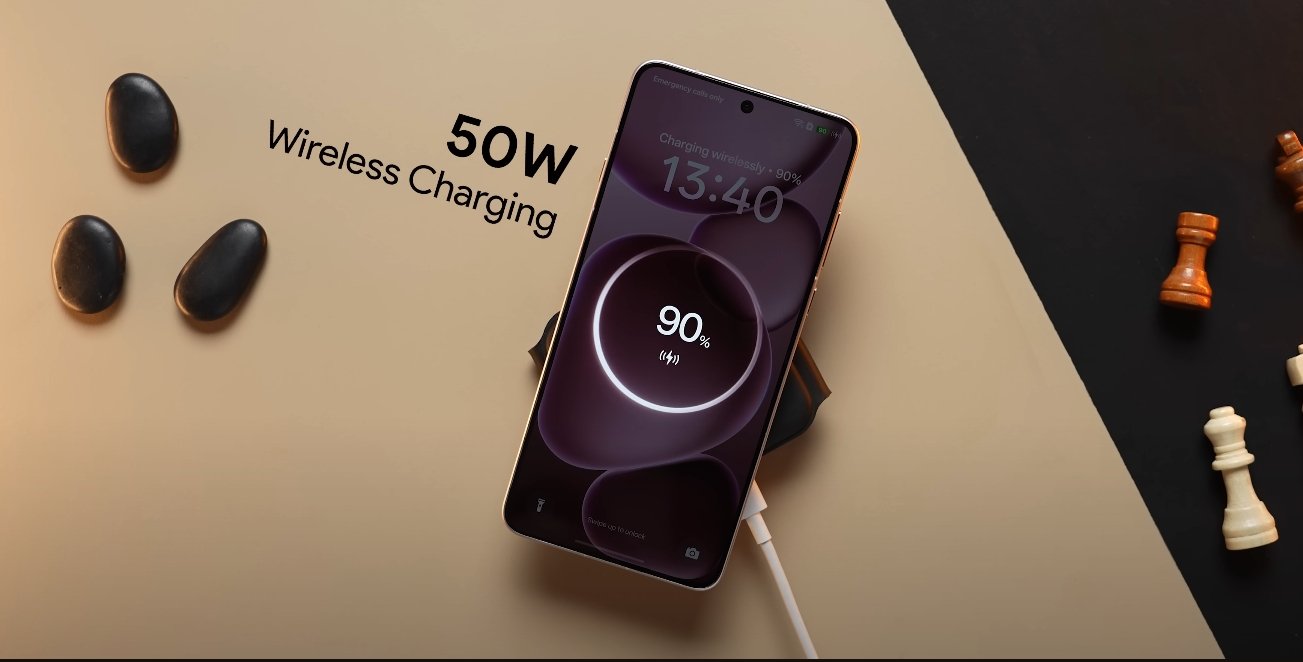
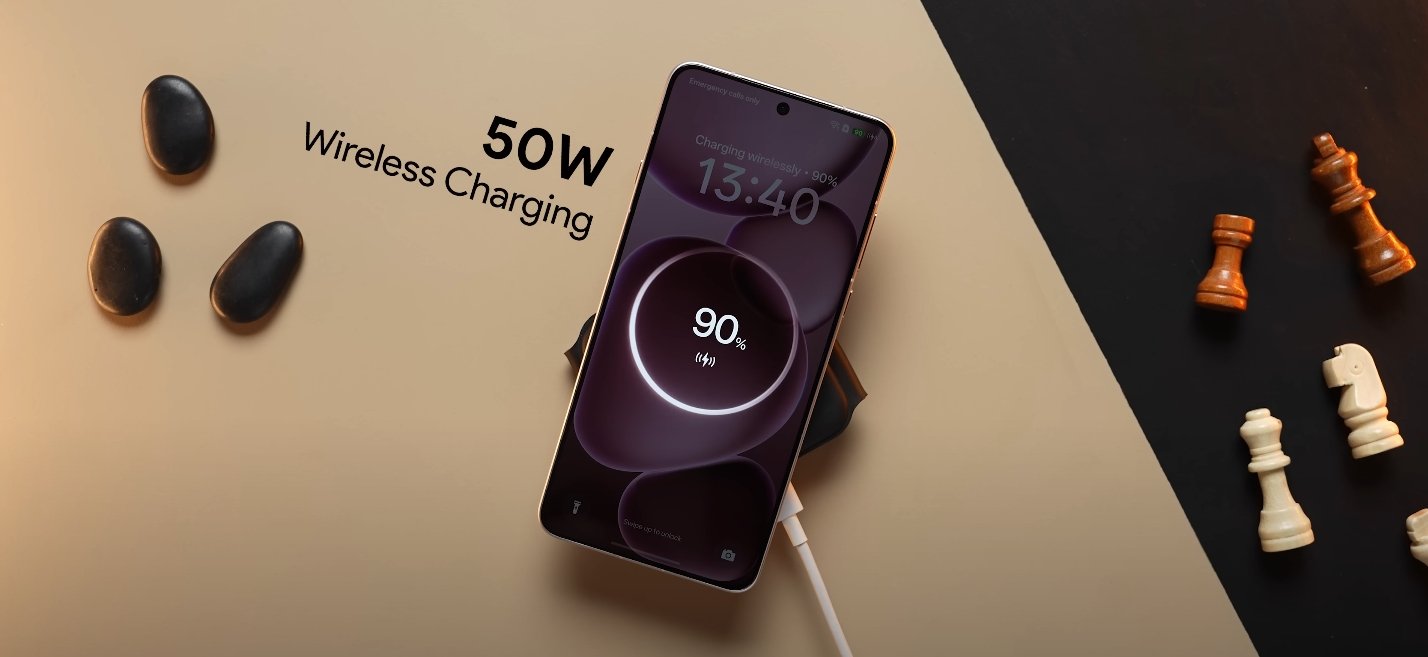
The Oppo Find X8 Ultra, released in 2025, is a flagship device known for its high-end performance, premium display, and advanced battery technology. One of its most notable features is its wireless charging capability, which supports speeds of up to 50W. This makes it one of the fastest wireless charging smartphones available, offering convenience for users who prefer cable-free charging.

The device is equipped with a 6,100mAh battery, which is larger than many of its competitors. When paired with Oppo’s 50W wireless charging, the Find X8 Ultra can reach a full charge in approximately 35 minutes. This rapid wireless charging is made possible through Oppo’s SuperVOOC technology, which ensures efficient energy transfer while keeping the device cool. In addition, the phone supports 10W reverse wireless charging, allowing users to charge other devices like earbuds or smartwatches.

When compared to other flagship devices, the Find X8 Ultra stands out. Smartphones like the Xiaomi 15 Ultra and OnePlus 11 Pro also offer 50W wireless charging, but their smaller batteries mean total charge times are slightly shorter. On the other hand, devices like the Samsung Galaxy S24 Ultra only support 15W wireless charging, taking significantly longer—around 90 minutes—to fully charge. This demonstrates that Oppo’s combination of high wattage and large battery provides a competitive edge for fast, convenient charging.

Oppo Find X8 Ultra wireless charging speed comparison

User experience confirms the device’s performance, but some caveats exist. While the Find X8 Ultra supports 50W wireless charging, it performs best with official Oppo chargers. Third-party chargers may not deliver the full 50W speed, and in some cases, compatibility issues can prevent the phone from charging at its maximum rate. Users have reported that using certified chargers ensures consistent performance and safe charging conditions, maintaining battery longevity over time.

In practical terms, Oppo’s wireless charging allows users to quickly top up the device while at a desk, bedside, or on the go without needing to plug in cables. This is especially useful for power users who engage in gaming, video streaming, or multitasking, as the device can be charged efficiently without interrupting use. Reverse wireless charging also adds value, enabling the Find X8 Ultra to act as a mobile power bank for other devices in emergencies.

In conclusion, the Oppo Find X8 Ultra sets a high standard for wireless charging in 2025. Its 50W wireless charging, paired with a 6,100mAh battery, allows for rapid and convenient top-ups that outperform slower devices like the Galaxy S24 Ultra. While users should prioritize official chargers for optimal performance, the device delivers a fast, reliable, and practical wireless charging experience. For consumers who value speed, efficiency, and convenience, the Find X8 Ultra remains a strong contender in the flagship smartphone market.

Oppo Find X8 Ultra performance benchmark surprises users

Oppo Find X8 Ultra performance benchmark surprises users

Snapdragon 8 Elite Chip Pushes Boundaries in Real-World Tests

Oppo has once again stunned the smartphone industry with the Find X8 Ultra’s exceptional performance results. The device, powered by Qualcomm’s latest Snapdragon 8 Elite processor, has delivered benchmark scores and real-world results that place it among the most powerful Android phones ever released. From gaming to multitasking, early users and reviewers are reporting performance levels that go beyond expectations, proving Oppo’s engineering prowess and efficient thermal design.

The Oppo Find X8 Ultra features the Snapdragon 8 Elite SoC, built on a 3nm process for enhanced efficiency and speed. This processor combines cutting-edge architecture with an upgraded Adreno GPU that delivers next-level performance for gaming, productivity, and AI tasks. Oppo pairs this chipset with up to 16GB of LPDDR5X RAM and up to 1TB of UFS 4.1 storage, ensuring lightning-fast app loading times and seamless multitasking. The combination of raw power and optimized software gives this flagship an advantage over most competitors in its category.

In performance testing, the Find X8 Ultra has achieved outstanding results. Benchmarks show single-core scores approaching 3,000 and multi-core scores near 9,000 on Geekbench 6, placing it on par with or ahead of other leading Android flagships. Graphics performance has been particularly impressive, with the phone outperforming rivals in GPU-heavy tests. These numbers translate into ultra-smooth gameplay and lag-free performance in demanding titles like Genshin Impact and PUBG Mobile, even at their highest graphical settings. What truly surprises users is the phone’s ability to maintain these high scores consistently without significant thermal throttling.

Oppo Find X8 Ultra performance benchmark surprises users

Oppo’s focus on thermal management has clearly paid off. The Find X8 Ultra uses an advanced vapor chamber cooling system combined with multiple graphene and copper layers that efficiently disperse heat. This allows the phone to sustain heavy gaming sessions or video rendering tasks without excessive heat buildup. Users report that while the device does get slightly warm during intense workloads, it never becomes uncomfortably hot to hold, a common issue in many high-performance smartphones. This effective cooling contributes to stable frame rates and smoother long-term performance.

Battery efficiency is another area where Oppo has optimized performance. The 6,100mAh battery provides excellent endurance, lasting easily through a full day of heavy use that includes gaming, streaming, and photography. Even under sustained workloads, the battery manages power intelligently, reducing drain while maintaining performance levels. When it’s time to recharge, Oppo’s 100W SuperVOOC fast charging brings the battery from zero to full in under 30 minutes. This combination of efficiency and charging speed ensures that performance never comes at the cost of convenience.

In day-to-day use, the Find X8 Ultra feels exceptionally fluid. Switching between multiple apps is instantaneous, animations are buttery smooth, and demanding tasks such as 4K video editing or photo rendering run without stutter. The Snapdragon 8 Elite’s AI capabilities also enhance the phone’s responsiveness, optimizing power distribution and improving background app management. Paired with Oppo’s ColorOS 15 based on Android 15, the software experience feels polished and intuitive. The device handles everything from high-end gaming to productivity tasks with the ease of a professional workstation in your pocket.

User feedback has highlighted how well the phone performs in both benchmarks and practical scenarios. Many note that even during extended gaming sessions or heavy multitasking, the Find X8 Ultra remains stable with minimal frame drops. Benchmark enthusiasts have praised the phone for maintaining consistent results across repeated tests, something that even a few premium flagships struggle to achieve. Oppo’s commitment to performance tuning and efficient thermal engineering has clearly helped deliver these results.

Overall, the Oppo Find X8 Ultra’s benchmark results have surprised users for all the right reasons. It not only matches but, in several areas, surpasses expectations for what a 2025 flagship should deliver. With its Snapdragon 8 Elite processor, superior cooling system, and massive battery with ultra-fast charging, it sets a new standard for high-performance smartphones. While Oppo’s focus has long been on camera innovation, this time, it’s the raw power and consistency of performance that are capturing the spotlight.

For users who demand a smartphone capable of handling everything from console-level gaming to creative workloads, the Find X8 Ultra stands out as one of the most powerful and balanced Android flagships of the year. Oppo’s latest achievement proves that performance is no longer just about numbers—it’s about delivering sustained, real-world excellence without compromise.

Oppo Find X8 Ultra USA release date and price update

Oppo Find X8 Ultra USA release date and price update

Oppo’s Flagship Yet to Get a Confirmed U.S. Launch

Oppo’s latest flagship, the Find X8 Ultra, has already made headlines worldwide for its high-end performance and next-generation camera system. However, when it comes to the U.S. market, there’s still no official confirmation of its release date or carrier availability. The device was first launched in China in April 2025, and so far, Oppo has limited its rollout to select Asian and European regions.

For now, Oppo has not revealed any plans to launch the Find X8 Ultra officially in the United States. Industry analysts believe that regulatory hurdles and limited brand presence in the U.S. smartphone market are key reasons behind this decision. While the company continues to expand in markets like India and the Middle East, Oppo’s North American operations remain focused mainly on partnerships and research rather than retail launches.

In China, the Oppo Find X8 Ultra starts at around ¥6,499, which converts to roughly $890. Higher configurations go up to ¥7,999, or about $1,090 in direct conversion. If the device were to be officially released in the U.S., experts estimate a likely price tag of around $950 to $1,100, aligning it with Samsung’s Galaxy S24 Ultra and Apple’s iPhone 15 Pro Max in the premium flagship range. However, these estimates remain speculative until Oppo provides official details.

Oppo Find X8 Ultra USA release date and price update

Despite the absence of a U.S. release, the Find X8 Ultra has already started appearing through third-party importers and resellers. These imported units are listed between $1,100 and $1,250 depending on the configuration and region of origin. Buyers should note that such imports do not come with official Oppo warranties or U.S. network optimization, meaning features like 5G band compatibility and carrier-specific updates may not function perfectly.

Oppo’s Find X8 Ultra has gained attention for its advanced technology, including the Snapdragon 8 Elite processor, a massive 6,100mAh battery, 100W fast charging, and a quad 50MP Hasselblad-tuned camera system with a 1-inch Sony sensor. These specifications position it among the most capable Android devices of 2025, making it an appealing option for enthusiasts even without an official American release.

As of mid-October 2025, there is still no update from Oppo about any U.S. debut. The company is instead focusing on expanding in Europe, where the Find X8 Ultra is expected to roll out later this year. If Oppo decides to enter the U.S. flagship segment in the future, it will likely do so through online sales or partnerships rather than traditional carrier distribution.

In summary, while the Oppo Find X8 Ultra is available in select global markets and through import channels, its official U.S. release remains uncertain. With its cutting-edge features and premium build, the device could easily compete with the biggest names in the American smartphone market—but for now, buyers in the United States will have to wait or import it at a premium price.

Oppo Find X8 Ultra full specs leaked before official launch

Oppo Find X8 Ultra full specs leaked before official launch

Leaked Specs Reveal Oppo’s Most Ambitious Flagship Yet

The full specifications of the Oppo Find X8 Ultra have surfaced ahead of its official April 10, 2025 unveiling, painting a vivid picture of what the company is bringing to the high-end smartphone arena. These leaks include details on chipset, display, battery, camera setup, and additional features that suggest Oppo is aiming to push the boundaries in multiple directions at once. The information appears consistent across multiple sources and matches early listings tied to the device’s internal model numbers.

Under the hood, the Find X8 Ultra is expected to be powered by Qualcomm’s Snapdragon 8 Elite chip, built on a 3nm process. The device is said to come in configurations up to 16 GB of LPDDR5x RAM and up to 1 TB of UFS 4.1 storage. In benchmark leaks, it posts strong single-core and multi-core scores, reinforcing expectations that it will compete at the top of the performance charts.

The display is rumored to be a 6.82-inch LTPO AMOLED panel with 2K (1440p) resolution and a 120 Hz refresh rate. The screen uses BOE’s X2 material and LIPO packaging to improve brightness and energy efficiency. Reported peak brightness is around 2,500 nits. The phone itself is expected to measure about 8.78 mm thick and weigh roughly 226 grams, which is hefty but understandable given its hardware demands.

Oppo Find X8 Ultra full specs leaked before official launch

Battery and charging specs in the leaks are ambitious. The Find X8 Ultra allegedly houses a 6,100 mAh battery with support for 100 W wired charging and 50 W wireless charging. Wireless reverse charging is also in the mix at 10 W. With that charging power, a full wired charge is claimed to take approximately 35 minutes. Ultra-fast charging combined with a large battery suggests Oppo is seeking to avoid the trade-off between capacity and charging speed.

The camera system is perhaps the most compelling portion of the leaked specs. The Find X8 Ultra is said to have a quad-camera setup with native (non-cropping) focal lengths: a 50 MP Sony LYT900 main sensor (23 mm, f/1.8), a 50 MP ultra-wide (JN5), a 50 MP periscope telephoto with 3× zoom (LYT700), and another 50 MP periscope telephoto with 6× zoom (LYT600). The dual periscopes are claimed to offer significantly higher light intake compared to the previous model. For selfies, a 32 MP front camera is expected. The camera module is arranged in a circular layout, with dual periscopes placed in the upper right quadrant.

Additional features in the leaks include IP68 and IP69 ratings for water and dust resistance, an ultrasonic in-screen fingerprint sensor, a dedicated “Magic Cube” button or haptic shutter control replacing a traditional alert slider, a satellite communication option (in select variants), dual stereo speakers, and advanced cooling systems. The software is anticipated to ship with ColorOS 15 atop Android 15.

Taken together, the leaked specifications for the Oppo Find X8 Ultra present a device that aims to lead in camera technology, charging speed, and performance. If these specs hold true in real-world use and across markets, this smartphone could push Oppo even further into global flagship contention.

OPPO Find X9 Pro camera lens quality test: how sharp is the 200 MP sensor?

OPPO Find X9 Pro camera lens quality test how sharp is the 200 MP sensor

Real-world sharpness and detail performance of OPPO’s flagship telephoto

The OPPO Find X9 Pro’s 200 MP telephoto sensor is one of its headline features, designed to deliver high levels of detail across multiple zoom ranges. In real-world testing, the sensor shows clear advantages over standard 50 MP and 64 MP telephoto lenses, especially when capturing distant subjects or cropping heavily. The sharpness of the lens becomes evident the moment you zoom in or examine images on a larger display.

In good lighting, the 200 MP module performs exceptionally well. Daylight shots show crisp edges, well-defined textures and strong clarity that holds up even after cropping. Small objects such as distant signs, architectural details or text remain readable without breaking apart into noise. At medium zoom levels, the quality remains strong, offering a noticeable improvement over previous-generation telephoto systems.

The sensor also stands out at 3× and 6× zoom ranges where the optics and resolution combine effectively. The camera maintains sharpness and avoids the common softness seen in many competing telephoto lenses. Even handheld shots remain usable thanks to stabilisation, allowing users to capture meaningful detail without requiring a tripod. This adds real value for users who photograph landscapes, city scenes or wildlife.

OPPO Find X9 Pro camera lens quality test how sharp is the 200 MP sensor

As zoom levels increase further, the sensor begins to rely more heavily on digital processing. Up to around 10×, the results remain solid, with only minor softening visible in fine textures. Beyond this point, the limitations of smartphone optics become clearer, and images gradually show more noise and less definition. While the 200 MP resolution helps preserve more detail than typical telephoto sensors, extreme zoom levels still display the expected trade-offs.

Consistency across lenses is another strength of the system. When switching between the main and telephoto cameras, the colour profile remains stable with minimal shifts in tone. This gives a more natural look to zoomed images and avoids the mismatched colour issues that some phones experience when switching lenses. It also helps maintain a uniform style across a sequence of photos.

Low-light performance demonstrates the sensor’s strengths and limits. The large resolution provides some flexibility when cropping, but as lighting reduces, noise and processing effects become more noticeable. The sensor still captures good detail up to moderate zoom even in dim environments, but at higher magnifications the clarity drops, and the results require more careful shooting. The lens remains usable at night, but the best sharpness is achieved in brighter conditions.

The 200 MP sensor also benefits users who prefer editing their photos. Cropping into a shot or adjusting framing after capture works better with this resolution, allowing more freedom in composition. Even when reducing image size for online sharing, the extra detail creates a cleaner and more professional final result. This makes the phone more suitable for travel photography and creative shooting styles.

For handheld use, stabilisation plays a crucial role. The Find X9 Pro’s system keeps zoomed shots steady and reduces motion blur effectively at normal zoom levels. The combination of high resolution and stable optics gives the phone an advantage when shooting without support, making it easier to capture fast-moving subjects or distant scenes confidently.

While the sensor does deliver impressive detail overall, exposure and processing can occasionally be inconsistent. Some shots may appear slightly brighter or softer depending on conditions. These variations are minor in most cases, but users seeking perfect control may prefer manual settings for critical photography. Despite this, the automatic mode still provides strong results in everyday use.

In summary, the OPPO Find X9 Pro’s 200 MP telephoto sensor offers sharp, detailed performance that stands above many competing smartphone cameras. It excels in daylight, holds strong at medium zoom and delivers flexible cropping options for creators. Although extreme zoom and low-light magnifications show natural limitations, the sensor remains one of the most capable telephoto systems currently available. For users who value clarity and zoom performance, it is a standout feature of the device.