Oppo Find X8 Ultra vs OnePlus 12 design comparison

Oppo Find X8 Ultra vs OnePlus 12 design comparison

A Detailed Look at Oppo Find X8 Ultra and OnePlus 12 Design Differences

Flagship smartphones are not just about performance anymore. Their design plays a key role in how they feel, look, and make a statement in everyday use. The Oppo Find X8 Ultra and OnePlus 12 represent two different design philosophies that aim to deliver premium quality, durability, and distinctive aesthetics. Both devices target users who value a strong visual identity as much as they do cutting-edge technology.

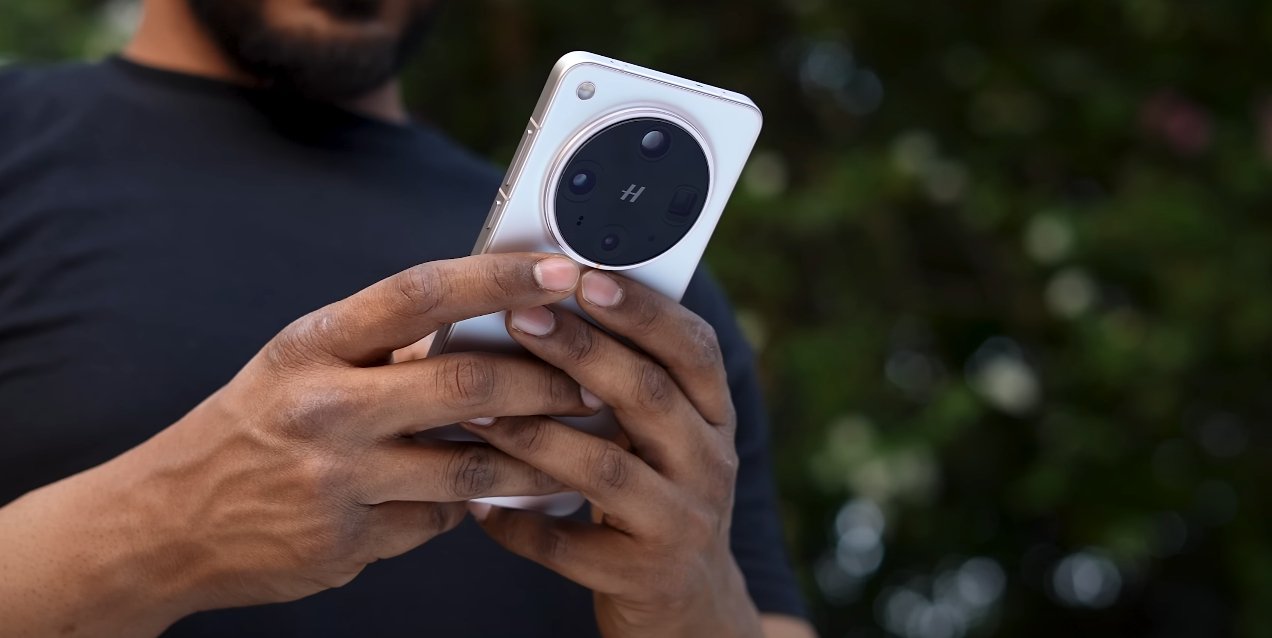
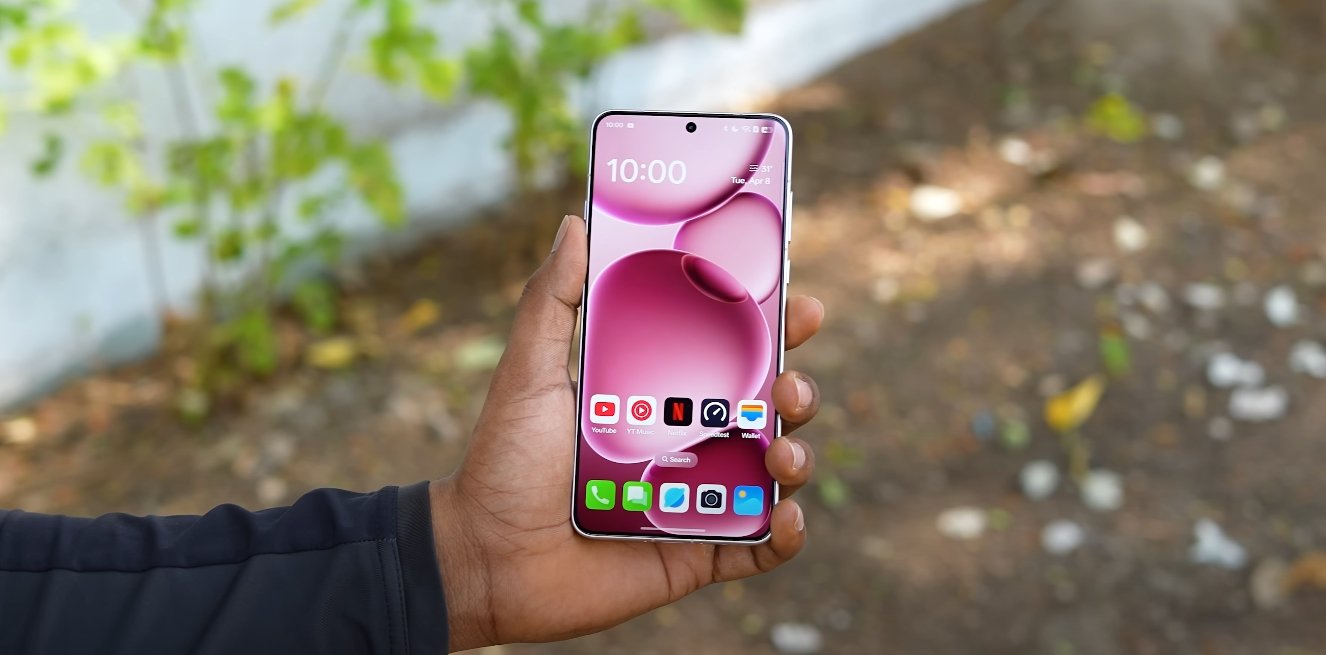
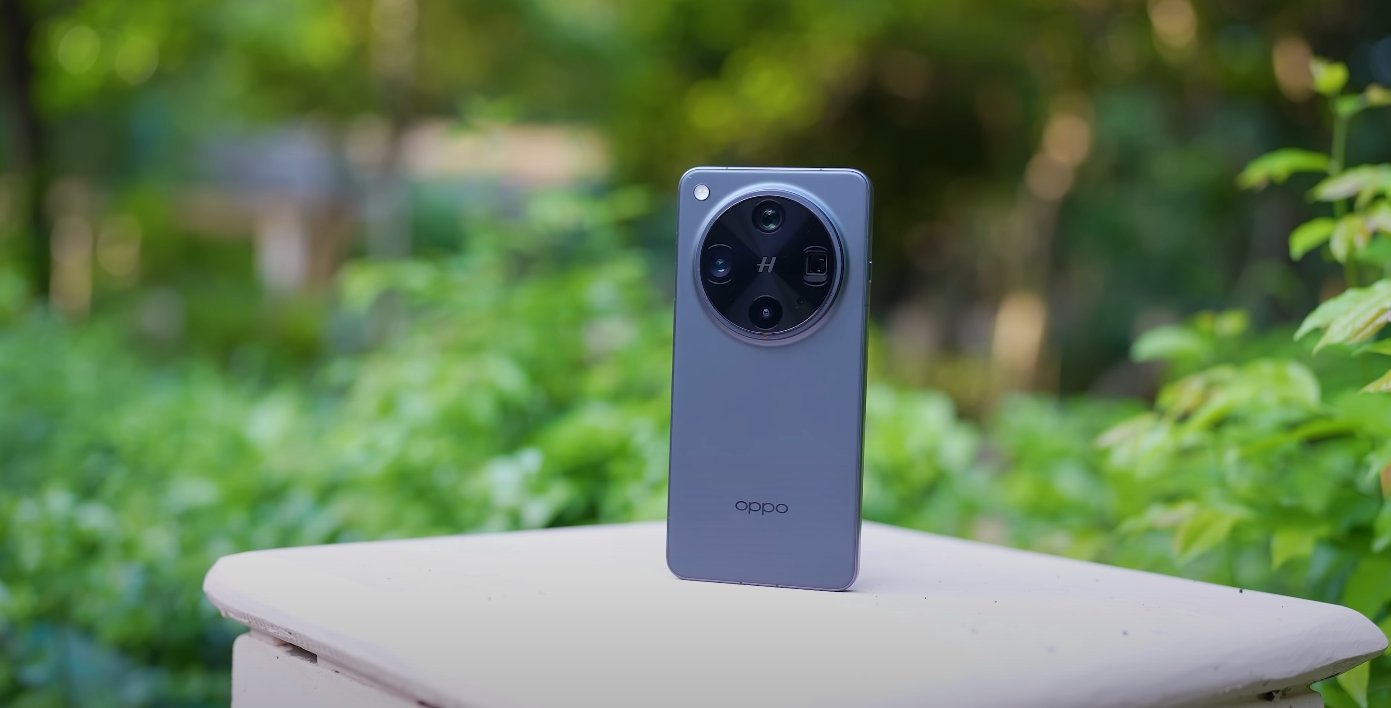
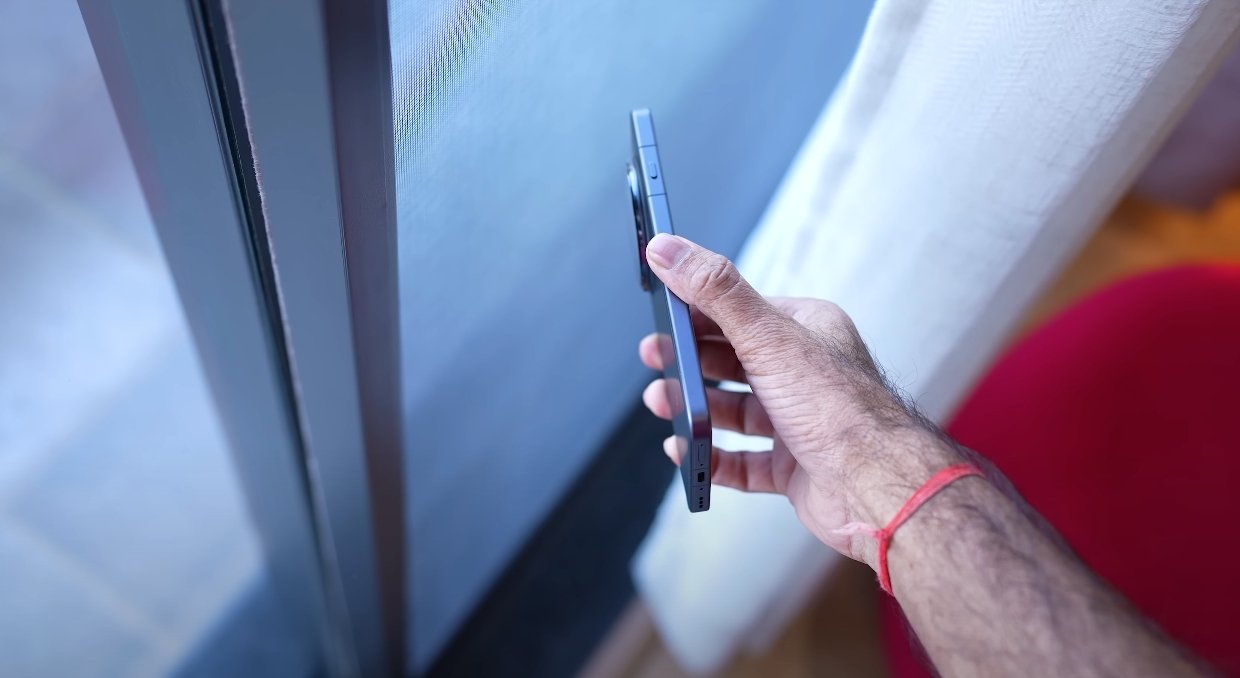
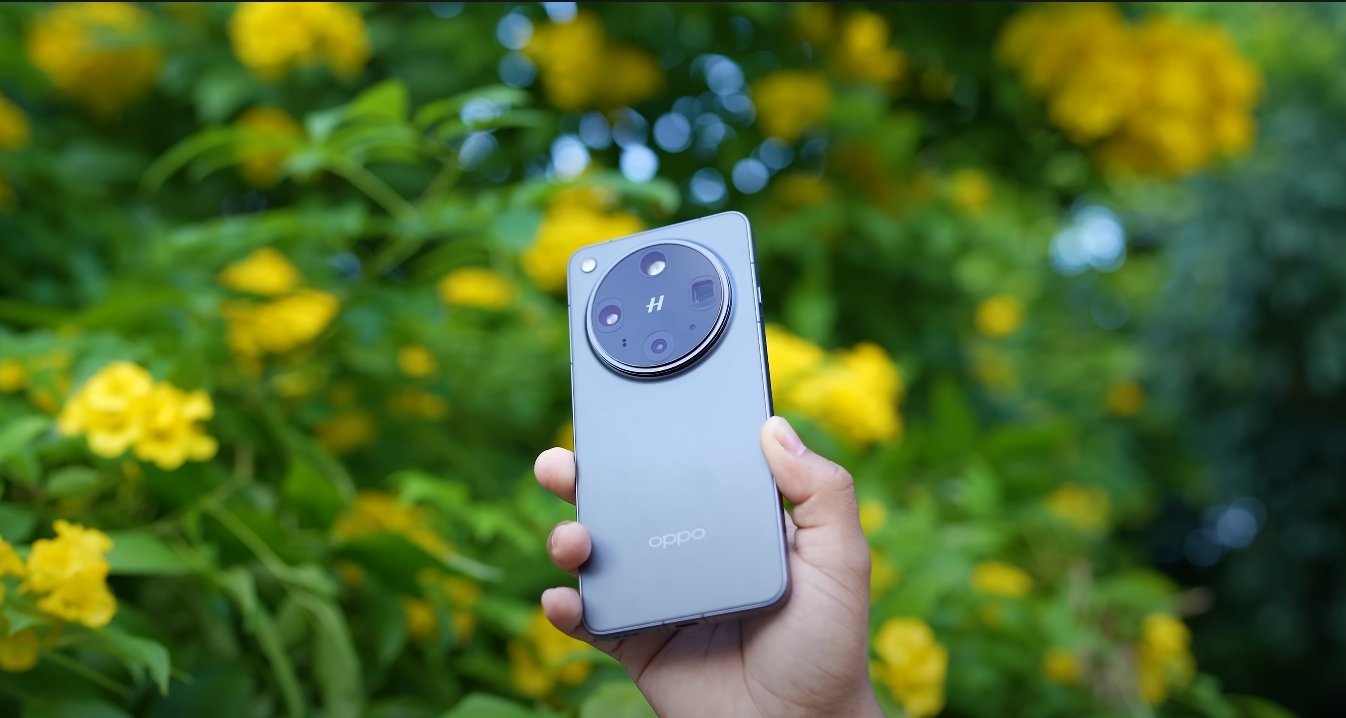
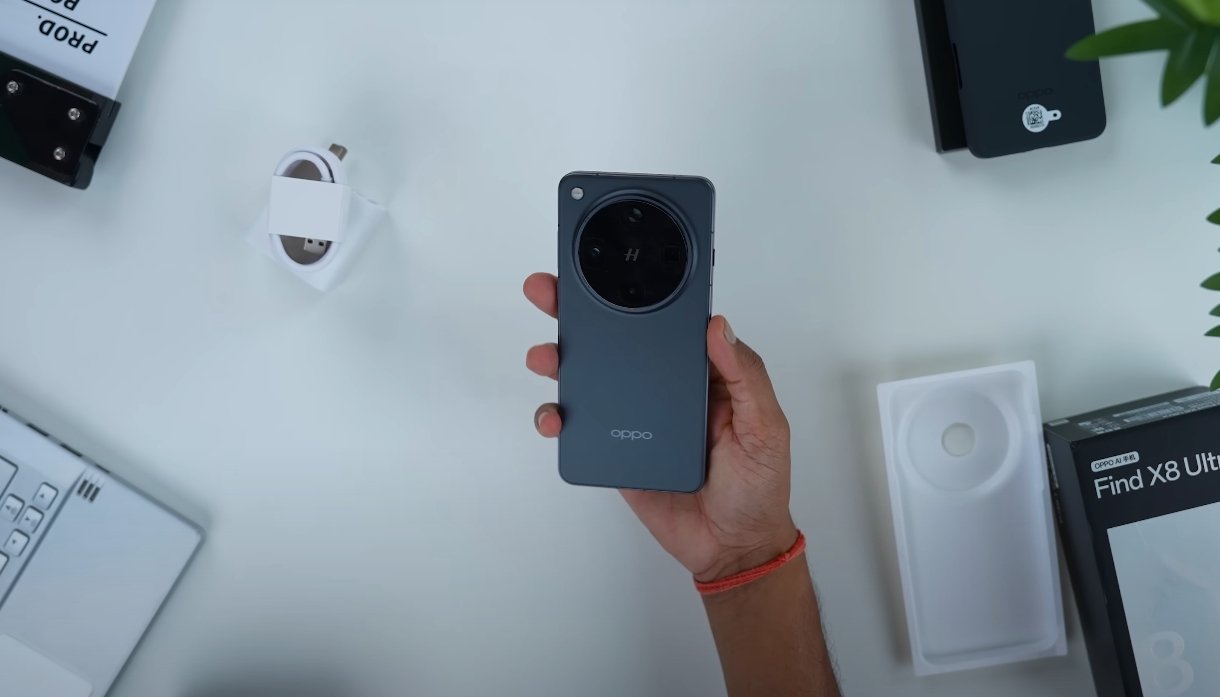
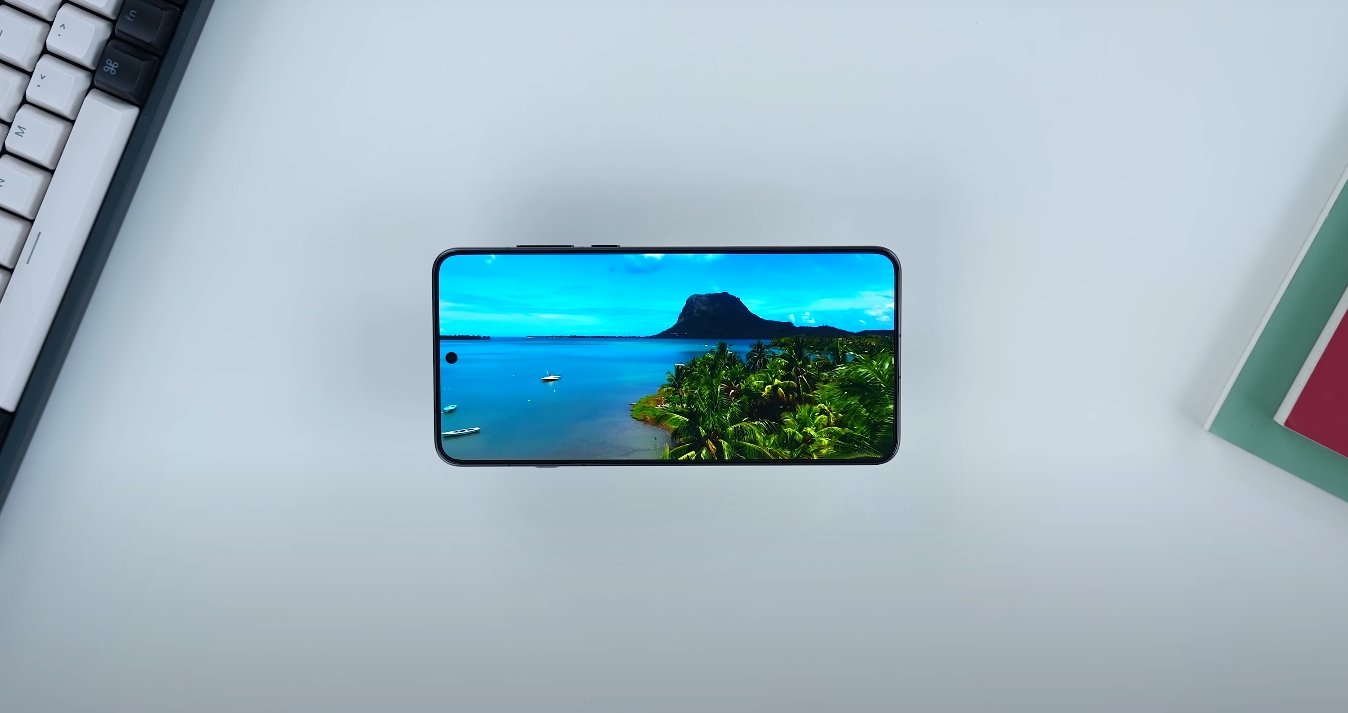
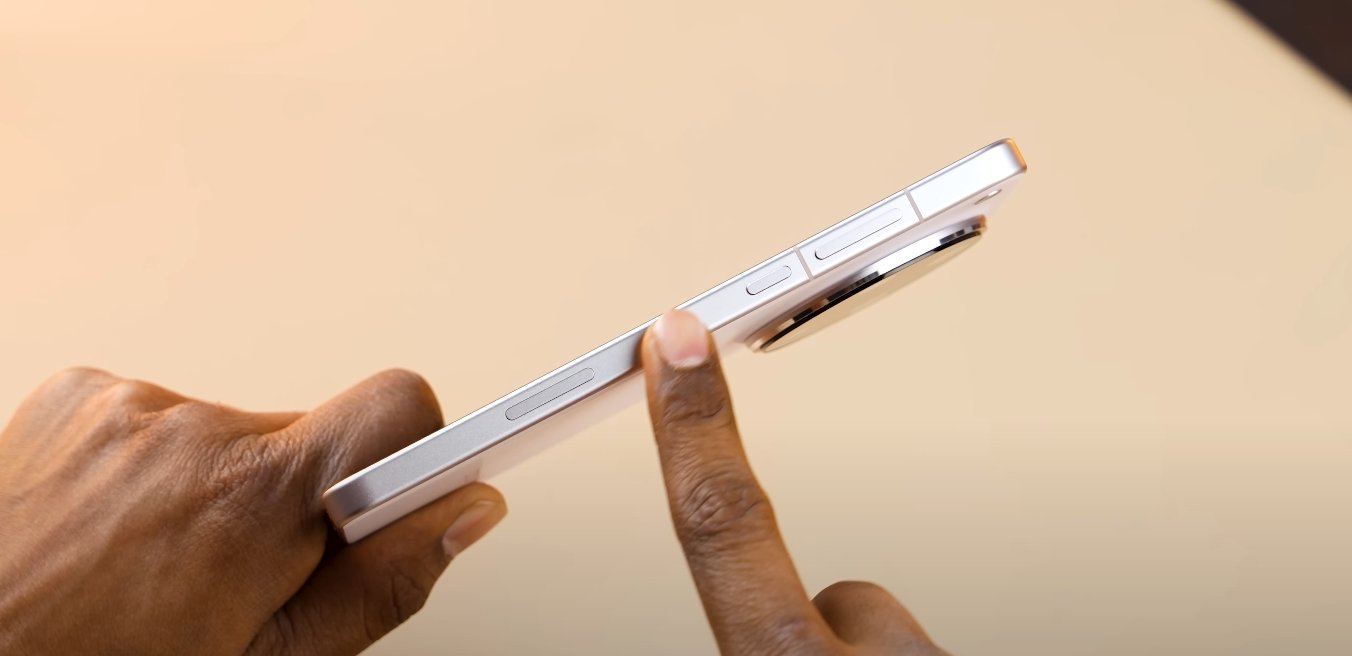
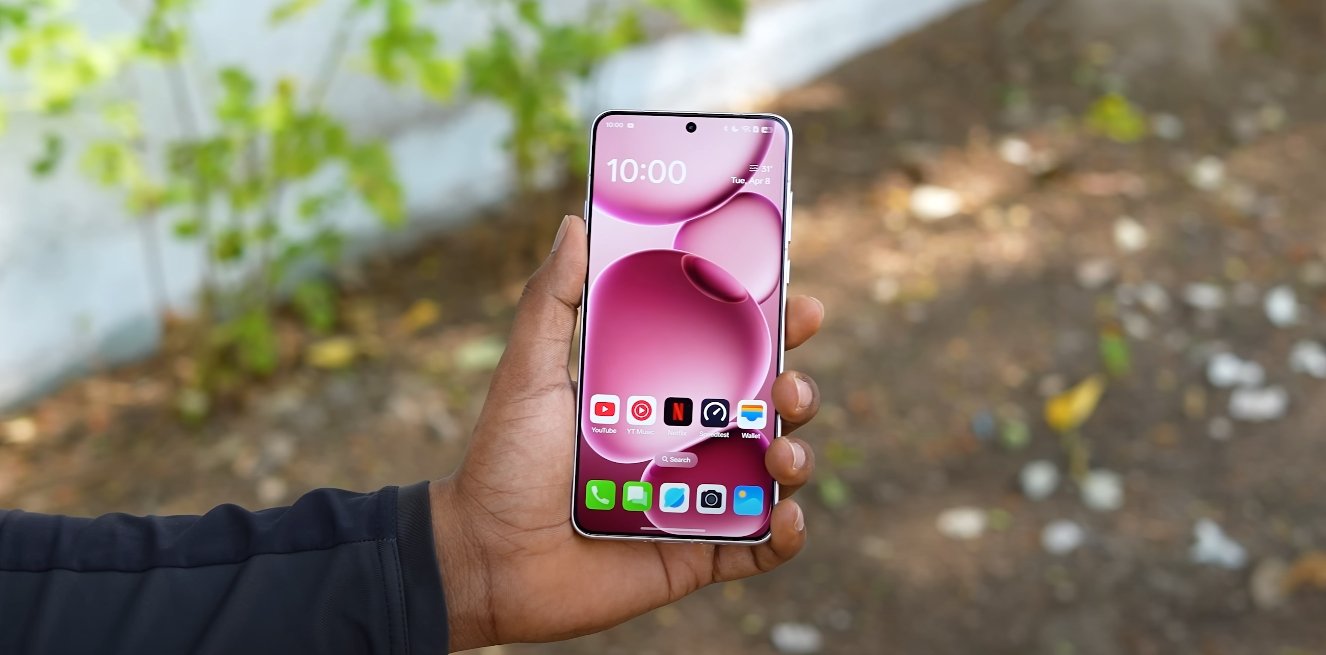
The Oppo Find X8 Ultra features a flat 6.82-inch LTPO OLED display with ultra-thin bezels and a symmetrical frame. The flat panel design gives the phone a modern, professional appearance while also reducing accidental touches, which is often a concern with curved screens. Its body is crafted with metal edges and reinforced glass on the front and back, giving it a solid and weighty feel. The phone carries an IP68 and IP69 rating for dust and water resistance, making it more resilient in harsh environments. Oppo has also included a unique hardware feature—a side button called “Magic Cube”—replacing the traditional alert slider. This design detail adds a practical yet stylish touch, signaling the company’s focus on blending form and function.

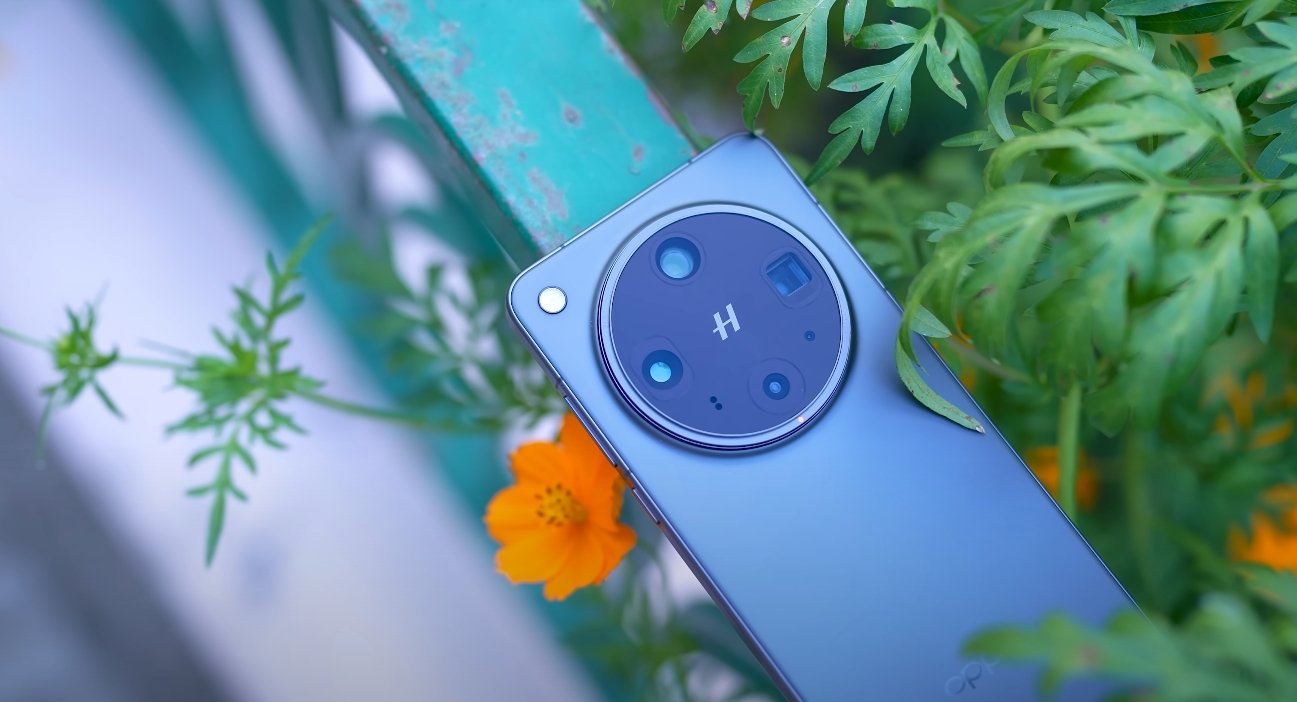
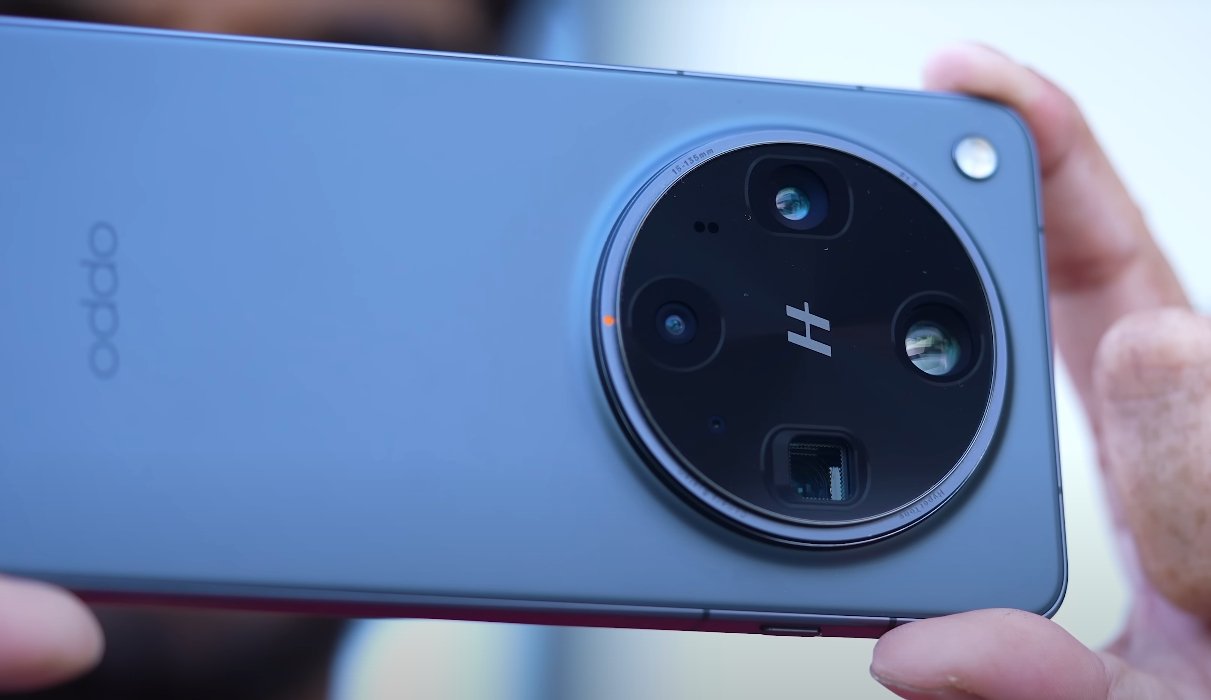
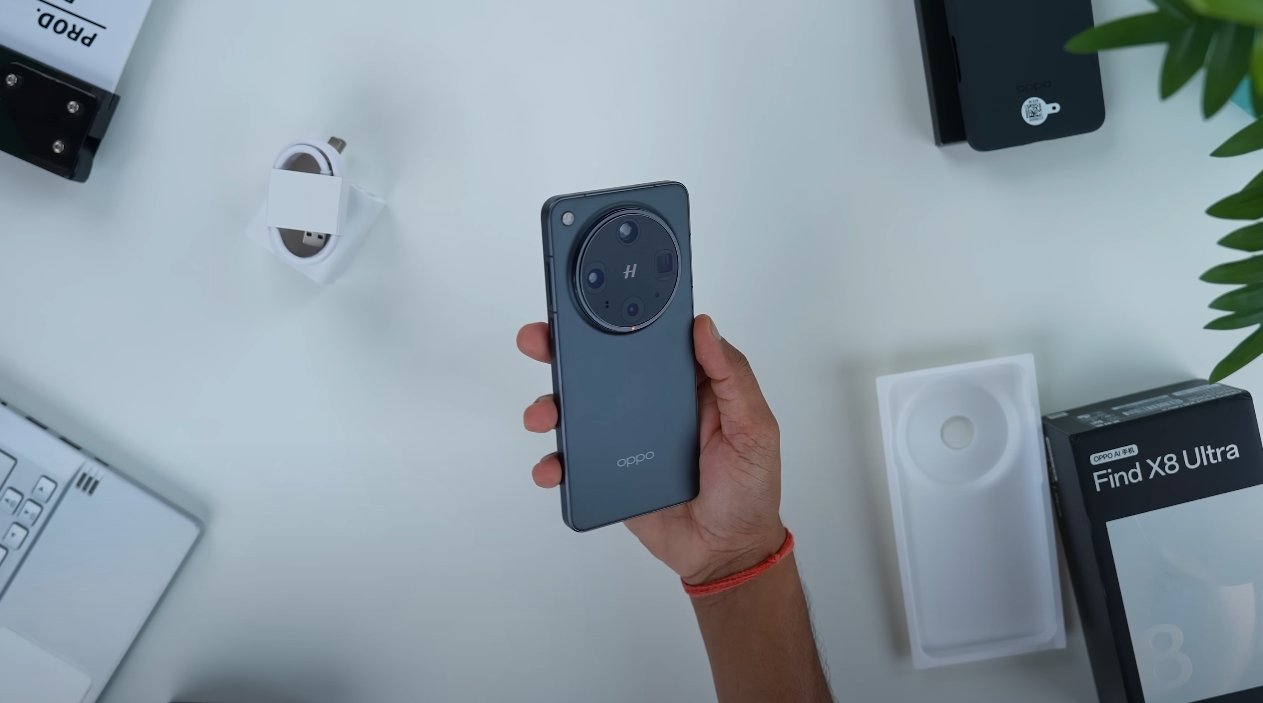
On the other hand, the OnePlus 12 embraces a more classic curved design. Its 6.82-inch LTPO AMOLED display flows seamlessly into the curved back panel, giving it a more fluid and ergonomic shape. The device is built using premium glass with a metallic frame, resulting in a lighter feel in hand despite its size. OnePlus focuses on a comfortable grip and visual continuity. The circular camera module stands out at the back, giving it an instantly recognizable identity. This design language appeals to users who prefer smooth, rounded edges over the more industrial style of flat screens.
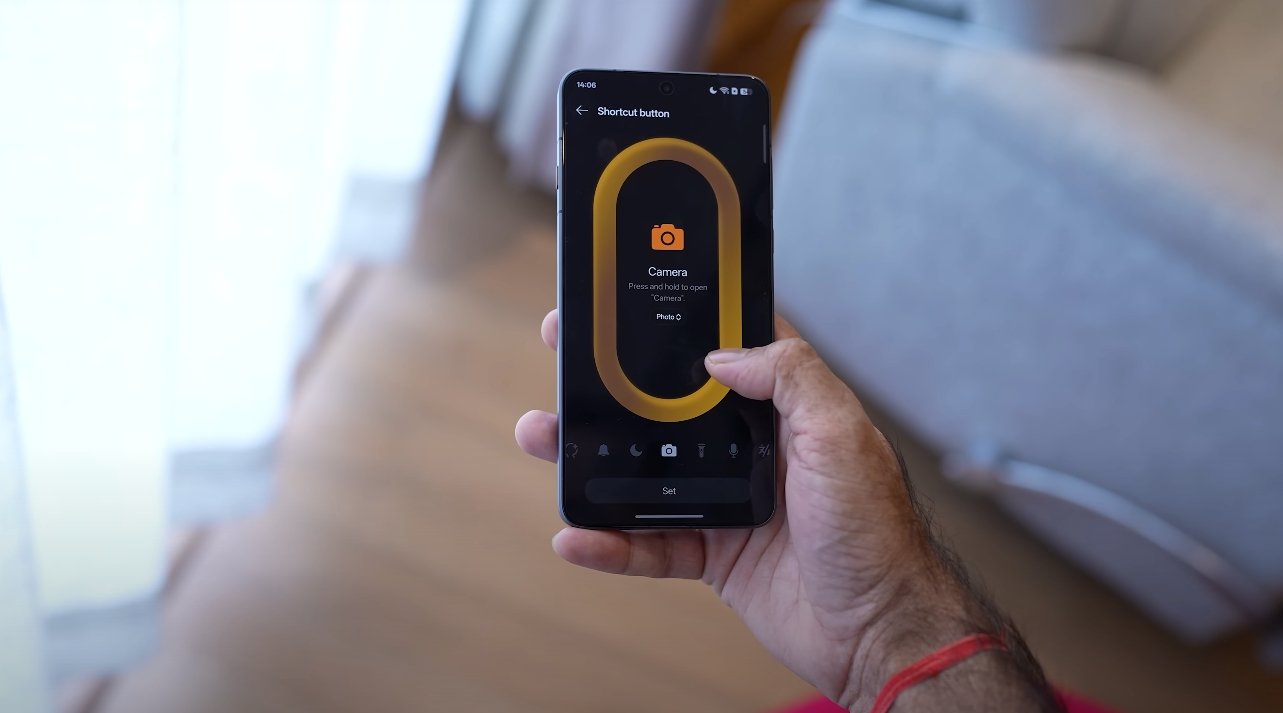
Oppo Find X8 Ultra vs OnePlus 12 design comparison

One major difference between these two phones lies in their approach to ergonomics. The Find X8 Ultra’s flat frame feels sturdy and stable but is slightly more challenging to handle one-handed due to its width and weight. It leans toward a professional, solid build that prioritizes durability. In contrast, the OnePlus 12’s curved edges make it feel more comfortable in the hand, especially during long usage. The back panel’s subtle texture in certain color options also improves grip, which is beneficial for users who prefer to use their phones without a case.

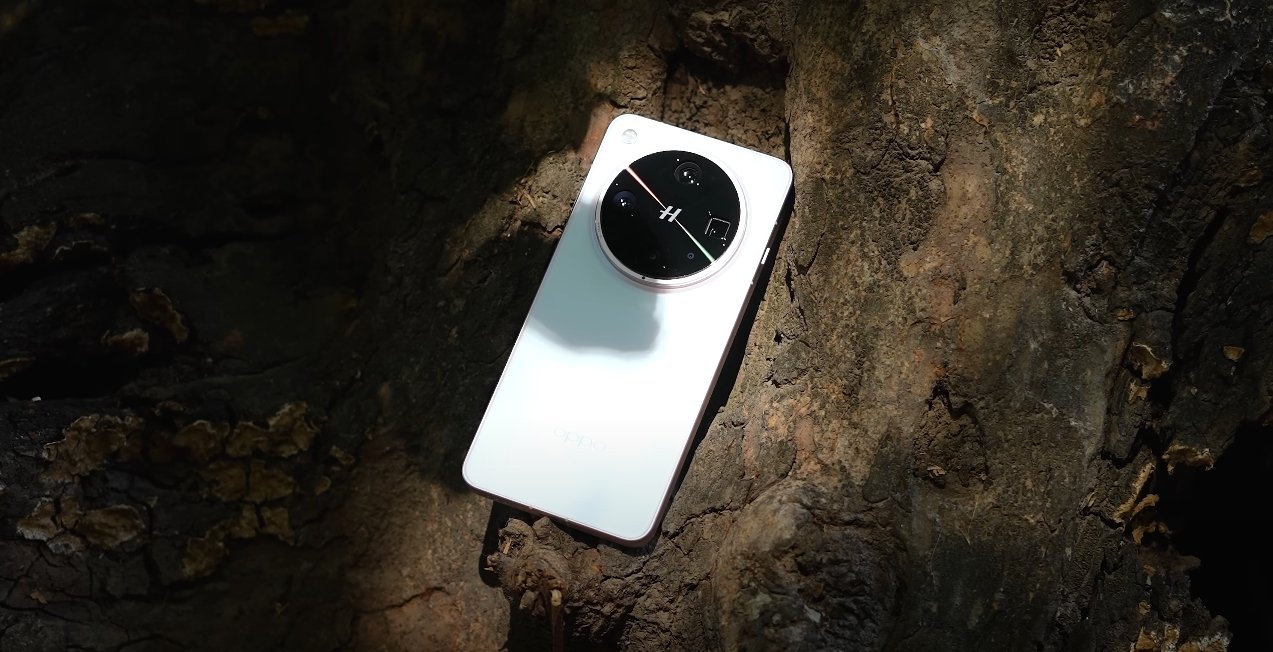
The color and finish options highlight the design contrast further. Oppo offers subtle, elegant shades such as Starry Black, Moonlight White, and Morning Light. These finishes emphasize a clean, minimalist aesthetic. The back panel has a matte texture that resists fingerprints and enhances the overall premium impression. OnePlus, meanwhile, goes bold with options like Flowy Emerald and classic black. The polished finishes and glossy camera ring reflect light in a striking way, drawing attention to the phone’s design. While Oppo leans toward understated luxury, OnePlus favors expressive and eye-catching details.

Durability is another key design factor. Oppo’s higher ingress protection ratings suggest it can withstand tougher conditions, including more exposure to water and dust. Its flat screen and robust structure are engineered for stability and strength. OnePlus also offers strong protection through its reinforced glass and solid build, but its official resistance ratings are slightly lower, indicating a focus on balanced durability rather than maximum ruggedness. This makes the Oppo more appealing to users who prioritize long-term toughness.

In terms of visual impact, both phones succeed in creating a strong identity but in different ways. The Find X8 Ultra’s flat display and clean lines give it a modern, sharp, and professional look. It is designed for users who appreciate a minimalist yet premium appearance. The OnePlus 12, with its curved glass and bold camera module, delivers a more dynamic, stylish presence. Its design makes a statement, particularly in bright lighting where the materials reflect light attractively.

Ultimately, the design choice between the Oppo Find X8 Ultra and OnePlus 12 comes down to personal preference. Oppo targets those who prefer modern minimalism, straight edges, and durability. OnePlus appeals to users who like fluid curves, bolder aesthetics, and a more ergonomic shape. Both devices represent thoughtful craftsmanship at the flagship level, and neither compromises on premium quality. The distinction lies in how they express that quality—either through clean, structured elegance or expressive, flowing design.

Both approaches show how flagship smartphone design has evolved beyond just function. The Oppo Find X8 Ultra is a statement of modern engineering precision, while the OnePlus 12 carries forward a legacy of stylish curves and signature camera elements. Whether one favors rugged refinement or sleek sophistication will determine which of these two stands out as the better design fit.

Also Read:  Oppo Find X8 Ultra vs OnePlus 12R vs Vivo X300 Pro
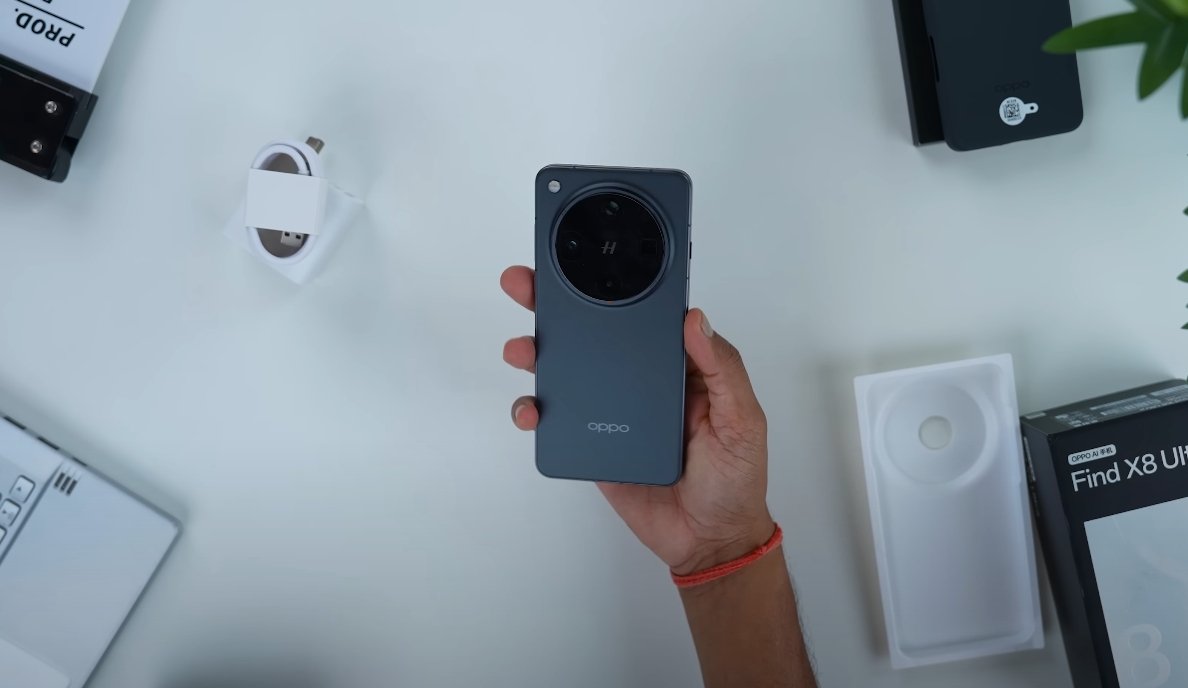
Oppo Find X8 Ultra vs Pixel 8 Pro performance test

Oppo Find X8 Ultra vs Pixel 8 Pro performance test

Comparing Speed: Find X8 Ultra vs Pixel 8 Pro

In the smartphone world, raw performance and real-world responsiveness define how enjoyable a device truly is. The Oppo Find X8 Ultra and Google Pixel 8 Pro are flagship devices with different hardware philosophies. This comparison looks at benchmarks, day-to-day use, thermal behavior, gaming, and user experience to see how they stack up against each other.

The Find X8 Ultra is powered by a Snapdragon 8 Elite chipset and is paired with a generous amount of RAM and high-end internal storage. Its hardware is designed for speed, multitasking, and handling heavy workloads. In reviews, it is praised for very smooth general performance, with minimal lag during app switching and fast animations. The system feels responsive under most conditions. In synthetic benchmarks, the Find X8 Ultra performs well, though in AI-centric tasks it sometimes trails behind rivals. Also, under sustained load, it may show signs of thermal throttling, which slightly reduces peak performance over time.

The Pixel 8 Pro, driven by Google’s Tensor architecture, takes a different approach. It emphasizes efficient performance and integration with AI tasks rather than raw peak power. In benchmarks like 3DMark, the Pixel 8 Pro maintains consistent scores, reflecting stable performance under medium to heavy loads. It doesn’t always match rivals in sheer computing power, especially in GPU or heavy multitasking lanes, but its performance is reliable and smooth for most everyday tasks. Its optimization and software integration help avoid stutters.

Oppo Find X8 Ultra vs Pixel 8 Pro performance test

In everyday use, both phones feel fast. The Find X8 Ultra often feels snappier when loading demanding apps, switching lenses in the camera app, or juggling many open apps. Its high RAM allocations and internal storage speed make large app launches feel instant. The Pixel 8 Pro, meanwhile, excels in consistency: transitions, scrolling, and basic tasks never falter. It puts emphasis on fluidity over raw speed, which appeals to users who dislike hiccups or delays.

Gaming is a key stress test for performance. On the Find X8 Ultra, high-end games run at high settings with stable frame rates for significant periods. But under prolonged sessions, it can heat up, which may introduce frame dips or reduced performance to manage thermals. The Pixel 8 Pro delivers a steadier experience in moderate gaming. It doesn’t always push as high settings or frame rates as aggressively, but it maintains stability and avoids overheating, making it favorable for longer gaming sessions without performance drops.

Thermal behavior is important for sustained performance. The Find X8 Ultra tends to warm up quickly under load—camera bursts, gaming or heavy tasks raise temperature. But users note it also cools down fast when demand decreases, which helps in real use. The Pixel 8 Pro runs cooler in many scenarios, preferring conservative power delivery to maintain stability. This gives it an advantage in scenarios where consistent performance matters more than peak bursts.

One edge for the Find X8 Ultra is in tasks like high-resolution photography, video processing, and multitasking. Its hardware allows heavier workloads like 4K video editing or camera bursts at multiple exposures to feel smoother. The Pixel 8 Pro, while capable, takes more time in such tasks, especially when workload is heavy. But in daily tasks like messaging, browsing, navigation, and moderate camera use, both phones deliver smooth experiences with minimal hiccups.

In conclusion, the Oppo Find X8 Ultra leads when raw speed, multitasking, and high-demand tasks are considered, though at the cost of thermal strain under long stress. The Pixel 8 Pro trades some peak power for consistency, stability, and optimized performance for everyday tasks. If your priority is maximum speed in all tasks and you can manage occasional heating, the Find X8 Ultra is compelling. If you prefer balanced performance, cooler operation, and consistent behavior over long sessions, the Pixel 8 Pro is a strong, reliable choice.

Also Read:  Samsung Galaxy M17 5G gaming performance review USA

Oppo Find X8 Ultra USA availability and shipping details

Oppo Find X8 Ultra USA availability and shipping details

Oppo’s Latest Flagship and Its Path to the US Market

The Oppo Find X8 Ultra has captured worldwide attention with its impressive hardware and premium design, but for buyers in the United States, getting their hands on the device isn’t as simple as walking into a store. Oppo has not yet made the Find X8 Ultra officially available in the US, and as of now, there is no confirmed plan for a direct launch through American carriers or retail channels. However, international importers and online resellers have stepped in, giving US customers alternative ways to purchase the device.

Oppo continues to focus its primary smartphone releases on Asian and European markets, with the Find X8 Ultra debuting first in China. While the brand has expanded its presence in several regions, including India and the Middle East, the US remains largely outside Oppo’s official distribution network. This means that buyers in the United States looking to purchase the Find X8 Ultra will need to rely on trusted third-party importers or online stores that specialize in unlocked international models. These vendors often import directly from China or Hong Kong and resell the devices with pre-installed Google services, English language options, and global software support.

Shipping times for imported models vary depending on the seller and the delivery method. On average, most shipments from Asia to the United States take between seven to fifteen business days, including customs clearance. Express delivery through major couriers such as DHL or FedEx can shorten this window to around five to seven days. However, customs delays can extend the process, especially during busy shipping seasons. Buyers should also factor in potential import taxes or duties, which may vary based on state regulations and declared package value. Some resellers manage customs fees on behalf of the buyer, while others may require payment upon delivery.

Oppo Find X8 Ultra USA availability and shipping details

Pricing in the US market through import channels typically ranges higher than the phone’s retail price in China. Since Oppo has not set an official US price, importers adjust the cost to include international shipping, handling, and local taxes. Depending on the configuration, the Find X8 Ultra can range between $1,300 and $1,600 when purchased through global online retailers. Higher storage variants and special color options often sell at a premium due to limited stock and high demand among early adopters.

Network compatibility is another important factor for US buyers. The Oppo Find X8 Ultra supports a wide range of global 4G and 5G bands, but not all of them align perfectly with US carrier frequencies. While the phone should work with most GSM networks such as T-Mobile and AT&T, certain 5G bands used in North America are not fully supported. As a result, users might experience inconsistent 5G coverage or fallback to 4G LTE in some regions. The device does not support CDMA networks, so Verizon compatibility may be limited without full certification. It’s always advisable for buyers to check band compatibility with their carrier before making the purchase to avoid connectivity issues.

Another aspect worth noting is after-sales service and warranty. Since the Oppo Find X8 Ultra is not officially sold in the United States, warranty coverage from Oppo does not apply to imported units. Buyers would need to return the device to the original seller or to China for repair under warranty, which can be time-consuming and costly. Some importers offer third-party warranty options or return policies, but these are often limited compared to official manufacturer support. Replacement parts and accessories may also take longer to source locally, as Oppo’s authorized service centers are not present in the country.

Despite these challenges, the Find X8 Ultra remains a tempting choice for tech enthusiasts and power users in the US. Its standout features, including the 1-inch camera sensor, dual periscope lenses, Snapdragon 8 Elite processor, and massive battery capacity, make it one of the most advanced smartphones available globally. Many buyers see the inconvenience of importing as a reasonable trade-off for access to this hardware. For those willing to import, ensuring that the device comes from a reputable seller with verified shipping and clear return policies is crucial.

In summary, the Oppo Find X8 Ultra is not officially available in the United States, and no domestic release has been announced. However, international buyers can still obtain it through online importers and global retailers. Shipping typically takes one to two weeks, with potential customs fees and variable carrier compatibility. Buyers should be aware of the lack of official warranty and limited after-sales support but can expect a top-tier smartphone experience once the device arrives. Until Oppo expands its direct presence in North America, importing remains the only path for US users eager to experience the Find X8 Ultra’s flagship performance and premium design.

Oppo Find X8 Ultra vs Galaxy S24 Ultra price gap USA

Oppo Find X8 Ultra vs Galaxy S24 Ultra price gap USA

Oppo Find X8 Ultra vs Galaxy S24 Ultra: Price Difference and Market Value in the USA

The flagship smartphone market in 2025 continues to be dominated by major players like Samsung and Oppo, both of which offer ultra-premium devices with top-tier specifications. The Oppo Find X8 Ultra and the Samsung Galaxy S24 Ultra are two standout models that aim to deliver cutting-edge technology, exceptional performance, and premium user experience. However, while both sit at the top of their respective brands’ lineups, their pricing in the United States reveals some interesting differences. Understanding the price gap between these two devices gives a clearer picture of which one offers better value for American buyers.

The Samsung Galaxy S24 Ultra was launched in the United States with an official starting price of $1,299 for the 256GB base model. This pricing reflects Samsung’s continued focus on its premium tier, maintaining a consistent approach seen in previous Ultra models. Higher configurations, such as the 512GB and 1TB variants, retail for $1,419 and $1,659 respectively. As an officially available device in the U.S., the Galaxy S24 Ultra benefits from direct carrier support, trade-in offers, and installment options through Samsung and major carriers like AT&T, Verizon, and T-Mobile. These deals often reduce the effective purchase cost, making the S24 Ultra more accessible despite its high retail price.

On the other hand, the Oppo Find X8 Ultra is not officially sold in the United States. Oppo’s focus remains primarily on Asian and European markets, meaning American buyers have to rely on import retailers or third-party sellers to purchase the device. The global launch price of the Oppo Find X8 Ultra is approximately $999 for the 12GB RAM and 256GB storage variant, with the 16GB RAM and 512GB model priced around $1,099. However, when imported into the U.S., additional costs like international shipping, taxes, and import duties often increase the final retail price. On average, U.S. buyers pay between $1,050 and $1,200 for the device depending on the configuration and seller.

Oppo Find X8 Ultra vs Galaxy S24 Ultra price gap USA

When comparing both smartphones, the price gap in the U.S. typically ranges from $100 to $250, depending on where and how each device is purchased. While on paper the Find X8 Ultra appears more affordable globally, its lack of official availability in the U.S. offsets that advantage due to added import costs. In contrast, the Galaxy S24 Ultra’s official distribution allows for easier purchases, trade-in credits, and financing options, which can lower the effective price for consumers significantly.

Another factor influencing the price gap is after-sales service and warranty coverage. Samsung offers full warranty support, repair services, and software updates directly through its U.S. network. Oppo, on the other hand, does not provide official support for imported units in the American market. This means that users importing the Find X8 Ultra would have to rely on third-party repair services or international warranty claims, which could involve additional expenses and longer turnaround times. These practical considerations make the effective value of the Find X8 Ultra slightly lower in the eyes of U.S. consumers despite its appealing raw price.

In terms of pricing justification, both companies have taken different approaches. The Galaxy S24 Ultra justifies its higher cost through its titanium frame, integrated S Pen, and advanced software ecosystem powered by Samsung’s AI enhancements. It also benefits from long-term Android support with up to seven years of software updates. The Oppo Find X8 Ultra, while equally powerful with the Snapdragon 8 Elite processor, a massive 6,100mAh battery, and advanced camera hardware, appeals more to users looking for hardware dominance at a slightly lower cost. However, without official carrier partnerships or U.S.-based service support, its practical pricing advantage diminishes once real-world logistics are factored in.

Sales promotions also influence the observed price gap. Samsung frequently offers seasonal discounts, trade-in bonuses of up to $800, and bundle deals with accessories. These promotions can reduce the Galaxy S24 Ultra’s effective cost to under $900 for users trading in older devices. Oppo’s Find X8 Ultra, due to its import-only status, rarely sees such deals in the U.S., keeping its price steady and less flexible. This makes the S24 Ultra, despite being more expensive on paper, potentially the better deal during promotional periods.

In summary, the Oppo Find X8 Ultra and Galaxy S24 Ultra occupy similar segments but differ significantly in pricing strategy and availability in the United States. The Oppo Find X8 Ultra carries an approximate retail range of $1,050–$1,200 through import sellers, while the Galaxy S24 Ultra is officially priced at $1,299–$1,659 depending on configuration. However, real-world conditions such as Samsung’s trade-in programs, financing options, and official support narrow the gap, often making the Galaxy S24 Ultra the more practical purchase. Oppo’s Find X8 Ultra still holds an edge for enthusiasts who value hardware innovation and are comfortable importing their devices, but for most American consumers, Samsung’s offering remains the more accessible and service-friendly option.

Also Read:  Motorola Edge 70 resale value prediction in USA

Oppo Find X8 Ultra vs OnePlus 12R vs Vivo X300 Pro
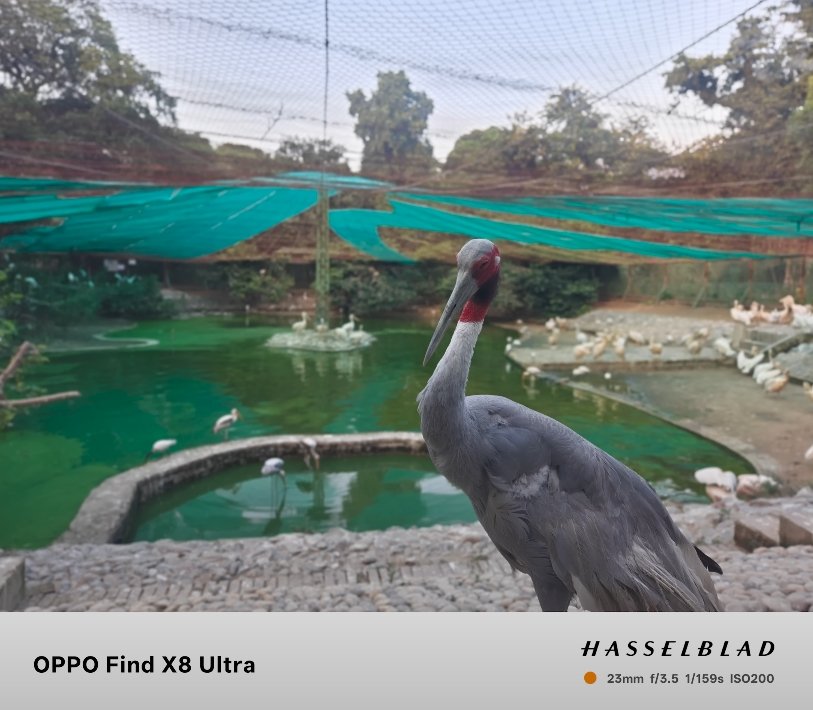
Oppo Find X8 Ultra vs OnePlus 12R vs Vivo X300 Pro
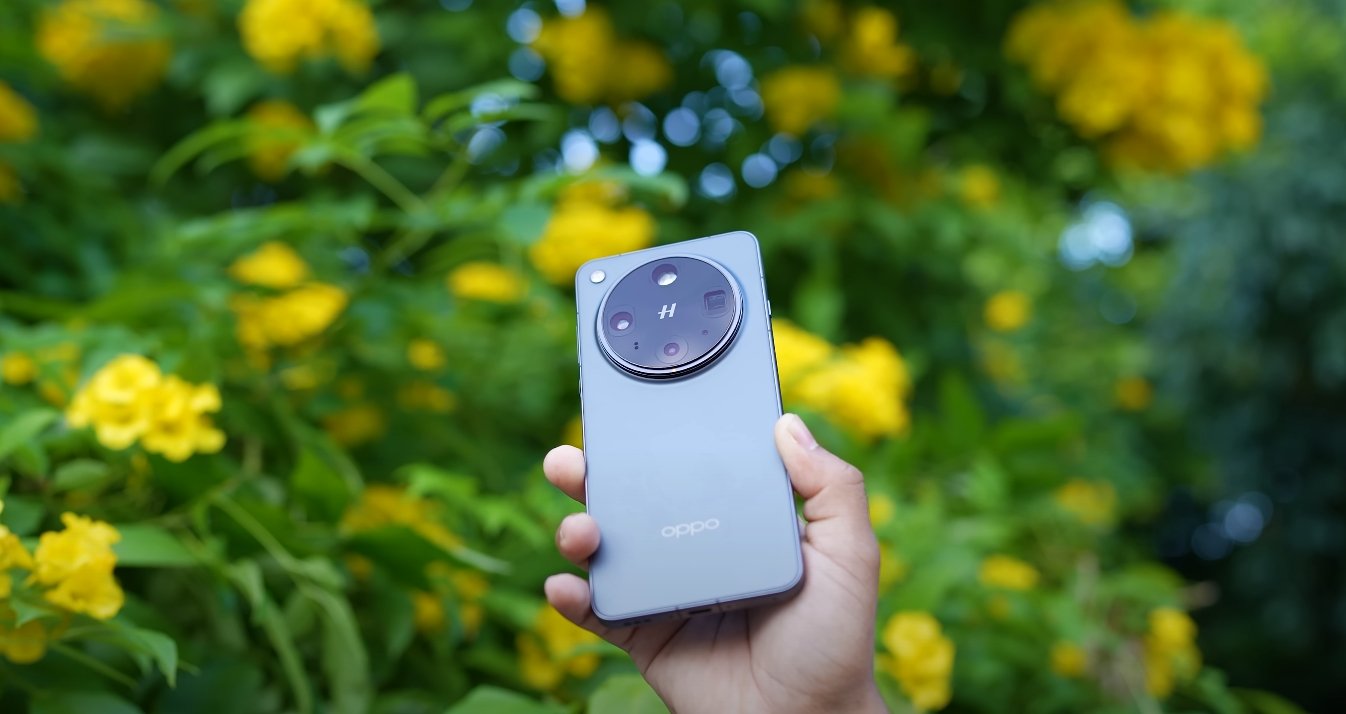
Ultimate Flagship Comparison: Design, Power, and Performance

The smartphone market in late 2025 has seen a series of flagship battles, and three names are standing tall—Oppo Find X8 Ultra, OnePlus 12R, and Vivo X300 Pro. Each of these phones brings a different set of priorities to the table, ranging from raw camera performance to value-driven flagship power and ultra-fast charging. While all three deliver high-end experiences, their differences reveal which one fits best for different kinds of users.

Starting with design and build quality, the Oppo Find X8 Ultra clearly feels like the most premium of the trio. It carries a solid metal frame, glass back, and rugged construction with IP68 and IP69 ratings for dust and water resistance. Oppo has gone a step further by introducing higher durability standards, making it resistant to drops and high-pressure water exposure. The Vivo X300 Pro, on the other hand, takes a sleeker approach with a curved back and premium finish. It also features IP68 certification and feels lighter in hand compared to the Oppo. The OnePlus 12R keeps things simpler and more balanced — it’s sturdy and stylish, but designed to deliver flagship performance at a lower price, which means a few compromises in protection and materials.

When it comes to displays, all three models shine. The Oppo Find X8 Ultra sports a massive 6.82-inch LTPO AMOLED panel with QHD+ resolution and adaptive 120Hz refresh rate. Its flat design provides clarity and precision for professional users and gamers. The Vivo X300 Pro also comes with a bright and vivid 6.78-inch LTPO AMOLED screen with 1.5K resolution and impressive HDR brightness, giving it an edge in outdoor visibility. The OnePlus 12R, while slightly more affordable, still includes a 6.78-inch AMOLED panel with 120Hz refresh rate and excellent color calibration. In terms of brightness and HDR handling, Vivo pushes slightly ahead, while Oppo focuses more on consistency and battery efficiency through its adaptive refresh rate technology.

Oppo Find X8 Ultra vs OnePlus 12R vs Vivo X300 Pro

Performance is another major battleground. The Oppo Find X8 Ultra runs on Qualcomm’s Snapdragon 8 Elite processor, offering top-tier power for gaming, multitasking, and heavy applications. Paired with up to 16GB of RAM and 1TB of storage, it ensures smooth and fast performance even under heavy workloads. The Vivo X300 Pro uses the Snapdragon 8 Gen 3 chip, which provides similar performance but focuses on efficient power management and camera optimization. The OnePlus 12R may not use the latest flagship processor, but it still packs a high-end Snapdragon 8 Gen 2 chip that delivers solid day-to-day performance. While Oppo and Vivo dominate benchmark scores, OnePlus stands out as the most efficient performer for the price.

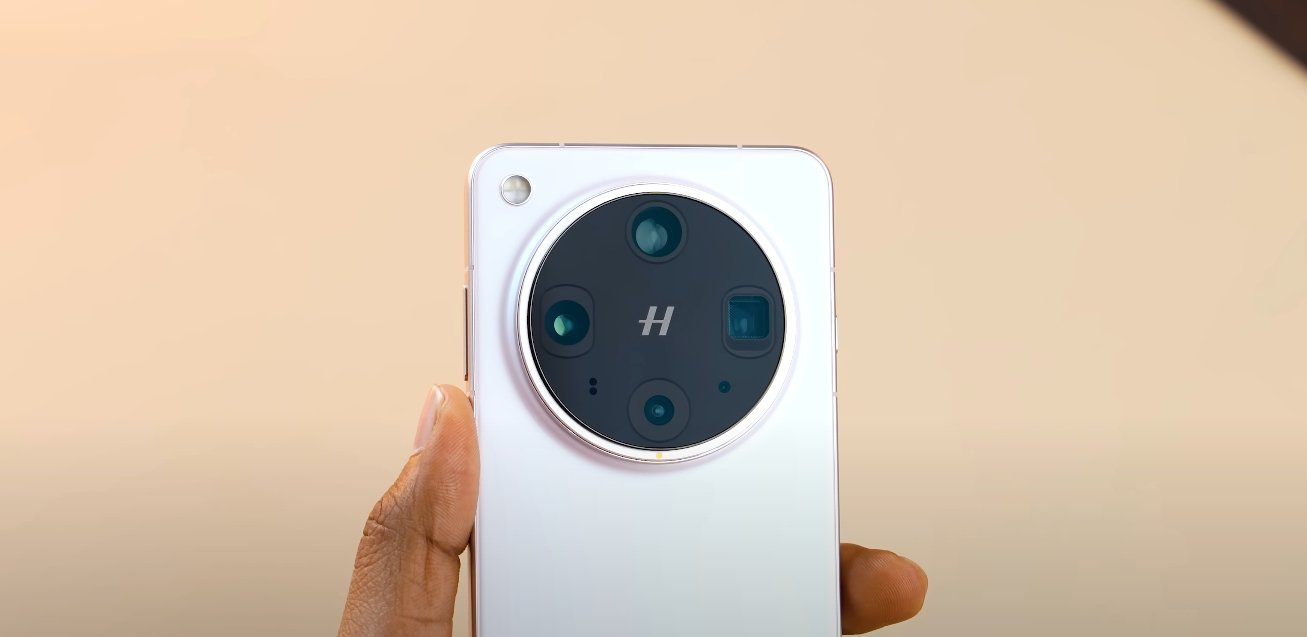
In the camera department, the Oppo Find X8 Ultra takes the lead in versatility. It features a quad-camera setup including a massive 1-inch primary sensor, an ultra-wide lens, and two periscope telephoto lenses offering 3x and 6x optical zoom. This setup provides exceptional zoom clarity, detailed low-light performance, and balanced color tones. The Vivo X300 Pro challenges Oppo with its unique 200MP telephoto lens, 50MP main sensor, and advanced image processing powered by AI. It offers remarkable zoom quality and accurate portrait effects, though its images sometimes appear slightly enhanced. The OnePlus 12R keeps things simpler with a triple-camera setup focused on color accuracy and HDR performance rather than extreme zoom or sensor size. In short, Oppo is the best all-rounder for serious photographers, Vivo is ideal for creative shooting, and OnePlus delivers reliable but less ambitious results.

Battery and charging performance reveal clear differences. Oppo packs a 6,100mAh battery that supports 100W wired and 50W wireless charging. This combination makes it a powerhouse for users who need long endurance and quick top-ups. Vivo’s 6,500mAh battery offers slightly more capacity but with 90W wired and 40W wireless charging, which is still impressive. The OnePlus 12R balances efficiency with 100W wired charging but skips wireless charging to keep its price lower. In real-world use, all three can easily last a full day, but Oppo’s balance of large capacity and fast charging speed makes it stand out.

Software experience varies between these flagships. Oppo uses ColorOS based on Android 15, offering deep customization and enhanced privacy tools. Vivo’s Funtouch OS, though polished, still adds a layer of extra features that may feel heavy for minimalists. OnePlus delivers OxygenOS, known for its clean interface and near-stock Android experience, which appeals to those who prefer speed and simplicity. In updates and long-term support, all three brands now promise extended OS and security updates, closing the gap between them.

Overall, the Oppo Find X8 Ultra stands as the ultimate feature-packed flagship, ideal for users who want the best hardware, superior zoom, and high durability. The Vivo X300 Pro focuses on cutting-edge camera technology and display brilliance, offering a great mix of innovation and elegance. The OnePlus 12R, meanwhile, continues its reputation as the smart choice for performance lovers who want a flagship feel without the premium price. Each of these phones succeeds in its own space, but Oppo’s combination of performance, durability, and camera excellence makes it the most complete flagship among the three.

Also Read:  Apple iPhone Air 5G network compatibility in USA

Oppo Find X8 Ultra vs iPhone 15 Pro night photography

Oppo Find X8 Ultra vs iPhone 15 Pro night photography

Oppo Find X8 Ultra and iPhone 15 Pro: Night Photography Comparison

Night photography puts cameras through some of their toughest tests. The Oppo Find X8 Ultra and iPhone 15 Pro are two flagship phones that aim to excel when light is scarce. This comparison focuses on how each performs under dim lighting: detail, noise, color accuracy, zoom, and handling shadows and highlights.

The Find X8 Ultra is designed with a 1-inch main sensor, dual periscope telephoto lenses (3× and 6× optical zoom), and strong computational photography. Users have praised its capability to capture vivid portraits at night, preserving detail even in hair edges and dim backgrounds. The Night Portrait mode especially stands out for its ability to isolate subjects, create pleasing background blur, and manage lighting without over-exposing bright elements. Some highlights may appear soft or somewhat washed out in certain situations, but overall, the Find X8 Ultra delivers impressive clarity.

On the iPhone 15 Pro side, night mode combined with the main camera produces sharp images with well-controlled noise. The iPhone’s image processing tends to favor balanced exposure, striving for natural tones rather than overly dramatic looks. It handles high contrast scenes—bright lights against dark backdrops—reasonably well; highlights are preserved more carefully, though shadows can lose minute detail. In zoomed night shots, especially beyond the native optical range, noise and softness increase noticeably, which is expected but sometimes more apparent than on the Find X8 Ultra.

Oppo Find X8 Ultra vs iPhone 15 Pro night photography

Color accuracy and tone rendering differ between the two. The Find X8 Ultra often maintains richness of color in low light—skin tones are natural, warm ambient lights stay true, and neon or colored lights tend to retain their character. However, there can be occasional over-smoothing of skin or some loss of texture in very dark or shaded parts of the frame. The iPhone 15 Pro tends toward slightly more muted or neutral tones at night. It avoids color shifts, but at times that comes at the cost of vibrancy; very dark areas may appear darker and less detailed.

Regarding zoom performance at night, the Find X8 Ultra’s 3× and 6× lenses perform strongly. At 3×, images remain sharp, with controlled noise; at 6× optical zoom under good conditions the phone still retains recognizable detail. Digital zoom at higher levels shows degradation: softer edges, more noise, less contrast. The iPhone 15 Pro’s telephoto zoom lens performs decently up to its optical limit at 3×/5× (depending on variant), but its digital zoom struggles more than Oppo’s when pushed far. Zoomed-in night shots are usable on both, but Find X8 Ultra retains more clarity in typical handheld scenarios.

Handling dynamic range in night scenes—the transition between bright lights, shadows, and midtones—is another area of distinction. The Find X8 Ultra tends to slightly favor brighter shadows; it lifts darker areas to retain detail, sometimes making scenes look more evenly lit even when lighting is moody. This helps with visibility but can reduce the “nighttime” atmosphere. The iPhone 15 Pro tends to preserve contrast more faithfully—bright highlights are tamed, shadows might get very dark, but texture in dark areas is preserved when possible, and the mood of the scene remains more atmospheric.

Finally, in usability, both phones include modes that help with night photography. The Find X8 Ultra has a “Night Portrait Master” mode and strong stabilization so that handheld low-light shots are more manageable. Users say that with minimal effort, they get excellent portraits in low light. The iPhone 15 Pro also has solid stabilization, good automatic night mode, and works well for those who prefer less manual setup. It may require steadier hands and sometimes choosing lower zoom to avoid blur or noise.

In conclusion, the Find X8 Ultra edges ahead for users who want more versatility, especially with zoom and maintaining color richness in varied night scenes. The iPhone 15 Pro offers a more conservative, faithful rendering, better highlight control, and a moodier contrast that many users will prefer. Your preference may come down to whether you want vivid, detailed night shots with strong zoom (Find X8 Ultra) or more subtle, natural-tone low-light performance (iPhone 15 Pro).

Oppo Find X8 Ultra vs Pixel 9 Pro Max early review

Oppo Find X8 Ultra vs Pixel 9 Pro Max early review

First Impressions: What Each Brings to the Table

The Oppo Find X8 Ultra and Google Pixel 9 Pro Max are two of the season’s most anticipated high-end Android phones. Early reviews and specs point to very different strengths — Oppo leans into photography hardware, battery, and rugged durability; Pixel emphasizes software, AI features, image processing, and a clean Google experience. Below is a feature-by-feature breakdown of what’s looking good, what’s less so, and who might prefer which phone.

In terms of display and design, the Find X8 Ultra sports a large 6.82-inch LTPO AMOLED panel with QHD+ resolution, flat screen design, and strong protection. It’s thick (≈ 8.8 mm) and heavy (≈ 226 g), but build feels solid, with water and dust resistance to IP68 / IP69 levels. The Pixel 9 Pro Max is slightly lighter and thinner; its panel is also LTPO OLED with 120Hz refresh and excellent brightness, especially in outdoor/HDR conditions. Pixel’s design feels sleeker in hand, with very polished finish, though Oppo gives more raw toughness, especially with its camera hardware and protective features.

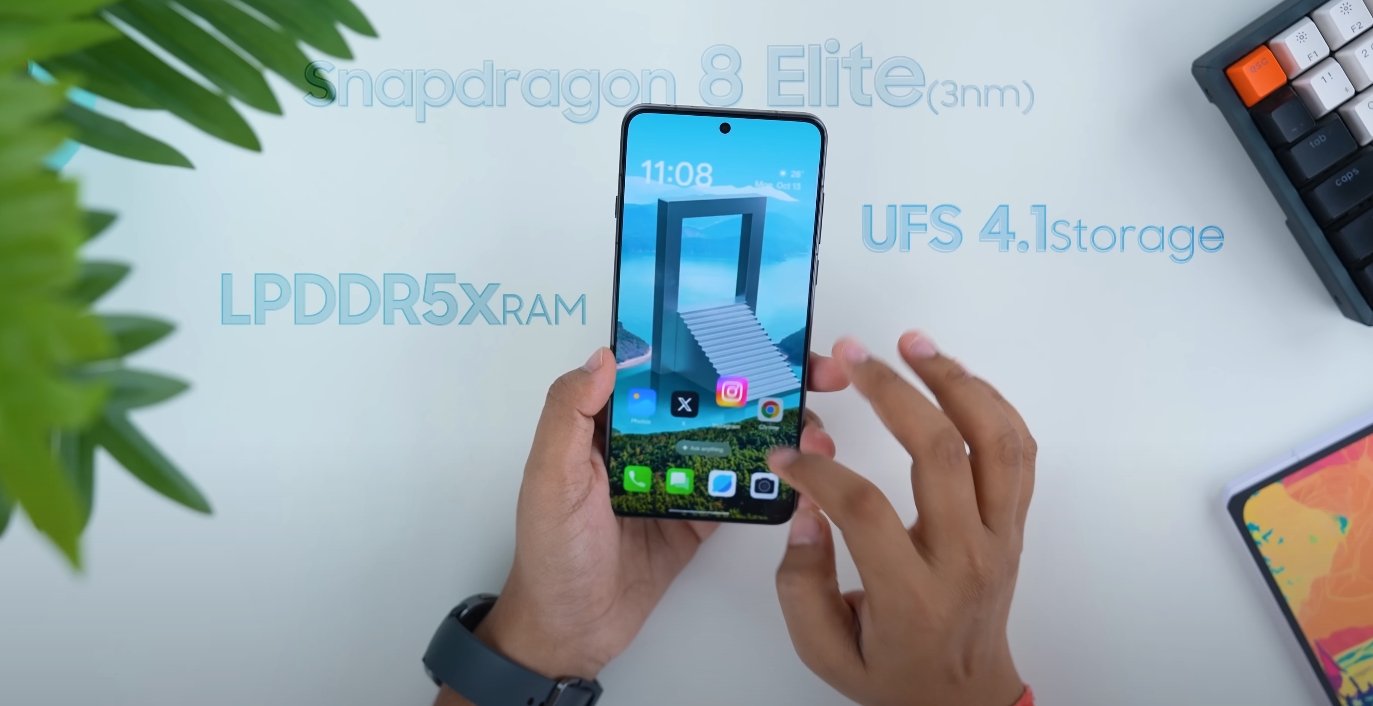
On performance, Oppo’s Find X8 Ultra is powered by the Snapdragon 8 Elite chip built on a 3 nm process, paired with up to 16 GB RAM and up to 1 TB of fast UFS 4.1 storage. Pixel 9 Pro Max is using Google’s latest Tensor G4 chip. Early benchmarks show Oppo significantly ahead in CPU / GPU metrics, especially in multi-core tasks and graphics; but Pixel offers smoother, more optimized software, better animations, lower frame drops in system navigation, and more consistent long-term performance in everyday use.

Oppo Find X8 Ultra vs Pixel 9 Pro Max early review

Battery and charging also diverge. Oppo packs a large 6,100 mAh battery, supports 100W wired charging and 50W wireless charging. Early feedback says battery life is strong under mixed usage — streaming, camera use, social media — but heavy usage (gaming, video) can warm the device noticeably. Pixel 9 Pro Max has a somewhat smaller battery but benefits from efficient software, good power management, and a clean OS, meaning users still expect solid all-day performance. Wireless charging is decent, but hardware charging speeds are more modest compared to Oppo.

Where the Pixel shines most is in camera software and imaging results. Pixel 9 Pro Max leverages Google’s long history of computational photography; early samples show it handling HDR scenes, night mode, and ultra-wide shots with excellent edge-handling and fewer over-processed artifacts. Opposite that, the Find X8 Ultra’s hardware is more ambitious — dual periscope lenses (3× and 6×), large sensors, Hasselblad tuning — so its zoom and optical hardware are superior, especially in good lighting. In low light and very high zoom, Oppo sometimes struggles with noise and stability versus Pixel’s cleaner, if less bold, output.

Other features and usability extras matter too. Oppo includes a haptic shutter button, customizable shortcut buttons, and rugged external features that feel premium. Pixel 9 Pro Max counters with software extras: extended software support, tighter integration with AI-powered features, a clean UI without heavy skin, and stronger optimization for system updates. Accessibility, voice assistant features, and seamless environmental detection are more mature on the Pixel at this early stage.

As for drawbacks: Oppo has limited global availability so far, with some versions only sold in China; software regional restrictions and missing features (eSIM, global warranty, etc.) are cited in early hands-on reports. Pixel 9 Pro Max has fewer physical bells and whistles, lower zoom hardware compared to Oppo, and when pushed into intense workloads, occasionally shows thermal throttling or battery drain faster under heavy camera or screen usage.

In conclusion, for users who want the best hardware, especially in zoom and rugged design, Oppo Find X8 Ultra is hard to beat. For those who care more about software polish, consistency, AI features, clean UX, and reliable global support, Pixel 9 Pro Max remains a compelling choice. Which phone is better depends heavily on what you use most: taking photos and zooming, or smooth daily usage with strong long-term support.

Oppo Find X8 Ultra vs Galaxy S24 Ultra battery drain

Oppo Find X8 Ultra vs Galaxy S24 Ultra battery drain

Oppo Find X8 Ultra vs Galaxy S24 Ultra: Battery Drain Comparison

Battery drain is one of the most important real-world tests for any flagship phone. While specs and features get the headlines, how long a device lasts under regular use—and how much battery it loses during heavy tasks—can make or break the user experience. In comparing the Oppo Find X8 Ultra and Samsung Galaxy S24 Ultra, we see different strengths and compromises in their battery behavior.

The Oppo Find X8 Ultra is rumored to house a large 6,100 mAh battery, one of the bigger capacities in its class. In early battery tests by reviewers, the Find X8 Ultra lasted around 8 hours 56 minutes in their full mixed-use battery estimate. In specific scenarios, it achieved about 23 hours 36 minutes of web browsing, 11 hours 1 minute of video playback, and 12 hours 47 minutes of gaming performance. These numbers suggest that the device handles battery drain well even under demanding conditions. Its fast 100W wired charging further mitigates drain concerns by allowing quick top-ups.

By contrast, the Galaxy S24 Ultra features a 5,000 mAh battery. In official and third-party tests, the S24 Ultra showed mixed battery performance. While it handled lighter use reasonably, it has faced criticism under heavier workloads and after software updates. Reviewers and users report that battery longevity seems to decline after prolonged use or certain system updates. In one test, the S24 Ultra logged 56 hours of autonomy under moderate usage, but its performance dropped in more realistic mixed-use scenarios. Some users have observed rapid battery drain, especially after updates, and nighttime losses in standby mode.

Oppo Find X8 Ultra vs Galaxy S24 Ultra battery drain

When comparing drain under heavy use, Oppo’s larger battery gives it an inherent advantage. During extended gaming or video playback, the Find X8 Ultra is likely to lose a smaller percentage of battery per hour compared to the S24 Ultra. In tests, the Find X8 Ultra’s 12h 47m gaming endurance suggests it can sustain long sessions with comparatively low drain. The S24 Ultra, though capable, tends to show more aggressive battery drop under similar stress.

Standby and background drain are also differentiating factors. Some Galaxy S24 Ultra users report that after a period of low activity, the battery drops noticeably more than expected—losing several percentage points even when mostly idle. These reports are especially frequent following system updates, indicating software-level inefficiencies in power management. In contrast, the Oppo Find X8 Ultra’s tests do not show extreme standby drain, and its browsing and video benchmarks suggest it maintains battery levels well across use and rest.

In daily mixed usage, the Find X8 Ultra is likely to offer more comfortable margins. Thanks to its higher capacity and efficient management, users may see full-day to day-and-a-half use without excessive anxiety about battery. The S24 Ultra can also last a full day in lighter use, but under intensive workloads or after system changes, users may need to recharge earlier.

However, charging behavior also plays a role in perceived drain. The Oppo device supports fast charging that replenishes battery quickly, reducing the time one needs to worry about drain. The S24 Ultra’s charging is solid but more conservative, making users more aware of remaining battery. In real life, the faster you can top-up, the less drain feels like a problem.

Ultimately, in a head-to-head battery drain comparison, the Oppo Find X8 Ultra appears to have the upper hand. Its higher capacity, strong endurance in tests, and efficient usage under stress make it more resilient against drain. The Galaxy S24 Ultra is capable and holds up under moderate conditions, but it may show more vulnerabilities under heavy load or after software updates. For users who push their devices hard, the Find X8 Ultra is likely to feel more dependable in terms of battery life and drain resistance.

Oppo Find X8 Ultra vs Honor Magic6 Pro feature battle

Oppo Find X8 Ultra vs Honor Magic6 Pro feature battle

High-End Flagship Clash: Oppo vs Honor

The Oppo Find X8 Ultra and the Honor Magic6 Pro are two of the most powerful Android phones currently available. Both phones come loaded with premium hardware, class-leading cameras, and high refresh displays. But they aim at slightly different priorities: Oppo leans more into photography versatility and rugged build, while Honor delivers standout battery features, extreme display brightness and bold zoom specs. In a side-by-side comparison, each excels in specific areas.

In display and build, both phones offer LTPO OLED panels with adaptive refresh rates from 1Hz up to 120Hz, but their peak brightness is where Honor pushes further. The Magic6 Pro reaches up to 5,000 nits in HDR peak brightness, making it extremely visible under direct sunlight. Oppo Find X8 Ultra has a very bright screen too—roughly 1,600 nits in bright conditions—and supports HDR content with Dolby Vision, high color accuracy, and premium glass protection. Oppo also distinguishes itself with a flat display design (not curved), IP68 + IP69 water and dust resistance, and increased drop resistance certification. Honor’s Magic6 Pro offers a curved floating screen, strong durability via special drop-resistant glass, and also IP68 rating, but in a design that gives more premium “look and feel” flair.

Performance, memory, and storage are similar between both. The Oppo uses Snapdragon 8 Elite chipset, with up to 16 GB RAM and up to 1TB storage. The Magic6 Pro also uses a Snapdragon 8 Gen 3 platform, with 12-16 GB RAM and similar high capacity storage, plus UFS 4.0 in many variants. In GPU, display refresh, and general smoothness, both phones perform nearly neck and neck in demanding apps and multitasking, though Oppo may pull ahead in optimization for the camera system and thermal stability in longer sessions.

Oppo Find X8 Ultra vs Honor Magic6 Pro feature battle

Camera systems are where the differences get more interesting. The Oppo Find X8 Ultra features a quad-50 MP rear camera array: a 1-inch Sony main sensor with optical image stabilization, an ultra-wide lens, a 3× periscope telephoto, and a 6× periscope telephoto lens. This gives Oppo strong zoom flexibility and excellent low-light ability, particularly with optical periscopes. Honor Magic6 Pro offers a different zoom approach: a massive 180 MP periscope telephoto lens (2.5× optical zoom, large sensor), along with a 50 MP main camera with a variable aperture (around f/1.4-f/2.0), and a 50 MP ultra-wide lens. The Honor’s 180 MP sensor allows very high digital resolution, letting users crop and zoom with more detail at longer ranges, though some of this depends heavily on processing. For portrait shots, a 50 MP front camera on Honor with autofocus and depth assist gives strong results; Oppo’s front shooter is good, but Honor pulls ahead in selfie resolution.

Battery, charging, and endurance show trade-offs. The Find X8 Ultra packs a 6,100 mAh battery and supports 100W wired, 50W wireless, and 10W reverse wireless charging. Honor’s Magic6 Pro uses a slightly smaller 5,600-mAh battery but delivers faster wireless charging (66 W) and competitive wired charging (80 W). While Oppo gives you more battery capacity and versatility with reverse wireless, Honor’s fast wireless charge may appeal more to users who want quick top-ups and cable-free convenience.

Feature extras and software: Oppo includes a customizable shortcut button, haptic shutter button, high water/dust resistance (IP68/IP69), and a more rugged overall build. Honor offers special display tech (very high PWM dimming rates, ultrahigh peak brightness, excellent screen certifications), strong durability glass, and robust front camera hardware. Both phones support modern connectivity like 5G, WiFi 7 / advanced WiFi, and high-speed storage. On software, Oppo ships with ColorOS on Android 15, Honor with Magic UI / MagicOS based on Android 14. Update commitments are strong for both, though Honor often emphasizes battery performance, fast charge safety, and display protections as part of its USP.

In summary, if your priorities are zoom strength, especially at longer distances, fast wireless charging, and extreme screen brightness, Honor Magic6 Pro makes a compelling case. But if you prefer more optical zoom flexibility, larger battery capacity, rugged build, and more versatile cameras with periscope lenses, the Oppo Find X8 Ultra stands out. For many buyers, the decision will come down to whether you value raw zoom and display brilliance (Honor), or balanced photography and durable build with strong overall performance (Oppo).

Also Read:  Lava Agni 4 preorder guide and expected launch offers

Oppo Find X8 Ultra vs Galaxy S23 Ultra real world test

Oppo Find X8 Ultra vs Galaxy S23 Ultra real world test

Everyday Comparison Between Two Flagship Powerhouses

The Oppo Find X8 Ultra and Samsung Galaxy S23 Ultra stand as two of the most capable Android flagships available. Both promise unmatched power, top-tier cameras, and premium experiences, but real-world testing often reveals differences that numbers alone cannot explain. From performance and battery life to camera behavior and thermal management, the real-world comparison between these two shows how they truly perform in daily life beyond synthetic benchmarks.

Starting with performance, the Oppo Find X8 Ultra benefits from a newer generation Snapdragon chipset paired with faster LPDDR5X RAM and UFS 4.0 storage. In everyday multitasking, this gives it a slight edge. App switching feels instantaneous, background processes resume smoothly, and high-load tasks like gaming or 4K video editing run effortlessly. The Galaxy S23 Ultra, powered by the Snapdragon 8 Gen 2 for Galaxy, still performs excellently but shows occasional micro-stutters when heavy background activity overlaps with high refresh rate gaming or large photo editing sessions. In daily use, both are incredibly fast, but Oppo’s newer hardware provides extra headroom for demanding users.

Camera performance is a defining factor for both devices. The Oppo Find X8 Ultra introduces a larger main sensor and refined image processing tuned for natural colors and stronger night performance. In real-world shots, it consistently produces sharper low-light images with better depth and cleaner shadows. The periscope telephoto camera captures impressive zoom images up to 6x without noticeable noise or softness. Samsung’s Galaxy S23 Ultra, on the other hand, retains its reliability and color accuracy in daylight. Its 200MP main sensor delivers rich detail, though it sometimes leans toward higher contrast and saturation. In quick captures or spontaneous moments, Samsung’s image processing feels faster, while Oppo’s results tend to look more cinematic and natural once processed.

Oppo Find X8 Ultra vs Galaxy S23 Ultra real world test

Video recording is where both phones excel but in slightly different ways. The Find X8 Ultra maintains smoother focus transitions and less flicker in variable lighting conditions. Its stabilization is impressive even when walking or panning quickly. The S23 Ultra holds the advantage in consistent color tone between lenses, making it great for vloggers who switch between ultra-wide and telephoto shots frequently. Both record 4K and 8K footage efficiently, but Oppo’s thermal design allows for slightly longer 4K sessions before any hint of temperature buildup.

In terms of display experience, both smartphones feature large, bright AMOLED panels with high refresh rates and adaptive brightness controls. The Galaxy S23 Ultra’s display is known for its slightly higher peak brightness, reaching better visibility under direct sunlight. Oppo’s Find X8 Ultra display delivers excellent color balance and viewing angles, often appearing more natural during long viewing sessions. In real-world streaming or gaming use, users would find it hard to pick a clear winner, as both deliver rich visuals, vibrant color accuracy, and fluid animations. However, Samsung’s fine-tuned color calibration gives it a slightly more refined feel out of the box.

Battery life is an area where the Oppo Find X8 Ultra pulls ahead. Its massive 6100mAh battery provides longer endurance for mixed-use days. Under continuous browsing, social media use, and video playback, the phone easily lasts beyond a full day, often approaching a second day with lighter use. In contrast, the Galaxy S23 Ultra’s 4900mAh battery delivers around a day of usage comfortably but requires recharging sooner under heavy workloads. Oppo’s ultra-fast 100W charging is another major advantage—it can reach a full charge in under 30 minutes, compared to Samsung’s slower 45W system, which takes around an hour. This makes a big difference in real-world convenience, especially for users who need quick top-ups throughout the day.

Thermal control is another important factor in real-world testing. The Find X8 Ultra tends to run slightly warmer during extended gaming or video sessions, likely due to its higher performance ceiling and more aggressive power delivery. Oppo’s vapor cooling system keeps the phone within comfortable levels, but warmth is noticeable during continuous high-load scenarios. The Galaxy S23 Ultra, while slightly slower in performance peaks, maintains more stable surface temperatures, making it more comfortable for prolonged use in hand.

In daily practicality, both smartphones deliver smooth and reliable experiences. The Find X8 Ultra’s faster performance, superior charging speed, and improved low-light photography make it ideal for power users, travelers, and creators. The Galaxy S23 Ultra, with its balanced software ecosystem, polished interface, and proven reliability, suits users who prefer consistency and refinement over raw hardware power.

Ultimately, in a real-world comparison, the Oppo Find X8 Ultra feels like the more aggressive, forward-looking device built for enthusiasts who want cutting-edge performance and speed in every aspect. The Samsung Galaxy S23 Ultra remains the dependable all-rounder—slightly more conservative but exceptionally stable, refined, and enduring in its own right. Both deliver flagship excellence, but the choice depends on whether you value raw innovation or perfected reliability.

Also Read:  Motorola Edge 70 unboxing experience and first impressions

Oppo Find X8 Ultra price prediction for USA launch

Oppo Find X8 Ultra price prediction for USA launch

Expected Price Range and Market Positioning in the U.S.

The Oppo Find X8 Ultra has become one of the most anticipated flagship smartphones of the year, drawing attention for its premium design, powerful performance, and next-generation camera technology. While the device has already made a strong impact in Asian markets, its potential U.S. launch raises an important question—what will it cost in one of the most competitive premium smartphone markets in the world? Based on pricing trends, market strategy, and competition, a realistic estimate can be made for its expected U.S. price range.

Oppo has a reputation for positioning its flagship phones slightly below direct rivals while still offering high-end specifications. In international markets, the Find X8 Ultra comes with a large display, a high-end chipset, advanced camera sensors, and a massive battery with extremely fast charging capabilities. Its pricing strategy abroad has focused on offering a flagship experience at a competitive price point. However, bringing a device like this to the U.S. involves several additional factors such as regulatory approvals, distribution costs, and import duties, all of which can affect the final retail price.

In its home market, the Oppo Find X8 Ultra is positioned as a premium flagship. Typically, devices in this segment undergo a price adjustment when entering the U.S. market due to certification, logistics, and carrier adaptation. Brands launching in the U.S. often apply a markup to cover Federal Communications Commission (FCC) compliance, shipping, marketing, and warranty coverage. This is a common practice among global smartphone makers, and Oppo is likely to follow a similar path. Given this, the expected increase in pricing for the U.S. market could range from 15 to 30 percent over its original launch price.

Oppo Find X8 Ultra price prediction for USA launch

Another key factor is how Oppo will want to position the Find X8 Ultra relative to major competitors. Flagship devices from Apple, Samsung, and Google currently dominate the premium segment in the United States. Apple’s iPhone 15 Pro, Samsung’s Galaxy S24 Ultra, and Google’s Pixel 8 Pro are all priced around or above the thousand-dollar mark. To compete effectively, Oppo will need to balance between offering top-tier specs and an attractive price point that encourages U.S. consumers to consider an alternative to the established brands. This strategy often leads to pricing just below the highest-end flagships while maintaining a premium image.

A logical estimate suggests that the base variant of the Oppo Find X8 Ultra could start in the United States around the $1,080 to $1,150 range. This would place it directly in competition with mid-tier configurations of the latest iPhone and Galaxy models. Higher storage and RAM configurations could push the price into the $1,200 to $1,300 bracket. Oppo may also offer early launch incentives, such as trade-in programs or promotional discounts, to make the device more appealing in its early sales phase.

Market entry strategy will also play an important role in final pricing. If Oppo opts for a limited launch through online channels or partnerships with select carriers, it may keep prices slightly lower to attract initial buyers. However, if it aims for a full-scale retail presence in the U.S., the added costs of marketing and retail distribution could push the price higher. Another possibility is that Oppo might price aggressively in its first year in order to establish a foothold in the market and then adjust pricing in future models once brand awareness grows.

In addition to pricing, U.S. launch timing and currency exchange fluctuations can impact the final cost. If Oppo introduces the Find X8 Ultra during a peak shopping season, such as late fall or early winter, it may align pricing with major promotional campaigns to maximize visibility. A carefully calculated price point slightly undercutting Apple and Samsung would make the device an attractive alternative for power users looking for flagship features with a fresh brand experience.

In conclusion, the Oppo Find X8 Ultra is expected to arrive in the U.S. market with a starting price around $1,080 to $1,150 for the base model, with top configurations reaching up to $1,300. This pricing would allow Oppo to position its device competitively against the iPhone 15 Pro, Galaxy S24 Ultra, and Pixel 8 Pro while leveraging its strengths in battery technology, charging speed, and camera capabilities. If Oppo executes its pricing strategy wisely, the Find X8 Ultra could become one of the most talked-about Android flagship releases in the U.S. smartphone market.

Oppo Find X8 Ultra vs OnePlus 13 Pro performance review

Oppo Find X8 Ultra vs OnePlus 13 Pro performance review

Oppo Find X8 Ultra vs OnePlus 13 Pro: Performance Evaluation

The Oppo Find X8 Ultra and OnePlus 13 Pro are flagship smartphones designed to deliver exceptional performance for demanding users. Both devices are equipped with the Snapdragon 8 Elite chipset, providing high-speed processing, smooth multitasking, and excellent graphics performance. While their core hardware is similar, variations in software optimization, cooling systems, and battery configurations affect their real-world performance.

In synthetic benchmark testing, both phones demonstrate top-tier performance. The Oppo Find X8 Ultra achieved a Geekbench 6 single-core score of 3,103 and a multi-core score of 9,772, slightly surpassing the OnePlus 13 Pro’s scores of 2,946 and 8,999, respectively, in multi-core performance. In AnTuTu v10 tests, the Oppo Find X8 Ultra scored 2,792,179, while the OnePlus 13 Pro scored 2,800,003, showing a marginal edge for the OnePlus in overall system performance. Both devices feature the Adreno 830 GPU, ensuring smooth graphics rendering in games and multimedia applications.

Real-world usage confirms these benchmark trends. The Oppo Find X8 Ultra’s advanced cooling system effectively manages heat during prolonged gaming sessions or intensive workloads, maintaining stable performance without significant thermal throttling. The OnePlus 13 Pro emphasizes software and hardware optimization to improve energy efficiency, resulting in slightly better battery endurance during extended use. Both devices handle high-performance tasks like video editing, multitasking, and gaming without noticeable slowdowns.

Oppo Find X8 Ultra vs OnePlus 13 Pro performance review

The user experience on both smartphones is seamless. The Oppo Find X8 Ultra runs ColorOS 16 on Android 16, offering features like AI-driven task management, seamless animations, and advanced customization options. The OnePlus 13 Pro uses OxygenOS, known for its clean and intuitive interface, enabling quick navigation and minimal clutter. App launches, screen responsiveness, and gesture navigation are smooth on both devices, providing a premium experience for daily use.

Battery performance is a strong suit for both phones. The Oppo Find X8 Ultra houses a 6,100mAh battery supporting 100W wired and 50W wireless fast charging, allowing rapid recharges and extended usage throughout the day. The OnePlus 13 Pro has a 6,000mAh battery with similar wired and wireless charging speeds. In practical use, both devices comfortably handle full-day heavy workloads, including gaming, streaming, and productivity tasks.

Connectivity features are comprehensive on both smartphones, with 5G, Wi-Fi 6E, and Bluetooth 5.3 support ensuring fast and reliable wireless connections. The Oppo Find X8 Ultra carries an IP69 rating for water and dust resistance, while the OnePlus 13 Pro offers an IP68 rating, making both devices durable for various environments and accidental exposure to water or dust.

In gaming performance, both smartphones excel thanks to the Snapdragon 8 Elite and Adreno 830 GPU. High-end games such as Genshin Impact, PUBG Mobile, and Call of Duty Mobile run smoothly at maximum settings on both devices, with minimal frame drops or stuttering. The Oppo Find X8 Ultra benefits from its thermal management system to sustain long gaming sessions without performance degradation, while the OnePlus 13 Pro leverages software optimizations to maintain stable frame rates and efficient power consumption.

In conclusion, the Oppo Find X8 Ultra and OnePlus 13 Pro both deliver exceptional performance suitable for power users, gamers, and multitaskers. The Oppo Find X8 Ultra offers slightly better multi-core performance and superior cooling, making it ideal for intensive gaming and heavy workloads. The OnePlus 13 Pro provides efficient energy management and a streamlined software experience. Choosing between the two depends on individual preferences regarding software interface, battery endurance, and specific performance priorities.

Also Read:  Vivo X300 FE brings premium design to USA buyers