
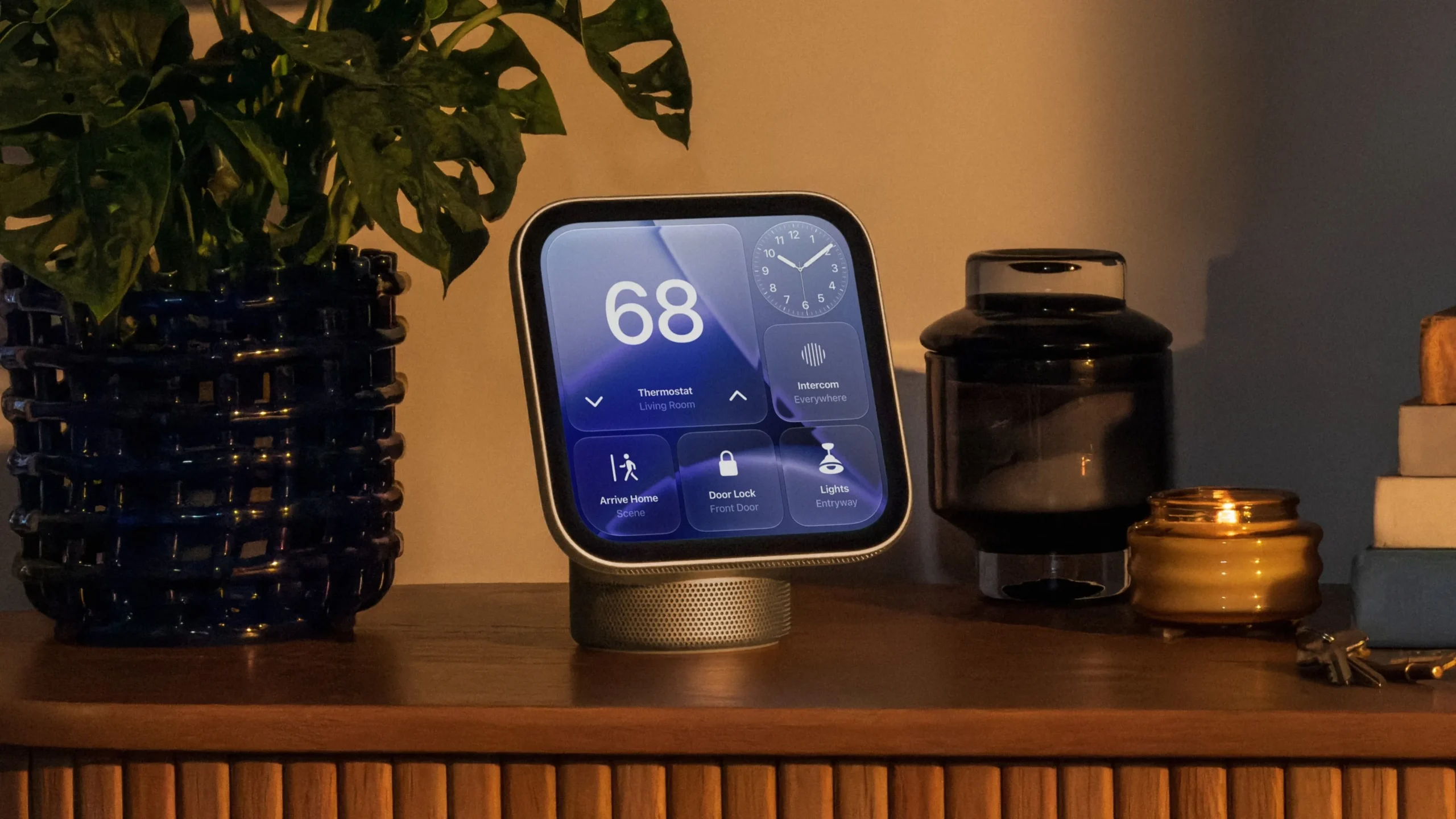
Design That Breaks the Mold
Apple finally unveiled the HomeView, a dedicated smart home display that abandons the traditional rectangular silhouette in favour of a large rounded square. The shape mirrors the Apple Watch Series 10 and looks striking on a countertop, but the compromise becomes evident when you try to watch a YouTube video or follow a recipe. Content is either cropped or heavily distorted, a problem that devices like the Amazon Echo Show 10 or Google Nest Hub Max avoid with their widescreen formats. The colour palette – Silver, Starlight, Rose Pink and Space Grey – feels more like a MacBook selection than a statement piece for a living room.
Third‑Party App Scarcity
When the original iPhone launched in 2007 it relied solely on Apple‑built apps. Apple appears to be repeating that approach with HomeView. Aside from Spotify, Audible and a few native services, the device offers virtually no third‑party apps at launch. Users cannot install the Netflix app or the Samsung Galaxy S25 companion app, limiting the device’s entertainment value. If developers do not optimise their software for the unusual aspect ratio, the HomeView will remain a niche gadget rather than a central media hub.
Compatibility Restrictions
Setting up a HomePod or HomeView still requires an iPhone, but Apple has added another layer of limitation: only iPhone 15 Pro or later models can unlock the full feature set, such as reading text messages or accessing the calendar. Owners of older iPhones – even those as recent as the iPhone 14 – will find many functions disabled, pushing them toward an unnecessary upgrade. This mirrors the experience of early Apple Watch Series 10 users who needed the latest iPhone for health data syncing.
Camera That Won’t Serve as a Security Lens
The HomeView houses a capable 12 megapixel f/2.4 sensor, yet Apple restricts its use to facial recognition, movement detection and FaceTime calls. Unlike the camera‑enabled Amazon Echo Show 10, which doubles as a home‑security camera, the HomeView cannot stream live footage of a pet or a front‑door. Apple suggests pairing the display with separate Home Collection accessories built with LG and Schneider Electric, but that adds cost and complexity for a feature that could have been native.
Pricing and Mounting Headaches
At £299/$299 the HomeView is priced like a high‑end budget smartphone, comparable to the Samsung Galaxy S25 entry price. The price includes a tabletop stand, but wall‑mounting requires an additional compatible mount and power supply – £54.95 for a USB‑C version or £69.99 for an AC‑powered model. The total cost can exceed £350/$350, making the wall‑mounted option a pricey proposition. For many households, the combination of a steep price tag, limited app ecosystem and accessory dependencies makes the HomeView a tough sell.
Pre‑orders are live on Apple UK and US sites, with a launch scheduled for 13 November. Whether the HomeView can overcome its odd decisions and become a staple of the smart‑home market remains to be seen.