
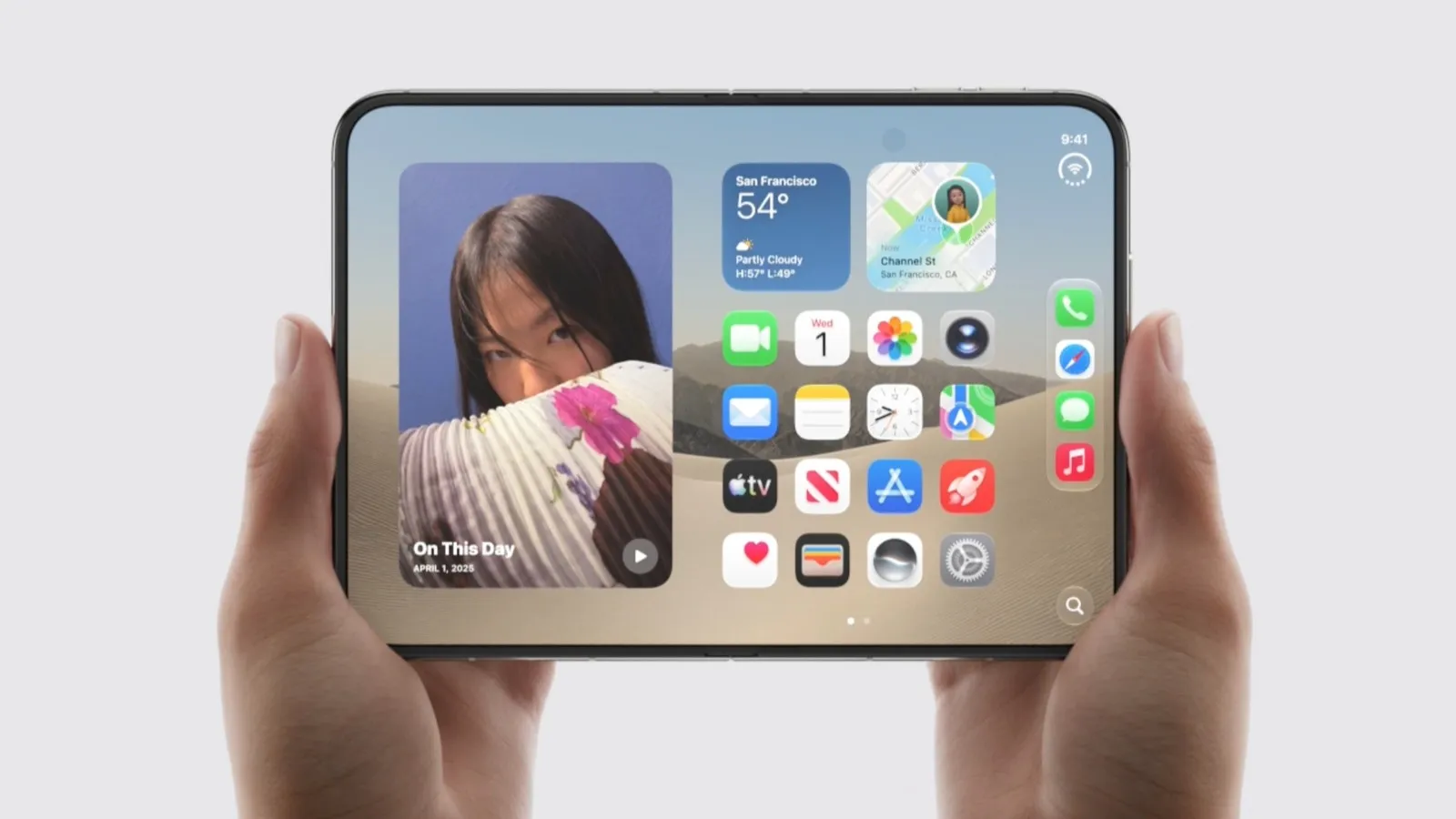
Apple pushes a dedicated app ecosystem for the iPhone Duo
Apple has released detailed guidance for developers to optimise their software for the upcoming iPhone Duo. The guidance explains how to adapt layouts for the 5.4‑inch cover screen and the 7.6‑inch internal display. Apps that meet the criteria receive a special badge in the App Store, signalling to users that the experience is tailored for the Duo. This visual cue encourages owners to download the version that truly leverages the larger screen.
Mandatory screenshots signal long‑term commitment
Starting in April 2027, every new app submitted for App Store approval must include screenshots of the iPhone Duo. Existing apps are not forced to update, but the requirement sends a clear message that Apple expects developers to treat the Duo as a first‑class device. By the time the phone ships on 23 October, a growing catalogue of Duo‑ready apps should already be available.
iPad Mini apps are not enough
When the Duo was announced, many assumed it would simply be a compact iPhone that expands into an iPad Mini‑sized tablet. The 7.6‑inch panel is close to the 8.3‑inch iPad Mini (2024). Apple, however, is not satisfied with a stop‑gap solution. The company knows that the iPad’s success stems from a polished software experience and a deep library of tablet‑optimised apps such as Procreate for iPad and LumaFusion. Apple wants the Duo to inherit that same level of polish, not just a scaled‑up phone app.
Samsung Galaxy Z Fold 8 falls short on app optimisation
The Samsung Galaxy Z Fold 8 also features a 7.6‑inch internal display, yet most Android developers still ship a larger version of their phone app rather than a truly tablet‑centric experience. Users often end up with a stretched phone UI that wastes valuable screen real estate. Convincing developers to create dedicated versions for a relatively small foldable market remains a challenge for Samsung, limiting the Fold’s ability to compete with Apple’s curated approach.
Historical advantage of iPad‑centric apps
Since the iPad debuted in 2010, it has consistently outperformed Android tablets in terms of dedicated app selection. iPadOS offers a richer set of third‑party applications that feel native to the larger screen, from Adobe Photoshop on iPad to Microsoft Office for iPad. Android tablets have narrowed the gap, but experiences can still feel clunky, as demonstrated when trying to replace a laptop with a Galaxy Tab S12 Ultra for a full day of work.
What the future may hold for the iPhone Duo
If Apple’s strategy succeeds, the iPhone Duo could set a new benchmark for folding phones, forcing Android manufacturers to rethink how they support developers. While the Duo will likely carry a premium price tag, the combination of a high‑end chipset, a refined dual‑screen design, and a robust app ecosystem gives it the best chance to become the ultimate phone‑tablet hybrid. Apple appears determined to repeat the iPad’s dominance, this time in the foldable space.